Why is Bag Filtration Essential for Industrial Applications?
Bag Filtration plays a vital role in various industrial applications. Companies rely on effective filtration systems to maintain air quality and enhance productivity. This method helps capture dust, particulate matter, and other pollutants. As industries grow, so do the challenges of managing airborne contaminants.
Effective Bag Filtration ensures equipment operates smoothly. It reduces maintenance costs and prolongs equipment lifespan. Regular filtration improves the overall working environment, benefiting both employees and production processes. However, not all filtration systems are created equal. Some may falter under heavy loads, revealing the weaknesses in design and material.
The challenges with Bag Filtration need attention. Choosing the wrong type can lead to failures. Industries must weigh their options carefully to avoid substantial losses. Continuous evaluation of filtration performance is essential for optimal results. Without proper checks, even the best systems can underperform, affecting overall operations.
Importance of Bag Filtration in Industrial Settings
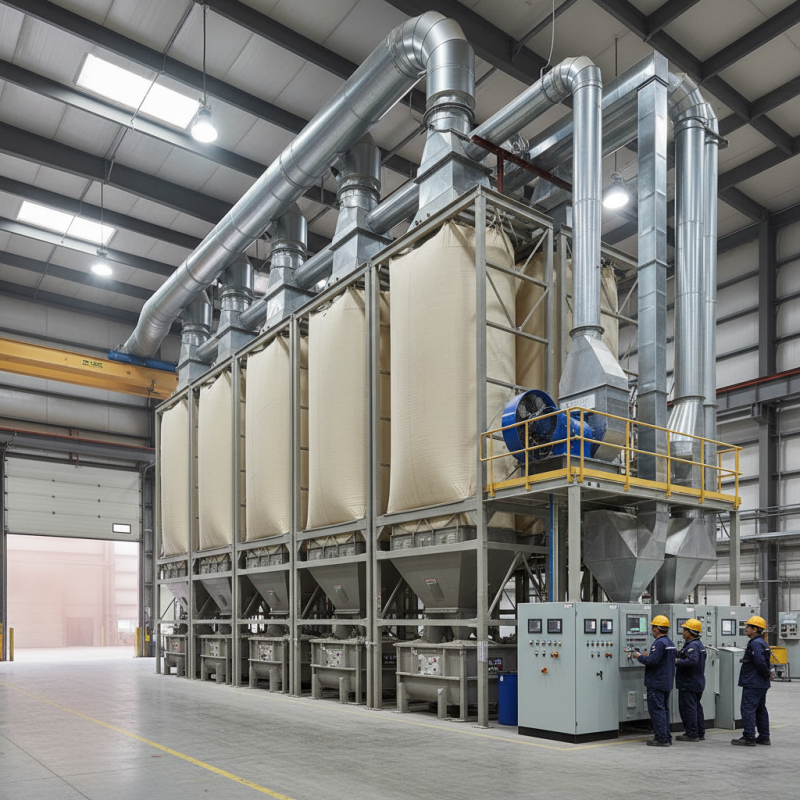
Bag filtration plays a critical role in industrial settings, ensuring air and fluid quality. In sectors like manufacturing or food processing, contaminants must be controlled. Dust, particles, and microbes can jeopardize product integrity. Effective filtration protects employees and machinery from harmful particles.
Implementation of bag filters is crucial for processing systems. They capture various contaminants, maintaining a clean operational environment. Regular monitoring and maintenance are necessary. Filters can become clogged over time. When this happens, efficiency drops, and costs rise. Industries must often reevaluate their filtration strategies to address changing workflow demands.
Not every filtration system is adequate. Some may struggle with specific particle sizes or fluid types. This inconsistency can lead to increased waste and downtime. Investing in filter technology tailored to unique industrial needs is vital. Monitoring performance metrics can highlight areas for improvement. Regular reviews help maintain high standards and ensure safety compliance.
Why is Bag Filtration Essential for Industrial Applications?
| Application Area |
Filtration Efficiency (%) |
Common Contaminants |
Recommended Bag Type |
Maintenance Frequency |
| Pharmaceutical |
99.9% |
Dust, Granules |
Polyester |
Weekly |
| Chemical Processing |
98% |
Solids, Liquids |
PP (Polypropylene) |
Monthly |
| Food Industry |
99% |
Oils, Flavors |
Nylon |
Biweekly |
| Mining |
95% |
Mineral Dust, Slurry |
Fiberglass |
Every 2 Weeks |
| Wastewater Treatment |
97% |
Suspended Solids |
PET (Polyethylene Terephthalate) |
Monthly |
Key Benefits of Implementing Bag Filtration Systems
Bag filtration is a crucial component in many industrial processes. Its primary role is to maintain air and fluid quality. This contributes to a safer working environment and improved product quality. Efficient bag filtration systems capture dust, particulate matter, and contaminants, preventing them from entering the atmosphere or the production line.
One key benefit is enhanced operational efficiency. When filtration systems work effectively, machinery operates better and requires less maintenance. This can lead to lower downtimes. Furthermore, well-maintained air quality promotes worker health. Employees are less likely to suffer from respiratory issues, which can lead to lost workdays.
Yet, not all filtration systems are created equal. Some industries may overlook the importance of regular maintenance. This can result in reduced efficiency and higher operational costs over time. Understanding the specific needs of your facility is vital. Implementing tailored bag filtration systems can lead to significant long-term benefits. Regular reviews are necessary to ensure optimal performance.
Key Benefits of Implementing Bag Filtration Systems
Common Applications of Bag Filtration in Various Industries
Bag filtration plays a crucial role across various industries. It serves to
remove contaminants from liquids
and gases, ensuring the quality and safety of products. In the
food and beverage industry,
bag filters help maintain the purity of liquids, preventing impurities from
affecting flavor and safety. This filtration method is
essential in breweries, where clarity is paramount, and in juice
production, where sediment can spoil the product.
In the
pharmaceutical sector,
bag filtration ensures the sterility of critical processes. Contaminants can compromise
drug efficacy and safety. Here, bag filters act as a frontline defense. They help
in filtering raw materials and during packaging processes. Similarly, in the
chemical industry,
bag filtration aids in removing particulates from process streams, enhancing product quality.
However, reliance on this method requires
regular maintenance. Filters can become clogged, affecting flow rates and filtration efficiency.
Water treatment facilities also benefit significantly from bag filtration. It removes sediments
and microorganisms from water sources, improving overall quality. It’s important to monitor
performance regularly. Failure to do so can result in inefficient filtration, leading to potential
health risks. Ensuring the right filter choice and operational practices is vital. Each industry
has unique challenges, emphasizing the need for customized filtration solutions.
Factors Influencing the Selection of Bag Filters
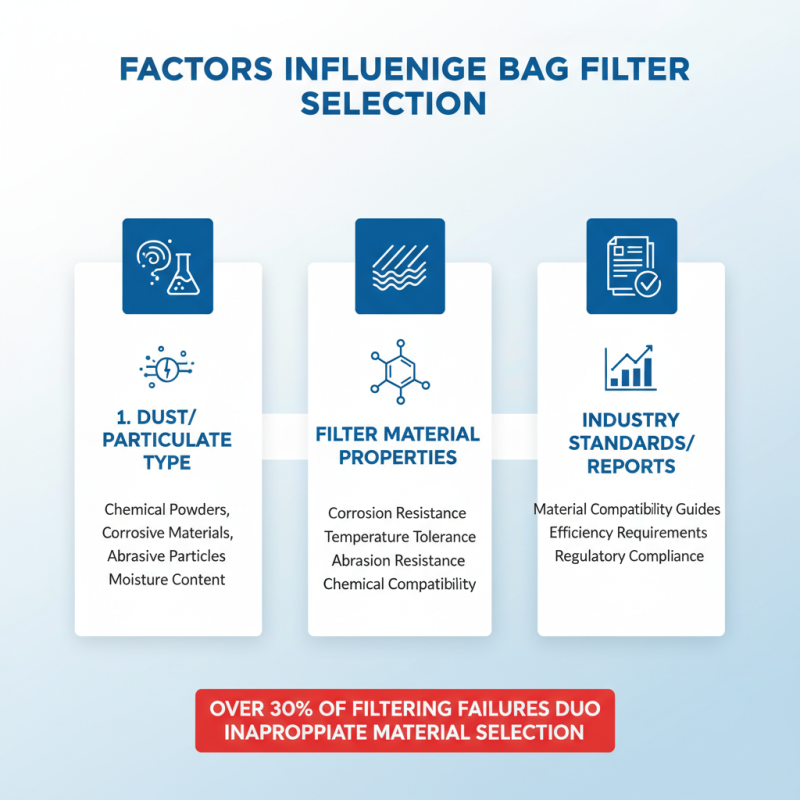
When selecting bag filters for industrial applications, several critical factors come into play. The type of dust or particulate matter needing filtration is paramount. For instance, industries dealing with chemical powders require filters with specific material properties to handle corrosivity. According to a recent industry report, over 30% of filtering failures are due to inappropriate material selection.
Another influential factor is air-to-cloth ratio. This ratio determines the efficiency and lifespan of bag filters. A study found that maintaining a proper air-to-cloth ratio can extend filter life by up to 25%. Additionally, the dust load impacts how frequently filters need replacing. High dust loads can lead to increased operational costs, often resulting in unplanned downtimes. A reactive approach to management can lead to inefficiencies, as companies may underestimate the importance of monitoring these metrics routinely.
Maintenance practices also deeply affect filter performance. Many facilities neglect regular checks, which impacts efficiency adversely. The consequence? Reduced filtration efficacy and higher energy costs. A report indicates that improper maintenance can escalate energy expenses by as much as 15%. Ensuring that maintenance protocols are consistently followed can lead to authoritative performance improvements and help mitigate unforeseen industrial challenges.
Maintenance and Performance Optimization for Bag Filtration Systems
Bag filtration systems play a crucial role in various industrial processes. However, many users neglect the importance of regular maintenance. A well-maintained system can extend the life of filters and enhance overall performance. Regular inspections help identify leaks or blockages, which can lead to inefficiencies. This attention to detail ensures that air and fluid quality remains high.
Performance optimization involves assessing the filtration efficiency and pressure drop. A higher pressure drop means more energy costs. Adjusting the filtration process can result in significant savings. Operators should review system parameters frequently. Simple changes often yield substantial benefits. The goal is to achieve a balance between efficiency and cost-effectiveness.
Operators must not overlook the role of training for staff. Knowledgeable employees can spot issues early, preventing costly downtime. Encouraging staff to document maintenance activities is beneficial. This documentation can highlight patterns or recurring problems, allowing for proactive solutions. Reflecting on past experiences can lead to improved practices and robust filtration systems in the long term.


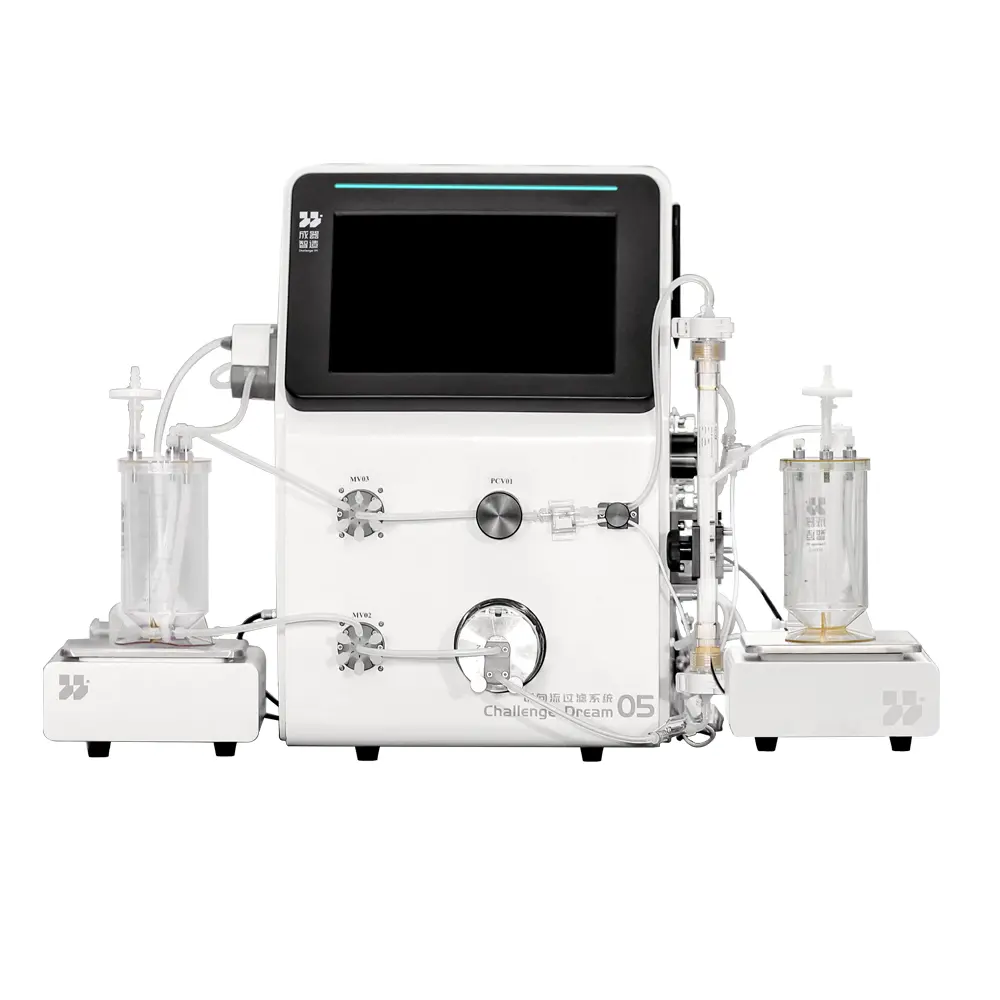 Tangential Flow Filtration(TFF) System
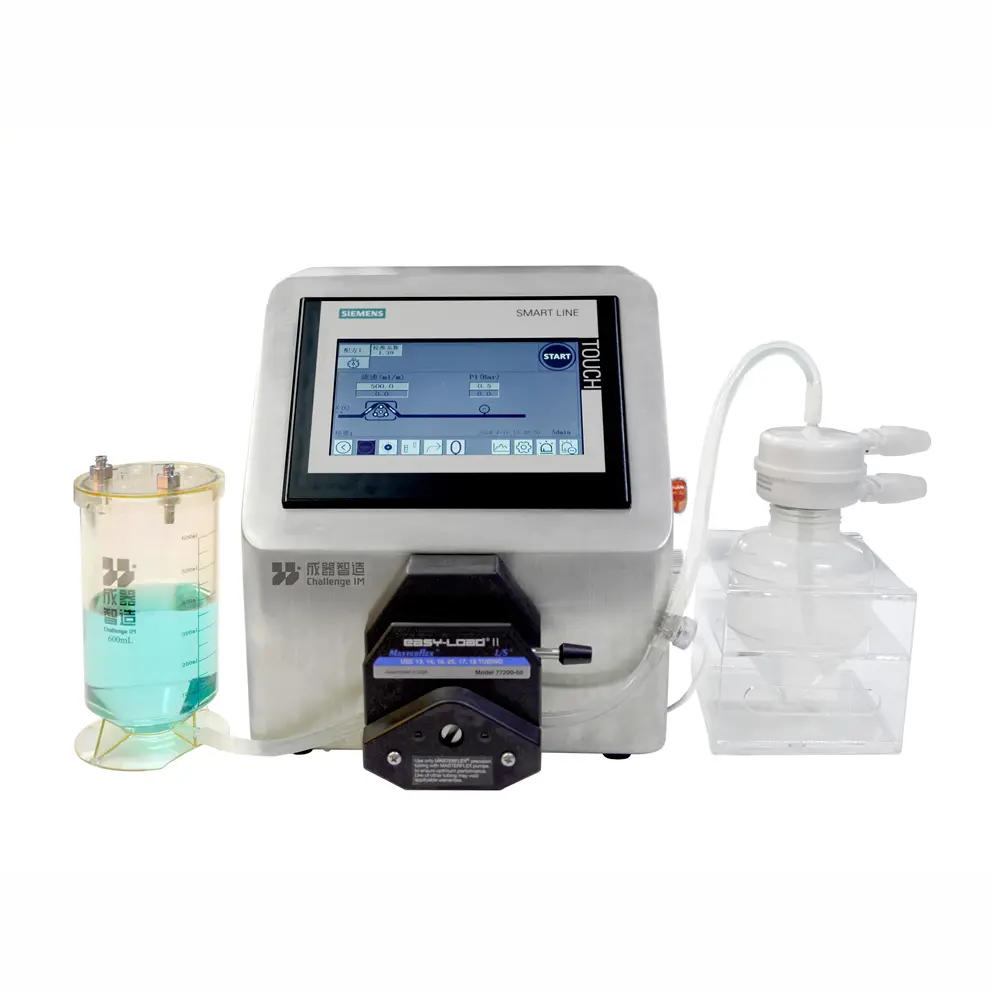 Jump Pump
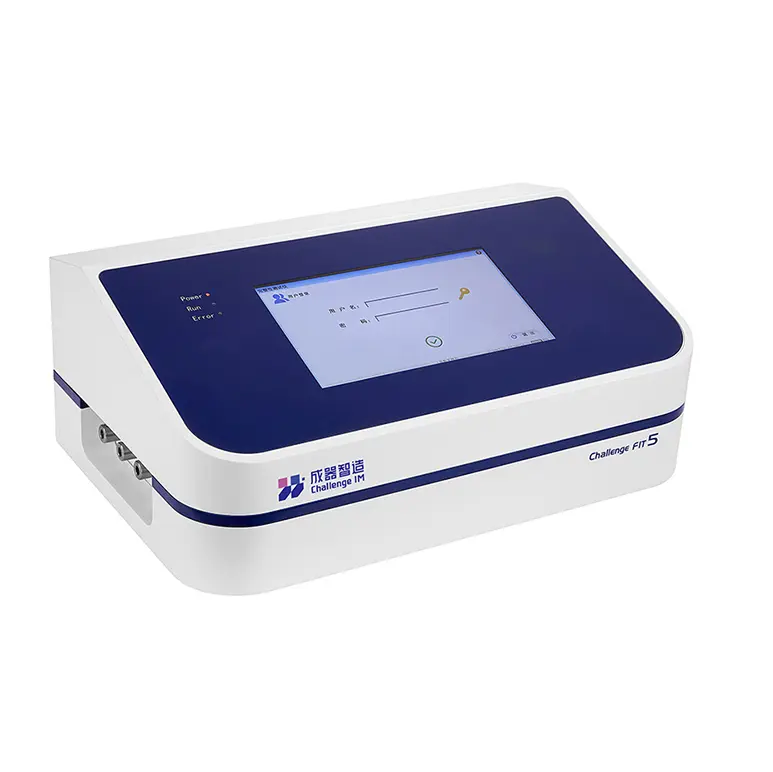 FIT Integrity Tester
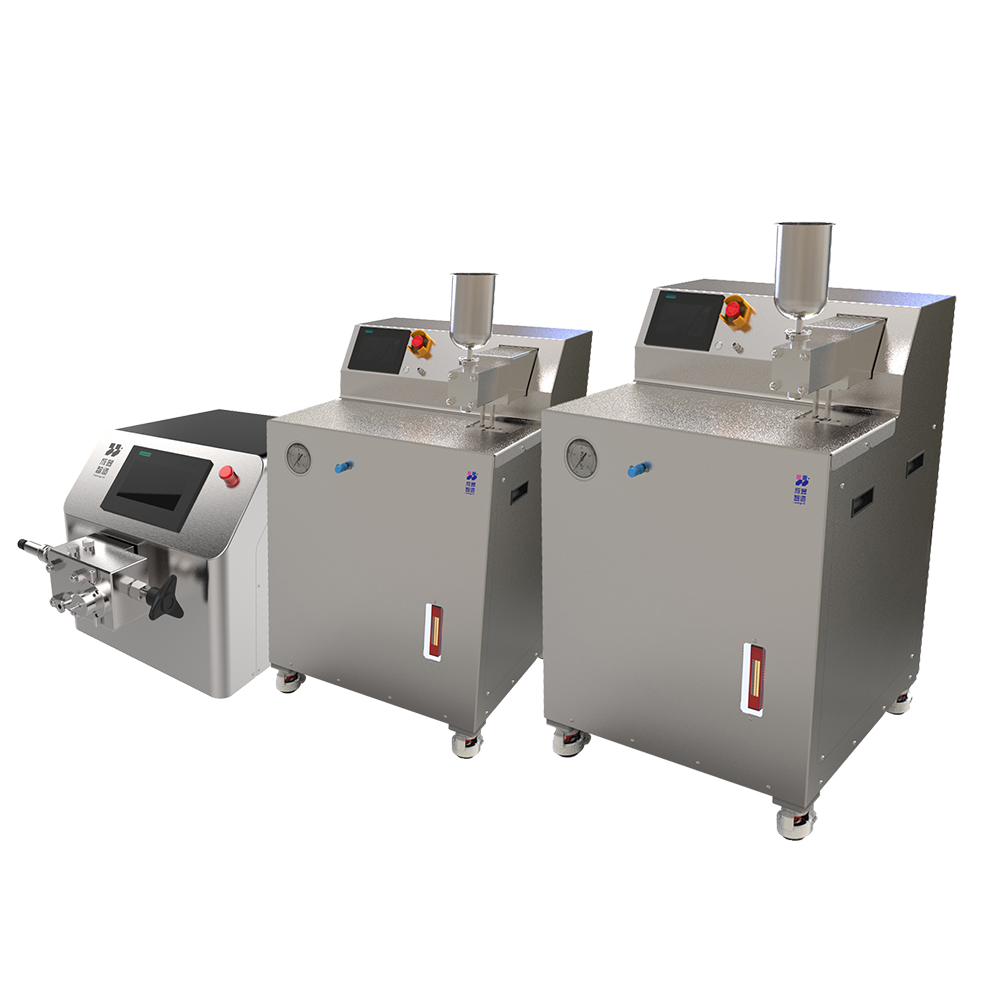 High Pressure Homogenizers
 Microfluidics