Top 10 Benefits of Using Nanofiltration Filter Technology in Water Treatment?
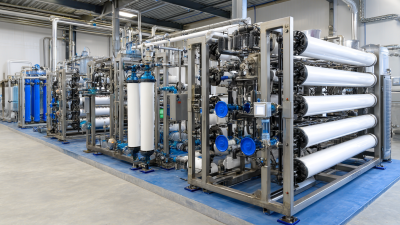
Nanofiltration filter technology is transforming water treatment processes across industries. According to a report by the Environmental Protection Agency, around 90% of pollutants can be effectively removed using nanofiltration methods. This technology stands out for its ability to separate contaminants while maintaining essential minerals. It operates at a filtration size between ultrafiltration and reverse osmosis, allowing users to achieve higher efficiency with lower energy consumption.
Water scarcity is a pressing global issue. The UN estimates that nearly 2 billion people face water shortages. This reality compels industries to adopt more sustainable practices. Nanofiltration filters provide an effective solution by reducing waste and improving water quality, making them a valuable resource in tackling these challenges.
Despite significant benefits, there are considerations to address. The initial investment for implementing nanofiltration systems can be high. Additionally, the technology's effectiveness depends on the specific contaminants present in the water supply. Understanding these nuances is crucial for achieving optimal results. As industries navigate these complexities, the role of nanofiltration filters in water treatment will continue to evolve, promising both opportunities and challenges for future advancement.
Understanding Nanofiltration: Definition and Mechanism of Action
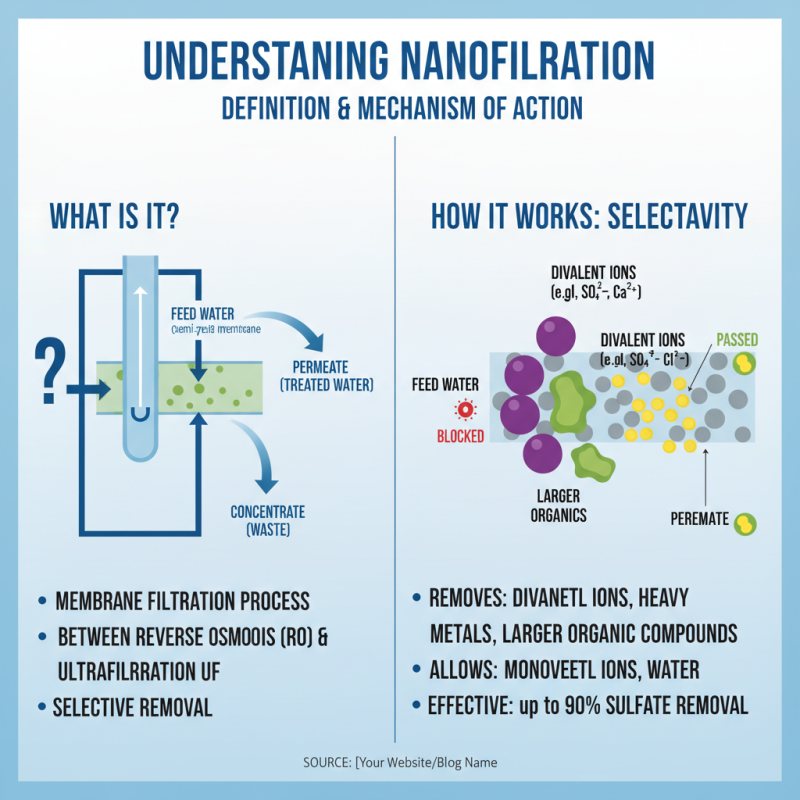
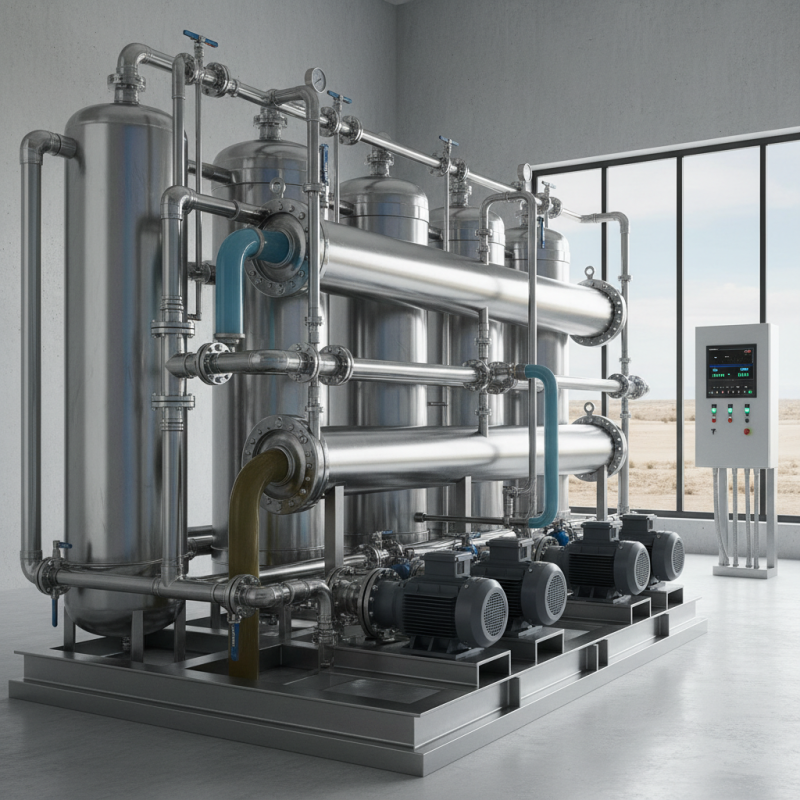
Nanofiltration (NF) is a membrane filtration process that falls between reverse osmosis and ultrafiltration. It effectively removes divalent ions and larger molecules while allowing monovalent ions to pass through. This selectivity makes NF suitable for treating a wide range of water contaminants, including heavy metals and larger organic compounds. Reports indicate that NF can remove up to 90% of sulfate and other divalent ions, making it a valuable tool in water treatment.
The mechanism of nanofiltration involves the use of semi-permeable membranes with pore sizes ranging from 1 to 2 nanometers. These membranes function based on size exclusion and electrostatic interactions. As water flows through the membrane, larger particles are blocked, while smaller, benign particles can pass. The result is clean water with a reduced concentration of pollutants. Industry research shows that NF systems can reduce chemical usage by 30% or more, contributing to a more sustainable water treatment process.
Despite its advantages, nanofiltration is not without challenges. Fouling of membranes can lead to decreased efficiency and higher maintenance costs. Monitoring and managing fouling is crucial for optimal performance. Additionally, the initial investment in NF technology can be significant, raising questions about cost-effectiveness in certain applications. Addressing these issues requires continuous improvement and innovation within the water treatment sector.
Key Advantages of Nanofiltration in Water Treatment Processes
Nanofiltration technology has gained recognition in water treatment for its unique advantages. It operates at a pressure lower than reverse osmosis, reducing energy consumption. This efficiency makes it appealing for industrial applications. It effectively removes divalent ions and larger molecules while allowing monovalent ions to pass, which is essential for specific water quality needs.
One key benefit is the reduction of organic contaminants. This technology plays a significant role in eliminating harmful substances from water supplies. It can tackle pollutants like pesticides and pharmaceutical residues. Additionally, it minimizes scaling and fouling in membranes, maintaining operational efficiency over time. However, the initial cost of nanofiltration systems can be a barrier. Users must weigh their advantages against the investment required.
Another important aspect is the adaptability of nanofiltration. Different configurations can suit various water sources. It can be adjusted for specific applications, making it versatile. However, operating parameters require careful monitoring. Overlooking them can lead to reduced performance. Users must stay vigilant to ensure the system operates within optimal ranges for longevity and effectiveness.
Top 10 Benefits of Using Nanofiltration Filter Technology in Water Treatment
| Benefit |
Description |
| Effective Contaminant Removal |
Removes divalent and larger ions, organic compounds, and microorganisms. |
| Lower Energy Consumption |
Requires less energy compared to reverse osmosis systems. |
| Improved Water Quality |
Enhances the taste and safety of drinking water. |
| Sustainability |
Minimizes waste production and uses less water than traditional methods. |
| Versatility |
Applicable in a wide range of industries including food and beverage, pharmaceuticals, and municipal water treatment. |
| Operational Flexibility |
Can operate effectively at variable flow rates and changing feed water conditions. |
| Cost Efficiency |
Lower operational costs due to reduced energy and chemical use. |
| Longer Membrane Life |
Nanofiltration membranes typically have longer lifespans than other filtration methods. |
| Selective Ion Removal |
Allows for the selective removal of contaminants, preserving beneficial minerals. |
| Compact System Design |
Requires less space compared to traditional water treatment systems. |
Enhanced Removal of Contaminants: A Comparison with Other Filtration Systems
Nanofiltration technology has gained attention for its effectiveness in water treatment. Compared to traditional filtration systems, it offers enhanced removal of contaminants. This is particularly evident in its ability to filter out larger molecules and ions, such as hardness and certain organic compounds. The unique size exclusion properties of nanofiltration membranes allow for selective filtration, ensuring cleaner water.
One key advantage is the technology's ability to reduce harmful substances while retaining essential minerals. This selective process targets unwanted particles, including pesticides and pathogens. As a result, water quality improves significantly. However, the process isn't without challenges. Fouling of membranes can occur, leading to increased maintenance and operational costs.
Understanding these nuances is vital for effective water management. While nanofiltration presents a powerful solution, it requires continuous monitoring and adjustments. Proper training for operators is essential to maximize its benefits and ensure reliability. The technology shows promise, yet users must remain aware of its limitations and possible areas for improvement.
Top 10 Benefits of Using Nanofiltration Filter Technology in Water Treatment
This chart illustrates the top benefits of nanofiltration filter technology in water treatment, comparing the effectiveness of each benefit on a scale from 0 to 100. The highlighted scores indicate the strong advantages of nanofiltration, especially in removing contaminants effectively.
Cost-Effectiveness and Efficiency of Nanofiltration Technology
Nanofiltration technology has emerged as a pivotal solution in water treatment processes. Its cost-effectiveness lies in its ability to reduce operational expenses significantly. According to a recent report from the American Water Works Association, facilities utilizing nanofiltration can save up to 30% on energy costs compared to traditional methods. This efficiency stems from its lower pressure requirements, leading to reduced energy consumptions in the filtration process.
The investment in nanofiltration systems often pays off quickly due to their longevity and lower maintenance. Reports suggest that these systems can last up to 10 years with minimal upkeep, unlike conventional filters that may require more frequent replacements. Additionally, nanofiltration effectively removes a wide range of contaminants, enhancing water quality and reducing the need for further treatment. However, not all water sources are suitable for this technology. Some users find that membrane fouling can occur, requiring an assessment of specific water characteristics before implementation.
Environmental Benefits of Adopting Nanofiltration in Water Purification
Nanofiltration filter technology offers significant environmental benefits in water treatment. This innovative method effectively reduces contaminants, ensuring safer drinking water. It can eliminate pesticides, heavy metals, and organic compounds. Its selective permeability allows essential minerals to pass through while rejecting harmful substances. As a result, communities can achieve cleaner water with fewer chemicals.
Using nanofiltration also leads to less waste. Traditional treatment methods often generate large amounts of sludge. This technology minimizes that, making disposal easier. It can recycle water, reducing the strain on freshwater sources. This is crucial as the global population increases and water scarcity becomes a pressing issue.
Tips: Regularly monitor your water quality. Ensure your nanofiltration system is well-maintained. Check for any signs of wear and tear. Small changes in performance may indicate that the filters need replacement. Additionally, educate those around you about the benefits of nanofiltration. Not everyone may understand its value in sustainable water practices.


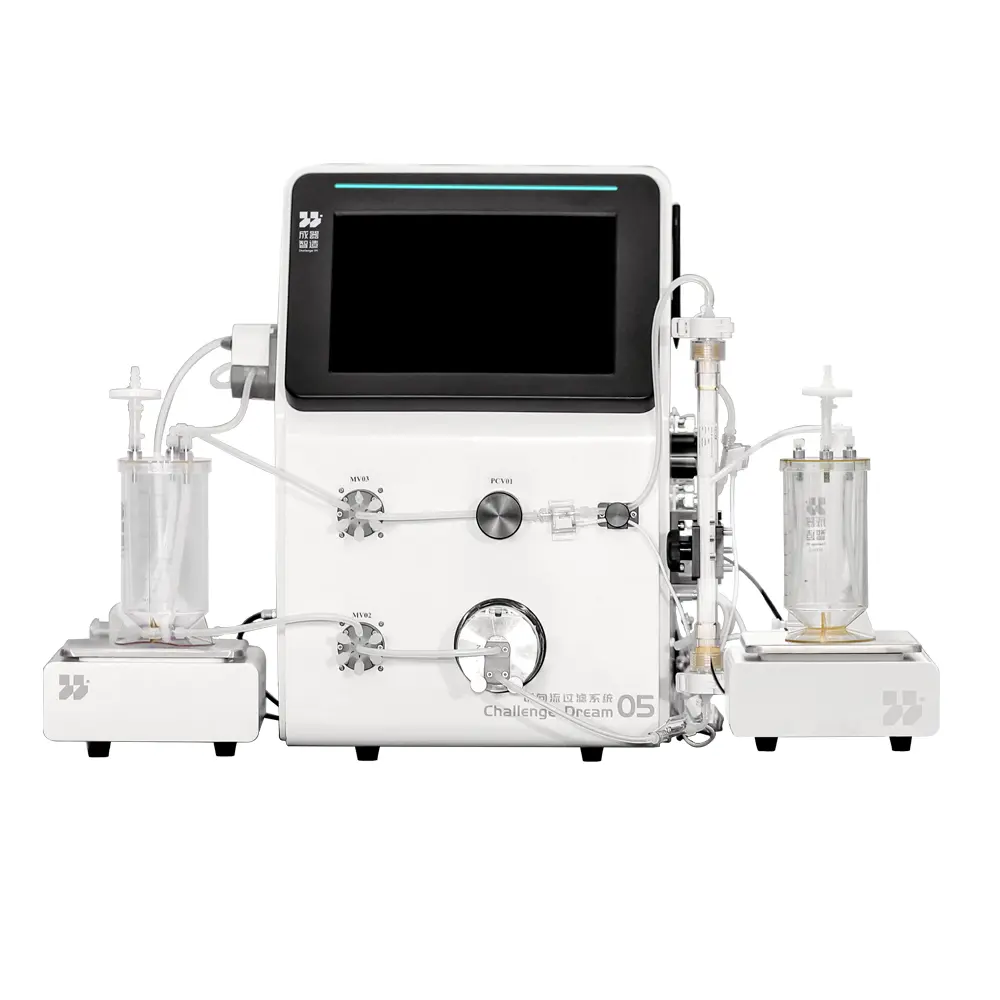 Tangential Flow Filtration(TFF) System
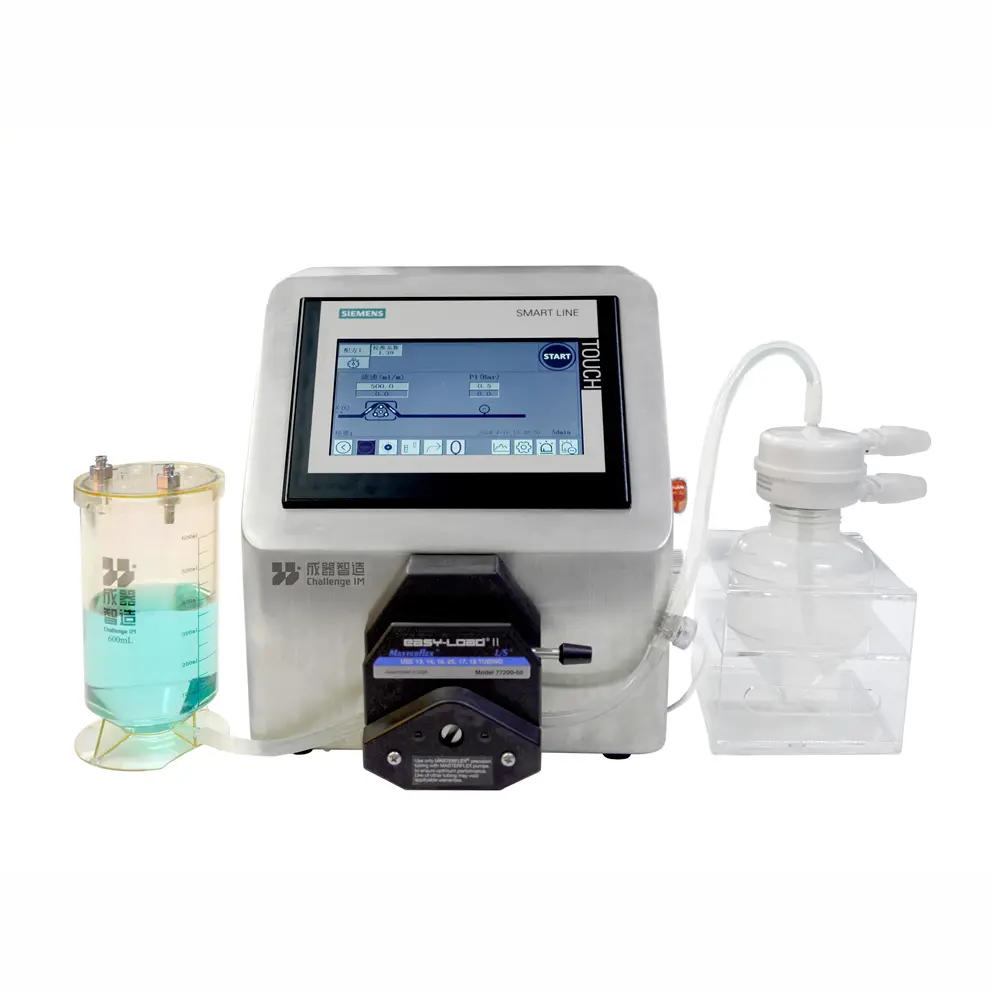 Jump Pump
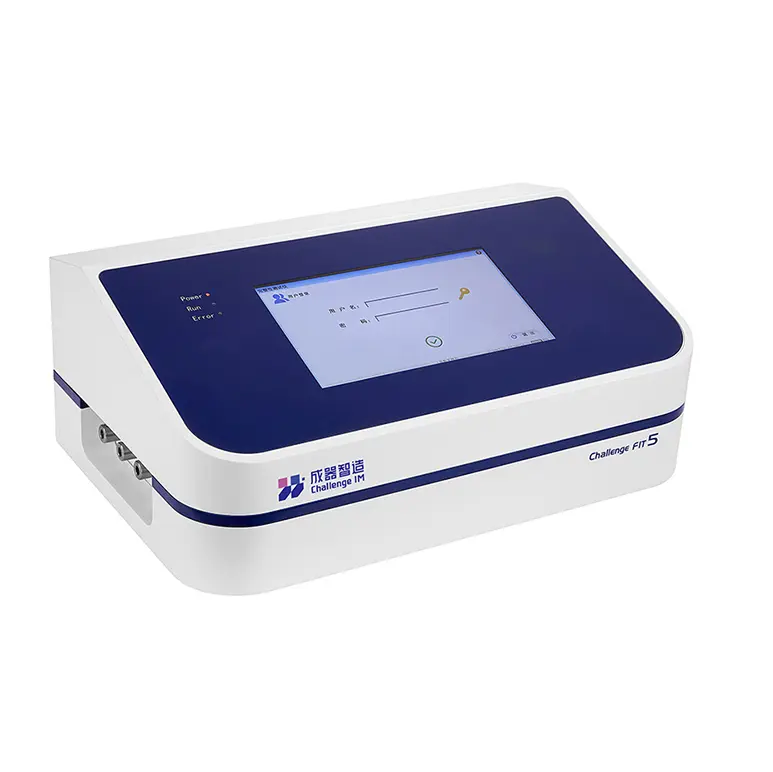 FIT Integrity Tester
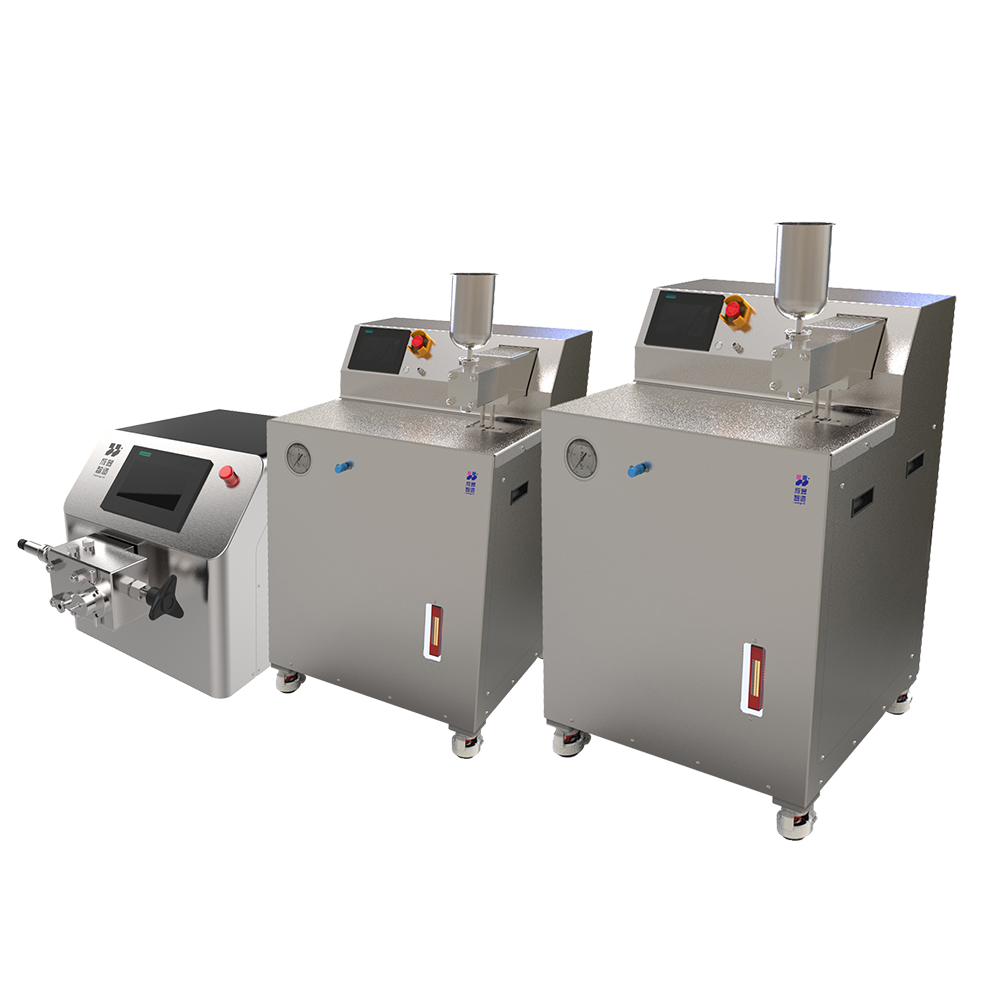 High Pressure Homogenizers
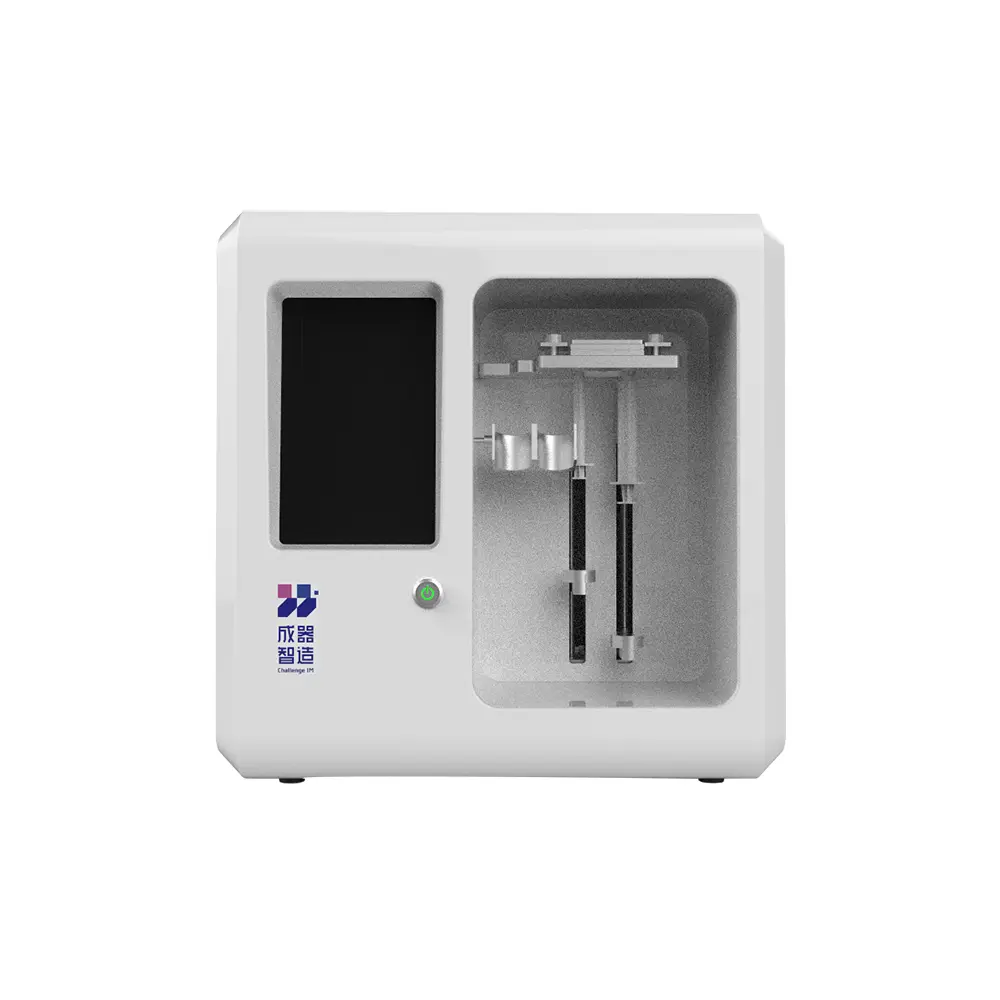 Microfluidics