Top 10 Benefits of Prefab Container Houses You Should Know?
Prefab Container Houses are gaining popularity as innovative living solutions. They offer a unique combination of functionality and aesthetics. These houses, made from shipping containers, are versatile and cost-effective. Many individuals are drawn to their sustainable features.
The benefits of aPrefab Container House are abundant. They are quick to assemble and can be modified easily. Their design can fit various lifestyles and needs. This adaptability appeals to homeowners and businesses alike. However, potential buyers should consider zoning laws and space limitations. Not every location permits these structures, and that can complicate plans.
Another aspect to ponder is the insulation and material durability. While prefab houses are generally robust, local climate can affect their longevity. A thorough research process is crucial. Ultimately, aPrefab Container House can be an excellent choice, combining creativity and practicality.
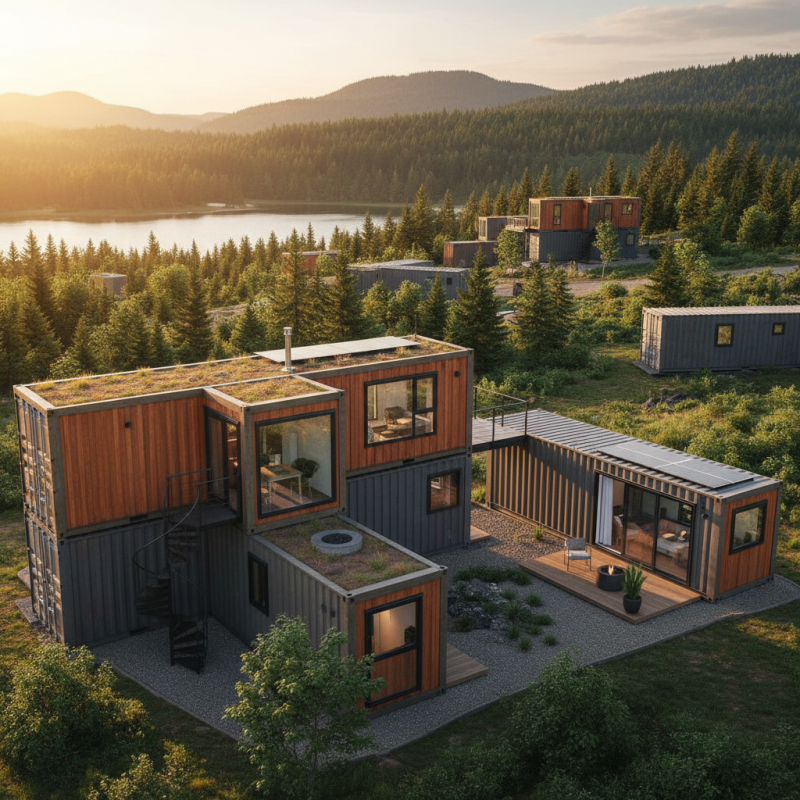
Advantages of Prefab Container Houses in Sustainable Living
Prefab container houses are becoming a practical choice for sustainable living. These structures repurpose shipping containers, reducing waste in landfills. They are often built quickly, minimizing the impact on the environment. Additionally, their energy-efficient designs can lower utility bills. This kind of housing often includes natural insulation, which reduces the need for heating and cooling.
However, there are challenges to consider. Not all designs maximize space effectively, which can lead to cramped living conditions. Some containers may require significant renovations to meet local building codes. Despite these hurdles, prefab houses can be tailored to individual needs. They offer unique aesthetics and versatile configurations. Choosing durable and eco-friendly materials can enhance their sustainability.
Investing in prefab container houses also sparks discussion about community and lifestyle choices. They can encourage simpler living, reducing consumerism. Yet, the initial cost can be high, impacting affordability. As this trend grows, it’s essential to reflect on the balance between innovation and practicality in sustainable housing. Engaging with local regulations and community feedback is vital for success.
Cost-Effectiveness Compared to Traditional Housing Solutions
Prefab container houses present a compelling alternative to traditional housing. Their cost-effectiveness is particularly noteworthy. According to a recent report by the National Association of Home Builders, prefab homes can save homeowners 20-30% on construction costs. This is largely because they minimize waste during production. With shrinking budgets, many individuals and families are turning to these innovative solutions.
Construction time also plays a vital role in overall costs. Prefab container houses can be erected in a matter of weeks, rather than months. A study from the Modular Building Institute indicates that speedier construction reduces labor costs significantly. Homeowners can save thousands, allowing them to invest more into their living spaces.
However, it’s essential to recognize the limitations. Prefab houses can face zoning challenges. Local building codes and regulations may not always support them. Homebuyers should carefully research local laws before proceeding. There’s also a concern about resale value. In some areas, these homes may not appreciate as quickly as traditional houses. Doing comprehensive due diligence can help mitigate these risks.
Top 10 Benefits of Prefab Container Houses
Quick Construction Time and Efficient Assembly Process
Prefab container houses offer quick construction time and an efficient assembly process. Traditional building methods can take months or even years. In contrast, prefab homes can be set up in weeks. Research shows that these homes can reduce construction time by 30-50%. This efficiency is mainly due to the use of pre-manufactured components. Less time on-site means lower labor costs and faster project completion.
Moreover, prefab homes minimize delays caused by weather or supply chain issues. According to a report from the National Association of Home Builders, prefabrication can decrease labor costs by up to 20%. This is significant for budget-conscious projects. However, issues such as transportation and site preparation can arise. Not every location is ideal for prefab options, presenting a challenge.
The assembly process is straightforward yet requires skilled labor. Inexperienced workers may struggle, which can lead to quality control problems. It’s essential to have a trained team to ensure the structure’s integrity. Despite these challenges, the benefits of quick assembly and reduced timelines are compelling for many buyers looking for rapid solutions in housing.
Portability and Versatility in Various Locations
Prefab container houses offer exceptional portability. They can easily be transported from one location to another. This is a significant advantage for those who need flexibility. Imagine relocating your home without the hassle of traditional moving. This feature appeals to adventurers and remote workers alike.
Versatility is another key aspect. These homes can be set up in various environments. Whether it's a rugged mountain terrain or a serene beach, a container house fits in. They can be used for different purposes: a cozy retreat, an office, or even a guest house. However, one must consider local zoning laws. Not all locations are welcoming to such structures.
Portable homes can sometimes feel temporary. They might lack the permanence of traditional houses. This can lead to feelings of instability for some occupants. Yet, for many, this is part of the charm. Embracing simplicity and mobility can inspire a unique lifestyle. It’s essential to weigh these factors when choosing this living option.
Customizability and Design Flexibility of Container Homes
Container homes are becoming increasingly popular due to their customizability and design flexibility. Unlike traditional homes, these structures allow for a variety of layouts. They can be modified easily to create unique living spaces that suit individual needs. According to a 2022 report by the Modular Building Institute, up to 50% of all container home owners prioritize customization during the design phase.
Homeowners can choose different sizes, configurations, and finishes. Walls can be shifted, openings created, and materials altered. A recent study found that 70% of new container homes incorporate sustainable materials. This adaptability not only meets aesthetic preferences but also aligns with eco-friendly practices.
However, challenges exist. While many celebrate the flexible designs, some may struggle with local zoning laws. Regulations can vary significantly, making it hard for owners to realize their vision. As the popularity of container housing grows, these potential roadblocks highlight the need for further research on compliance. Balancing creativity and regulation is crucial for maximizing the benefits of these innovative homes.
Top 10 Benefits of Prefab Container Houses You Should Know
| Benefit | Description | Impact |
| Customizability | Prefab container houses can be easily customized to fit your specific needs. | Allows for personal expression and flexibility in design. |
| Design Flexibility | Various designs can be used from modern to rustic styles. | Attracts a diverse range of homeowners. |
| Sustainability | Built from recycled shipping containers, reducing waste. | Contributes to environmental conservation. |
| Cost-Effective | Generally cheaper than traditional construction methods. | Saves money for homeowners and developers. |
| Speed of Construction | Faster to build compared to conventional houses. | Reduces time to occupancy. |
| Mobility | Can be relocated if necessary, providing flexibility. | Useful for transient lifestyles or businesses. |
| Durability | Designed to withstand harsh weather conditions. | Ensures longevity and safety. |
| Energy Efficiency | Can be designed with energy-efficient systems and materials. | Reduces utility costs and carbon footprint. |
| Community Integration | Easily integrated into various community settings. | Supports local development and infrastructure. |
| Versatility | Serves multiple purposes from homes to offices and stores. | Maximizes the use of space effectively. |


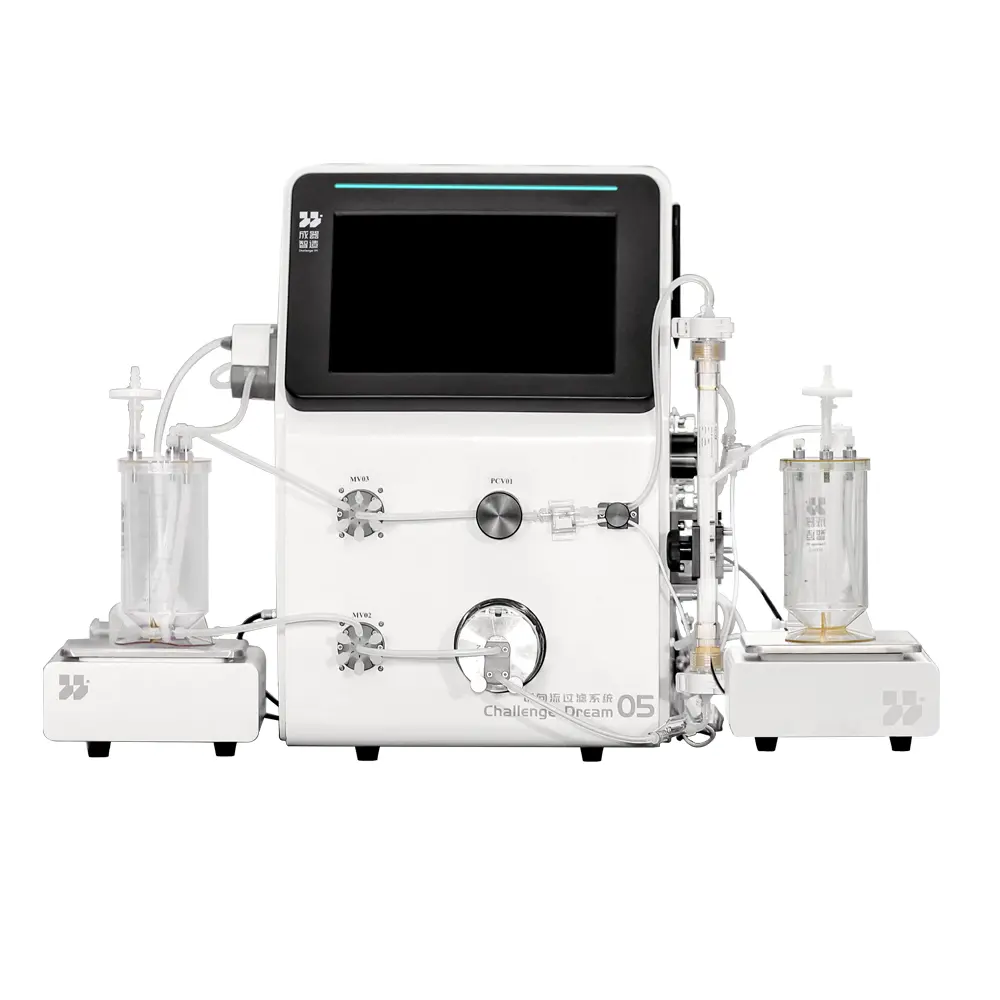 Tangential Flow Filtration(TFF) System
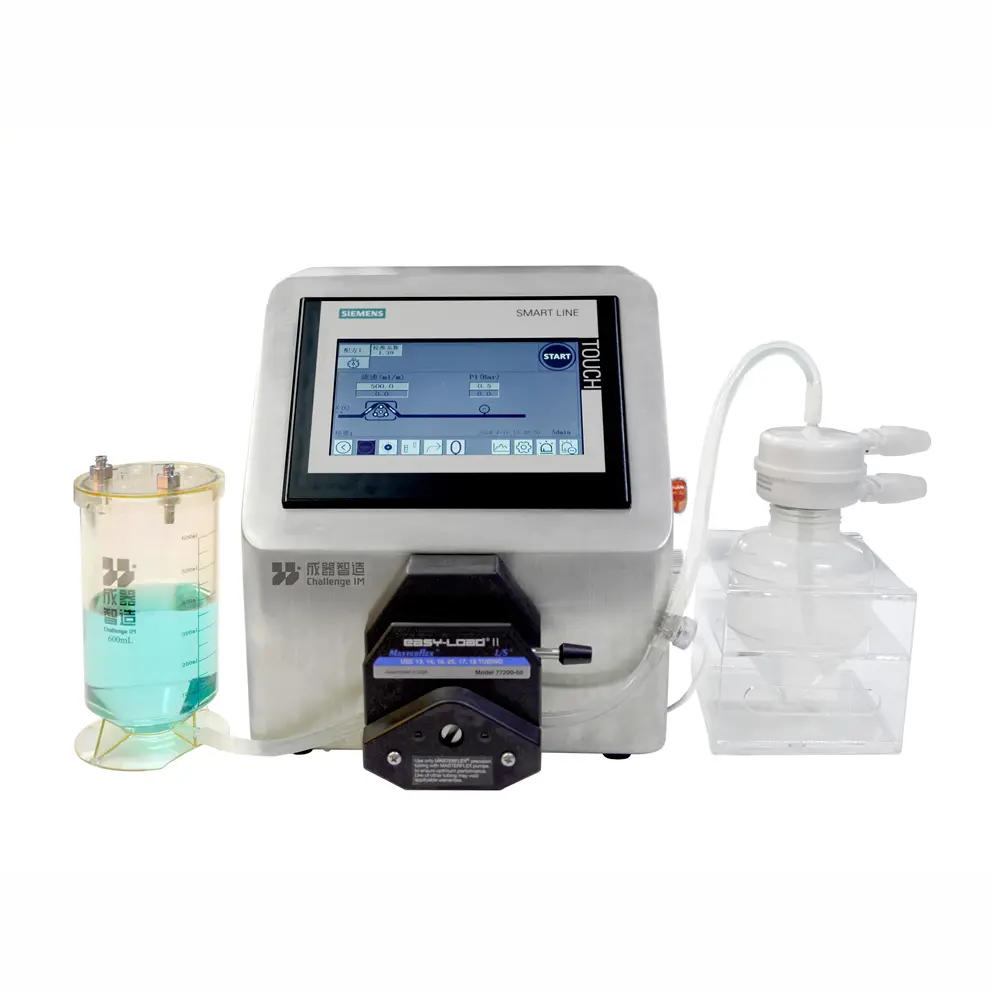 Jump Pump
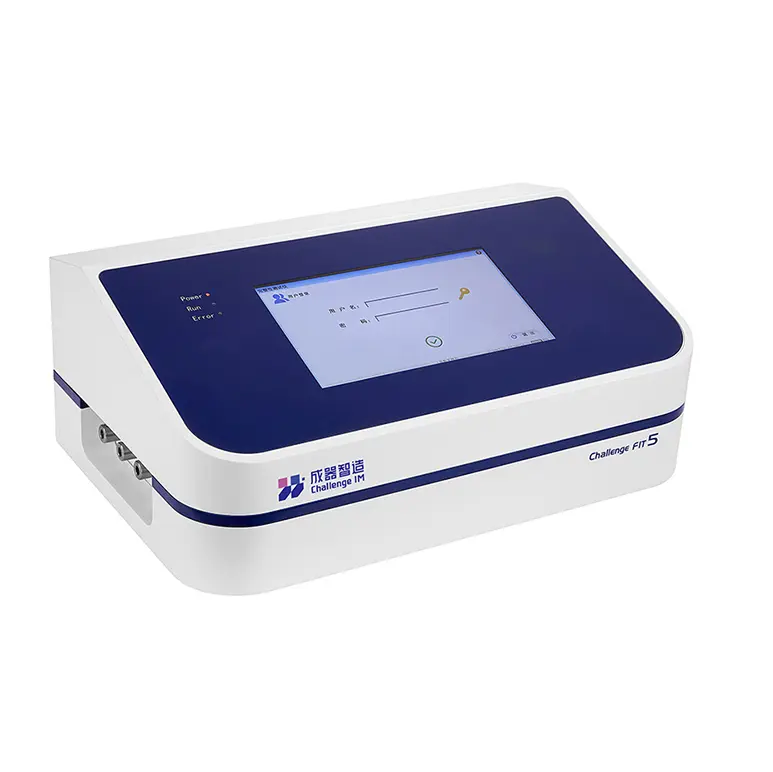 FIT Integrity Tester
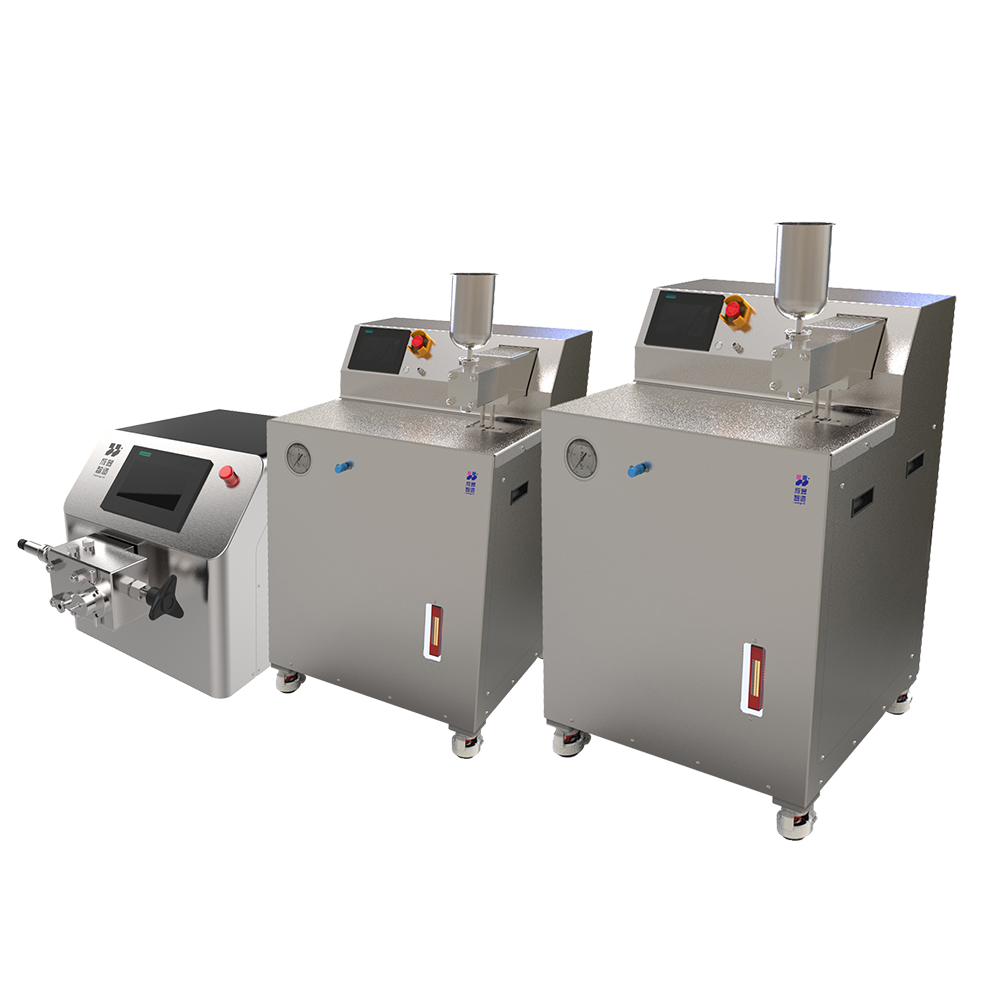 High Pressure Homogenizers
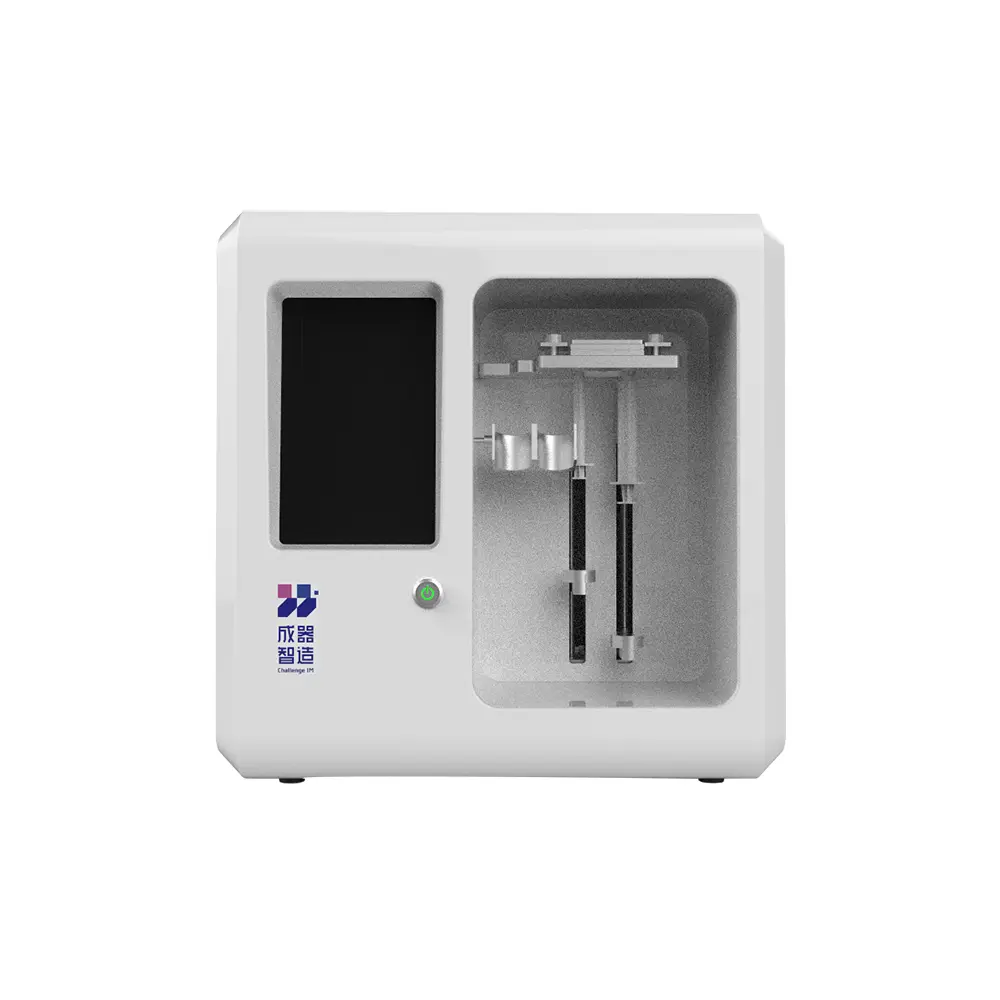 Microfluidics

