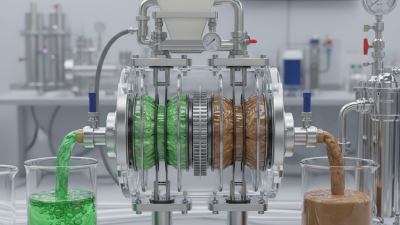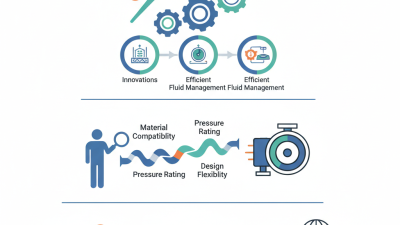
In today's industrial landscape, the efficiency of pumping systems can make or break a business. Diaphragm pumps have emerged as a powerful solution for various applications, offering unique advantages over traditional pumps. According to a report by the Fluid Power Manufacturers Association, diaphragm pumps contribute to a 20% increase in operational efficiency in fluid transfer applications. Expert Dr. Michael Lee emphasizes this, stating, "Diaphragm pumps can radically change how industries manage fluid movement."
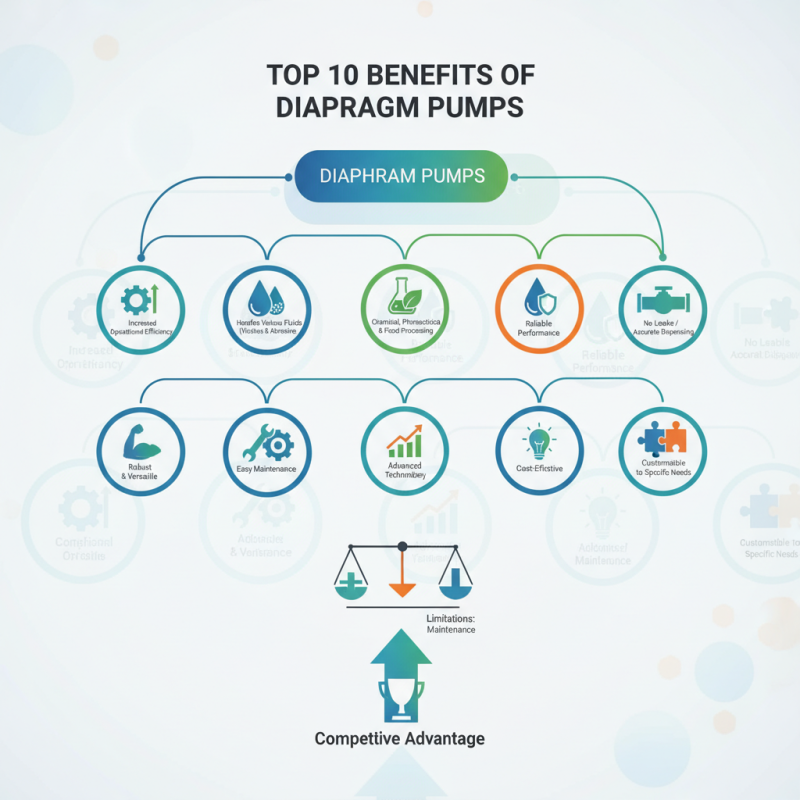
These pumps are robust and versatile. They handle a wide range of fluids, including viscous and abrasive materials. Industries such as chemicals, pharmaceuticals, and food processing benefit significantly from their reliable performance. Diaphragm pumps ensure that the right amount of fluid is dispensed without leaks. However, businesses should be aware of some limitations, such as the need for regular maintenance to prevent wear. Recognizing both the strengths and challenges helps in making informed decisions.
While the advantages are clear, some companies overlook the importance of aligning pump selection with their specific needs. Investing time in understanding diaphragm pumps’ capabilities can yield significant benefits. As industries evolve, adapting to advanced technologies like diaphragm pumps will be crucial for maintaining competitiveness.
Diaphragm pumps offer significant advantages across various industrial applications. Their unique design allows for efficient handling of both viscous and abrasive fluids. According to a report by the Hydraulic Institute, diaphragm pumps can achieve efficiencies exceeding 85%, making them a preferred choice in sectors such as chemical processing and pharmaceuticals.
In the food and beverage industry, hygiene is paramount. Diaphragm pumps meet stringent sanitary standards, ensuring quality and safety. They are easy to clean and maintain, reducing downtime in production lines. Surveys show that companies have reduced operational costs by up to 30% by switching to diaphragm pumps, thanks to lower energy consumption and improved reliability.
Tips: Always consider the fluid characteristics before selecting a pump. Test various configurations to find the best fit. Regular maintenance checks can prevent unexpected failures, ensuring continuous operation. Invest in training your staff on pump handling to maximize efficiency and safety. Consistent monitoring can lead to better insights into your pumping systems’ performance.
| Benefit | Description | Application |
|---|---|---|
| Versatility | Can handle various fluids, including corrosive and viscous materials. | Chemical processing, food and beverage production. |
| Self-Priming | Can draw fluid from a lower level without additional assistance. | Water treatment, wastewater management. |
| Safety | Minimizes the risk of leaks and spills, enhancing workplace safety. | Pharmaceutical industry, hazardous material handling. |
| Durability | Built to withstand harsh operating conditions and extended use. | Mining, oil and gas industries. |
| Low Maintenance | Requires less frequent servicing compared to other pump types. | Agricultural applications, irrigation systems. |
| Energy Efficiency | Designed to use less energy while functioning effectively. | HVAC systems, process industries. |
| Positive Displacement | Delivers consistent flow rates regardless of pressure variations. | Construction, pumping slurries. |
| Non-Metallic Options | Available in materials resistant to corrosion and wear. | Food processing, cosmetics manufacturing. |
| Compact Design | Space-saving design suitable for tight installations. | Laboratories, small-scale production units. |
| Wide Range of Accessories | Compatible with various fittings and accessories to enhance functionality. | Automotive applications, fluid transfer systems. |
Diaphragm pumps have become increasingly popular in various industries due to their cost-efficiency. One of the key advantages is their low operating costs. According to recent industry reports, diaphragm pumps can reduce energy consumption by up to 20% compared to traditional pumps. This reduction not only decreases electricity bills but also lessens the overall carbon footprint. Many businesses appreciate this dual benefit, especially those trying to enhance their sustainability practices.
Maintenance expenses also play a crucial role in the cost-efficiency of diaphragm pumps. These pumps have fewer moving parts, often leading to lower wear and tear. Research indicates that maintenance costs can drop by up to 30% when using diaphragm pumps instead of centrifugal models. However, businesses must remain vigilant. While the initial investment might seem high, understanding the long-term savings can justify the cost. Investing in diaphragm pumps means considering both upfront costs and lifetime expenses.
There are other factors to weigh as well. Some facilities may face limitations in space or equipment compatibility. This creates a need for careful evaluation before fully transitioning to diaphragm technology. Being aware of these challenges ensures informed decisions and promotes operational efficiency.
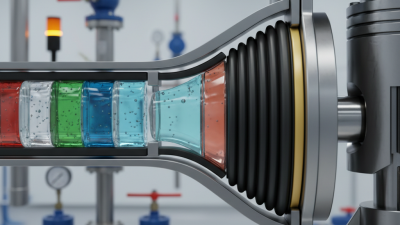
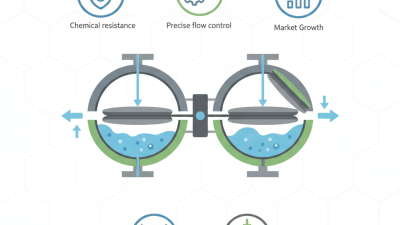
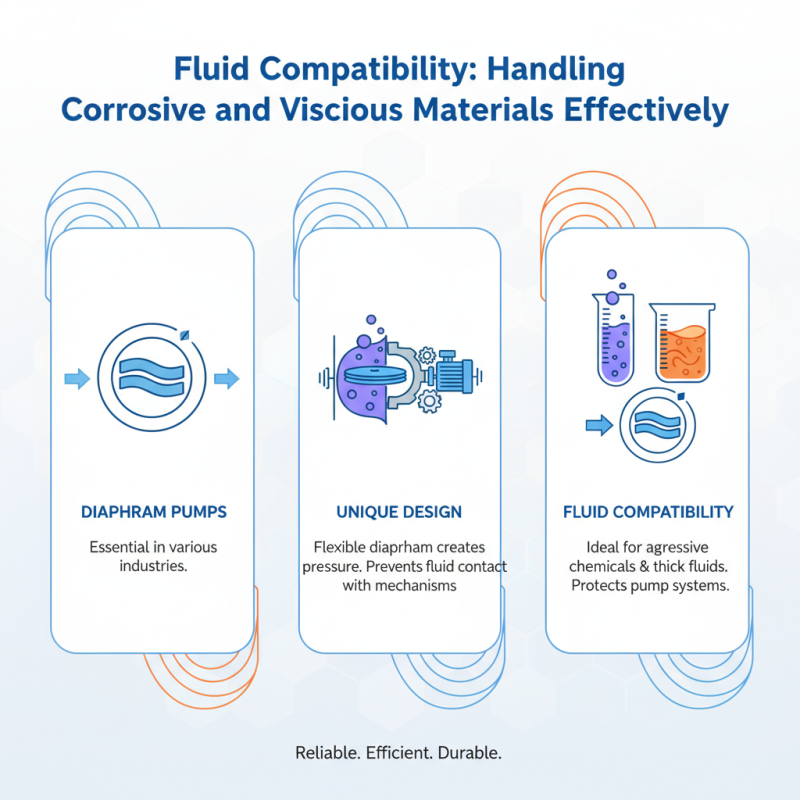
Diaphragm pumps are essential in various industries, particularly when dealing with corrosive and viscous materials. These pumps excel in fluid compatibility due to their unique design. They use a flexible diaphragm to create pressure, which prevents contact between the pumped fluid and pump mechanisms. This feature is crucial for handling aggressive chemicals that could damage traditional pump systems.
According to a recent report by the Hydraulic Institute, diaphragm pumps can manage fluids with viscosities up to 200,000 centipoise. This makes them ideal for industries like food and pharmaceuticals, where product integrity is key. Their ability to handle slurries and thick liquids reduces the risk of clogs or breakdowns. However, while diaphragm pumps offer impressive benefits, they also require regular maintenance. Users must be vigilant about wear and tear on diaphragms, especially when pumping abrasive materials.
Fluid compatibility also involves understanding the chemical makeup of materials. Some fluids may react unpredictably, damaging equipment or compromising safety. Users must keep detailed records of the fluids processed. This practice ensures that the right pump materials are selected based on the chemical compatibility charts provided by manufacturers. Despite their advantages, diaphragm pumps are not a one-size-fits-all solution. Careful consideration is needed to match their capabilities with operational requirements.
Diaphragm pumps are known for their reliability and ease of maintenance. Such features help businesses reduce downtime and unnecessary repair costs. Regular maintenance tasks are straightforward, often requiring minimal tools and time. This simplicity allows operators to perform inspections and replacements efficiently. As a result, businesses can keep operations running smoothly and optimize productivity with less interruption.
While diaphragm pumps require maintenance, the overall effort is manageable. Lubrication and periodic checks can significantly prevent larger issues down the line. For example, worn diaphragm components can lead to leaks. Identifying and replacing these parts before they fail can save companies time and money. However, even with good practices, unexpected breakdowns can occur. Planning for these events is crucial.
Training staff in routine maintenance adds to the long-term benefits. Knowledgeable employees can quickly address minor issues, reducing reliance on external technicians. Establishing a culture of proactive maintenance could alleviate some risks associated with equipment failures. Yet, it’s essential to recognize that no system is infallible. There remains a chance of unforeseen complications, which would require thorough contingency planning.
Diaphragm pumps are gaining traction due to their energy efficiency. These pumps use a flexible diaphragm to create a pumping action, which can lead to reduced power consumption. According to a recent report by the Hydraulic Institute, diaphragm pumps can achieve efficiency ratings of up to 90%. This is significantly higher compared to traditional centrifugal pumps, which often hover around 60-70% efficiency.
What sets diaphragm pumps apart is their ability to self-prime and handle viscous fluids. This means fewer energy costs associated with additional pumps or systems. For instance, a study from the American Council for an Energy-Efficient Economy highlights that using diaphragm pumps can lower energy costs by nearly 30% in some industrial applications. However, achieving these savings requires proper selection and maintenance of the pump system, as neglect can erode efficiency gains.
In real-world terms, a manufacturing facility may spend thousands annually on energy for pumps. With diaphragm pumps, these costs can be significantly cut. Yet, it's important to evaluate the specific needs of your operation. Overlooking factors like fluid properties or pump placement can lead to inefficiencies. Continuous monitoring is essential to fully realize the potential energy savings of diaphragm pumps.