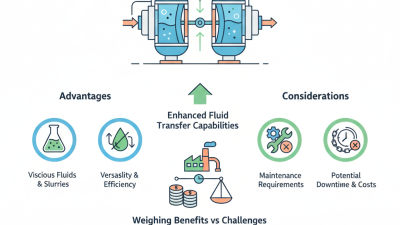
Best Pump Diaphragm Options for Efficient Performance?
In the world of fluid handling, the choice of a pump diaphragm can significantly impact system efficiency. Industry expert John A. Smith, a leading authority in pump technology, once stated, “The right diaphragm not only enhances performance but can also prevent costly operational failures.” This insight reflects the critical role that pump diaphragms play in diverse applications.
Pump diaphragms serve as essential components, separating fluids and ensuring safe, efficient transfers. Their design and material directly influence performance and longevity. High-quality options can endure harsh conditions while reducing wear and tear. Yet, the diverse range available can leave many users wondering which to choose.
Performance-driven decision-making is key. Some diaphragms excel in chemical resistance, while others prioritize flexibility or durability. Users should assess their unique needs, recognizing that the most popular choice isn’t always the best choice. A thoughtful analysis of options is vital. The right pump diaphragm can lead to substantial gains, but missteps can cause setbacks. Understanding these factors can enhance operational reliability and minimize disruptions.
Types of Pump Diaphragms and Their Applications
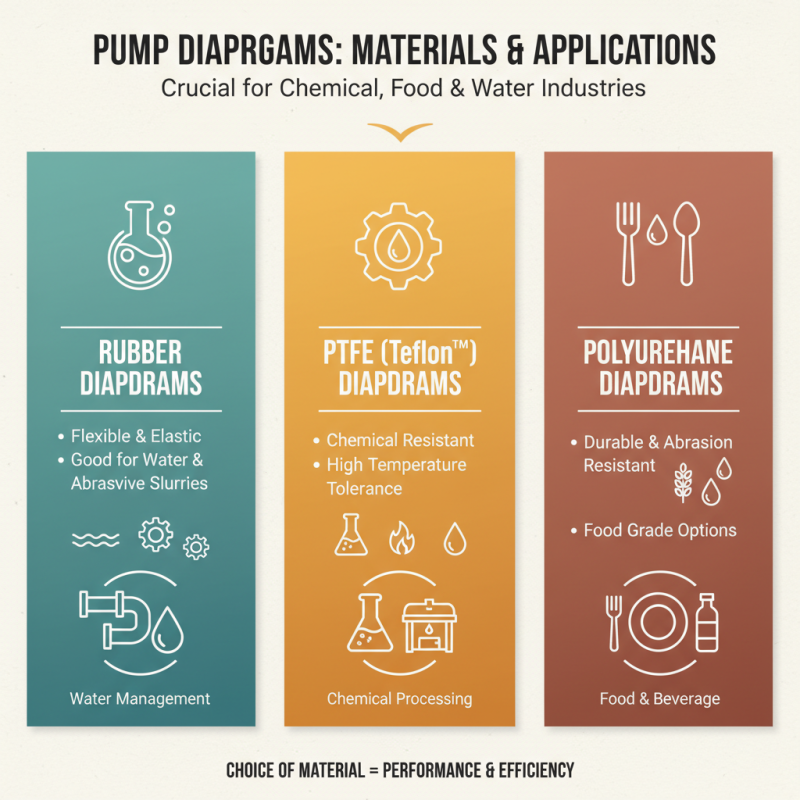
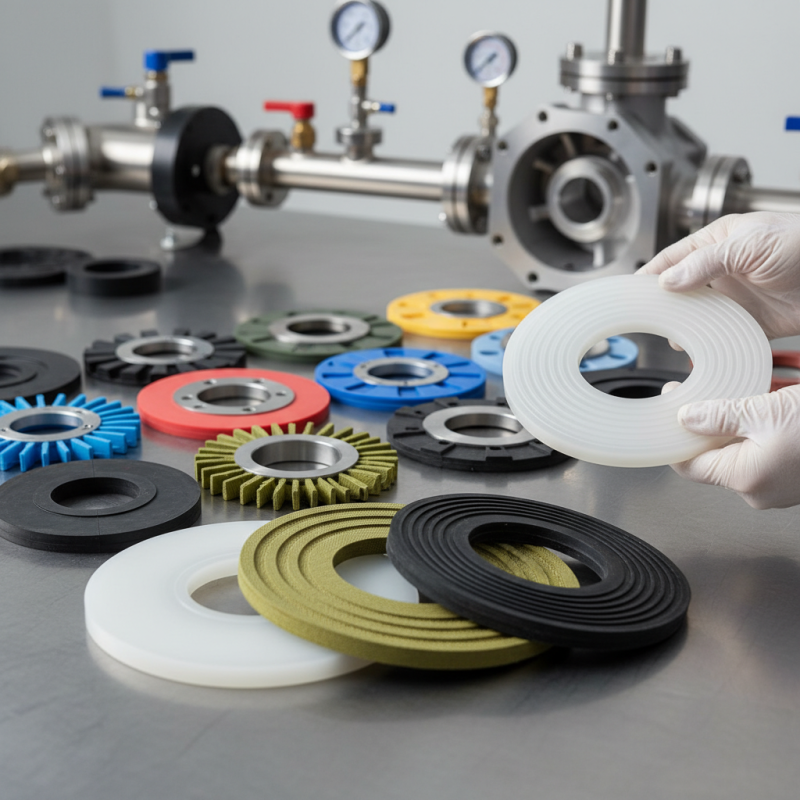
Pump diaphragms play a crucial role in various applications. They can be found in industries like chemical processing, food and beverage, and water management. The materials used for diaphragms greatly influence their performance and efficiency. Common materials include rubber, PTFE, and polyurethane. Each has unique properties, such as resistance to chemicals or temperature variations.
Different types of diaphragms serve specific purposes. For instance, elastomer diaphragms are excellent for handling aggressive fluids. They are flexible and can withstand repeated stress cycles. In contrast, thermoplastic diaphragms offer superior chemical resistance, making them ideal for harsher environments. However, their rigidity can sometimes be a drawback.
It’s important to match the diaphragm material to the application needs. Careful consideration of factors like pressure, temperature, and fluid type will lead to better performance. While selecting the right diaphragm, some may overlook compatibility issues, leading to premature failure. Reflection on past selections can inform better choices in the future.
Key Factors Influencing Pump Diaphragm Performance
When selecting a pump diaphragm, several key factors play a crucial role in its performance. One major aspect is the material used for the diaphragm. Different materials, such as rubber, PTFE, or fabric-reinforced elastomers, provide varied levels of flexibility and resistance. Rubber offers good flexibility, but might not withstand harsh chemicals. PTFE, on the other hand, excels in chemical resistance but may have less elasticity. This trade-off is critical for specific applications, and understanding it is essential.
Another important factor is the diaphragm’s design and construction. The thickness and contour of the diaphragm affect its durability and efficiency. A thicker diaphragm typically provides greater longevity under pressure, yet it may reduce performance in quick cycle applications. Additionally, the interface between the diaphragm and the pump assembly is vital. A poor seal can lead to leaks, affecting performance and safety.
Lastly, the operational conditions, such as temperature and pressure, significantly influence diaphragm performance. Extreme conditions may require specialized diaphragms. Regular maintenance and inspection of diaphragms are necessary to ensure they perform at optimal levels. This highlights the need for ongoing evaluation. A reactive approach to pump maintenance can lead to unexpected downtime and costs.
Pump Diaphragm Performance Factors
Comparative Analysis of Popular Diaphragm Materials
When selecting diaphragm materials for pumps, various options significantly impact performance and efficiency. Common diaphragm materials include rubber, PTFE, and thermoplastic elastomers. Each material offers unique advantages and disadvantages, influencing factors like durability and resistance to chemicals.
Rubber provides good flexibility and sealing capabilities. However, it may degrade faster in harsh environments. PTFE, on the other hand, boasts excellent chemical resistance but can be more rigid. This could lead to challenges in specific applications. Thermoplastic elastomers are gaining popularity due to their balance of flexibility and strength but can vary in performance based on the formulation.
Tips: Consider the specific application’s demands. Assessing the chemical exposure and temperature range is crucial before making a choice. Regular maintenance checks on diaphragm wear can prevent operational failures. Keep in mind that not all materials perform well under all conditions. It's essential to remain open to experimentation for the best outcomes.
Best Pump Diaphragm Options for Efficient Performance
| Diaphragm Material |
Chemical Resistance |
Temperature Range (°C) |
Durability |
Application Suitability |
| Buna-N |
Good |
-30 to 100 |
Moderate |
General Applications |
| EPDM |
Excellent |
-40 to 130 |
High |
Food Processing, Chemicals |
| PTFE |
Outstanding |
-200 to 260 |
Very High |
Corrosive Environments |
| Neoprene |
Good |
-40 to 100 |
Moderate to High |
Oil, Fuel Handling |
| Silicone |
Good |
-60 to 200 |
High |
Medical, Food Grade |
Maintenance Tips for Enhancing Diaphragm Longevity
Maintaining pump diaphragm efficiency is crucial for optimal performance. Regular inspection can prevent small issues from escalating. Check for wear and tear every few months. A slight crack can lead to significant leaks, impacting overall efficiency. Pay attention to the diaphragm’s material; it should withstand the fluids it handles.
Cleaning is another vital maintenance step. Residue buildup can compromise diaphragm function. Use gentle solvents to avoid damage. A regular cleaning schedule helps prolong the lifespan of the diaphragm. Consider environmental factors too, like temperature and humidity. They can affect the diaphragm's durability over time.
Lubrication is essential but should be done carefully. Use the right lubricant designed for diaphragms. Too much lubricant can cause slippage and malfunction. Keep a maintenance log to track any changes or abnormalities. This will help identify recurring issues and improve your maintenance strategy. Every detail counts in enhancing diaphragm longevity.
Selecting the Right Pump Diaphragm for Specific Needs
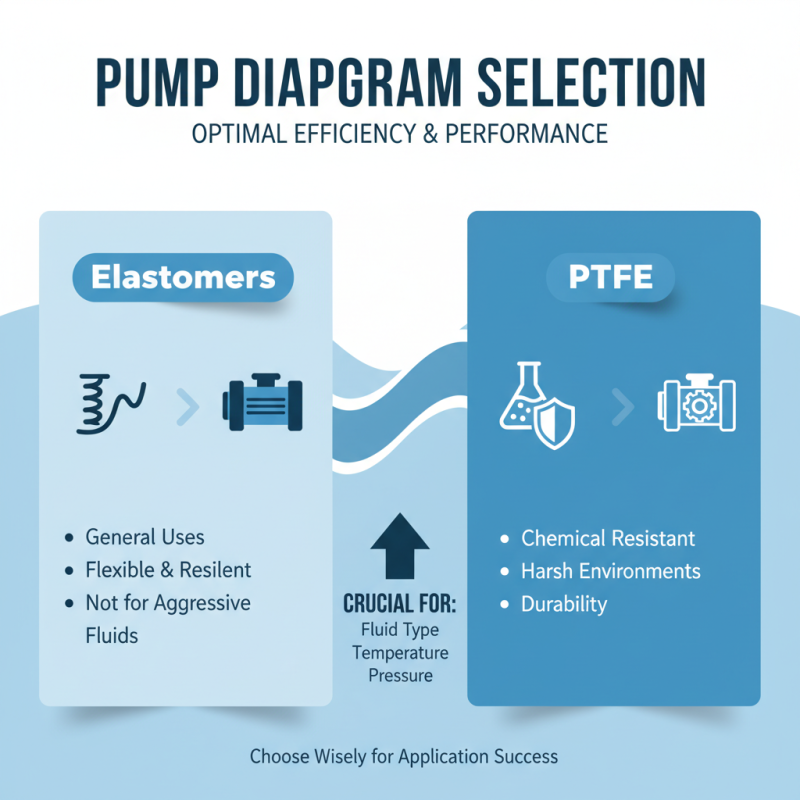
Choosing the right pump diaphragm is crucial for optimal efficiency and performance. The material of the diaphragm greatly impacts its suitability for specific applications. For example, elastomers are common for general uses. They offer flexibility and resilience. However, they may not withstand aggressive fluids. On the other hand, PTFE is more resistant to chemicals. This makes it suitable for harsh environments.
The size and design of the diaphragm also affect its functionality. A diaphragm that is too small may lead to inadequate flow. Conversely, oversized diaphragms can cause unwanted stress and premature failure. Users must consider the pressure requirements and flow rates for their systems. A mismatch can lead to inefficiencies. Observing the system’s operational history can provide valuable insights.
Finally, one should reflect on past choices. Did a diaphragm fail prematurely? Analyzing the reasons for such failures can guide future selections. User feedback and expert recommendations can help refine your choices. Finding the right diaphragm isn't always straightforward. It often requires experimentation and patience. Ensuring compatibility with your unique needs is essential for achieving reliable performance.


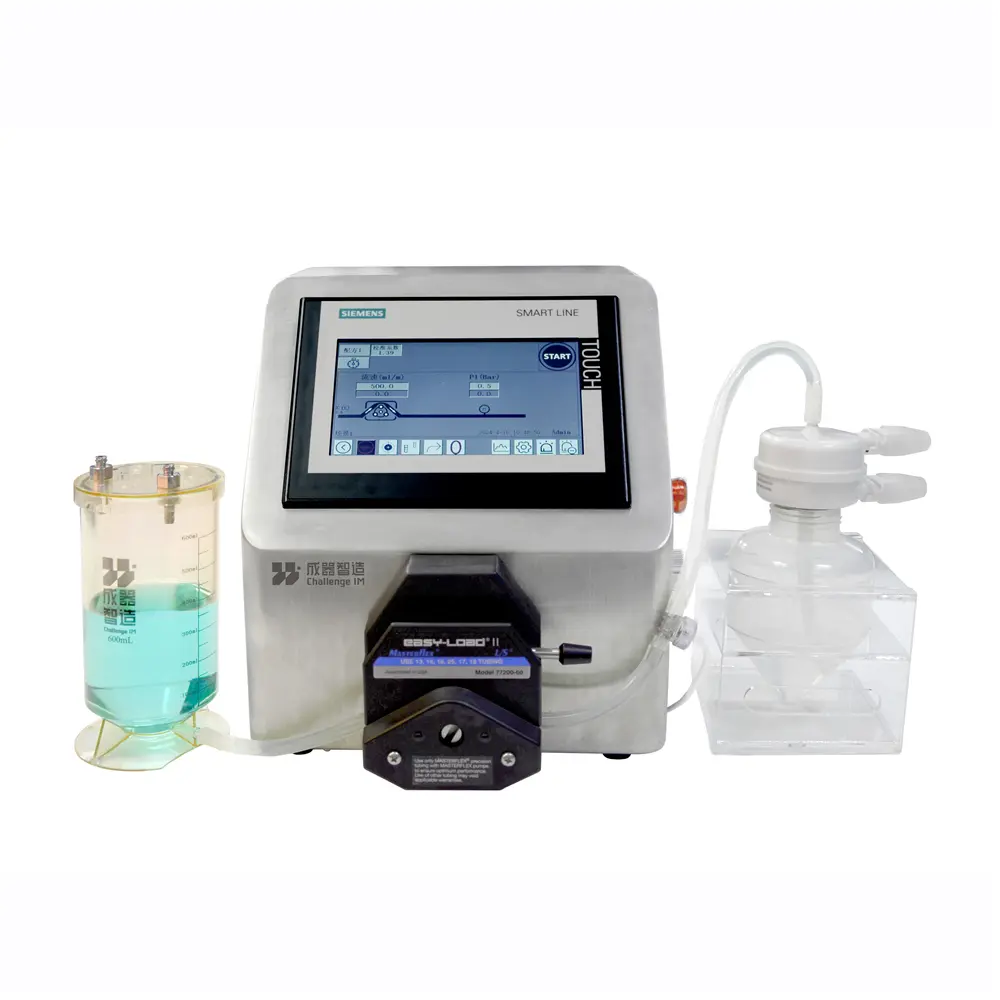
 Tangential Flow Filtration(TFF) System
 Jump Pump
 FIT Integrity Tester
 High Pressure Homogenizers
 Microfluidics