2026 Best Filtration Bag Options for Effective Water Purification?
In the quest for clean drinking water, the choice of a Filtration Bag is crucial. Effective water purification relies on superior filtration systems that can address various contaminants. A quality Filtration Bag can be a game-changer, especially in outdoor settings or emergency situations.
The right Filtration Bag ensures the removal of harmful bacteria, sediments, and impurities. With numerous options on the market, selecting the best one can feel overwhelming. Some bags are better suited for specific conditions. Knowing which features matter is essential.
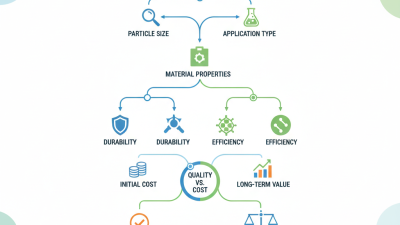
Consider how often you’ll use your Filtration Bag. Durability is key for frequent travelers. Cost versus longevity is another factor to weigh. Not every bag will meet high standards. Conduct thorough research. Aim for reliability in your choice to ensure safe drinking water. The right decision can make all the difference in your hydration journey.
Overview of Water Filtration Bags: Types and Functions
Water filtration bags have become essential tools in outdoor activities and emergency situations. They come in a variety of types, each designed to meet specific needs. The primary types include activated carbon bags, ceramic filters, and microfiltration bags. Activated carbon bags excel at removing chemicals and odors. Meanwhile, ceramic filters effectively filter out bacteria and protozoa. Microfiltration bags provide a balance between size and filtration capability.
Research indicates that approximately 2 billion people worldwide lack access to clean drinking water. According to the World Health Organization, effective water filtration can reduce waterborne diseases. This highlights the importance of choosing the right filtration bag. While many options exist, not all are created equal. For instance, some bags might fail to capture certain pathogens due to varying pore sizes.
When selecting a filtration bag, it's crucial to consider its limitations. Some bags may not filter out all contaminants, especially viruses. Additionally, factors like flow rate and maintenance requirements can affect performance. Users should regularly inspect their filtration equipment for signs of wear and tear. Awareness of these issues can lead to more informed decisions and better health outcomes.
Key Features to Consider When Choosing a Filtration Bag
When selecting a filtration bag for effective water purification, key features matter. Filtration efficiency is paramount. A study shows that bags with a micron rating of 0.2 or lower can eliminate up to 99% of pathogens. This statistic emphasizes the importance of micron size when making a choice.
Material type also plays a crucial role. Options like polypropylene offer durability and resistance to harsh conditions. Some bags, however, may not withstand extreme temperatures. Hence, it’s vital to consider where the filtration will occur—outdoors, indoors, or in survival situations. Practical testing shows that a bag’s lifespan can significantly vary based on its usage environment and care.
Portability is another aspect to consider. Lightweight designs make transport convenient, especially during outdoor adventures. Yet, some users find themselves compromising on space and capacity. It might seem appealing to carry lightweight options, but it’s essential not to overlook the need for effective contaminant removal. Balancing portability with filtration capability is often a challenging yet necessary evaluation.
Top Brands for Water Filtration Bags in 2026
When searching for top brands for water filtration bags in 2026, it’s essential to consider reliability and effectiveness. Many options exist, but not all meet high standards. Some bags focus on portability, while others prioritize advanced filtration technology. This indicates a need for careful selection to find the best match for your requirements.
An informed decision relies on understanding filtration capabilities. For instance, some bags filter sediments, contaminants, and microbes efficiently. However, issues like clogging can arise with certain models, diminishing performance. Users often report that maintaining filter bags requires diligence. Inconsistent results may stem from improper usage or inadequate maintenance.
Resilient materials play a crucial role in performance. Many brands offer bags that withstand harsh conditions and heavy use. However, it is essential to assess each model’s durability and usability. Some users express frustration over fragility during strenuous activities. Choosing the right model involves balancing material strength with filtering effectiveness. Testing multiple options can help find the ideal solution for safe drinking water.
Performance Comparison: Filtration Speed and Effectiveness
When selecting filtration bags for water purification, it's crucial to compare performance based on speed and effectiveness. Different materials can impact how quickly water is filtered. For instance, high-density filters usually work faster but may not remove all contaminants. On the other hand, slower filters often promote better purification. Test various options for your needs to find the balance.
Tips: Consider conducting side-by-side tests. Measure the time taken for each bag to filter a specific volume of water. Note any visible impurities in the filtered water as well. This can shed light on the effectiveness of each option.
Another factor to assess is the durability of the filtration bag material. Some bags provide long-lasting performance but may lose efficiency over time. Pay attention to how frequently you need to replace bags. Regular maintenance can enhance your filtration system's longevity.
Tips: Look for signs of wear and tear. If the bag appears clogged or damaged, it’s time for a replacement. Remember, a well-maintained filtration system ensures consistent quality in your water purification efforts.
2026 Best Filtration Bag Options for Effective Water Purification
| Filtration Bag Type |
Filtration Speed (L/min) |
Effectiveness (%) |
Replacement Frequency (months) |
Price ($) |
| Standard Filter Bag |
2.5 |
90 |
6 |
15 |
| Advanced Carbon Filter |
3.0 |
95 |
4 |
20 |
| Micron Filter Bag |
1.8 |
85 |
12 |
10 |
| Ultra-filtration Bag |
4.0 |
98 |
10 |
25 |
| Bio-filter Bag |
2.2 |
87 |
8 |
18 |
Maintenance Tips for Prolonging the Life of Filtration Bags
Filtration bags are crucial for effective water purification. Proper maintenance of these bags significantly extends their lifespan, ensuring cleaner water. According to industry reports, regularly maintained filtration systems can last up to three times longer than neglected ones. This proactive approach is vital for sustainability and cost-efficiency.
One important maintenance tip is routine cleaning. Many filtration bags can be rinsed out with water after each use. For deeper cleans, consider using a mild vinegar solution. This method effectively removes sediment and organic build-up. Additionally, inspecting your filtration bags regularly for tears or wear can prevent larger issues.
Another helpful tip involves the drying process. Always ensure your filtration bags are completely dry before storage. This helps prevent mold and bacteria growth. If possible, store them in a cool, dark place to avoid degradation from sunlight. Remember, ignoring these practices can lead to diminished performance, affecting water quality. A little time spent on maintenance can save you from serious water contamination issues down the line.
2026 Best Filtration Bag Options for Effective Water Purification


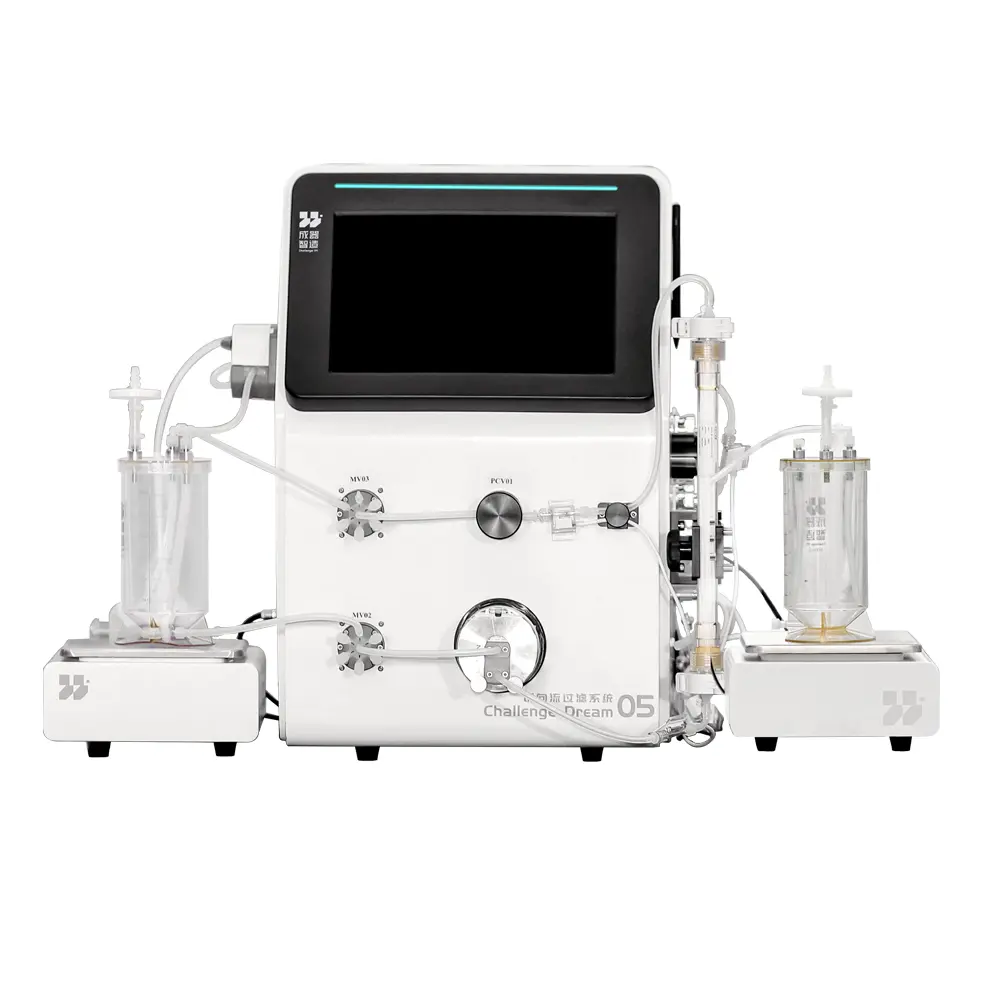 Tangential Flow Filtration(TFF) System
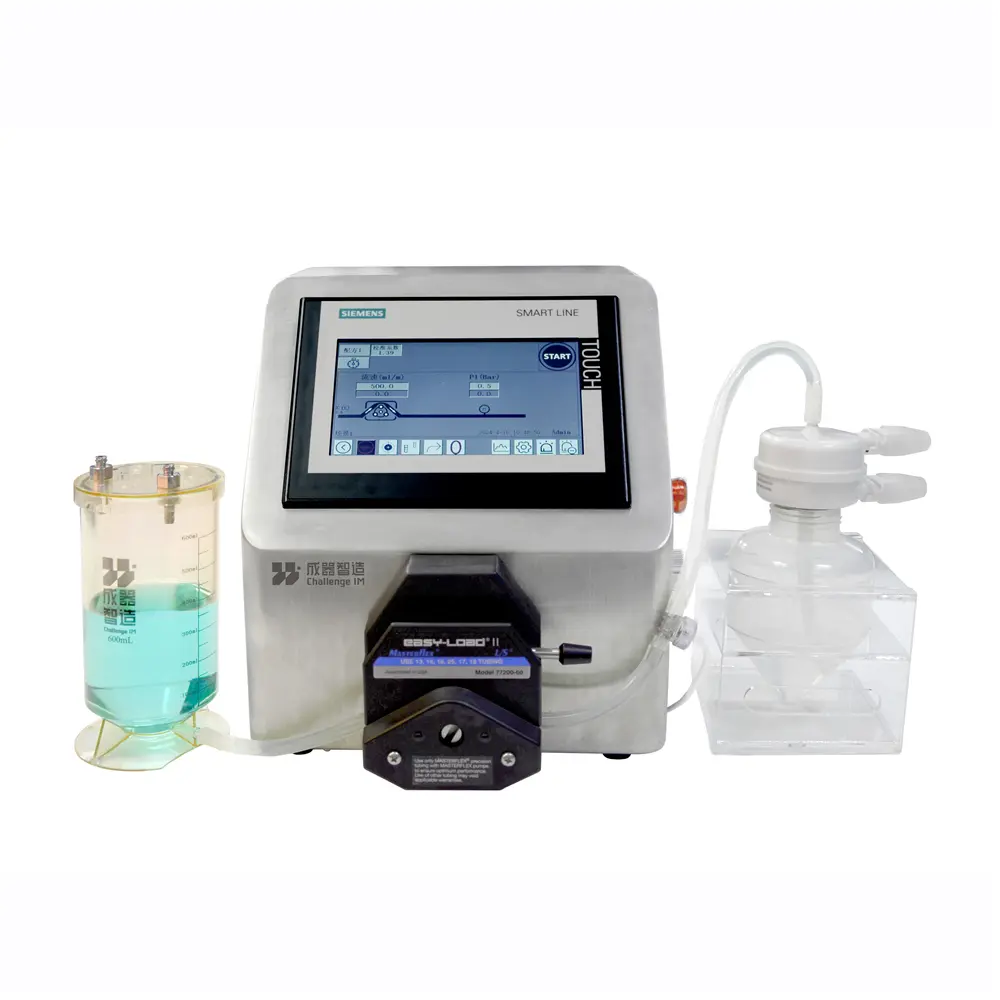 Jump Pump
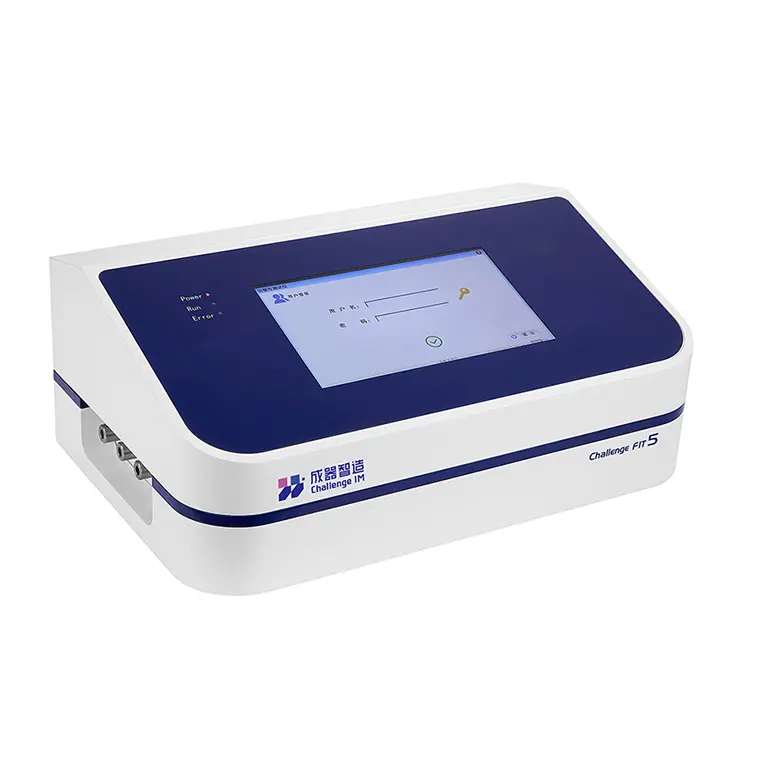 FIT Integrity Tester
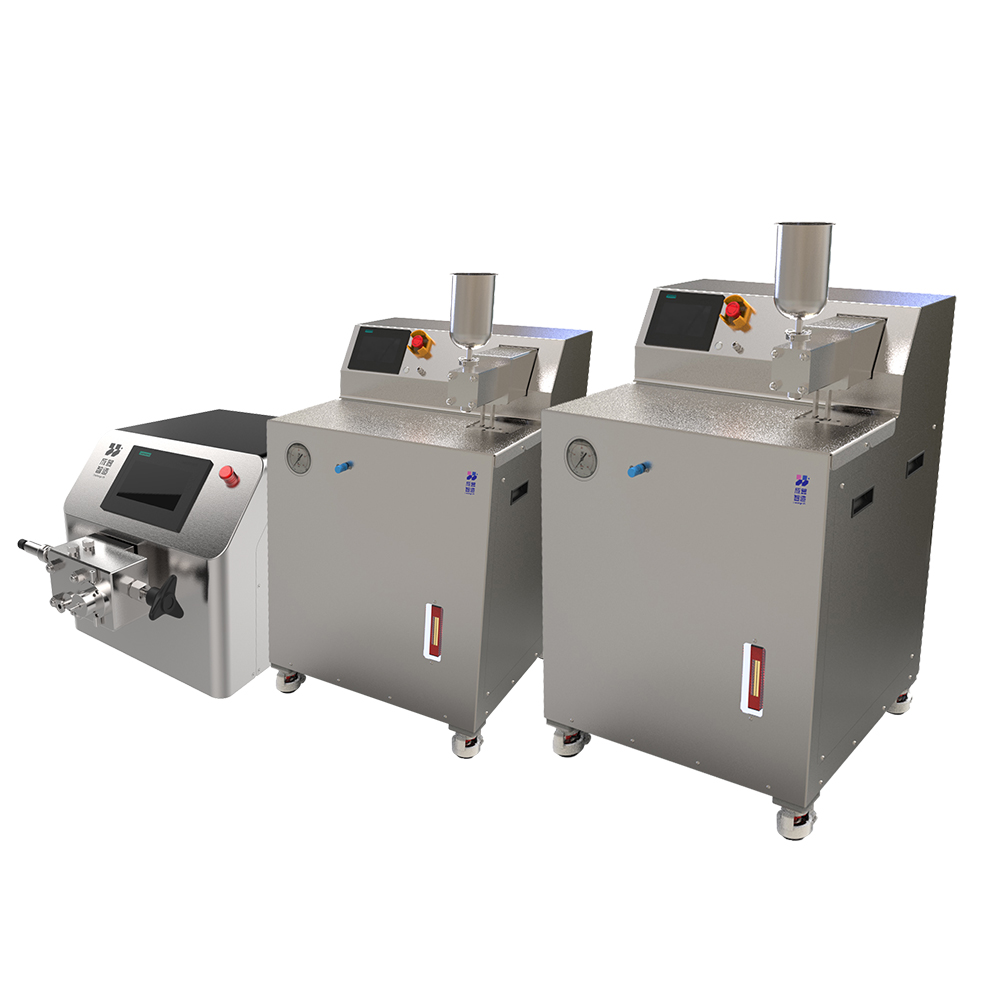 High Pressure Homogenizers
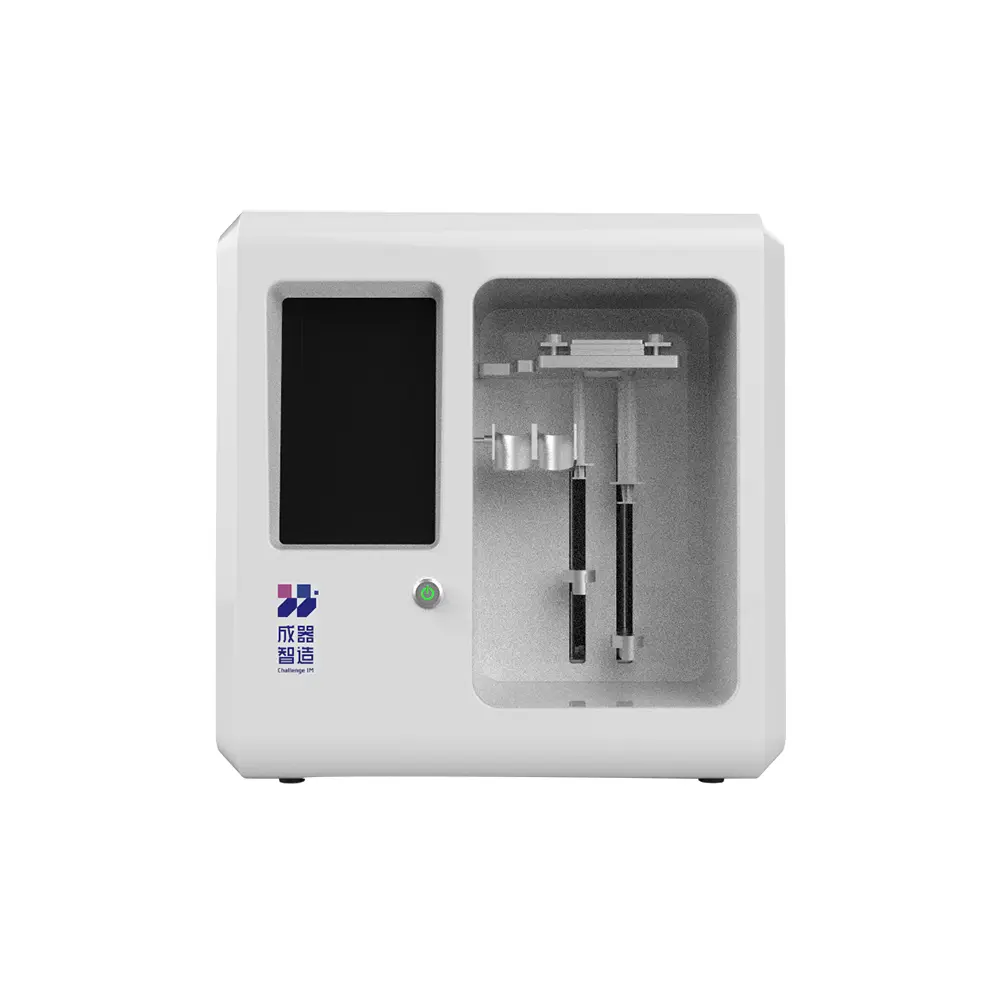 Microfluidics