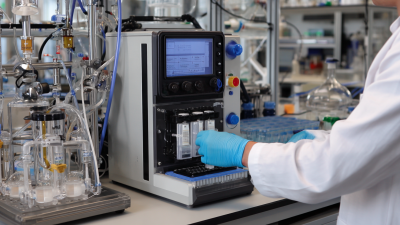
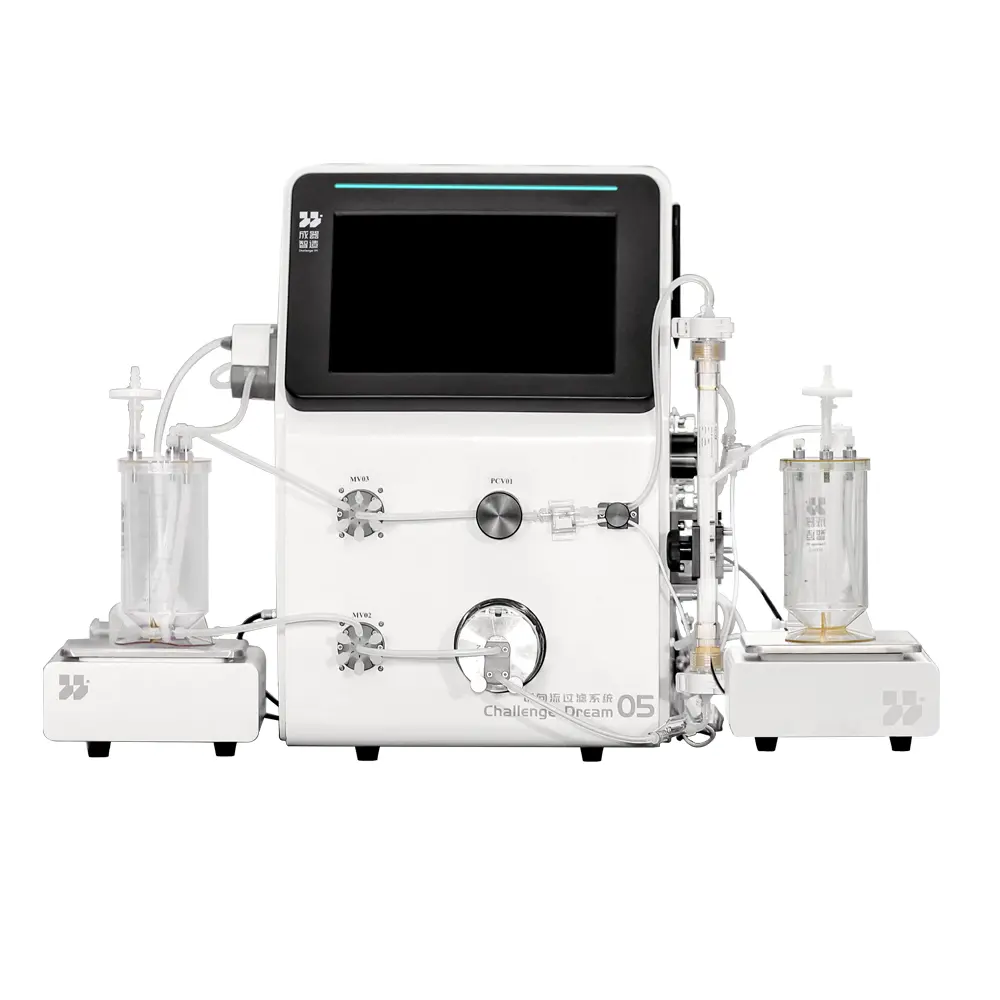
 Tangential Flow Filtration(TFF) System
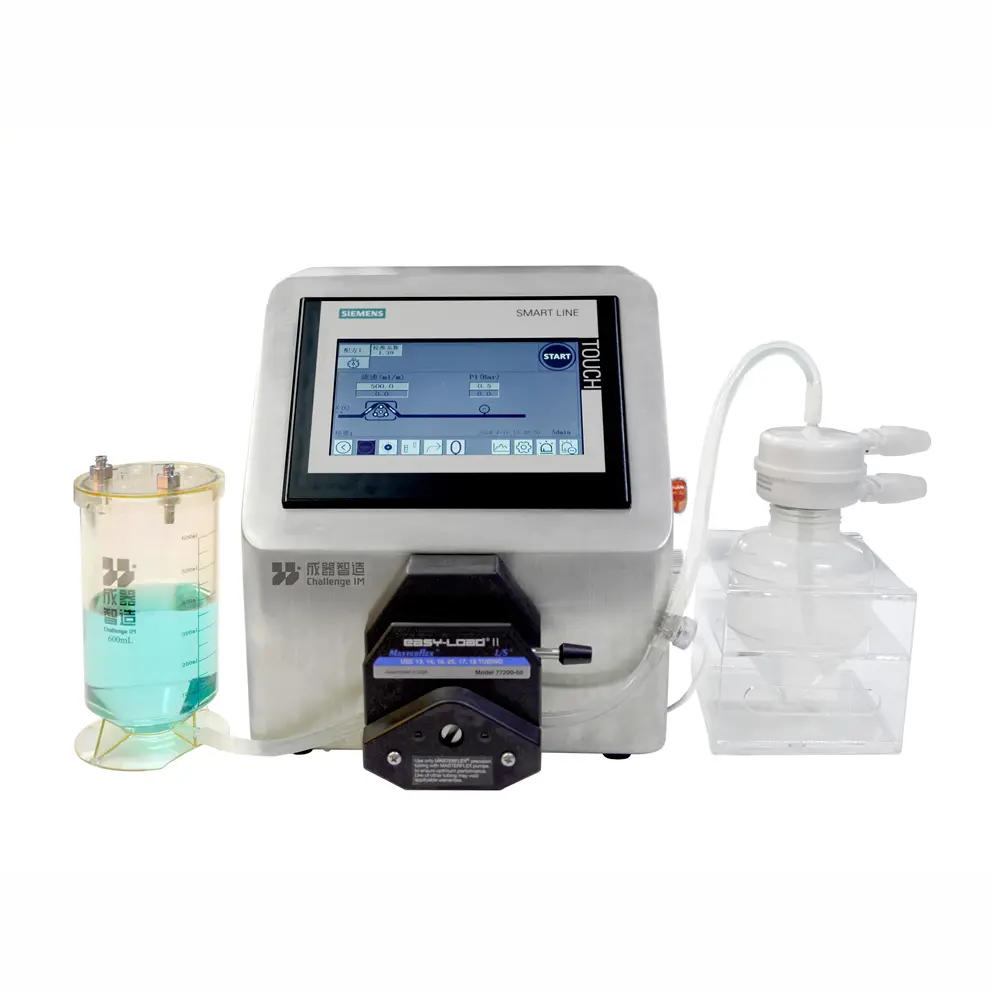 Jump Pump
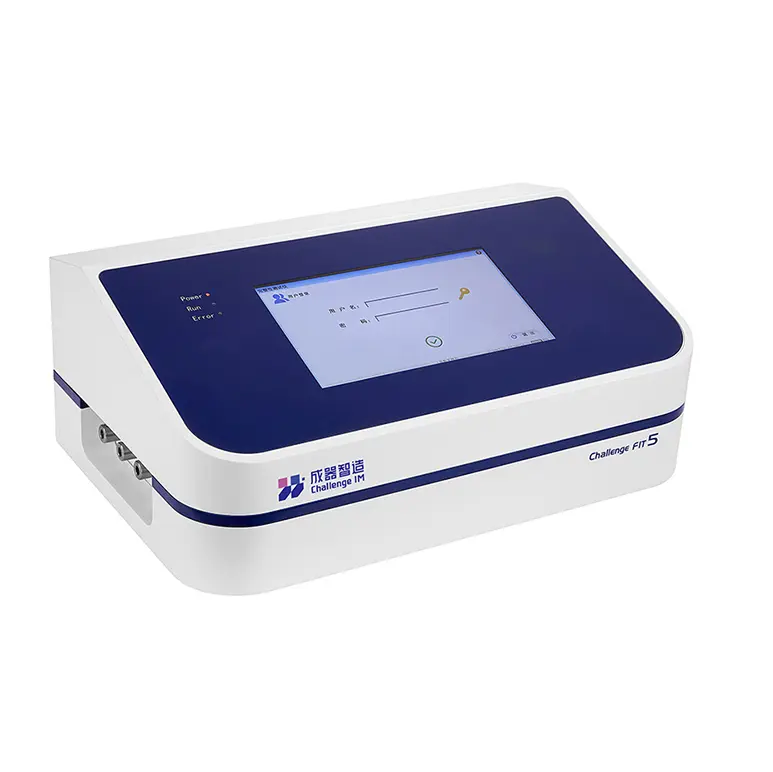 FIT Integrity Tester
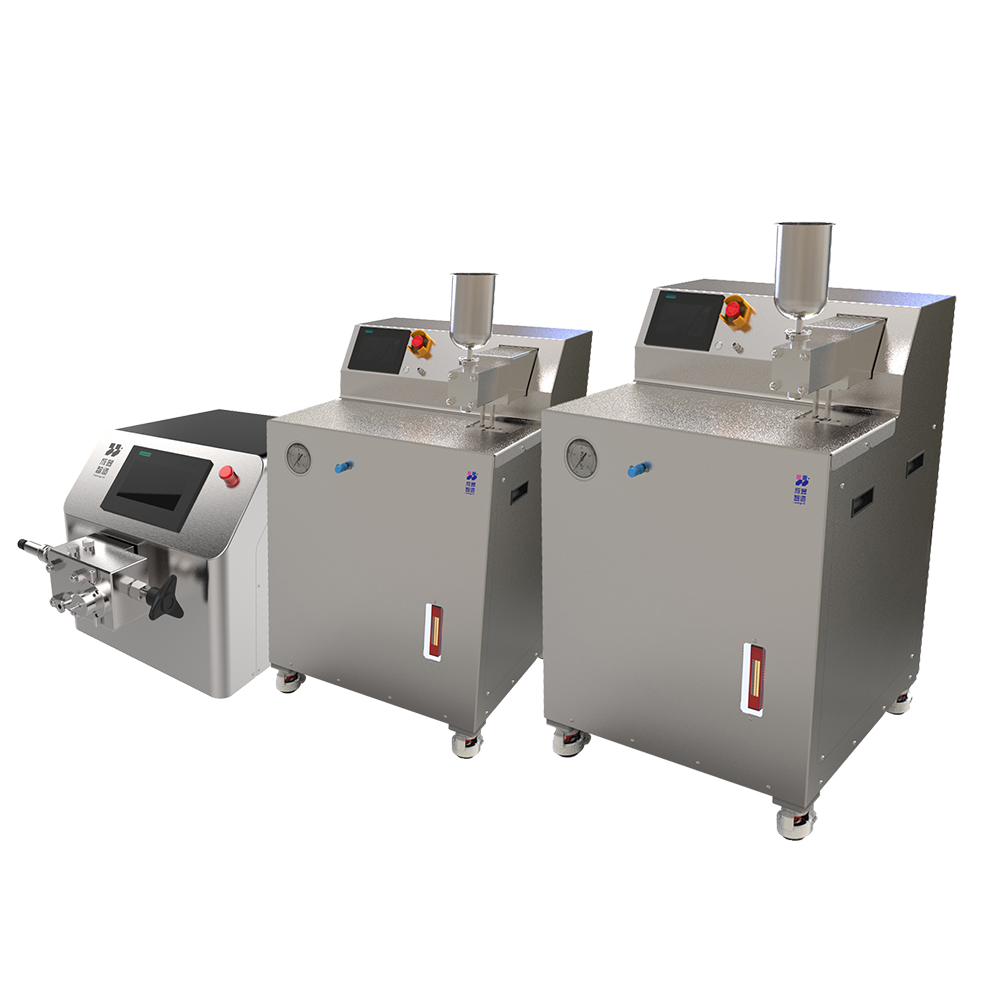 High Pressure Homogenizers
 Microfluidics
 Leave Your Message


Choosing the right Ultra Filtration system is no longer a simple equipment purchase. It is a water-quality decision.
Global buyers now compare membrane performance, energy use, automation, service access, and total lifecycle cost. A system may look efficient on paper, yet fail when feedwater changes, operators lack training, or replacement modules arrive late.
The market is expanding. MarketsandMarkets reported that the global membrane filtration market could grow from about USD 8.9 billion in 2024 to USD 13.7 billion by 2029. Its analysis includes microfiltration, ultrafiltration, nanofiltration, and reverse osmosis. Separate reports estimate the Ultra Filtration segment differently, revealing an important limitation: market boundaries are not consistent.
Water quality varies sharply.
Professor Menachem Elimelech, a leading membrane researcher at Yale University, has stated, “Water is the most precious resource on earth.” That principle matters when buyers evaluate systems for drinking water, food processing, pharmaceuticals, wastewater reuse, or industrial production.
The strongest systems usually combine hollow-fiber or tubular membranes, reliable pretreatment, automatic backwashing, and clear integrity monitoring. Buyers should inspect pore-size claims, flux rates, turbidity targets, chemical-cleaning requirements, and verified field references. A glossy brochure is not enough.
This guide compares top Ultra Filtration systems for global buyers through a practical lens. It considers performance, supplier credibility, maintenance conditions, documentation, and regional support. Some rankings remain subjective. No single system fits every climate, feedwater, or budget. That is the part many comparisons overlook.
What Are Ultra Filtration Systems and How Do They Work?
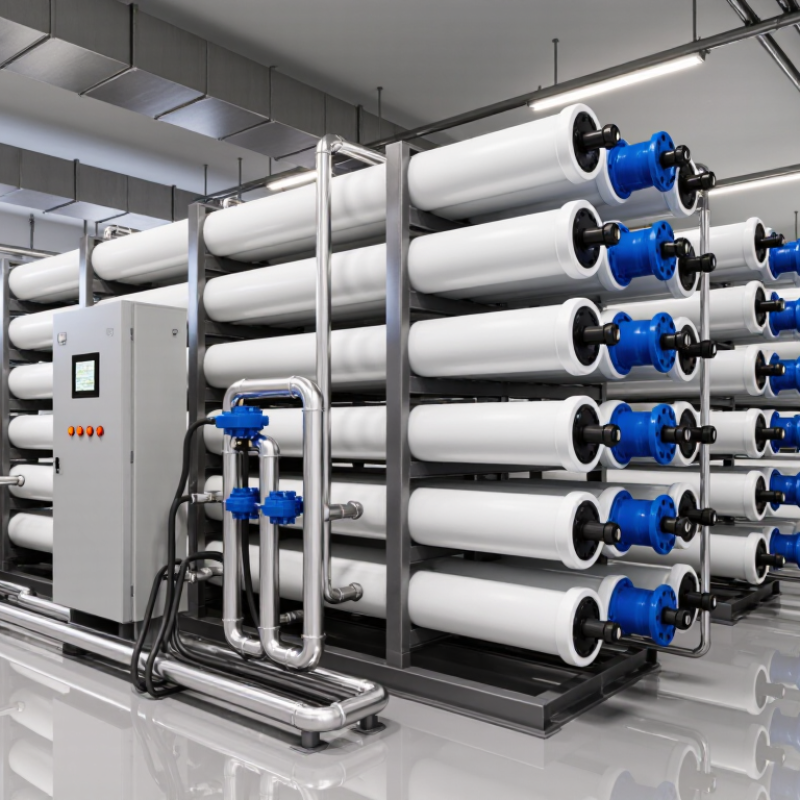
Ultrafiltration systems use pressure to push water through a semi-permeable membrane. The membrane usually has pores between 0.01 and 0.1 micrometres, according to the U.S. EPA Membrane Filtration Guidance Manual. Suspended solids, bacteria, protozoa, and colloidal particles remain on the feed side. Dissolved salts and many small organic molecules usually pass through. That limitation matters.
In practical installations, raw water enters under moderate pressure. Permeate leaves through the membrane, while concentrated water carries away rejected material. Operators monitor pressure, flow, turbidity, and transmembrane pressure. A rising pressure often signals fouling. Backwashing and periodic chemical cleaning restore performance, but cleaning schedules vary with feedwater quality. Real sites are rarely perfect.
The demand is not theoretical. The WHO and UNICEF Joint Monitoring Programme reported that 2.2 billion people lacked safely managed drinking water in 2022. Ultrafiltration can support decentralized treatment, industrial reuse, and drinking-water polishing. However, it should not be treated as a complete solution. The EPA guidance notes that membrane integrity strongly affects pathogen removal. A damaged module can undermine an otherwise excellent design. Energy use, concentrate disposal, pretreatment, and operator training also shape lifetime cost. Buyers should request verified flux data, integrity-test procedures, and performance results from water resembling their own source. Generic laboratory figures can mislead.
A practical comparison of common ultrafiltration system configurations, operating ranges, treatment capabilities, and purchasing considerations.
| System Configuration | How It Works | Typical Membrane Material | Typical Pore Size / MWCO | Typical Operating Pressure | Typical Feed Flow | Primary Treatment Capability | Best-Fit Applications | Key Buyer Considerations |
|---|---|---|---|---|---|---|---|---|
| Hollow-Fiber UF System | Feed water flows through or around bundles of small hollow fibers. Water passes through the fiber walls while larger particles are retained. | Polyethersulfone, polysulfone, or PVDF | Approximately 0.01–0.1 µm; commonly 10–150 kDa MWCO | Typically 0.5–3 bar transmembrane pressure | Low to high, depending on module area and operating mode | Suspended solids Colloids Bacteria reduction Turbidity | Drinking-water pretreatment, surface-water treatment, wastewater reuse, and industrial process water | Compact footprint and high surface area; verify fiber strength, backwash design, chemical compatibility, and integrity-testing method. |
| Spiral-Wound UF System | Flat-sheet membranes and feed spacers are rolled around a central permeate tube. Pressure drives water through the membrane into the collection channel. | Polyethersulfone or cellulose-based polymers | Approximately 0.01–0.1 µm; commonly 10–300 kDa MWCO | Typically 1–5 bar | Moderate flow; usually operated in crossflow mode | Macromolecules Colloids Proteins Fine solids | Food and beverage concentration, biotechnology, dairy processing, and industrial wastewater polishing | High packing density and broad availability; requires effective pretreatment because narrow feed channels can foul or plug. |
| Tubular UF System | Feed travels through relatively large-diameter membrane tubes, reducing the risk of blockage when treating viscous or solids-rich streams. | Polymeric or ceramic membrane materials | Approximately 0.01–0.1 µm; commonly 10–300 kDa MWCO | Typically 1–6 bar | Moderate to high crossflow | High-solids feeds Oil emulsions Colloids Macromolecules | Industrial wastewater, oily wastewater, landfill leachate treatment, and difficult process streams | More tolerant of suspended solids than spiral-wound modules, but generally has a larger footprint and higher pumping energy. |
| Ceramic UF System | Water passes through inorganic porous channels formed in a ceramic membrane. The rigid structure supports repeated cleaning and demanding operating conditions. | Alumina, zirconia, titania, or silicon carbide | Approximately 0.01–0.1 µm; commonly 10–150 kDa MWCO | Typically 1–10 bar, depending on module design | Moderate to high crossflow | Suspended solids Bacteria reduction Emulsified oils Heat-resistant streams | Mining, chemicals, food processing, high-temperature service, and aggressive industrial wastewater | Long service potential and strong chemical tolerance; initial capital cost is usually higher than polymeric UF. |
| Plate-and-Frame UF System | Flat membrane sheets are arranged in stacked plates or cassettes. The modular layout allows individual elements to be accessed for inspection and cleaning. | Polyethersulfone, PVDF, or other polymeric membranes | Approximately 0.01–0.1 µm; commonly 10–300 kDa MWCO | Typically 1–5 bar | Low to moderate flow per module | Proteins Colloids Fine suspended solids Concentration | Research facilities, specialty food production, biotechnology, and applications requiring flexible batch operation | Easy visual access and flexible configuration; sealing complexity and lower packing density may affect lifecycle cost. |
| Dead-End UF System | Most feed water is directed perpendicular to the membrane surface. Retained particles accumulate on the membrane and are periodically removed by backwashing or cleaning. | PVDF, PES, or other hydrophilic polymeric membranes | Approximately 0.01–0.1 µm | Typically 0.5–2.5 bar | Low to moderate feed flow with intermittent filtration cycles | Low-turbidity water Turbidity reduction Bacteria reduction Particle removal | Municipal drinking-water systems, groundwater treatment, and relatively clean industrial water | Lower energy demand than continuous crossflow; unsuitable for heavily fouling or high-solids feeds without adequate pretreatment. |
| Crossflow UF System | Feed flows parallel to the membrane surface. The tangential velocity limits cake buildup while a portion of water permeates through the membrane. | Polyethersulfone, PVDF, polysulfone, or ceramic materials | Approximately 0.01–0.1 µm; commonly 10–300 kDa MWCO | Typically 1–8 bar | Continuous recirculating flow | Concentration Fractionation Colloid removal High-solids processing | Bioprocessing, dairy and beverage concentration, industrial process recovery, and wastewater reuse | Better control of fouling than dead-end operation, but requires recirculation pumps and can consume more energy. |
| UF Pretreatment for Reverse Osmosis | UF removes suspended particles, colloids, and microorganisms before reverse osmosis, helping protect the RO membranes from fouling. | PVDF, PES, or ceramic membranes | Approximately 0.01–0.1 µm | Typically 0.5–3 bar | Designed according to the downstream RO capacity | SDI reduction Turbidity reduction Particle removal Microbial reduction | Seawater desalination pretreatment, surface-water RO plants, and high-quality industrial water production | UF does not remove dissolved salts effectively; assess feed variability, cleaning frequency, recovery, and compatibility with the RO design. |
Technical note: Ultrafiltration is a pressure-driven membrane process that separates substances primarily by size exclusion. Typical UF membranes remove suspended solids, colloids, bacteria, and many macromolecules, while dissolved salts and small dissolved organic compounds generally pass through. Actual performance depends on membrane rating, feed composition, temperature, pH, recovery, pretreatment, and cleaning practice. The operating ranges shown are typical engineering values rather than guaranteed specifications.