zh-cn
  • sns01-1
  • sns04-1
  • sns02-1
Leave Your Message

Why Choose a Peristaltic Pump for Your Industry Needs?

In various industries, choosing the right pump is crucial for efficiency and reliability. A Peristaltic Pump stands out for its unique design, facilitating precise material transfer. Its simplicity allows for easy maintenance, which saves time and resources.

Many professionals in sectors like food processing, pharmaceuticals, and chemical handling rely on Peristaltic Pumps. They appreciate the cleanliness and flexibility these pumps offer. Unlike other pumping methods, a Peristaltic Pump reduces the risk of contamination, making it ideal for sensitive applications.

Despite its advantages, there are challenges. Not all materials are suited for peristaltic pumping. Users must consider the type of fluid being handled and the pump’s compatibility. This reflection is essential. In the end, selecting a Peristaltic Pump can significantly influence operational effectiveness and product quality.
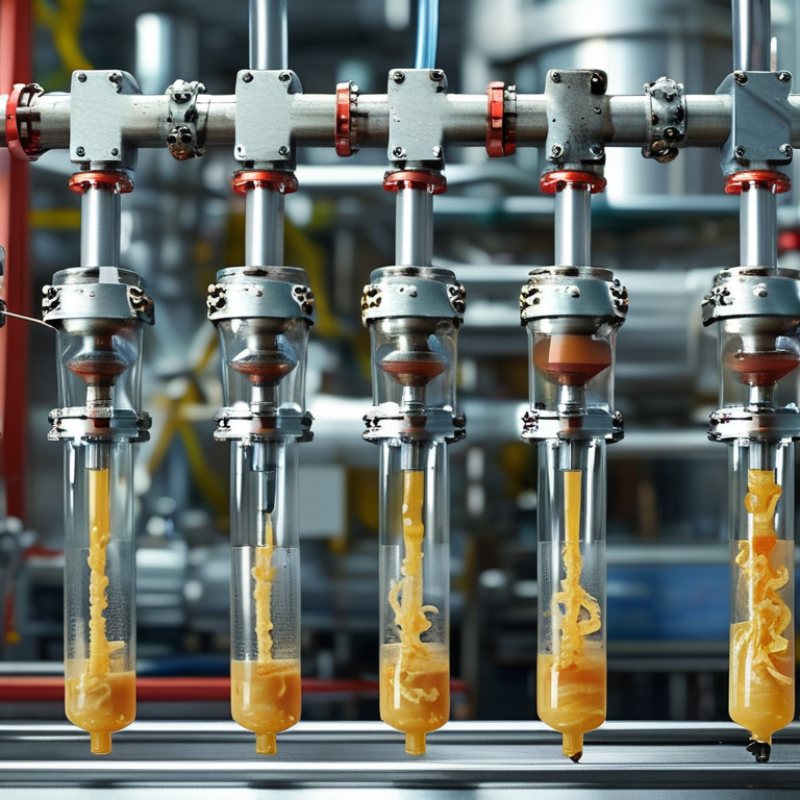
Why Choose a Peristaltic Pump for Your Industry Needs?

Advantages of Peristaltic Pumps in Various Industries

Peristaltic pumps are becoming a popular choice for various industries due to their unique advantages. These pumps consist of a rotating mechanism that compresses a flexible tube, allowing fluid to flow in a controlled manner. This design ensures minimal contamination, making them ideal for applications such as food processing and pharmaceuticals. Their gentle pumping action also protects sensitive fluids, preventing shear damage.

For those in the chemical industry, peristaltic pumps offer precise dosing capabilities. They maintain accuracy over long periods, which is crucial when dealing with expensive or hazardous materials. This reliability in metering can significantly reduce waste, ultimately enhancing operational efficiency.

Tip: Always select the right tube material depending on the fluid's compatibility. Choosing the wrong material can lead to leaks or deterioration.

Another strong point of peristaltic pumps is their ability to handle slurries and viscous liquids. They can efficiently transport thick products without causing blockages. However, users need to monitor the speed and flow rate to avoid overloading the pump, which can lead to wear and tear.

Tip: Regular maintenance checks can help detect issues early. Keeping the pump clean is essential for optimal performance.

The versatility of peristaltic pumps makes them a valuable asset across different sectors. They adapt well to various processes, but users should assess their specific needs. Not all applications will benefit equally from a peristaltic pump.


Key Characteristics of Peristaltic Pumps That Enhance Performance

Peristaltic pumps have become essential in various industries due to their unique design and efficiency. One key characteristic is the hose mechanism, which reduces contamination risks. According to a report by Grand View Research, the peristaltic pump market is expected to reach over $1.9 billion by 2027, highlighting its growing significance.

Another advantage is their ability to handle viscous fluids with ease. The rollers compress the hose, creating consistent flow rates. This is particularly beneficial in food and pharmaceutical industries. However, wear and tear on the hose can lead to maintenance issues. Regular inspection is crucial to ensure optimal performance.

Tip: Consider using digital monitoring systems to track the pump’s health. This proactive approach can prevent costly downtimes.

Furthermore, peristaltic pumps are highly versatile. They can be used for various applications, including chemical dosing and wastewater treatment. However, operators must be aware of the specific fluid properties to avoid pump damage. Balancing efficiency and longevity requires careful selection and management.

Tip: Always refer to detailed manufacturer guidelines when replacing components. Adhering to specifications can significantly enhance your pump’s lifespan.

Key Characteristics of Peristaltic Pumps That Enhance Performance

Comparative Analysis: Peristaltic Pumps vs. Traditional Pump Types

In the quest for efficient fluid transfer, peristaltic pumps stand out against traditional pump types. Unlike centrifugal or diaphragm pumps, peristaltic pumps use rollers to squeeze a flexible tube, significantly reducing contamination risks. A report by the Flow Control Guide indicates that peristaltic pumps can achieve up to 95% efficiency in fluid handling, making them suitable for various industries, including pharmaceuticals and food processing.

One key advantage is their self-priming ability. Traditional pumps often struggle with air pockets, leading to inefficiencies. Peristaltic pumps eliminate this issue, allowing for smooth operation. The friction-free design also minimizes wear and tear, extending the lifespan of the pump. However, it's crucial to consider operational costs. Tube replacement can become necessary, which may be overlooked in initial budgeting.

Tips: Select the right tubing material for compatibility with your fluid. This choice affects performance. Regularly assess wear on the tubes to avoid unexpected downtime. Finally, while peristaltic pumps excel in specific applications, they may not suit high-viscosity fluids as effectively as traditional pumps do. Understanding these nuances ensures better decision-making for your fluid management needs.

Industry Applications: Where Peristaltic Pumps Excel with Statistical Insight

Peristaltic pumps are increasingly chosen for various industries due to their unique advantages. In sectors like food processing, pharmaceuticals, and water treatment, these pumps excel in accuracy and hygiene. Their design minimizes contamination risks, making them ideal for sensitive applications. The statistical insight shows that over 90% of professionals in these fields prefer peristaltic pumps for precise fluid transfer.

These pumps work by moving fluids through flexible tubing, offering a consistent flow rate. This mechanism allows them to handle abrasive and corrosive fluids without damage. Additionally, their ability to self-prime and run dry gives users confidence in their operations. Data indicates that plants using peristaltic pumps report a 25% increase in efficiency.

Tip: When selecting a peristaltic pump, consider the fluid characteristics. Viscosity and temperature can affect performance.

Moreover, maintenance protocols can impact the lifespan of these pumps. Regularly inspecting tubing for wear can prevent costly downtimes. Many facilities overlook this step.

Tip: Keep spare tubing on hand. Having replacements ready can keep operations running smoothly in case of unexpected failures.

Cost Efficiency and Maintenance Benefits of Peristaltic Pump Systems

Peristaltic pumps offer remarkable cost efficiency, making them an appealing choice for various industries. They operate using a simple mechanism that minimizes mechanical wear and tear. This feature contributes to lower maintenance costs over time. Regular maintenance is easy. Often, it only requires checking and replacing the tubing. This straightforward approach can reduce downtime and operational hiccups.

One noteworthy aspect of peristaltic pumps is their ability to handle varying flow rates without sacrificing performance. Industries often face challenges with flow consistency. The flexibility of these pumps can address that issue. They can adapt to changing needs, which adds to their reliability. Less maintenance means lower long-term costs. However, it’s essential to ensure that the tubing material is selected based on the specific fluids being pumped. This decision can impact efficiency and longevity.

Yet, not all applications may be suited for peristaltic pumps. With highly viscous or abrasive materials, these pumps may face limitations. Some users report early wear issues. Choosing the right pump for specific conditions requires careful consideration. Understanding the potential weaknesses of these systems can lead to better decisions. Balancing the advantages against possible drawbacks promotes a more informed investment.