How to Choose the Right Filtration Bag for Your Needs?
Choosing the right Filtration Bag is essential for various applications. You might feel overwhelmed by options available in the market. Different industries use different types of filtration bags, each designed for specific needs.
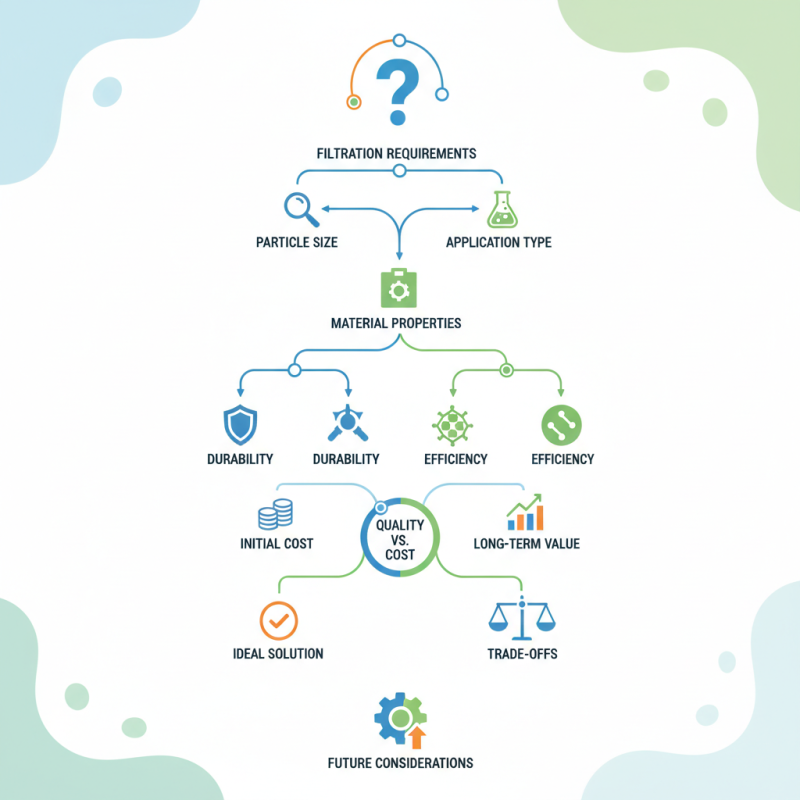
When selecting a Filtration Bag, consider your filtration requirements. Think about the particle size you want to capture. It’s not just about filtration efficiency; it's also about durability and ease of use. Some bags might break down quickly, leaving you frustrated.
Quality should not be compromised. Cheaper options may seem attractive but can lead to future issues. In some cases, the perfect Filtration Bag might not exist, urging you to make trade-offs. Reflecting on your needs now will save trouble later.
Understanding Filtration Bag Types: A Comprehensive Overview
When selecting a filtration bag, understanding the types available is crucial. Filtration bags generally fall into categories such as felt, mesh, and paper. Each type serves specific functions. Felt bags are effective for finer particles, with a filtration efficiency exceeding 90%. Mesh bags are more durable but may allow larger particles to pass. Paper bags, while affordable, often have a lower lifespan.
Data from recent industry reports indicate that 40% of users prefer felt bags for their superior particle retention. Moreover, improper selection can lead to inefficiencies. A poorly chosen bag might allow contaminants to bypass, nullifying the filtration process. Over time, it could result in increased operational costs. Using the right type can drastically enhance performance.
Consider the application requirements. The right bag should match the filtration needs of your process. It’s not just about price; quality matters too. Some may prioritize cost savings but find their systems running inefficiently. This highlights the importance of detailed analysis before choosing. A thoughtful approach often yields better results.
Key Factors to Consider When Selecting Filtration Bag Materials
Choosing the right filtration bag is crucial for effective filtration. When selecting materials, consider the filtration application. The type of particles needing filtration affects material choice. Common materials include polyester, polypropylene, and nylon. Each has different strengths and weaknesses. Polyester is durable, while polypropylene is more affordable. However, polyester may not withstand high temperatures.
Think about the size of the particles as well. Fine particles require bags with smaller micron ratings. A tighter weave may capture more contaminants but could lead to faster clogging. Does this balance work for your needs? It can be tricky. Also, consider the chemical compatibility of the material. Some environments are harsher than others. If unsure, test the material first.
Maintenance is another factor. Some bags are easy to clean or reuse. Others may be one-time use, leading to waste. It’s a cycle that requires thoughtful decision-making. Reflect on your filtration needs and usage frequency. What works for one application may not work for another. Always revisit your choices as needs evolve.
How to Choose the Right Filtration Bag for Your Needs? - Key Factors to Consider When Selecting Filtration Bag Materials
| Material Type |
Best Use Case |
Filtration Efficiency |
Temperature Resistance |
Cost |
| Polyester |
Water filtration |
80% |
Up to 120°C |
Low |
| Nylon |
Food and beverage applications |
90% |
Up to 180°C |
Medium |
| Polypropylene |
Chemical processing |
85% |
Up to 130°C |
Low |
| PTFE |
High temperature and aggressive chemicals |
98% |
Up to 260°C |
High |
| Cotton |
General filtration |
70% |
Up to 100°C |
Low |
Assessing the Filtration Efficiency: Measuring Micron Ratings and Flow Rates
When choosing a filtration bag, it's crucial to assess the filtration efficiency. Micron ratings indicate the size of particles that the bag can trap. A lower micron rating means finer filtration. However, too fine a filter can reduce flow rates. You must find a balance. For example, a 10-micron bag will capture larger particles, but it may allow smaller contaminants to pass.
Flow rates are equally important. A bag that filters well but has a slow flow will not be effective for high-demand applications. A quick calculation can help. Measure how quickly water passes through. If it's too slow, consider a bag with a higher flow rate.
Tips: Always check the specifications. Don’t go for the lowest micron rating blindly. Sometimes, you need a balance between clarity and speed. Experiment with different bags. Sometimes, an unexpected choice can yield better results. Pay attention to how often you need to replace the bags. Frequent changes can signal that the filter is not matching your needs. Adjust as necessary.
Filtration Efficiency Comparison of Different Micron Ratings
Industry Standards and Regulations for Filtration Bags: What You Need to Know
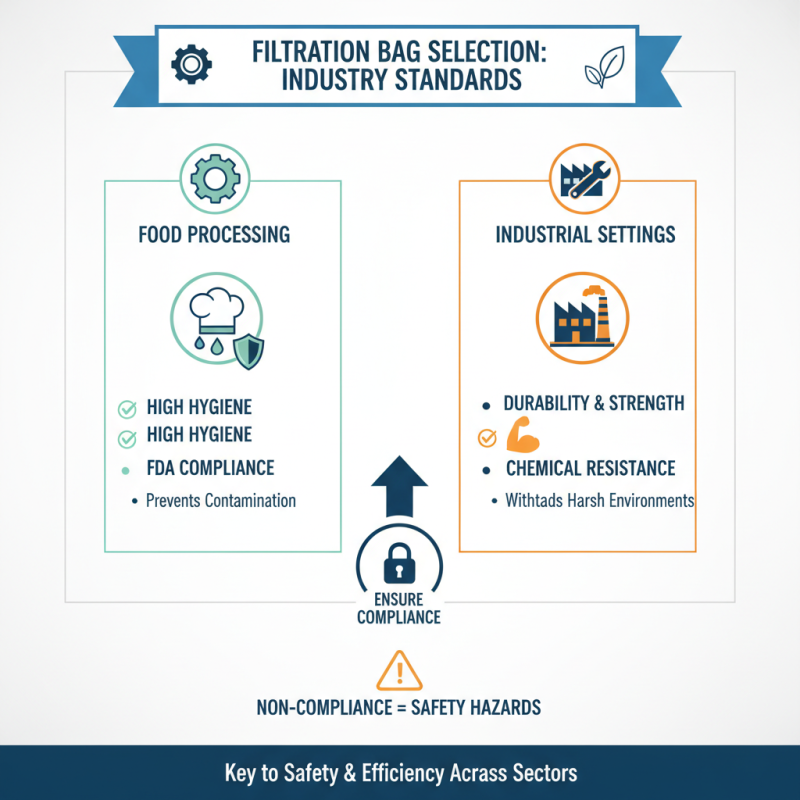
When selecting filtration bags, understanding industry standards is crucial. Different sectors have specific requirements. For example, food processing demands high hygiene standards. In contrast, industrial settings may focus on durability and strength. Knowing these regulations helps ensure compliance. Non-compliance could lead to serious safety hazards.
**Tips:** Always check the material of the filtration bag. Some materials are better suited for certain applications. If uncertain, consult with an expert in the field. Ensure you keep updated on any changes in regulations.
It’s also important to consider the filtration efficiency. Each bag type has its unique filtration capabilities. Perform tests to determine what works best for your needs. Remember, the wrong choice can compromise your entire operation. Don't overlook this critical aspect. Choose wisely and remain informed about what regulations apply to your specific industry.
Common Applications and Their Specific Filtration Bag Requirements
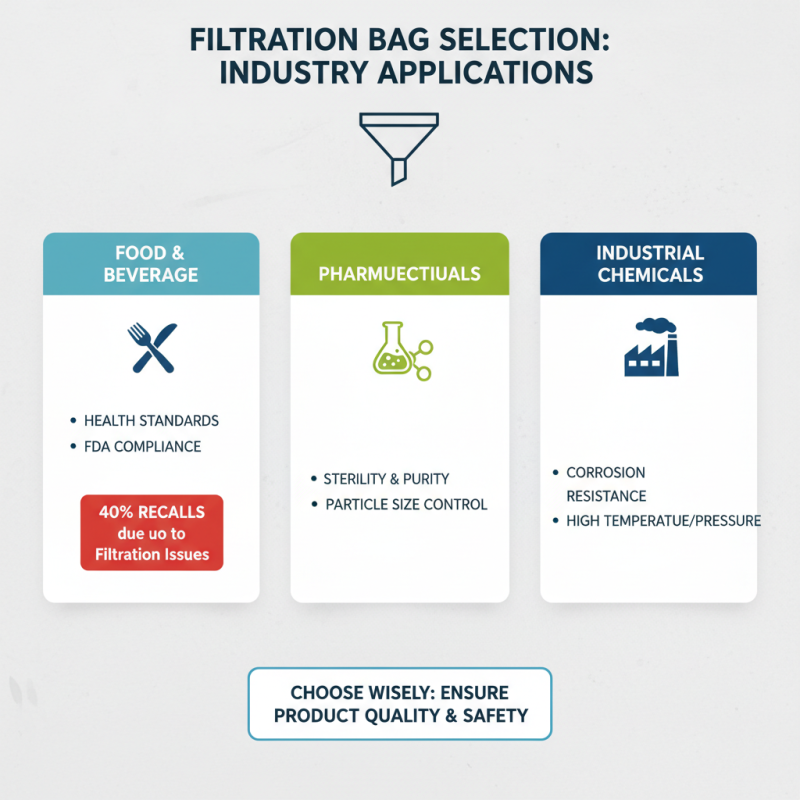
Choosing the right filtration bag requires understanding specific applications. Each industry has unique needs that influence bag selection. For instance, food and beverage sectors often need bags that meet stringent health standards. Filters must comply with FDA regulations and avoid contaminants. According to industry reports, over 40% of food producers have faced recalls due to filtration issues.
In industrial settings, the requirements are diverse. Heavy-duty filtration is essential for construction and mining. Dust and debris can quickly clog standard bags. A report indicated that industrial ventilations use filtration bags that can handle particulate sizes as small as 0.3 microns. Failure to select the right bag can lead to equipment damage and costly downtime.
Wastewater treatment facilities require specialized filtration solutions. They deal with varying contaminants, from heavy metals to organic matter. The report highlighted that 60% of treatment plants report inefficiencies due to subpar filtration systems. Choosing the wrong filtration bag could result in compliance issues and environmental hazards. Each application demands careful consideration of materials, sizes, and specifications.


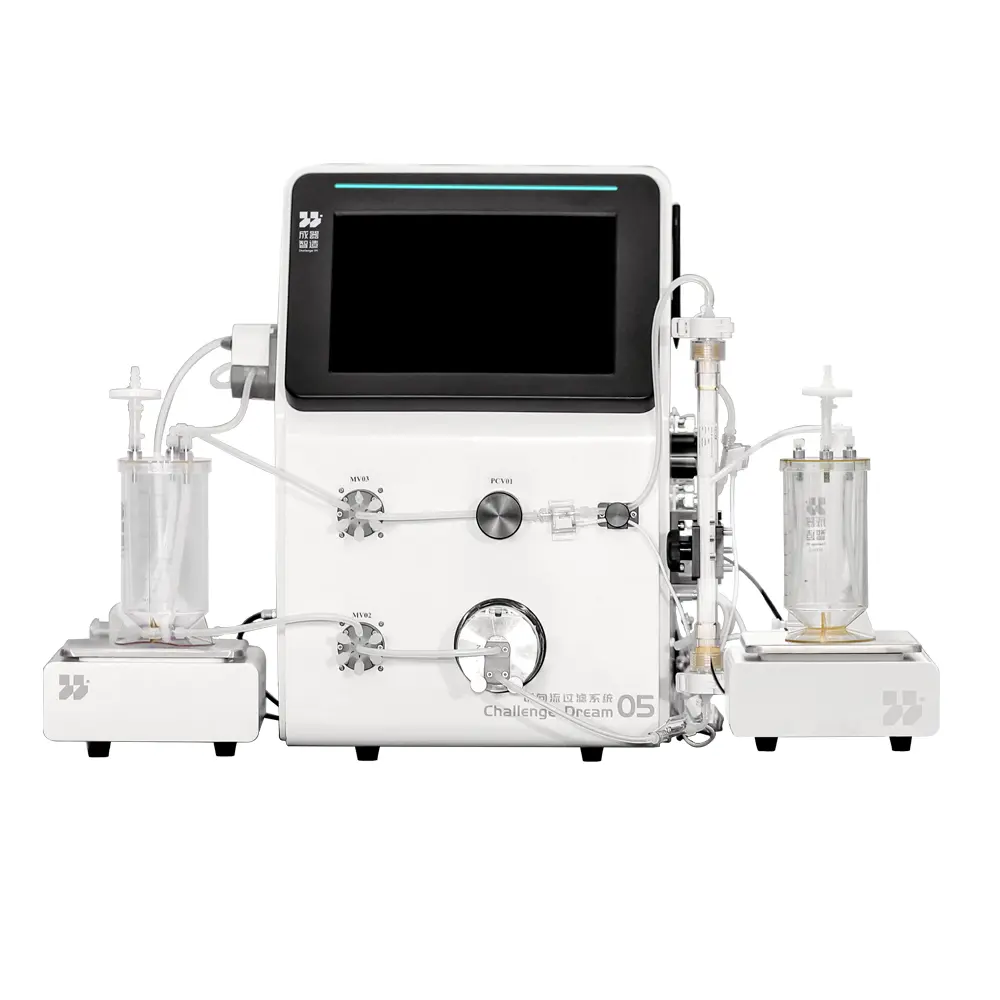 Tangential Flow Filtration(TFF) System
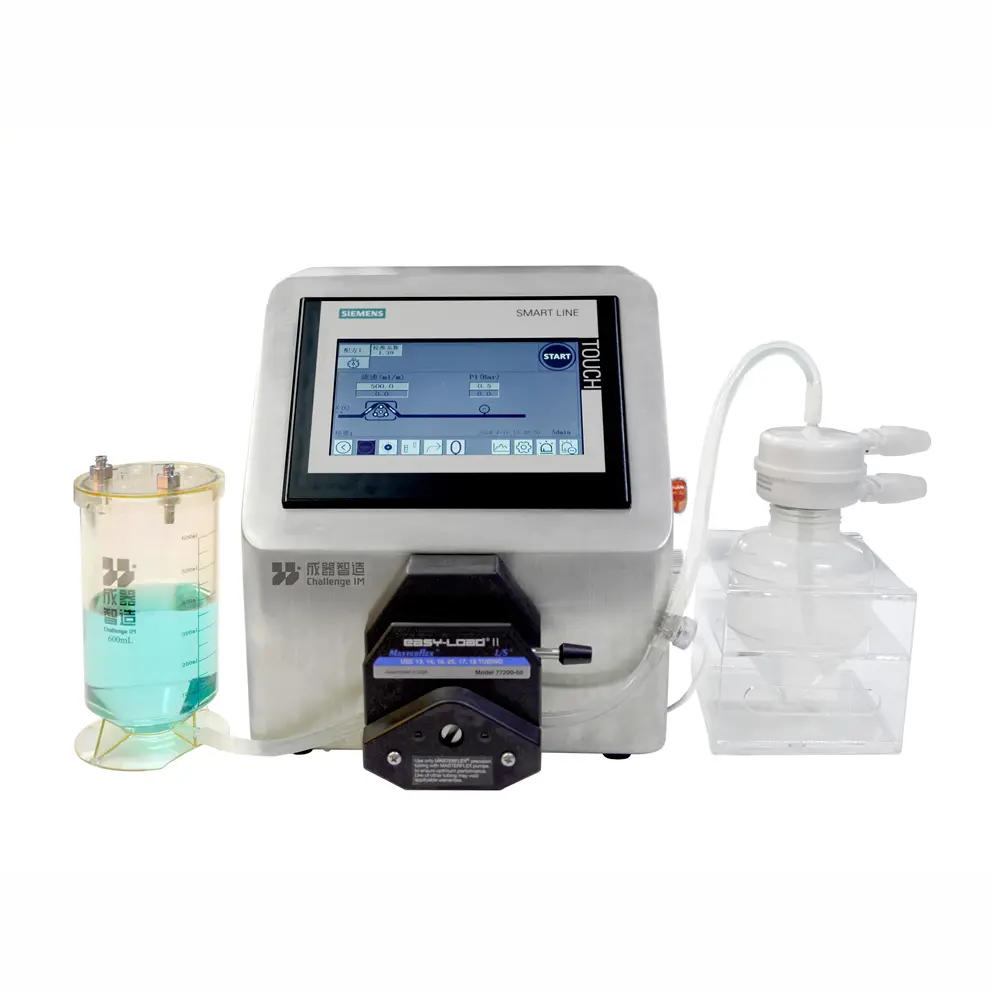 Jump Pump
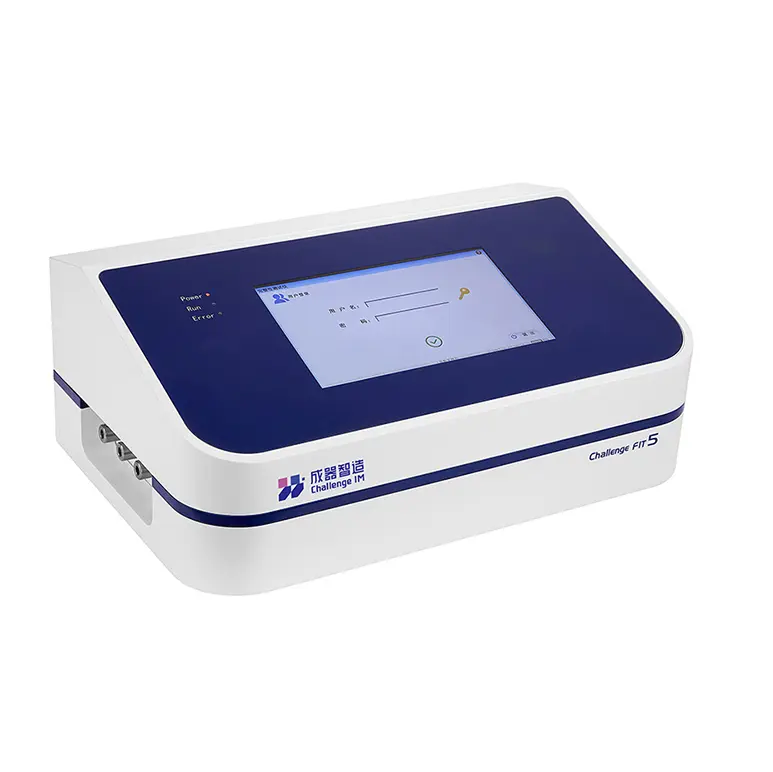 FIT Integrity Tester
 High Pressure Homogenizers
 Microfluidics