How to Choose the Best Filtration System for Your Needs?
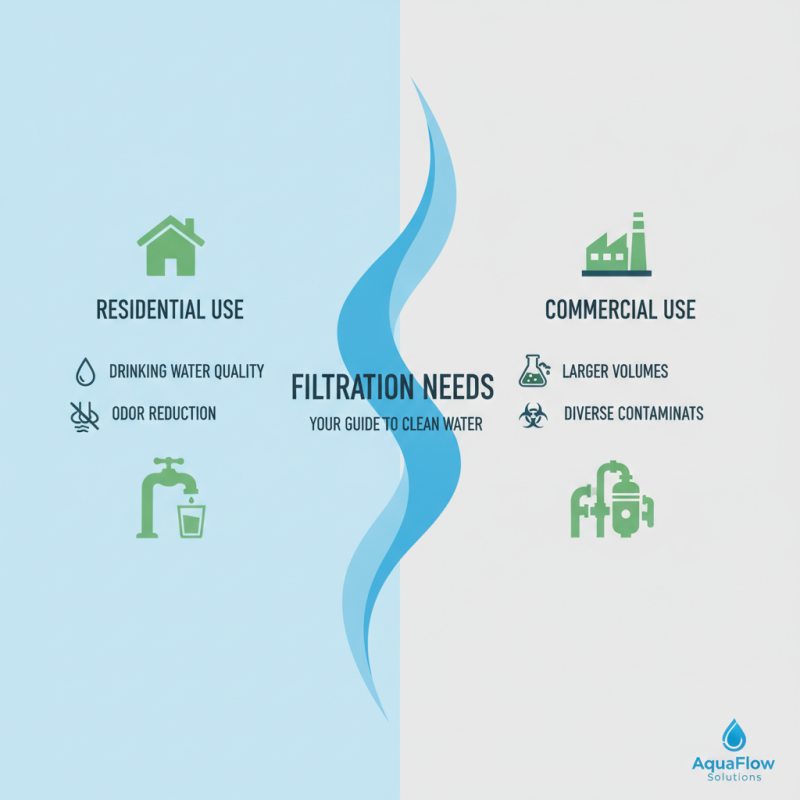
Choosing the right Filtration System is crucial for maintaining water quality in homes and businesses. According to the Water Quality Association, nearly 85% of U.S. households use some form of water treatment. This growing reliance on filtration systems underscores the need for informed choices. Environmental Protection Agency reports indicate that contaminants in water can pose serious health risks.
Understanding your specific needs is essential. For instance, if you live in an area with hard water, you may require a different solution than if you're concerned about microbial contaminants. A study from NSF International revealed that over 45% of consumers are unaware of the specific contaminants affecting their water supply. This gap in knowledge brings uncertainty into the decision-making process. Thus, it is crucial to evaluate your situation thoroughly.
The filtration market is vast, with options from carbon filters to reverse osmosis systems. Each type presents unique advantages and limitations. The continuous evolution of filtration technology can be overwhelming. Choosing incorrectly can lead to inadequate purification or unnecessary expenses. It’s vital to reflect on your requirements, budget, and local water conditions. Making an informed choice ensures you receive the best protection possible for your water supply.
Understanding Different Types of Filtration Systems Available Today
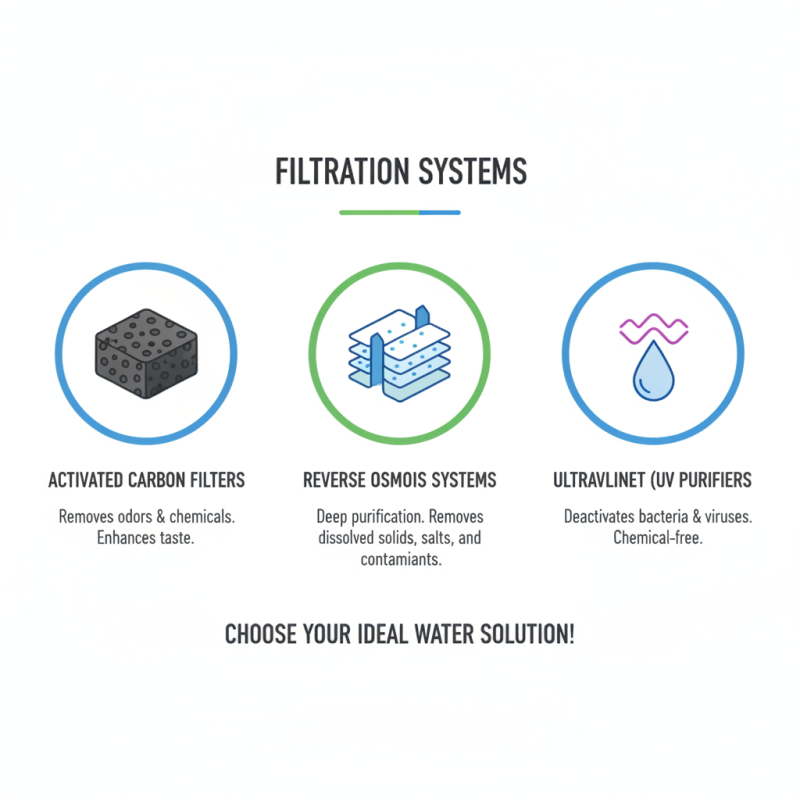
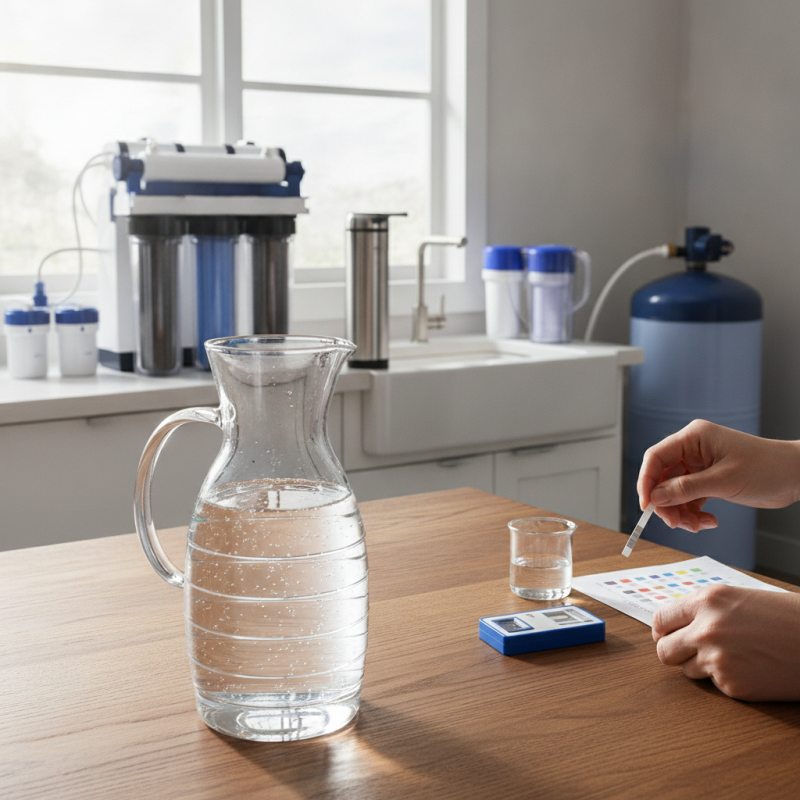
Choosing a filtration system involves understanding the various types available today. Each system has unique features and capabilities. Common options include activated carbon filters, reverse osmosis systems, and ultraviolet (UV) purifiers. Activated carbon filters efficiently remove odors and chemicals, enhancing taste. They are ideal for households that prioritize improved water flavor and smell.
Reverse osmosis systems use a multi-step process. Water is forced through semi-permeable membranes, eliminating impurities. This makes it suitable for areas with hard water issues. However, they may waste significant water during filtration. UV purifiers disinfect water using ultraviolet light. They are excellent for killing bacteria and viruses without chemicals. Yet, they do not remove sediment or chemicals.
Each filtration type has its pros and cons. Your specific needs and local water quality dictate the best choice. Research thoroughly, considering capacity, installation requirements, and maintenance. Understanding these factors empowers you to make informed decisions for your home's water needs.
Evaluating Your Water Quality: Key Tests and Considerations
Evaluating water quality is crucial when selecting a filtration system. Testing for contaminants, such as lead and chlorine, can help you determine your water's safety. According to the Environmental Protection Agency (EPA), nearly 6 million Americans are served by systems that violate drinking water standards. Homeowners should perform tests to assess their water’s pH level and turbidity, which can indicate sediment presence.
Consider parameters like hardness and total dissolved solids (TDS). High hardness can cause scale buildup in pipes, while elevated TDS may affect taste and potentially signal harmful substances. The CDC recommends checking water quality regularly, especially if your source is a well. Access to reliable data can guide choices, but many may overlook this initial step in their filtration journey.
Moreover, testing results may vary by season or recent weather events. Factor in how local agricultural practices impact your water supply. Some users rely on outdated information about local water safety. It's vital to seek up-to-date reports from trusted sources. Inadequate testing often leads to improper filtration selections, which can compromise the health benefits these systems are meant to provide.
Key Features to Look for in a Filtration System
When selecting a filtration system, several key features should guide your decision. Start with the filtration method. Different systems use various technologies, such as activated carbon, reverse osmosis, or UV light. Each has its strengths and weaknesses. For example, activated carbon is excellent for improving taste but might not remove all contaminants. Reverse osmosis requires more maintenance and can waste water.
Next, consider the system's capacity. Is it suitable for your household size? A small system may struggle to meet the demands of a larger family. Check the flow rate too; it affects how quickly you can access filtered water. Look for certifications. Systems verified by independent laboratories can assure you of their reliability and effectiveness.
Maintenance should not be overlooked. Some systems require filter replacements every few months, while others might last longer. Weigh your ability to maintain them. Regular checks and timely replacements are vital for optimal performance. Reflect on your specific needs. Not all systems will work perfectly for every situation. Understanding your water quality will help you choose wisely.
Budgeting for Your Filtration System: Costs and Long-term Investment
When budgeting for a filtration system, consider both initial costs and long-term investments. According to the Environmental Protection Agency, the average household spends around $350 annually on water filtration alone. This figure can rise with premium models or additional maintenance. Understand the lifespan of different systems. Some filters last years, while others may require more frequent replacements, impacting your total cost.
Tips: Research the total cost of ownership, including replacement filters and energy usage. Low upfront costs can lead to higher expenses later. A standard filter replacement may range from $30 to $100, depending on the technology.
Evaluate your water needs too. A larger household may require a more robust system, which often comes with a higher price tag. Consider additional benefits such as health improvements and reduced bottled water usage. A good filtration system typically pays for itself within a couple of years. Aim for a balance between cost and efficiency for the best long-term savings.
How to Choose the Best Filtration System for Your Needs? - Budgeting for Your Filtration System: Costs and Long-term Investment
| Filtration Type |
Initial Cost ($) |
Annual Maintenance Cost ($) |
Lifespan (Years) |
Total Cost Over 5 Years ($) |
| Reverse Osmosis |
300 |
90 |
10 |
600 |
| Activated Carbon |
150 |
30 |
3 |
240 |
| Ultraviolet (UV) |
200 |
50 |
5 |
450 |
| Ceramic Filter |
100 |
20 |
7 |
240 |
| Whole House Filter |
600 |
100 |
10 |
1200 |


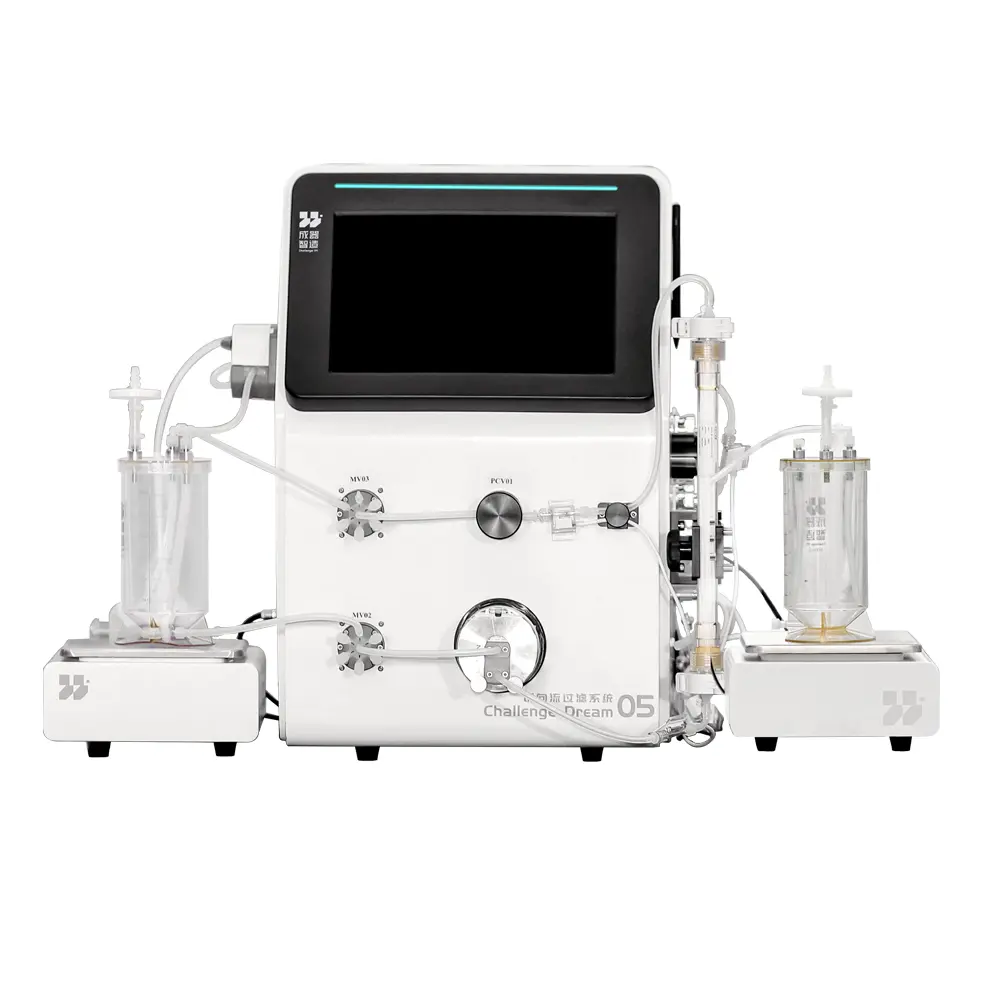 Tangential Flow Filtration(TFF) System
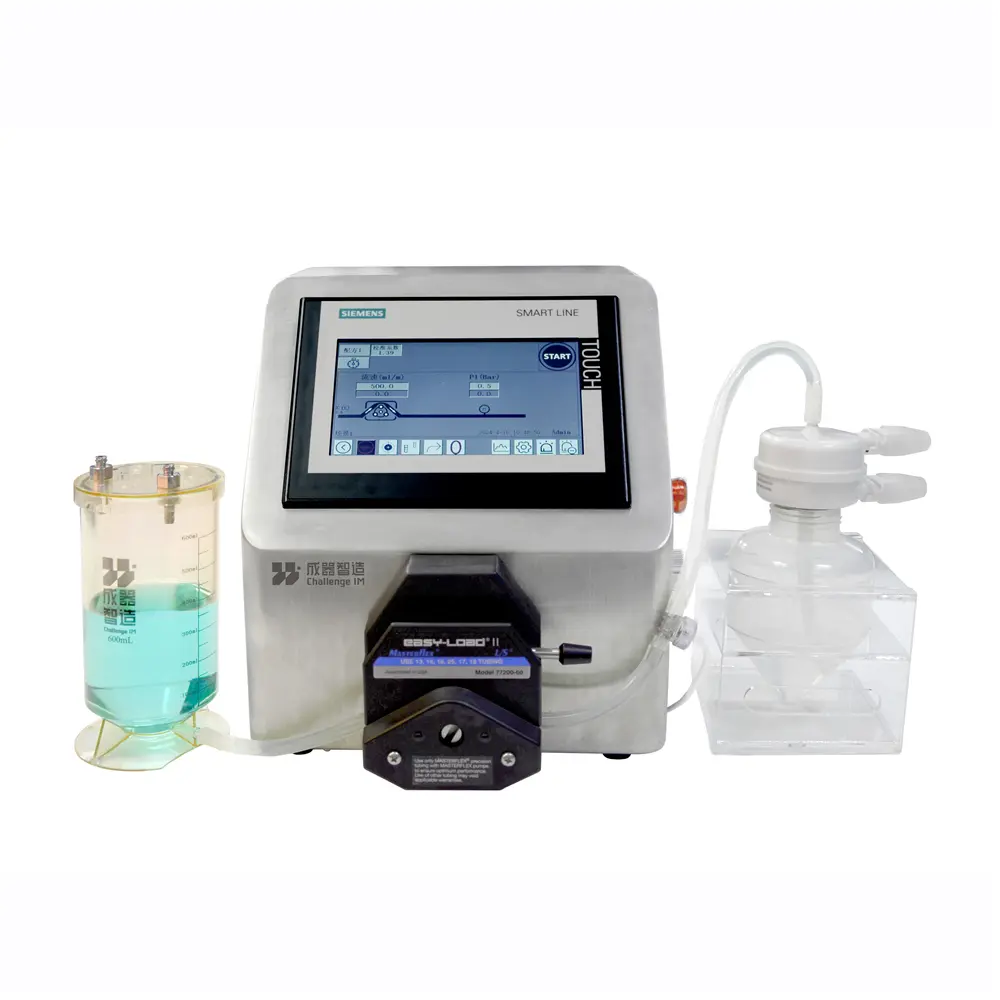 Jump Pump
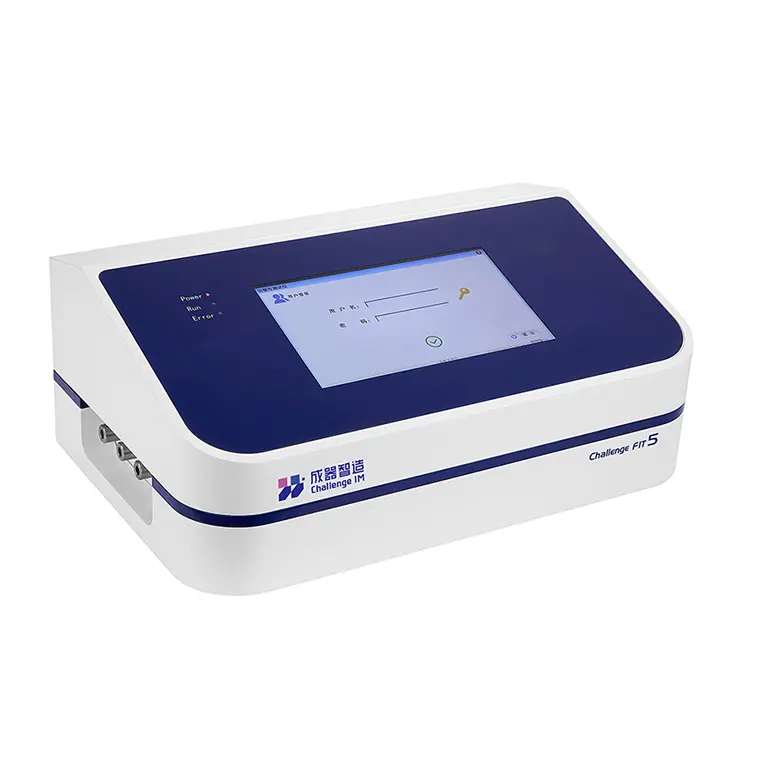 FIT Integrity Tester
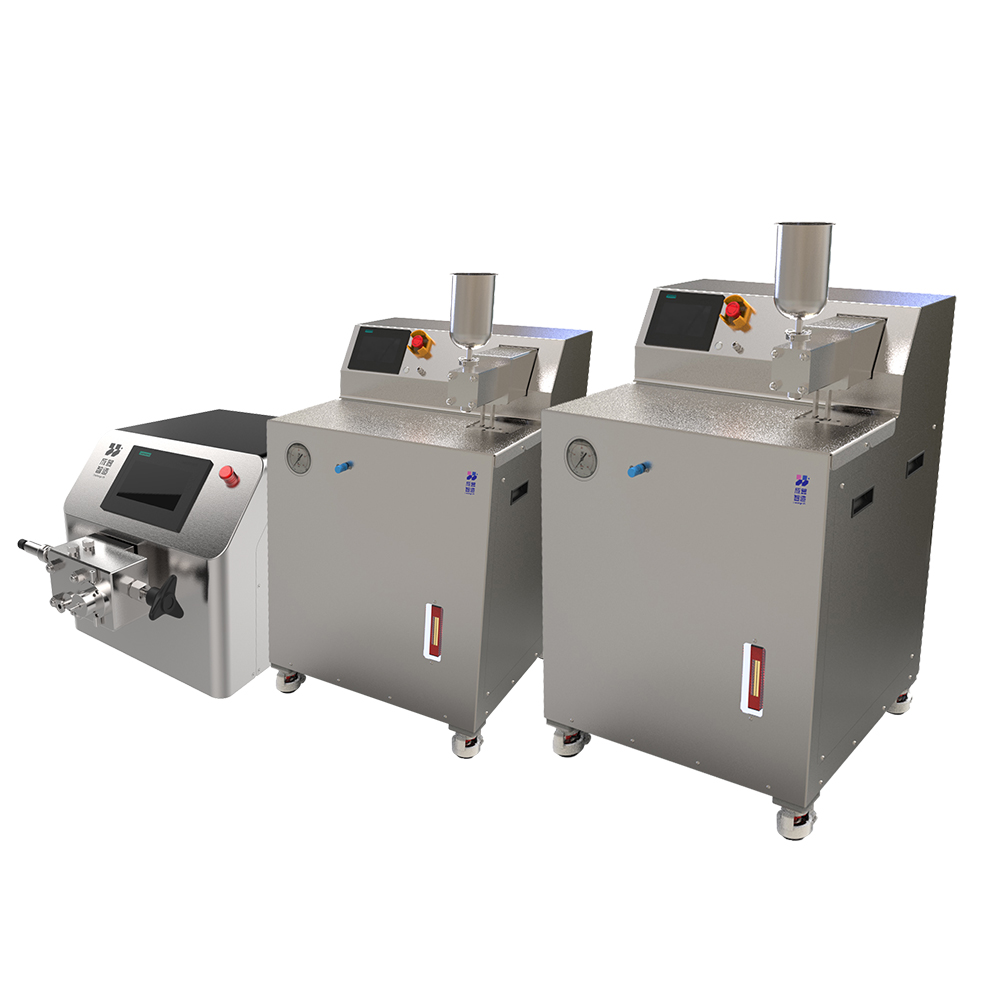 High Pressure Homogenizers
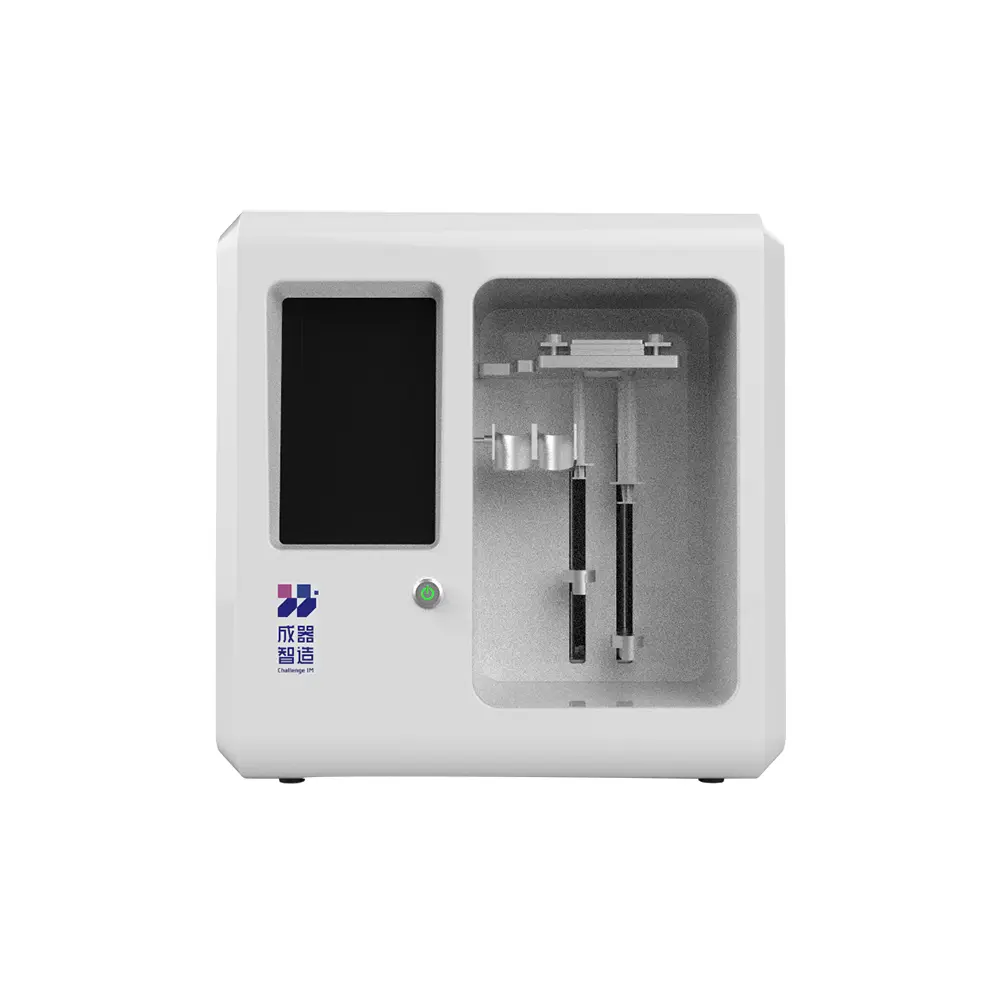 Microfluidics