2026 How to Choose the Best Pre Filtration System for Your Home?
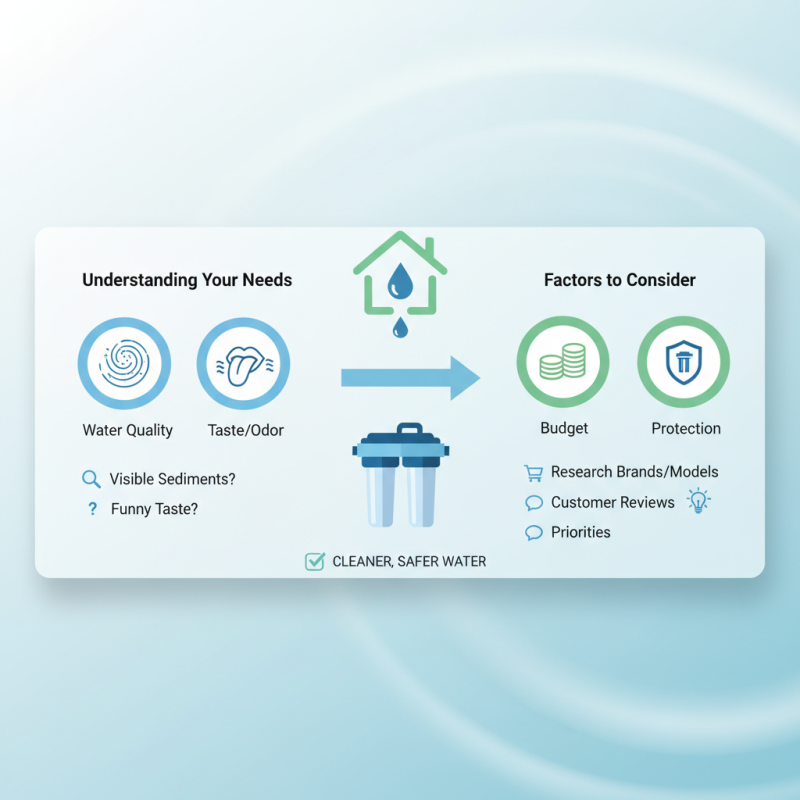
Choosing the right pre-filtration system can be a challenge. It is crucial for ensuring clean water in your home. Pre-filtration systems remove impurities and protect your main filtration setup. Understanding your needs is essential.
Many factors come into play. Consider your water quality. Are there visible sediments? Do you notice a funny taste? These details matter. Some systems focus on larger particles, while others tackle finer impurities.
Budget is also important. Higher price doesn’t always mean better quality. Research different brands and models. Read customer reviews. A well-informed choice can lead to cleaner, safer water. Reflect on your priorities. What’s most vital for your household?
Understanding the Importance of Pre Filtration Systems for Homes
Understanding the importance of pre-filtration systems for homes cannot be overstated.
These systems are crucial for maintaining water quality.
Studies show that 85% of households face water quality issues.
Common contaminants include sediment, chlorine, and heavy metals.
Without proper filtration, these substances can affect health and plumbing systems.
Tips for installation: Assess your water quality first.
Test for specific contaminants before choosing a system. This helps narrow down your options.
Pre-filtration systems enhance the lifespan of your home plumbing.
They protect pipes from clogging due to sediment buildup. Some experts claim that using a pre-filtration system can increase appliance efficiency by 30%.
This leads to energy savings and hassle-free maintenance.
Consider the materials used in the pre-filtration system.
High-quality filters may be more costly, but they ensure better performance.
Remember, the lowest price often doesn’t guarantee the best results. Investing wisely pays off in the long run.
Types of Pre Filtration Systems: Comparing Options Available
Choosing a pre filtration system for your home can be confusing. There are various types available, each with its own benefits and drawbacks.
Sediment filters are common. They effectively remove dirt and rust, improving water clarity. However, they may not target smaller particles or contaminants.
Activated carbon filters are another option. They excel at removing chlorine and odors, enhancing taste. Yet, they tend to have a shorter lifespan and might need frequent replacement.
Consider the water quality in your area. Your local water supply can influence the effectiveness of these systems.
Another alternative is reverse osmosis systems. These are thorough, removing many contaminants. However, they can be expensive and waste a significant amount of water.
Installing and maintaining these systems can be tricky for some homeowners. Each system has trade-offs that require careful consideration. Reflect on your specific needs and research accordingly. Prioritize what matters most to you.
Key Factors to Consider When Choosing a Pre Filtration System
Choosing the right pre-filtration system for your home is vital for ensuring clean water. There are several key factors to consider. First, know your water quality. A report from the Environmental Protection Agency (EPA) indicates that 35% of households have water supply issues. Testing your water can reveal harmful contaminants.
Another important factor is the system's filtration capacity. Look for systems that can handle your household's daily water usage. According to industry data, a family of four typically requires 80-100 gallons per day. A system that cannot meet this demand will not be effective.
Tips: Regular maintenance is crucial. Many overlook this aspect. Filter replacements should be scheduled every 6-12 months. Not doing so can cause bacteria growth. Lastly, consider the ease of installation. Some systems are complex. If unsure, seek professional help. This can save time and avoid future headaches.
Assessing Your Home's Water Quality Needs Before Selection
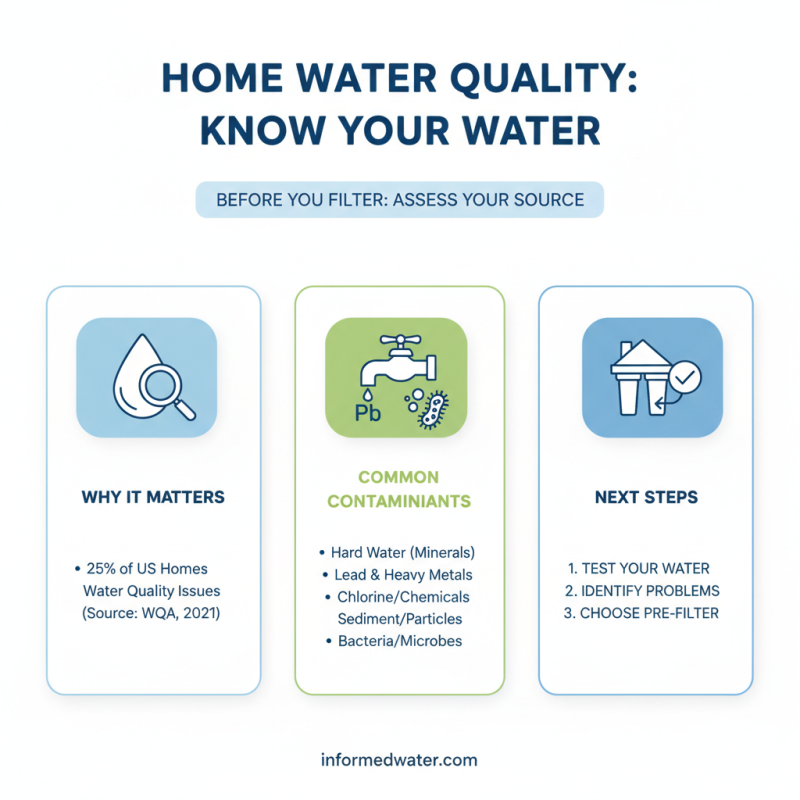
Assessing your home's water quality is crucial before selecting a pre-filtration system. A 2021 study by the Water Quality Association highlighted that nearly 25% of American households face water quality issues. Contaminants can vary widely. From hard water to lead, understanding this helps narrow down your choices.
Testing your water is essential. Home testing kits are available and can reveal common issues. For example, if your water is hard, you may need a softener. In towns with old plumbing, lead is a concern. Reports indicate that lead levels in tap water can often exceed the safe limit of 15 parts per billion. This knowledge is pivotal.
Don't rely solely on vague claims. Analyze test results critically. Some homes may have multiple issues requiring tailored solutions. It's not unusual to find a system that is too generic or ineffective for your specific needs. While seeking a pre-filtration system, ensure it addresses your unique water challenges.
Installation and Maintenance Tips for Pre Filtration Systems
When installing a pre-filtration system, consider your home’s specific needs. Assess water quality reports. According to the Water Quality Association, around 85% of American households face water quality issues. This is a staggering number that should not be ignored. Pre-filtration systems can help reduce sediment and chlorine taste effectively.
Regular maintenance is crucial. Change filters at least every six months. Many homeowners overlook this step. A neglected filter can lead to decreased water quality and system inefficiency. In fact, a study by the National Sanitation Foundation suggests that dirty filters can reduce system performance by up to 50%. Keep a maintenance log to track changes.
Installation can seem daunting. Do-it-yourself kits are popular, yet may not always be foolproof. Improper installation can lead to leaks and inefficient filtration. If uncertain, consulting with a professional may save future headaches. Homeowners frequently report frustration due to improper setups. Take the time to get it right.
2026 How to Choose the Best Pre Filtration System for Your Home? - Installation and Maintenance Tips for Pre Filtration Systems
| Feature |
Importance |
Considerations |
Maintenance Frequency |
| Filter Type |
High |
Sediment, Carbon, or Reverse Osmosis |
Every 6-12 months |
| Flow Rate |
Medium |
Gallons per minute suitable for household needs |
Annually |
| Size & Design |
Medium |
Space available for installation |
Check during installation |
| Certifications |
High |
NSF, WQA, etc. |
Before purchase |
| Installation Complexity |
Medium |
DIY or Professional |
As needed |


 Tangential Flow Filtration(TFF) System
 Jump Pump
 FIT Integrity Tester
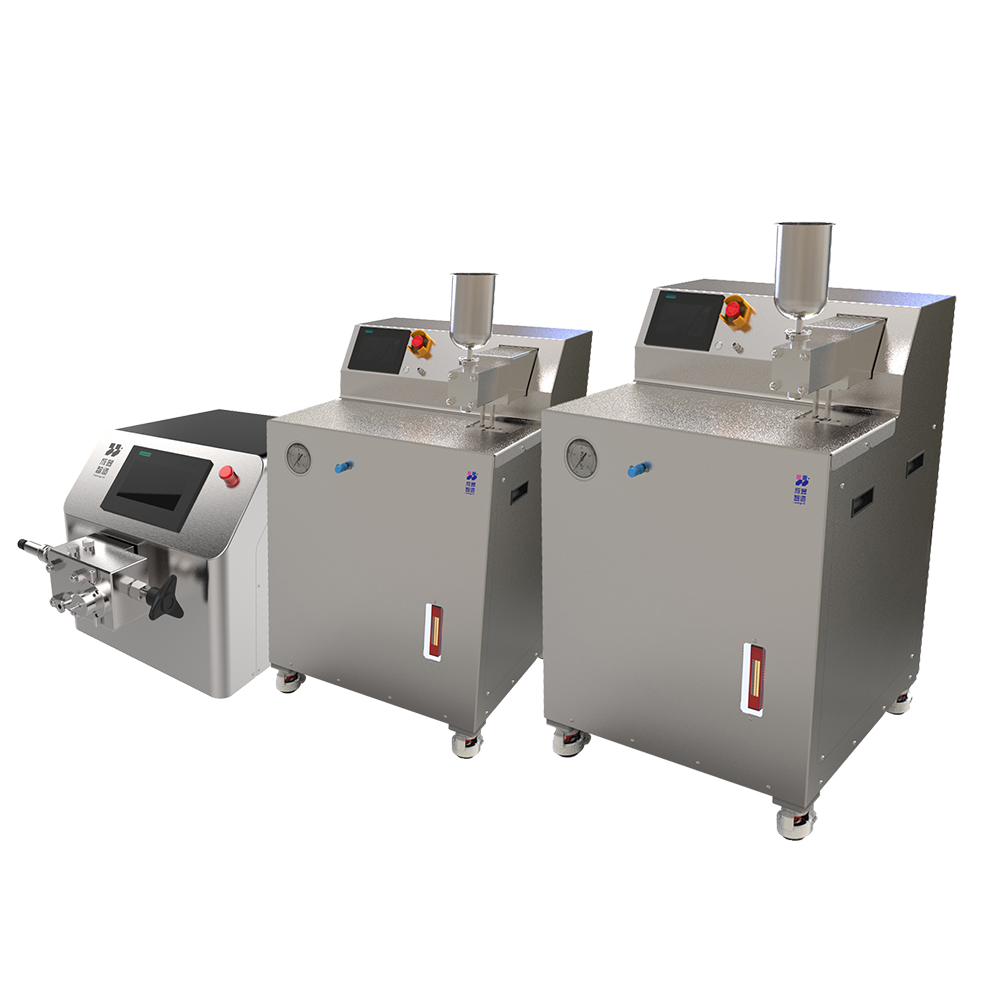 High Pressure Homogenizers
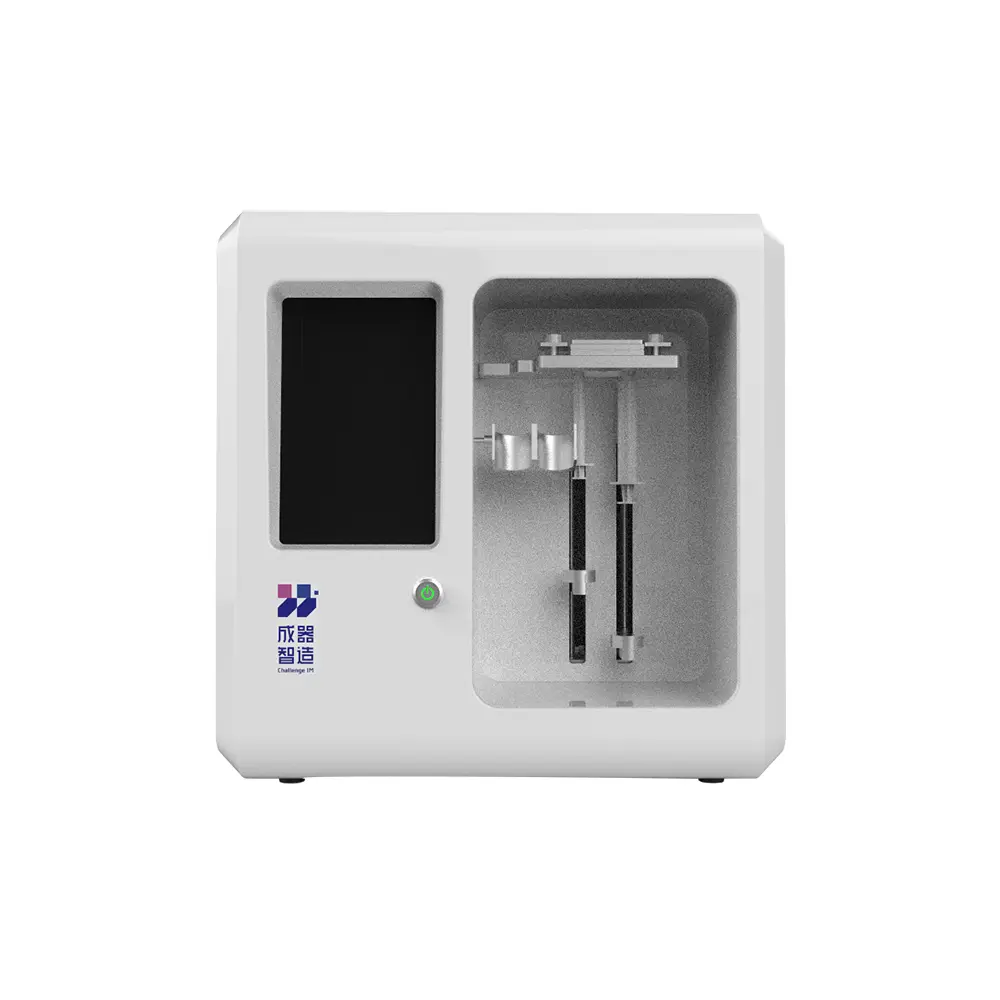 Microfluidics