Choosing the right Ultra Filtration system can be daunting. Many brands promise effective water purification. However, not all systems deliver on their promises. This guide is here to help you make an informed decision.
Ultra Filtration technology removes impurities from water. It uses a membrane to filter particles, bacteria, and viruses. But understanding what type of system suits your needs is crucial. Consider your water source, specific contaminants, and budget. Each factor plays a significant role in your selection process.
You may encounter systems that look similar but differ greatly in performance. Reading user reviews can provide insight into their reliability. Professional recommendations are also beneficial, as experts can point you in the right direction. Remember, your choice affects not only your health but also your family's well-being. Think critically before investing in an Ultra Filtration system.
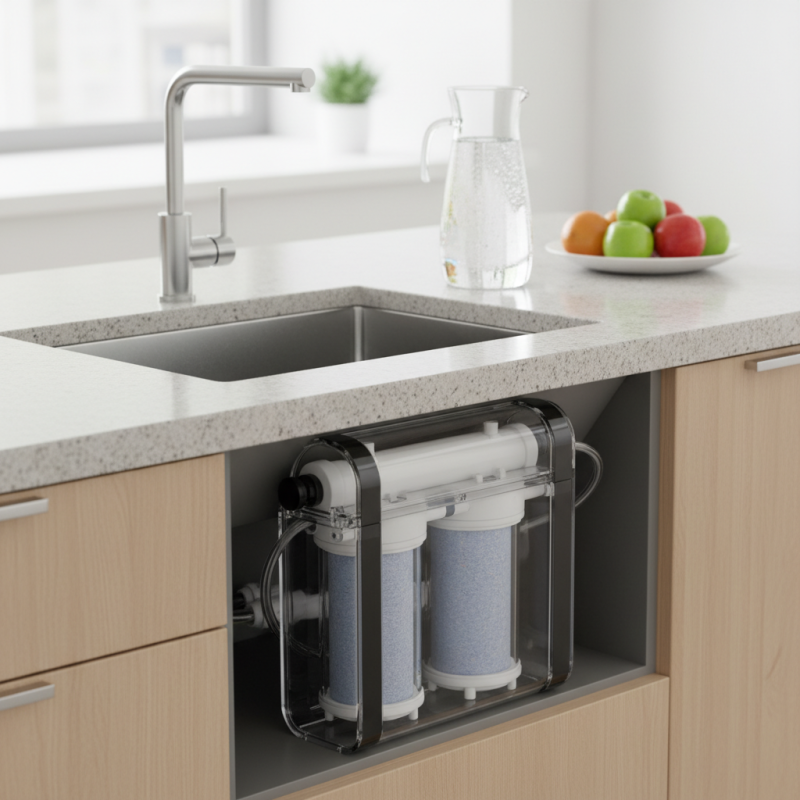
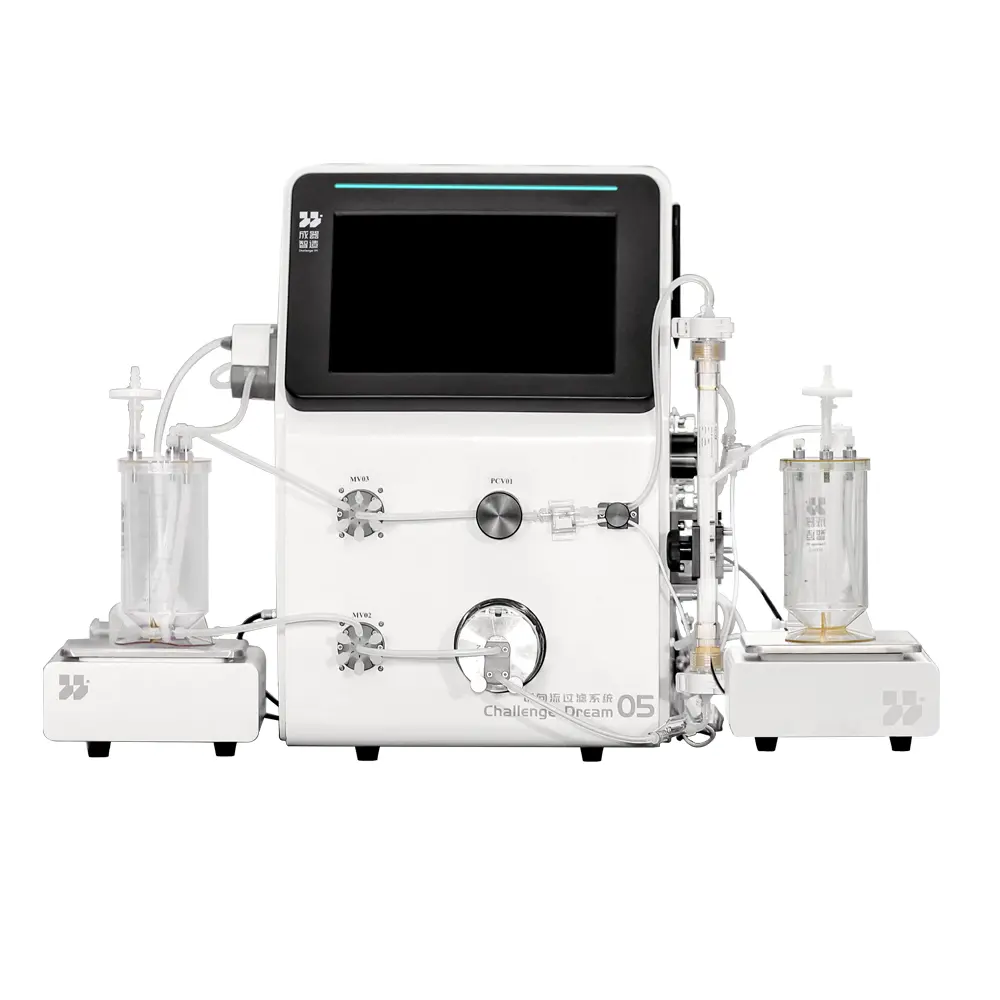
Ultra filtration (UF) is a versatile water purification method that separates unwanted particles. It uses a semi-permeable membrane to remove bacteria, viruses, and larger molecules. This process is essential for producing clean drinking water.
The benefits of ultra filtration are significant. It effectively reduces contaminants, improving taste and quality. Using this system, households can enjoy fresher water without harmful substances. It also requires less energy compared to other filtration methods.
However, the choice of an ultra filtration system should be thoughtful. Not all systems work the same way, and some may not meet your needs. It’s vital to understand the specific requirements of your water source. Researching different systems can reveal gaps in the market. Trying to understand UF can lead to better choices.
This chart compares the efficiency of various ultrafiltration systems across different water quality parameters, showcasing their effectiveness in removing impurities.
Choosing the right ultra filtration system is crucial for ensuring clean and safe water. First, consider the filtration process. Look for systems that utilize advanced membrane technology. This technology should be effective in removing bacteria, viruses, and other contaminants. The pore size of the membrane is vital. A pore size of 0.1 microns or less is generally effective.
Another important factor is the system’s capacity. Assess your household's daily water needs. Systems vary in their ability to filter water. Some can handle multiple gallons per day, while others may struggle. Check the flow rate, as a higher flow rate means consistent water supply.
Tip: Research your local water quality. Understanding your water's contaminants can help you choose the right system. Do not ignore maintenance requirements. Regular cleaning and filter replacement are necessary for optimal performance.
Additionally, consider the installation process. Some systems require professional installation, while others are user-friendly. Evaluate if you’re comfortable with DIY options. The layout of your space can also limit your choices. Reflect on your long-term water needs to make an informed decision. Look at reviews and expert opinions, but trust your own research too.
When choosing an ultra filtration system, the type of membrane is crucial. Different membranes offer various levels of filtration efficiency. For example, polymeric membranes are common and affordable. They effectively remove bacteria and larger particles, making them ideal for household use. However, they may not perform as well against viruses, which is a significant concern for some users.
Ceramic membranes provide a durable option. They are more resistant to chemical attack and have a longer lifespan than polymeric membranes. This makes them suitable for industrial applications. Yet, they can be more expensive and may require specific handling during installation. Weigh these factors before purchasing.
Tips to consider: Evaluate your water source to determine what contaminants are present. Knowing your need for filtration can guide you to the right membrane choice. Also, maintenance is essential. Some membranes require regular cleaning, while others do not. Ensure you can commit to the upkeep required for optimal performance. This reflection on your needs will lead to a better choice in your ultra filtration system.
When evaluating ultra filtration systems, cost and maintenance are critical factors. The average initial investment for a quality system ranges from $500 to $2,500, depending on capacity and features. According to industry data, homeowners can expect to spend around $200 annually on maintenance. This includes filter replacements and routine inspections. Understanding these costs helps in making an informed choice.
Maintenance is not always straightforward. Regular filter changes are essential for optimal performance. Failure to replace filters timely can lead to decreased efficiency and poor water quality. Some systems may require more frequent servicing, contributing to higher long-term costs. Consumers often overlook these aspects, focusing primarily on the initial purchase price.
It's essential to research and consider the total cost of ownership. Inadequate maintenance can impact the lifespan of the system. A study published by the Water Quality Association states that only 30% of homeowners fully understand their maintenance needs. This gap highlights a concerning trend. Keeping up with maintenance ensures the system operates effectively. Making thoughtful decisions will yield better outcomes for consumers and the environment.
| System Type | Initial Cost ($) | Annual Maintenance Cost ($) | Filter Replacement Frequency (Months) | Energy Efficiency (kWh/year) |
|---|---|---|---|---|
| Standard UF System | 500 | 100 | 12 | 300 |
| High-Capacity UF System | 1200 | 200 | 6 | 450 |
| Compact UF System | 700 | 150 | 8 | 250 |
| Advanced UF System | 1800 | 250 | 4 | 500 |
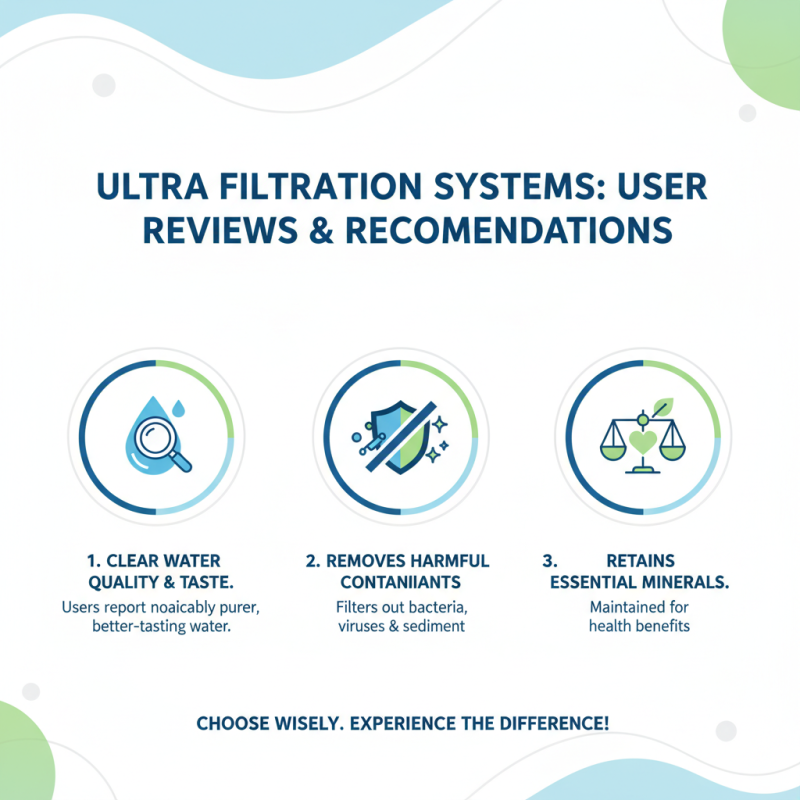
User reviews can provide valuable insights when choosing the best ultra-filtration system. Many users emphasize the importance of clear water quality and taste. They often highlight how systems remove harmful contaminants while maintaining essential minerals. This balance is crucial for overall health.
When researching options, look for user feedback that highlights ease of installation and maintenance. Some reviews mention systems that require frequent filter changes. These can become a hassle over time. Others may not perform consistently, leading to disappointments. Focus on reliable recommendations that reflect real-world experiences.
Tips to consider: Check online forums and social media groups for user opinions. You may find professionals discussing their preferred models. Don't overlook negative reviews; they can reveal potential issues. Remember, everyone’s needs differ, so take time to reflect on what best suits your lifestyle and water quality requirements.