How to Choose the Best Filtration Media for Your Needs?
Choosing the right filtration media is crucial for various applications. Whether for air, water, or industrial processes, your choice affects quality and efficiency. Different types of filtration media serve unique purposes. Understanding these can prevent costly mistakes.
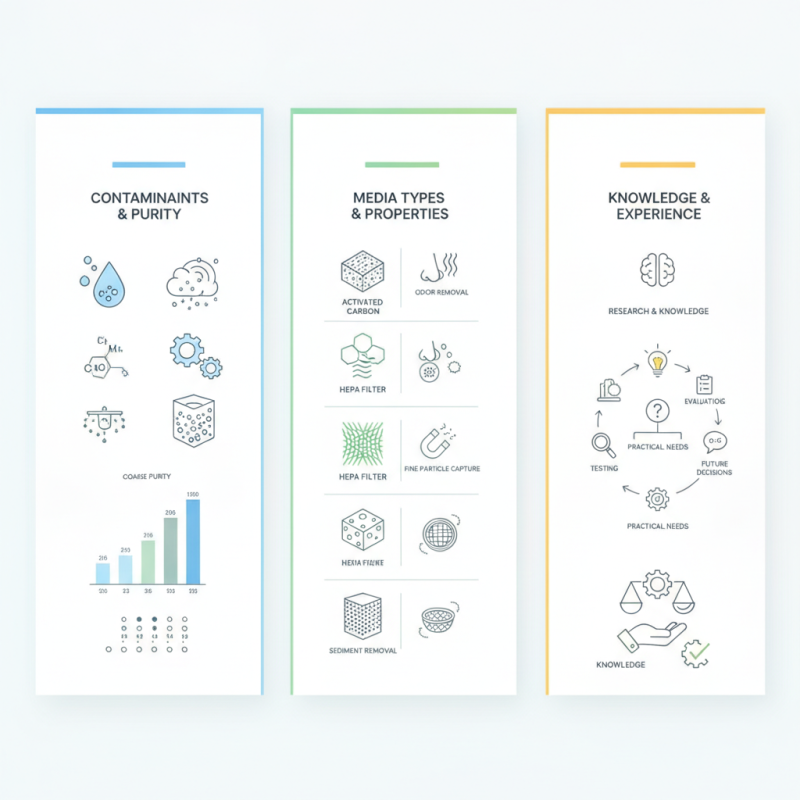
Many factors influence the selection process. Consider the specific contaminants to be removed and the desired purity levels. Each type of filtration media offers distinct properties and benefits. For example, activated carbon excels in removing odors, while HEPA filters effectively capture fine particles.
While research is essential, experience plays a role too. Users often discover that what works well in theory may not align with practical needs. Reflecting on past choices helps refine future decisions. Selecting the best filtration media is a balance of knowledge, experience, and real-world testing.
Understanding Different Types of Filtration Media Available
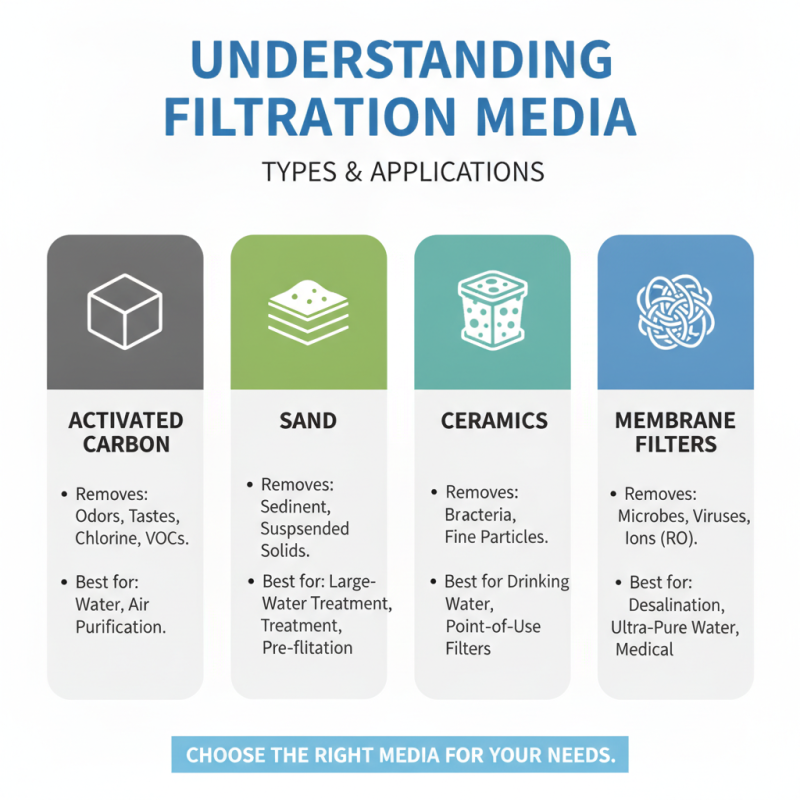
When selecting the right filtration media, it’s essential to understand various options available. Different types of filtration media cater to unique needs and applications. Common types include activated carbon, sand, ceramics, and membrane filters. Each type has distinct properties and suitability for specific tasks.
Activated carbon excels in removing odors and organic compounds. It’s effective but requires regular replacement. Sand filters are cost-effective and commonly used in swimming pools. They have a long lifespan but may not trap finer particles. Ceramic filters are durable and can eliminate bacteria, but they are more expensive and can be fragile.
Membrane filters are praised for their precision in separating particles. They work well in industrial settings but may be overkill for simple household needs. While it's good to be knowledgeable, choosing a medium also involves trial and error. What works perfectly for one application may not suit another. Testing and adjusting are part of the process, and sometimes initial choices may need to be reconsidered to optimize results.
Assessing Your Specific Filtration Needs and Requirements
Choosing the right filtration media requires careful consideration of your specific needs. Different applications, such as water purification or air quality control, demand unique solutions. Data from the Environmental Protection Agency (EPA) indicates that improper filtration can lead to significant contaminants remaining in your system, potentially affecting health.
Understanding your environment is crucial. For instance, water sources can vary greatly. If you have a high level of sediment, a media that excels in particle removal is essential. According to the World Health Organization (WHO), contaminants often exceed safe limits without effective filtration. Testing your water can provide valuable insights into necessary filtration parameters.
Your filtration system’s capacity is also vital. High-flow situations may require robust solutions to avoid frequent replacements. The International Water Association emphasizes that specific media types can drastically improve contaminant removal efficiency. Knowing your baseline needs can guide you in selecting the right solution, but it’s not always straightforward. Trial and error can help refine your choice over time.
Evaluating Filtration Efficiency and Performance Metrics
When selecting the right filtration media, understanding efficiency and performance metrics is crucial. Filtration efficiency typically measures how well a media removes contaminants from air or water. Look for metrics like the removal rate and particle size efficiency. A high removal rate indicates that the media captures more pollutants effectively. For instance, a media capable of filtering particles as small as 0.3 microns might perform significantly better in certain environments.
However, metrics alone do not provide a complete picture. It's essential to assess the operational lifetime and maintenance requirements of the filtration media. A highly efficient filter might require frequent changes, leading to higher overall costs. Reliability plays a key role here; consistent performance over time is often prioritized over maximum efficiency.
Some users may find that while initial data looks promising, real-world applications reveal unexpected challenges, such as reduced airflow or increased pressure drop. These factors can impact overall system performance and must be considered carefully.
Comparing Cost-Effectiveness of Various Filtration Solutions
When evaluating filtration media, cost-effectiveness is a crucial factor. According to a recent report by the Water Quality Association, various filtration solutions vary significantly in both upfront costs and operational expenses. For instance, granular activated carbon systems may have lower initial costs but require frequent replacement, potentially raising long-term expenses.
On the other hand, membrane filtration options, such as reverse osmosis, present higher initial investments but can lead to lower maintenance costs over time. The same report indicates that reverse osmosis systems reduce water contaminants by up to 99%, providing significant value for health and safety. However, users must consider their specific needs and water quality, as not all systems are equally effective across different contaminants.
An overlooked aspect is the environmental impact of filtration choices. While many solutions are efficient, not all are sustainable. The production of filters contributes to waste. Balancing effectiveness with sustainability is vital for informed decision-making. Users must continuously assess their filtration needs and weigh the costs and benefits of their choices, both economically and environmentally.
Considering Environmental Impact and Sustainability Factors
When selecting filtration media, it’s crucial to consider its environmental impact. Many media types can affect ecosystems significantly. Choosing sustainable options can reduce this footprint. Look for materials that are biodegradable or recycled. This not only helps the planet but can also improve your own practices.
Tips: Always research the sourcing of filtration materials. Support companies that prioritize sustainable methods. Check for certifications that indicate environmental responsibility. Consider the entire life cycle of the media, from production to disposal.
Sustainability is not only about choosing the right material. It also involves understanding how the media's performance aligns with your needs. Some materials may perform well but have a short lifespan, leading to increased waste. Analyzing the efficiency and longevity can offer a better balance.
Tips: Evaluate your specific filtration needs. Think about how often you need to replace the media. This can help in making an eco-conscious choice that aligns with both performance and sustainability.


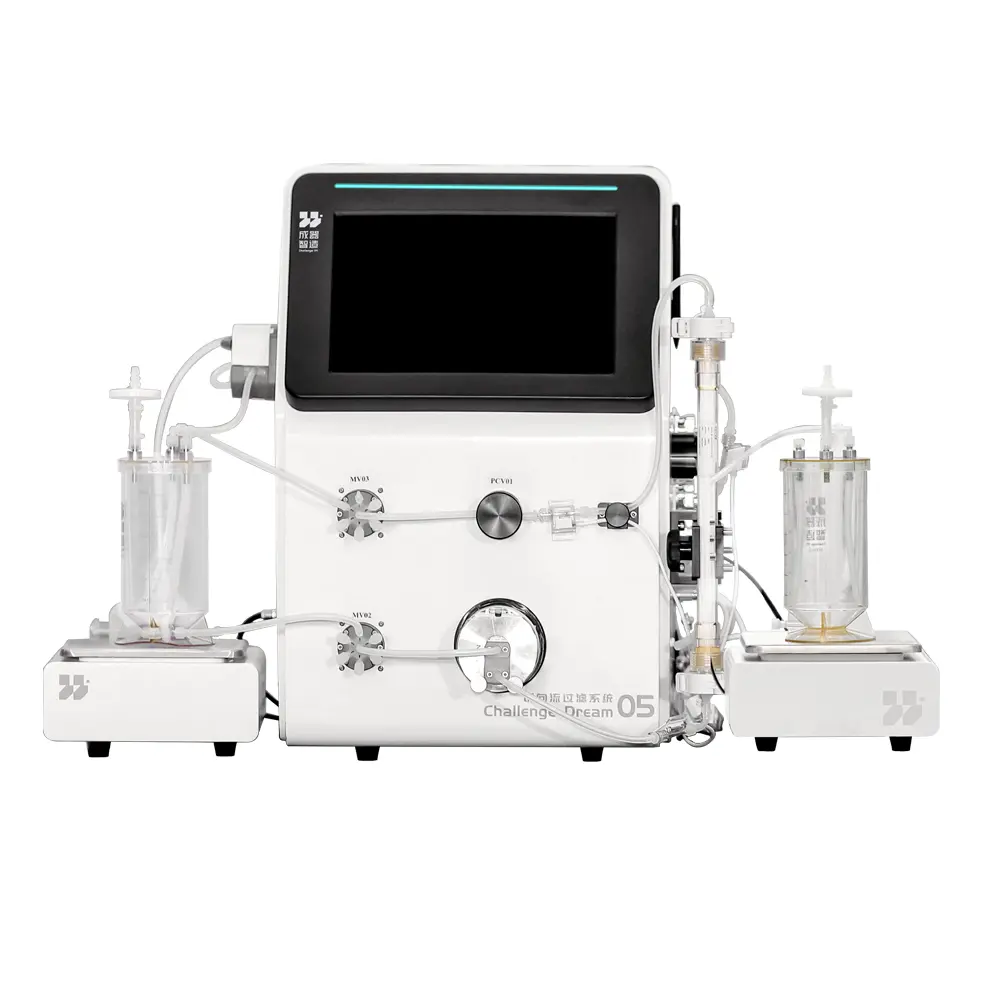 Tangential Flow Filtration(TFF) System
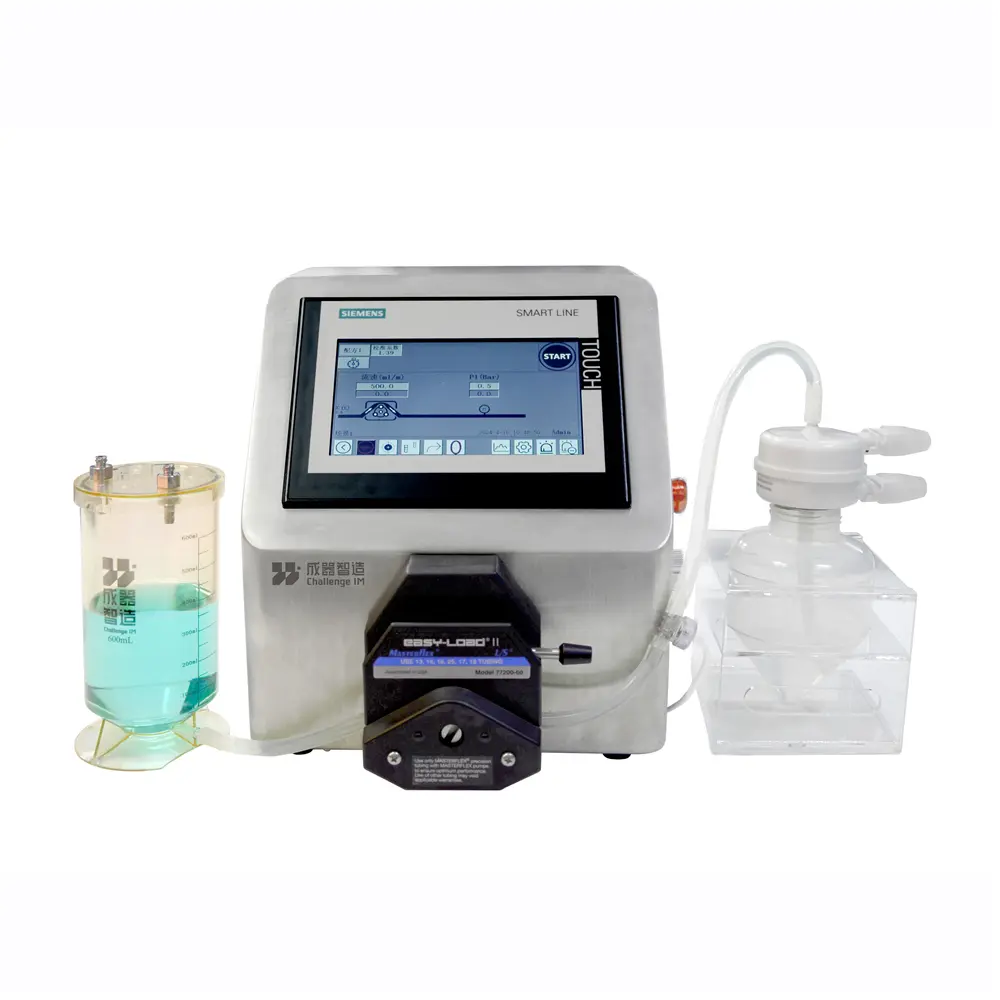 Jump Pump
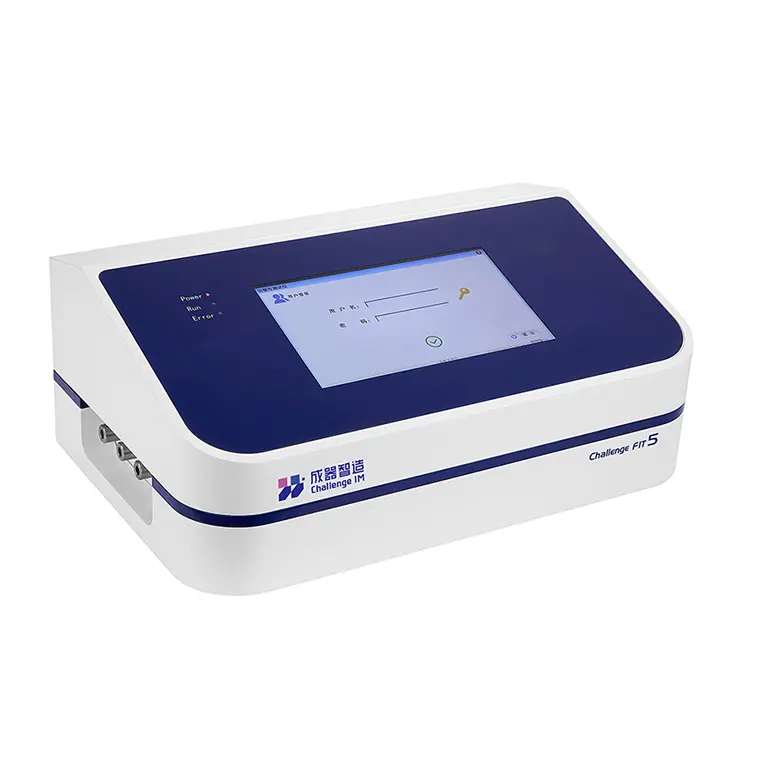 FIT Integrity Tester
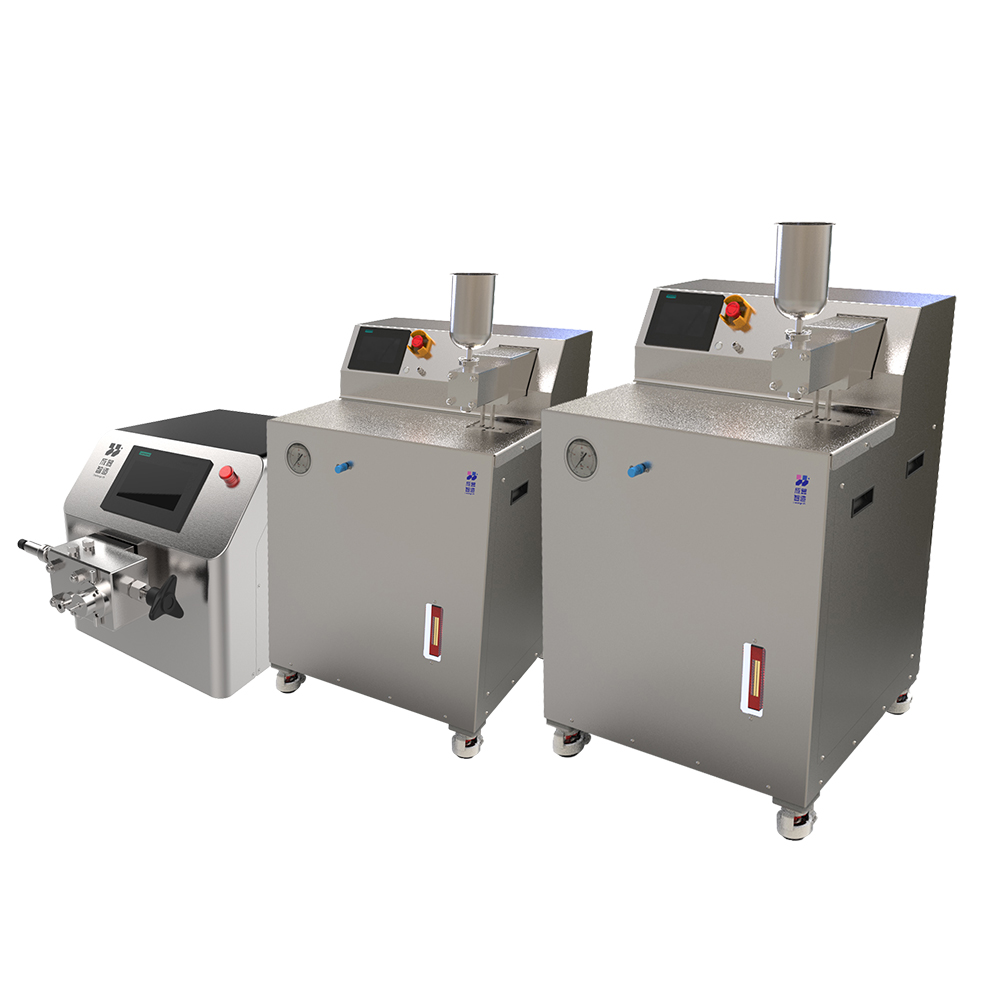 High Pressure Homogenizers
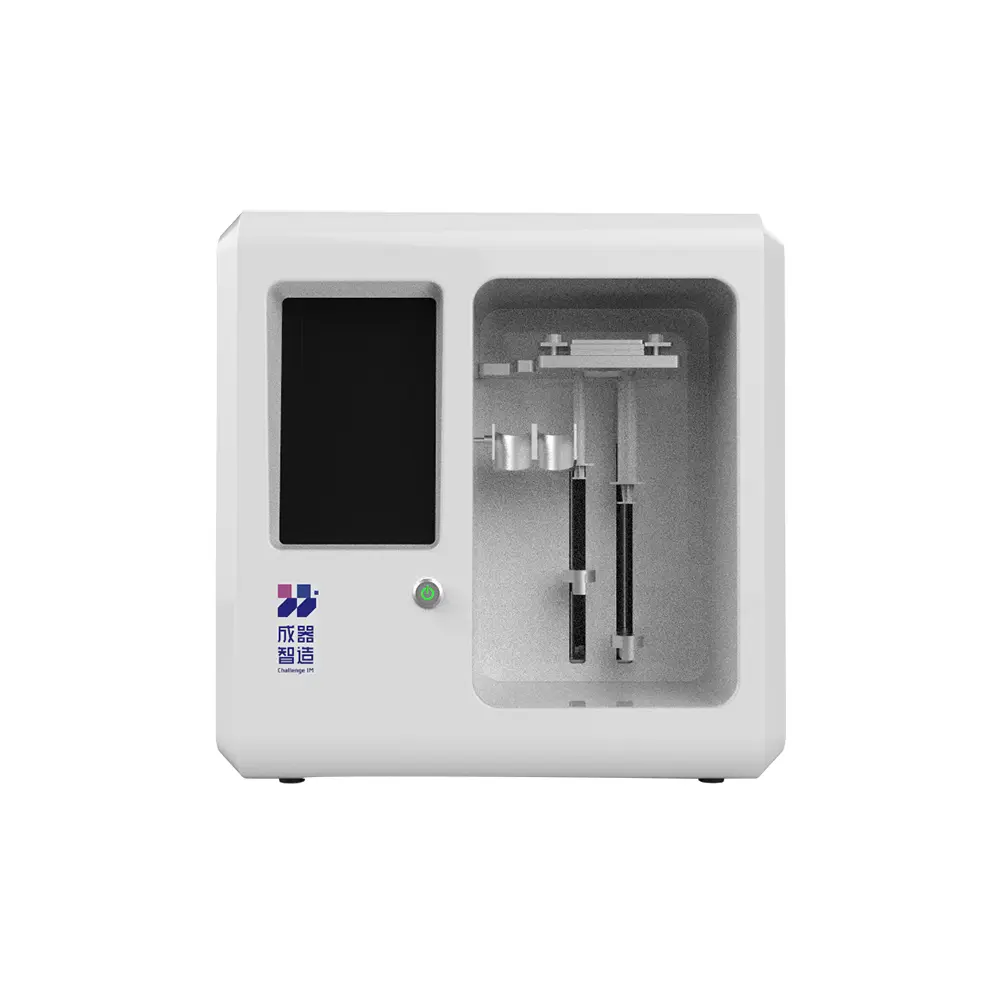 Microfluidics