How to Choose the Best Ultra Filtration System for Your Home?
Choosing the right Ultra Filtration system for your home can significantly impact your water quality. With many options available, understanding these systems is essential. Ultra Filtration removes impurities, providing clean and safe drinking water.
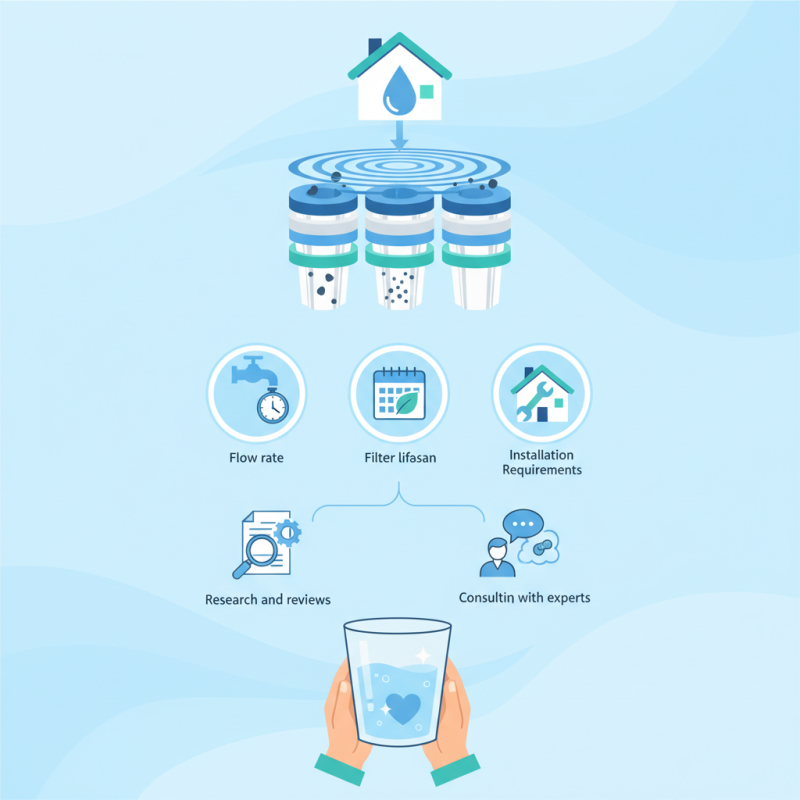
However, not all Ultra Filtration systems are created equal. Factors such as flow rate, filter lifespan, and installation requirements vary widely. These considerations can be overwhelming for homeowners. It's crucial to evaluate your specific needs.
Consulting with experts can add value to your decision-making. Some products may claim superior performance, but real-world reviews often tell a different story. Taking the time to research will lead to a more informed choice. Your health and the quality of your water are worth the effort.
Understanding Ultra Filtration: What It Is and How It Works
Ultra filtration (UF) is an advanced water purification technology that plays a vital role in ensuring safe drinking water for households. It employs a semi-permeable membrane to remove impurities. This includes bacteria, viruses, and even some dissolved salts. According to a recent industry report, UF systems can effectively filter particles as small as 0.01 microns. This technology significantly improves water quality compared to traditional methods.
Understanding how ultra filtration works is essential. A typical UF system uses pressure to force water through its membranes. As water passes, contaminants are trapped on one side, while purified water flows to the other. This process does not require chemicals, making it environmentally friendly. Recent studies indicate that households using UF systems reduce the risk of waterborne diseases by over 40%, highlighting its critical role in public health.
While UF systems show promise, they are not flawless. For instance, their effectiveness can diminish with very high turbidity levels. It is vital for users to regularly maintain these systems. Regular maintenance can ensure continued performance and reliability. Moreover, some users may find the upfront costs of these systems a barrier. However, the long-term benefits often justify the initial investment. Understanding these aspects can help homeowners make informed decisions about ultra filtration systems.
Key Factors to Consider When Choosing an Ultra Filtration System
Choosing the right ultra filtration system for your home involves several key factors.
Water quality is crucial. According to a report from the Environmental Protection Agency (EPA), nearly 30% of U.S. households receive water that could contain contaminants.
Testing your water helps determine what specific impurities need addressing.
Flow rate is another important consideration. Systems vary widely, with some providing as little as 0.5 gallons per minute.
In contrast, others can deliver up to 2 gallons. Homeowners should assess their daily water usage to ensure the chosen system meets their needs without delays.
Maintenance requirements often get overlooked. Regular filter changes are essential.
Some systems might require you to replace filters every six months, while others can last up to two years. Cost can escalate if maintenance is not planned.
Users might also face unexpected challenges if they neglect to check for leaks or clogs, potentially leading to increased expenses.
Therefore, understanding these factors helps build a more informed decision about which ultra filtration system is the best fit.
Types of Ultra Filtration Systems: A Comparison Guide
When selecting an ultra filtration system for your home, understanding the different types is crucial. Two common types are hollow fiber membranes and spiral wound systems. Hollow fiber membranes are known for their high flux rates. They are compact and can handle high contaminant loads. On the other hand, spiral wound systems are more efficient for larger households. They provide a higher surface area but can take up more space.
Research from the Water Quality Association shows that ultra filtration can remove over 99% of bacteria and viruses. This data highlights its effectiveness in ensuring safe drinking water. Both types also have varying filtration capabilities, which can impact performance based on your water source. Choosing the right one may require initial investment, but it significantly enhances water quality.
Tips: Consider the size of your home and daily water needs. Larger families may benefit from spiral wound systems, while compact living situations might suit hollow fiber systems better. Assessing water quality before purchase can lead to better choices. Lastly, think about maintenance needs, as some systems may require more frequent servicing, adding to long-term costs.
Maintenance and Cost Considerations for Ultra Filtration Systems
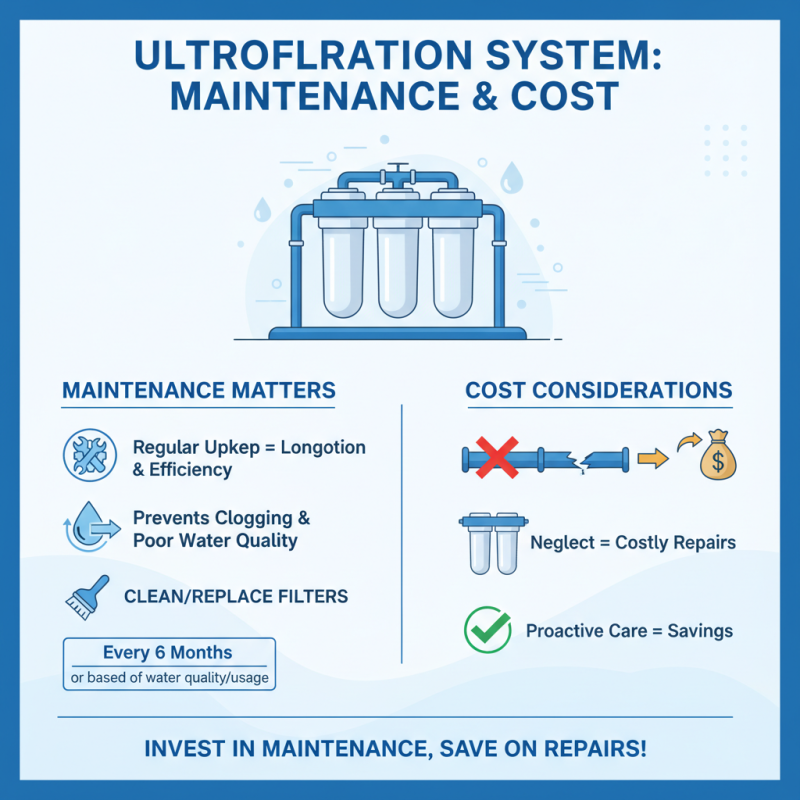
Maintenance plays a crucial role in ensuring the longevity and efficiency of an ultra-filtration system. Regular upkeep helps to prevent clogging and other issues that could affect water quality. Cleaning or replacing filters is one of the most important tasks. Doing this every six months can prevent buildup and ensure smooth operation. The specific schedule might depend on your water quality and usage, but neglecting it can lead to costly repairs.
Cost considerations are another essential aspect. Initial investment costs vary, often influenced by system size and technology. It’s also vital to factor in ongoing expenses. Regular maintenance, including replacement filters, can accumulate over time. Water quality can also affect costs. Hard water may require more frequent filter changes, impacting overall budgeting. It’s wise to keep track of these expenses to avoid surprises later.
Some homeowners overlook the importance of proper system installation. A poorly installed system may not perform as expected. This could lead to additional maintenance costs or the need for early replacement. Researching local professionals or getting multiple quotes might help in making a better decision. Taking these factors into account will lead to a more efficient filtration system for your home.
Benefits of Installing an Ultra Filtration System in Your Home
Installing an ultra filtration system in your home comes with significant benefits. This system effectively removes contaminants, such as bacteria and sediments, from your drinking water. Many homeowners report improved taste and clarity after installation. Cleaner water promotes better health for you and your family.
Another advantage is the reduced reliance on bottled water. This eco-friendly choice helps cut down on plastic waste. It also saves money in the long run. Users often notice lower utility bills, as there's less need for emergency repairs from plumbing issues caused by contaminated water.
Homeowners should reflect on their specific needs before choosing a system. Factors like water source and household size matter. Not every system fits every household. Some might find the installation process complicated, leading to potential delays. It's essential to consider professional advice to avoid common pitfalls. Balancing cost and quality ensures long-term satisfaction with your choice.
How to Choose the Best Ultra Filtration System for Your Home? - Benefits of Installing an Ultra Filtration System in Your Home
| Feature |
Description |
Benefits |
Considerations |
| Filtration Method |
Ultrafiltration membranes filter out microorganisms and larger particles. |
Offers high-quality drinking water without removing beneficial minerals. |
Regular maintenance is required to ensure efficiency. |
| Installation Type |
Can be point-of-use or point-of-entry systems. |
Point-of-use systems provide purified water at specific taps. |
Consider plumbing requirements and space for installation. |
| Capacity |
Measured in gallons per day (GPD) for residential systems. |
Higher capacity can meet the water needs of larger households. |
Ensure it fits your household's daily water consumption. |
| Maintenance |
Regular filter changes and system cleaning are needed. |
Proper maintenance extends the lifespan of the system. |
Consider the cost and accessibility of replacement parts. |
| Cost |
Initial purchase price and ongoing maintenance costs. |
Potential savings on bottled water and health benefits. |
Weigh long-term savings against upfront costs. |


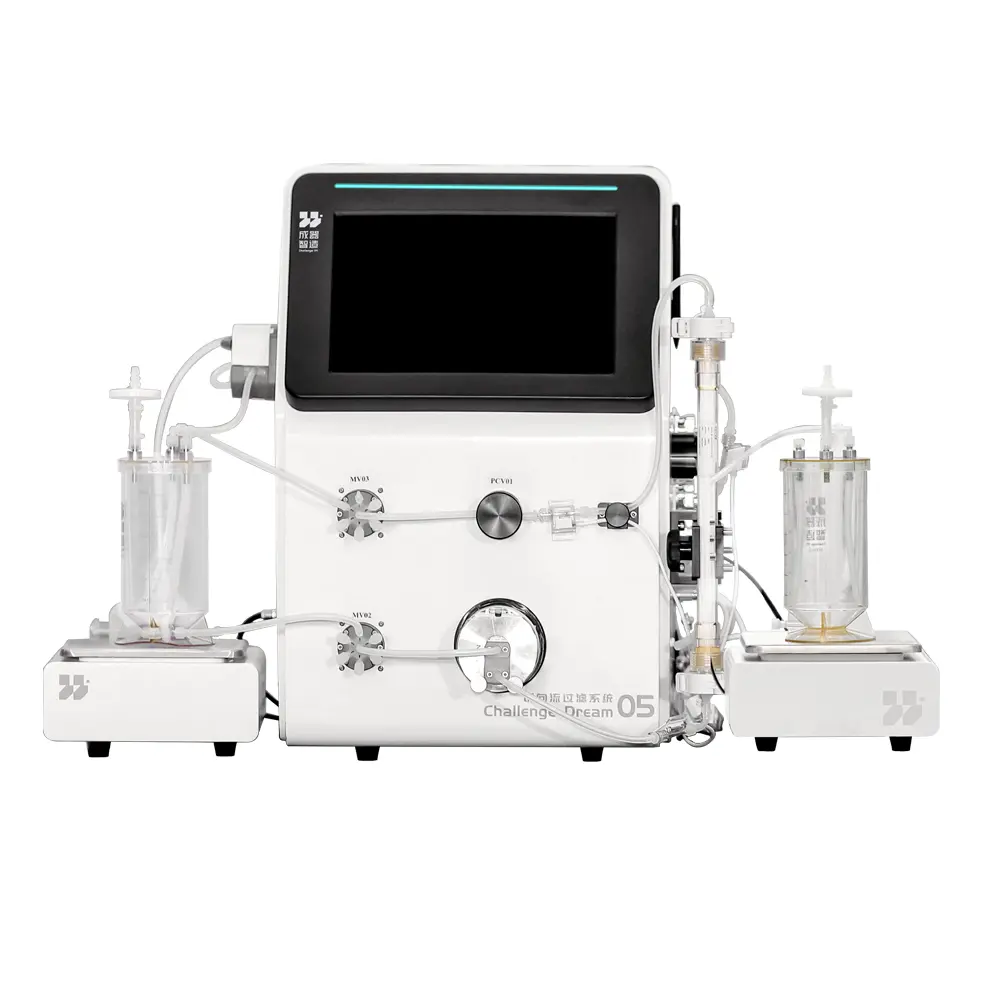 Tangential Flow Filtration(TFF) System
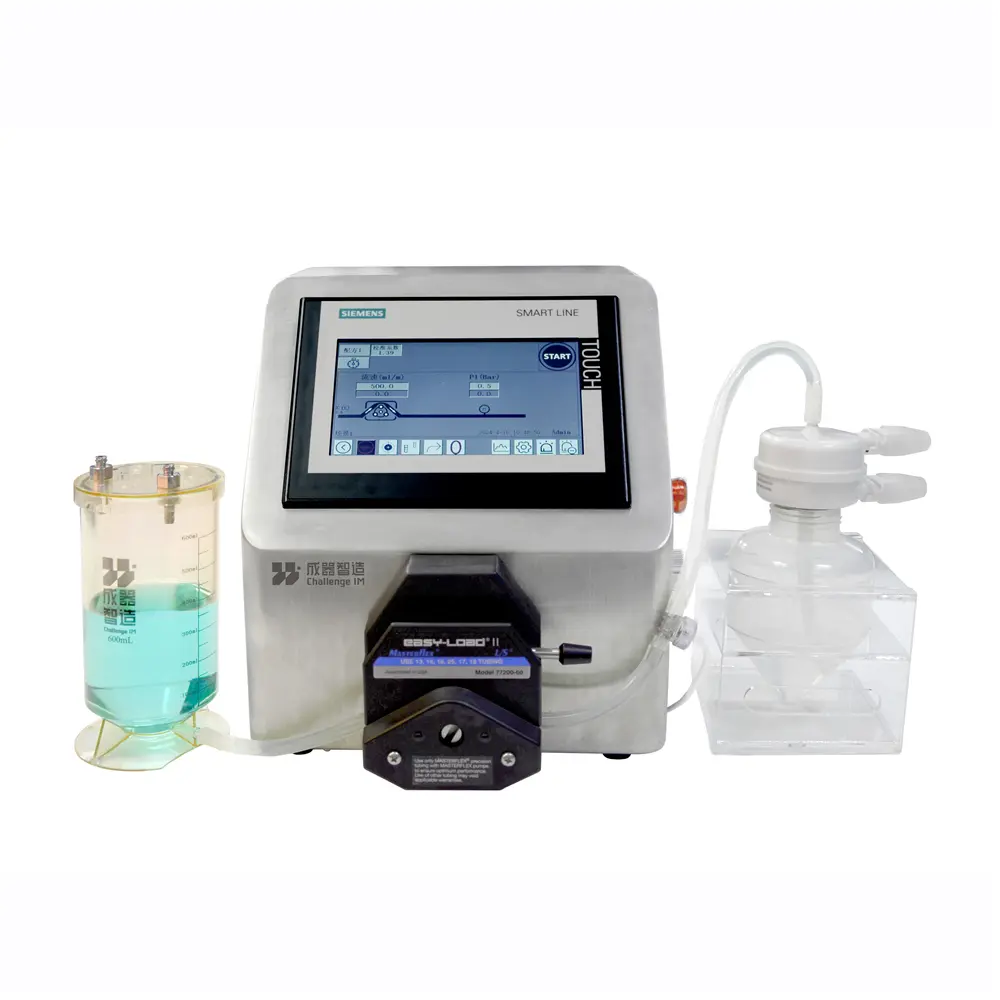 Jump Pump
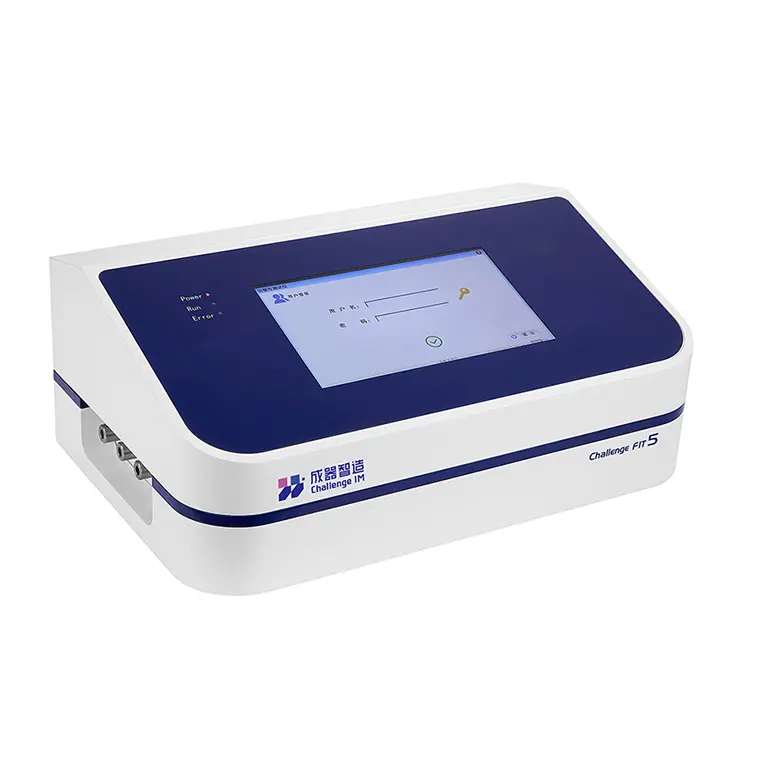 FIT Integrity Tester
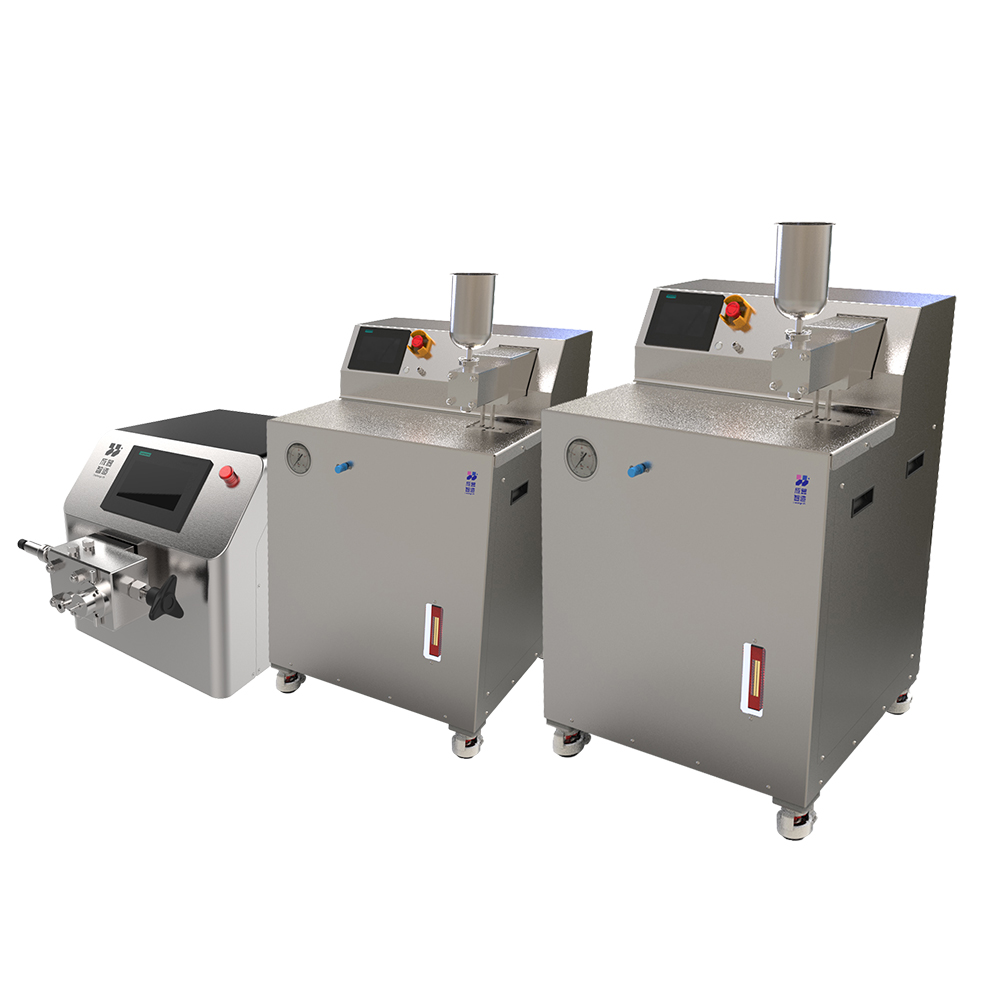 High Pressure Homogenizers
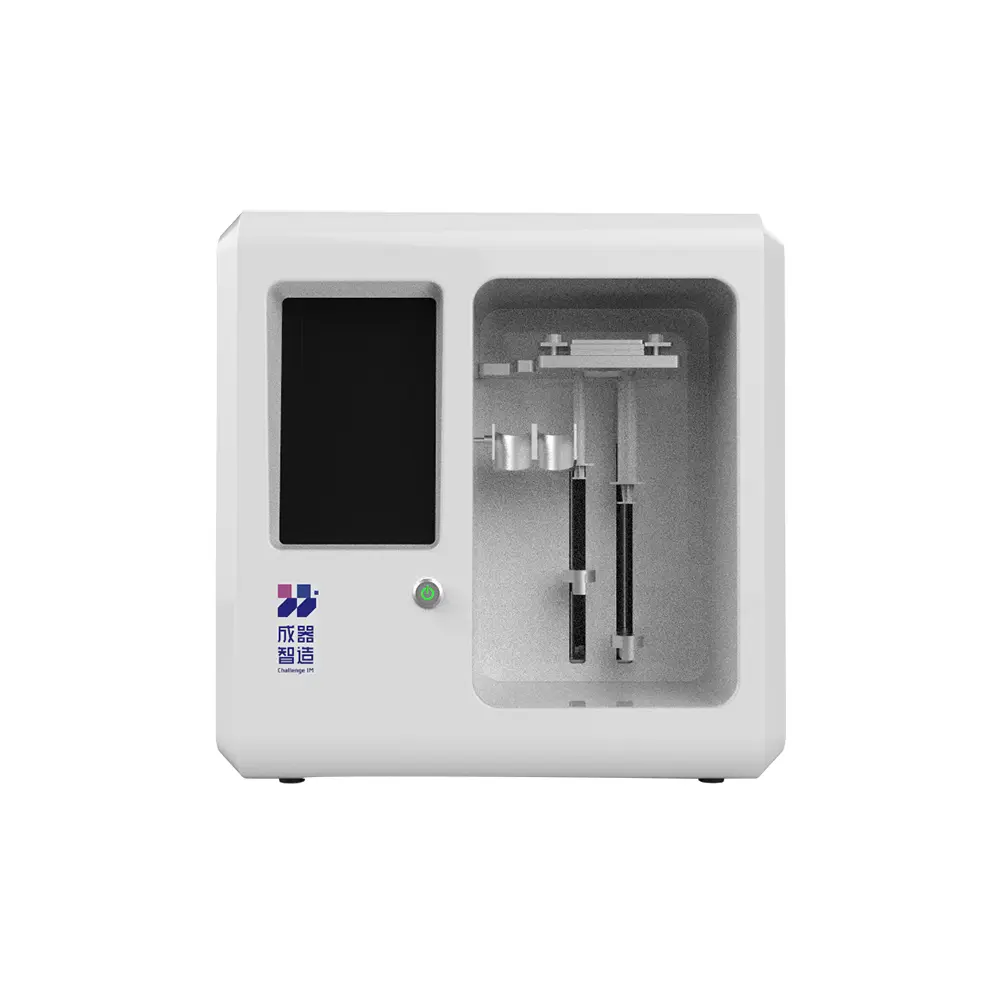 Microfluidics