How to Choose the Right Filter Cartridge for Your Needs?
Choosing the right filter cartridge is crucial for optimal water quality. According to a recent report by the Water Quality Association, improper filtration can lead to contaminants causing health risks. Understanding your specific needs is essential in selecting a suitable filter cartridge. Experts emphasize the importance of matching the cartridge to your water source.
Dr. Emily Turner, a leading expert in water filtration, stated, "The effectiveness of a filter cartridge depends on its compatibility with your water's unique characteristics." Different contaminants require different types of filter cartridges. For instance, a municipal water supply may need a different solution compared to a well.
Many consumers overlook this critical factor. They often choose based on price rather than performance. This may result in insufficient filtration. Many are unsure about which specifications to focus on. The choices could overwhelm anyone. Thus, it's vital to reflect on the specifics and consult reliable resources. Proper selection can enhance your water's safety and taste significantly.
Understanding the Different Types of Filter Cartridges Available
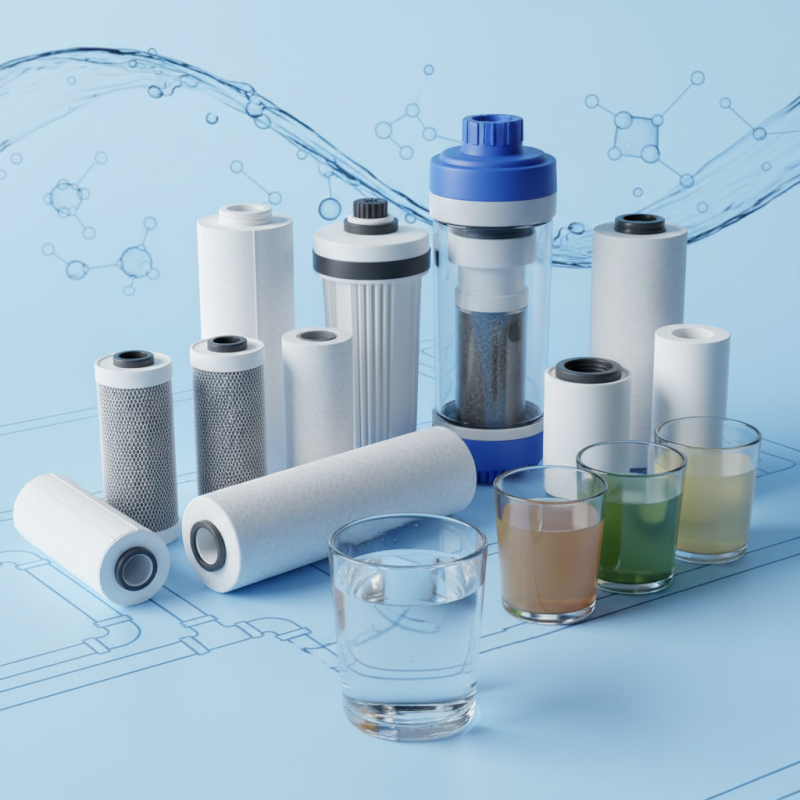
When it comes to filter cartridges, variety can be overwhelming. Different types serve unique purposes. Understanding these options is key to making an informed choice.
There are sediment filters, which remove dirt and particles from water. They are often the first line of defense. Carbon filters are great for removing chlorine and improving taste. These are common in household settings. Meanwhile, reverse osmosis cartridges can remove a wider range of contaminants.
**Tips:**
Choose based on your water quality. Testing can guide your choice. Do not assume one type fits all needs. Regular maintenance and replacement are crucial. Filters can degrade, leading to less effective filtration.
Additionally, remember that some filters may require more frequent changes. This can lead to added costs and time. Not every filter fits all systems; compatibility matters. Consider size and specifications carefully.
Evaluating Your Water Quality: Key Metrics to Consider
When evaluating your water quality, start by examining key metrics. Understand the levels of contaminants present. Common issues include chlorine levels, sediment, and heavy metals. These substances can affect taste and safety. A water test kit can help you identify specific contaminants. This step is crucial in deciding on a filter cartridge.
pH levels matter too. Water that is too acidic or too alkaline can corrode pipes and harm your health. Aim for a pH between 6.5 and 8.5. Hardness is another consideration. Hard water can lead to limescale buildup. Evaluating these factors can be overwhelming. Sometimes, people overlook subtle indicators that something is amiss.
After gathering this data, it's important to reflect on your needs. Think about how often you use water for drinking versus other purposes. Sometimes, in our haste, we might choose a filter that doesn't meet all requirements. Keep revisiting your evaluation. Your water needs may change over time, requiring a different cartridge.
Water Quality Metrics for Filter Cartridge Selection
Assessing Flow Rate Requirements for Optimal Filter Performance
When selecting the right filter cartridge, flow rate plays a crucial role. It's essential to understand your specific requirements. The flow rate affects not only the efficiency of the filter but also the overall performance. A filter unable to handle the desired flow will result in poor filtration. Consider the volume of water you need to filter each minute. Measure this accurately to avoid unnecessary issues later.
In many cases, people overlook their flow rate needs. They might choose a cartridge without adequate consideration of their system's capabilities. This can lead to reduced filtration efficiency. It can even cause damage over time if the wrong filter is implemented. Look at your existing setup. Evaluate the pump capacity and any restrictions in your system. Adjust your filter choice based on these assessments. This practical approach can prevent frustrations and costly replacements.
Always remember that not all filters are created equal. Each type has its own characteristics and limitations. Balancing flow rate with filtration needs is challenging. It requires a thoughtful examination of your specific situation. Take your time with this process. Rushed decisions can lead to error. Being aware of your needs will ultimately lead to better performance.
How to Choose the Right Filter Cartridge for Your Needs? - Assessing Flow Rate Requirements for Optimal Filter Performance
| Filter Type |
Flow Rate (GPM) |
Application |
Life Expectancy (Months) |
| Sediment Filter |
5 |
Well Water |
6-12 |
| Carbon Block Filter |
3 |
Municipal Water |
6-9 |
| Reverse Osmosis Membrane |
4 |
Drinking Water |
24-36 |
| Inline Filter |
2 |
Refrigerator Water |
6-12 |
| UV Filter |
6 |
Whole House |
12-18 |
Material Considerations: Choosing Between Sediment, Carbon, and Specialty Filters
Choosing the right filter cartridge involves understanding the materials used. Sediment filters are popular. They remove particulates like dirt and rust. According to a 2021 industry report, 45% of consumers prioritize sediment removal. This is crucial for areas with hard water and heavy mineral content. These filters can extend the life of appliances by preventing buildup.
Carbon filters play a different role. They capture chemicals and improve taste and odor. A study from 2022 shows that activated carbon can remove over 80% of chlorine in water. This makes a significant difference in water quality. Yet, they’re not perfect. They do not effectively remove heavy metals or pathogens.
Specialty filters address unique needs. For example, some are designed for specific contaminants like lead or fluoride. These filters are essential in areas with contamination issues. However, they may not be as widely available. Understanding the local water quality is critical. Not all filters can tackle every challenge. This often leaves users unsure about their choices.
Lifetime and Replacement Factors: Maximizing Efficiency and Cost-Effectiveness
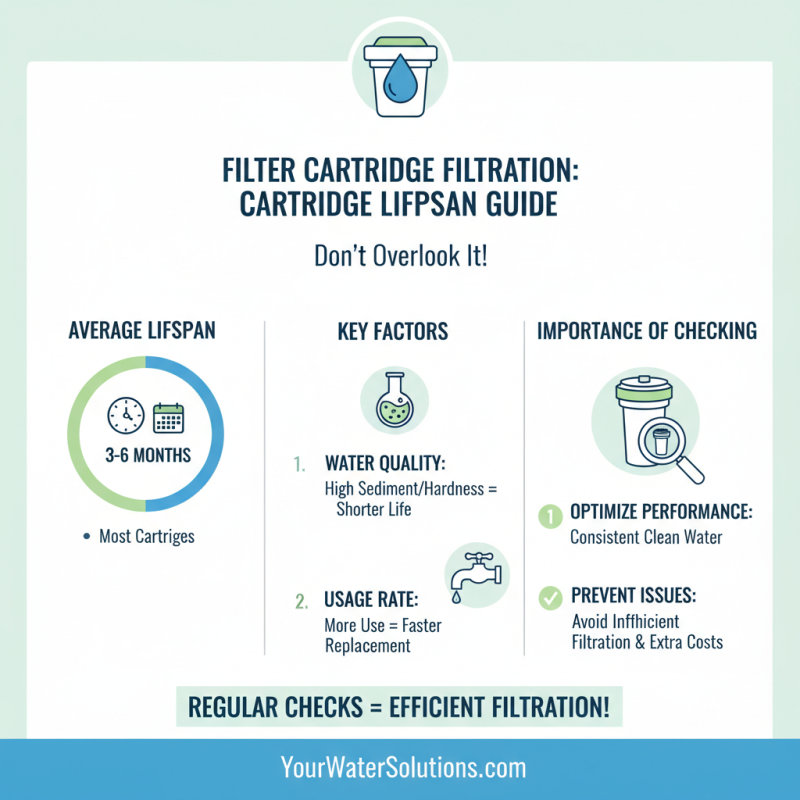
When it comes to filter cartridges, understanding their lifetime and replacement factors is crucial. Many users overlook how long their cartridges last. The average lifespan ranges from three to six months. However, this can vary based on water quality and usage. Regularly checking your cartridge can help optimize performance. Incomplete knowledge may lead to inefficient filtration and additional costs.
Cost-effectiveness is another consideration when choosing a filter. Higher initial costs don’t always mean better value. Sometimes, budget-friendly cartridges perform just as well over time. You might find yourself replacing expensive options more frequently. Keep an eye on the frequency of replacements and overall efficiency. It’s essential to balance upfront costs with long-term benefits, which isn’t always easy.
Don’t forget about environmental factors, too. How many cartridges do you throw away each year? This impacts not just your wallet but also the planet. Being mindful of your choices can help. Evaluate your needs regularly. Sometimes, you might choose a more expensive, longer-lasting option that pays off in the end. Reflect on your habits and ensure your choices align with both efficiency and sustainability.


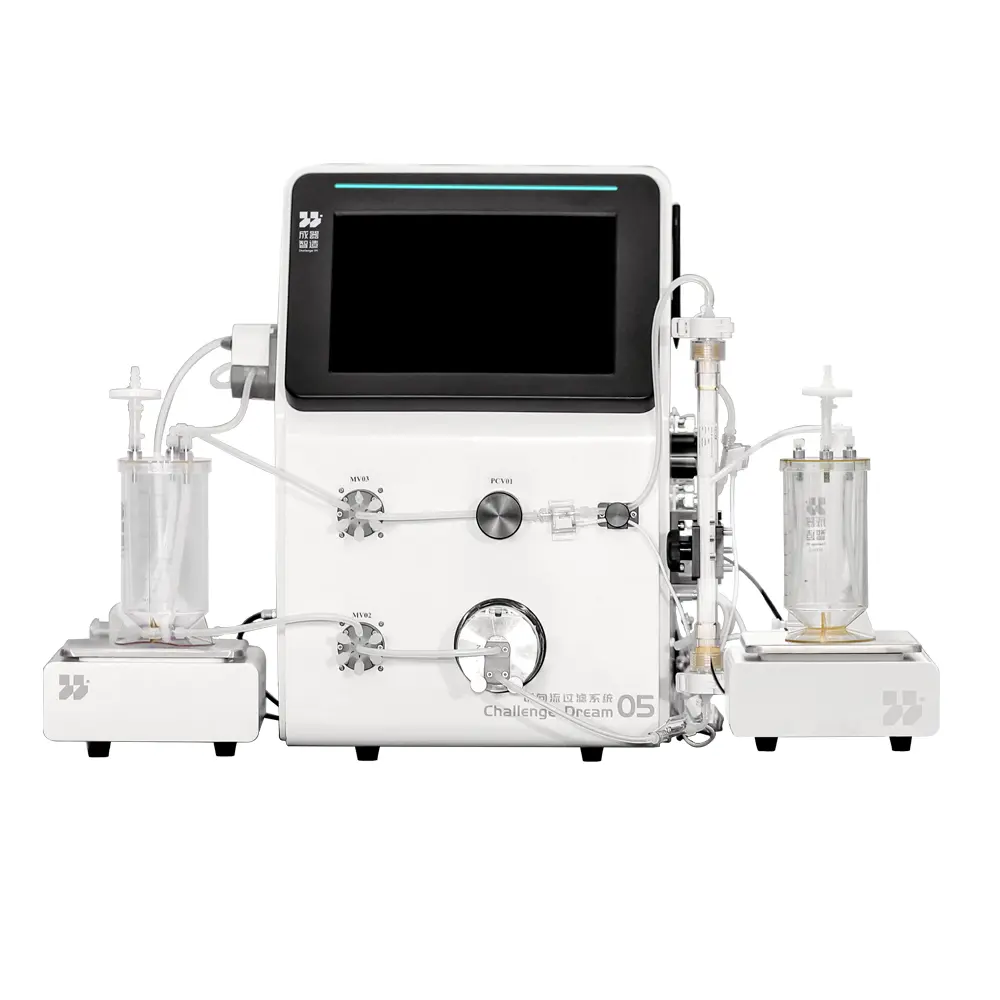 Tangential Flow Filtration(TFF) System
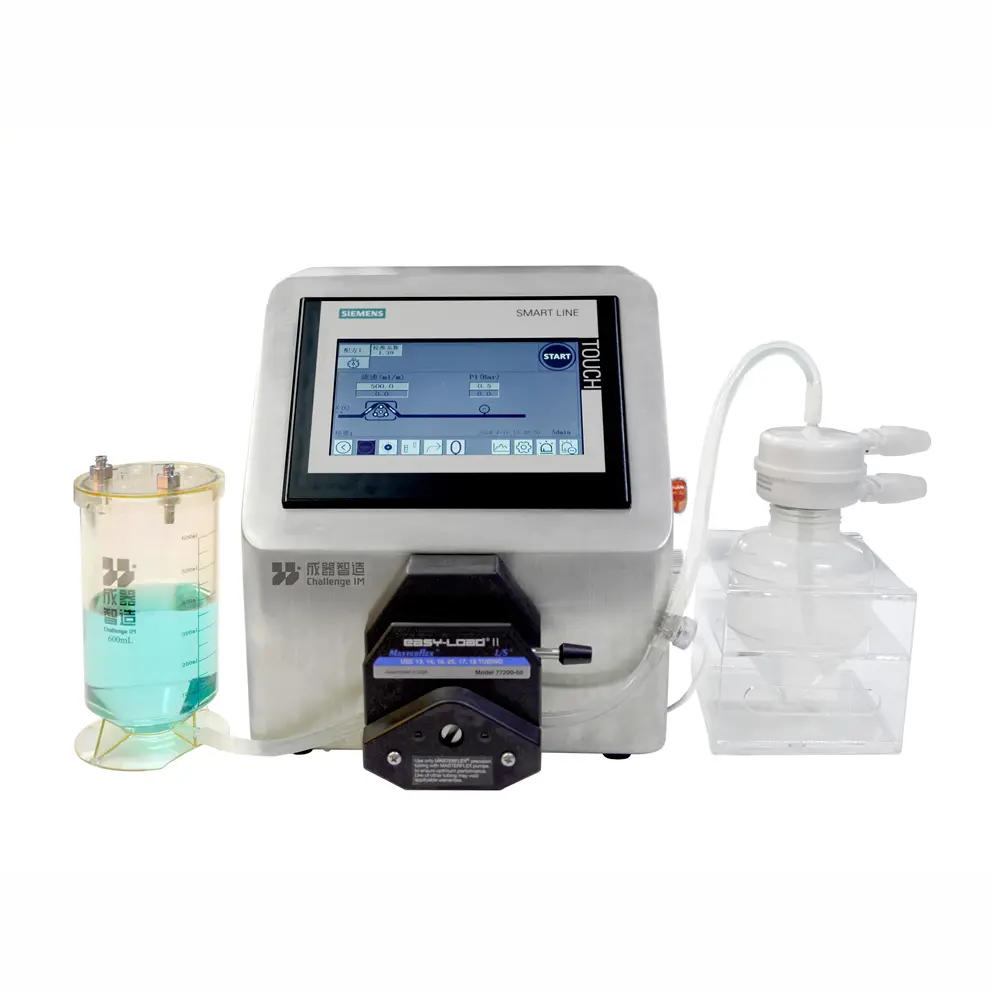 Jump Pump
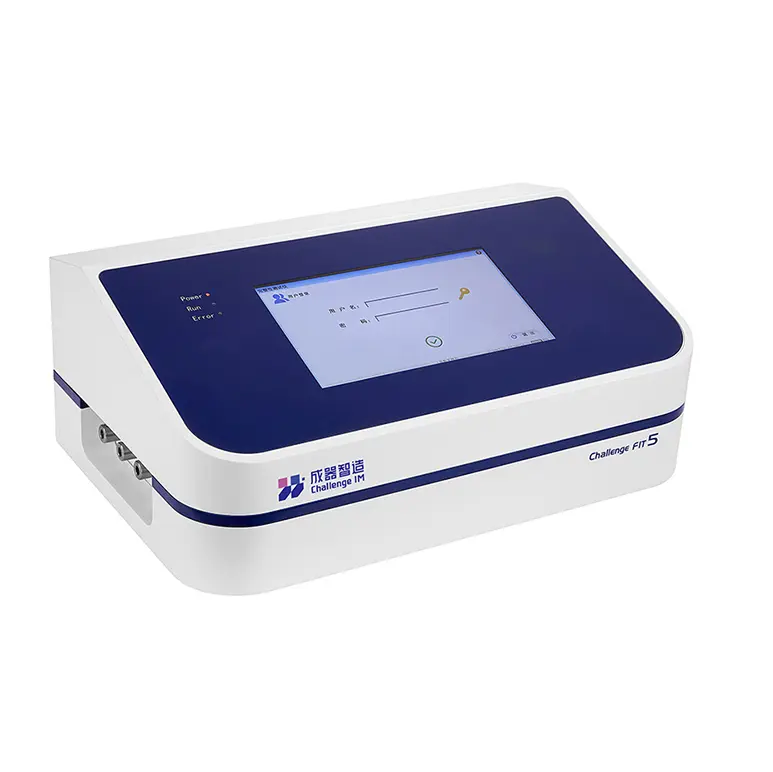 FIT Integrity Tester
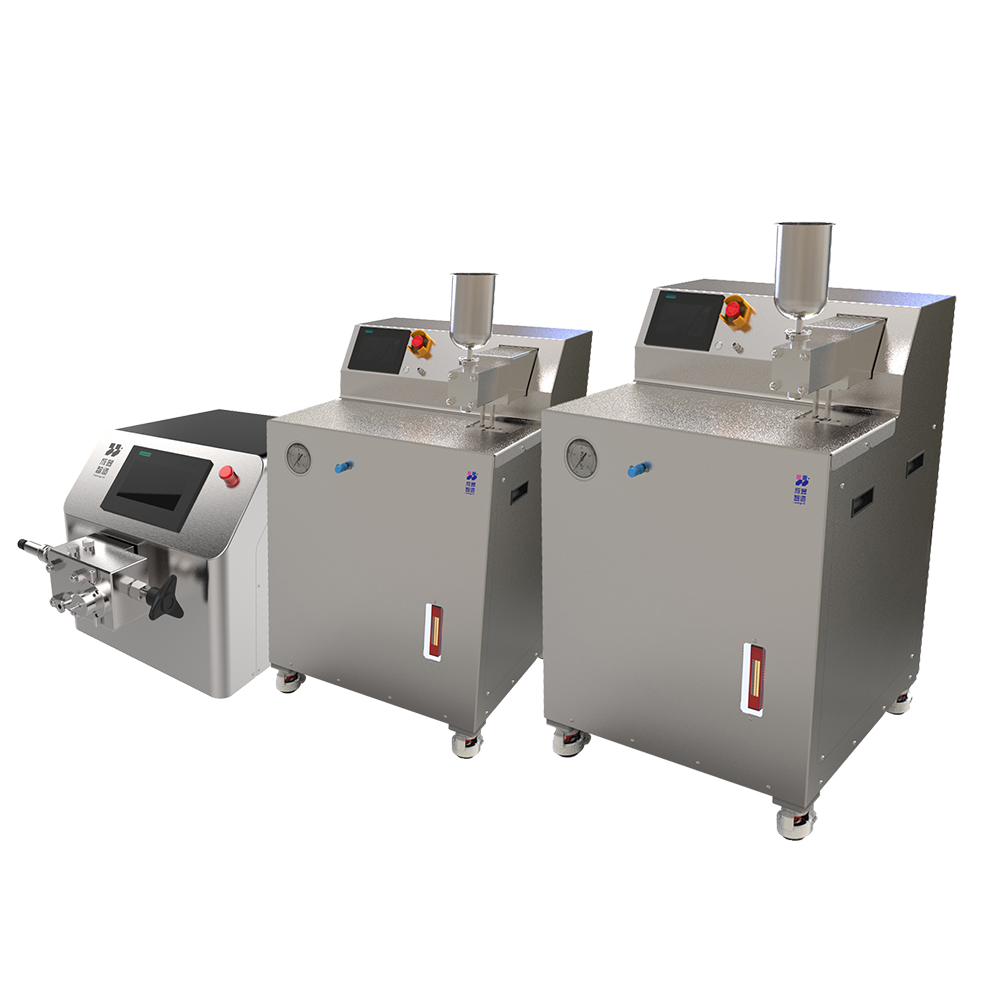 High Pressure Homogenizers
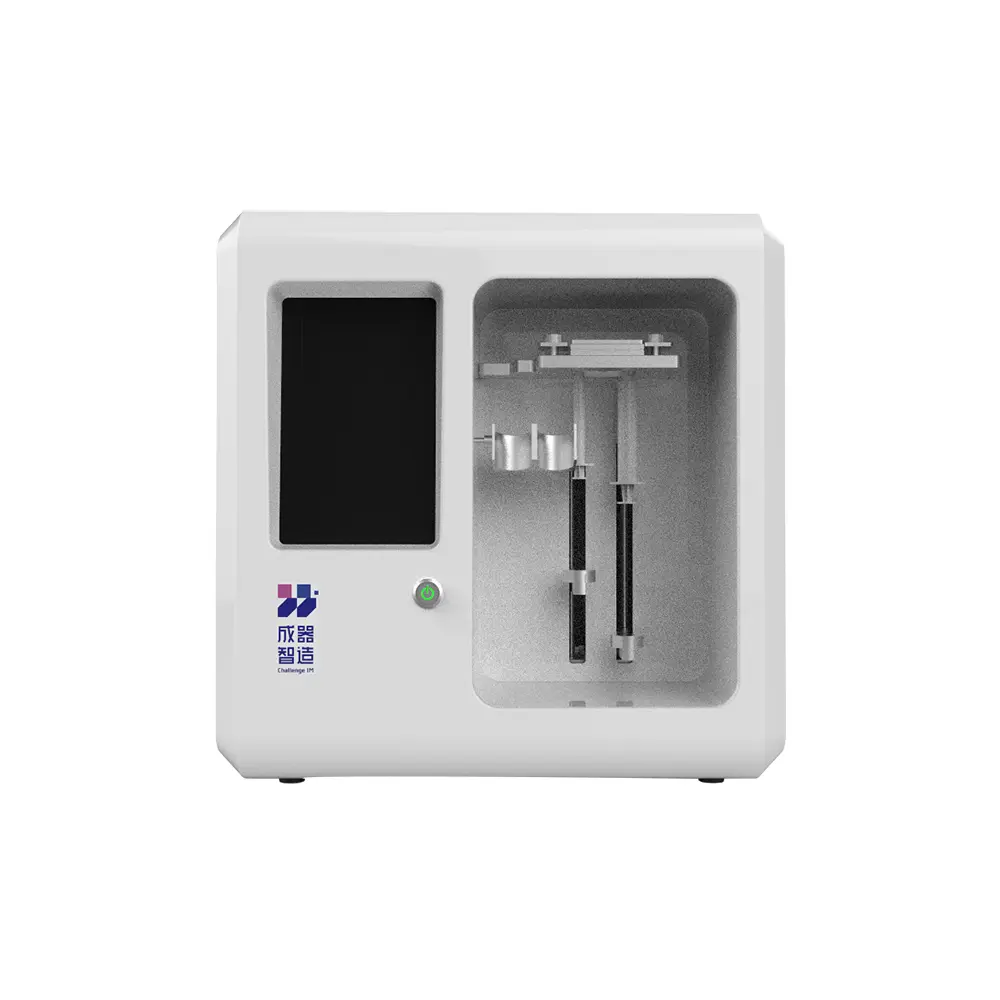 Microfluidics