How to Choose the Right Filtration Cartridge for Your Needs?
Choosing the right filtration cartridge is crucial for achieving clean water. According to Dr. Emily Johnson, a renowned expert in water purification systems, “Selecting the correct filtration cartridge can significantly impact water quality.” This reflects the importance of understanding your specific filtration needs.
Filtration cartridges come in various types. Different materials target different contaminants. For instance, some remove chlorine, while others focus on heavy metals. Each choice shapes the water's taste and safety. Understanding your water source and its characteristics is vital.
However, many users overlook this complexity. They may choose a cartridge based on cost alone, leading to unsatisfactory results. This is a common mistake. Taking time to evaluate water quality can prevent inefficiency and poor health outcomes. The right filtration cartridge is not a mere accessory; it’s a necessity.
Understanding Different Types of Filtration Cartridges
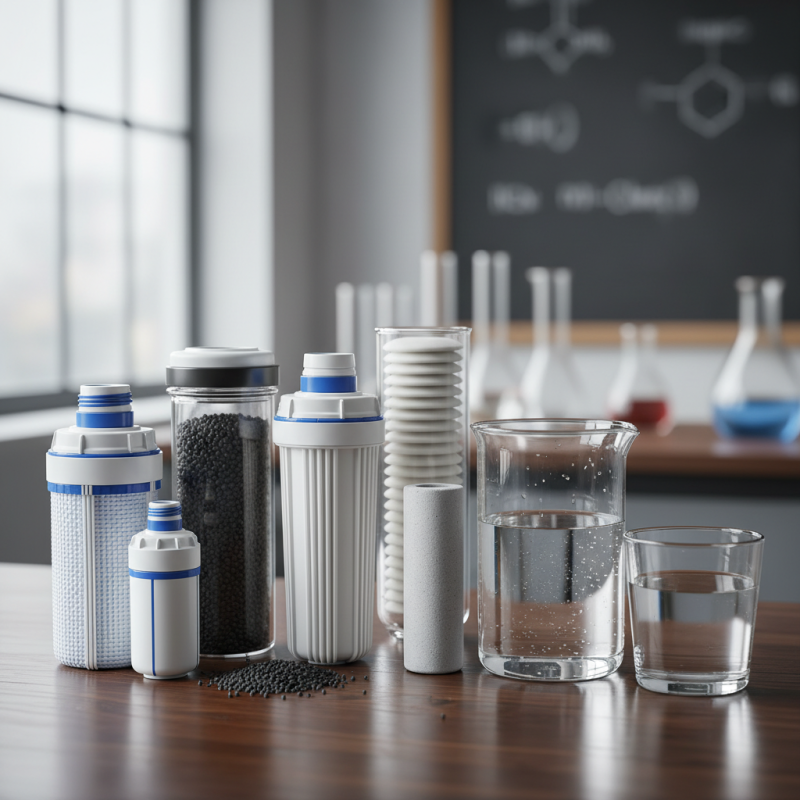
When selecting a filtration cartridge, understanding the various types is crucial. There are primarily three categories:
sediment,
carbon,
and
reverse osmosis.
Sediment cartridges remove large particles, like dirt and rust. They serve as the first line of defense. Carbon cartridges tackle chemicals and odors, enhancing taste. Reverse osmosis is for those needing intense purification, especially in areas with hard water.
Tips: Always check the micron rating.
Lower numbers mean finer filtration. Higher ratings work for basic
sediment removal.
Each cartridge type has its purpose. Sediment filters work well in well water systems. However, they can clog easily. Carbon filters need regular replacement and may not catch all contaminants. Meanwhile, reverse osmosis systems often waste water, which can be an issue.
Tips: Look for a balance between filtration efficiency and water waste. Consider your water source and usage before deciding. Clarity is essential but don't ignore costs and maintenance.
Assessing Your Specific Filtration Needs and Requirements
Assessing your specific filtration needs is crucial when choosing the right cartridge. Every water source has unique contaminants. Some may require removal of sediments, while others might focus on chemicals or bacteria. Understanding what you need can streamline your selection process. For instance, a household may face hard water issues that affect plumbing. This directly impacts the choice of filtration cartridge.
Consider your water source. City water often differs from well water. City supplies usually undergo treatment, but contaminants can still be present. Well water may have higher levels of minerals and bacteria. Testing your water can reveal specific pollutants. Sometimes, you might forget about simple factors, like taste or odor. These can indicate underlying issues you need to address.
Thinking about maintenance is also vital. Some cartridges need replacement every few months, while others last longer. If you’re busy, opt for low-maintenance options. But remember, neglecting filter changes can reduce effectiveness. Balancing your budget and filtration needs may also require reflection. The cheapest option may not be the best in the long run. Prioritize what truly matters for your health and environmental impact.
How to Choose the Right Filtration Cartridge for Your Needs?
| Filtration Type |
Particle Size Removed (Microns) |
Flow Rate (GPM) |
Lifespan (Months) |
Best Use Case |
| Activated Carbon |
0.5 |
1-5 |
6-12 |
Removing chlorine and improving taste |
| Reverse Osmosis |
0.0001 |
2-4 |
2-3 |
Dissolved salts and heavy metals removal |
| Sediment Filter |
5 |
5-10 |
6-12 |
Removing sand, dirt, and silt |
| Ultrafiltration |
0.01 |
1-3 |
12-24 |
Bacteria and larger particulates |
| Ceramic Filter |
0.2 |
1-2 |
6-12 |
Microbial pathogens and sediments |
Evaluating Cartridge Material and Compatibility with Your System
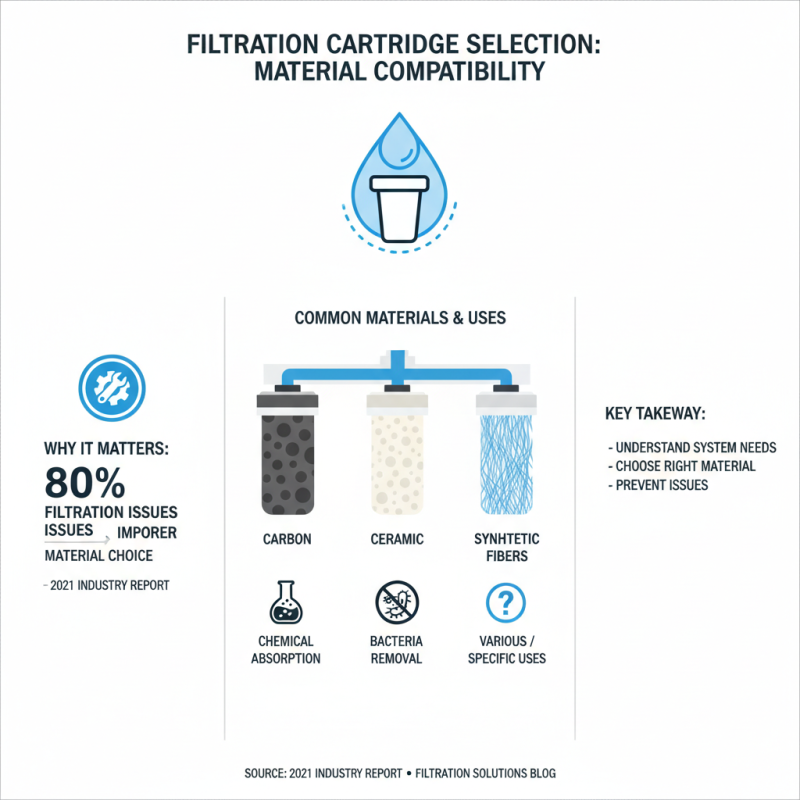
When selecting the right filtration cartridge, understanding material compatibility is crucial. Different systems require specific cartridges. For instance, a 2021 industry report showed that 80% of filtration issues arise from improper material choices. There are various types of materials available, including carbon, ceramic, and synthetic fibers. Each type serves unique purposes. Carbon is great for chemical absorption, while ceramic targets bacteria.
Compatibility with your filtration system is equally important. Many filtration units operate on particular pressure ranges and flow rates. Using a cartridge that does not match these specifications may reduce effectiveness. The National Water Quality Association reported that 55% of users experience decreased performance due to compatibility issues.
It’s essential to consult user manuals and specifications. Yet, many overlook this key detail. A mismatch could lead to filter failure, increased contaminants, and even system damage. Taking the time to evaluate cartridge materials and confirm compatibility can seem tedious. However, ensuring the right fit is worth the effort for better water quality.
Considering Flow Rate and Contaminant Removal Efficiency
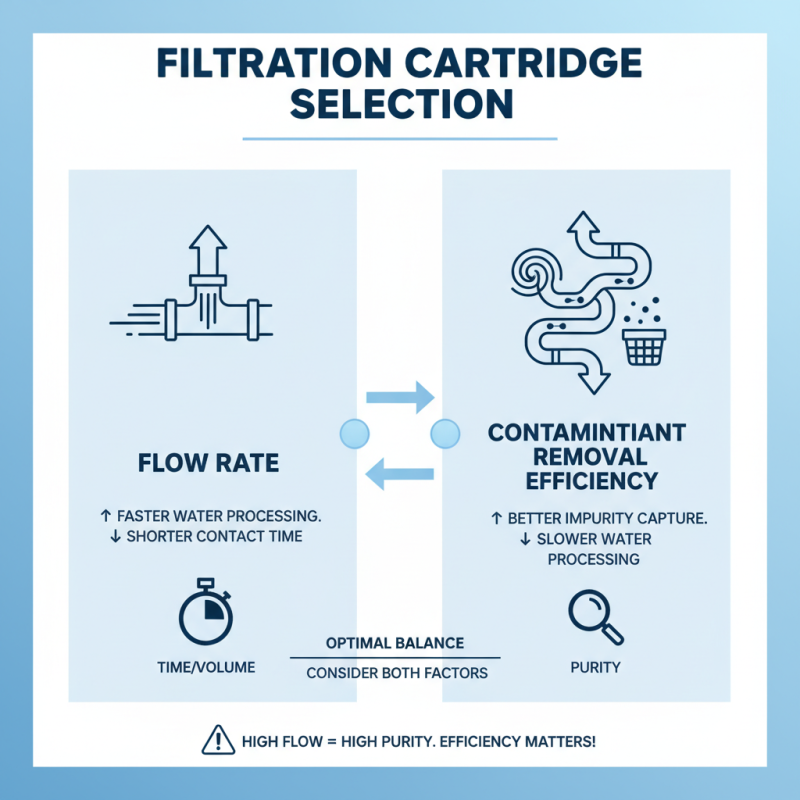
When selecting a filtration cartridge, consider both flow rate and contaminant removal efficiency. The flow rate indicates how quickly water passes through the filter. A higher flow rate means more water can be processed in a given time. However, an excessively high flow rate may compromise the filter's ability to remove contaminants effectively.
Tips: Always check the recommended flow rates for your specific needs before purchase. Ensure they match your water use patterns.
Contaminant removal efficiency is equally important. Different cartridges target various types of impurities, like chlorine, bacteria, or heavy metals. Research what contaminants are present in your water supply. This ensures you choose a filter that meets your requirements.
Tips: You may need multiple cartridges for different purposes. Testing water can help identify what additional filtration is required.
Remember that not all filtration solutions are perfect. Sometimes, a cartridge may not remove 100% of contaminants. This can lead to uncertainty about the water quality. Regular maintenance and timely replacement of cartridges are crucial for optimal performance.
Budgeting and Maintenance Considerations for Filtration Cartridges
When considering filtration cartridges, budgeting plays a crucial role. Research indicates that over 30% of users do not account for long-term costs. This oversight leads to increased expenses later. Price variations can exceed 50% across different types. Understanding what you can afford allows you to choose wisely.
Maintenance is equally important. According to a study, regular cartridge replacement enhances efficiency by up to 75%. However, many individuals delay replacement, risking system performance. Neglecting maintenance costs you more in the long run. Aiming for timely checks can prevent costly repairs.
**Tip:** Create a maintenance schedule. It helps ensure you don't forget cartridge changes.
People often overlook the initial installation costs. Proper setup contributes to performance, and poor installation can negate savings. Failing to follow guidelines leads to problems. Ask an expert for advice when in doubt.
**Tip:** Research installation costs beforehand. This will help you avoid unexpected expenses later.
Filtration Cartridge Options and Cost Analysis
This chart illustrates the average costs associated with different types of filtration cartridges. Basic filters are the most affordable, while industrial filters require a higher investment, reflecting their specialized applications and higher performance expectations.


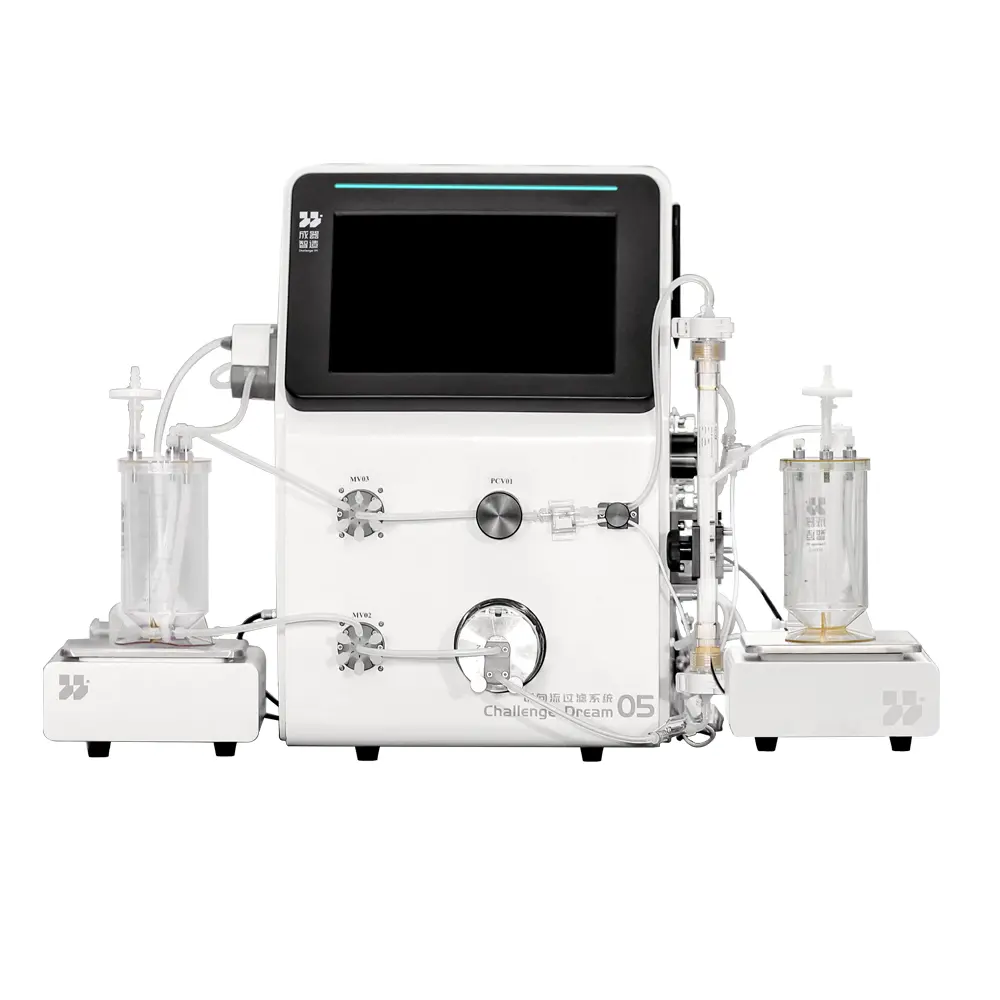 Tangential Flow Filtration(TFF) System
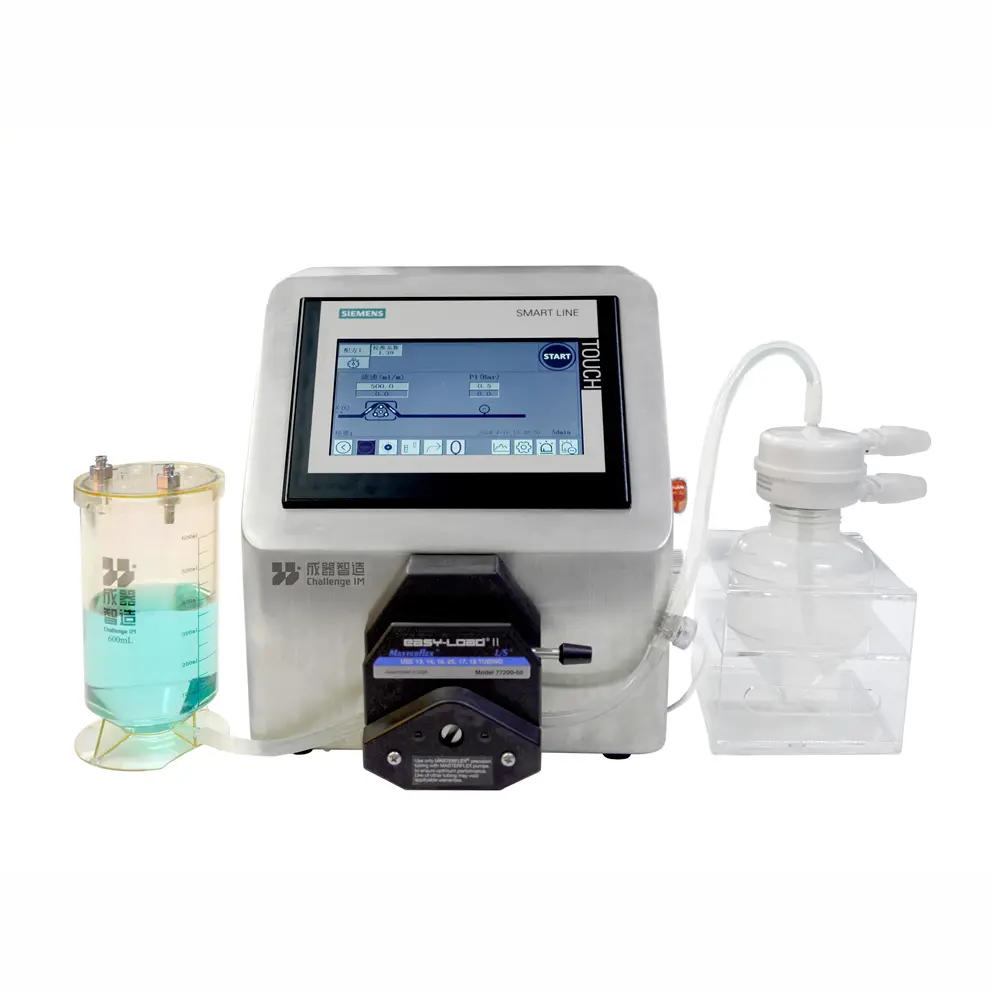 Jump Pump
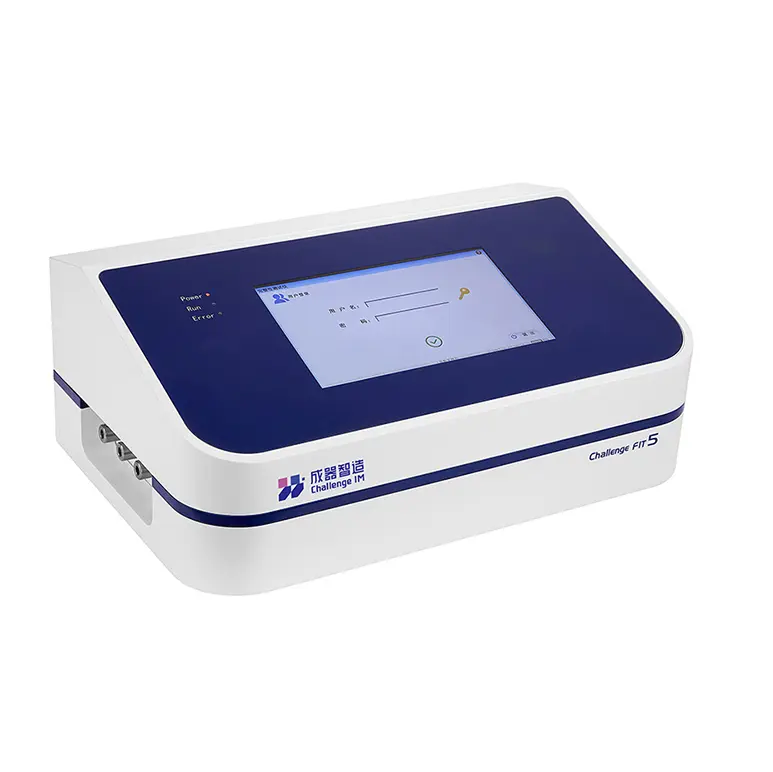 FIT Integrity Tester
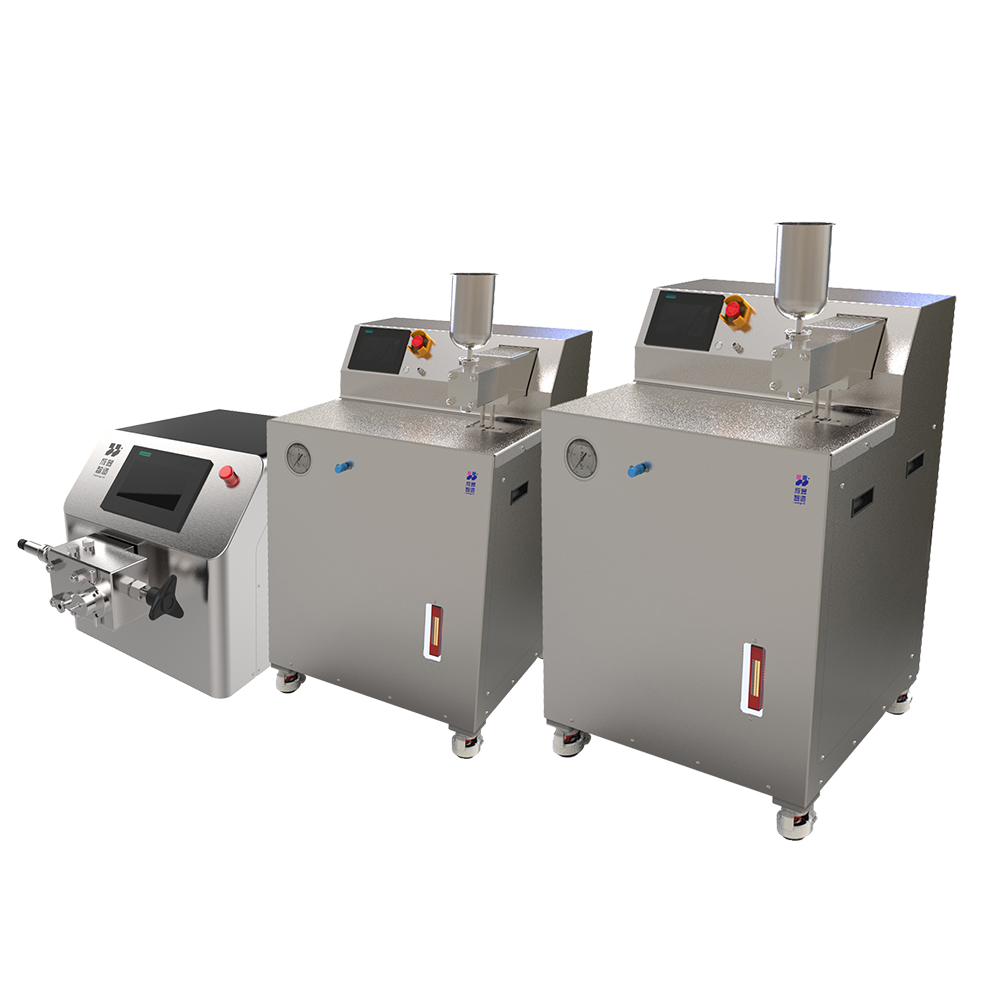 High Pressure Homogenizers
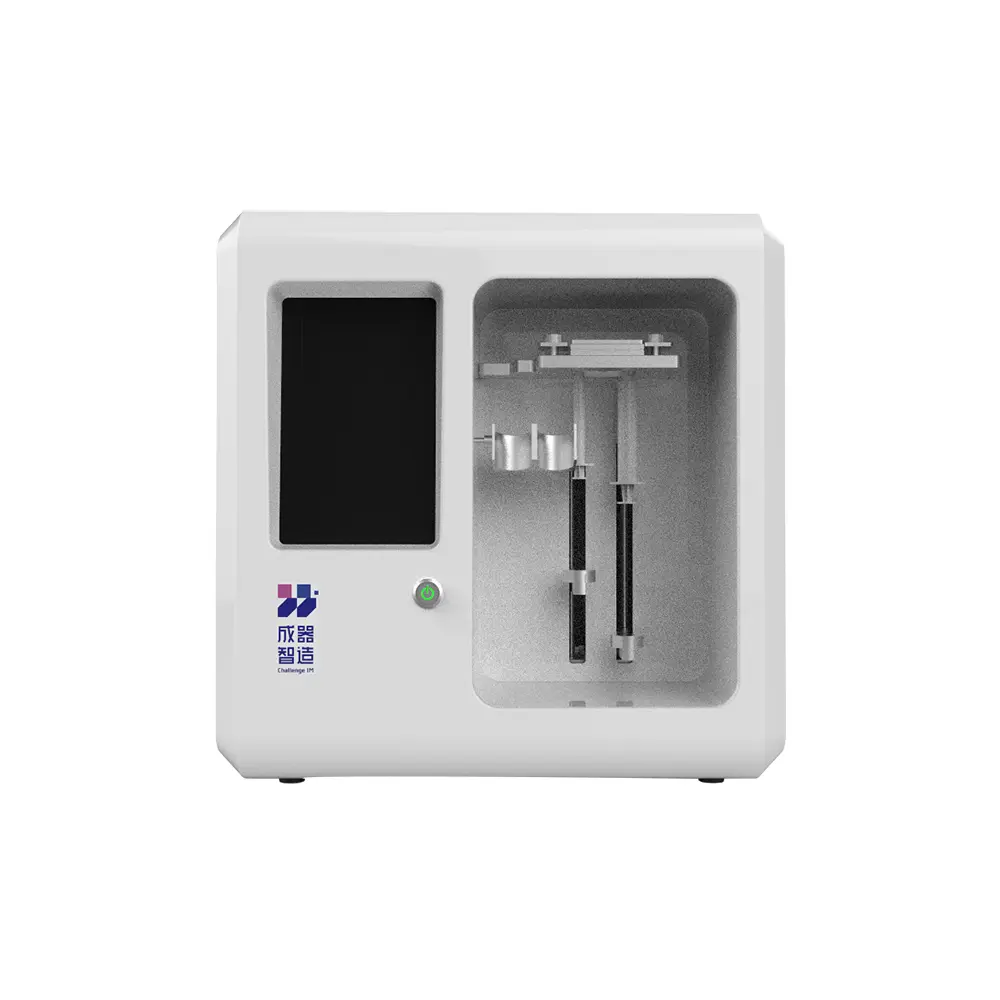 Microfluidics