How to Choose the Right Filtration Media for Your Needs?
Selecting the right filtration media is crucial for various industries, including water treatment and air purification. According to a report by Research and Markets, the filtration media market is expected to reach USD 57.89 billion by 2026. This growth highlights the increasing awareness of environmental sustainability and public health.
Dr. Emily Knox, a filtration media expert, states, “Choosing the correct media can optimize efficiency and minimize operational costs.” Her insight emphasizes the importance of matching the filtration media to specific applications. Different types of media have distinct properties that influence their functionality. Misjudgments in selection can lead to inefficiencies and increased downtime.
Understanding your specific needs is essential. Factors such as particle size, flow rate, and contaminant type play significant roles in media selection. A well-informed choice can enhance filtration performance and longevity of the system. Yet, many still overlook the significance of conducting thorough research. Taking the time to analyze your requirements can yield substantial benefits in the long run.
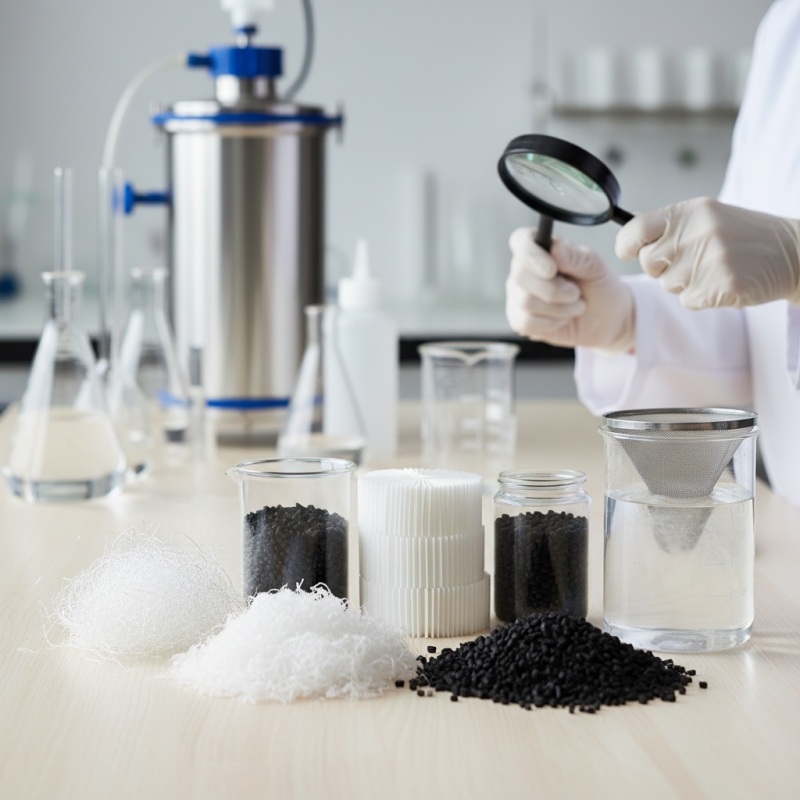
Understanding the Basics of Filtration Media Types and Applications
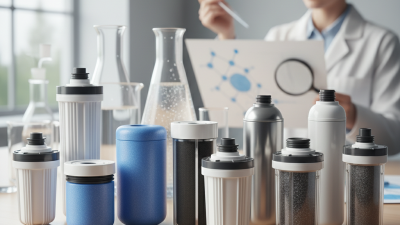
Choosing the right filtration media requires understanding various types and their applications. Different filtration media serve distinct purposes, such as removing particles or purifying liquids. Common types include activated carbon, sand, and membrane filters. Each has unique properties, impacting performance and efficiency.
Activated carbon is excellent for adsorbing organic compounds. It's used in water treatment and air purification. Sand filters, on the other hand, are effective for larger particulate matter. They are widely used in swimming pools and wastewater treatment. In contrast, membrane filters are highly effective for smaller particles and pathogens. They find applications in laboratories and industrial processes.
Tips: Always match the filter's characteristics to your needs. Evaluate the type of contaminants present. Consider your filtration flow rate requirements. Remember, even a small choice can impact efficiency. Take time to assess your options carefully. Finding the right filtration media is crucial for effective system performance.
Filtration Media Types and Their Applications
This bar chart illustrates the common applications for different types of filtration media. Each type has unique advantages and suitability depending on the needs of the filtration process.
Assessing Your Filtration Needs: Key Factors to Consider
Choosing the right filtration media is crucial for various applications, including water treatment, air purification, and industrial processes. Key factors to consider include particle size, flow rate, and the specific contaminants targeted. According to a 2021 industry report, over 40% of water treatment facilities struggle with selecting appropriate filtration media, which can lead to increased operational costs and inefficiencies.
One critical consideration is the type of contaminants present. For example, if your water source contains high levels of sediment and turbidity, a coarser filter may be necessary. Conversely, finer filters are better for bacteria removal. The U.S. Environmental Protection Agency highlights that 60% of Americans rely on municipal water systems, emphasizing the importance of effective filtration options.
Tip: Always evaluate your specific needs before purchasing. Perform a water quality test to determine the contaminants. This will help you choose the most effective media for your situation.
Flow rate affects filtering efficiency. Filters with low flow rates might not handle peak demands effectively, creating gaps in protection. Data shows that improper filtration can result in a 25% increase in maintenance costs in the long run. Balancing flow rate and filter capacity is essential for sustainability.
Tip: Consider a multi-stage filtration system. Layering different media types can enhance efficiency and extend the lifespan of your filters. This approach can provide a balanced solution for various contaminants.
How to Choose the Right Filtration Media for Your Needs?
| Filtration Media Type |
Application |
Particle Size Removal (microns) |
Chemical Compatibility |
Lifespan (months) |
| Activated Carbon |
Water Treatment |
10-50 |
Most Chemicals |
6-12 |
| Sand Filters |
Aquatic Systems |
20-100 |
Neutral |
12-24 |
| Ceramic Filters |
Beverage Industry |
0.2-2 |
Acids, Bases |
24-36 |
| Polyester Filters |
Air Filtration |
5-10 |
Airborne Particles |
6-12 |
| Glass Fiber Filters |
Industrial Applications |
0.3-10 |
Most Chemicals |
12-18 |
Comparing Common Filtration Media: Pros and Cons
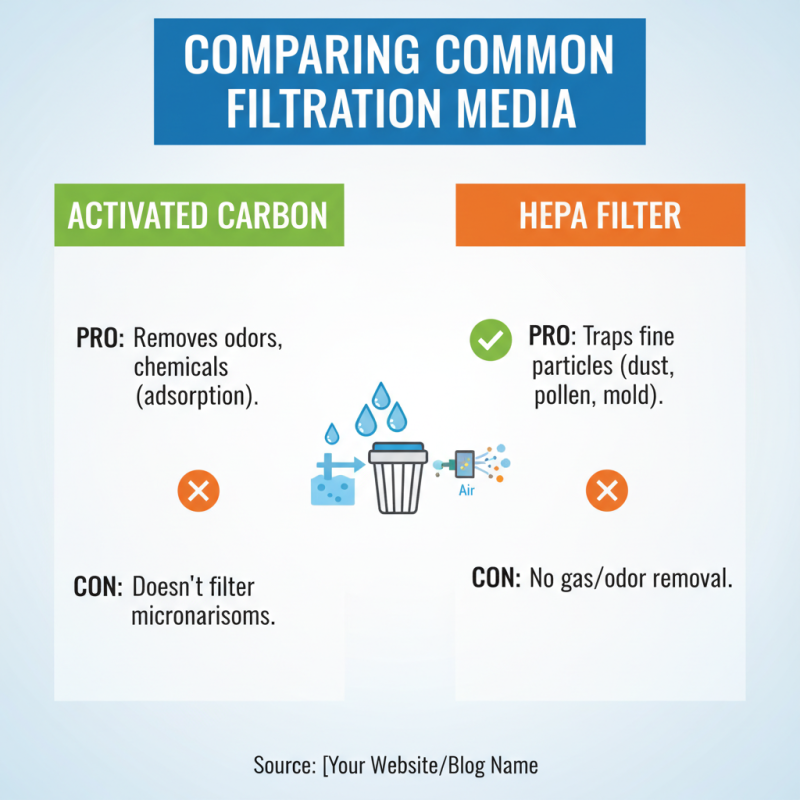
When selecting filtration media, comparing common types reveals their distinct benefits and drawbacks. For instance, activated carbon is famous for its ability to remove odors and chemicals. It does this through adsorption, trapping impurities effectively. However, it may not filter out microorganisms, limiting its use in certain applications.
Sand filters are another popular option, which excel in removing larger particles. They are often used in swimming pools and water treatment. But, it can be challenging to maintain sand filters, as they require regular cleaning to remain effective. This necessity can lead to additional costs and labor.
Lastly, membrane filters offer high efficiency in filtering tiny particles and bacteria. They are ideal for medical and laboratory uses. Yet, they can be expensive and may require frequent replacements. Therefore, weighing these factors is crucial based on your specific filtration needs and budget.
Factors Influencing Performance: Flow Rate, Particle Size, and Efficiency
Choosing the right filtration media is crucial for effective filtration.
Flow rate plays a significant role in determining performance.
A higher flow rate often leads to reduced filtration efficiency.
This is because faster flow may not allow sufficient time for contaminants to be captured.
Particle size is another important factor.
You must know the size of particles you wish to filter.
If the media can't capture certain sizes, it fails in its purpose.
For example, using fine media for large particles may lead to clogging.
However, overly coarse media might let unwanted substances pass through.
Efficiency is the final piece of the puzzle.
This is often measured in terms of a media's ability to remove contaminants.
While high efficiency is desirable, it can come with trade-offs.
Media that is highly efficient often requires a slower flow rate and more maintenance.
Balancing these factors may take time and testing.
It's essential to assess your specific needs,
as a one-size-fits-all approach may not yield the best results.
Implementation and Maintenance Tips for Optimal Filtration Performance
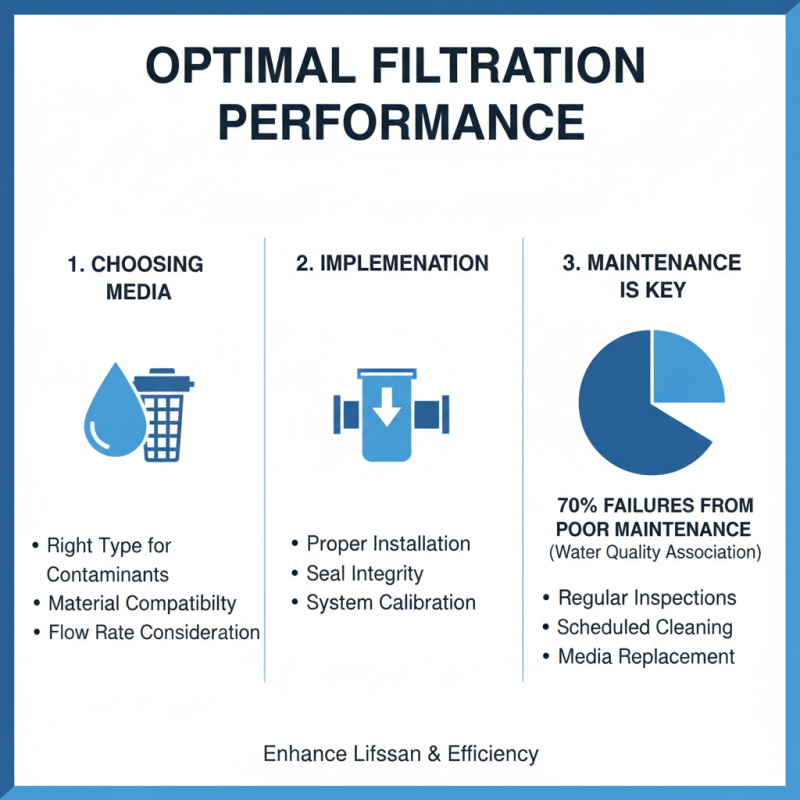
Choosing the right filtration media is vital for ensuring effective filtration performance. Implementation and maintenance are often overlooked but are crucial for longevity. According to the Water Quality Association, about 70% of filtration failures stem from inadequate maintenance practices. Regular inspections and cleaning routines can significantly enhance the lifespan of your filtration system.
Clear instructions should guide routine maintenance. For instance, replacing filter media every 6-12 months is essential, depending on usage and water quality. The U.S. Environmental Protection Agency suggests monitoring changes in flow rate and pressure as a signal for maintenance needs. This proactive approach not only improves performance but also prevents costly breakdowns.
Yet, many users ignore these recommendations. They assume that filtration media work optimally without care. This oversight can lead to reduced efficiency and potential health risks. Regular training or guidelines can help encourage proper maintenance habits. Users should document each maintenance action, creating an effective history of filtration performance. This strategic approach may reveal inefficiencies and areas for improvement.


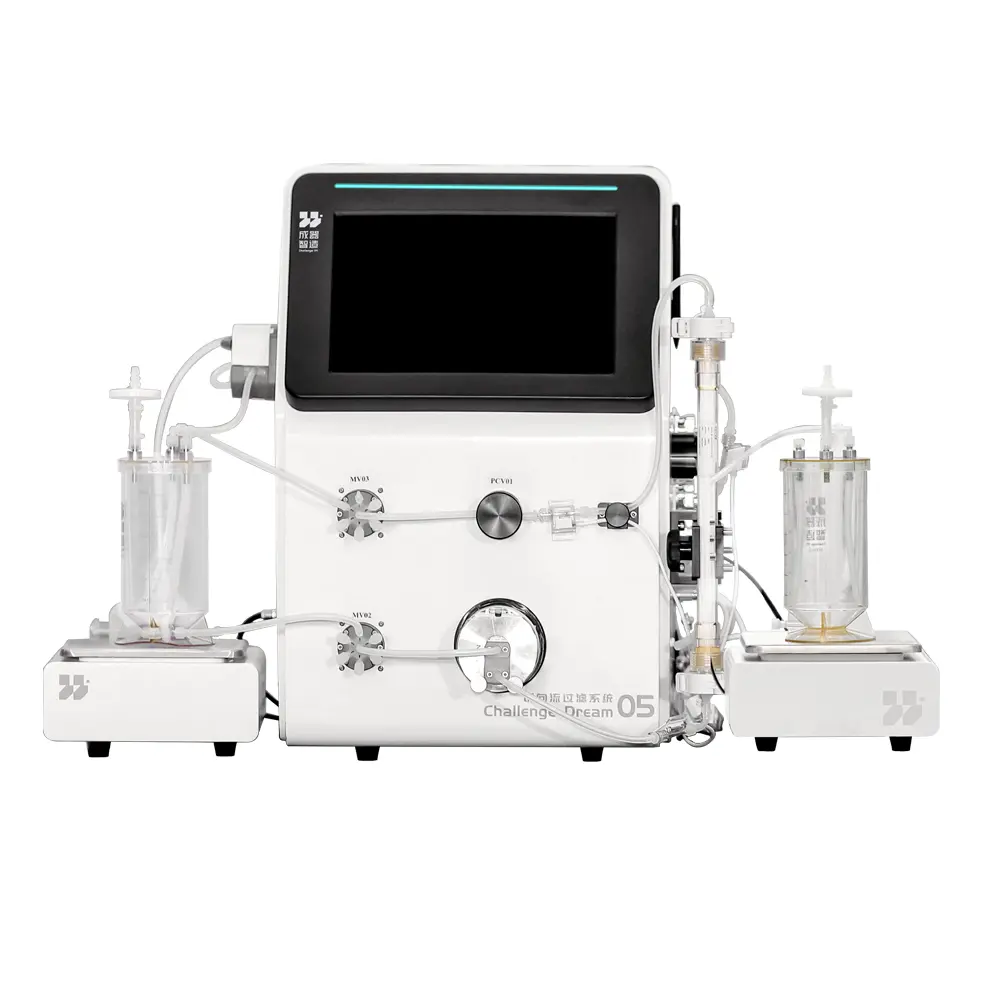 Tangential Flow Filtration(TFF) System
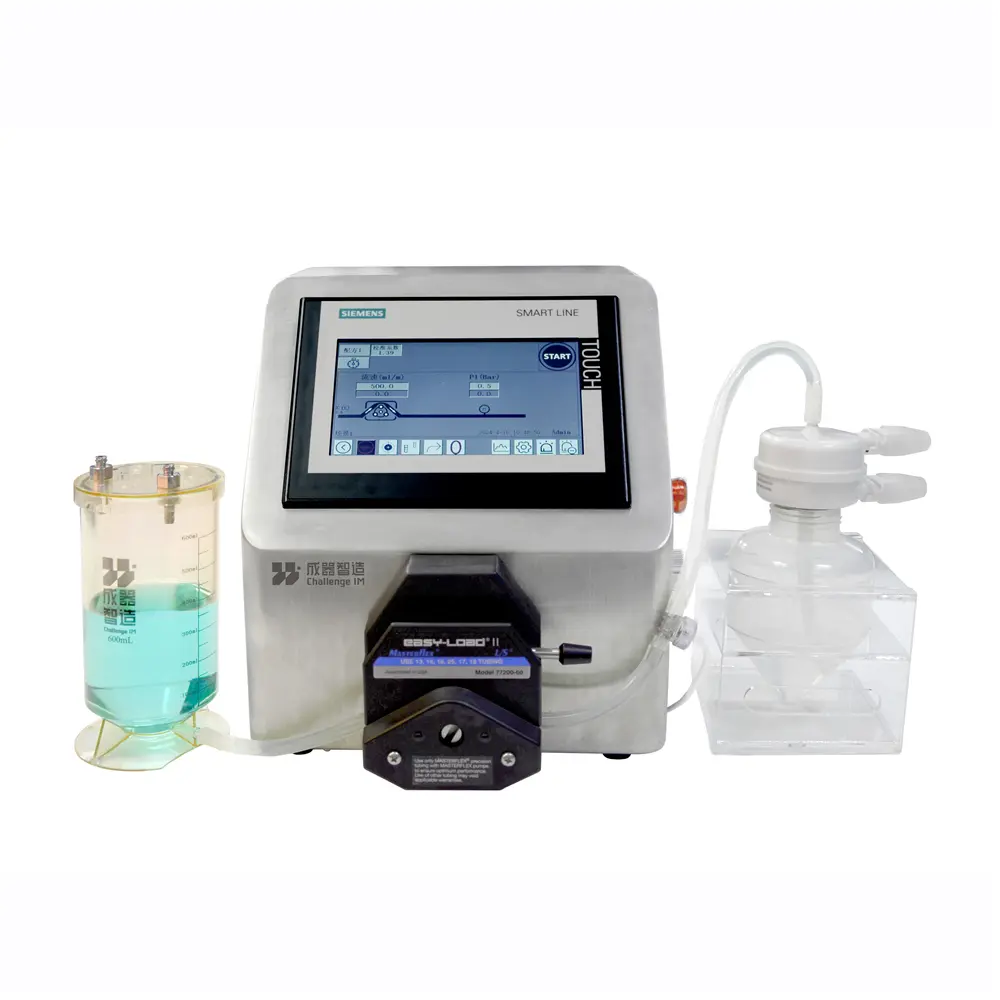 Jump Pump
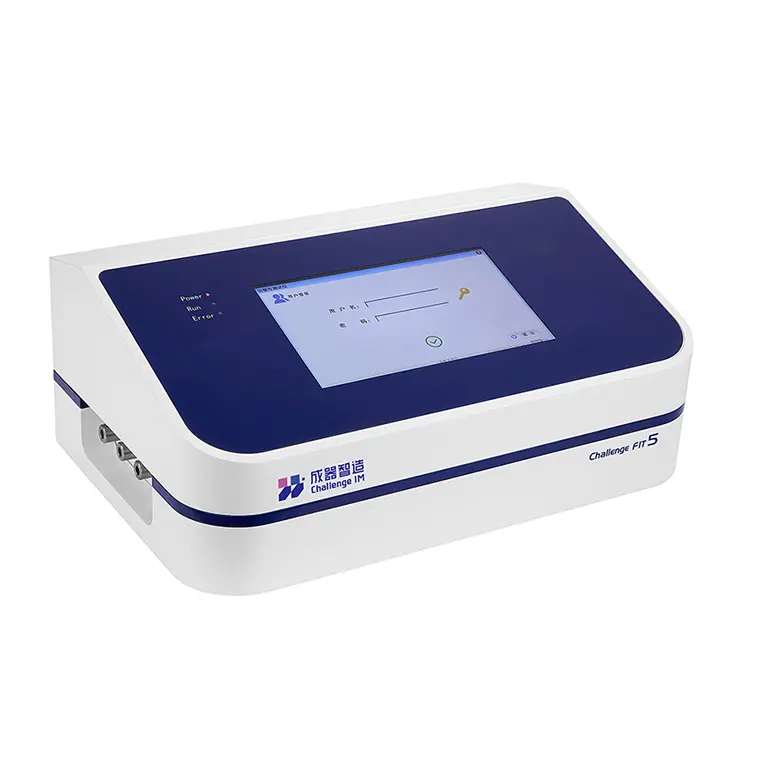 FIT Integrity Tester
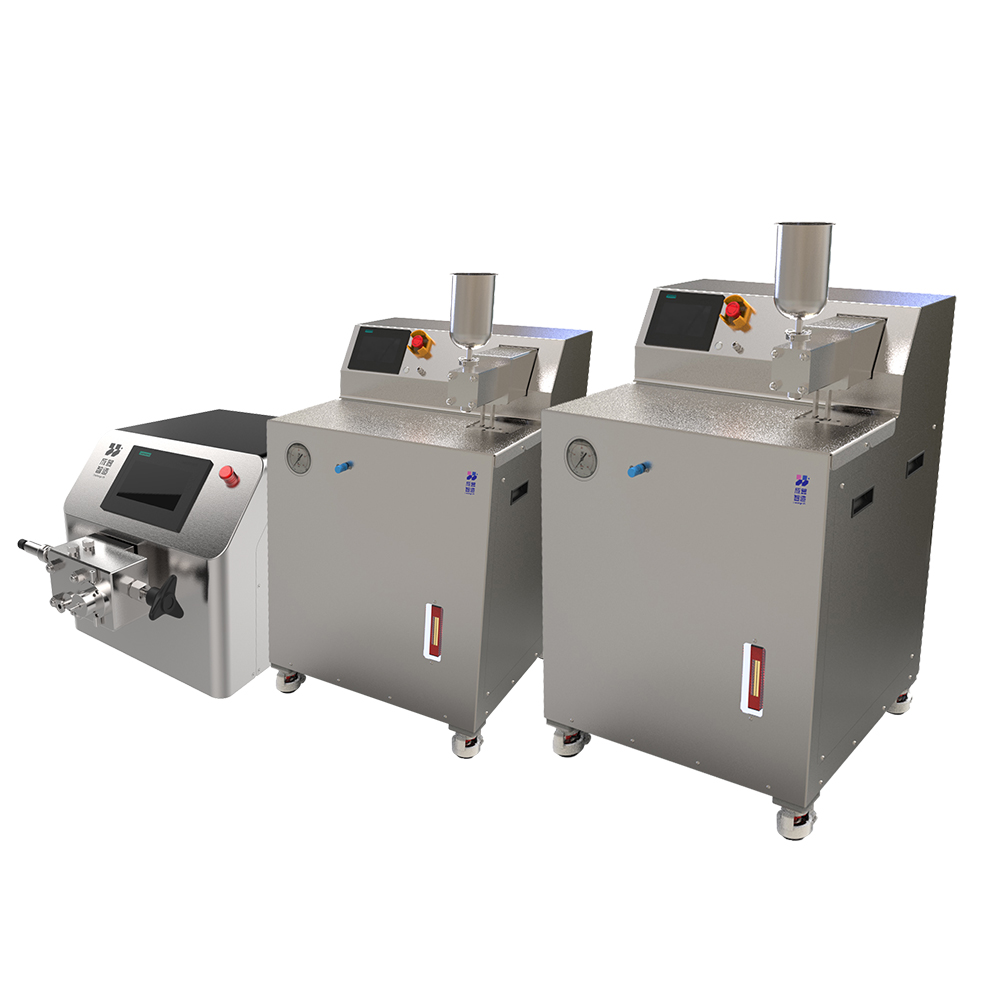 High Pressure Homogenizers
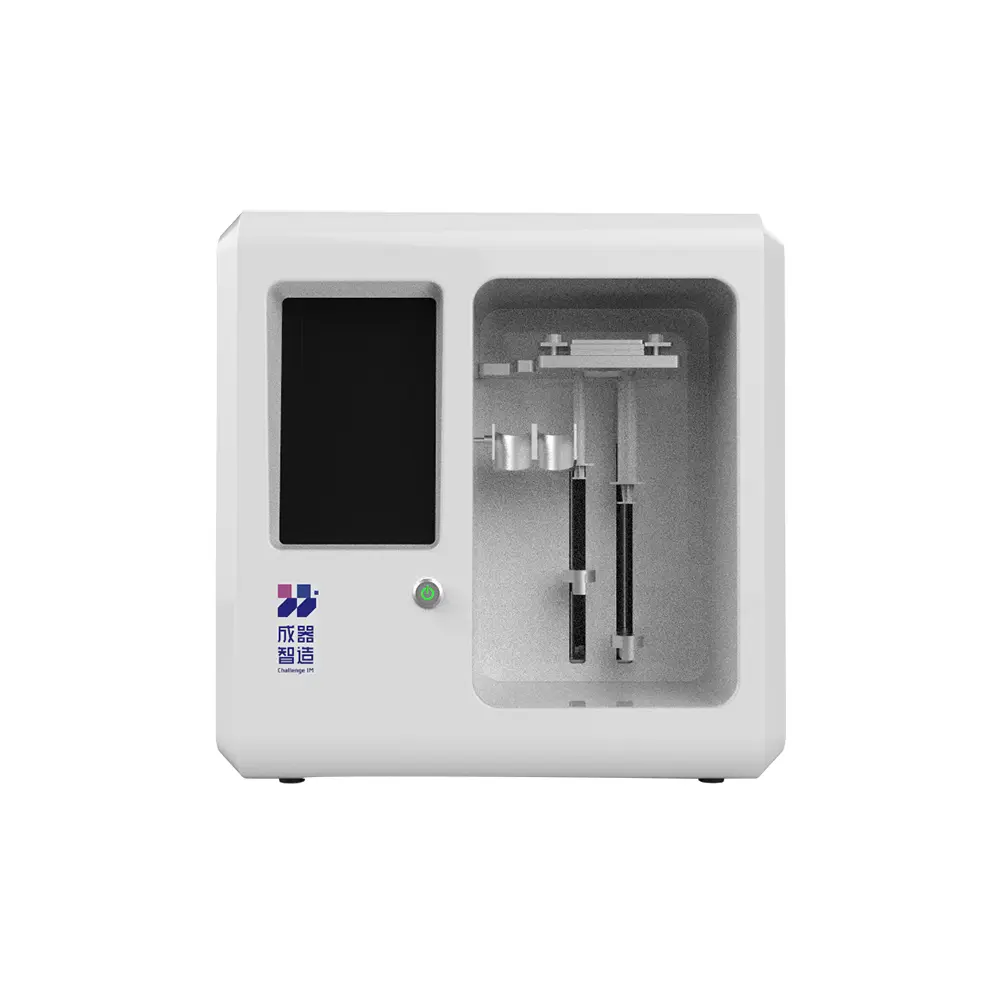 Microfluidics