How to Choose the Right Nanofiltration System for Your Needs?
Choosing the right Nanofiltration System can be a daunting task. The industry is filled with various options and technologies. Dr. Emily Carter, a leading expert in water treatment, once said, "Selecting a Nanofiltration System requires a deep understanding of your specific needs."
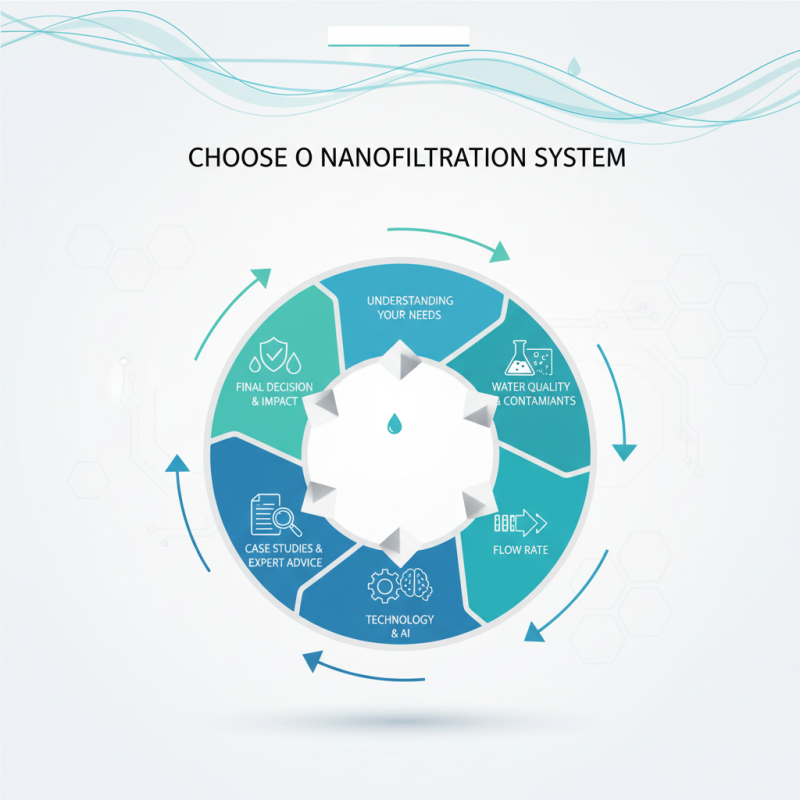
In the world of filtration, knowing your requirements is key. Systems differ significantly in performance, quality, and applications. You may need to consider factors like water quality, flow rate, and specific contaminants. These details heavily influence your final decision.
However, the abundance of choices can lead to confusion. Not all systems are perfect for every situation. Examining case studies and seeking expert advice can clarify your path. Reflecting on your unique needs and leveraging available technologies, like AI, can enhance your selection process. Each choice carries weight, and understanding the implications is essential.
Criteria for Evaluating Nanofiltration System Performance and Efficiency
Choosing a nanofiltration system involves careful evaluation of its performance and efficiency. Key criteria include rejection rates, operating pressure, and recovery rates. These factors can significantly affect your water treatment goals. High rejection rates mean better removal of contaminants. However, too high a rate might lead to low flow rates. It's a balancing act.
Operating pressure plays a crucial role in system efficiency. A lower pressure can save energy, but it might reduce output. On the flip side, high pressure often results in higher costs. Recovery rates indicate how much feed water can be converted to purified water. A high recovery rate is desirable but can lead to higher concentrations of residual contaminants.
Lastly, consider the membrane material. Different materials offer various strengths and weaknesses. Some may foul easily, while others may withstand harsher conditions. Reflect on these trade-offs when assessing your needs. Selecting the right system is an opportunity for growth and learning. Trust your judgment but also seek feedback from experts. The ideal solution should not only meet your current needs but also adapt to future demands.
Understanding the Different Types of Nanofiltration Membranes and Their Applications
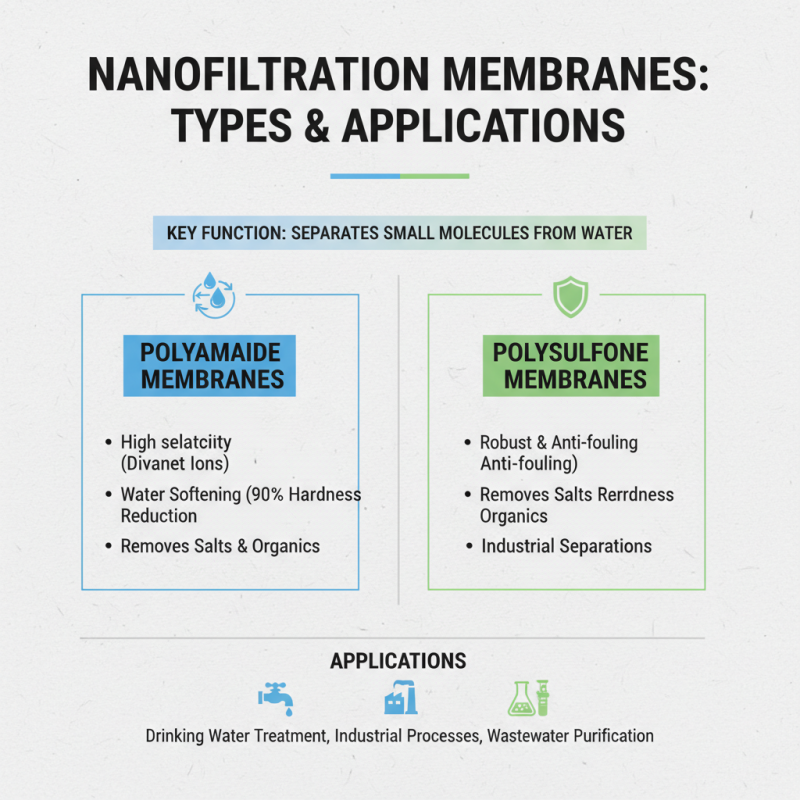
When selecting a nanofiltration system, understanding the different types of nanofiltration membranes is crucial. These membranes are designed to separate small molecules, like salts and organic compounds, from water. Generally, there are two main types: polyamide and polysulfone membranes. Polyamide membranes offer better selectivity for divalent ions, while polysulfone is more robust against fouling. Recent studies indicate that polyamide membranes can reduce hardness by 90% or more, making them an excellent choice for water softening applications.
Tips: Assess your water's specific contaminants before choosing a membrane type. Test results can guide you toward the most effective solution.
Nanofiltration systems find applications across various industries, including food processing and pharmaceuticals. Data from industry reports suggest that the global nanofiltration market is projected to exceed $4 billion by 2026. This growth reflects an increasing demand for sustainable water treatment solutions. Despite advancements, challenges remain. Fouling and scaling can compromise membrane performance. Regular maintenance and cleaning are vital to prolonging membrane life.
Tips: Schedule routine checks to ensure optimal system performance. Don’t overlook the impact of feed water quality on your membranes.
Key Considerations for Sizing a Nanofiltration System for Optimal Output
When selecting a nanofiltration system, sizing is crucial for optimizing performance. Start by assessing your water quality and flow rate requirements. It’s essential to measure the total dissolved solids (TDS) in your source water. This measurement guides the selection process, as different membranes handle varying TDS levels.
Consider your specific application needs. For instance, if your goal is to remove hard water minerals, a system designed for hardness removal will work best. Take into account the space available for installation. A smaller setup might save space, but could lead to reduced efficiency. Without sufficient space, maintenance becomes a challenge.
Don’t forget to reflect on future needs. Will your water usage increase? A system that is too small today may lead to higher costs later. This aspect is often overlooked but is vital for long-term satisfaction. Simple calculations can initially help, but real-world performance can vary. Testing and adjustments may be necessary for achieving optimal output.
Water Quality Parameters and Nanofiltration System Performance
Assessing the Cost-Effectiveness of Nanofiltration Systems for Your Needs
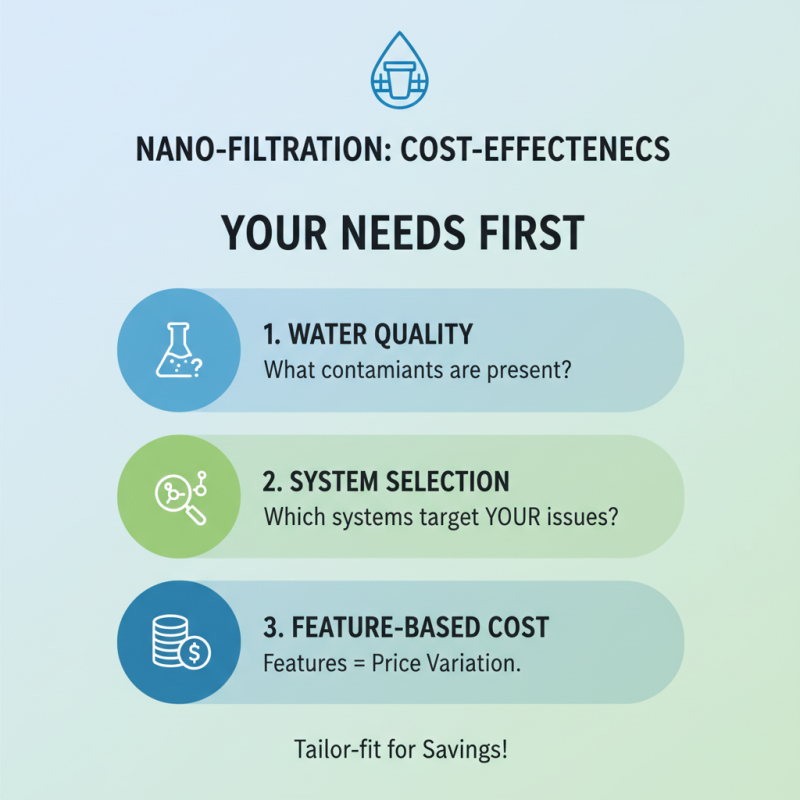
When assessing the cost-effectiveness of nanofiltration systems, various factors come into play. First, consider your specific water needs. What contaminants are present? Understanding your water quality helps you choose the right system. Different systems target specific issues. Costs can vary widely based on required features.
Next, think about long-term savings. Installing a nanofiltration system may seem expensive upfront. However, it can reduce water costs over time. Less energy is often needed for operation. Regular maintenance costs should also be evaluated. DIY maintenance can save money, but it may require technical understanding. This could lead to mistakes if not approached carefully.
Another aspect to reflect on is the system’s lifespan. Cheaper options might save you money initially, but they could fail sooner. Investing in quality systems might be wiser. You might spend more but enjoy better performance and longevity. Balancing initial investment with long-term benefits requires thoughtful consideration. Don't forget about installation costs, which can sometimes surprise users.
Common Challenges and Solutions in Implementing Nanofiltration Systems
Implementing a nanofiltration system is often met with challenges. One common issue is membrane fouling. According to a report by the International Water Association, fouling can decrease membrane performance by up to 40%. Regular cleaning schedules and the selection of appropriate pre-treatment methods can help mitigate this problem. Understanding feed water composition is essential. Specific contaminants can lead to accelerated fouling rates.
Another challenge is understanding the system's operational limits. Nanofiltration systems are sensitive to pressure and temperature variations. A study by the Water Research Foundation found that fluctuations can lead to a 15% reduction in efficiency. Operators should be trained to monitor these parameters closely. Real-time monitoring devices can offer significant insights. However, these systems require investment and may pose a financial strain.
Additionally, scaling is a prominent issue in some regions. According to a 2022 industry report, nearly 30% of nanofiltration installations face scaling problems. This can lead to prolonged downtime and increased maintenance costs. Using anti-scalants can be effective, but their long-term impact on membrane life is still a subject of research. Addressing these challenges requires a proactive approach and careful planning.
How to Choose the Right Nanofiltration System for Your Needs? - Common Challenges and Solutions in Implementing Nanofiltration Systems
| Parameter |
Value |
Challenges |
Solutions |
| Membrane Material |
Polyamide |
Chemical resistance |
Choose specialized coatings |
| Operating Pressure |
10-30 bar |
Energy costs |
Use energy-efficient pumps |
| Feed Water Quality |
High turbidity |
Membrane fouling |
Pre-treatment solutions |
| Flow Rate |
50-100 m³/h |
Space constraints |
Modular system design |
| Rejection Rate |
85-95% |
Quality inconsistency |
Regular monitoring and adjustment |


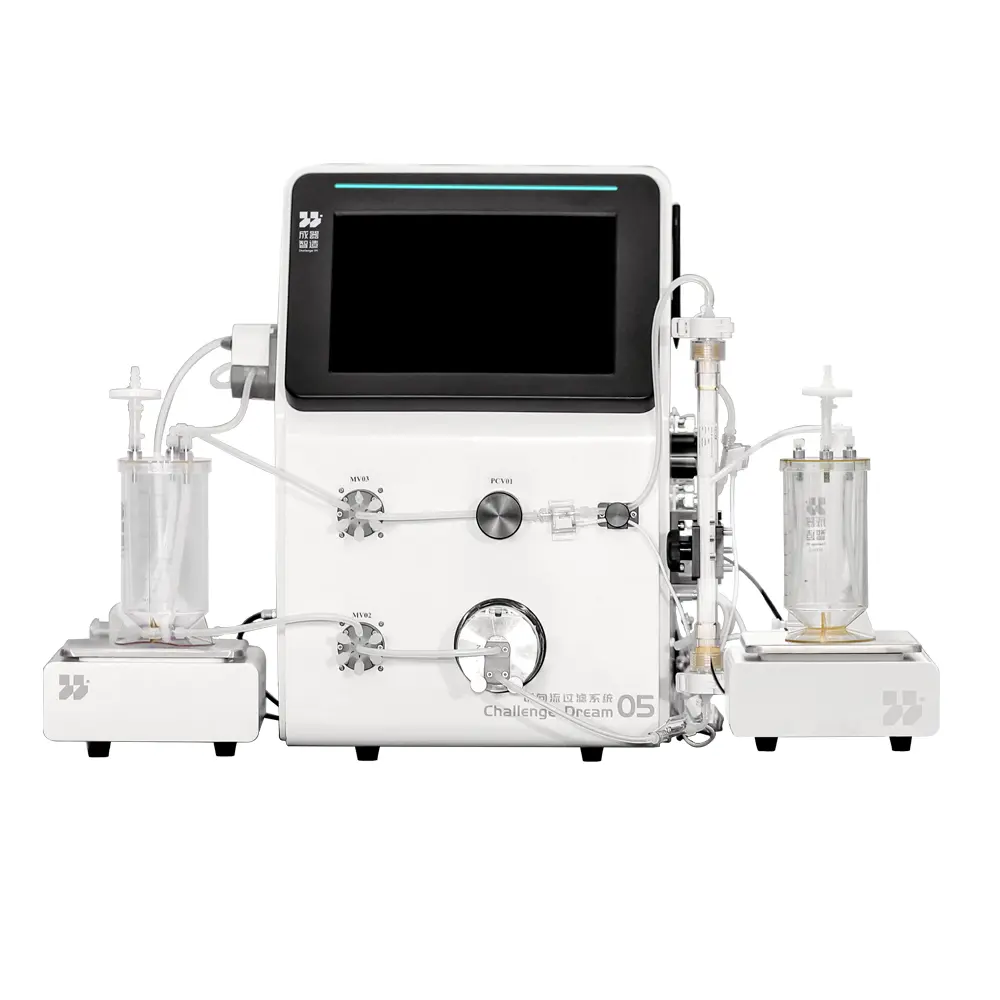 Tangential Flow Filtration(TFF) System
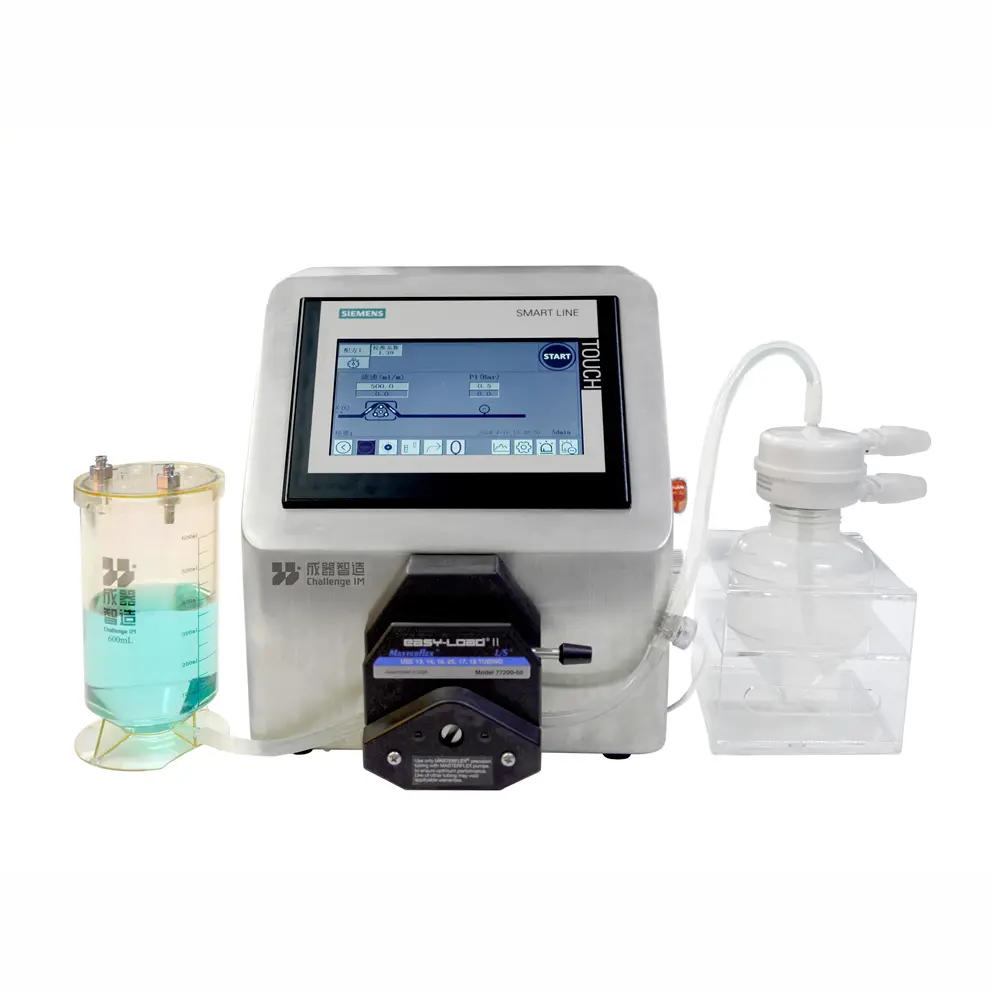 Jump Pump
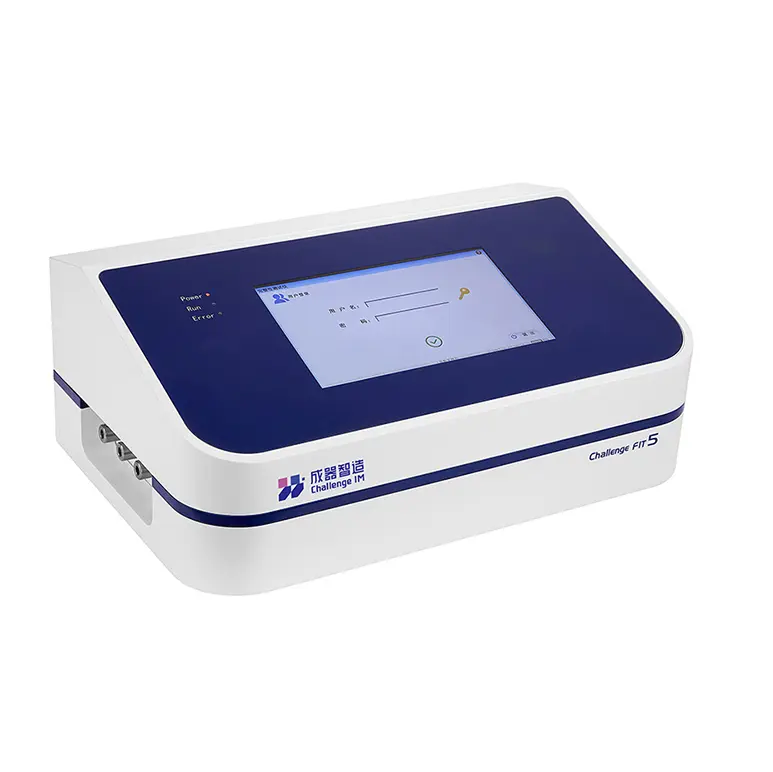 FIT Integrity Tester
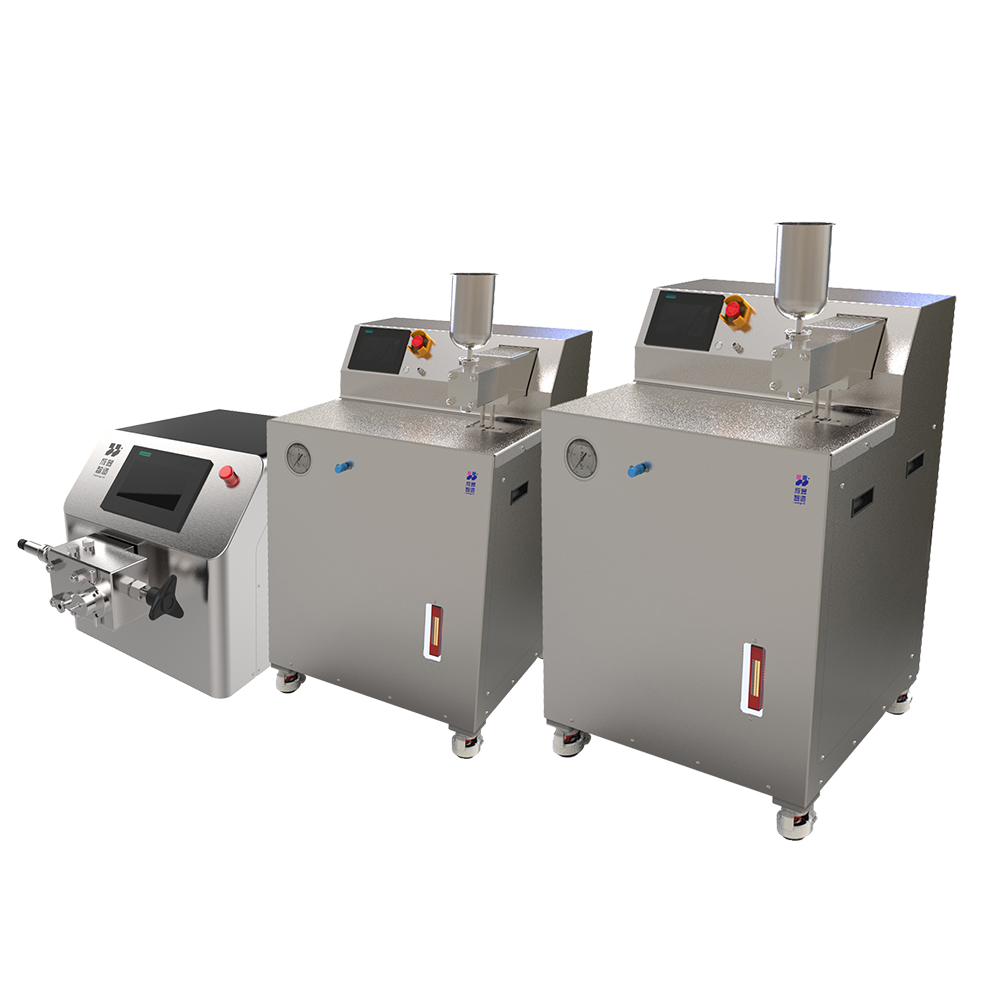 High Pressure Homogenizers
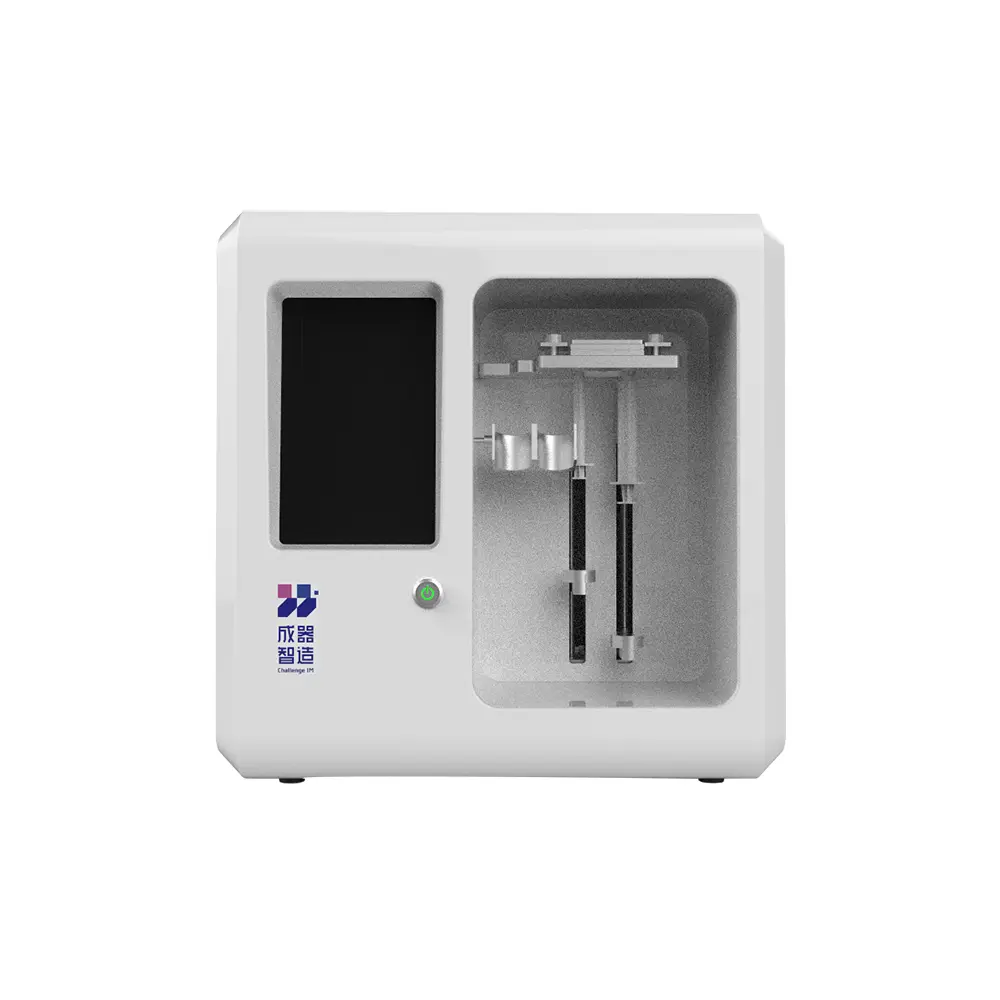 Microfluidics