How to Choose the Right Pump Diaphragm for Your Needs?
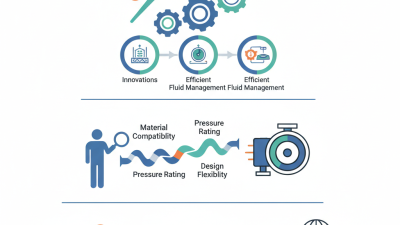
Choosing the right pump diaphragm is critical for efficient system performance. According to industry reports, nearly 25% of pump failures are linked to diaphragm issues. A well-selected diaphragm improves reliability and extends equipment life. Various factors affect diaphragm selection, including material compatibility, pressure ratings, and environmental conditions.
Understanding the specific needs of your application is essential. Each type of pump diaphragm, whether thermoplastic or elastomeric, has distinct advantages. However, 70% of users struggle with compatibility issues. Failing to consider the operating environment can lead to premature wear. This illustrates the need for careful analysis in diaphragm selection.
Expert recommendations emphasize ongoing evaluation of diaphragm integrity. Regular inspections help identify wear patterns before they escalate. Users must remain vigilant; a minor oversight can result in costly downtime. This truth underscores the importance of knowledge and experience in the selection process. Prioritize informed choices to ensure pump systems function effectively and reliably.
Understanding the Functionality of Pump Diaphragms
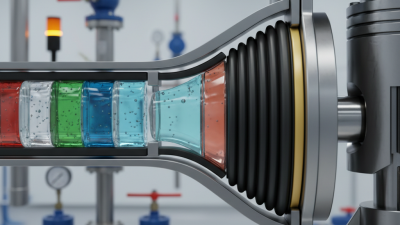
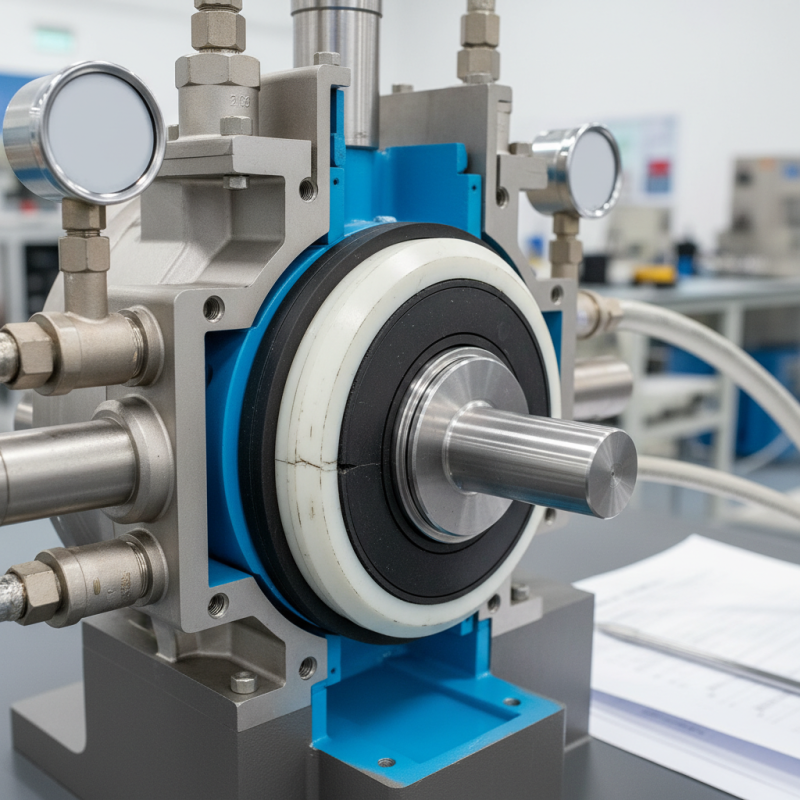
When choosing a pump diaphragm, understanding its functionality is crucial. A pump diaphragm acts as a barrier, separating fluids and ensuring proper flow. It compresses and expands to facilitate movement, making it vital for applications in various industries. The material and design directly influence its performance and durability.
Tips: Always consider the fluid being pumped. Certain materials are better suited for abrasive or corrosive fluids. Test your setup before full-scale operations. A small trial can reveal potential issues.
Another aspect to review is the diaphragm's compatibility with pressure and temperature ranges. Not all diaphragms can handle extreme conditions. An ill-suited diaphragm can lead to failures or inefficiencies.
Tips: Regular maintenance is essential. Inspect the diaphragm periodically for wear and tear. Early detection of issues can prevent costly downtimes. Evaluate your system's duty cycle too, as it impacts diaphragm lifespan significantly.
Identifying Your Specific Pumping Requirements
Choosing the right pump diaphragm begins with understanding your specific pumping requirements. This entails evaluating the fluid being transferred, including its viscosity, temperature, and chemical compatibility. A report by the Pumps and Systems Journal highlights that more than 40% of pump failures are attributed to incorrect diaphragm selection. This statistic underscores the importance of careful consideration.
For instance, if you're handling abrasive fluids, a robust diaphragm material such as polyurethane may be necessary. In contrast, for gentle or delicate substances, a softer elastomer could reduce shear stress. The American National Standards Institute suggests that analyzing the operating environment is crucial. Factors like pressure, cycle frequency, and potential exposure to corrosive elements can significantly impact diaphragm durability.
Moreover, it's essential to contemplate maintenance needs. A complex diaphragm design might offer advantages in certain situations but could also increase the frequency of service disruptions. According to a study by the Hydraulic Institute, simplicity in design often leads to longer-lasting and more reliable operations. Analyzing these aspects thoroughly will guide you toward the most efficient diaphragm choice for your pump system.
Evaluating Material Compatibility for Durability
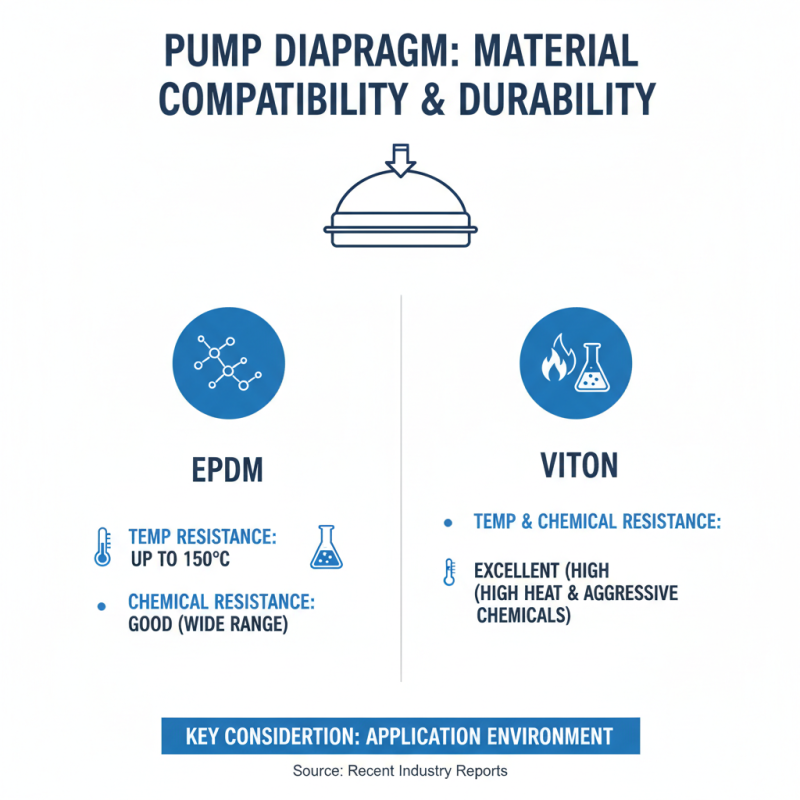
Choosing the right pump diaphragm involves understanding material compatibility. The diaphragm's material directly affects its durability and performance. For instance, in chemical processing, materials like EPDM or Viton are often preferred due to their resistance to a wide range of chemicals. According to recent industry reports, EPDM can withstand temperatures up to 150°C, while Viton excels in both high temperatures and aggressive chemical environments.
However, not all materials are without limitations. EPDM is not suitable for petroleum-based products. This mismatch can lead to premature failure and increased maintenance costs. In a study published by the American Institute of Chemical Engineers, a significant percentage of diaphragm failures were attributed to material incompatibility. Choosing the wrong material can also impact flow rates and efficiency.
Evaluating the specific application is crucial. Each fluid has unique properties that can affect the diaphragm's longevity. For example, abrasive fluids can wear down materials faster than non-abrasive ones. An analysis of diaphragm failures highlights that understanding these interactions is essential for selecting the right material. It shows a clear need for thorough compatibility assessments tailored to each application, rather than relying on standardized solutions.
Sizing and Selecting the Right Diaphragm
Selecting the appropriate diaphragm for a pump requires careful consideration of various factors. Sizing is essential to ensure optimal performance. An oversized diaphragm can lead to inefficiencies. Conversely, an undersized one may result in premature wear.
Industry reports suggest that a diaphragm should match the pump's flow rate and pressure requirements. According to a report by the Hydraulic Institute, mismatched diaphragms can reduce efficiency by up to 30%. This highlights the importance of precise sizing. For example, when dealing with hazardous fluids, a thicker diaphragm can offer increased durability.
Material choice also plays a vital role in diaphragm selection. Different materials can withstand various chemicals and temperatures. A recent study indicated that elastomeric diaphragms are suitable for many applications, but they may not hold up in extreme conditions. Investigating the compatibility of materials with specific media is crucial. Neglecting this can lead to failures and costly repairs. Reflecting on past choices can guide future decisions.
How to Choose the Right Pump Diaphragm for Your Needs? - Sizing and Selecting the Right Diaphragm
| Diaphragm Material |
Application |
Temperature Range (°C) |
Pressure Rating (psi) |
Chemical Compatibility |
| Nitrile (Buna-N) |
Water, oil, and fuel handling |
-30 to 80 |
150 |
Moderate chemical resistance |
| EPDM |
Food and beverage processing |
-40 to 120 |
150 |
Good resistance to dilute acids and bases |
| PTFE |
Aggressive chemical handling |
-70 to 260 |
100 |
Excellent chemical resistance |
| Viton |
High-temperature applications |
-20 to 200 |
250 |
Excellent chemical resistance |
| Neoprene |
General industrial applications |
-40 to 100 |
125 |
Fair chemical resistance |
Assessing Cost and Maintenance Considerations
When selecting a pump diaphragm, cost and maintenance are critical factors. The initial investment can vary greatly based on material and design. High-quality diaphragms may cost more upfront but offer longer service life and reliability. Consider your budget carefully. Balancing cost with potential long-term savings is essential.
Maintenance considerations also play a vital role in diaphragm selection. Some materials require regular cleaning, while others are more resilient. For example, rubber diaphragms may need frequent checks for wear, especially in harsh environments. Assess your operational conditions. This understanding helps in making more informed choices.
**Tip:** Always consult with a professional for recommendations tailored to your specific needs. They can provide insights based on experience.
Choosing the right diaphragm involves understanding not just the cost but the overall lifecycle of the component. Reflect on your operational needs and how they may evolve. This may reveal gaps in your current approach, prompting a reevaluation of existing systems.


 Tangential Flow Filtration(TFF) System
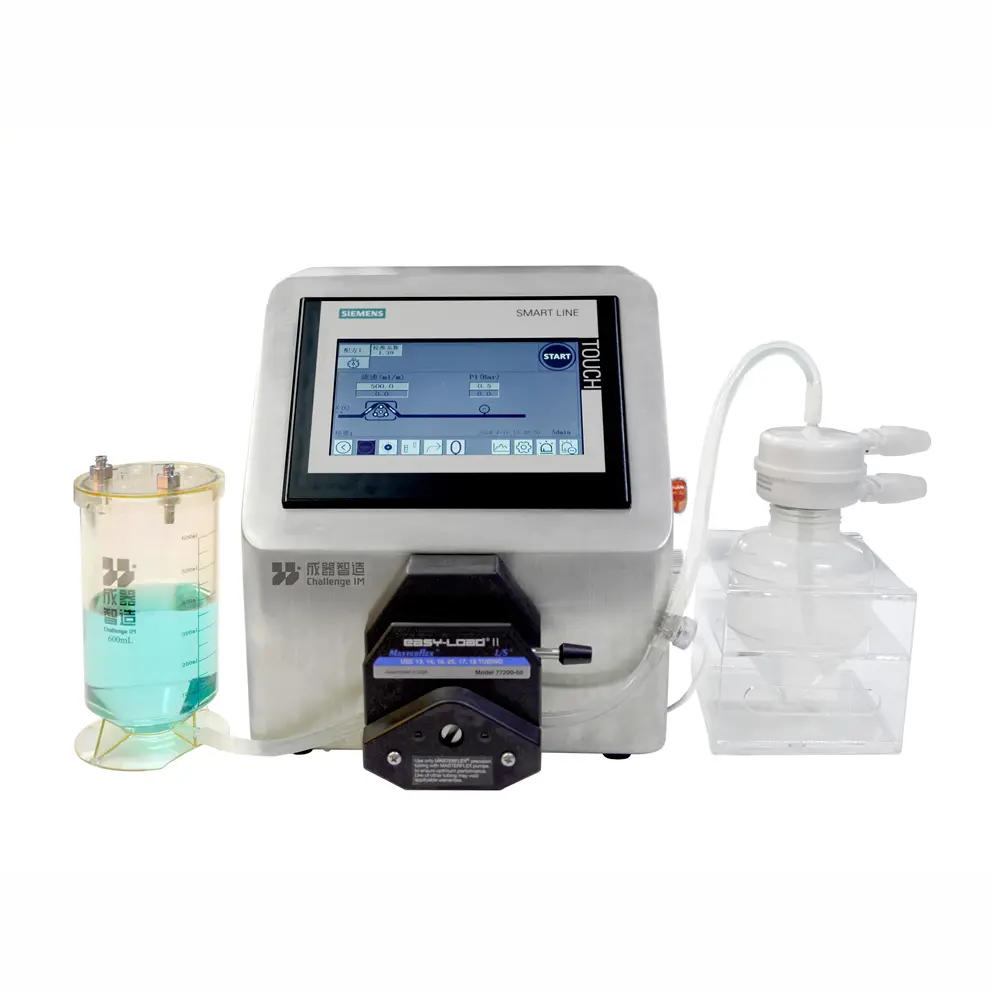 Jump Pump
 FIT Integrity Tester
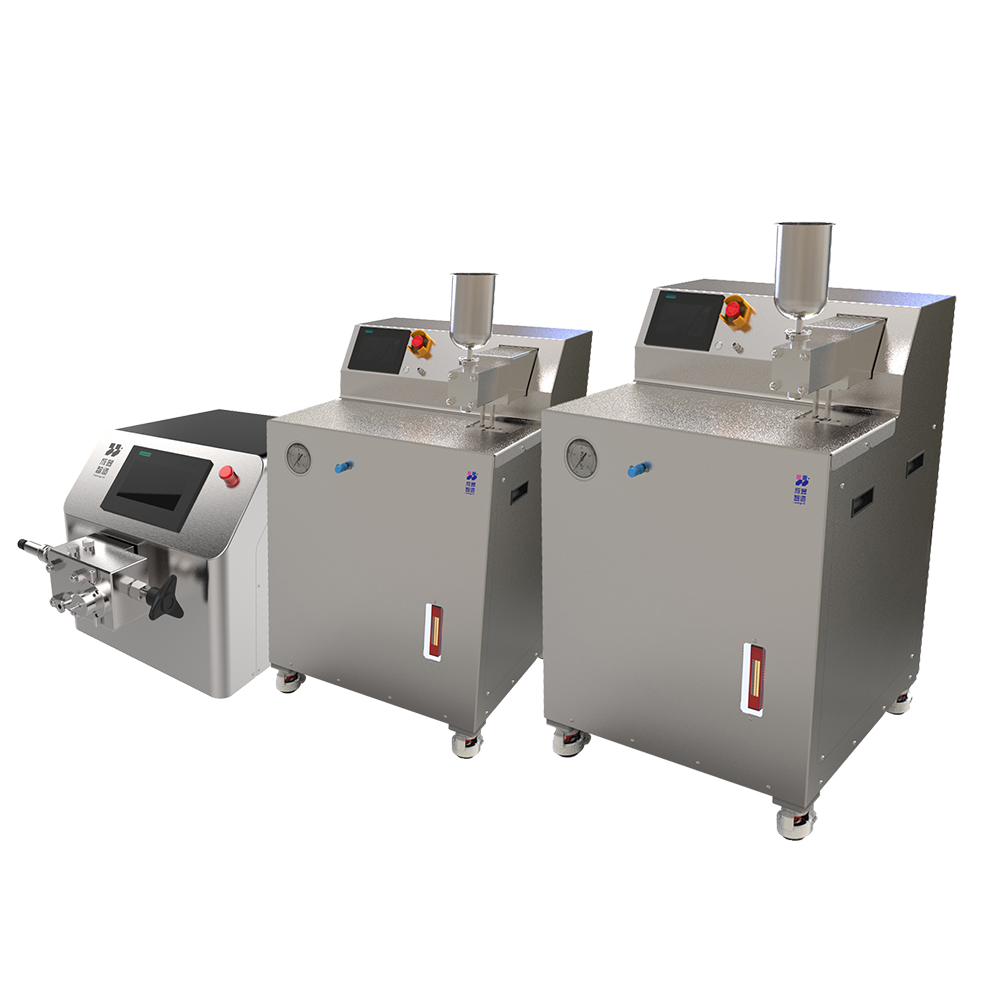 High Pressure Homogenizers
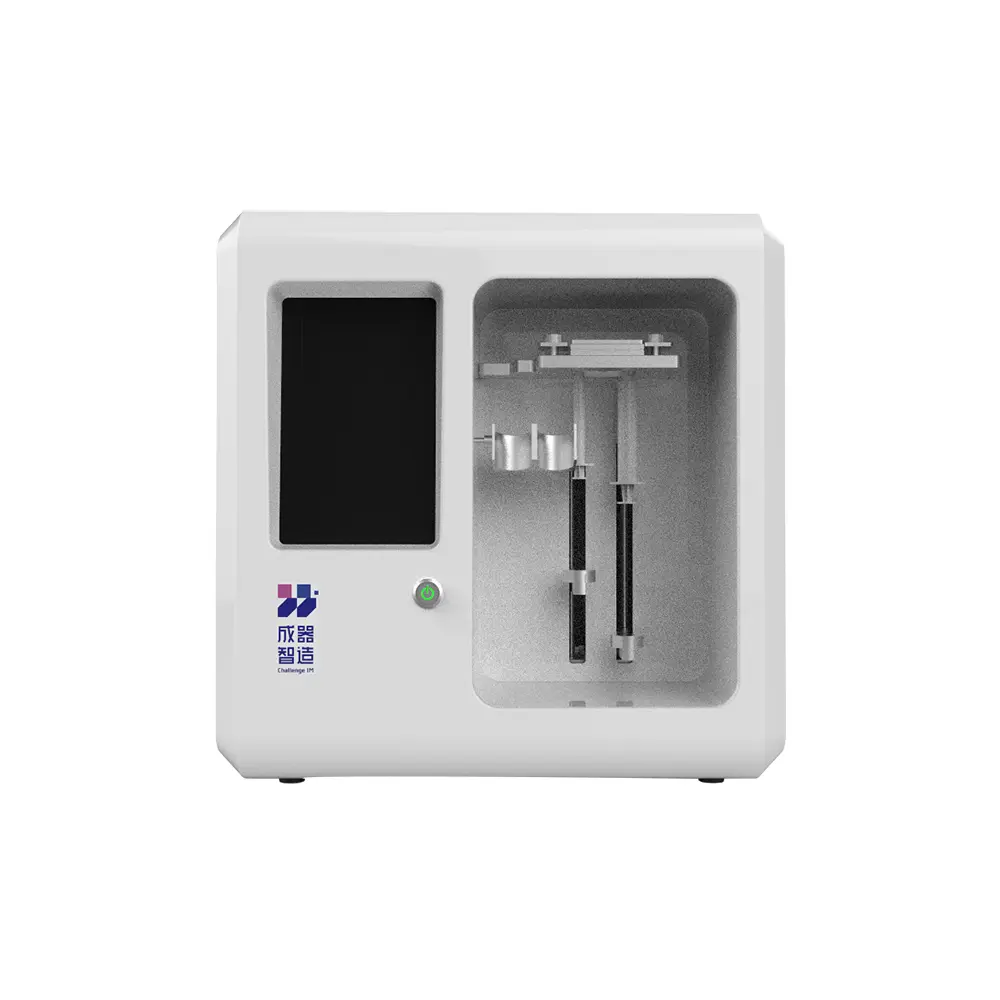 Microfluidics