Why is a Nanofiltration Filter Essential for Water Purification?
In today's world, clean water is essential for health and well-being. A reliable method for achieving this is through a Nanofiltration Filter. This technology stands out due to its ability to remove contaminants while preserving beneficial minerals. It effectively targets specific molecules, such as divalent ions and larger organic compounds.
Many conventional filters struggle with these challenges. Yet, the Nanofiltration Filter excels in both performance and efficiency. Its semi-permeable membrane allows for precise filtration, ensuring high-quality water. With increasing concerns about waterborne diseases, adopting advanced filtration systems becomes vital.
However, some may overlook the importance of regular maintenance for these filters. Even the best technology requires attention. Neglecting upkeep can diminish performance over time. Therefore, understanding the need for a Nanofiltration Filter, alongside responsible usage, is essential for safe drinking water. This commitment to quality ultimately leads to healthier communities.
Understanding Nanofiltration: Definition and Principles
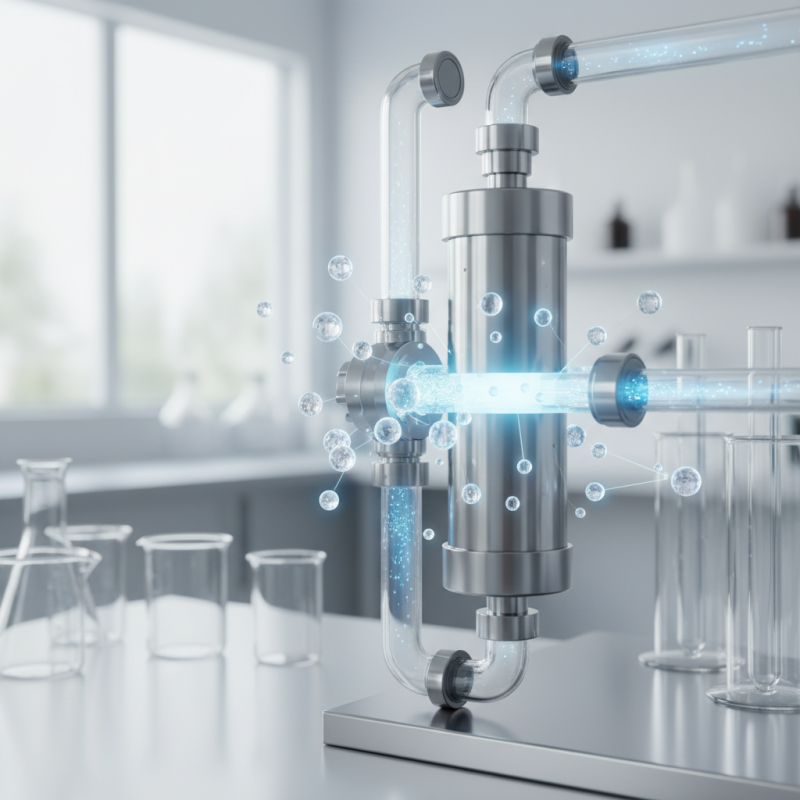
Nanofiltration (NF) serves as a pivotal technology in water purification. Its operation hinges on membrane technology, which efficiently separates contaminants from water. NF membranes have a pore size typically between 1 and 10 nanometers. This unique characteristic allows them to remove divalent and multivalent ions while permitting monovalent ions, such as sodium and chloride, to pass through. According to a 2021 report by the Water Quality Association, nanofiltration can reduce hardness, specific organic compounds, and certain pathogens.
Nanofiltration proves particularly useful for areas facing hard water issues. It not only reduces mineral concentrations but also minimizes the use of chemical softeners. A major study highlighted that NF systems can achieve up to 80-90% rejection of sulfate and carbonate ions. Such impressive performance enhances overall water quality, making it crucial for industrial applications, drinking water treatment, and agricultural irrigation.
**Tip:** Regular maintenance of NF systems is vital. This practice enhances their lifespan and efficiency. Clogging of membranes reduces performance. Monitoring system pressure and flow rates ensures optimal operation.
While nanofiltration is effective, it isn’t without challenges. Membrane fouling remains a significant concern. Organic and inorganic deposits can diminish the membranes' efficaciousness. Understanding these limitations is essential for improving system design and operation.
The Role of Nanofiltration in Water Purification Processes
Nanofiltration plays a vital role in modern water purification processes. This technology bridges the gap between microfiltration and reverse osmosis. It effectively removes specific contaminants while allowing essential minerals to pass through. As a result, it helps maintain the taste and balance of water.
One of its significant advantages is the ability to target divalent ions. These ions, such as calcium and magnesium, contribute to water hardness. By filtering them out, nanofiltration enhances water quality. However, it's essential to monitor the system regularly. Neglecting routine checks may lead to decreased efficiency over time.
Tips: Regular maintenance ensures optimal performance. Changing filters as needed can prevent buildup and clogs. Also, avoid exposing the system to extreme conditions. While nanofiltration is efficient, it may not remove all contaminants. Understanding its limitations is crucial for effective water management.
Why is a Nanofiltration Filter Essential for Water Purification?
| Parameter |
Nanofiltration Performance |
Typical Removal Rate (%) |
| Bacteria |
Excellent |
99.9 |
| Viruses |
Good |
90-99 |
| Dissolved Organic Matter |
Effective |
80-95 |
| Hardness Ions (Ca2+, Mg2+) |
Very Good |
70-90 |
| Salt |
Moderate |
30-50 |
Advantages of Using Nanofiltration Filters in Water Treatment
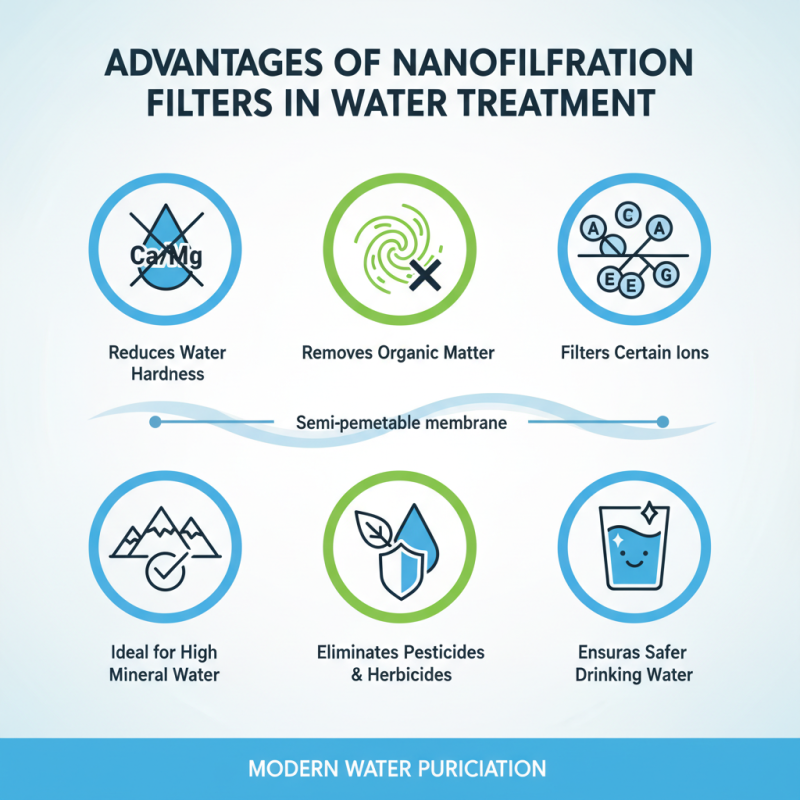
Nanofiltration (NF) filters play a vital role in modern water treatment. These filters utilize a semi-permeable membrane to remove contaminants. They effectively reduce hardness, organic matter, and certain ions. This makes them particularly useful in areas with high mineral contents in water. NF filters can also eliminate pesticides and herbicides, ensuring safer drinking water.
One key advantage of nanofiltration is its selective permeability. It allows beneficial minerals to pass while blocking harmful substances. This results in cleaner water that maintains essential nutrients. NF technology is energy-efficient, consuming less power compared to reverse osmosis systems. This can lead to lower operational costs in large-scale applications.
However, not all water sources are ideal for NF systems. Some may require pre-treatment to avoid clogging the membranes. Regular maintenance is also essential for sustaining filter performance. Users must be aware that while NF offers many benefits, it’s not a one-size-fits-all solution for every water purification need. Evaluating specific requirements is crucial to ensuring optimal results with nanofiltration technology.
Applications of Nanofiltration in Various Industries
Nanofiltration technology is increasingly vital across various industries. One notable application is in the food and beverage sector. It aids in removing small particles and contaminants, enhancing both quality and shelf life. Research indicates that nanofiltration can achieve over 90% removal of divalent ions, which is crucial for maintaining taste in products like juices and dairy. This level of filtration secures food safety and helps manufacturers comply with stringent regulations.
In the textile industry, nanofiltration plays a significant role in wastewater treatment. According to a recent report, about 20% of global industrial water pollution comes from textile manufacturing. By employing nanofiltration systems, factories can reduce pollutants by up to 95%. This is essential not only for environmental sustainability but also for improving overall water management practices. Such innovations alleviate the pressure on water resources, addressing critical environmental concerns.
Moreover, in pharmaceutical manufacturing, nanofiltration ensures the purity of water used in drug production. This process minimizes contamination risks, which can have serious repercussions for patient safety. Industry standards show that up to 4.5 billion liters of water are consumed by this sector annually in the U.S. Improving purification processes can significantly impact public health and operational costs. Yet, many facilities still struggle with outdated methods, highlighting a need for investment and innovation in water purification technologies.
Applications of Nanofiltration in Various Industries
Comparing Nanofiltration with Other Water Purification Technologies
Nanofiltration is gaining attention for its effectiveness in water purification. It stands out against traditional methods like reverse osmosis and activated carbon filters. Nanofiltration operates at the molecular level, allowing it to filter out larger particles, organic compounds, and certain divalent ions. This process ensures water quality while retaining essential minerals.
Comparatively, reverse osmosis removes nearly all impurities, but it also strips beneficial minerals. This can result in water that lacks taste and essential nutrients. Activated carbon filters effectively reduce chlorine and other chemicals but may fall short against smaller pathogens. Nanofiltration strikes a balance, offering high-quality water without the complete mineral removal seen in reverse osmosis.
While nanofiltration presents advantages, it has limitations. Some particles may still pass through, leading to occasional contamination. Regular maintenance and monitoring are vital for optimum performance. This brings up a crucial reflection on user accountability and technology choice. Users must be aware of their water sources and potential impurities. Awareness and knowledge can lead to better decisions in water purification technology.


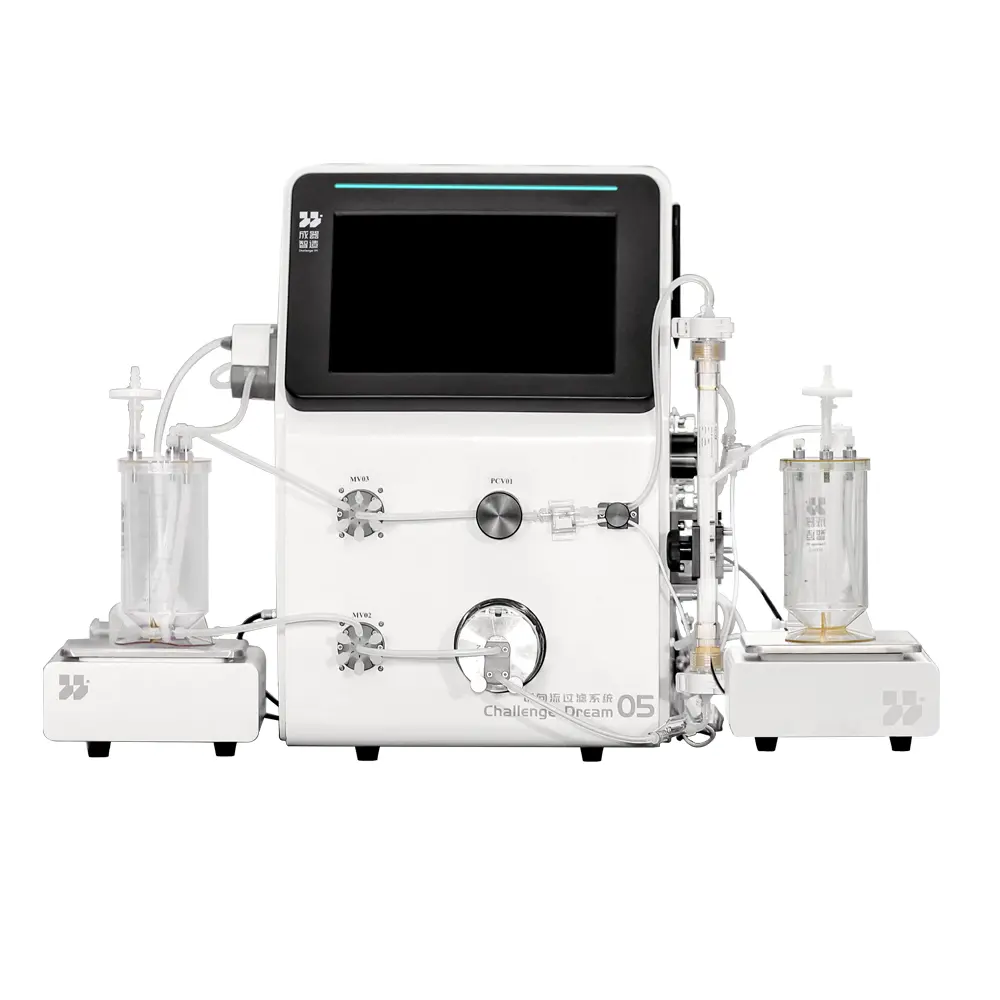 Tangential Flow Filtration(TFF) System
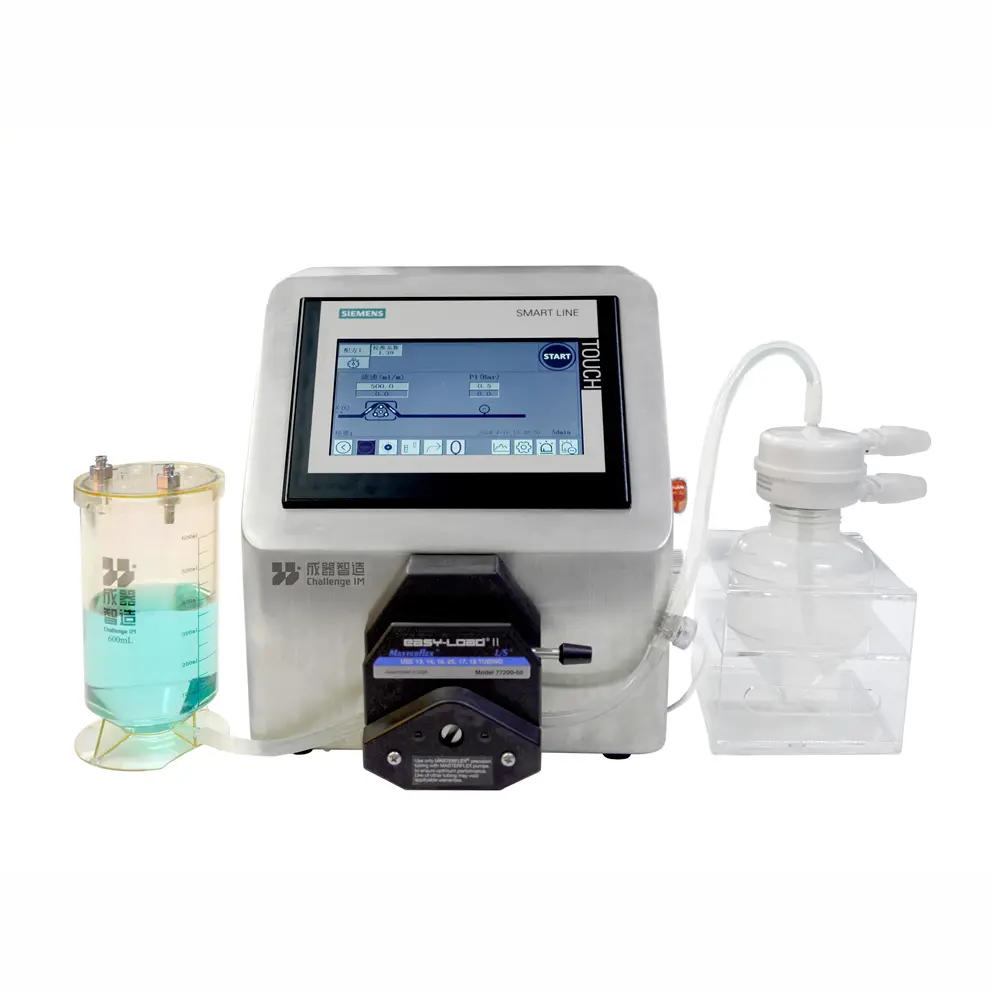 Jump Pump
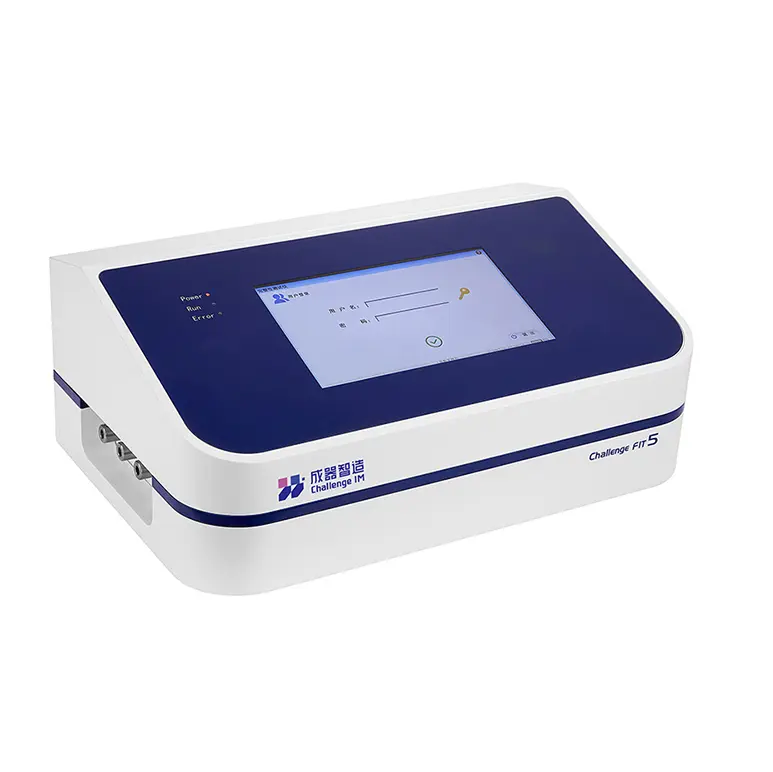 FIT Integrity Tester
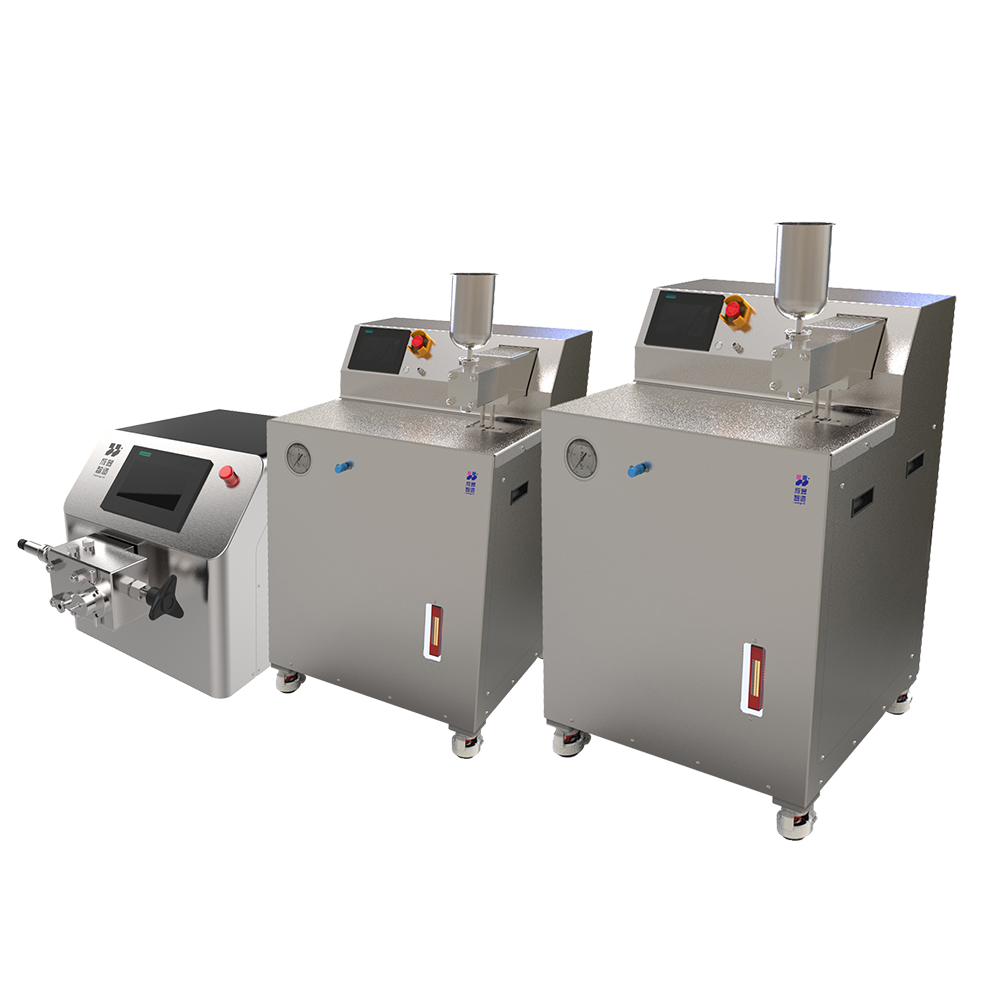 High Pressure Homogenizers
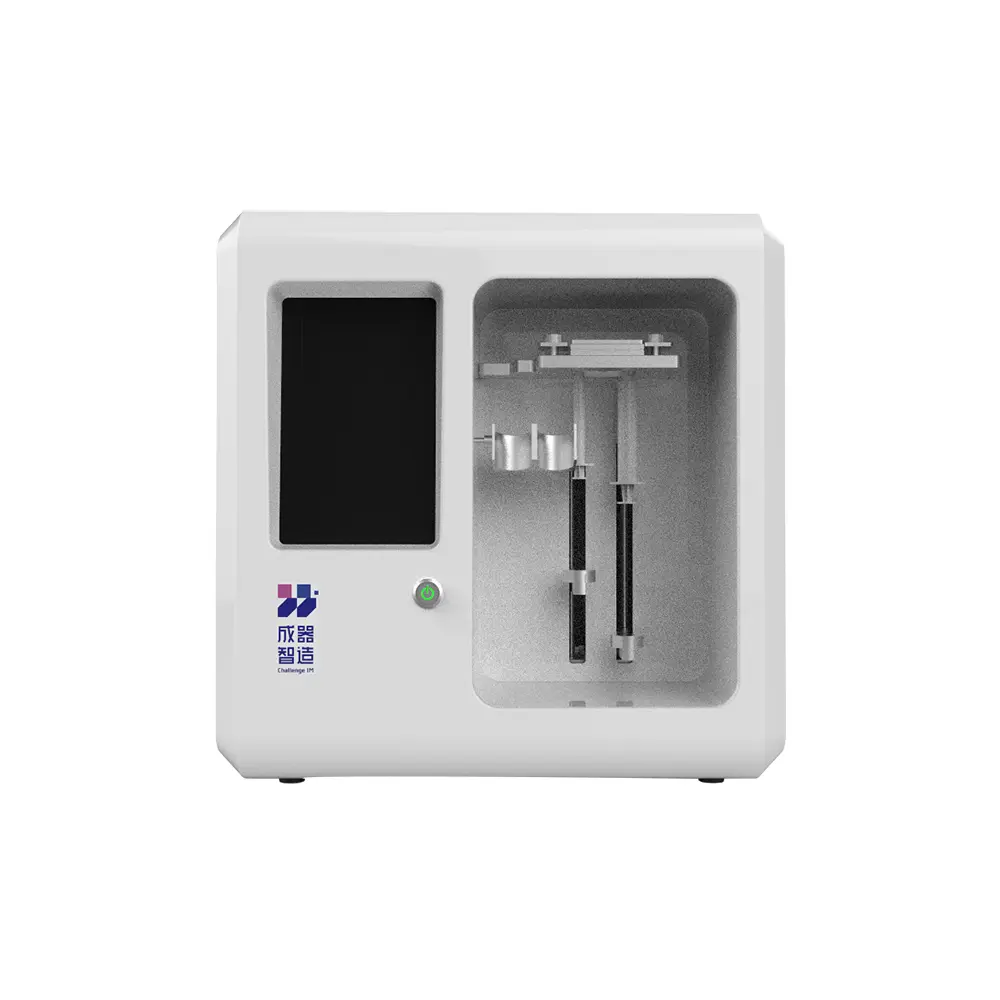 Microfluidics