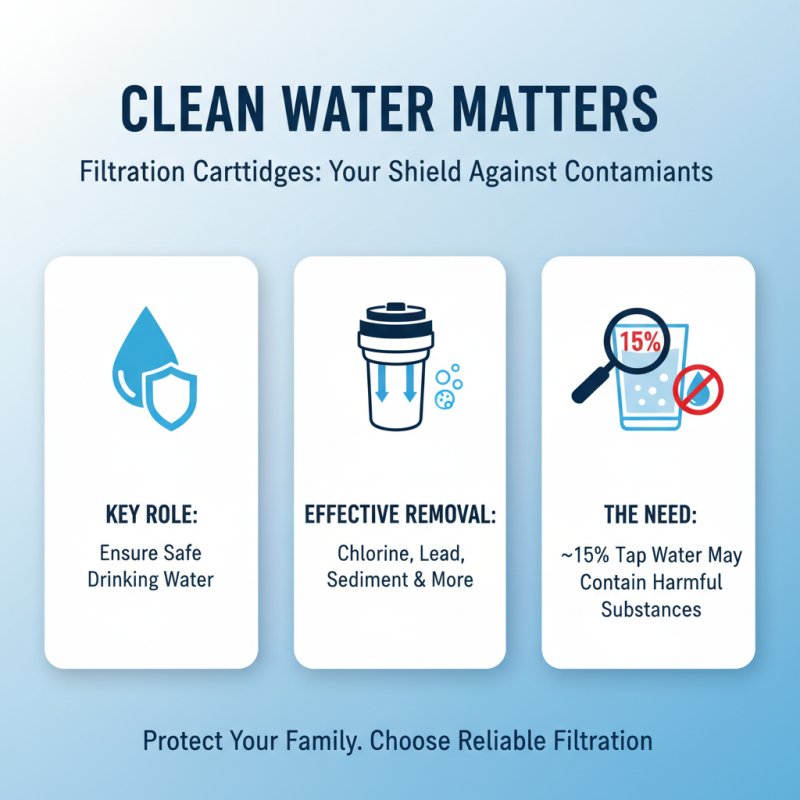
Why Are Filtration Cartridges Essential for Clean Water?
Access to clean water is a fundamental necessity. Filtration cartridges play a critical role in ensuring this access. According to the latest report by the World Health Organization, nearly 2 billion people lack safe drinking water. This staggering statistic underscores the importance of effective filtration systems. Filtration cartridges are at the forefront of this battle against waterborne contaminants.
Expert in water treatment, Dr. Sarah Thompson, states, “Filtration cartridges can significantly reduce harmful impurities in water.” These cartridges are designed to trap sediments, chlorine, and microorganisms, transforming unfiltered water into potable sources. Without these crucial components, the risk of disease and pollution increases dramatically.
Yet, there remains an issue with consumer awareness. Many do not understand the necessity of replacing these cartridges regularly. As a result, some households may continue using outdated filters. This may lead to severe health risks. It’s vital to recognize that a filtration cartridge is only as effective as its maintenance. Clean water is not just a luxury; it’s a right. We must ensure filtration systems meet that need efficiently.
The Role of Filtration Cartridges in Water Purification Systems
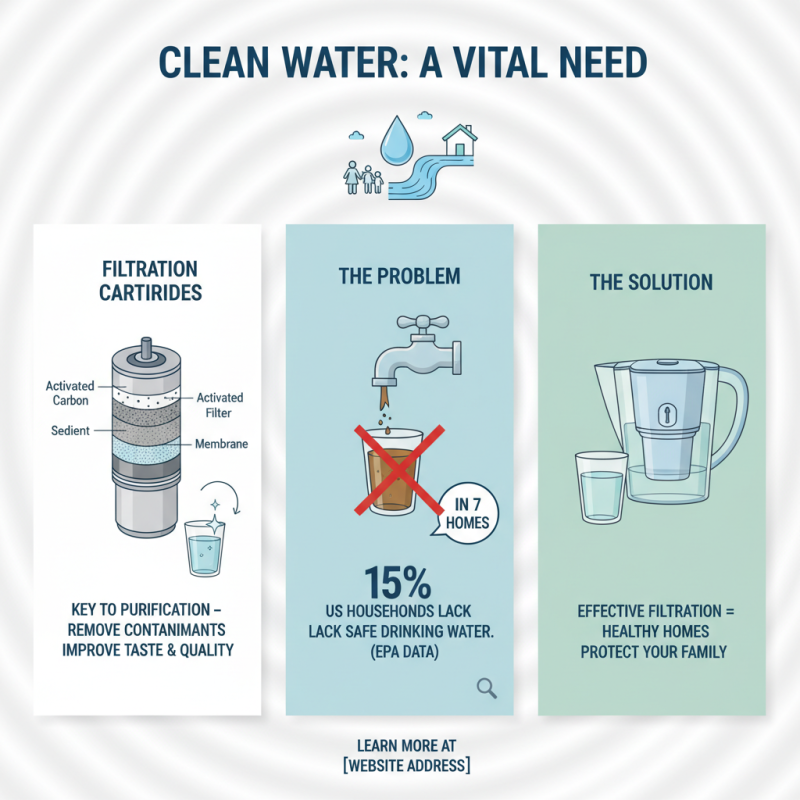
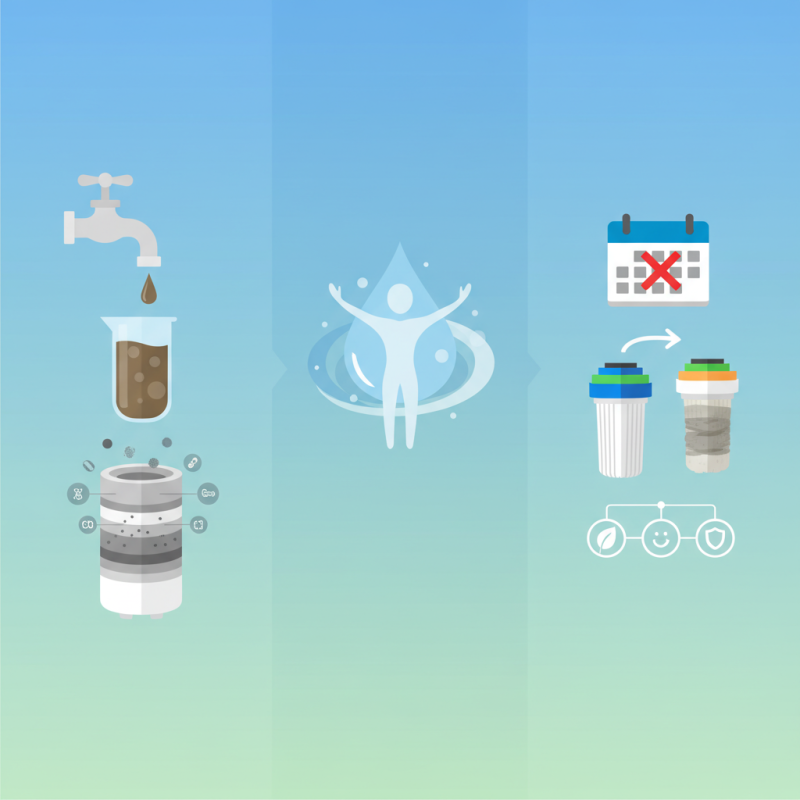
Filtration cartridges serve a crucial role in water purification systems. They remove contaminants and improve water quality. According to the Environmental Protection Agency, roughly 15% of U.S. households lack access to safe drinking water. This underscores the importance of effective filtration.
Filtration cartridges target specific contaminants. They can filter out sediment, chlorine, and heavy metals. Studies show that activated carbon filters can reduce chlorine levels by up to 99%. This leads to better taste and safety. However, not all cartridges perform equally. Many users may underestimate how often these components need replacing.
Some cartridges are designed for heavy-duty use. Yet, many consumers ignore manufacturer guidelines. When cartridges become saturated, they can release contaminants back into the water. This contradicts the whole purpose of filtration systems. Regular monitoring and timely replacement are essential for effectiveness. Reports indicate that failing to change filters may result in 50% less efficiency.
Types of Filtration Cartridges and Their Applications
Filtration cartridges play a critical role in ensuring the availability of clean water. They come in various types, each serving unique functions. For instance, activated carbon cartridges are designed to remove impurities and volatile organic compounds. They are widely used in home water filtering systems. These cartridges can improve taste and smell, making water more enjoyable to drink.
Sediment cartridges are another type, filtering out larger particles like sand and silt. They protect plumbing and appliances from damage. By trapping debris, they extend the life of your water system. However, sediment cartridges need regular changes. Neglecting them can lead to decreased flow rates.
Reverse osmosis cartridges take filtration a step further. They can remove contaminants at a microscopic level. This technology is widely appreciated for its effectiveness. Yet, one must remember the importance of maintenance. Failure to replace these cartridges on time can result in poor water quality. Clean water is essential, but maintaining the devices used for filtration is just as crucial.
Why Are Filtration Cartridges Essential for Clean Water? - Types of Filtration Cartridges and Their Applications
| Type of Filtration Cartridge |
Material |
Application |
Filter Size (Microns) |
Lifespan (Months) |
| Activated Carbon Cartridge |
Carbon |
Chemical Contaminant Removal |
1-5 |
6-12 |
| Sediment Filter Cartridge |
Polypropylene |
Sediment Filtration |
5-20 |
6-12 |
| Reverse Osmosis Cartridge |
Thin Film Composite |
Drinking Water Purification |
0.0001 |
2-3 |
| UV Filter Cartridge |
Quartz Glass |
Disinfection |
N/A |
12-18 |
| Ceramic Filter Cartridge |
Ceramic |
Microbial Removal |
0.2 |
12-24 |
How Filtration Cartridges Remove Contaminants from Water
Filtration cartridges play a crucial role in ensuring clean drinking water. They effectively remove contaminants like chlorine, lead, and sediment. Studies indicate that around 15% of water supplied to households can contain harmful substances. This statistic highlights the importance of reliable filtration systems.
These cartridges utilize various techniques to filter out impurities. Activated carbon effectively adsorbs chemicals and toxins. Meanwhile, sediment filters capture larger particles. According to the World Health Organization, inadequate filtration can lead to health issues. Poorly filtered water may carry bacteria or heavy metals, posing severe risks.
Tips: Regularly check and replace your filtration cartridges. This simple step can drastically improve water safety. Additionally, consider testing your water. Knowing your water quality helps choose the right filtration system.
Remember, not all cartridges are equal. Some may not remove specific contaminants effectively. It’s crucial to do thorough research. Understand your water needs before buying a filter.
Maintenance and Replacement of Filtration Cartridges for Optimal Performance
Filtration cartridges play a critical role in ensuring access to clean water. Regular maintenance of these cartridges is essential for optimal performance. A study by the Water Quality Association indicates that improperly maintained filters can lead to a 30% decrease in efficiency. This drop may allow contaminants to pass through, compromising water safety.
Replacing filtration cartridges on schedule is equally important. Many experts suggest changing filters every 6 to 12 months, depending on usage. Ignoring this maintenance can lead to increased sediment buildup, which clogs the system. A clogged cartridge not only fails to filter effectively but can also strain the entire water system, leading to further complications.
Many people overlook these details. They assume that once a filter is installed, it works indefinitely. This mindset poses risks. Regular checks are vital. They can save money in the long run by preventing costly repairs. Awareness of maintenance schedules can enhance the lifespan of filtration systems. Keeping track of replacement dates ensures ongoing access to clean water.
Importance of Filtration Cartridges for Clean Water
The chart below illustrates the optimal performance metrics of filtration cartridges over a 12-month period, highlighting the importance of regular maintenance and timely replacement for achieving clean water.
The Impact of Clean Water on Health and Environment
Access to clean water is crucial for health. According to the World Health Organization, waterborne diseases cause over 1.5 million deaths each year. Contaminated water can lead to severe illnesses, especially in children. The impact is not just personal; it burdens healthcare systems globally. Without clean water, communities struggle. They face higher medical costs and reduced productivity.
In addition, clean water plays a vital role in environmental sustainability. A report from the United Nations states that around 80% of wastewater is released into the environment without treatment. This practice contaminates ecosystems. It harms wildlife and disrupts natural habitats. The ripple effect is significant, as clean water supports biodiversity.
However, not all filtration systems are equal. Some may not remove all contaminants. This raises questions about effectiveness. The need for ongoing improvement in filtration technology is evident. Ensuring access to clean water remains a global challenge. It requires constant attention and innovation.


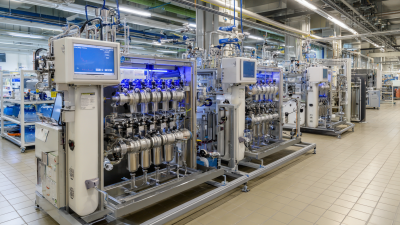
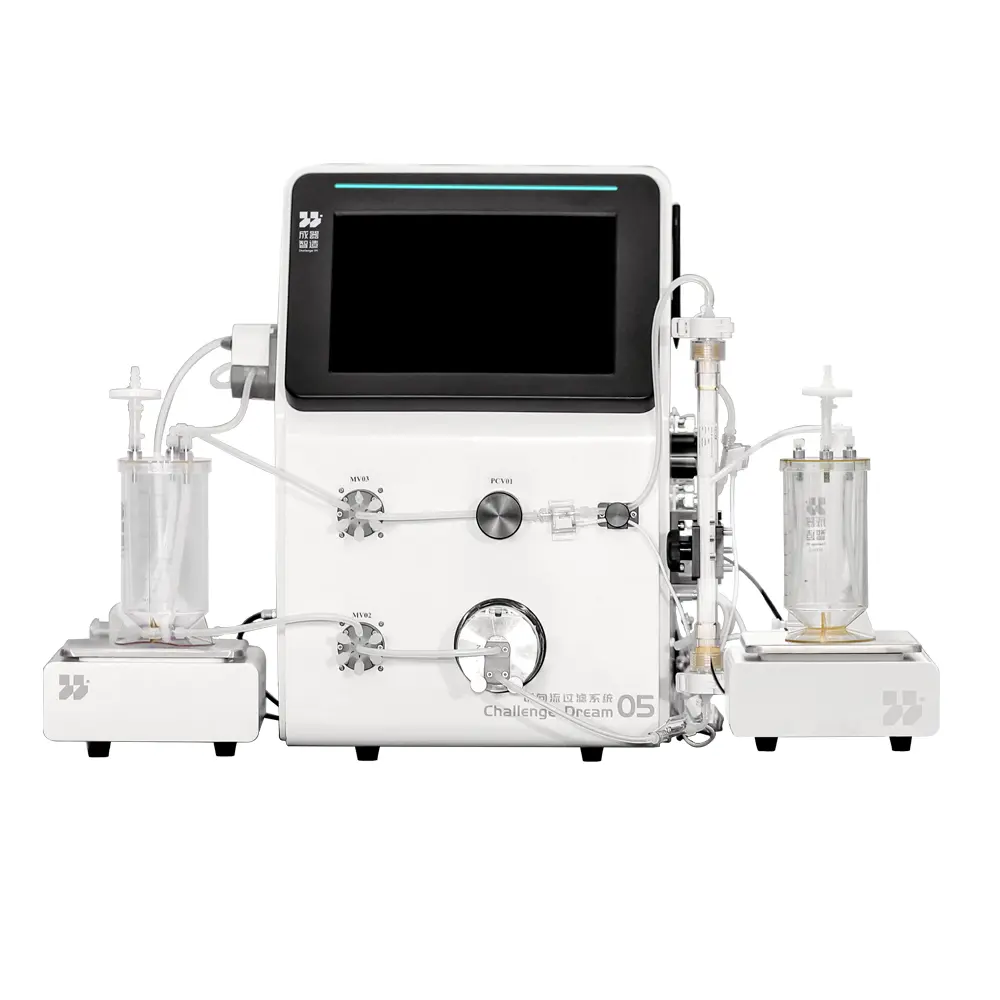 Tangential Flow Filtration(TFF) System
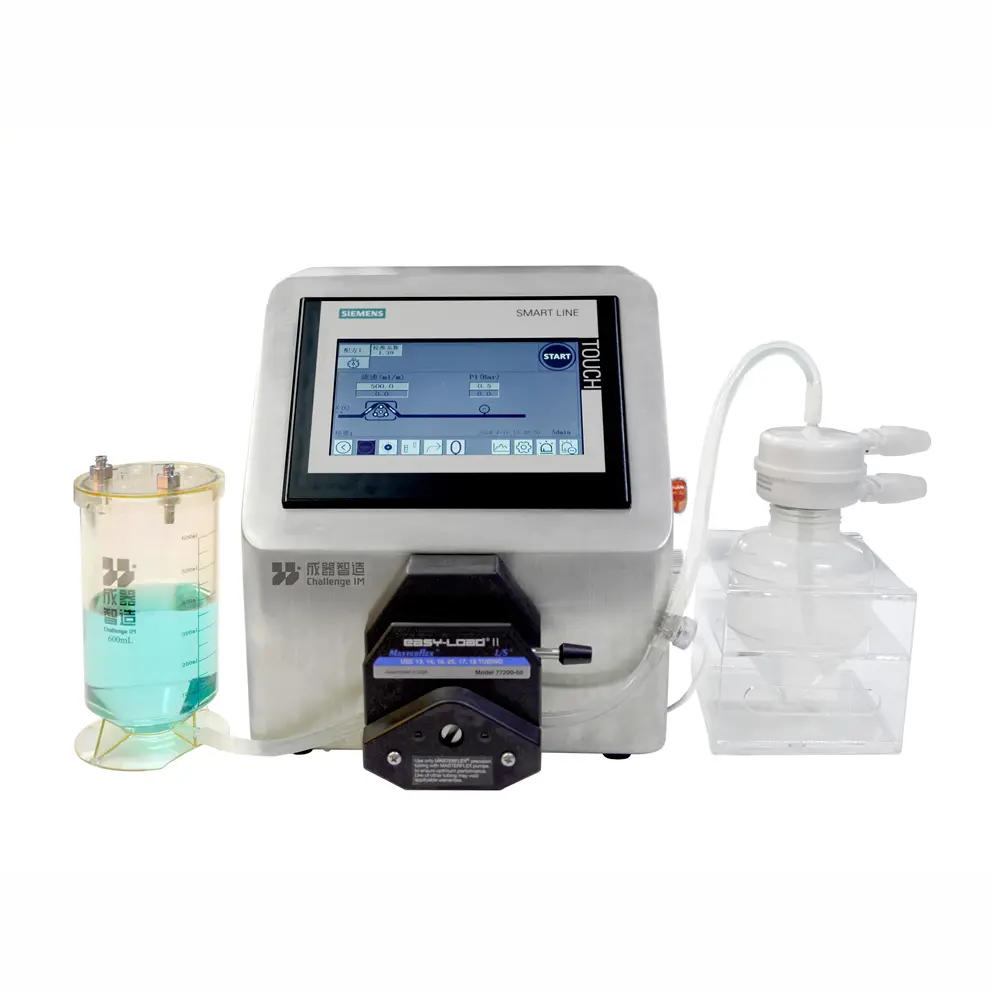 Jump Pump
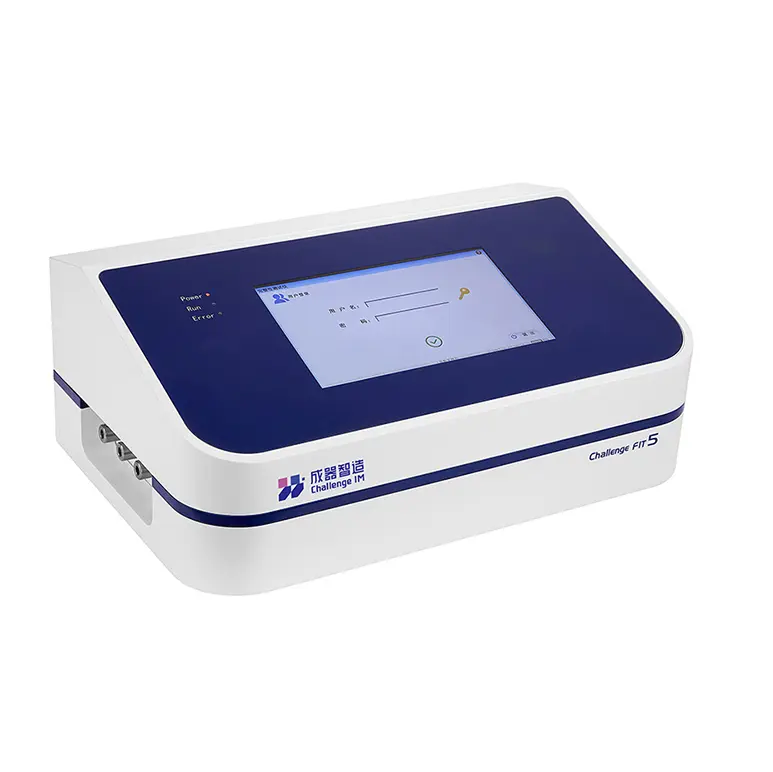 FIT Integrity Tester
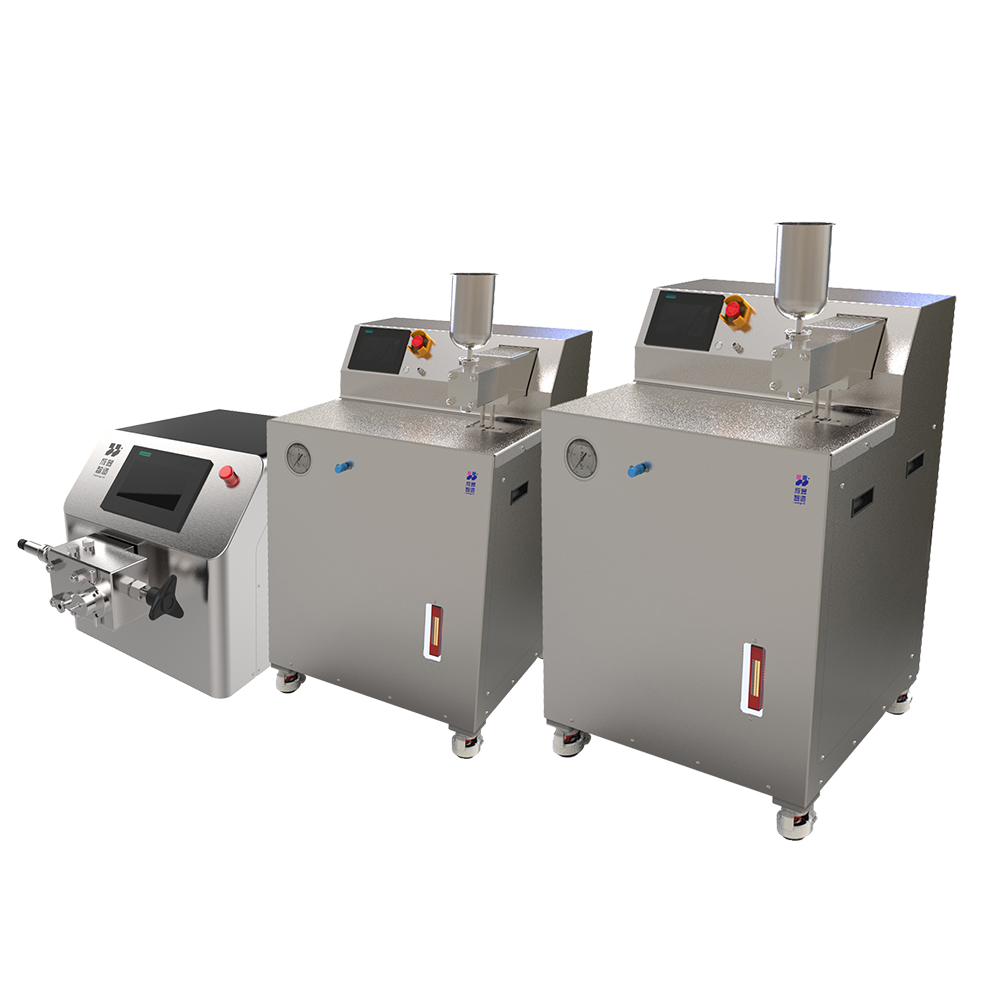 High Pressure Homogenizers
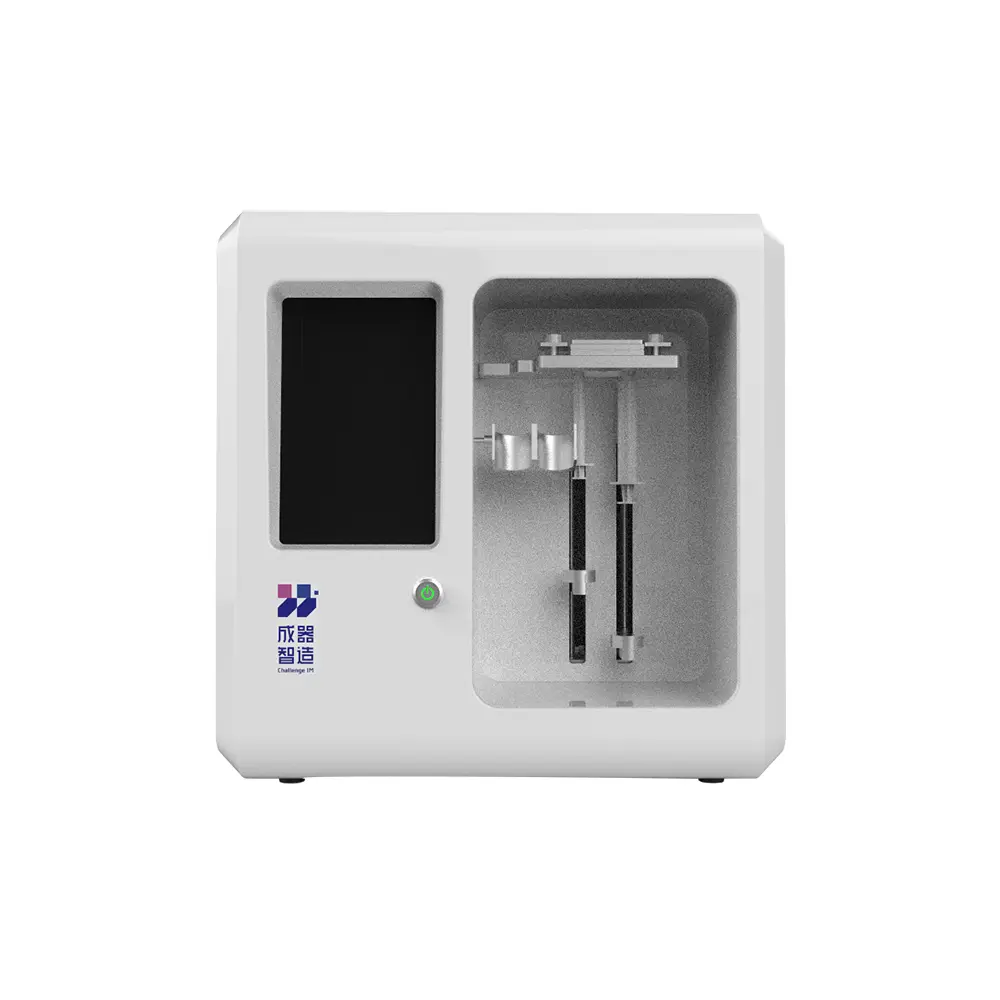 Microfluidics