Top Filtration System Benefits and How to Choose One?
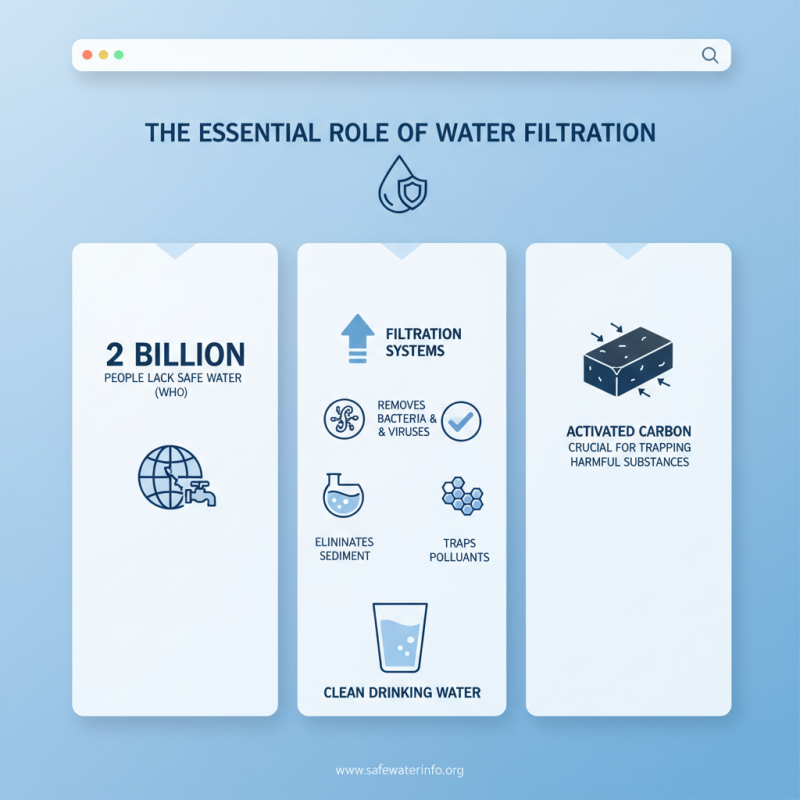
In today's world, clean water is essential for health and well-being. The demand for efficient Filtration Systems has surged as waterborne diseases remain a concern. According to the World Health Organization, about 2 billion people lack access to safe drinking water. A reliable filtration system can significantly reduce these risks by removing harmful contaminants.
Choosing the right Filtration System can be daunting. Various factors come into play, including filtration technology, water quality, and household needs. A recent industry report highlights that over 40% of consumers are unsure about their filtration options. This uncertainty emphasizes the need for clarity in selecting a system that meets individual requirements.
Many people underestimate the importance of proper maintenance. Neglecting filter replacement can lead to inefficiency and health risks. Understanding the long-term benefits of a well-chosen Filtration System is vital. Investing time and resources into research can prevent costly mistakes and improve quality of life.
Key Advantages of Filtration Systems in Water Purification
The importance of filtration systems in water purification cannot be overstated. According to a report by the World Health Organization, 2 billion individuals lack safe drinking water. Filtration systems address this crisis by removing pollutants. They effectively eliminate bacteria, viruses, and sediment. In many systems, activated carbon proves crucial. It attracts and traps harmful substances.
Another significant advantage is the reduction of chemicals in drinking water. A study from the EPA indicated that filtration systems can cut chlorine levels by over 90%. Reduced chlorine results in better taste and improved health. However, not all systems meet safety standards. Some units can give a false sense of security. Regular maintenance is essential to ensure effectiveness.
Many people overlook the variety of filtration options available. Reverse osmosis and UV filters are popular choices, each offering different benefits. The wrong choice can lead to unresolved issues. Understanding each system's limitations is vital. Sometimes, a simple connection leak can compromise overall safety. People must invest time to select wisely.
Types of Filtration Systems and Their Unique Applications
When considering filtration systems, understanding the types available is crucial. Each system has unique applications suited for various needs. For example, activated carbon filters are excellent at reducing chlorine taste and odors. These systems are commonly used in residential water treatment. According to a 2022 industry report, activated carbon systems account for about 30% of the water filtration market.
Another popular option is reverse osmosis (RO) filtration. This system effectively removes contaminants and impurities. It’s often chosen for drinking water applications. A study published in 2023 showed that RO systems can eliminate up to 99% of pollutants. However, they can also waste water during operation, and their efficiency can vary based on feed water quality.
Ultrafiltration is growing in popularity, particularly in industrial settings. It separates particles and large molecules without the need for chemicals. This method is noted for its sustainability, but it can be more costly. Many users hesitate due to higher upfront expenses. Balancing performance with cost is essential for potential buyers. Understanding these various systems is vital for making informed choices.
Factors to Consider When Choosing a Filtration System for Your Needs
When choosing a filtration system, consider your specific needs. Water quality varies widely. It’s essential to test your water first. Understand what contaminants you want to remove. Common issues include sediments, chlorine, and bacteria. Each filter type targets different concerns.
Think about the size of the system. Compact models fit small spaces. Larger systems may handle more water. Installation is another point to weigh. Some are simpler to set up than others. DIY options can save money but might lead to mistakes.
Maintenance is crucial. Some filters need changes every few months. Others might last longer but be pricier. Keep track of schedules. Ignoring this can reduce efficiency. Lastly, look at flow rates. A system can be slow. This could affect daily usage. Reflect on these factors carefully. Your choice will impact your water quality significantly.
Top Filtration System Benefits and How to Choose One?
| Benefit |
Description |
Factors to Consider |
Recommended Type |
| Improved Water Quality |
Filters out impurities, contaminants, and sediments. |
Water source, contaminant types. |
Activated Carbon Filter |
| Cost-Effectiveness |
Reduces the need for bottled water, saving money. |
Initial setup cost, maintenance expenses. |
Reverse Osmosis System |
| Eco-Friendly |
Reduces plastic waste from bottled water. |
Filter material, waste produced. |
Gravity Filters |
| Convenience |
Provides easy access to clean water at home. |
Installation space, ease of use. |
Countertop Filter |
| Health Benefits |
Eliminates harmful pathogens and chemicals. |
Health concerns, specific contaminants. |
Ultraviolet (UV) Filter |
Maintenance and Care Tips for Optimal Filtration System Performance
To maintain optimal performance of your filtration system, regular maintenance is key. Start by checking filters monthly. Replace them as necessary. Clogged filters can reduce efficiency. If you notice any unusual noises or smells, it’s time to inspect further. Sometimes the issue is easy to fix, but other times, it may require professional help.
Cleaning the housing of your system is essential. Dust and debris can accumulate, affecting airflow. Wipe down surfaces with a clean, damp cloth. Don’t forget to examine hoses for leaks or wear. A damaged hose can compromise the entire system. Additionally, keep the area around your filtration system clear, as clutter can obstruct airflow.
Consider performing a deep cleaning once a year. This involves removing and rinsing components. It may seem like a hassle, but neglecting this step can lead to poor performance. Reflect on your routine—are you consistent with your maintenance? If you struggle with this, set reminders. Small changes can lead to significant improvements in performance and longevity.
Top Filtration System Benefits
This chart illustrates the various benefits of using filtration systems, including improved water quality, better taste, cost savings, and environmental impact. Each benefit is represented by the height of the respective bar, showing its significance.
Comparative Analysis of Popular Filtration Systems on the Market
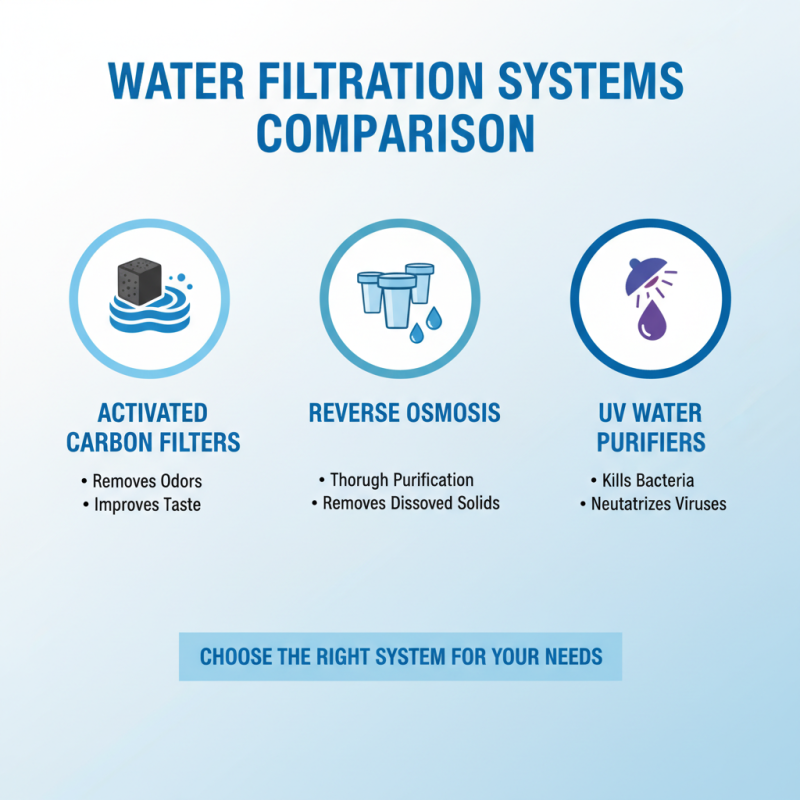
When comparing filtration systems, understanding their features is essential. Various types exist, each with distinct benefits. The most common systems include activated carbon filters, reverse osmosis, and UV water purifiers. Activated carbon filters excel at removing odors and improving taste. Reverse osmosis provides thorough purification, even from dissolved solids.
Many consumers overlook maintenance costs. Regular filter changes are necessary. Some systems require more frequent replacements than others. A seemingly cost-effective option might become expensive over time. Think about the lifespan of the filters before purchasing.
**Tips:** Check user reviews and ratings. They can provide insight into performance. Analyze the filtration capacity. Choose a system that matches your water needs. Assess the complexity of installation. Some require professional help, which can add to the total cost. Make an informed decision after considering all aspects.


 Tangential Flow Filtration(TFF) System
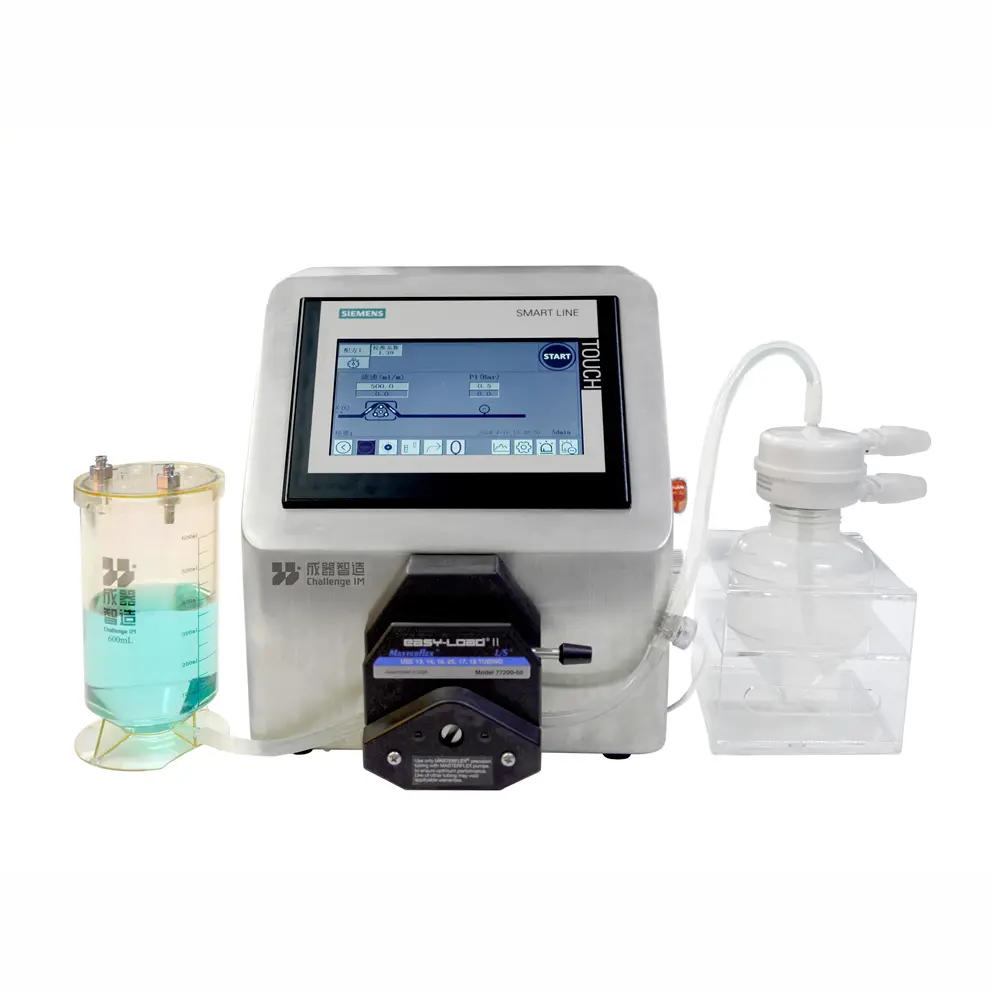 Jump Pump
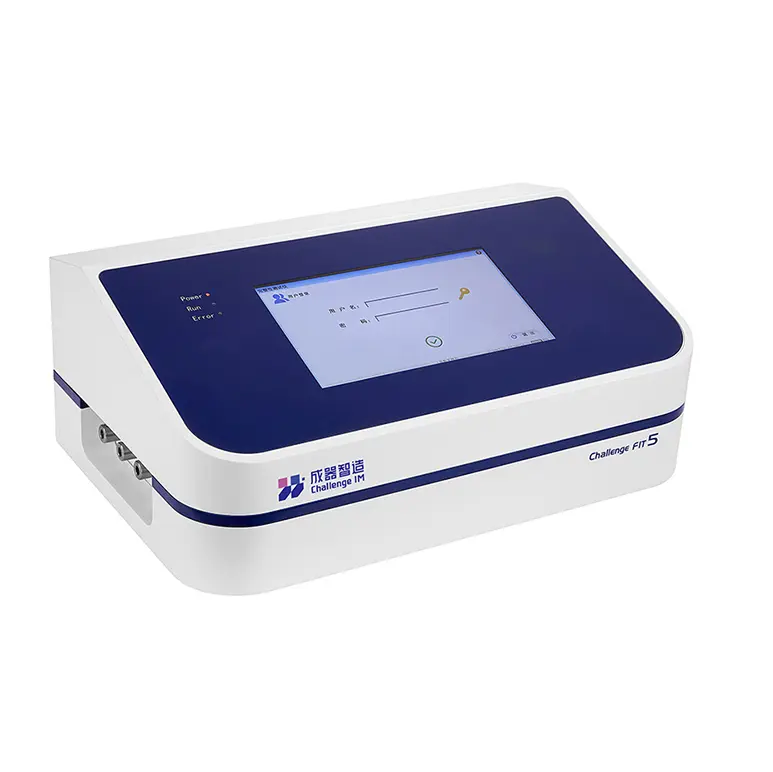 FIT Integrity Tester
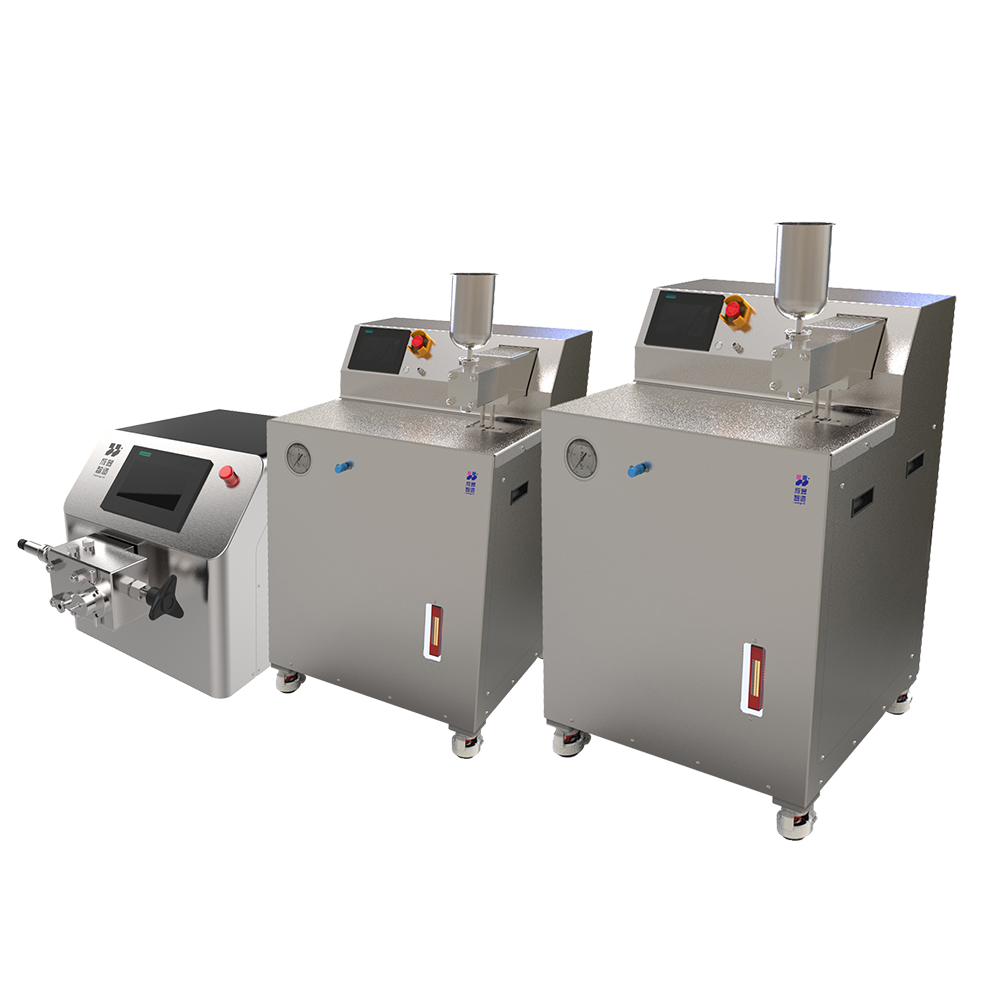 High Pressure Homogenizers
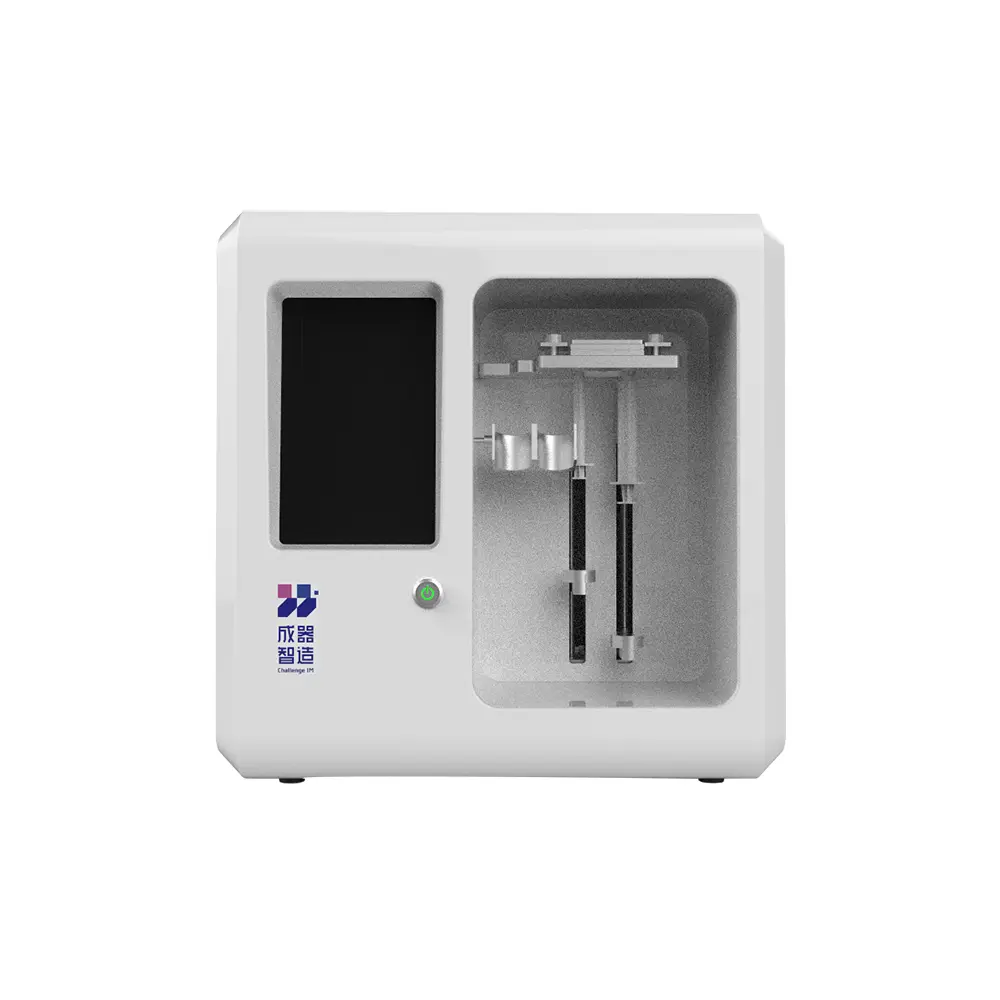 Microfluidics