2026 How to Choose the Right Filter Bag for Your Needs?
Selecting the right Filter Bag is vital for industries relying on filtration processes. According to a recent market report by Filters & Filtration Industry Review, the global filter bag market is projected to reach $4.5 billion by 2026. This highlights the growing importance of filter efficiency and material quality.
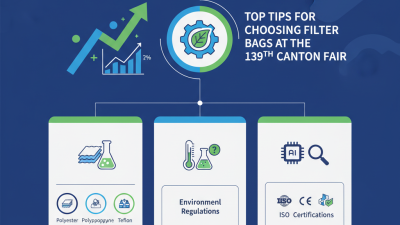
Expert Dr. Henry Thompson, a respected figure in filtration technology, emphasizes, "Choosing the right filter bag can significantly impact both operational efficiency and cost savings." Each application demands different filtration solutions. For instance, food processing uses Filter Bags made with FDA-compliant materials. In contrast, industrial applications often require heavy-duty, chemical-resistant options to handle harsh substances.
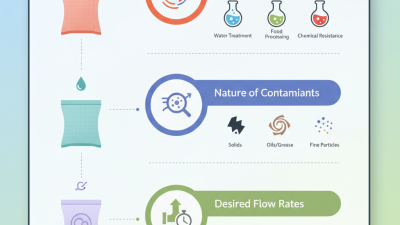
Many companies overlook the specific requirements of their systems, leading to suboptimal performance. Detailed analysis of your filtration needs is crucial. Consider factors like micron rating, flow rate, and material compatibility. Proper selection of Filter Bags not only enhances productivity but also extends equipment life. It’s a challenge, but addressing it can lead to better results.
Understanding the Purpose of Filter Bags in Various Applications
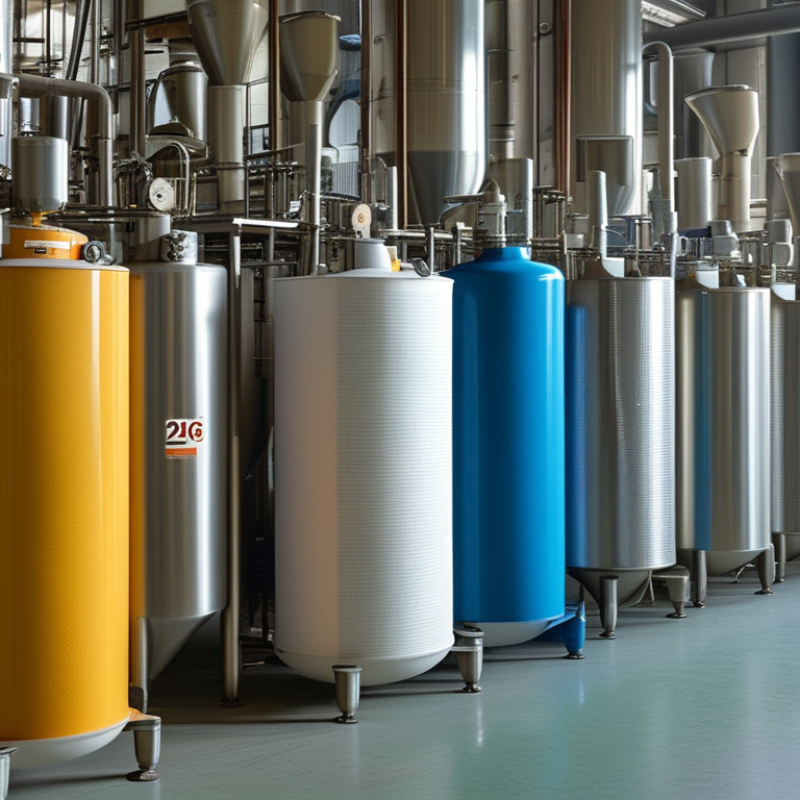
Filter bags play a crucial role in various applications, particularly in environmental and industrial sectors. They help remove solid particles from liquids or gases. Understanding their purpose can guide users in selecting the right type for their needs. For instance, in water treatment facilities, filter bags are essential for removing contaminants before water is released or recycled.
In manufacturing, filter bags improve air quality by capturing dust and particulate matter. They not only enhance safety but also comply with regulations. Choosing the wrong filter can lead to inefficiencies. A bag not suited for the specific application may clog quickly or fail to filter effectively.
Consider the specific needs of your application carefully. A thorough assessment helps in making informed decisions. The filtration material, pore size, and bag shape are all critical factors. Reflecting on past experiences can lead to better choices. Learning from previous challenges is vital in the evolving landscape of filtration technology.
Understanding Filter Bag Applications
Types of Filter Bags and Their Specific Uses
Choosing the right filter bag requires an understanding of various types available. Filter bags serve unique purposes in different industries. Common types include polyester, polypropylene, and cellulose, each with specific applications.
Polyester filter bags are versatile and nutrient-dense. They are efficient in collecting particles in air and liquid filtration. According to industry reports, they can capture 98% of particles larger than 5 microns. This makes them ideal for painting and powder coating environments.
On the other hand, polypropylene bags have a lower cost yet offer excellent chemical resistance. They excel in water treatment applications, handling pH levels ranging from 0 to 14. Cellulose bags are biodegradable, suitable for food industry processes. However, they are not as durable as synthetic options, leading to concerns about efficiency in high-demand settings.
Evaluating these options involves recognizing trade-offs. Each type has merits and drawbacks. Choosing incorrectly can lead to increased downtime and costs. Expertise in filter selection is crucial for optimizing operational efficiency.
Key Factors to Consider When Selecting Filter Bags
When selecting the right filter bag, several key factors come into play. Understanding the filtration application is essential. Different environments require different materials. For instance, polyester is suitable for particulate filtration. In contrast, polypropylene offers better chemical resistance. According to a recent industry report, about 70% of filtration failures arise from material mismatch.
Another critical factor is the bag size and design. Proper sizing ensures optimal flow rates and captures contaminants effectively. A poorly designed bag can lead to bypass, allowing particles to escape. Furthermore, the bag's micron rating is vital. Choose bags with appropriate micron sizes for your specific application. Reports indicate that using a bag with a too-large micron rating can increase liquid turbidity by over 30%.
Lastly, consider the operational conditions. Factors like temperature, pressure, and chemical exposure significantly affect filter bag performance. Regularly reviewing these aspects helps to prevent costly downtime. This reflection on past choices often highlights areas for improvement. Selecting the right filter bag is not just a one-off decision; it requires ongoing analysis and adaptation to changing needs.
Evaluating Material Options for Filter Bags
Choosing the right filter bag involves understanding the material options available. Different materials offer unique benefits based on the application intended. Common materials include polyester, polypropylene, and nylon. Polyester is durable and resistant to abrasion, making it suitable for various industrial applications. Polypropylene, on the other hand, is lightweight and affordable, but it may not withstand high temperatures. Nylon offers great flexibility but tends to absorb moisture.
Tips for selecting the right material: Consider the temperature range of your application. If your process reaches extreme temperatures, polyester is a better choice. Also, evaluate the chemical compatibility. Some materials degrade when exposed to specific substances, impacting performance.
Regularly assess your filter bags' effectiveness. Over time, wear and tear can reduce efficiency. It's helpful to keep a log of performance metrics. This data can guide future purchases and material choices. Reflect on your needs periodically to ensure you are using the most suitable filter bag for your processes.
2026 How to Choose the Right Filter Bag for Your Needs? - Evaluating Material Options for Filter Bags
| Material Type |
Typical Applications |
Filtration Efficiency (%) |
Temperature Resistance (°C) |
Cost (per unit) |
| Polyester |
Water treatment, Food processing |
90 |
120 |
$2.00 |
| Nylon |
Industrial applications, Chemical filtration |
85 |
150 |
$3.50 |
| Polypropylene |
Pharmaceuticals, Water filtration |
92 |
90 |
$1.80 |
| PTFE |
High-temperature applications, Chemical processing |
98 |
260 |
$5.00 |
| Cotton |
Food and beverage filtration |
75 |
80 |
$1.20 |
Maintenance and Disposal Guidelines for Filter Bags
Maintaining filter bags is essential for optimal performance. Routine inspection can prevent costly downtime. Regular checks help identify blockages or damages. If you discover significant wear or improper sealing, it might be time for a replacement.
Proper disposal is equally important. When filter bags reach the end of their life cycle, they should be disposed of responsibly. Follow local regulations for disposal. Many materials from filter bags can be recycled. This practice minimizes environmental impact and promotes sustainability.
Moreover, educating staff on these guidelines can enhance overall efficiency. Sharing best practices can lead to better maintenance routines. Reflecting on your methods may reveal areas for improvement. This ongoing dialogue fosters a culture of responsibility and care.


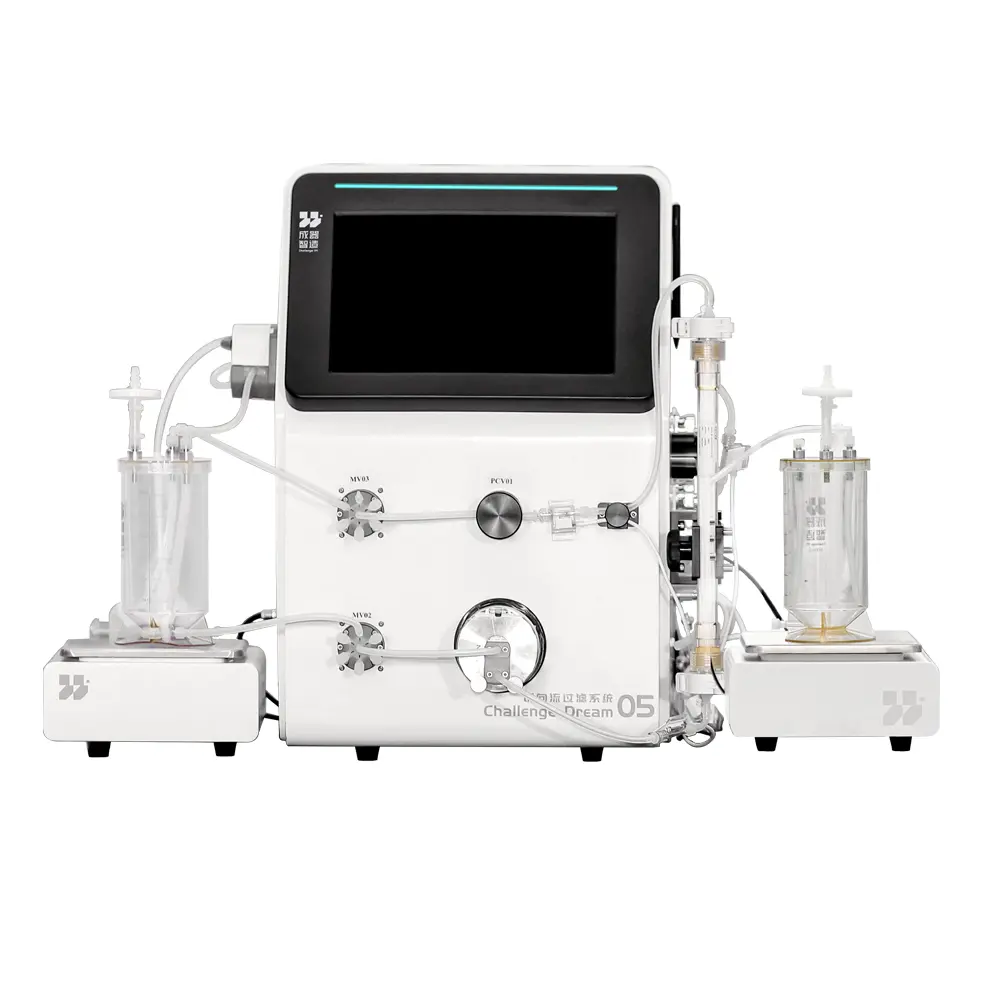 Tangential Flow Filtration(TFF) System
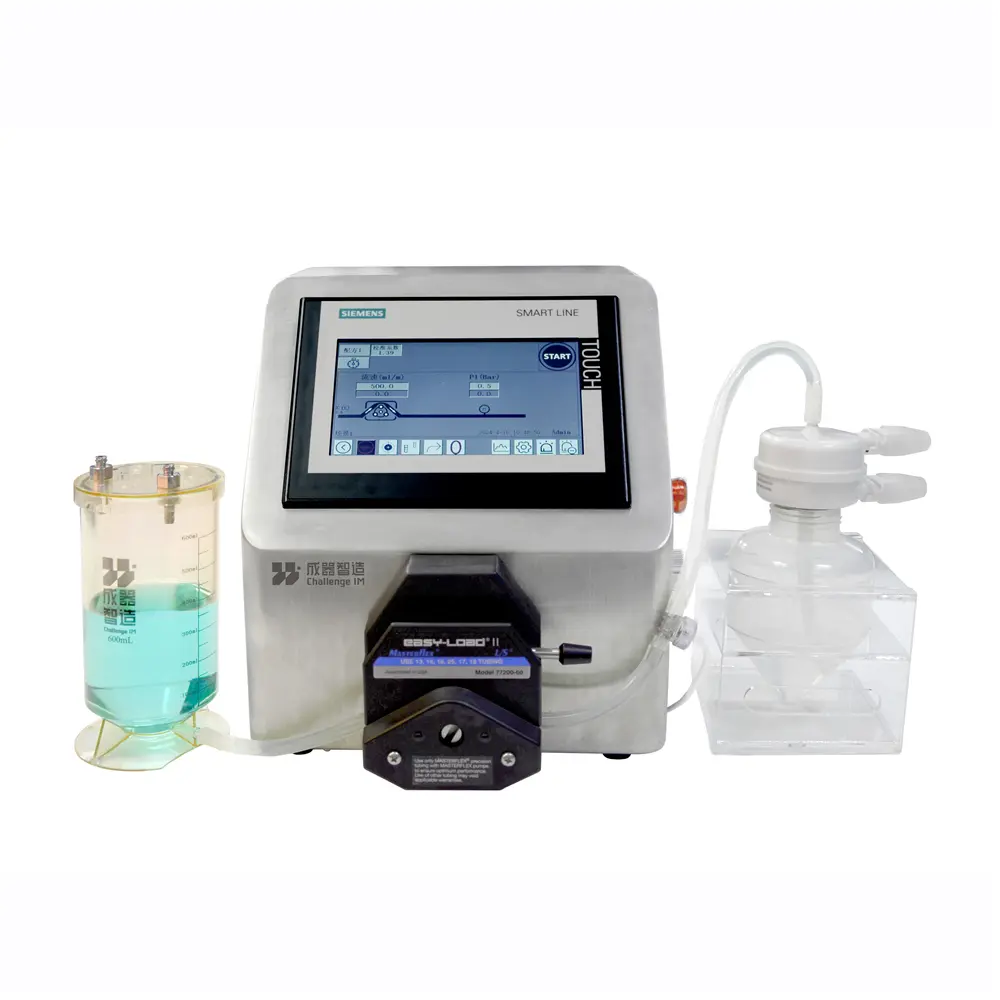 Jump Pump
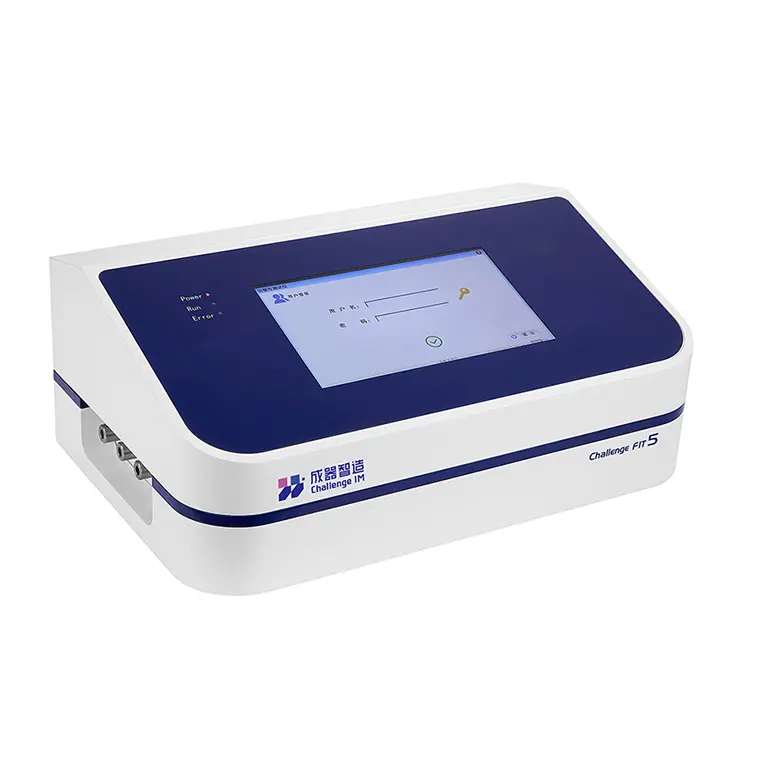 FIT Integrity Tester
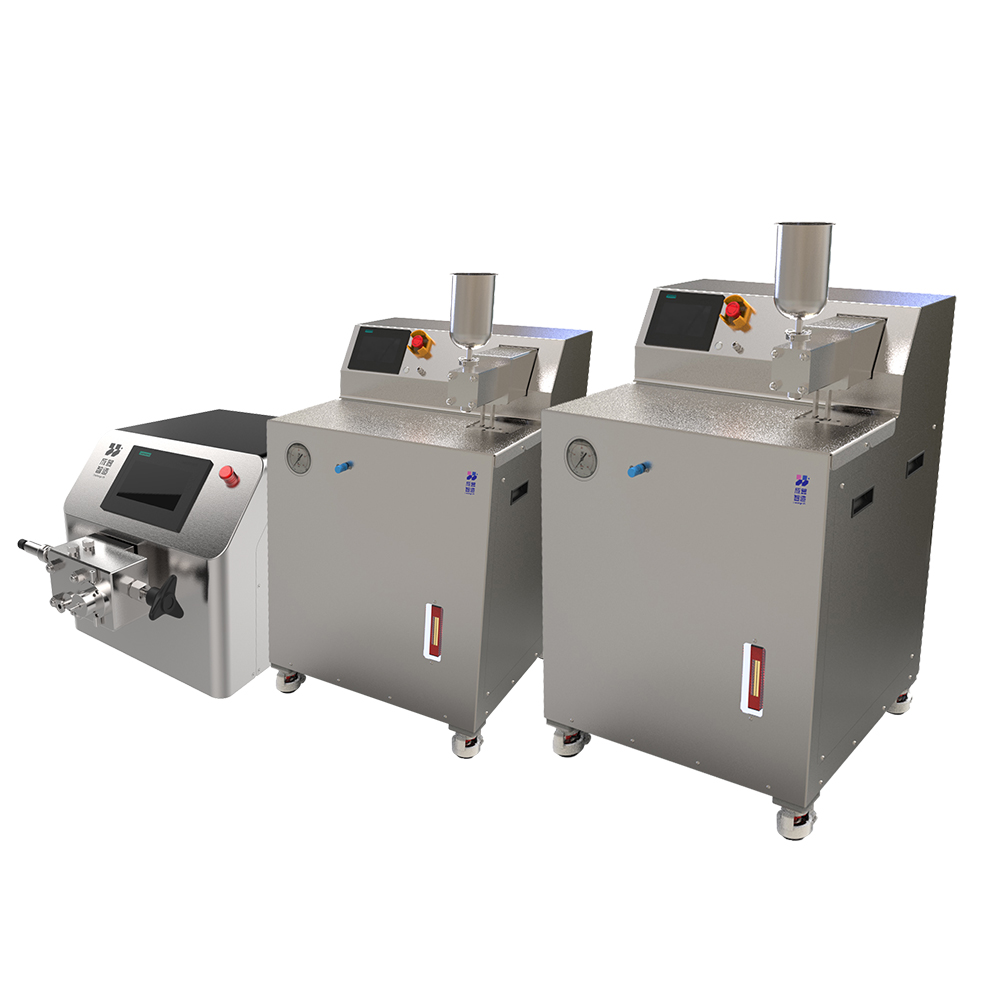 High Pressure Homogenizers
 Microfluidics