Why is Pre Filtration Important for Water Quality?
Pre-Filtration plays a crucial role in ensuring water quality. According to Robert Evans, a leading expert in the Pre-Filtration industry, "Effective Pre-Filtration is the first step toward safe drinking water." This highlights the importance of removing impurities before water reaches treatment facilities.
Water often carries sediments, chemicals, and microbes. These contaminants can significantly affect health and taste. Pre-Filtration systems help to eliminate these harmful particles. By doing so, they protect both people and infrastructure. However, many overlook this vital process. Some systems fail to implement adequate Pre-Filtration, leading to potential risks.
Investing in quality Pre-Filtration can be cost-effective. But organizations still grapple with understanding its importance. A lack of awareness can lead to subpar water quality. In the end, everyone deserves access to clean water. Yet, without proper Pre-Filtration, achieving this remains a challenge. Awareness and action must improve.
Importance of Water Quality in Daily Life
Water quality plays a crucial role in our daily lives. According to the World Health Organization, about 2 billion people lack access to safe drinking water. This statistic highlights the urgent need for effective solutions. Contaminated water can lead to serious health issues. Diarrheal diseases, for instance, are a leading cause of death in children under five.
Pre filtration is an essential step in ensuring that water is safe. It removes large particles and impurities before the main filtration process. Research indicates that pre filtration can increase the longevity of primary filters. It can also enhance the overall effectiveness of the water purification system. Without it, harmful microorganisms may remain in the water. The Centers for Disease Control and Prevention notes that even small amounts of contaminants can pose risks.
In daily activities, poor water quality affects everything. Using contaminated water for cooking can compromise food safety. Showering with unfiltered water may lead to skin irritations. The implications of water quality are widespread. Individuals and communities need to prioritize clean water access. Real change requires awareness and action on all levels.
Understanding the Concept of Pre Filtration
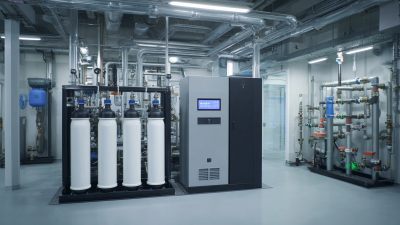
Pre-filtration is a crucial step in ensuring water quality. This process involves the removal of large particles and sediments before water undergoes further treatment. According to a report by the World Health Organization, untreated water can contain up to 10 million bacteria per liter. Pre-filtration significantly reduces these counts. By filtering out debris, it helps maintain the efficiency of downstream filtration systems.
Understanding the concept of pre-filtration is vital for both residential and industrial applications. Various studies indicate that proper pre-filtration can enhance the lifespan of filtration systems by 30%. Additionally, water treatment facilities often report that effective pre-filtration decreases chemical usage for disinfection. This can lead to cost savings and environmental benefits, making it essential in today's water management practices.
Moreover, not all pre-filtration systems are created equal. Some may only capture larger sediments, while others can handle finer particulates. The effectiveness of pre-filtration can vary based on the original water quality and system design. Thus, continual assessment and adaptation are required. Achieving optimal water quality is an ongoing journey that requires attention to detail and a willingness to adapt methods as new data emerges.
Key Benefits of Implementing Pre Filtration Systems
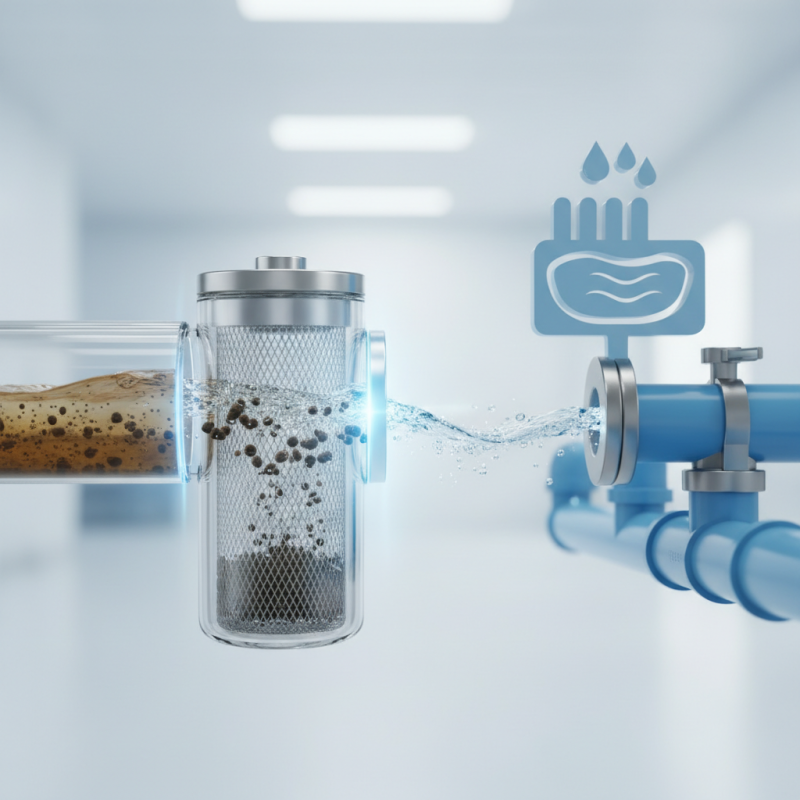
Pre-filtration systems play a crucial role in ensuring high water quality. By removing large particles, they prevent clogging and wear in downstream equipment. This can extend the lifespan of pumps and valves significantly. It’s surprising how often we neglect such simple solutions. Many systems already in place can be improved with pre-filtration.
Implementing these systems brings key benefits. One major advantage is cost savings. Reducing maintenance needs lowers operational costs. Pre-filtration also improves water taste and odor. People often overlook these aspects until a problem arises. Investing in pre-filtration can maximize the effectiveness of water treatment processes.
Moreover, not all pre-filtration systems are equal. Some may need regular monitoring and adjustments. Inadequate filtration can lead to unexpected challenges. It’s essential to evaluate the type of pre-filtration suited for your specific needs. By paying attention to these details, you can achieve better water quality for everyone involved.
Importance of Pre Filtration for Water Quality
Common Contaminants Removed by Pre Filtration
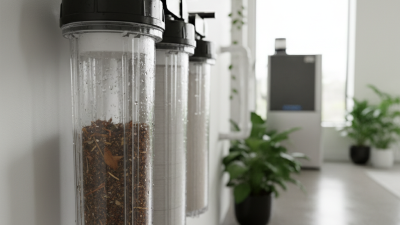
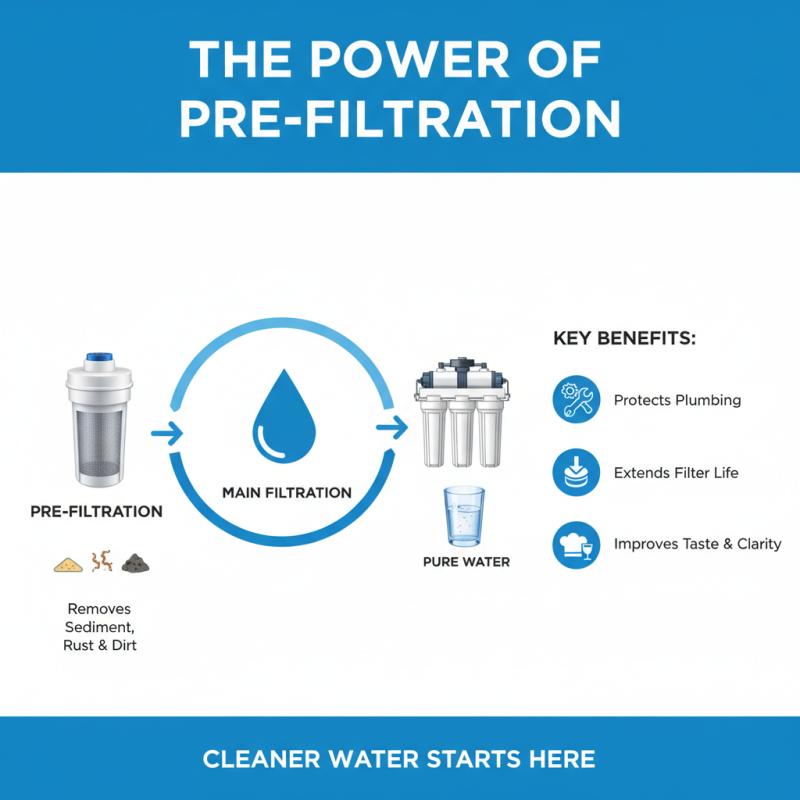
Pre-filtration is crucial for maintaining high water quality. It plays a key role in removing unwanted impurities before water reaches the main filtration system. Common contaminants include sediment, dirt, and rust. These particles can harm plumbing and reduce the efficiency of filters. Moreover, they can affect the taste and clarity of water.
In addition to physical impurities, pre-filtration can remove biological contaminants. Bacteria and viruses are common worries for many households. Activated carbon in pre-filters helps eliminate chlorine and other chemicals. However, not all systems effectively remove all types of bacteria. It's essential to choose a pre-filtration system that meets specific needs and local water quality.
Sometimes, pre-filtration is overlooked. People may not realize how many impurities are present in tap water. Neglecting this step can lead to long-term plumbing issues. Regularly replacing pre-filters is necessary for optimal performance. As water quality concerns rise, understanding the importance of pre-filtration becomes ever more relevant.
Choosing the Right Pre Filtration Method for Your Needs
Choosing the right pre-filtration method is crucial for maintaining optimal water quality. At home or in industrial settings, inadequate filtration can lead to problems. Particles and contaminants can enter your system, affecting taste and safety. This makes choosing the right pre-filtration method essential.
There are various methods to consider. Activated carbon filters are popular for removing chlorine and odor. Sediment filters work well for larger particles. Each method has its benefits and drawbacks. Some may not catch all contaminants, leading to concerns about water purity. Understanding your specific water quality issues is vital.
When selecting a method, consider factors like your water source and contaminants present. Test your water to know what you are dealing with. An informed choice can enhance your water quality significantly. However, take the time to research. Not all methods suit every situation, leading to potential mistakes. Balancing efficiency and cost can be challenging.
Why is Pre Filtration Important for Water Quality? - Choosing the Right Pre Filtration Method for Your Needs
| Pre Filtration Method |
Effectiveness (%) |
Common Uses |
Maintenance Frequency |
| Sediment Filters |
85 |
Removal of sand, silt, and dirt |
Every 6 months |
| Activated Carbon Filters |
90 |
Chlorine and VOC removal |
Every 3 to 6 months |
| Reverse Osmosis Systems |
95 |
Heavy metals and contaminants |
Every 2 years |
| UV Filters |
99 |
Bacteria and viruses |
Yearly |
| Bag Filters |
75 |
Large particles and debris |
Monthly |


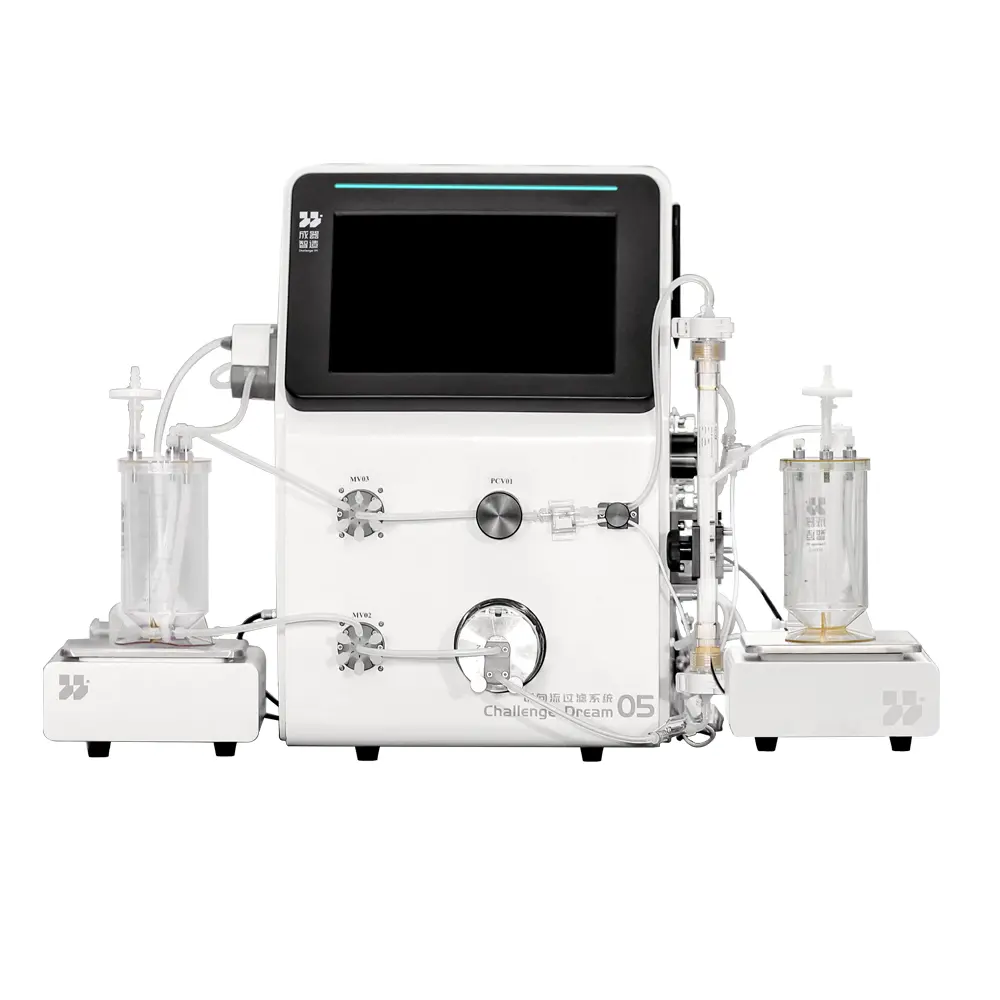 Tangential Flow Filtration(TFF) System
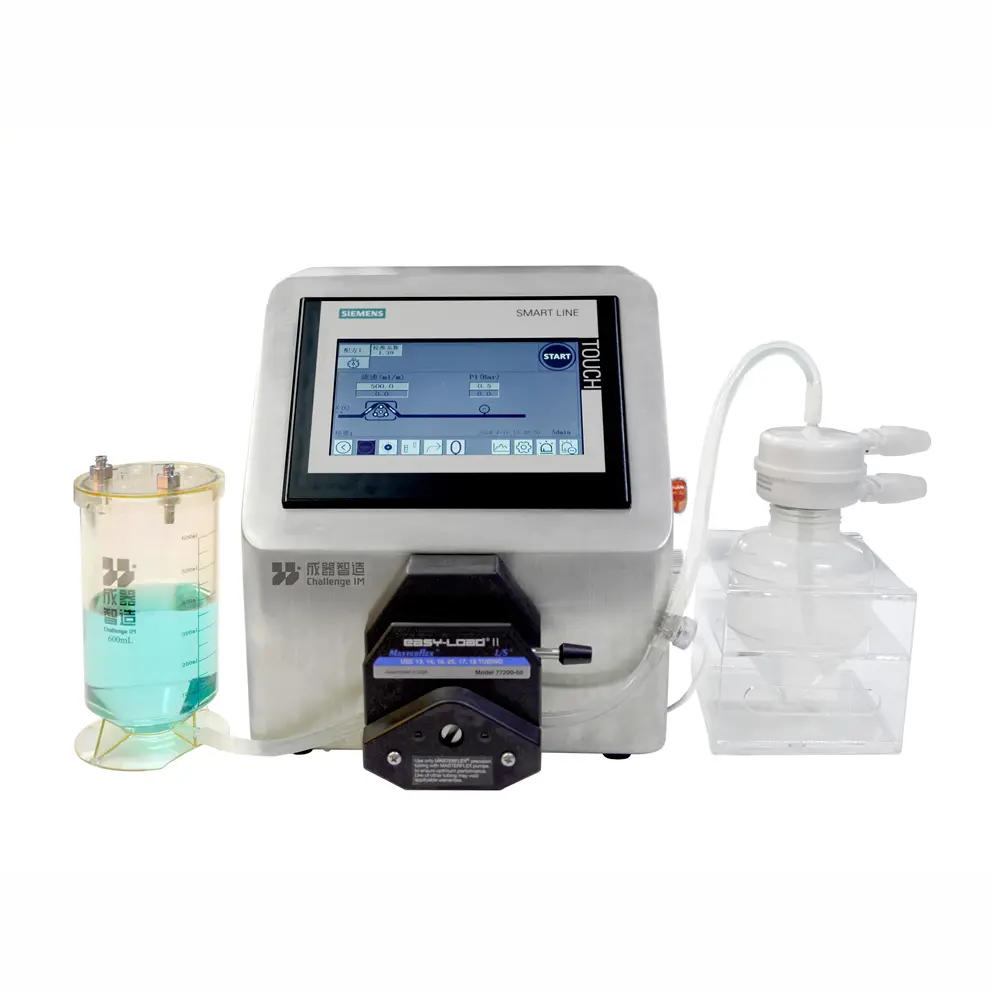 Jump Pump
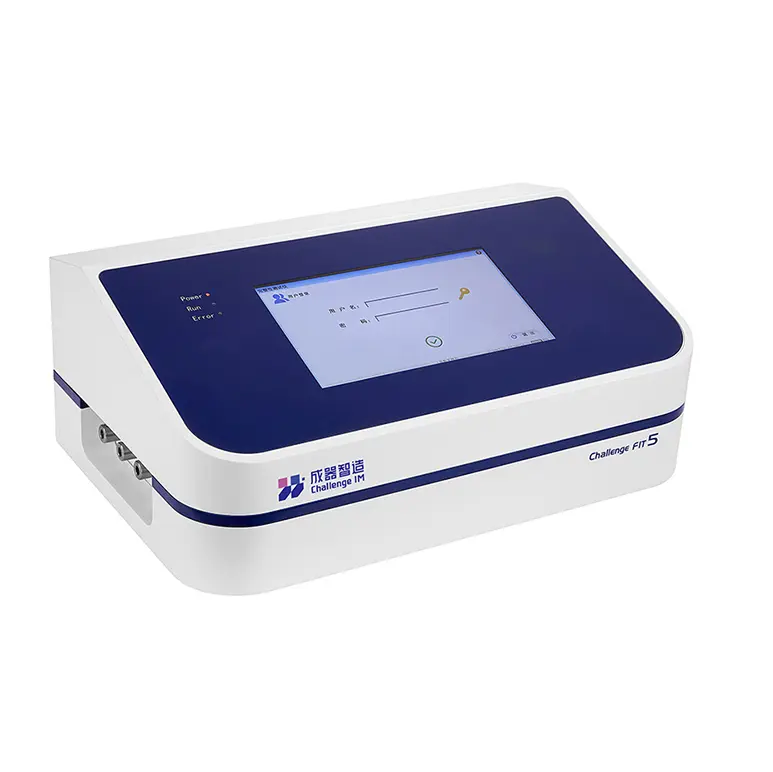 FIT Integrity Tester
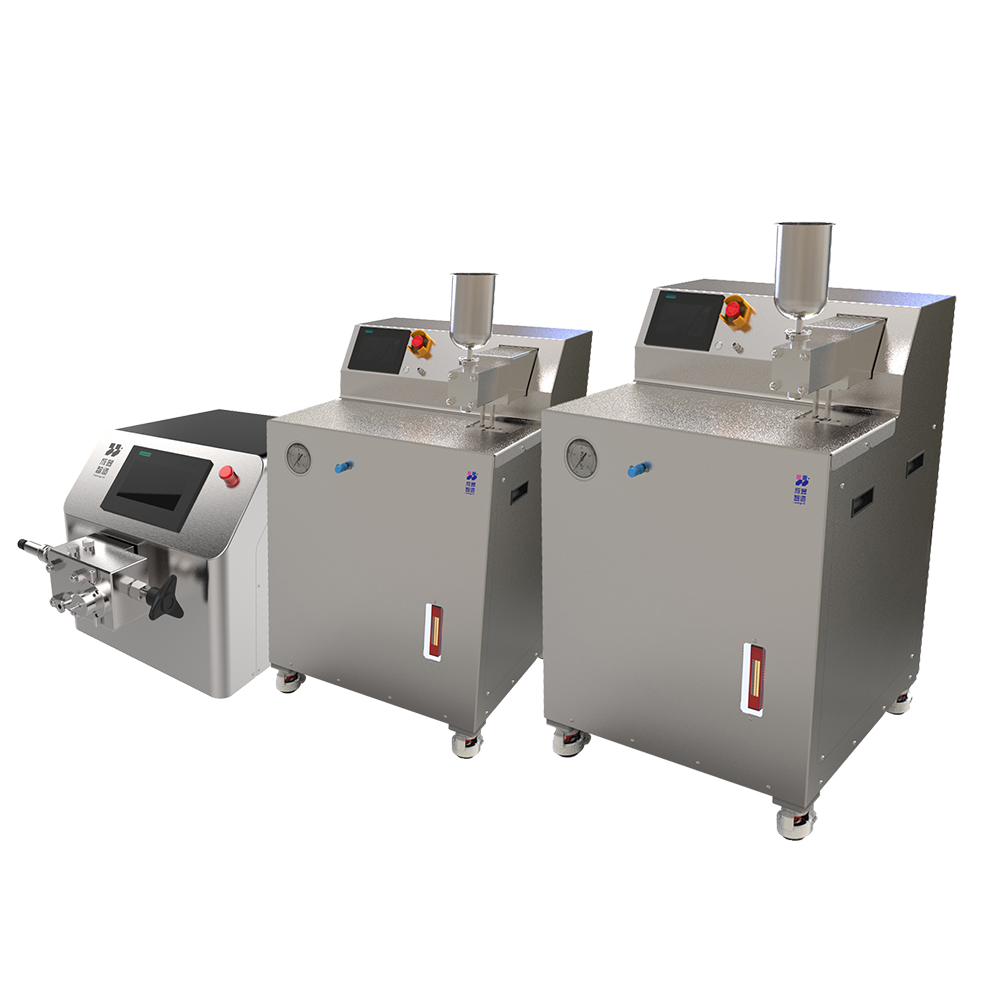 High Pressure Homogenizers
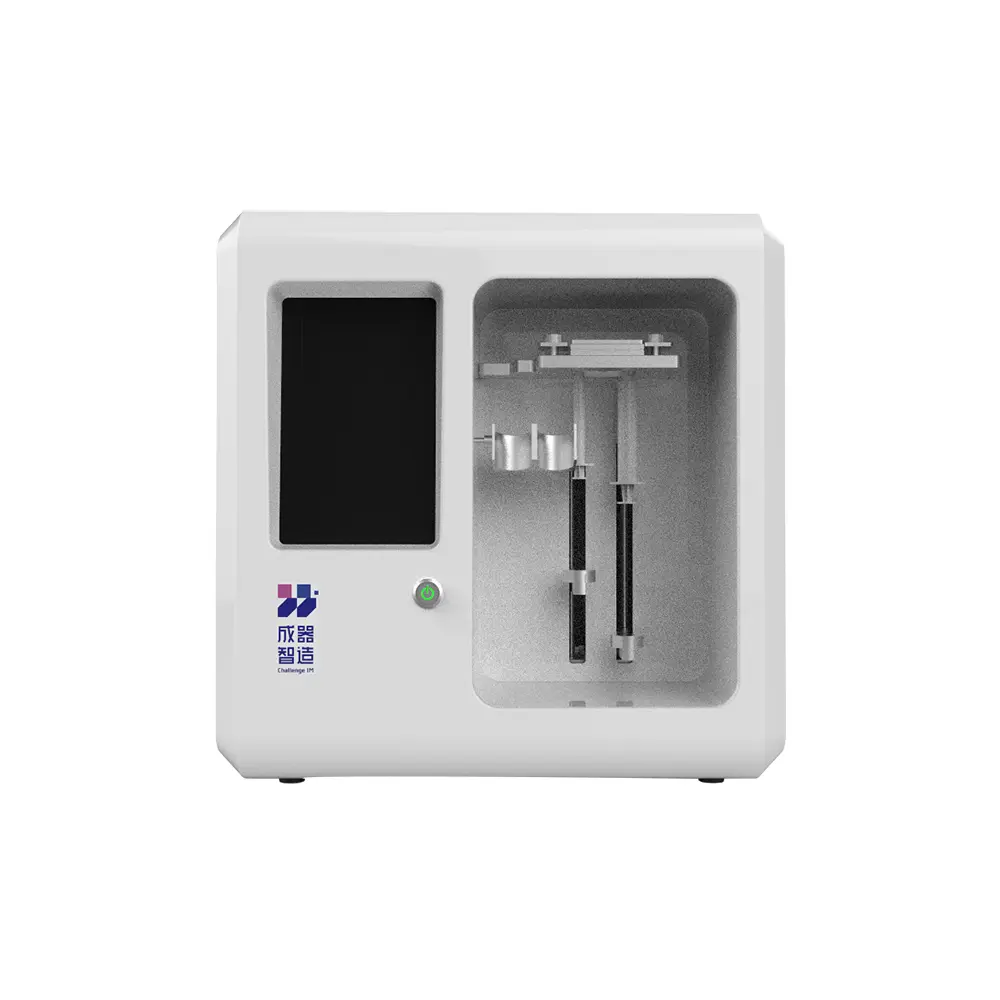 Microfluidics