Why is Laboratory Ultrafiltration Essential for Your Research Needs?
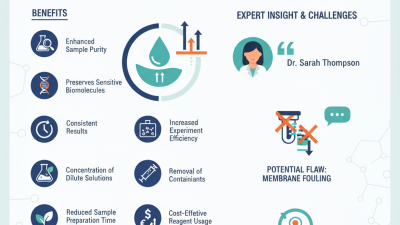
Laboratory Ultrafiltration plays a crucial role in modern research. It is essential for separating and purifying biomolecules. This technique offers researchers a reliable method to obtain high-quality samples.
In various fields, including molecular biology and chemistry, the need for precise separation is urgent. Laboratory Ultrafiltration allows the removal of contaminants while retaining valuable substances. By utilizing specific membranes, researchers can tailor their processes for different applications. This customization enhances research outcomes and boosts data reliability.
However, the effectiveness of Laboratory Ultrafiltration depends on several factors. Selecting appropriate membrane materials and pore sizes is critical. Researchers must understand their samples well to make informed choices. Mistakes in these choices can lead to suboptimal results. Continuous learning and adaptation are essential in this ever-evolving field. Embracing both its strengths and limitations can lead to groundbreaking discoveries.
The Fundamentals of Laboratory Ultrafiltration Technology
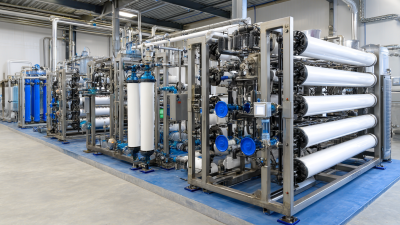
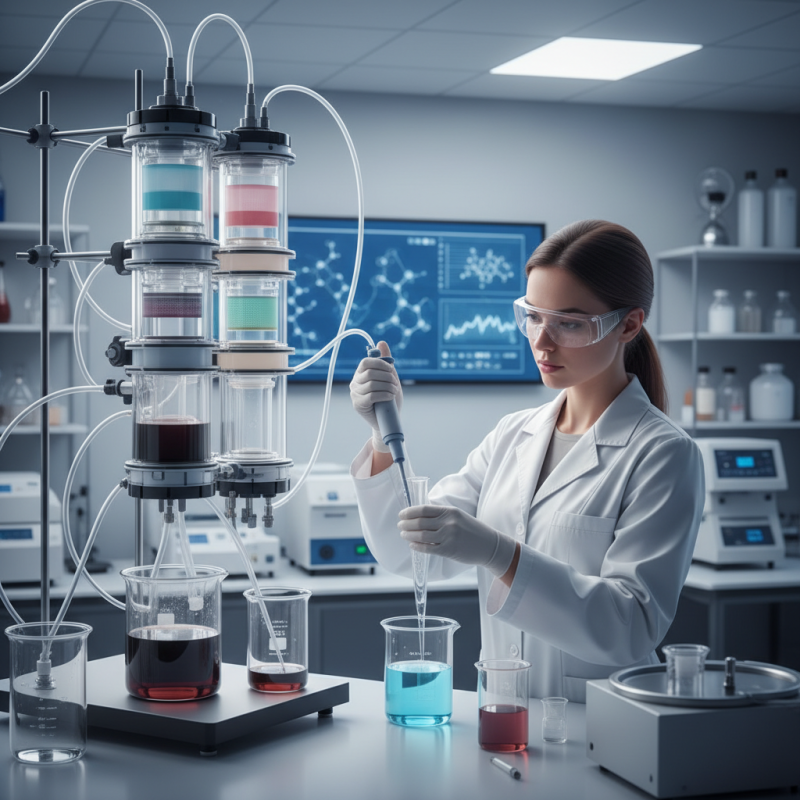
Laboratory ultrafiltration technology plays a crucial role in various research fields. It enables the separation of molecules by size and mass, providing vital insight for scientists. Specifically, ultrafiltration membranes can retain larger solutes while allowing smaller molecules and water to pass through. This selective barrier aids in protein concentration, desalting, and purification processes. According to a recent study, membranes with a cutoff range of 10 kDa are extensively used in biochemical research.
Research indicates that ultrafiltration reduces processing times significantly. Traditional methods can take hours, while ultrafiltration can achieve results in mere minutes. For instance, a report from the Journal of Membrane Science noted that ultrafiltration can enhance purification efficiency up to 90%. This efficiency not only saves time but also conserves resources. However, researchers must carefully select membrane materials to avoid fouling. The right choices are crucial for optimizing results.
Despite its benefits, ultrafiltration has limitations. Some molecules may not segregate effectively, leading to potential losses in data quality. Researchers often find themselves refining their methods to address these shortcomings. Overall, understanding the intricacies of ultrafiltration technology is essential for enhancing research outcomes.
Laboratory Ultrafiltration Technology Application Areas
Key Applications of Ultrafiltration in Scientific Research
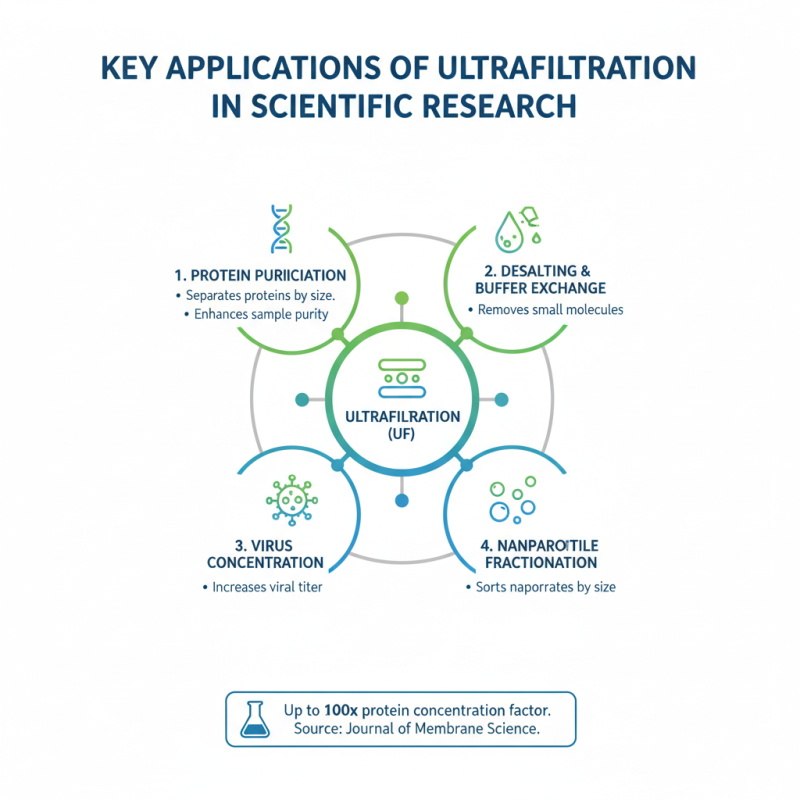
Ultrafiltration (UF) is a vital technique in scientific research, offering a broad range of applications. In biochemistry, it is commonly used for protein purification. Researchers often encounter challenges when isolating proteins from complex mixtures. UF allows for the effective separation of proteins based on size, enhancing the purity of your samples. According to a recent report from the Journal of Membrane Science, UF can achieve protein concentration factors of up to 100, which is significant for downstream applications.
In environmental science, UF plays a crucial role in water purification and wastewater treatment. The technology can remove contaminants such as bacteria, viruses, and macromolecules. A study conducted by the American Society of Civil Engineers highlighted that UF systems can reduce total suspended solids by more than 99%. However, maintaining membrane integrity and performance remains a challenge. Over time, fouling can occur, requiring researchers to find better cleaning techniques.
Additionally, ultrafiltration is essential in pharmaceutical research. It allows for the efficient processing of drug compounds and biological samples. For example, during vaccine production, the removal of extraneous materials is critical. A recent industry analysis showed that UF is increasingly preferred over conventional methods due to its higher efficiency. Despite its advantages, researchers must continually assess the method's limitations, such as cost and scalability. These considerations can affect the application scope of ultrafiltration in future studies.
Benefits of Ultrafiltration for Sample Purification
Ultrafiltration is a crucial technique in laboratory research, particularly for sample purification. This method utilizes semi-permeable membranes to separate particles based on size. Research shows that ultrafiltration can effectively remove 90% of contaminants, enhancing the purity and integrity of samples. A study conducted in 2022 indicated that labs using ultrafiltration achieved a 30% improvement in assay reproducibility.
In addition to its efficiency, ultrafiltration offers precise control over the concentration of biomolecules. This is particularly beneficial in biotechnology and pharmaceutical fields. By concentrating proteins and nucleic acids, researchers can improve yield and facilitate further analysis. Yet, optimizing these parameters requires expertise. Not all membranes or processes yield consistent results. Some studies suggest that improper use can lead to sample loss or denaturation of sensitive molecules.
Achieving reliable outcomes also necessitates ongoing evaluation of ultrafiltration protocols. Researchers must remain vigilant about potential membrane fouling or selectivity issues. According to recent surveys, around 15% of researchers reported challenges with filtration efficiency. Regularly reviewing methodologies can help identify areas needing improvement and ultimately enhance research quality.
Choosing the Right Ultrafiltration Equipment for Your Needs
Choosing the right ultrafiltration equipment is crucial for research success. Ultrafiltration separates particles based on size. This process is vital in many scientific fields, including biochemistry and molecular biology. Selecting equipment that meets specific needs can enhance research outcomes significantly.
Factors to consider include the membrane material and pore size. Compatibility with your sample is critical. If the membrane is unsuitable, results can be inaccurate or inconsistent. Review specifications closely. Don’t forget to consider scalability. Equipment that works for small samples may not perform well at larger volumes.
Training on the equipment is also essential. Some researchers underestimate this need. Proper understanding ensures that you utilize all features effectively. Often, learning curves exist. Staying informed about maintenance is vital too. Equipment that isn’t maintained will yield unreliable results over time. Examine research outcomes frequently; adjust methodologies as necessary.
Best Practices in Ultrafiltration to Ensure Research Integrity
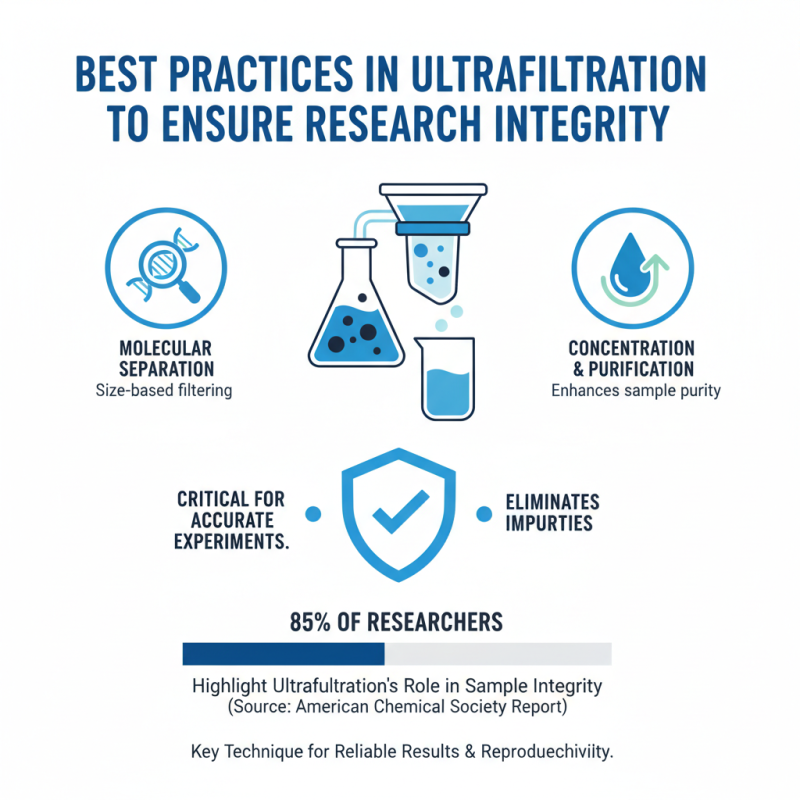
Laboratory ultrafiltration is a pivotal technique in many research settings. It allows researchers to separate molecules based on size, concentrating desired substances while eliminating impurities. This process ensures the accuracy of experimental results. According to a recent report from the American Chemical Society, nearly 85% of researchers highlight the critical role of ultrafiltration in maintaining sample integrity.
Best practices in ultrafiltration must be adhered to for reliable results. For instance, using appropriate membrane materials can significantly impact performance. Researchers should select membranes based on specific molecular weight cut-off values to optimize separation efficiency. Additionally, monitoring pressure and flow rates is crucial. A study showed that improper control of these factors can result in over 30% loss of target compounds.
It's essential to regularly calibrate equipment and validate methods. A lack of standardization can introduce variability, leading to unreliable data. The American Institute of Chemical Engineers emphasizes the importance of conducting pilot tests to refine procedures before large-scale experiments. Continuous evaluation of ultrafiltration processes is vital for enhancing research outcomes and ensuring reproducibility.


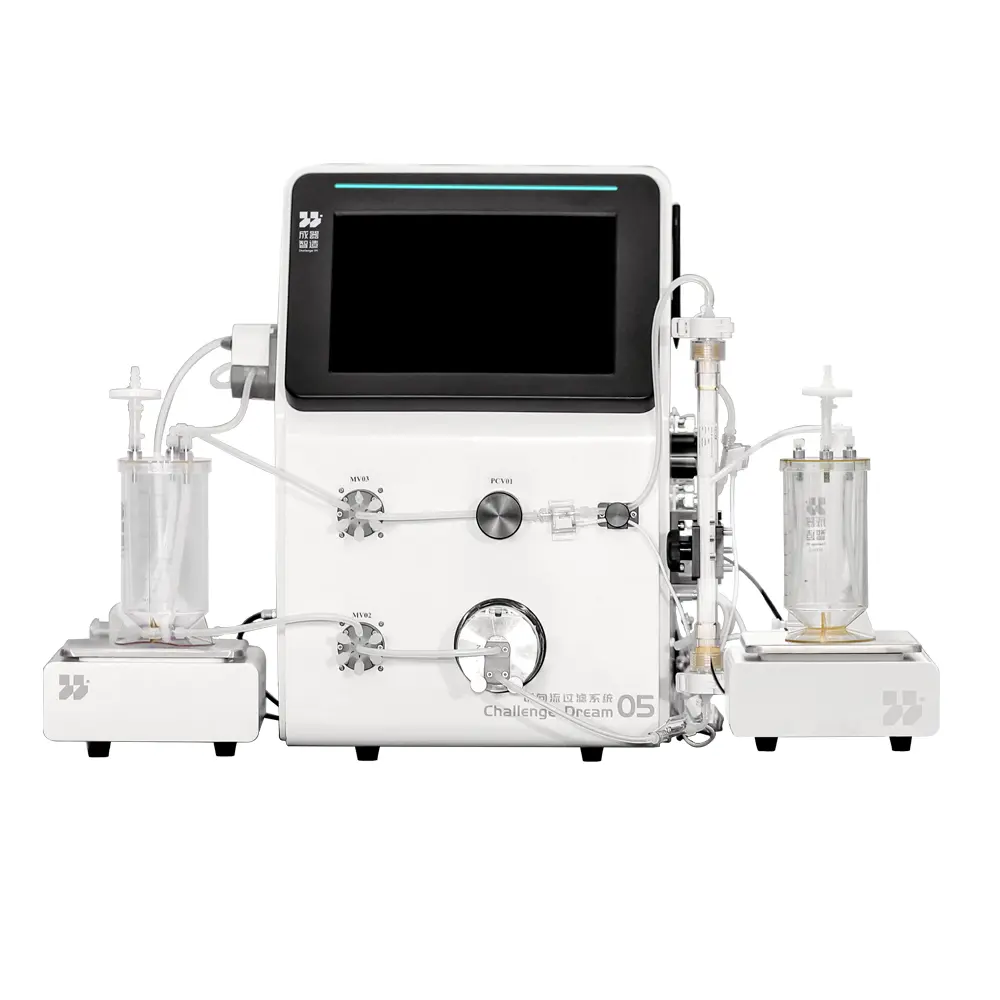 Tangential Flow Filtration(TFF) System
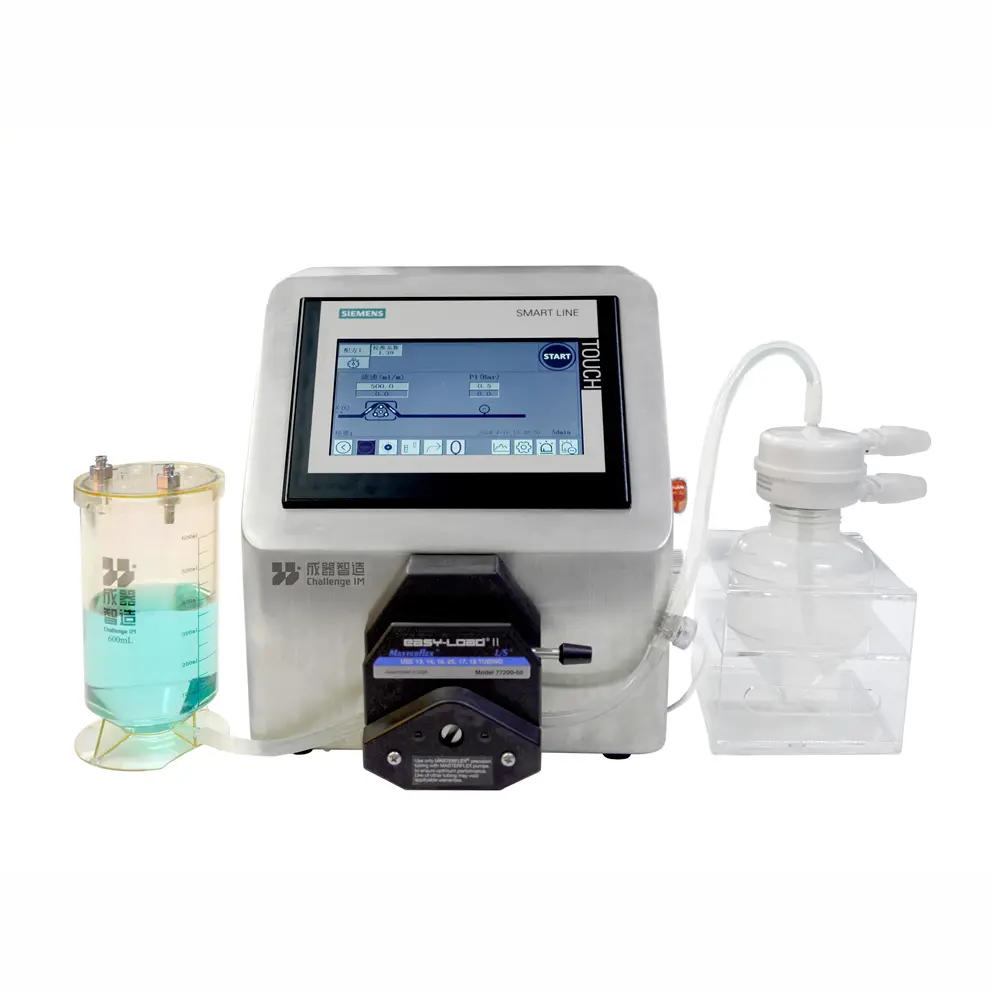 Jump Pump
 FIT Integrity Tester
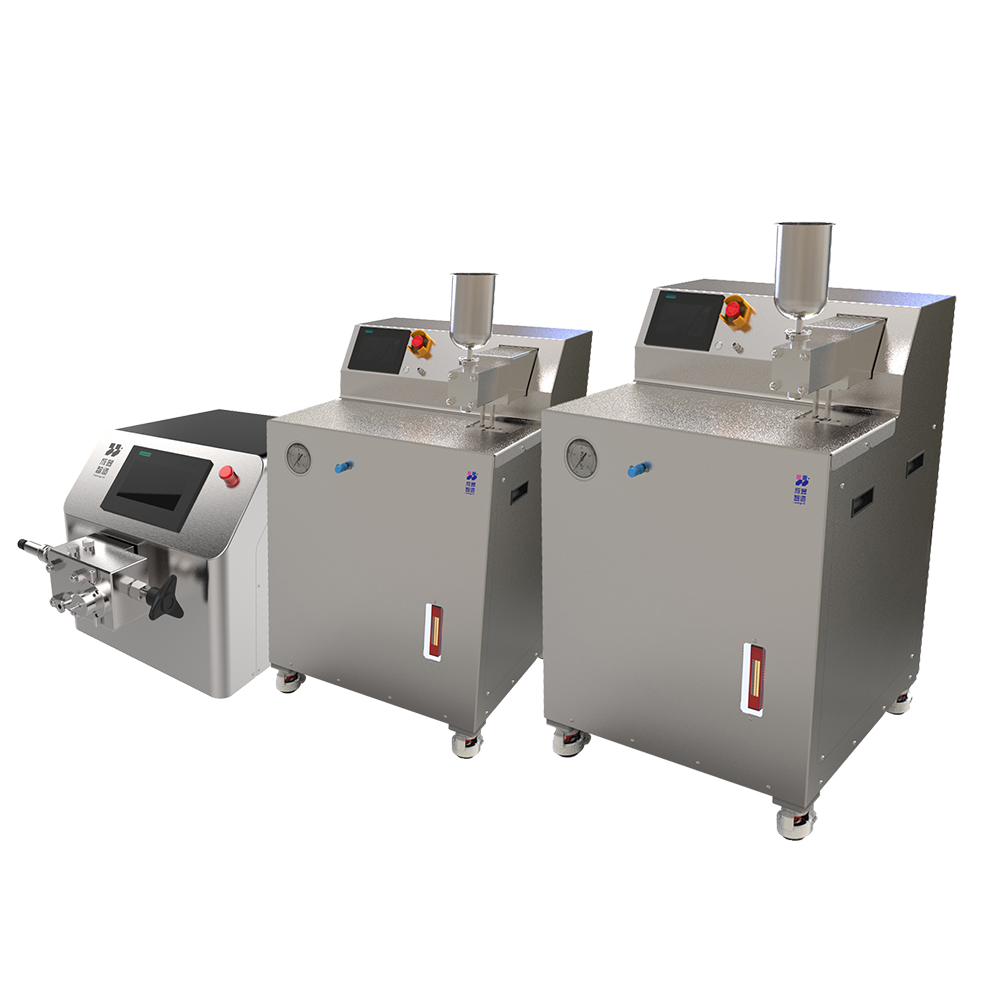 High Pressure Homogenizers
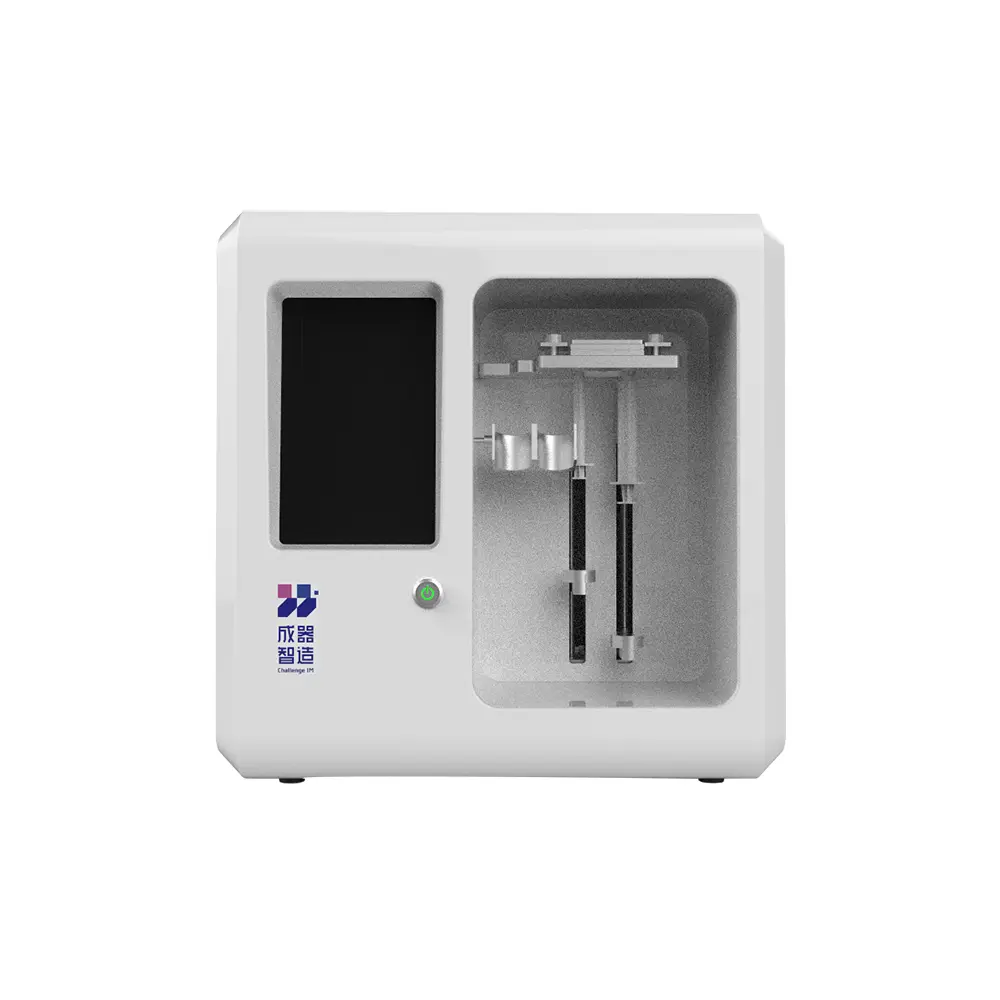 Microfluidics