What is a Peristaltic Pump and How Does it Work?
A Peristaltic Pump is a unique and efficient device widely used in various industries. It operates on a simple principle, mimicking the natural peristalsis found in biological systems. This pump type is valuable for transferring fluids with precision and minimal contamination. Understanding its mechanics helps us appreciate its significance.
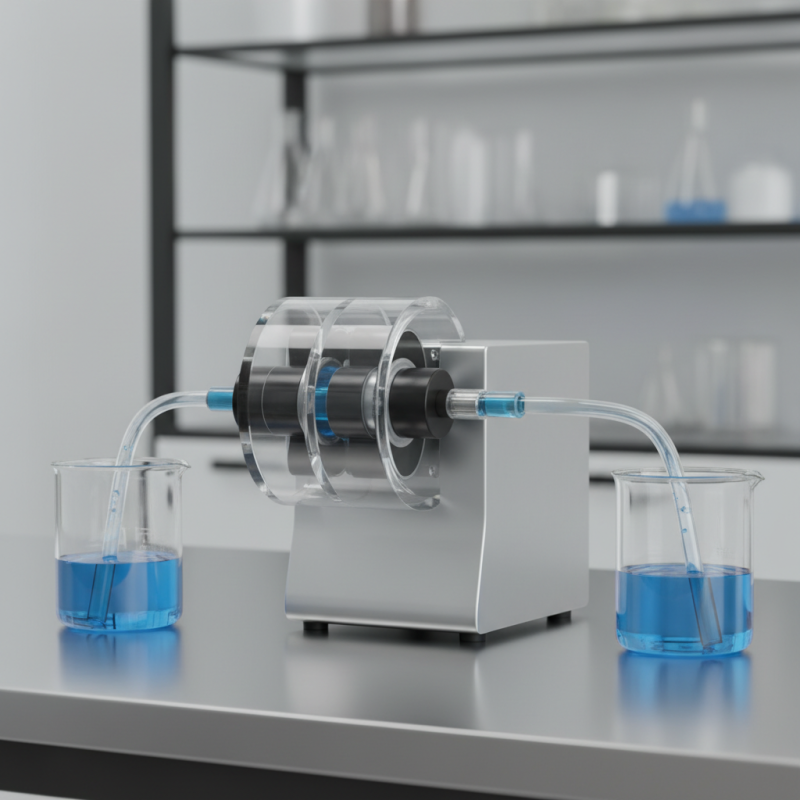
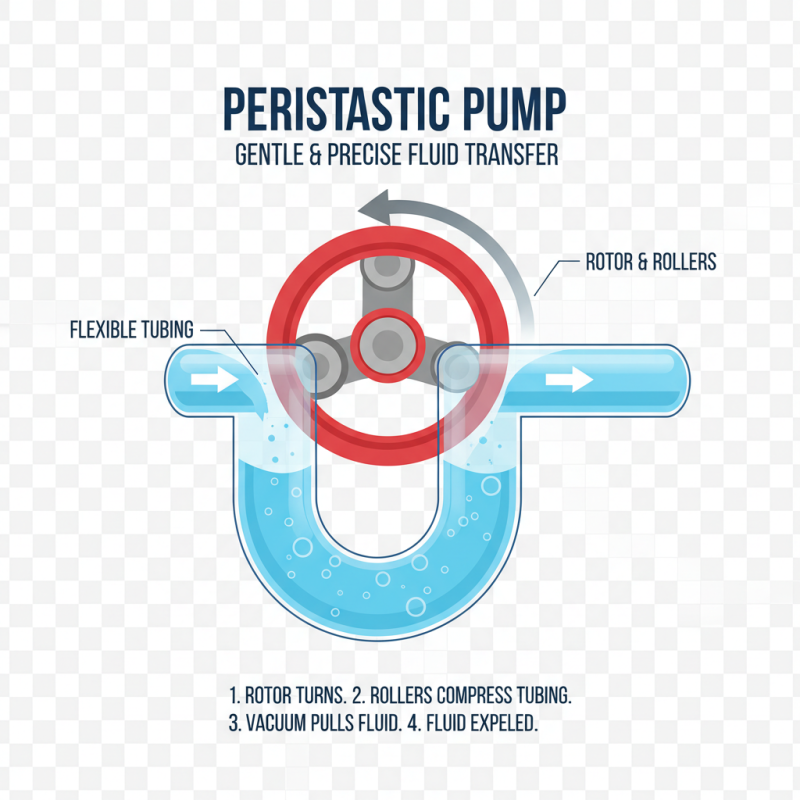
The working mechanism of a Peristaltic Pump involves a tube and rotating rollers. As the rollers press against the tube, they create a vacuum that draws fluid in. This simple yet effective design ensures that the fluid path remains completely sealed.
However, it is essential to reflect on its limitations. While Peristaltic Pumps excel in specific applications, they may not be suitable for all scenarios. Each pumping solution has its nuances, and acknowledging these can lead to improved efficiency and safety in operations.
What is a Peristaltic Pump?
A peristaltic pump is a unique device used to move fluids. It operates by using a series of rollers or shoes that compress a flexible tube. This design allows the fluid to be pushed forward as the tube returns to its original shape. It’s a simple yet effective mechanism.
One key feature of peristaltic pumps is their ability to handle viscous and abrasive fluids. They are often used in laboratories and medical applications. The gentle moving action minimizes shear stress, ensuring the fluid remains unaffected by turbulence. Still, they can sometimes struggle with very thick materials, which can lead to inconsistent flow rates.
The construction of these pumps makes them easy to clean and maintain. However, users must regularly check for wear and tear on the tubing. Over time, the tubing can degrade, leading to leaks or contamination. This needs careful monitoring. Choosing the right type of tubing for specific applications is crucial. It can be a bit tricky but is essential for optimal performance.
Principle of Operation of a Peristaltic Pump
A peristaltic pump operates based on a simple yet effective mechanism. It uses a series of rollers or shoes to compress a flexible tube. As the rollers move, they create a wave-like motion. This motion forces fluid to move through the tube. The design allows for precise control of the flow rate. It is commonly used in medical applications and laboratories.
The principle of operation is straightforward but has nuances. As the roller presses on the tube, it effectively seals the tube behind it. This action prevents backflow. The fluid is pushed forward, driven by the continuous movement of the rollers. Various factors can influence performance, such as tube material and roller pressure. Sometimes, improper alignment of the rollers may limit efficiency.
Despite its advantages, some aspects need careful attention. If the tubing wears out, it affects the pump's reliability. Regular maintenance is crucial to ensure optimal performance. Contextual challenges might arise in specific applications. Fluid viscosity can also complicate the pumping process. Being mindful of these details is essential for effective use.
What is a Peristaltic Pump and How Does it Work?
| Feature |
Description |
Application |
| Mechanism |
Uses rollers to compress a flexible tube, creating a vacuum that draws fluid in and pushes it out. |
Fluid transfer in medical, pharmaceutical, and food industries. |
| Flow Rate |
Can be adjusted by changing the speed of the rollers. |
Used for precise dosing and continuous flow in various applications. |
| Materials |
Flexible tubing made from rubber, silicone, or thermoplastic elastomers. |
Suitable for handling a wide range of fluids including abrasives and corrosives. |
| Advantages |
No valves or seals, easy to maintain, and self-priming. |
Ideal for cleanroom environments and liquids requiring high purity. |
| Limitations |
Limited pressure capability and can wear out the tubing over time. |
May not be suitable for high-viscosity fluids without modification. |
Components of a Peristaltic Pump Explained
Peristaltic pumps are unique devices. They move fluids through flexible tubing. The primary components include a rotor, rollers, and tubing. The rotor turns, pushing rollers against the tubing. This action creates a vacuum that pulls fluid in behind. When the rollers move forward, they force the fluid out.
The tubing acts as the main conduit for the fluid. Common materials include silicone and PVC. These materials withstand various pressures. However, wear and tear are common issues. According to some industry reports, the lifespan of tubing ranges from 1 to 2 years in continuous use. This is an important consideration when selecting a peristaltic pump.
Understanding the pump’s design helps in maintenance. Regular checks can prevent unexpected failures. For example, if the rollers become misaligned, efficiency drops. Studies indicate that misalignment can reduce flow rates by up to 25%. Taking time to inspect components may save costs in the long run.
Applications of Peristaltic Pumps in Various Industries
Peristaltic pumps find diverse applications across multiple industries. In pharmaceuticals, they ensure accurate dosing of liquids. This is crucial for drug formulations. Even a minor error can affect patient safety. These pumps handle sensitive fluids without contamination, maintaining high standards.
In the food and beverage sector, peristaltic pumps manage thick and viscous liquids. They transfer products like sauces and juices smoothly. Their ability to maintain hygiene is a significant advantage. However, they must be cleaned regularly to avoid bacterial growth, which can compromise quality.
Chemical processing also benefits from peristaltic pump technology. They provide precise control over fluid transfer. However, some operators struggle to select the right pump for a specific application. Understanding viscosity and flow rates is essential but often overlooked. Proper training can significantly improve efficiency and reduce errors.
Advantages and Disadvantages of Using Peristaltic Pumps
Peristaltic pumps are widely used in various industries. They offer unique advantages. One significant benefit is their ability to handle a wide range of fluids. This includes viscous liquids and slurries. Their design prevents contamination, as the fluid never contacts the pump mechanism. Maintenance is relatively easy, making them user-friendly.
However, there are some downsides to consider. Peristaltic pumps can be less efficient than other types. Their flow rate may vary based on the tubing condition and size. Over time, the tubing can wear out and require replacement. This could lead to increased operational costs. Also, they may not be suitable for high-pressure applications. The performance might be inconsistent if not monitored regularly.
Choosing a peristaltic pump requires careful thought. The advantages must be weighed against the potential drawbacks. While they excel in specific applications, they may not be the best choice for all scenarios. A clear understanding of the needs will help in making the right decision.


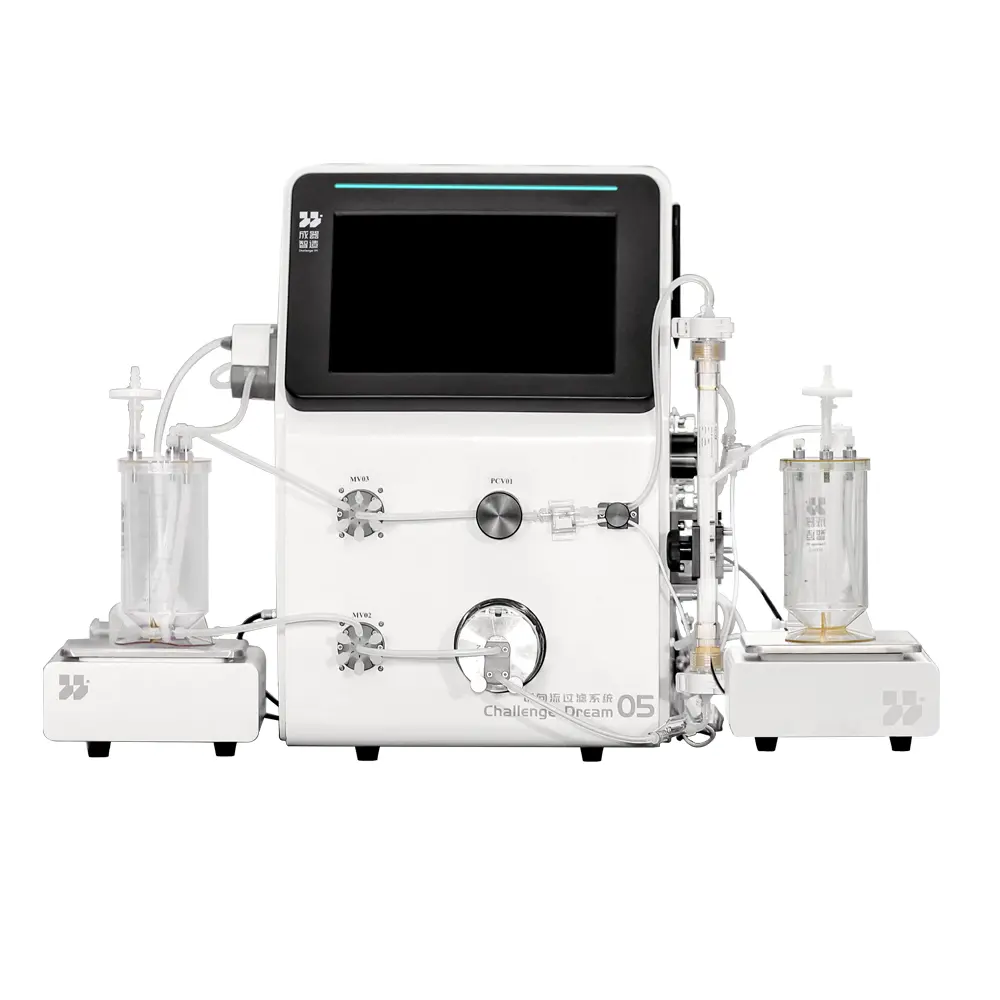 Tangential Flow Filtration(TFF) System
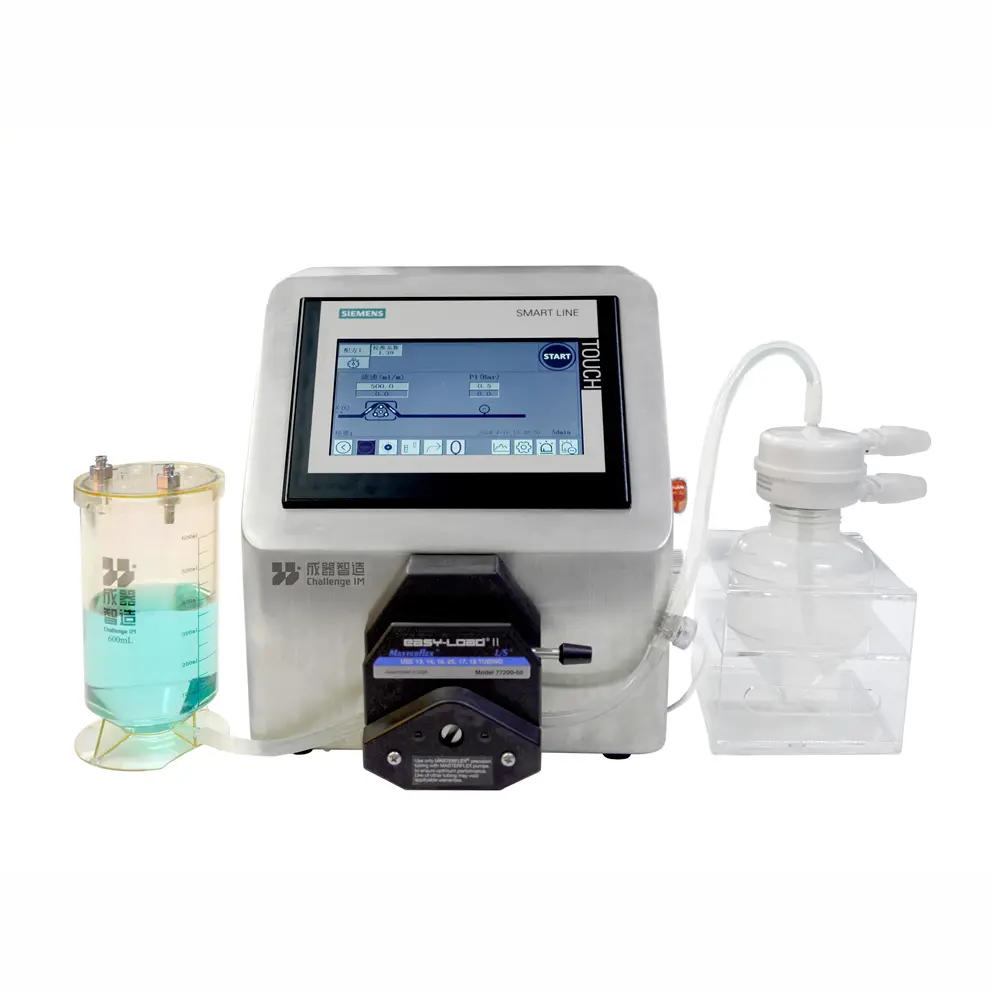 Jump Pump
 FIT Integrity Tester
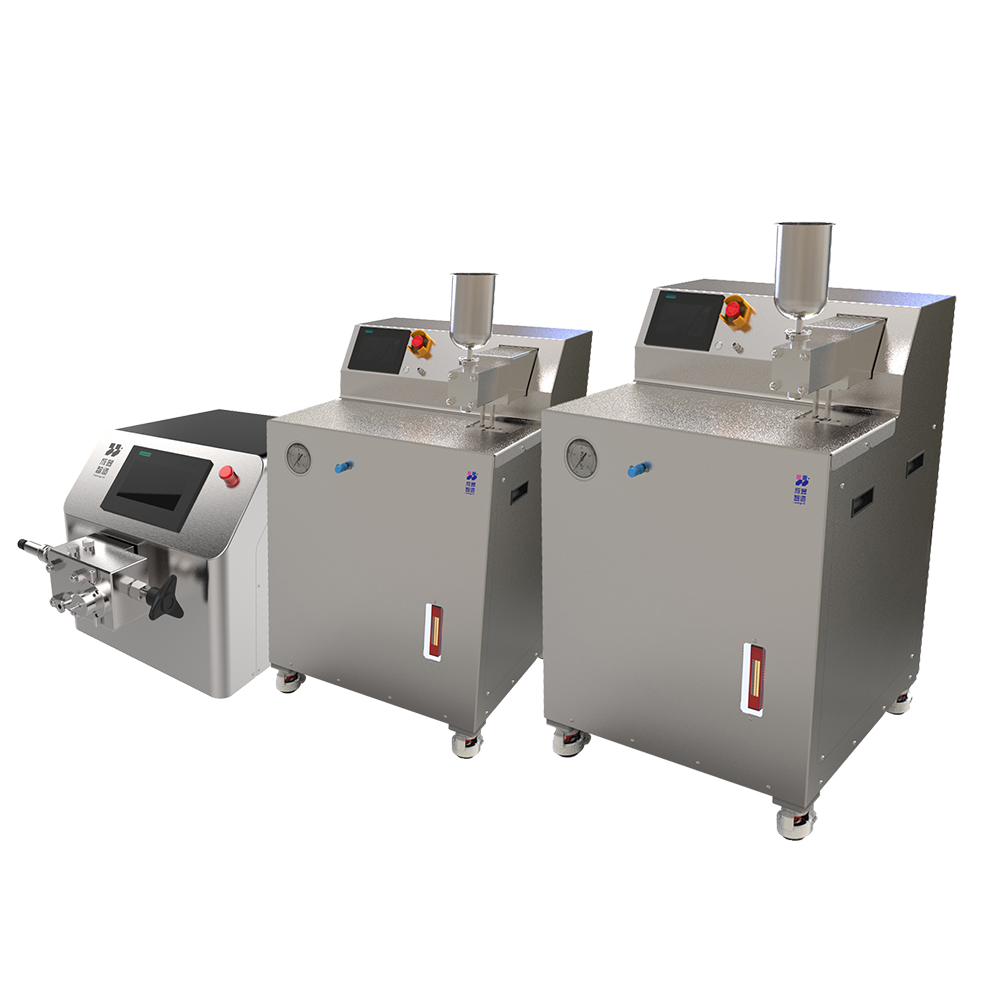 High Pressure Homogenizers
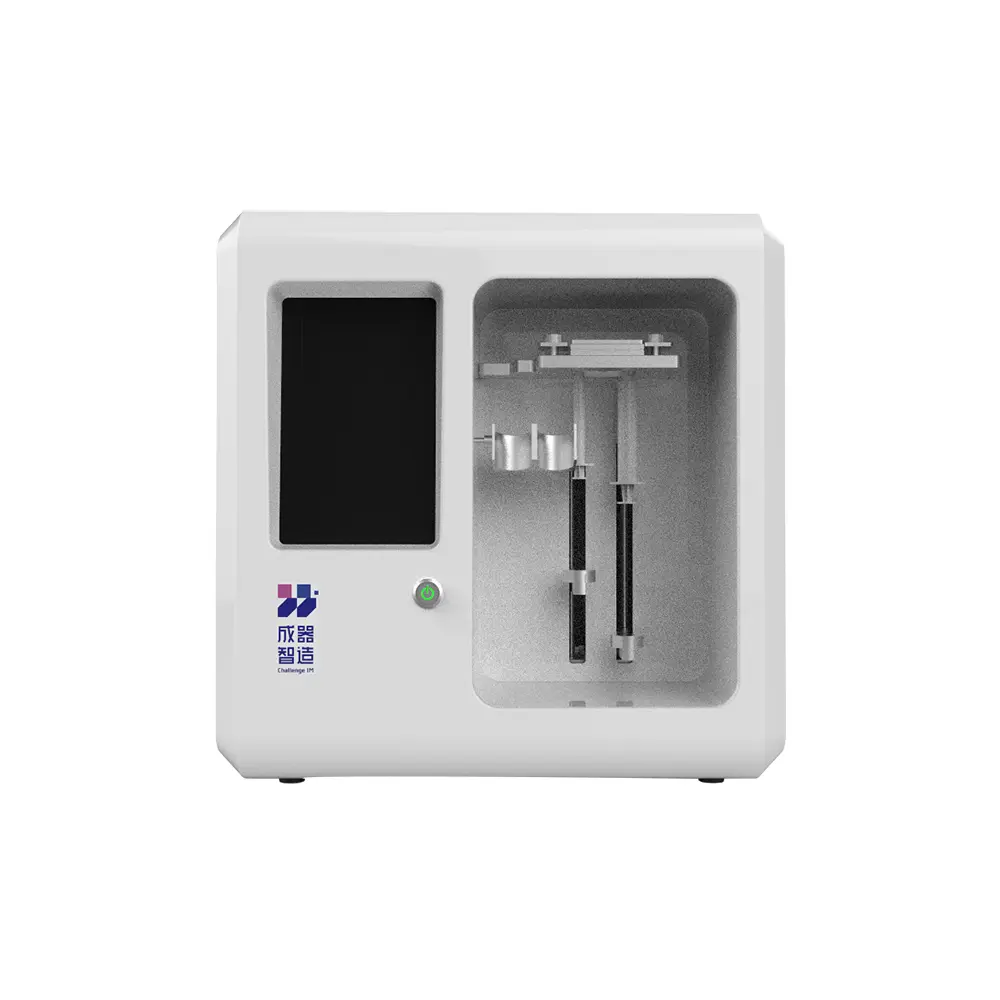 Microfluidics