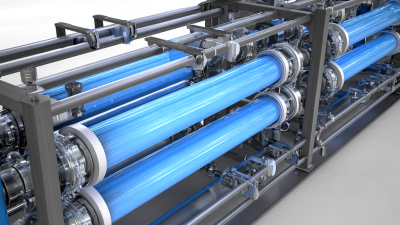
What is Pre-Filtration and Why is it Important for Water Quality?
Water quality is essential for health and sustainability. Pre-Filtration plays a vital role in achieving this quality. It acts as the first line of defense against contaminants. This process removes larger particles before they reach more advanced filtration systems.
Pre-Filtration is crucial for various water sources. Without it, sediments, leaves, and debris can clog filters quickly. This may lead to decreased efficiency and higher maintenance costs. Moreover, untreated water can pose health risks. Pathogens and harmful substances might enter drinking water supplies.
There are challenges to consider. Not all systems are effective in removing all contaminants. Sometimes, even pre-filtration methods have limitations. Regular maintenance and monitoring are necessary. Reflecting on these complexities can highlight the importance of reliable pre-filtration systems for everyone.
Understanding Pre-Filtration in Water Treatment Systems
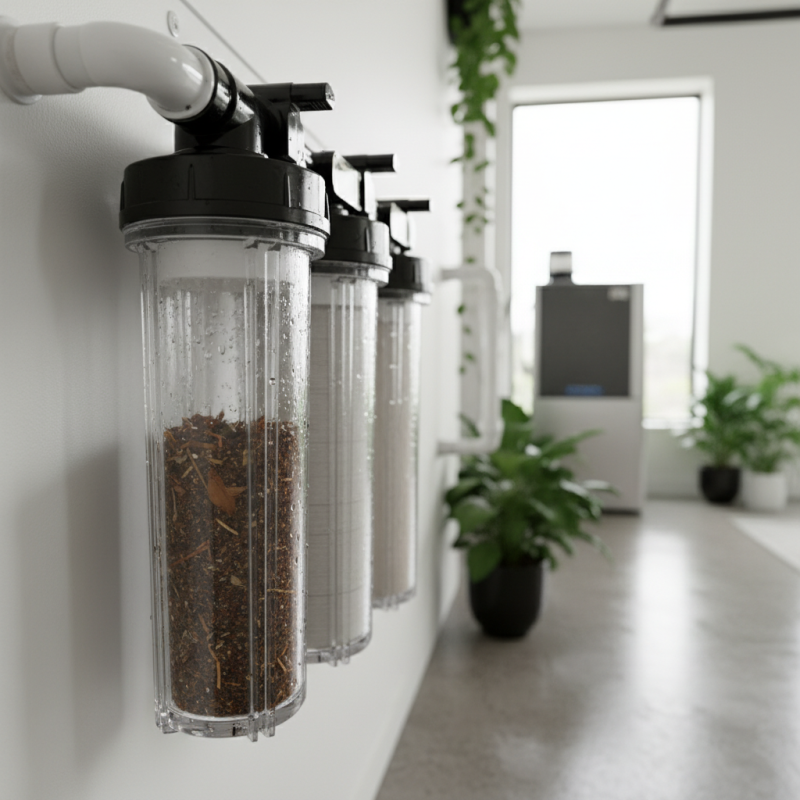
Pre-filtration plays a crucial role in water treatment systems. This process removes larger particles and sediments before water undergoes deeper filtration. Think of it as the first line of defense against contaminants. A mesh screen or sediment filter usually does this job. They capture dirt, rust, and debris effectively.
Without pre-filtration, finer filters may clog quickly. This can lead to reduced water flow and higher maintenance costs. It’s easy to overlook this step. Many systems focus on filtration alone but ignore pre-filtration's importance. When dust and particles bypass this stage, the overall effectiveness declines.
Water quality standards may suffer, becoming inadequate for sensitive uses. This oversight can lead to long-term consequences. Poor pre-filtration might result in unwanted tastes or odors in drinking water. Therefore, attentiveness to pre-filtration ensures cleaner and safer water for all needs. Each component in a water treatment system interacts. Recognizing this connection is vital for achieving optimal results.
What is Pre-Filtration and Why is it Important for Water Quality?
| Aspect |
Description |
Importance |
| Definition |
Pre-filtration is the process of removing large particles and contaminants from water before it undergoes further treatment. |
Helps to protect sensitive equipment in the water treatment system. |
| Common Filters Used |
Sand filters, cartridge filters, and screen filters are commonly used for pre-filtration. |
Enhances the overall efficiency of subsequent filtration processes. |
| Benefits |
Removes sediments, algae, and larger particles to improve water clarity and quality. |
Increases lifespan and reduces maintenance costs of downstream equipment. |
| Applications |
Used in municipal water treatment, industrial processes, and residential filtration systems. |
Essential for compliance with health and safety regulations. |
| Maintenance |
Regular cleaning and replacement of filters are necessary to maintain effectiveness. |
Ensures consistent water quality and flow rates. |
The Role of Pre-Filtration in Protecting Water Quality
Pre-filtration plays a crucial role in protecting water quality. It acts as the first line of defense against contaminants. This process helps remove larger particles, sediments, and debris. If left unchecked, these impurities can impact the overall quality of water. Inadequate pre-filtration can lead to issues down the line. The consequences may include increased treatment costs and health risks.
When examining pre-filtration, consider its function in domestic and industrial settings. Effective systems can capture sand, silt, and even organic matter. This means water entering filtration systems is much cleaner. However, not all pre-filtration methods are equally effective. Some systems fall short, allowing harmful substances to pass through. Regular maintenance and monitoring are essential for optimal performance. Without it, the benefits of pre-filtration may be compromised.
Every step in the water treatment process needs attention. Pre-filtration cannot be an afterthought. It requires proper installation and use of appropriate materials to ensure efficiency. Neglecting this critical stage can lead to broader issues downstream. Striving for improvement in pre-filtration can protect our most vital resource. Consistent evaluation and upgrades should be part of any water quality strategy.
Common Types of Pre-Filtration Methods and Their Efficiency Rates
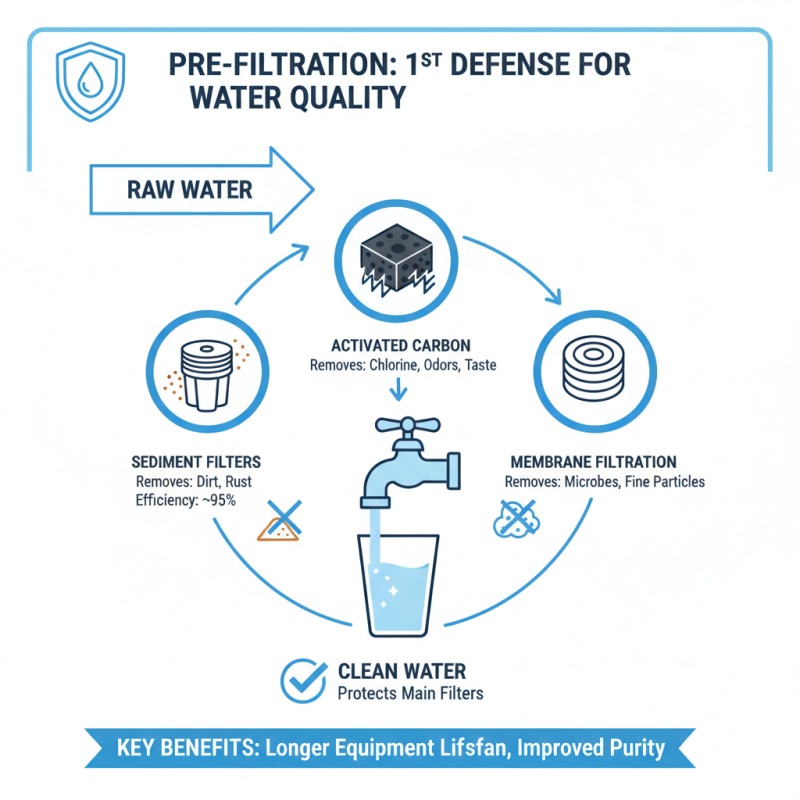
Pre-filtration is crucial for maintaining water quality. It acts as the first line of defense against contaminants. Common methods include sediment filters, activated carbon filters, and membrane filtration. Each has its own efficiency rates and applications. Sediment filters remove larger particles, such as dirt and rust. They capture about 95% of sediments, but may miss finer particles.
Activated carbon filters excel at removing chlorine and odors. They typically achieve over 90% removal, enhancing taste significantly. However, they may not effectively eliminate all contaminants. Membrane filtration can target smaller particles and microorganisms. This method can remove up to 99% of bacteria and viruses. Still, it requires thorough maintenance to ensure efficiency.
Choosing the right pre-filtration method is essential. It depends on the specific water source and quality demands. Cost-effectiveness is also a factor. Balancing performance and budget can be challenging. Some systems may not provide the expected results, leading to frustration. Addressing these issues requires careful consideration and occasional tweaks.
Impact of Pre-Filtration on Reducing Contaminants and Particulates
Pre-filtration is crucial for maintaining high water quality. It serves as the first line of defense against contaminants and particulates. By removing larger particles, such as dirt and sediment, pre-filtration enhances the effectiveness of subsequent filtration stages. This initial step prevents clogging and increases the lifespan of filters.
The impact of pre-filtration on water quality cannot be overstated. It significantly reduces harmful substances, thus safeguarding health. Contaminants like heavy metals and microorganisms often linger in untreated water. Pre-filtration helps minimize these risks. While not foolproof, it significantly lowers the chances of contamination reaching your home.
**Tip:** Regularly inspect and replace pre-filters. This can ensure optimal performance.
Even with pre-filtration, some challenges remain. Not all contaminants are visible. Some can slip through if pre-filters aren’t maintained properly. This is where the importance of routine checks comes into play. Taking proactive steps can help ensure a cleaner, safer water supply.
**Tip:** Consider conducting water quality tests. This can provide valuable insights into the effectiveness of your filtration system.
Impact of Pre-Filtration on Reducing Contaminants in Water
Industry Standards for Pre-Filtration Systems in Water Quality Management
Pre-filtration is a critical step in water quality management. It involves the removal of larger particles from water sources before further treatment. This process helps prevent clogging in filtration systems and enhances the overall efficiency of water treatment facilities. Effective pre-filtration can make a substantial difference in maintaining high standards in water quality.
In industry standards, pre-filtration systems vary based on specific applications. Some systems focus on removing sediments, while others aim to reduce biological contaminants. Compliance with regulations ensures that treated water meets safety and quality benchmarks. However, not all systems meet these standards. It is essential to regularly assess the effectiveness of pre-filtration methods to ensure optimal performance. Ignoring these guidelines can lead to downstream issues, compromising water quality for consumers.
Technological advancements in pre-filtration, such as improved mesh sizes, have shown promise. Nevertheless, not every facility adopts these innovations. Many still rely on outdated techniques, risking inadequate purification. The challenge lies in balancing cost and effectiveness. Ongoing training for operators is also crucial. They need to understand the importance of pre-filtration in maintaining compliance and protecting public health.


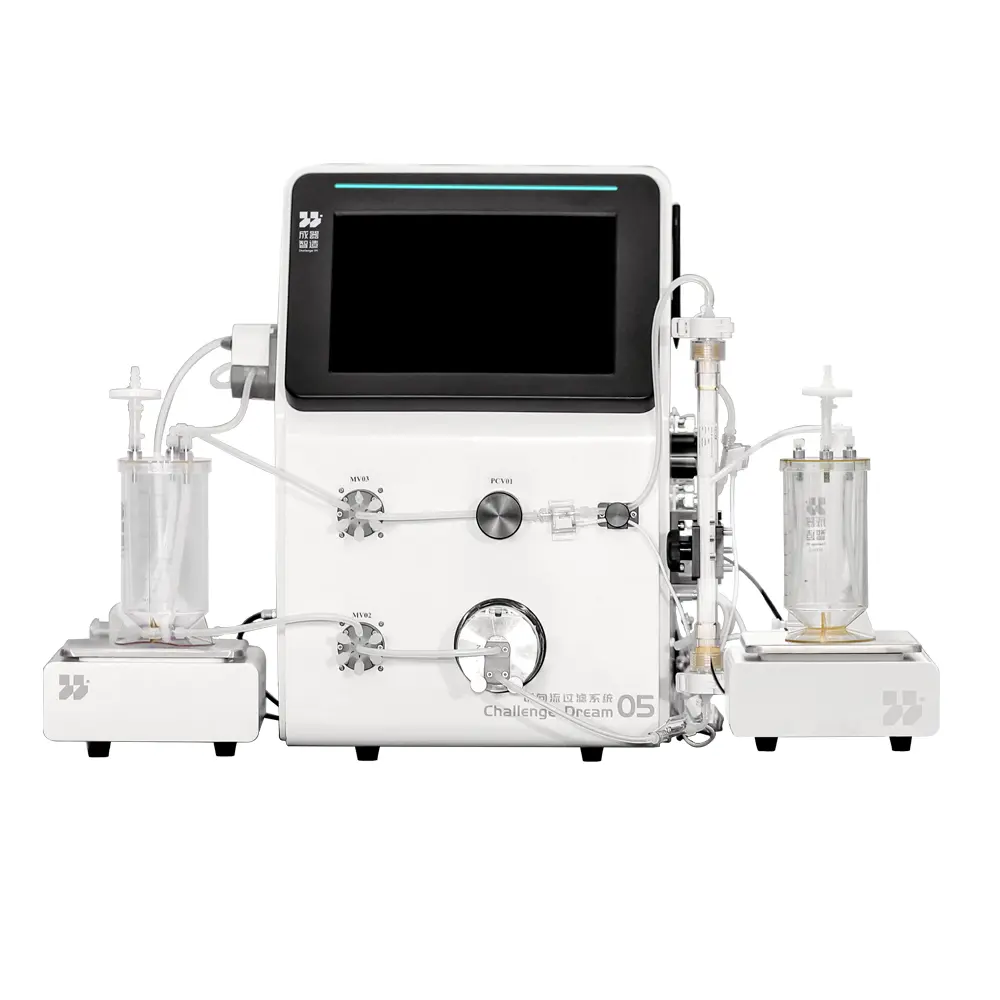 Tangential Flow Filtration(TFF) System
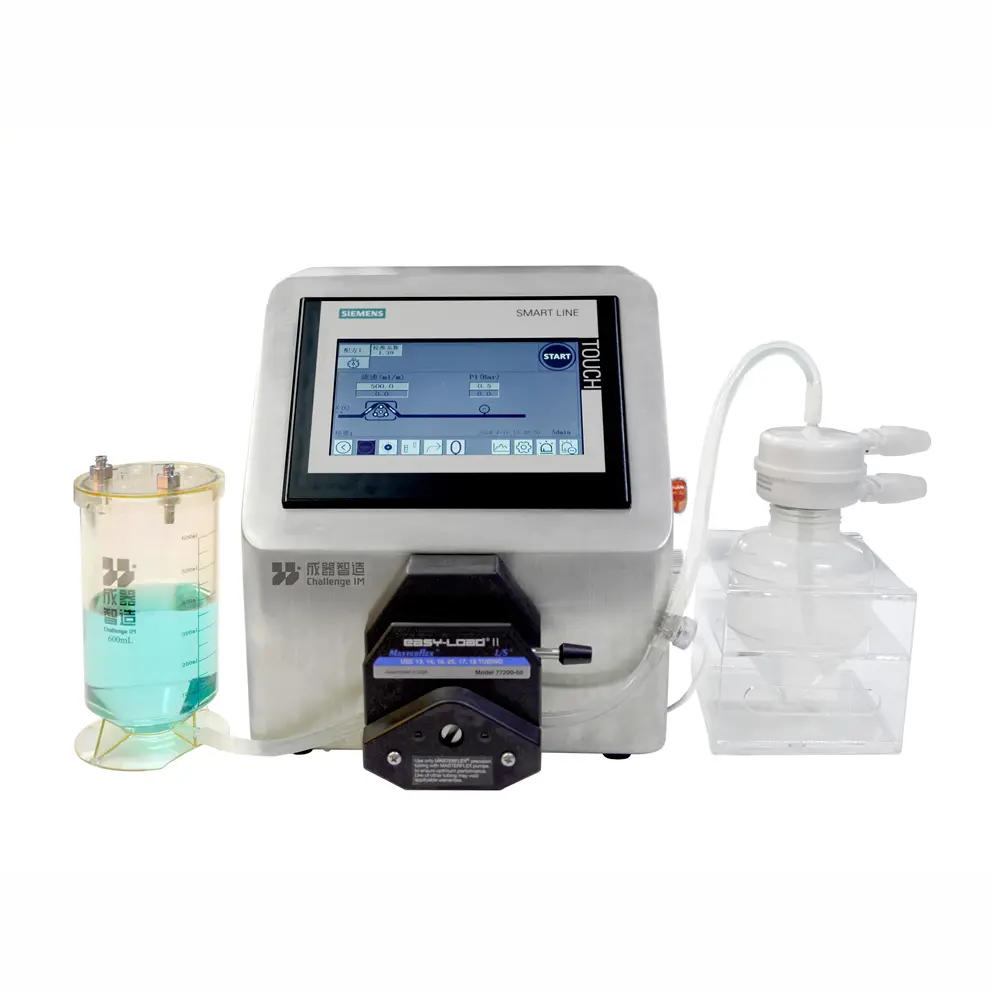 Jump Pump
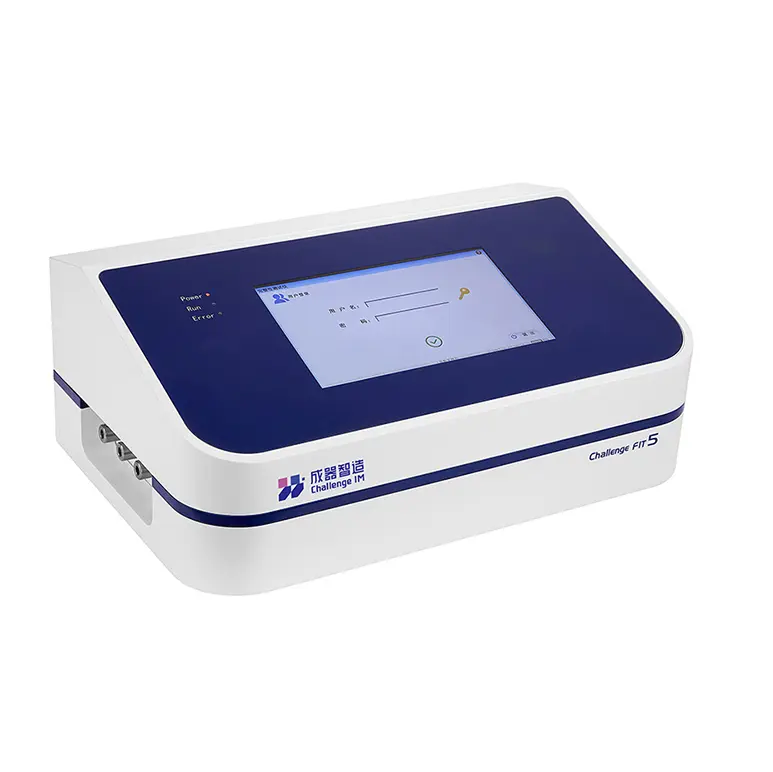 FIT Integrity Tester
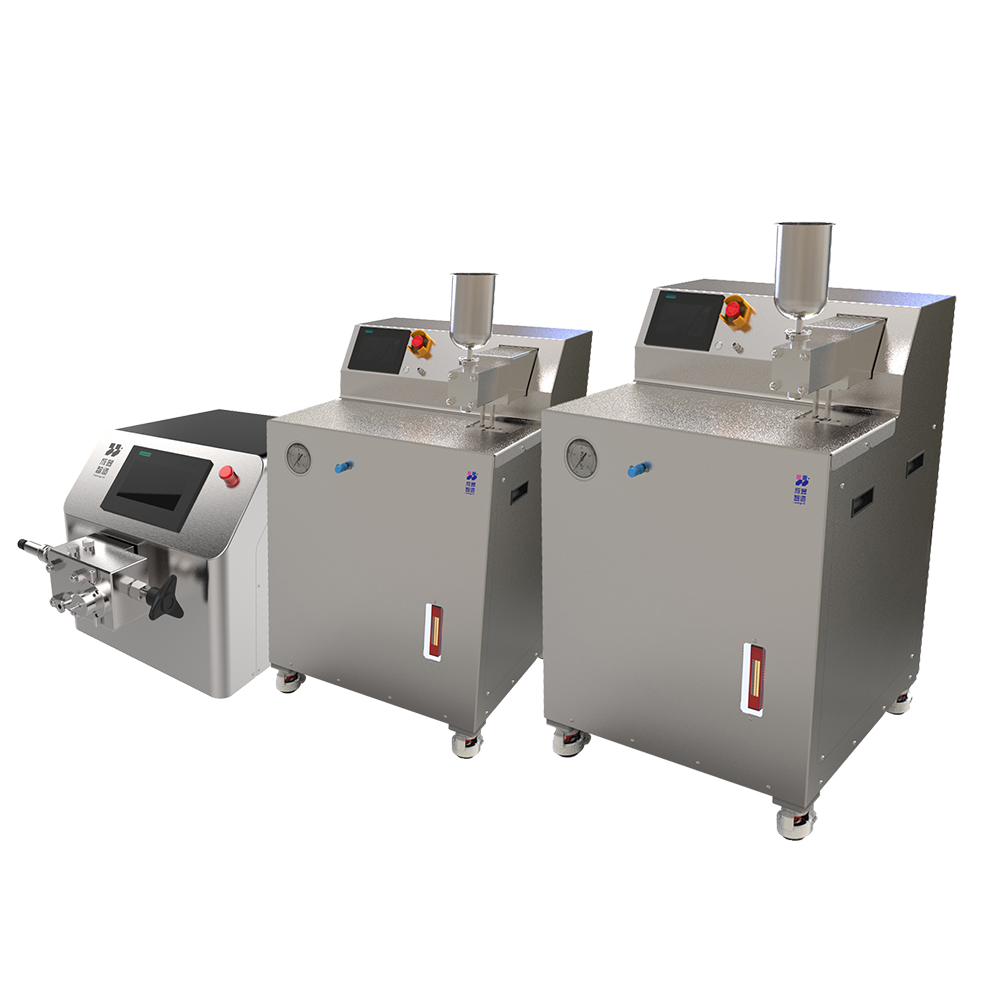 High Pressure Homogenizers
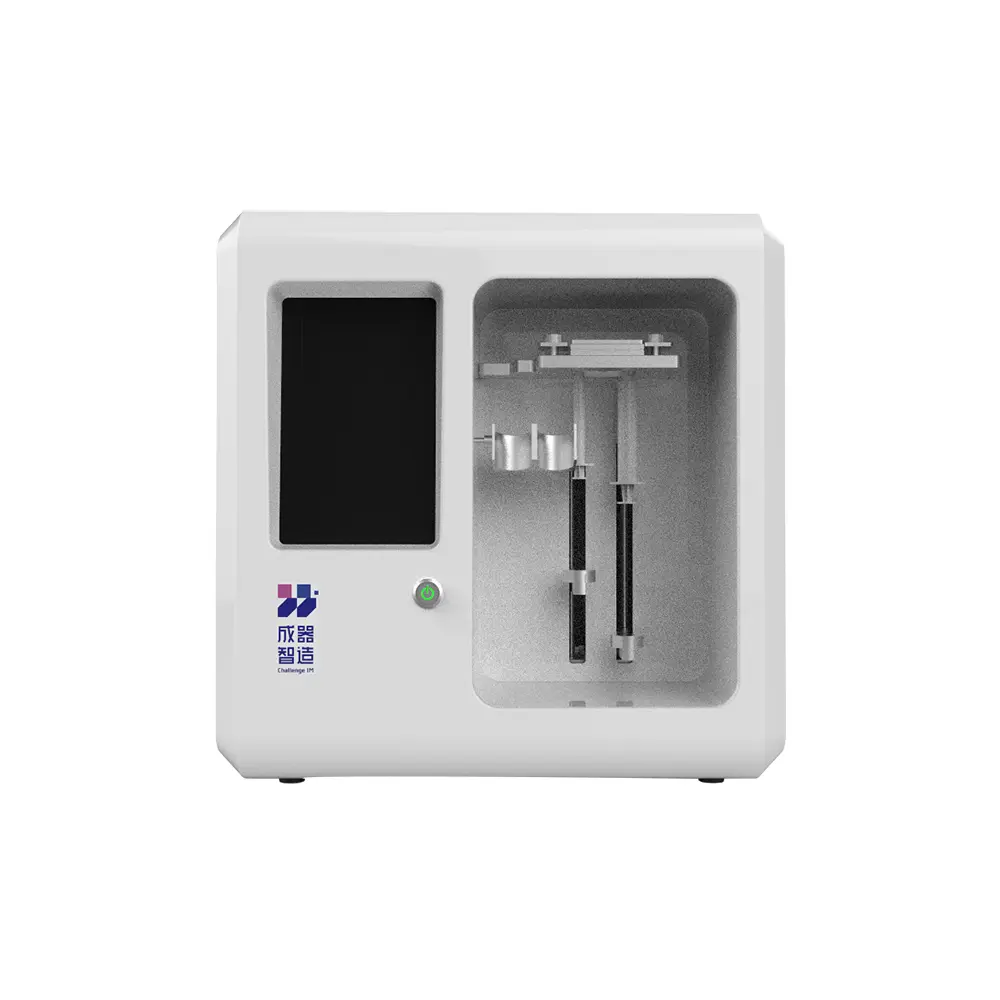 Microfluidics