2025's Top 10 Peristaltic Pumps: Best Models for Efficiency and Reliability
In the ever-evolving landscape of industrial equipment, the demand for efficient and reliable peristaltic pumps continues to rise. As we look towards 2025, the need for optimized performance in fluid handling applications is paramount. Industry expert Dr. Emily Carter, a renowned engineer specializing in fluid dynamics, emphasizes the significance of choosing the right pump, stating, "The efficiency and reliability of a peristaltic pump can significantly impact production processes and operational costs."
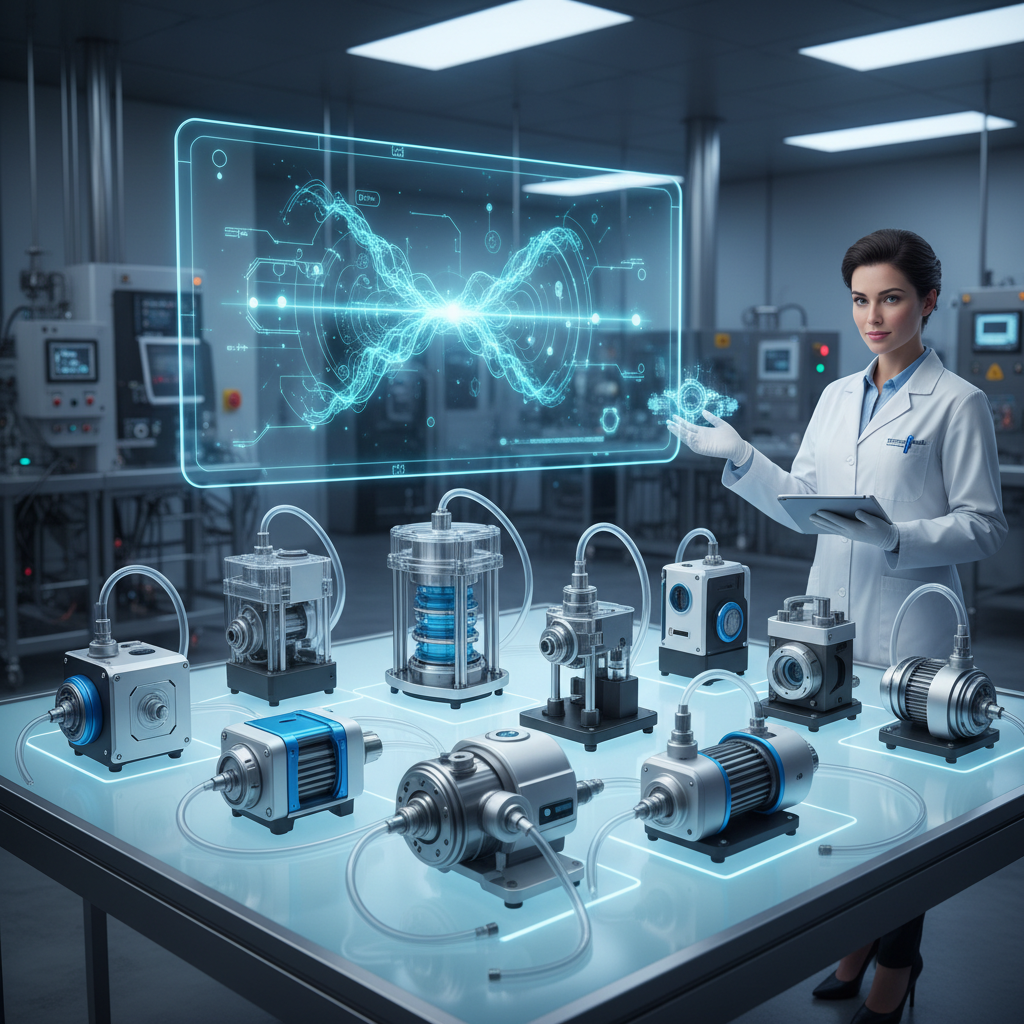
This insight underscores the necessity for stakeholders to stay informed about the top models available in the market. Our exploration of the best peristaltic pumps for 2025 will highlight models that not only meet but exceed industry standards, ensuring superior performance and durability. By examining the latest advancements in pump technology, we aim to guide professionals in selecting the most suitable peristaltic pump for their specific needs, ultimately enhancing their operational efficiency.
As we delve into the top ten contenders, we will consider performance metrics, material quality, and the latest innovations driving the peristaltic pump industry forward. With informed choices, businesses can harness the potential of these essential devices, paving the way for more efficient and cost-effective operations in the future.
Top Features to Look for in Peristaltic Pumps for Optimal Performance
When selecting a peristaltic pump, several key features can significantly enhance efficiency and reliability. Firstly, the pump's tubing material is crucial; it should match the fluid being pumped to prevent degradation and leakage. Silicone and polyurethane are common choices that offer good chemical resistance and durability. Additionally, adjustable flow rates can provide versatility for various applications, making it essential to choose models that offer precise control over their output.
Tips for optimizing peristaltic pump performance include regular maintenance checks to ensure the tubing is in good condition. Monitoring for wear and tear can prevent costly downtime and failures. Moreover, consider the pump's drive configuration; a stepper motor pump offers better control compared to standard AC motors, delivering improved efficiency in precision applications.
Another feature to look for is a self-priming capability, which minimizes the risk of cavitation and allows for better handling of thick or viscous fluids. Pumps with intuitive digital displays can also provide real-time feedback on performance, simplifying adjustments and troubleshooting. By focusing on these aspects, users can ensure optimal performance from their peristaltic pumps in 2025 and beyond.
2025's Top 10 Peristaltic Pumps Efficiency Ratings
Comparative Analysis of the Leading Peristaltic Pump Brands in 2025
In 2025, the market for peristaltic pumps has seen significant advancements, with several brands emerging as leaders in efficiency and reliability. A comparative analysis reveals that brands like Watson-Marlow, Verderflex, and Masterflex dominate due to their innovative designs and robust performance. These companies have focused on enhancing fluid handling capabilities, ensuring that their pumps deliver precise flow rates while minimizing maintenance needs.
When selecting a peristaltic pump, consider the material compatibility with your fluids. Not every pump is designed to handle corrosive or viscous substances, so make sure to choose one that suits your specific application. Also, pay attention to the pump's flow rate and pressure specifications to ensure it meets your operational requirements.
Another crucial tip is to evaluate the ease of replacement for tubing or parts, as this can significantly impact maintenance downtime. Opting for brands that provide easily accessible replacement components can save both time and costs in the long run. Investing in high-quality models from recognized brands will not only enhance your system's reliability but also promote operational efficiency throughout your processes.
User Reviews and Feedback on the Most Efficient Peristaltic Pumps
As the demand for more efficient and reliable pumping solutions continues to rise, peristaltic pumps are gaining traction across various industries. User reviews compiled from recent industry surveys reveal that models such as the Watson-Marlow 520S and the Verderflex Dura have consistently ranked high for both performance and user satisfaction. According to a report by the Global Peristaltic Pump Market Research Institute, these models demonstrate up to 95% volumetric efficiency, making them ideal for sensitive applications where consistent flow is crucial.
Feedback highlighted on various engineering forums suggests that users appreciate the low maintenance requirements and the self-priming ability of these peristaltic pumps, particularly in the pharmaceutical and food processing industries. Additionally, recent data indicates that peristaltic pumps can reduce operational costs by nearly 15% when compared to traditional diaphragm pumps, owing to their ability to handle viscous materials without the need for additional heating or mixing. These insights from end-users underscore the importance of selecting models that not only perform optimally but also enhance operational efficiency, further solidifying the position of top-rated peristaltic pumps in the market.
Innovative Technologies Driving Reliability in 2025's Peristaltic Pumps
In 2025, the landscape of peristaltic pump technology is evolving rapidly, driven by
innovative advancements that enhance both efficiency and reliability. Key technological developments include
the integration of smart sensors and real-time monitoring systems, which enable precise control over flow rates and reduce maintenance needs.
These features allow operators to detect potential issues before they escalate, prolonging the lifespan of the pumps and ensuring uninterrupted operations.
Moreover, manufacturers are increasingly adopting advanced materials and design approaches that minimize wear and tear. Advances in hose materials, coupled with optimized pump geometries, not only improve durability but
also lead to higher performance levels in various applications. The introduction of programmable logic controllers (PLCs) allows for greater flexibility and adaptability, making peristaltic pumps
more versatile in industrial settings. As companies invest in these cutting-edge technologies, the reliability of peristaltic pumps continues to enhance, ensuring they remain a critical asset
in diverse industries from pharmaceuticals to food processing.
Cost-Benefit Analysis: Investing in High-Quality Peristaltic Pumps
The cost-benefit analysis of investing in high-quality peristaltic pumps is crucial for industries aiming to enhance their operational efficiency while ensuring reliability. Peristaltic pumps are known for their unique mechanism, which minimizes the risk of contamination and allows for precise fluid handling. This makes them particularly valuable in sectors such as food and beverage, pharmaceuticals, and chemical processing, where product integrity is of utmost importance. By focusing on quality, businesses can reduce maintenance costs and downtime, leading to long-term savings.
As the peristaltic pump market continues to expand, with forecasts indicating steady growth, enterprises must carefully evaluate their options. High-quality models may come with a higher initial investment, but their durability and efficiency can lead to lower operational costs over time. Additionally, a commitment to reliable pumps can result in increased production levels and enhanced product quality, which ultimately contributes to a stronger market position. Such investments not only fulfill immediate operational needs but also pave the way for sustainable growth in an increasingly competitive landscape.


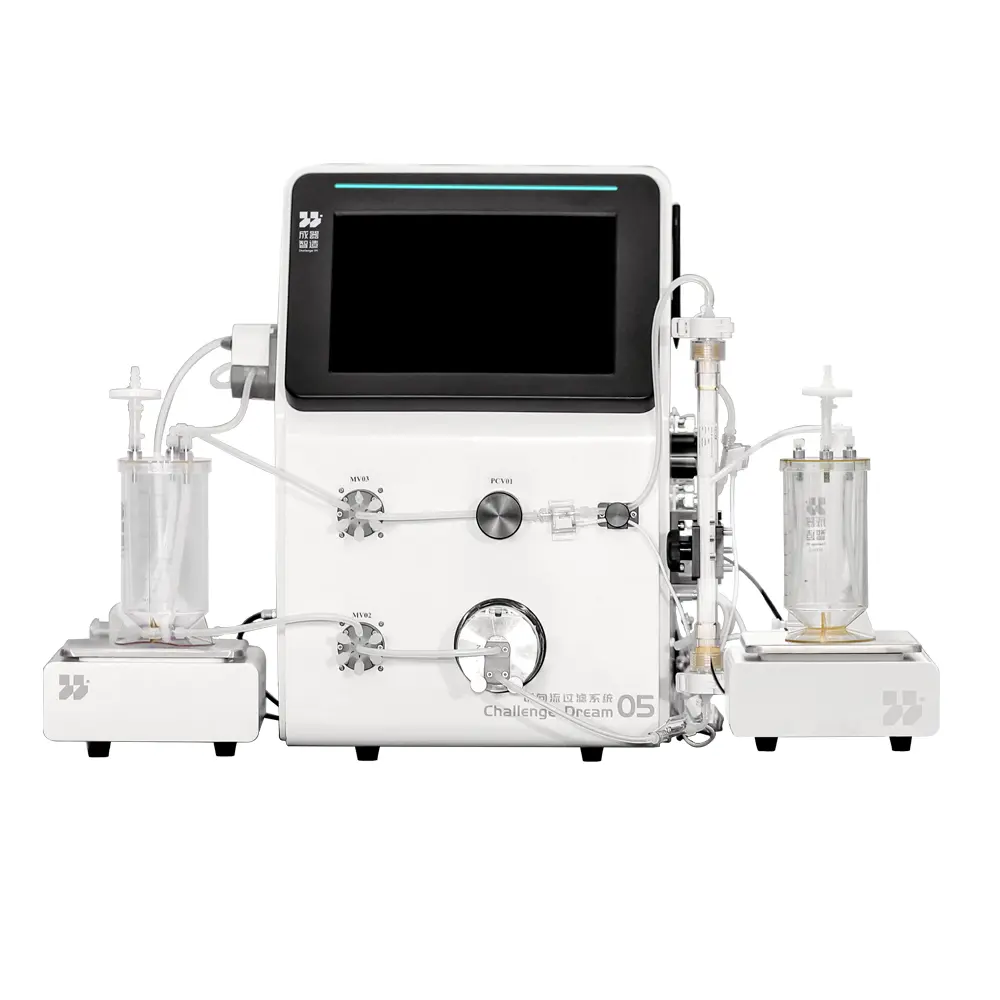 Tangential Flow Filtration(TFF) System
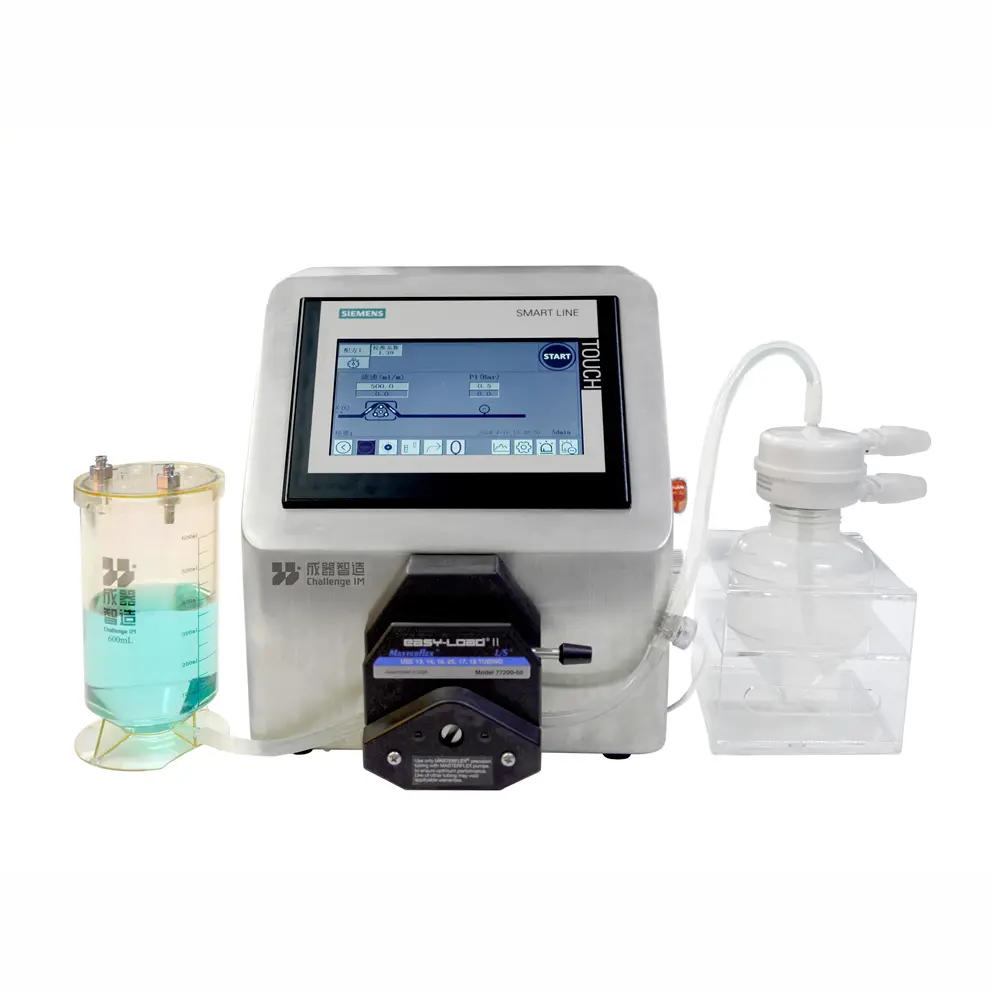 Jump Pump
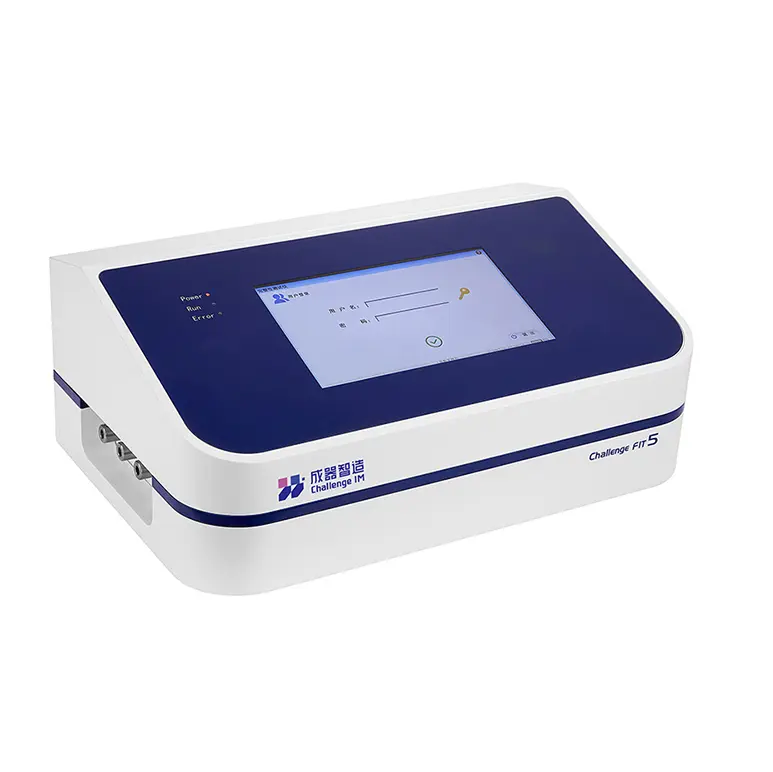 FIT Integrity Tester
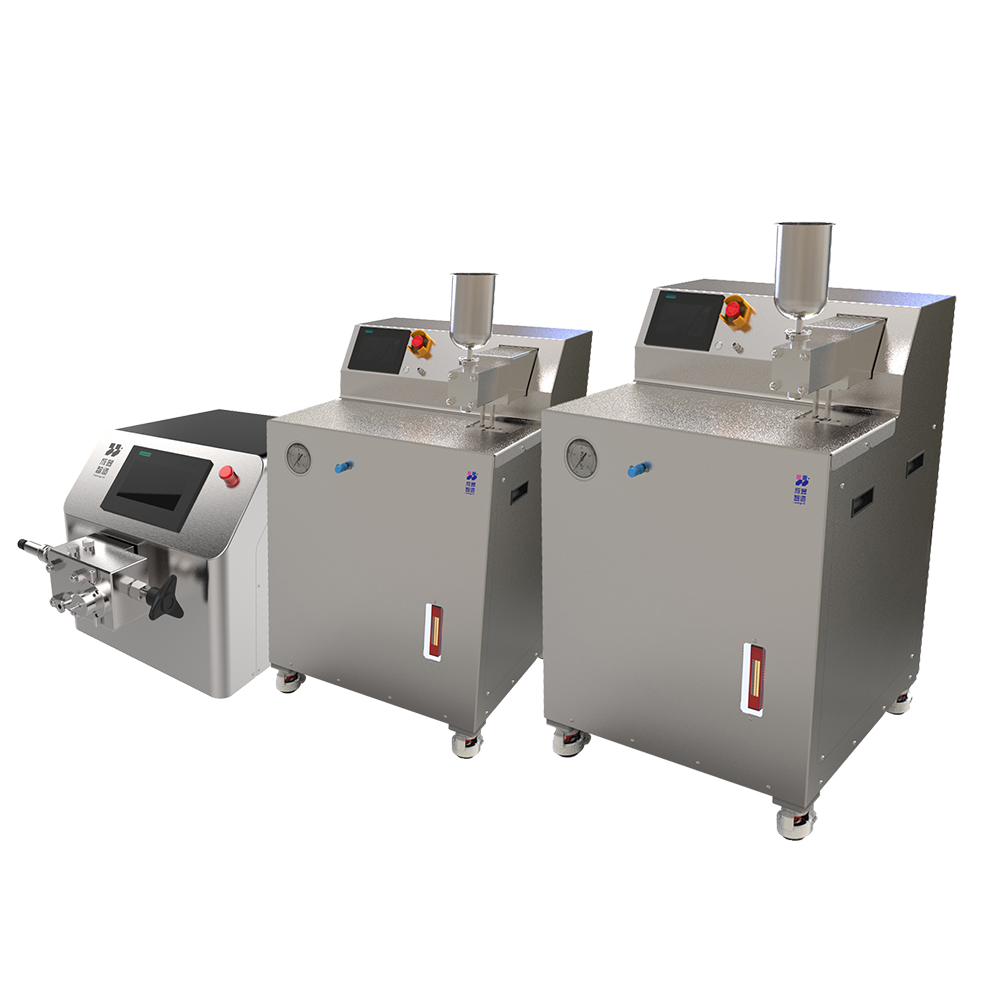 High Pressure Homogenizers
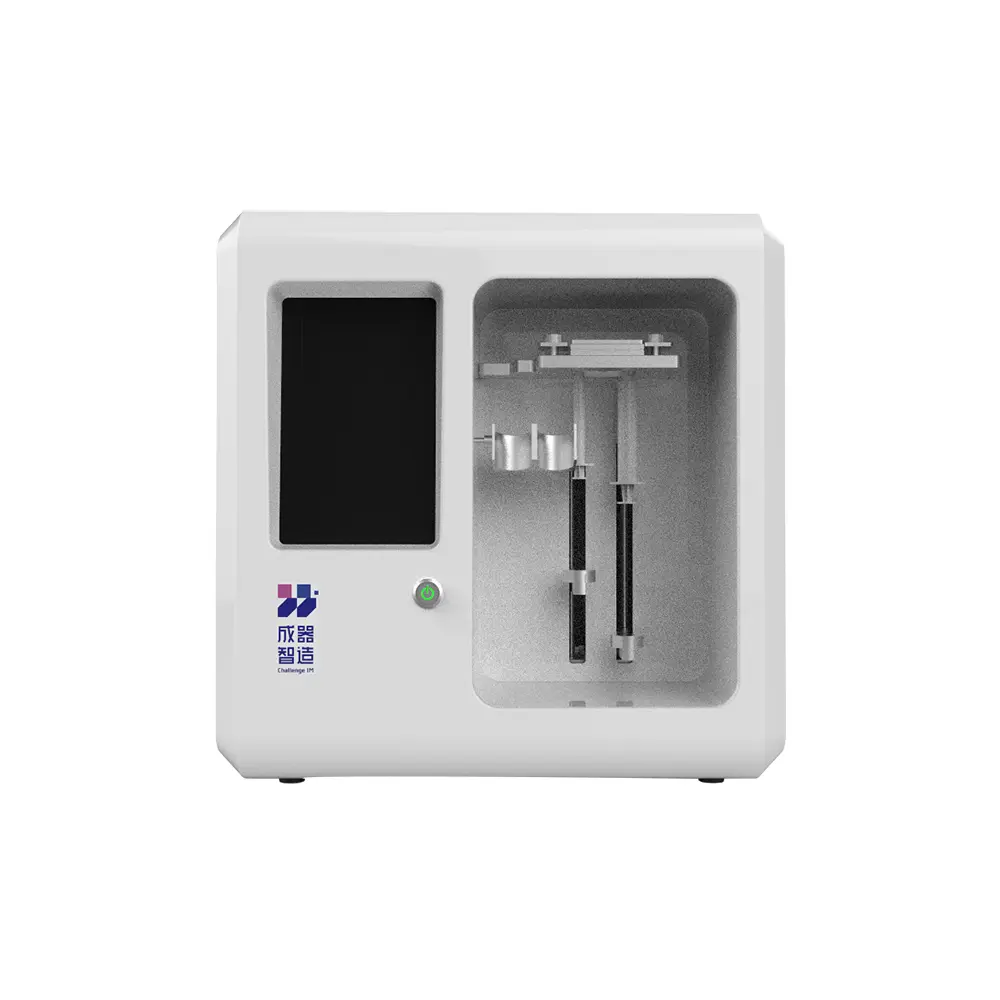 Microfluidics