Top 10 Benefits of Nanofiltration System for Water Treatment?
In the quest for clean water, the Nanofiltration System stands out as a remarkable solution. Dr. Emily Carter, a leading expert in water treatment technologies, emphasizes its importance: "Nanofiltration is a game changer for safe drinking water." This technology addresses various water quality issues, ensuring essential contaminants are effectively removed.
Nanofiltration systems utilize membrane technology. They operate between ultrafiltration and reverse osmosis, making them versatile. These systems can remove specific ions and larger molecules, such as organic compounds, while allowing beneficial minerals to pass through. However, the technology is not without its challenges. Membrane fouling and potential scaling can occur, requiring careful management and regular maintenance.
The benefits of implementing a Nanofiltration System are significant. They include improved water quality, lower energy costs, and reduced waste generation. These systems also offer environmental advantages, promoting sustainable water management practices. The growing recognition of Nanofiltration’s value in various industries underscores its potential, but efficiency must be balanced with performance monitoring to ensure optimal results.

Key Features of Nanofiltration Systems in Water Treatment
Nanofiltration systems serve as an effective solution for water treatment, addressing various contaminants. These systems operate at pressures between microfiltration and reverse osmosis, typically around 5-30 bar. A key feature is their ability to selectively remove divalent ions, such as calcium and magnesium, while allowing monovalent ions, like sodium, to pass through. This selectivity is crucial for applications in softening water, thereby enhancing taste and reducing scale buildup in pipes.
In many industries, including food and beverage, the efficiency of nanofiltration has been highlighted. Reports show that these systems can remove up to 90% of certain organic compounds. Additionally, they retain essential minerals in water, maintaining its quality for consumption. Nanofiltration also operates with lower energy costs compared to reverse osmosis systems.
However, the need for regular maintenance should not be overlooked, as membrane fouling can lead to reduced performance over time. Regular monitoring of the system is vital to ensure optimal functioning.
While nanofiltration presents many advantages, it is not without challenges. Membrane lifespan can vary based on water quality. Integrating pretreatment steps can help mitigate fouling issues. Some users question the cost-effectiveness of nanofiltration for small-scale operations. Addressing these concerns through proper assessment and planning is essential to maximize the benefits of nanofiltration systems in water treatment.
Comparison of Nanofiltration and Other Water Treatment Methods
Nanofiltration (NF) systems offer a unique advantage in water treatment compared to traditional methods like reverse osmosis (RO) and ultrafiltration (UF). NF operates at lower pressures than RO, which results in lower energy consumption. According to a 2022 study by the Water Research Foundation, NF can achieve approximately 90% removal of divalent ions while allowing monovalent ions to pass through. This selective permeability can be beneficial for applications that require minimal sodium rejection.
In contrast, RO systems often require higher energy input and produce more wastewater. A report from the International Desalination Association highlighted that RO can generate wastewater ratios of up to 75%. Such inefficiencies can drive higher operational costs and environmental concerns. NF's lower wastewater production can make it a more attractive option for industries looking to enhance sustainability. Yet, NF may not be ideal for every application; it struggles with certain suspended solids and colloidal materials, necessitating pre-treatment solutions to maintain efficiency.
While NF presents clear advantages, it is not without limitations. The system may require rigorous maintenance to avoid fouling. Regular monitoring of membrane performance is critical. Industry insights show that even minor fouling can reduce the system's overall efficacy by up to 30%. Users need to weigh these challenges against long-term benefits when considering their water treatment options.
Top 10 Benefits of Nanofiltration System for Water Treatment
Health Benefits of Using Nanofiltration in Drinking Water
Nanofiltration (NF) has gained significant attention in water treatment, particularly concerning drinking water quality. This advanced process effectively removes contaminants, including heavy metals and microorganisms. According to the Water Research Foundation, NF systems can reduce dissolved solids by up to 90%. This capability is crucial in ensuring safe drinking water, especially in regions facing pollution challenges.
The health benefits of nanofiltration are stark. Research published in the Journal of Water Health indicates that NF systems effectively eliminate E. coli and Giardia. These microorganisms pose serious health risks, particularly for vulnerable populations. Children and the elderly are notably at risk for waterborne diseases. By utilizing NF, communities can experience a notable drop in illness rates linked to contaminated water sources.
However, reliance on nanofiltration systems comes with considerations. Regular maintenance is essential to ensure optimal performance and longevity. Additionally, the cost of initial setup can be a barrier for some communities. Awareness and education about the technology's benefits are necessary for promoting widespread adoption. While NF systems offer promising advantages, they are not a one-size-fits-all solution and require thoughtful implementation and monitoring.
Environmental Impact of Nanofiltration Systems
Nanofiltration systems play a crucial role in water treatment, particularly regarding their environmental impact. These systems utilize semi-permeable membranes to remove contaminants efficiently. They are effective in filtering out organic substances and divalent ions, making water purer. This process reduces the dependence on chemical additives, which can be harmful to ecosystems.
The sustainability of nanofiltration systems lies in their reduced energy consumption compared to traditional treatment methods. They require less energy to operate due to lower pressure requirements. However, there's a potential downside. Proper disposal of the concentrated waste from these systems remains a challenge. Without appropriate management, this waste could harm local water bodies.
Moreover, as with any technology, nanofiltration isn't a silver bullet. Continual monitoring and adaptation are vital. The membranes can become fouled over time, affecting efficiency. Understanding these limitations can lead to better implementation strategies. Balancing effectiveness with the environmental footprint is essential for long-term success.
Cost-Effectiveness and Efficiency of Nanofiltration Solutions
Nanofiltration systems are increasingly recognized for their cost-effectiveness and efficiency in water treatment. These systems utilize membranes that selectively filter contaminants. This allows for the removal of larger organic molecules and divalent ions without needing extensive pre-treatment processes. As a result, they can reduce operational costs significantly.
In terms of efficiency, nanofiltration presents a compelling advantage. Water treated with nanofiltration retains essential minerals while removing harmful substances. This process leads to better-quality water for various applications, from industrial to residential use. However, the initial investment can sometimes deter potential users, especially in areas with limited budgets. Over time, the reduced need for chemical additives compensates for this upfront cost.
Despite its advantages, there are considerations to reflect upon. The lifespan of nanofiltration membranes can be an issue. Regular maintenance is essential for optimal performance. Users must be aware of potential fouling, which can impede efficiency and increase costs. Finding the right balance between initial investment and long-term maintenance can be challenging. It’s crucial to conduct thorough research before implementation.
Top 10 Benefits of Nanofiltration System for Water Treatment
| Benefit |
Description |
Cost-Effectiveness |
| Selective Ion Removal |
Effectively removes divalent ions like calcium and magnesium. |
Reduces scaling, lowering maintenance costs. |
| Reduced Chemical Usage |
Less need for chemical softeners and coagulants. |
Saves money on chemicals, improving ROI. |
| Energy Efficiency |
Lower operating pressures compared to reverse osmosis. |
Significantly decreases energy costs. |
| High Water Recovery |
Can achieve higher recovery rates, minimizing waste. |
Increases overall water yield, maximizing resource use. |
| Operational Flexibility |
Adaptable for various water qualities. |
Reduces need for multiple treatment systems. |
| Minimal Footprint |
Compact design suitable for limited spaces. |
Lower infrastructure costs and land usage. |
| Enhanced Water Quality |
Effectively removes contaminants and impurities. |
Leads to better quality for less cost. |
| Long Membrane Life |
Membranes are durable and require less frequent replacement. |
Lower long-term maintenance costs. |
| Compliance with Regulations |
Meets stringent water quality standards. |
Helps avoid penalties and ensures safety. |
| Sustainability |
Eco-friendly process with lower waste. |
Promotes green initiatives, reducing overall costs. |


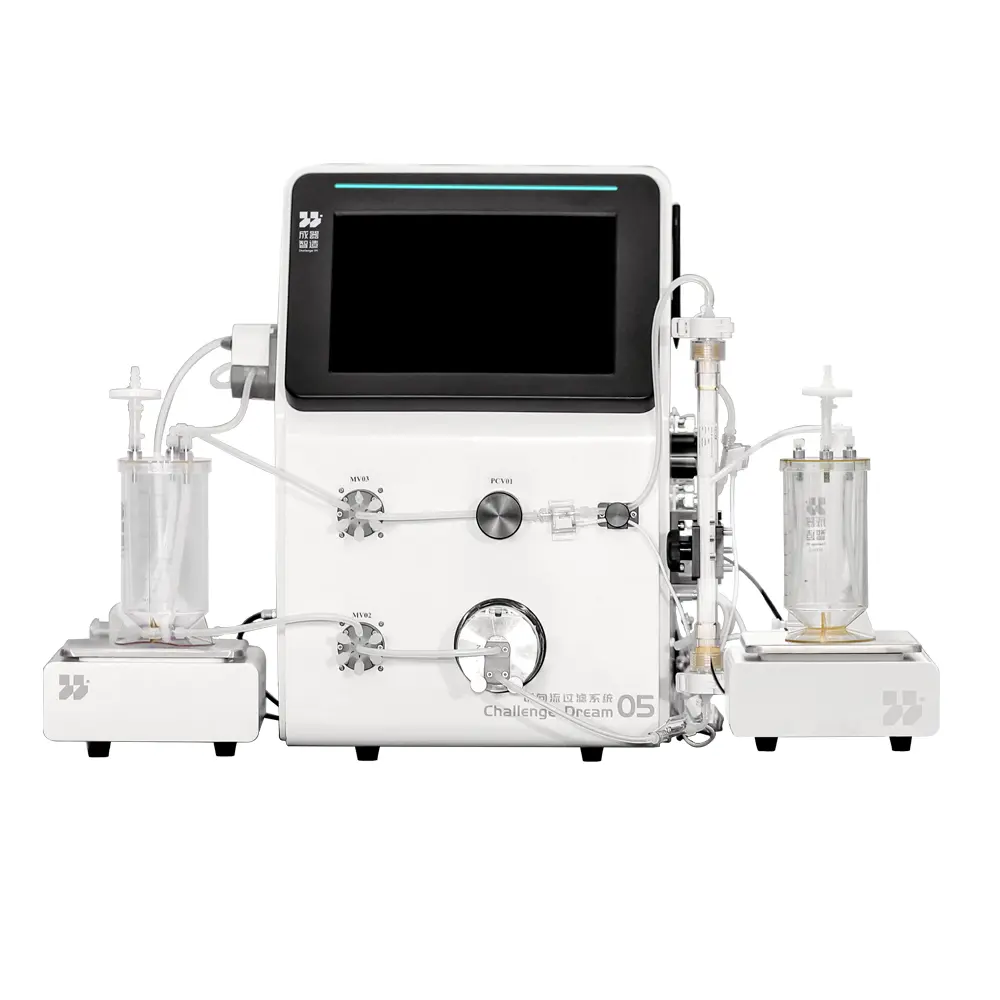 Tangential Flow Filtration(TFF) System
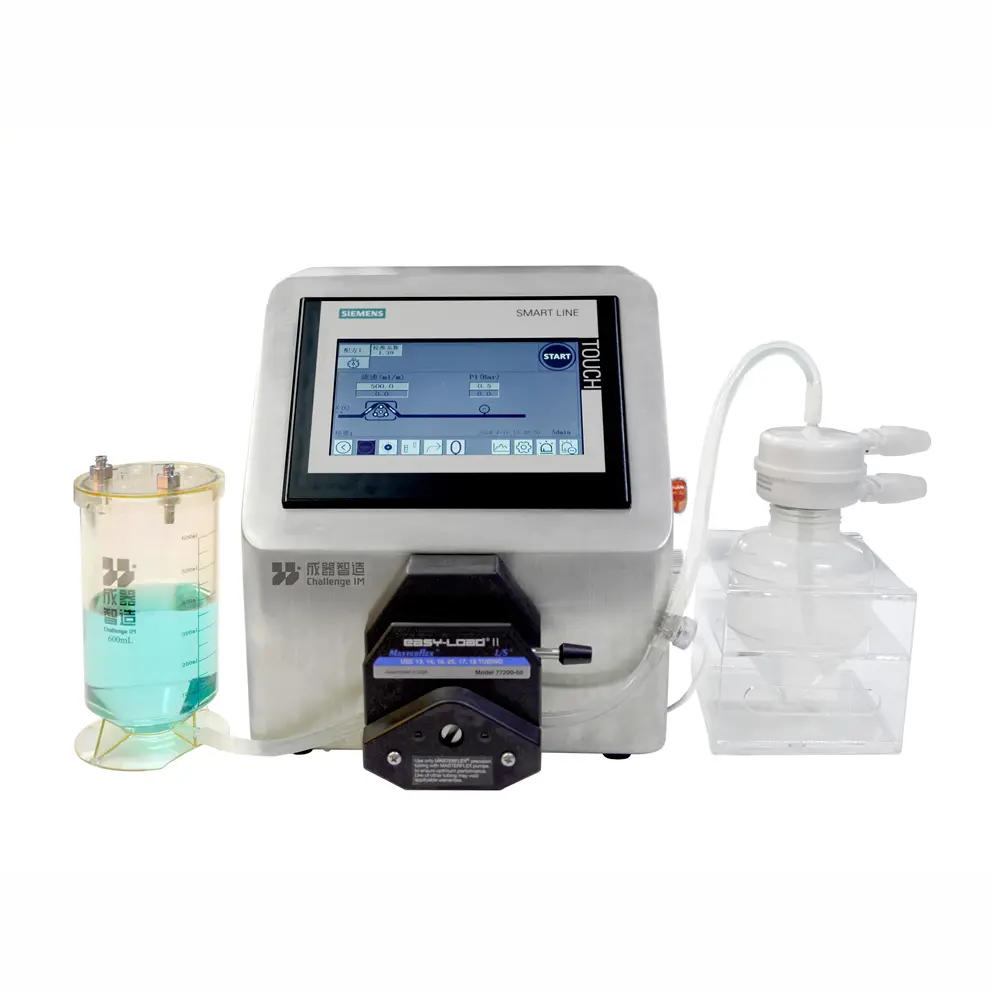 Jump Pump
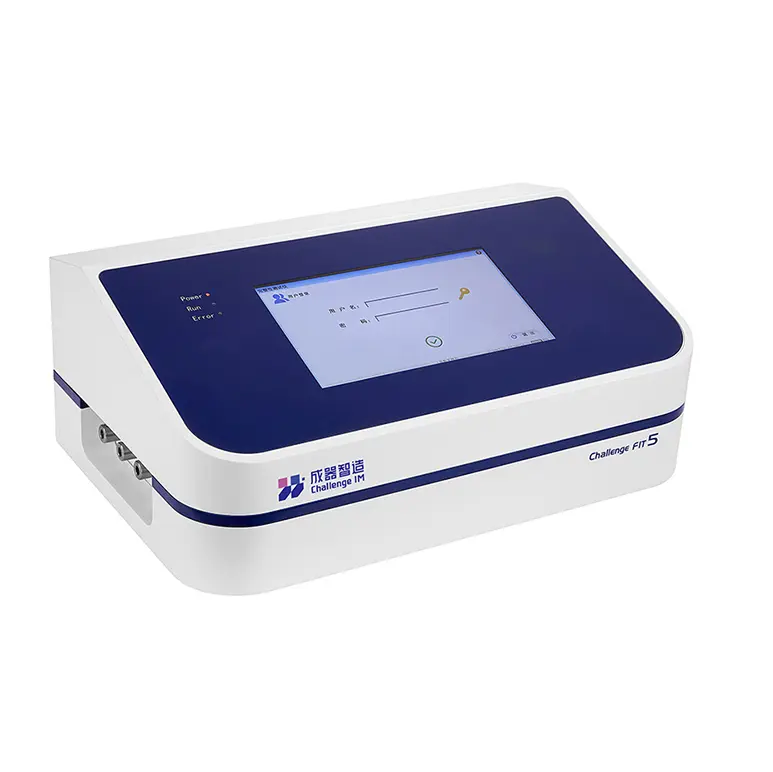 FIT Integrity Tester
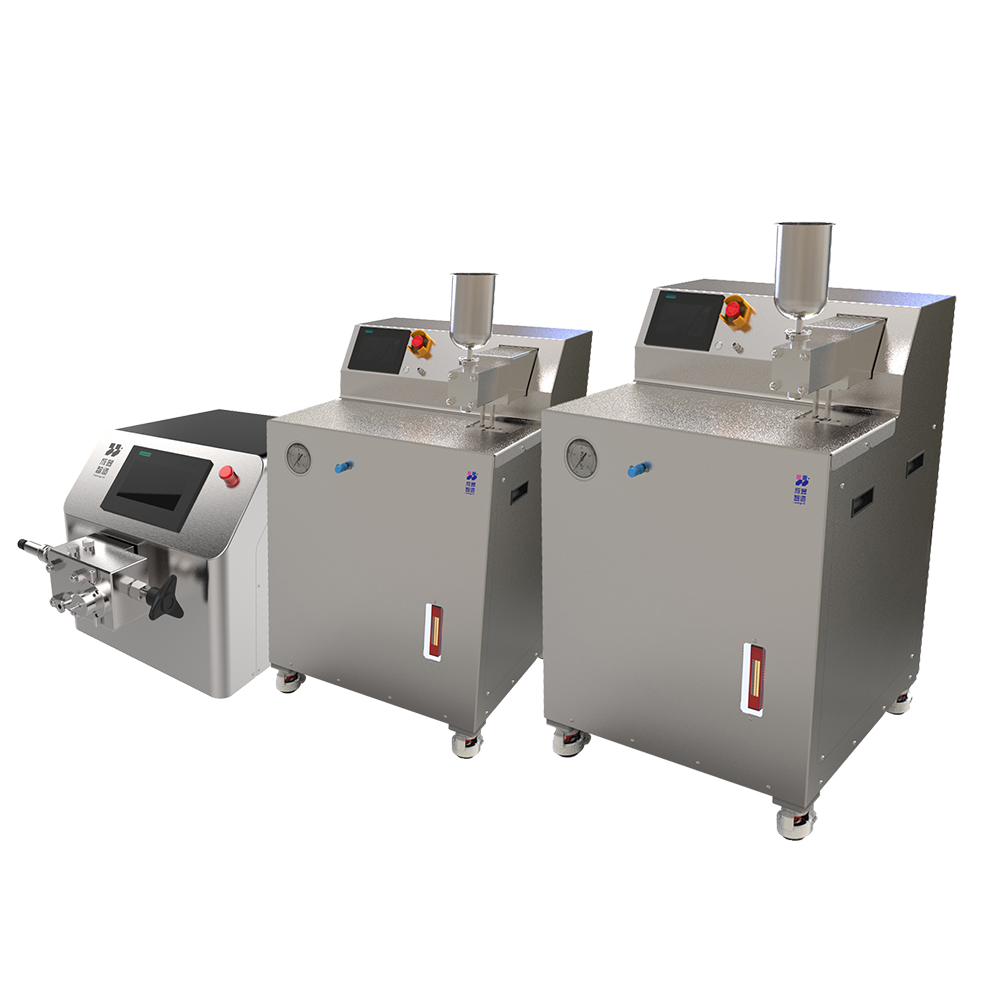 High Pressure Homogenizers
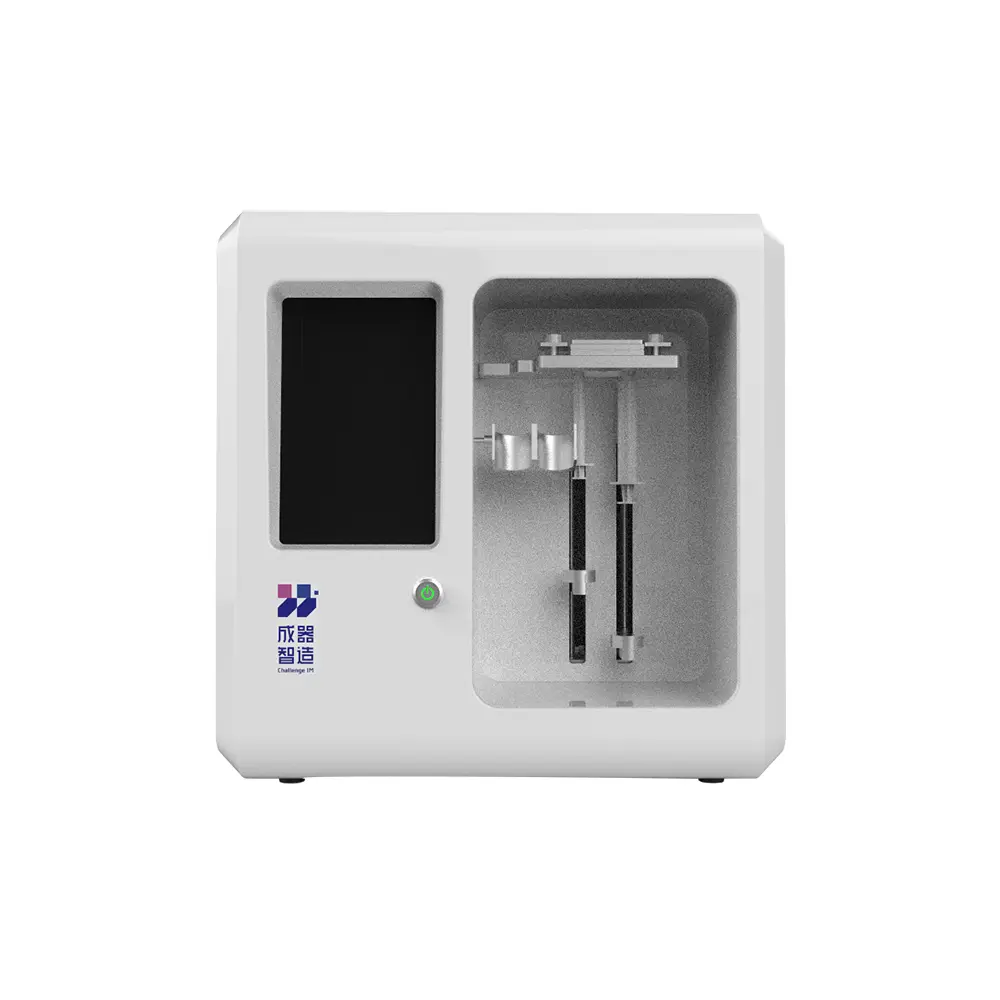 Microfluidics