Top 10 Nanofiltration Filters for Pure Water Solutions?
In the quest for pure water, the importance of a reliable Nanofiltration Filter cannot be overstated. These filters play a crucial role in removing contaminants while retaining essential minerals. As environmental concerns rise, more people are exploring nanofiltration as a viable solution for water purification.
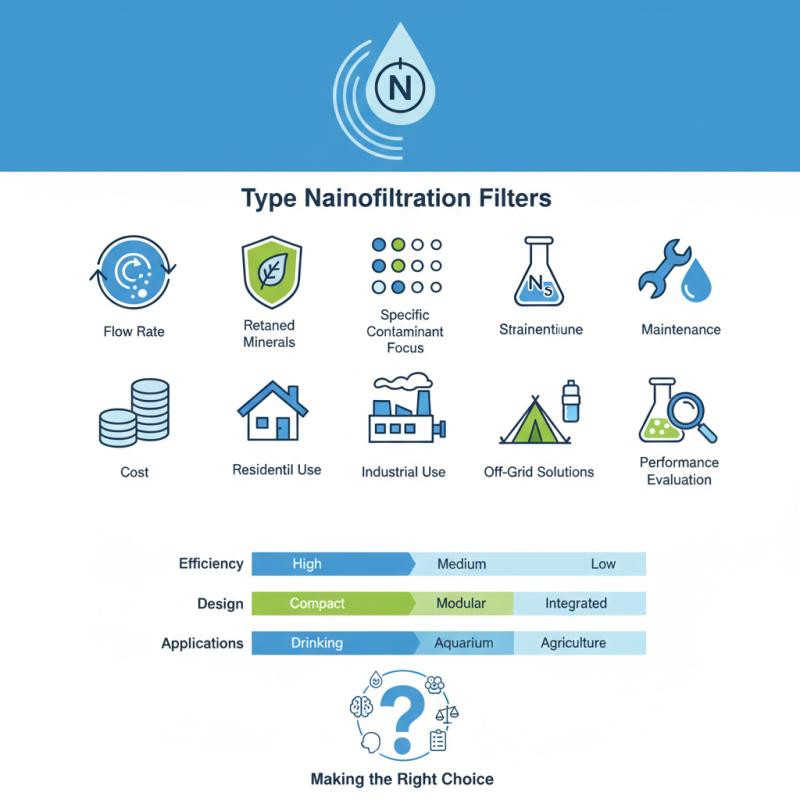
Different models of nanofiltration filters vary in efficiency and design. Some filters excel at removing small particles, while others focus on specific contaminants. Users often grapple with making the right choice for their needs. It’s important to consider factors like flow rate, maintenance, and cost.
In this landscape of options, selecting the best nanofiltration filter can feel overwhelming. Many users are left reflecting on their needs and the specific applications of these filters. Evaluating performance and upkeep will lead to a more informed choice for pure water solutions.
Overview of Nanofiltration Technology in Water Purification
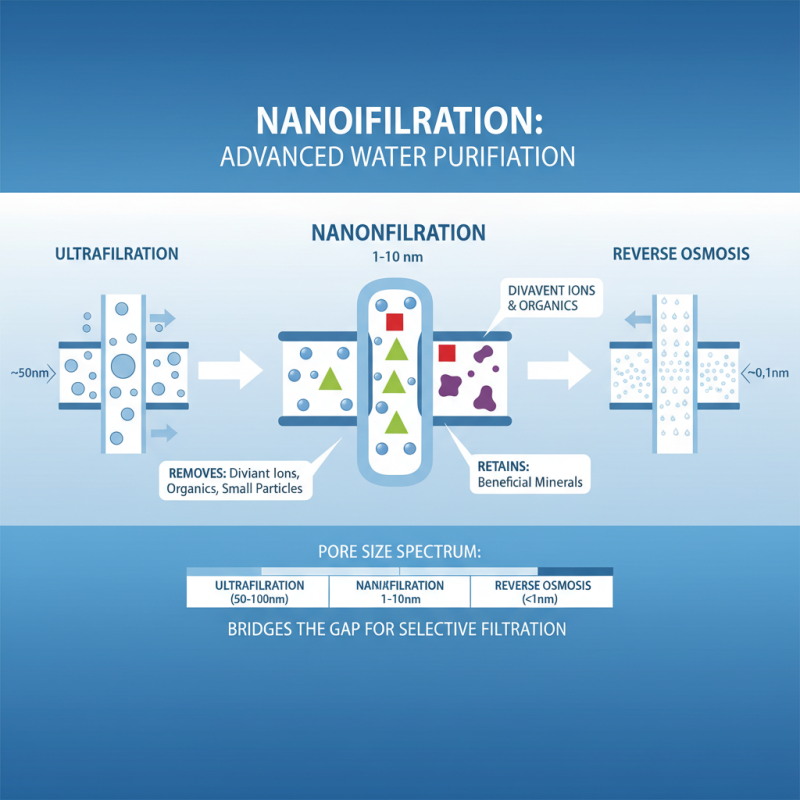
Nanofiltration technology plays a crucial role in water purification. It bridges the gap between ultrafiltration and reverse osmosis. This method effectively removes small particles, including divalent ions and larger organic molecules. The membranes used in nanofiltration have pore sizes ranging from 1 to 10 nanometers. This allows for selective separation of contaminants while retaining beneficial minerals.
In practice, nanofiltration can retain a significant amount of dissolved solids. However, not all membranes perform equally. Some encounter fouling, which complicates maintenance. Regular cleaning is necessary to ensure optimal performance. Operators often face challenges with pressure management. If the pressure is too low, filtration may be ineffective. Conversely, excessive pressure can dam- age the membrane.
Water quality varies significantly based on source and conditions. It can impact the efficiency of nanofiltration systems. For instance, high levels of turbidity may clog membranes faster. It's essential to monitor water quality closely. Continuous assessment can help in adjusting system operations. This ensures the highest purity levels in the treated water. Therefore, while nanofiltration offers efficient purification, constant vigilance and care are necessary.
Criteria for Selecting Effective Nanofiltration Filters
When selecting effective nanofiltration filters, several criteria demand attention. The filter's pore size is crucial. Filters with a smaller pore size block more contaminants. However, they may also restrict water flow. This trade-off is essential. Look for filters that balance efficiency and permeability.
Another important factor is material composition. Different materials offer varying durability and resistance to fouling. Ideally, choose filters made from high-quality polymers or composite materials. This choice enhances longevity and reduces replacement frequency. Also, consider the filter's operating pressure. Higher pressures can improve performance but may increase energy costs.
Evaluating the intended application is vital. Each water source presents unique challenges. Some filters perform better in specific conditions, such as high salinity. Testing the filter's effectiveness with actual water samples can provide insight. The right filter can lead to significant improvements in water quality. However, the wrong choice can waste resources and time. Understanding these criteria leads to better decisions in selecting a nanofiltration filter.
Top 10 Nanofiltration Filters for Pure Water Solutions
This chart displays the removal rates of various nanofiltration filters, showcasing their efficiency in providing pure water solutions.
Top 10 Nanofiltration Filters for Pure Water Solutions
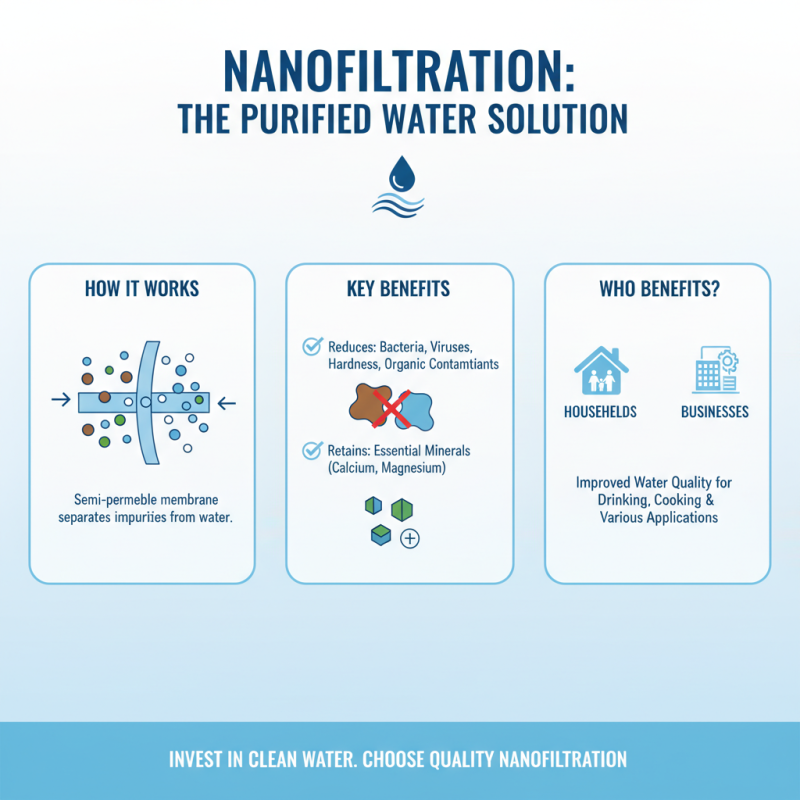
When it comes to achieving pure water solutions, selecting the right nanofiltration filters is crucial. These filters work by separating impurities from water through a semi-permeable membrane. They effectively reduce unwanted substances while retaining essential minerals. For households and businesses, investing in quality nanofiltration systems can lead to significant improvements in water quality.
Many options are available, but not all filters are the same. Some may struggle with specific contaminants, while others excel in water flow rates. It’s vital to consider the unique needs of your water supply. Factors like hardness, levels of chlorine, and specific contaminants can influence filter performance. This makes research indispensable.
Additionally, installation and maintenance should not be overlooked. Sometimes, users underestimate the upkeep required for optimal filtration. A neglected filter may fail to operate efficiently. Regular checks and timely replacements of membranes are essential for achieving the desired water purity. Balancing performance and upkeep is something that requires thoughtful consideration. Being aware of these aspects will help you choose wisely.
Comparison of Performance Metrics in Nanofiltration Filters
When assessing nanofiltration filters, performance metrics are crucial. Key factors include membrane permeability, rejection rates, and fouling resistance. High permeability contributes to lower energy costs and better water flow. For instance, membranes with a permeability of over 30 LMH (liters per square meter per hour) are often more efficient.
Rejection rates of contaminants are vital too. Effective nanofiltration can remove over 90% of divalent ions. Research indicates that advanced membranes can reach up to 99% rejection for certain organic molecules. However, no filter is perfect. Many face challenges with fouling, which can degrade performance.
Tips: Regular maintenance is essential. Checking for fouling can enhance longevity. It’s also wise to monitor pH levels. This can affect filter efficiency. Moreover, consider testing your water regularly to assess performance. Adjusting the system based on these factors can lead to improved outcomes. Remember, slight adjustments can make a noticeable difference in your water quality.
Top 10 Nanofiltration Filters for Pure Water Solutions
| Filter Model |
Separation Rate (%) |
Membrane Area (m²) |
Operating Pressure (bar) |
Feed Water pH Range |
Maximum Recovery Rate (%) |
| Model A |
90 |
120 |
15 |
3-10 |
85 |
| Model B |
92 |
100 |
12 |
4-9 |
80 |
| Model C |
88 |
140 |
10 |
3-10 |
90 |
| Model D |
91 |
80 |
14 |
3-11 |
82 |
| Model E |
89 |
110 |
13 |
4-10 |
75 |
| Model F |
87 |
130 |
15 |
3-11 |
92 |
| Model G |
93 |
150 |
16 |
4-9 |
78 |
| Model H |
84 |
100 |
11 |
3-10 |
82 |
| Model I |
90 |
120 |
12 |
4-9 |
85 |
| Model J |
86 |
140 |
10 |
3-10 |
88 |
Maintenance and Longevity of Nanofiltration Systems
Nanofiltration systems
are essential for purifying water. However, their maintenance is crucial for long-term performance. Regular checks on the membranes can prevent
unwanted fouling. Fouling occurs when particles build up on the membrane surface. This accumulation
leads to reduced efficiency over time. It's important to monitor water quality regularly.
Cleaning the membranes should be part of routine maintenance. There are different cleaning solutions available, but not all are suitable for every system.
Using the wrong cleaner can damage the membrane, leading to costly replacements. Routine inspection
for leaks or cracks in the system is necessary as well. These issues can lead to significant water loss. The frequency of cleaning and inspection can vary
based on usage.
Longevity also relies on proper installation. Incorrect setup can compromise the system's effectiveness. You might notice
reduced water flow or unexpected drops in quality. These signs should not be ignored.
Investing time in understanding system requirements pays off in the long run. Remember,
a little preventive care can go a long way in ensuring
consistent water purity.


 Tangential Flow Filtration(TFF) System
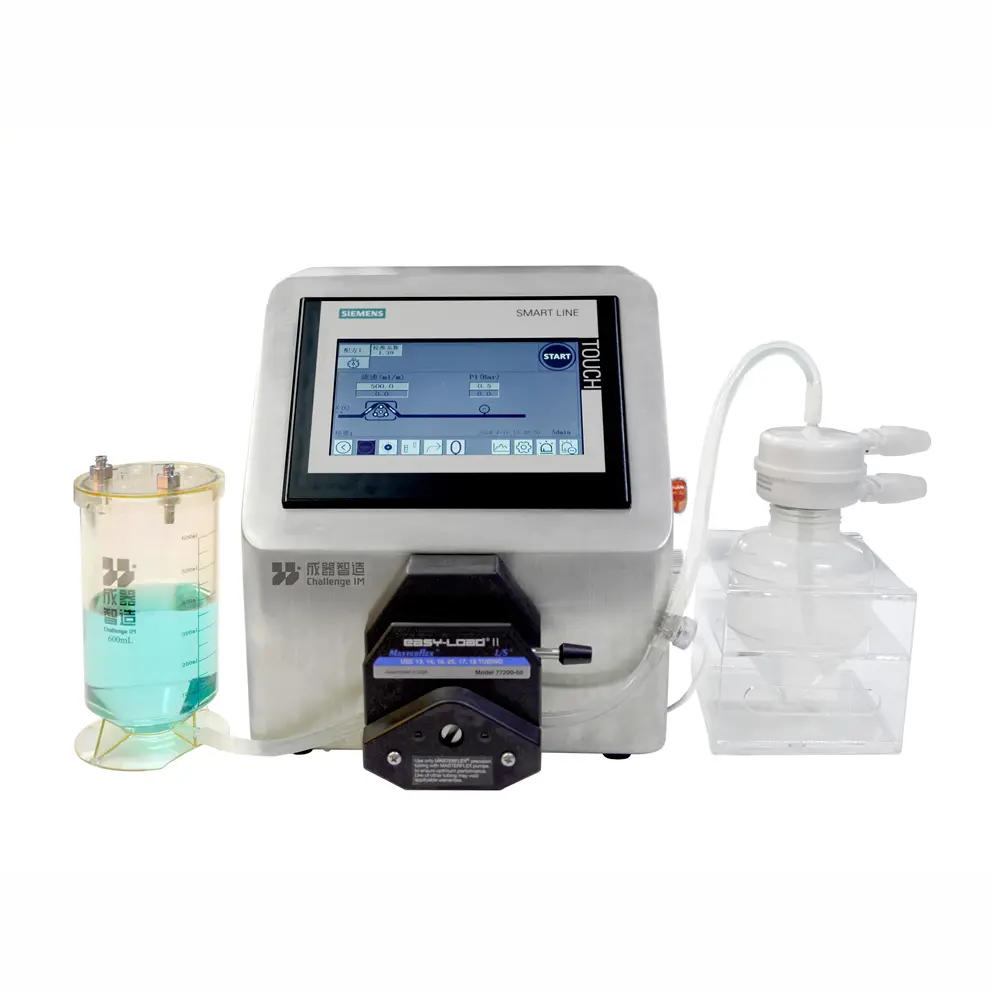 Jump Pump
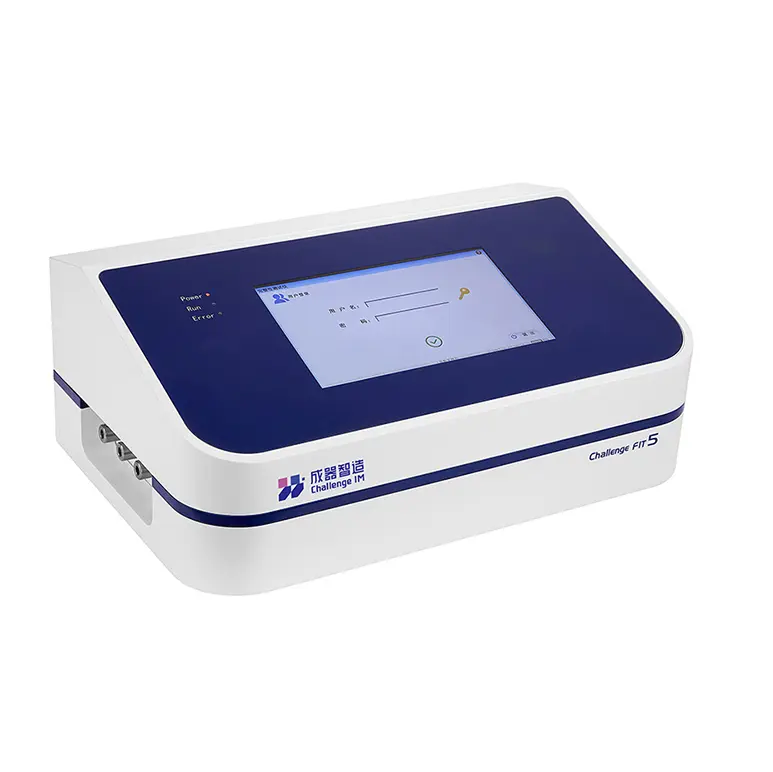 FIT Integrity Tester
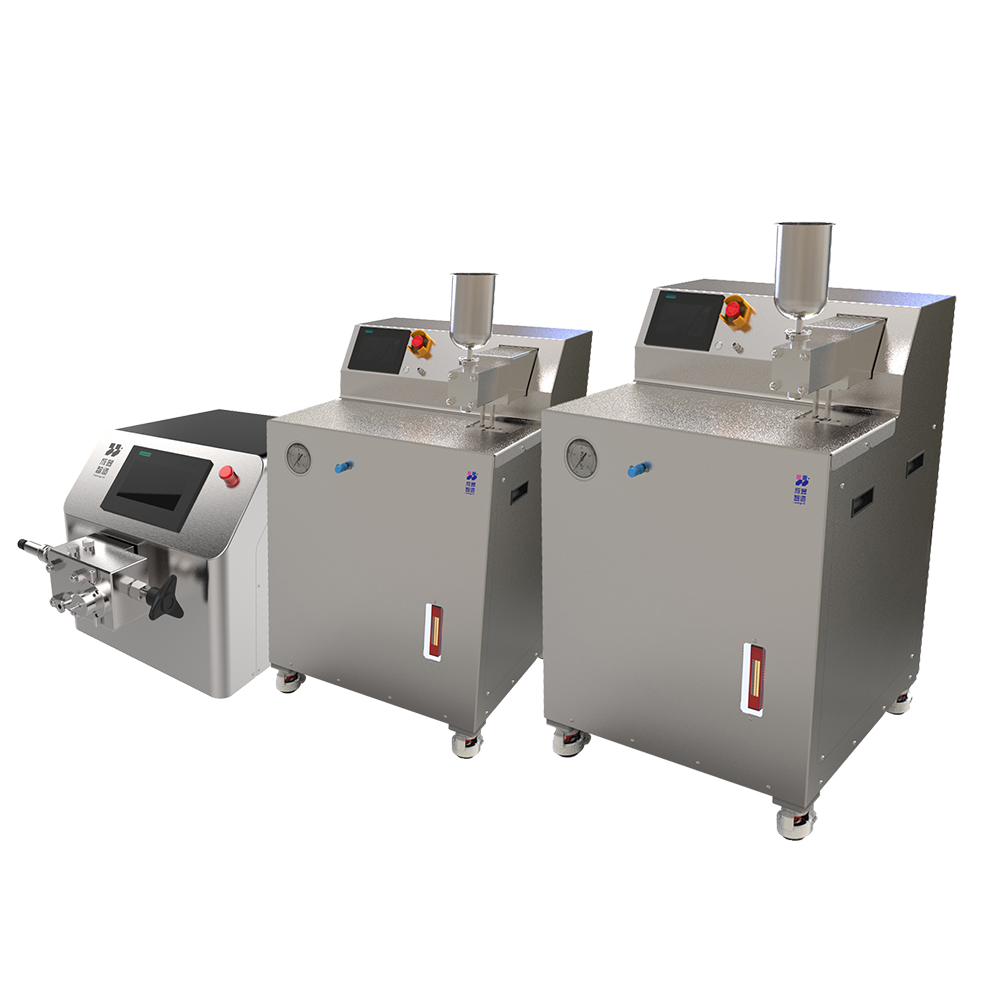 High Pressure Homogenizers
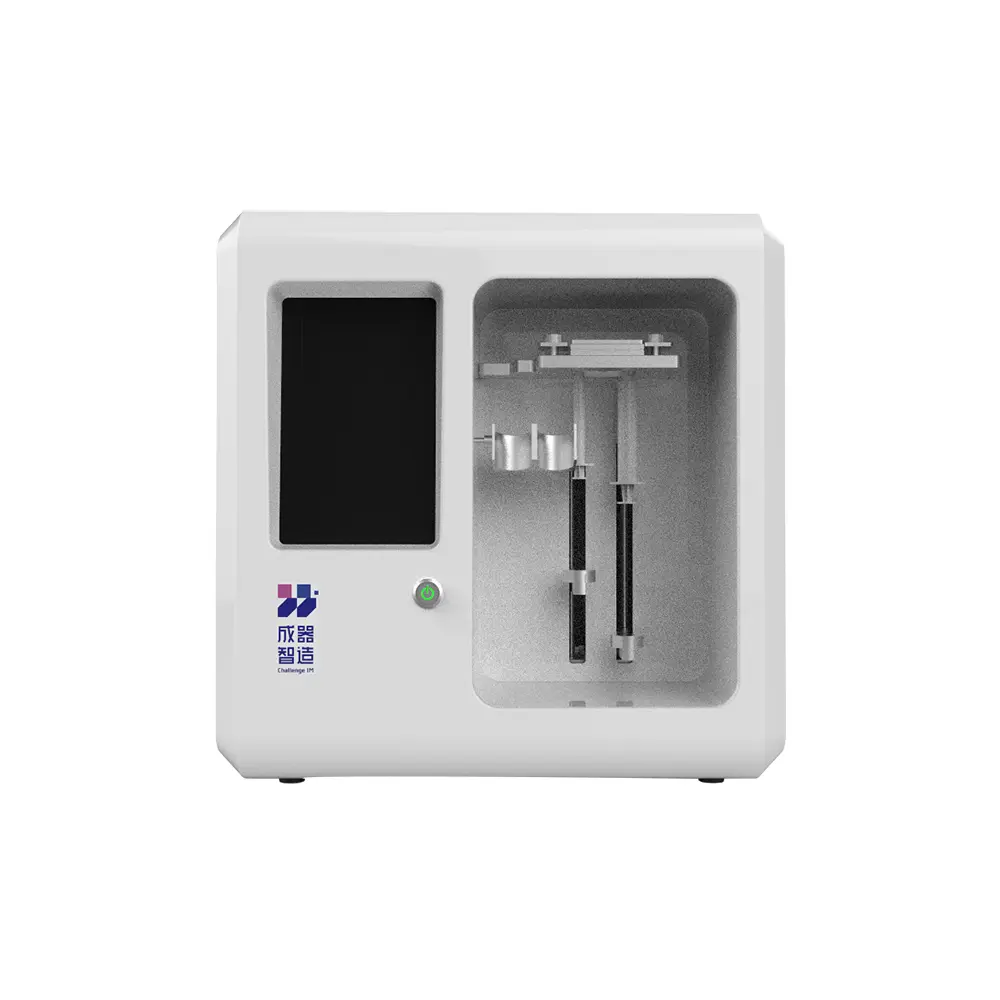 Microfluidics