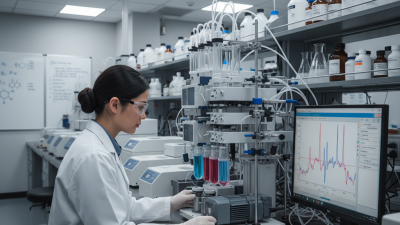
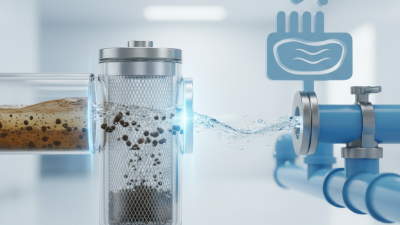
Top Protein Purification Methods for 2026 What Buyers Need to Know?
In the rapidly evolving field of biotechnology, effective protein purification is crucial for research and development. Leading expert Dr. Emily Chen emphasizes, “The future of Protein Purification lies in innovative methodologies that ensure purity and efficiency.” As we approach 2026, buyers in the protein purification market need to be aware of emerging methods that prioritize both performance and cost-effectiveness.
Protein purification techniques, such as chromatography and filtration, are becoming more sophisticated yet user-friendly. It's essential to understand these options to choose the right method for your needs. Advanced technologies can improve yield, but they may require a steeper learning curve. Companies must balance efficiency with accessibility to remain competitive.
Moreover, the landscape is constantly shifting. New technologies emerge and outdated methods may cause bottlenecks. Staying informed about the latest developments in Protein Purification is indispensable. An informed buyer can navigate these complexities, ensuring their processes remain smooth and effective in this critical domain. It is not just about choosing the right method; it is about understanding how these choices affect overall research outcomes.
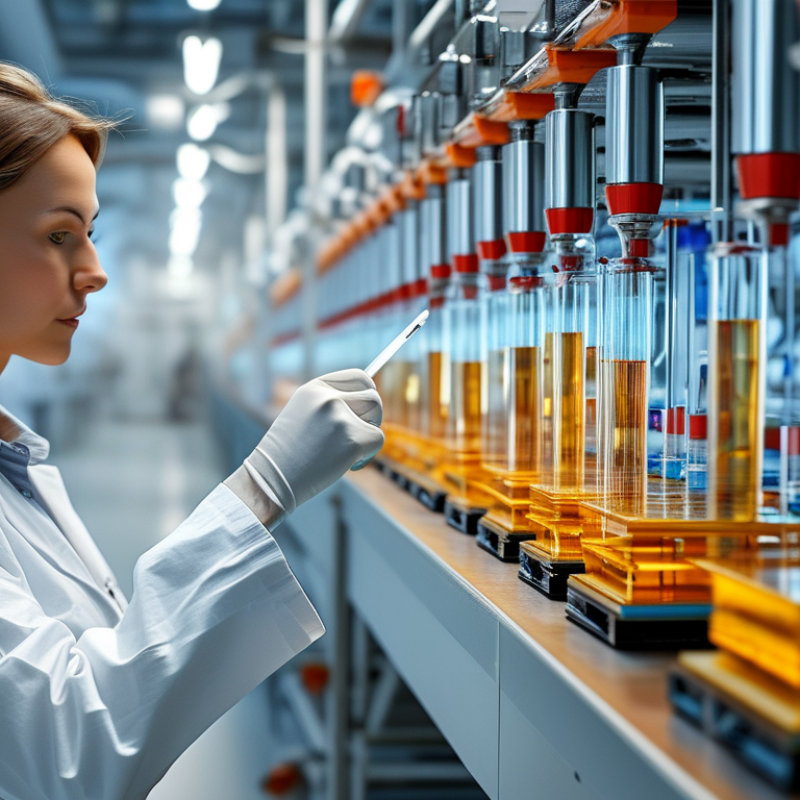
Overview of Protein Purification Methods in 2026
In 2026, the landscape of protein purification methods is evolving rapidly. Numerous techniques are being refined to enhance efficiency and yield. Affinity chromatography remains a reliable choice for isolating specific proteins. Its principle relies on the specific interactions between proteins and their corresponding ligands. This method allows researchers to obtain high purity levels, but it can be costly and requires careful optimization.
Another prominent method is size-exclusion chromatography. This technique separates proteins based on size, allowing smaller molecules to pass through while larger ones are retained. While it is relatively simple, achieving the desired resolution can require multiple rounds of purification. Additionally, ultrafiltration is gaining traction. This technique utilizes membranes to separate proteins from smaller contaminants. While effective, the need to maintain membrane integrity is a challenge.
Incorporating advanced techniques like electrophoresis can further refine protein separation. This process uses an electric field to move proteins through a gel, revealing various isoforms. Despite being precise, it can be labor-intensive and less scalable. When selecting a purification method, researchers must balance between efficiency, cost, and the specific requirements of their protein of interest. It's crucial to reflect on these variables to make informed decisions.
Criteria for Selecting Protein Purification Techniques
Selecting the right protein purification technique in 2026 requires careful consideration. Buyers must weigh various factors to ensure effective results. Start with the protein source. The properties of the protein will influence the choice of method. For instance, different proteins have varying solubility and stability under different conditions. Understanding these nuances helps in making informed decisions.
Cost-effectiveness is another crucial criterion. Techniques like chromatography may be efficient but can also be expensive. Budget constraints might push buyers toward more economical methods. However, cheaper options may compromise the purity and yield of the product. Balancing cost and quality is essential. Additionally, consider the scalability of the chosen technique. A method that works in a lab may not be suitable for larger operations. Buyers must think ahead, aiming for solutions that can grow with their needs.
Finally, the experience level of the personnel is important. Not all techniques are suitable for beginners. Some methods may require specialized training. It is worth reflecting on the capabilities of the team performing the purification. Improper technique usage can lead to suboptimal results, necessitating a reassessment of resources and training available. Thus, understanding these criteria plays a significant role in selecting the most appropriate protein purification method.
Comparative Analysis of Leading Purification Technologies
In the rapidly evolving field of protein purification, several technologies dominate the landscape. Chromatography, for instance, remains a cornerstone method, boasting a purification efficiency of over 90% for many proteins. This method is favored for its adaptability and high resolution. Recent innovations have enhanced affinity chromatography techniques, leading to faster processing times and improved yields. However, the reliance on expensive materials raises concerns about scalability and accessibility for smaller laboratories.
Membrane filtration is gaining traction as a complementary method. It offers rapid separation and is particularly effective for large-scale operations. However, it may not achieve the same purity levels as chromatography. It's crucial to consider the trade-offs involved. A study shows that while membrane techniques can process larger volumes, their selectivity can be a bottleneck. Researchers must evaluate their specific needs to find the best fit for individual projects.
Another emerging approach is precipitation. It is low-cost and simple, appealing to budget-constrained labs. Yet, its effectiveness can vary widely. Certain proteins may not precipitate properly, resulting in loss during purification. A recent report indicated that nearly 30% of researchers struggle with this method. Clear understanding and careful optimization are vital for successful application.
Emerging Trends and Innovations in Protein Purification
The field of protein purification is rapidly evolving. Emerging techniques are transforming how scientists isolate proteins. New methods are more efficient and effective. These innovations are essential for research and industry applications. Emerging trends like automation and microfluidics are at the forefront. They enhance precision and reduce manual errors.
Current advancements focus on using artificial intelligence. AI algorithms can predict proteins’ behavior. This allows for more tailored purification processes. Researchers are also exploring the benefits of nanotechnology. Nano-sized materials improve binding affinities and efficiency. There is a notable shift towards greener methods as well. Biodegradable materials are gaining traction in the purification space.
Tip: Always stay updated with the latest research publications. Subscribing to relevant journals can provide insights into emerging trends. Networking with professionals in the field will also help you stay informed.
Considering the complexities of protein purification, it's crucial to choose methods wisely. What works for one protein may not work for another. The need for optimization is clear. Taking the time to assess different techniques can lead to better results. Another tip is to maintain meticulous records of experiments. This practice will aid in refining approaches over time.
Top Protein Purification Methods for 2026 What Buyers Need to Know? - Emerging Trends and Innovations in Protein Purification
| Method |
Principle |
Applications |
Emerging Trends |
Efficiency Level |
| Affinity Chromatography |
Specific binding of proteins to ligands attached to a stationary phase. |
Enzyme purification, antibody isolation. |
Increasing use of engineered ligands. |
High |
| Ion Exchange Chromatography |
Separation based on charge properties of proteins. |
Protein characterization, vaccine development. |
Adoption of mixed-mode resins. |
Moderate to High |
| Gel Filtration Chromatography |
Separation based on molecular size. |
Purification of large biomolecules, protein complexes. |
Automation and scale-up processes. |
Moderate |
| Precipitation Techniques |
Protein solubility manipulation to form a precipitate. |
Initial concentration of proteins. |
Greener solvent alternatives. |
Variable |
| Affinity Field Flow Fractionation |
Differential migration of molecules in a flow field. |
Characterization of protein complexes. |
Integration with mass spectrometry. |
High |
Best Practices for Maximizing Purification Efficiency
Efficient protein purification is crucial for research and industry applications. Understanding best practices can enhance purification outcomes significantly. Recent industry reports indicate that up to 70% of research projects fail due to poor purification methods. It's clear that optimizing these processes is essential for success.
One effective technique involves maintaining optimal pH levels. Studies show that specific proteins perform best within narrow pH ranges. For instance, adjusting the pH can improve yield by 15-20%. Moreover, temperature control can impact the stability of proteins during purification. Keeping the temperature consistent minimizes denaturation risks and can enhance purity levels by 10-15%.
Additionally, monitoring salt concentration is vital. Many proteins require specific ionic strengths for stability. Anomalies in salt concentrations can result in irreversible aggregation. Regular assessments of ionic conditions help mitigate risks. These insights underscore the importance of a systematic approach, as variations can lead to substantial losses in yield and purity. Ensuring these parameters are well-regulated can be the difference between success and failure in protein purification efforts.


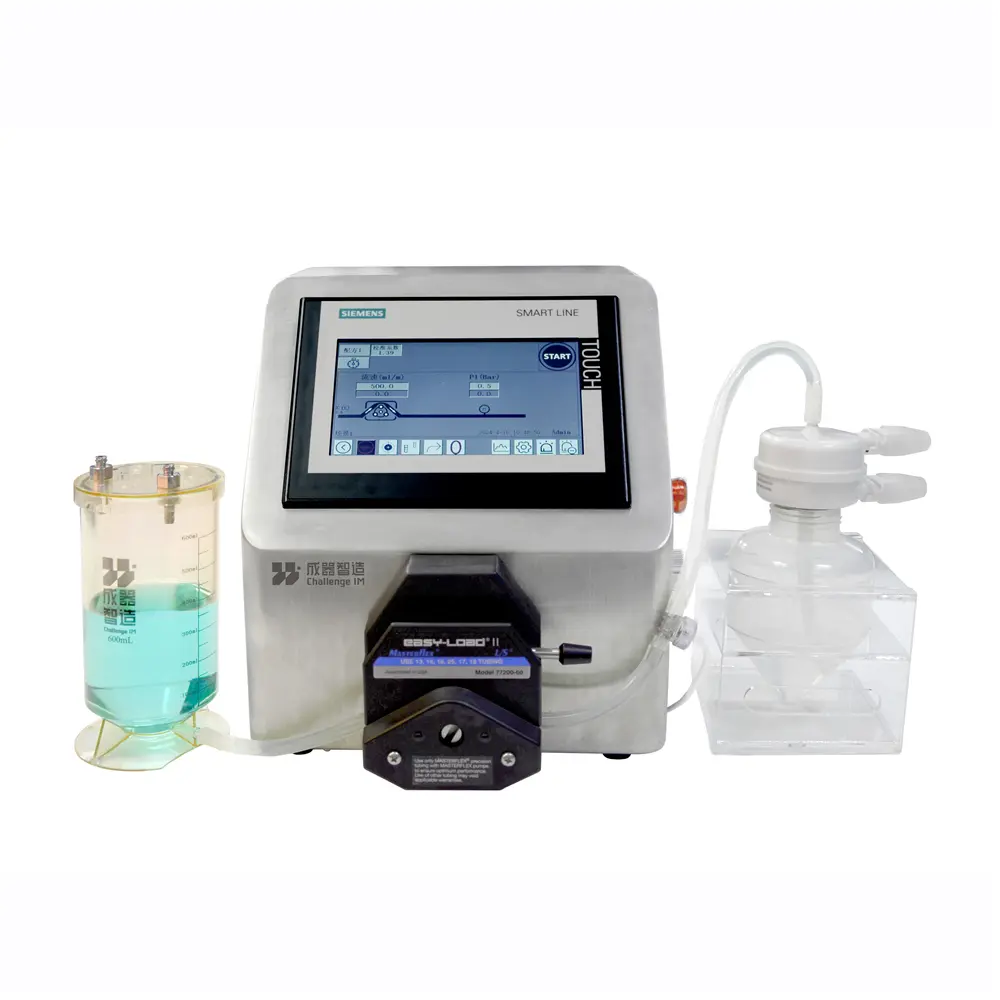
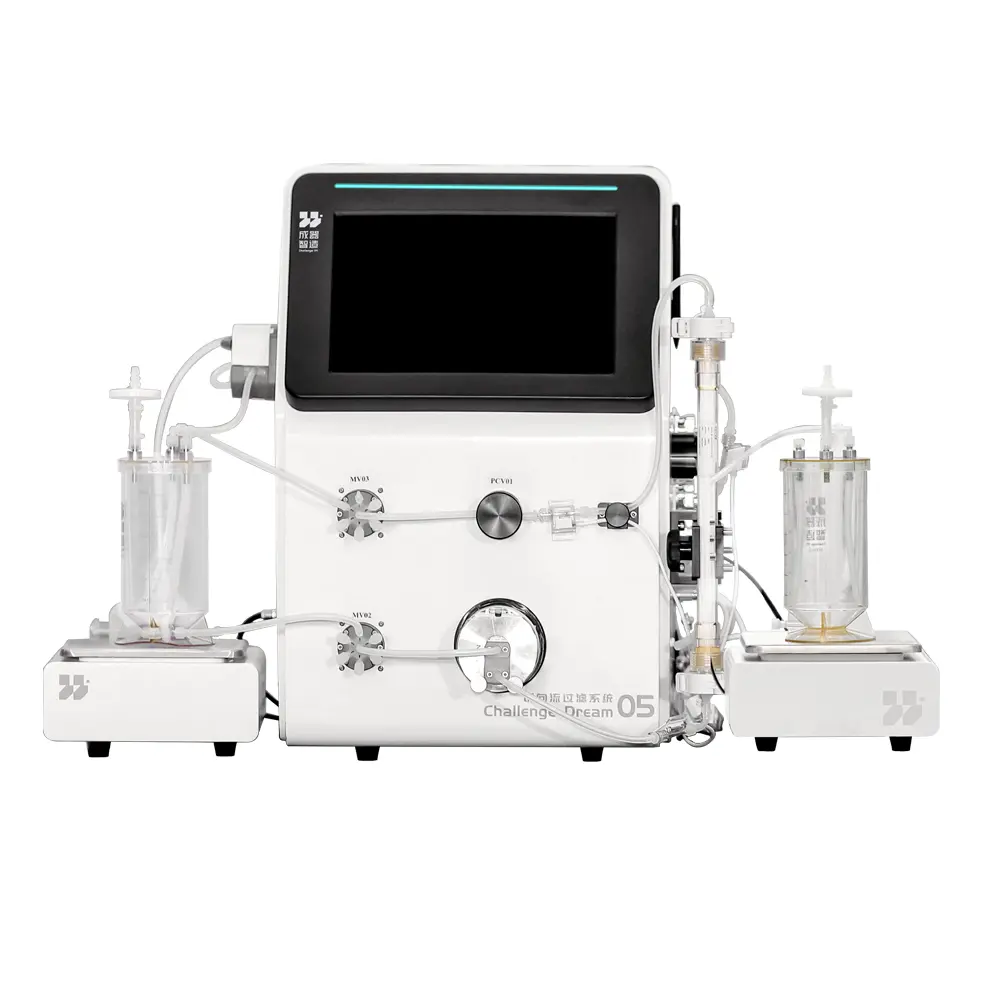 Tangential Flow Filtration(TFF) System
 Jump Pump
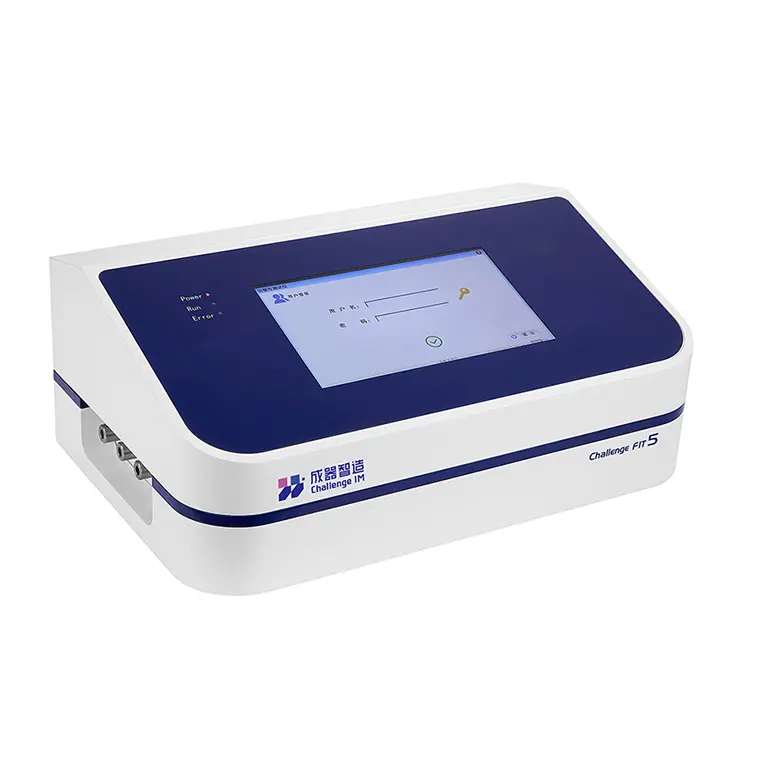 FIT Integrity Tester
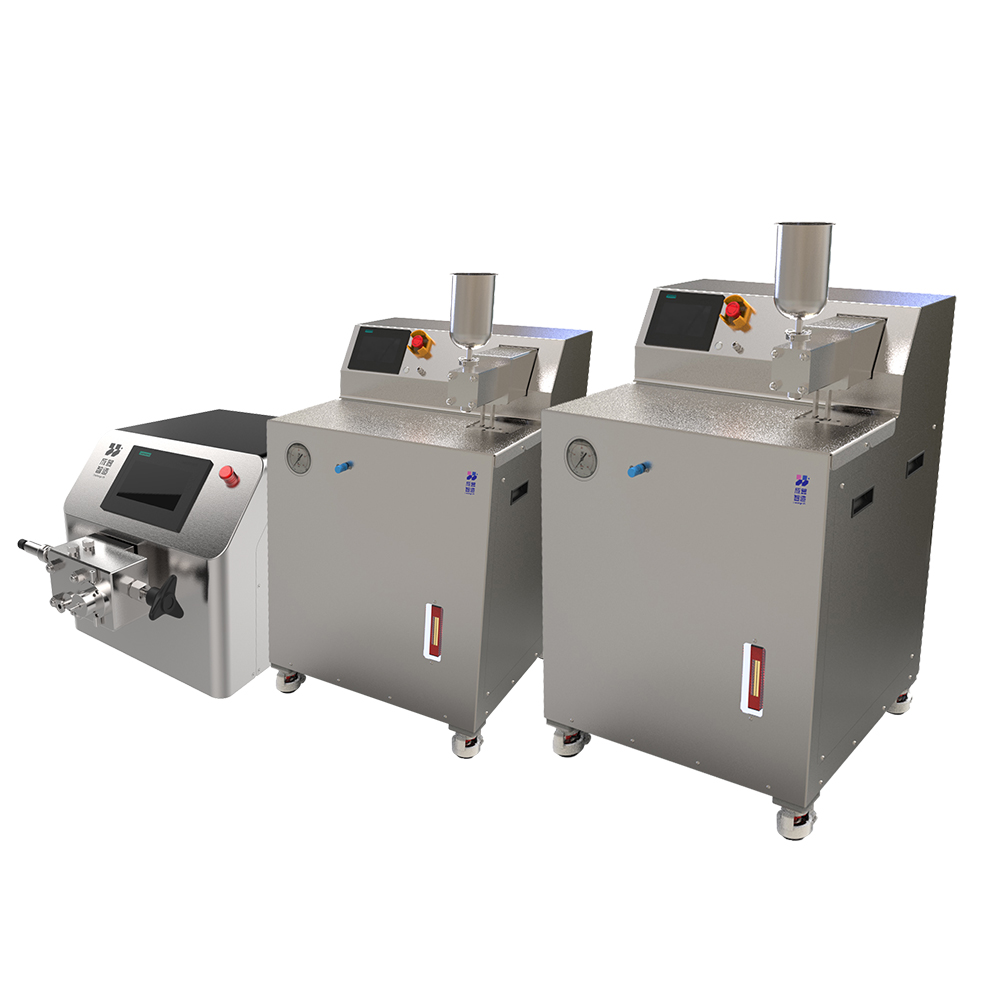 High Pressure Homogenizers
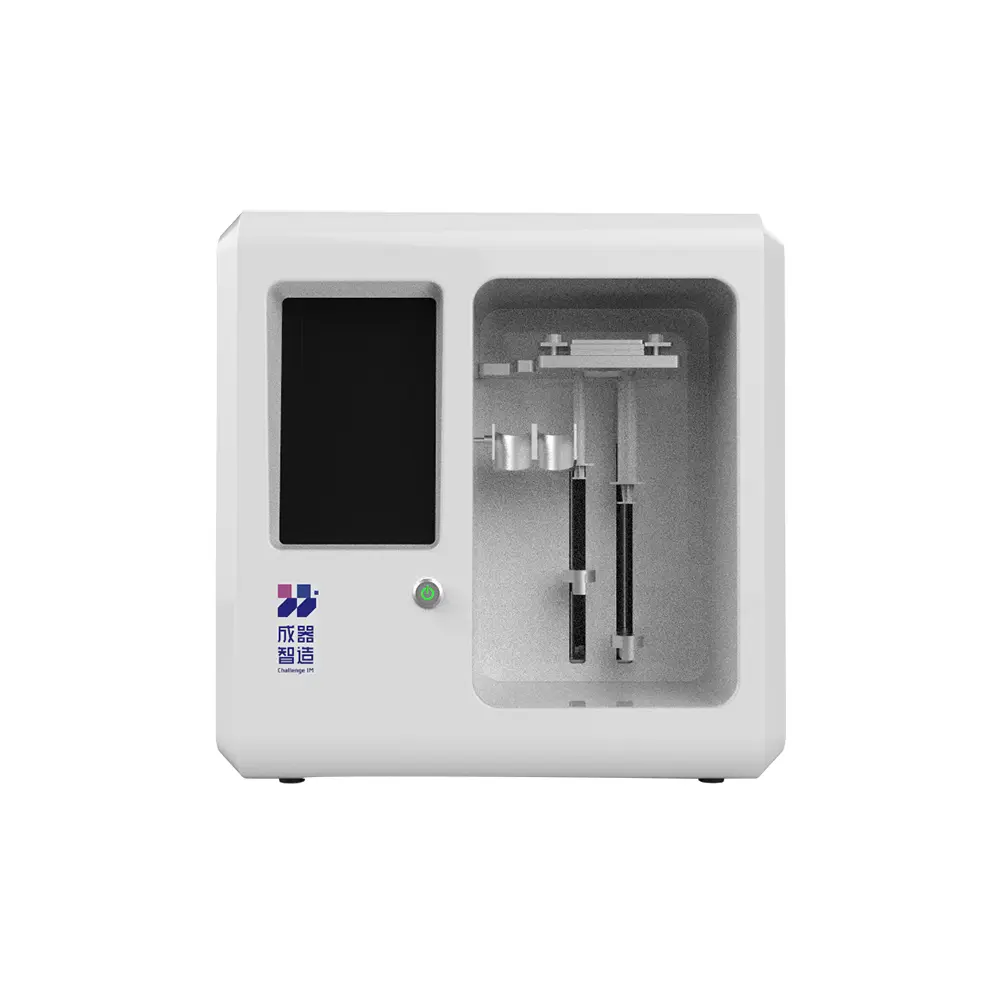 Microfluidics