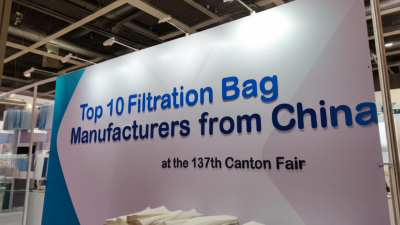
Top Tips for Choosing Filter Bags at the 139th Canton Fair?
Choosing the right Filter Bag is crucial for efficient industrial processes. The 139th Canton Fair will present a unique opportunity to explore a variety of options in this sector. The global filter bag market was valued at approximately $4 billion in 2022 and is expected to grow at a CAGR of 6% through 2030. This growth is driven by increasing environmental regulations and the demand for clean air.
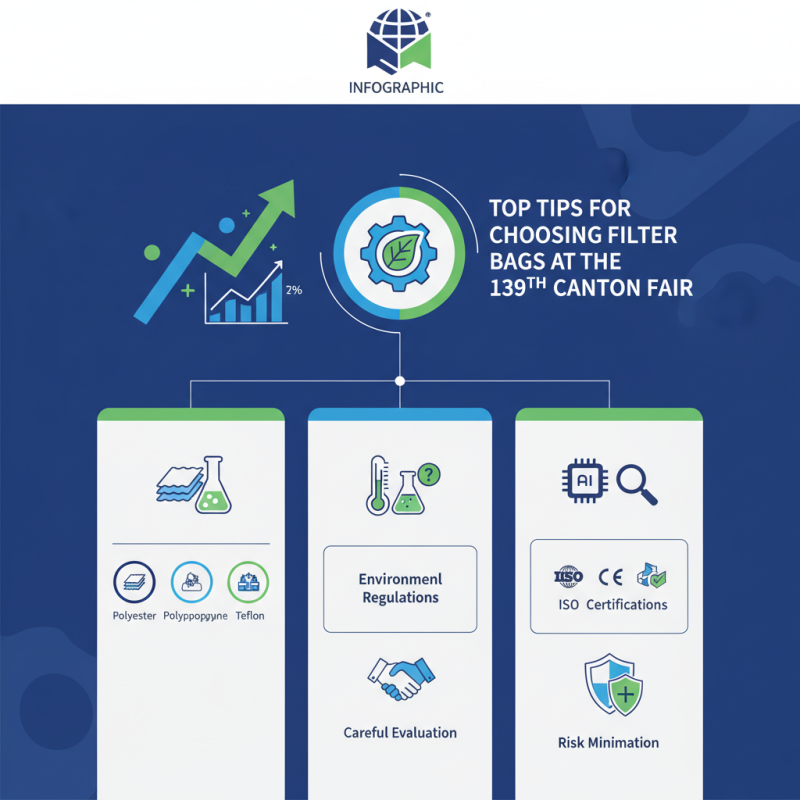
During the fair, purchasers should focus on several critical factors. The quality of the Filter Bag materials is paramount. Most suppliers offer polyester, polypropylene, or Teflon options. Each material has its strengths, depending on the application. Knowing whether your requirement leans towards high-temperature resistance or specific chemical compatibility can play a significant role in your decision.
AI features at the fair enhance the purchasing experience. Attendees can quickly find vendors meeting specific certifications like ISO or CE. However, it's important to remember that not all suppliers can guarantee quality. Some may not accurately represent their product capabilities. Careful evaluation and a hands-on approach will help buyers make informed choices, minimizing risks associated with poor product selection.
Understanding the Importance of Filter Bags in Various Industries
Filter bags play a critical role across numerous industries. They are essential for air and liquid filtration processes. Many sectors, such as food processing, pharmaceuticals, and mining, rely heavily on their effectiveness. According to a report by Markets and Markets, the filter bag market is expected to reach $5.1 billion by 2026, driven by growing industrialization. This statistic highlights their increasing relevance in maintaining quality and compliance.
Choosing the right filter bag can drastically impact operational efficiency. For example, a poorly selected filter bag can lead to increased downtime and maintenance costs. Data from the Filtration Society shows that inappropriate filtration solutions can result in a 15% drop in productivity. Despite this, many industries overlook the significance of proper filtration. Companies often choose filter bags based on price alone, neglecting factors like material compatibility and filtration efficiency. These oversights can lead to serious performance issues.
In many cases, businesses face challenges when handling filter bag inventory. Some may underestimate the importance of timely replacements. This can result in compromised filtration systems and higher overall costs. With the growing demand for effective filtration, industries must better understand their needs. A focused approach to filter bag selection can lead to improved operational outcomes and sustainability.
Key Criteria for Selecting Quality Filter Bags at the Canton Fair
When choosing filter bags at the 139th Canton Fair, quality is key. Inspect materials carefully. Look for durability, resistance to wear, and compatibility with your specific application. Choosing the right fabric can significantly impact performance. Pay close attention to the bag's construction to ensure it meets your needs.
Consider filtration efficiency next. Different environments require different types of filtration. Some bags are better for fine particles, while others handle larger debris. Don't hesitate to ask suppliers for testing data. It is also crucial to evaluate the supplier's reputation. Take time to read reviews and assess their history in the market.
Lastly, keep your budget in mind. Higher prices don’t always guarantee better quality. Be cautious when evaluating cost. Sometimes, cheaper options might offer decent performance but lack durability. Reflect on your long-term needs versus immediate costs when making a decision. By carefully weighing these factors, you can find the right filter bags for your operation.
Exploring Material Options: Choosing the Right Fabric for Filter Bags
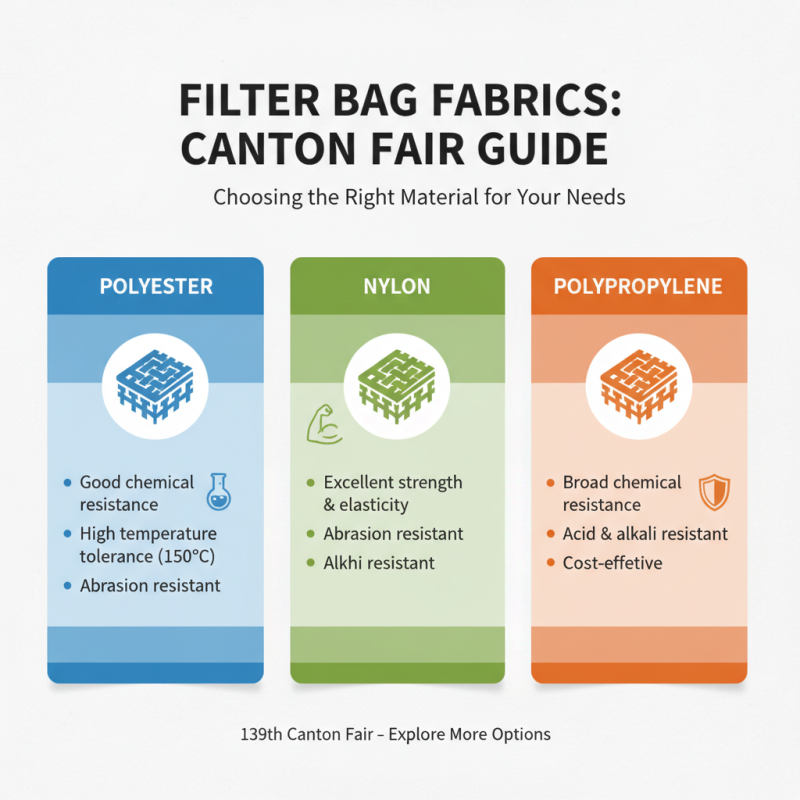
When selecting filter bags at the 139th Canton Fair, material choice is crucial. Various fabrics offer distinct benefits, making it essential to understand their properties. Common materials include polyester, nylon, and polypropylene. Each fabric presents a unique set of characteristics that may influence your filtering needs.
Polyester filter bags are cost-effective and resistant to moisture. They are ideal for general filtration tasks. Nylon, while more durable, can withstand higher temperatures. It's perfect for more demanding environments. Polypropylene is another option, known for its chemical resistance. This makes it suitable for specialized applications.
Tips for choosing the right fabric include considering your specific needs. Assess the operating conditions. Will the bags face high temperatures or harsh chemicals? Do some research. Look for user feedback. Gaps in knowledge can lead to poor choices, which could affect performance. Take your time at the fair to evaluate different samples. A hands-on approach can reveal insights that specifications do not show.
Evaluating Filter Bag Performance: What to Look For
When evaluating filter bag performance, consider several key factors. Material composition is crucial. Look for durable fabrics that offer excellent filtration efficiency. Needle felt fabrics, for instance, are commonly used due to their robustness. The right fabric can enhance both collection and airflow.
Another important aspect is the bag's size and fit. Ensure that the filter bag fits your equipment correctly. A poor fit can lead to air leaks, reducing efficiency. Pay attention to dimensions and design specifications. It’s often helpful to have a sample before making a bulk purchase.
Don't overlook the cleaning process. Some filter bags provide better ease of cleaning than others. This can impact their longevity and maintenance costs. Testing a few options can reveal subtle differences. These insights might not be obvious at first glance. Evaluate every detail carefully to ensure optimal performance in your specific applications.
Top Tips for Choosing Filter Bags at the 139th Canton Fair
This chart represents key evaluation criteria for choosing filter bags at the Canton Fair. Each bar reflects the importance of different factors such as material quality, air permeability, dust holding capacity, temperature resistance, and cost effectiveness.
Navigating Suppliers: Tips for Effective Communication and Negotiation
Effective communication and negotiation are vital at trade shows like the 139th Canton Fair. Suppliers often come from various backgrounds. Differences in language, culture, and business practices can cause misunderstandings. Reports indicate that 70% of international negotiations face challenges due to these barriers.
Ask specific questions about their products. Focus on details. Inquire about material quality and production capabilities. A lack of clarity leads to confusion. The industry data shows that 30% of buyers regret decisions because of inadequate supplier information. Use clear and concise language to convey your needs. Avoid jargon that could complicate understanding.
Be prepared for negotiation. Suppliers may not reduce prices easily. Research market trends in advance. Studies suggest that buyers who negotiate based on data achieve better outcomes. However, don't rush. Take time to reflect on offers. Trust is built over discussions. Listen actively and note key points. This approach enhances collaboration.
Top Tips for Choosing Filter Bags at the 139th Canton Fair
| Tip Number |
Important Factors |
Details |
| 1 |
Material Quality |
Check the material composition for durability and effectiveness. |
| 2 |
Filtration Efficiency |
Ensure the bags meet the specific filtration needs of your application. |
| 3 |
Supplier Reputation |
Research the reliability and reviews of suppliers before making a decision. |
| 4 |
Customization Options |
Check if the supplier offers customizable sizes or materials based on your needs. |
| 5 |
Price Competitiveness |
Compare prices among suppliers to ensure you are getting a fair deal. |
| 6 |
Communication Clarity |
Establish clear communication to avoid misunderstandings during negotiations. |


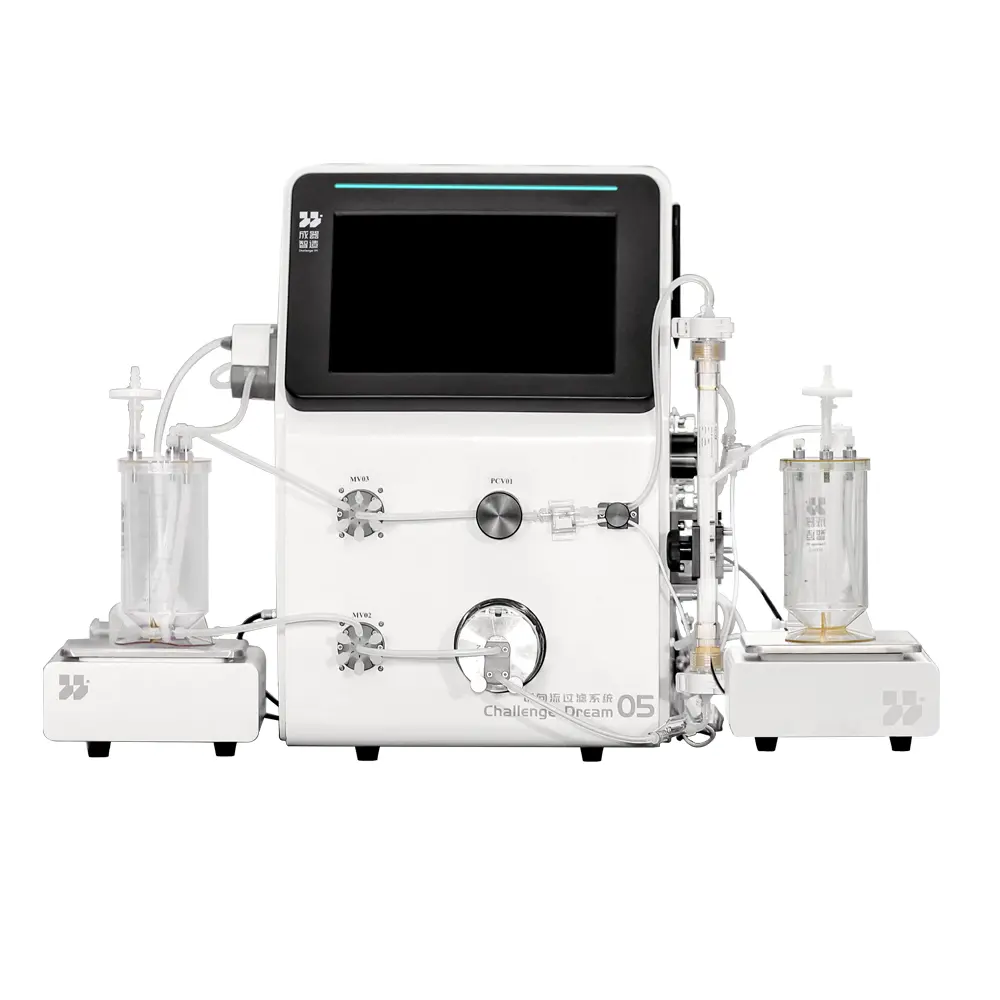 Tangential Flow Filtration(TFF) System
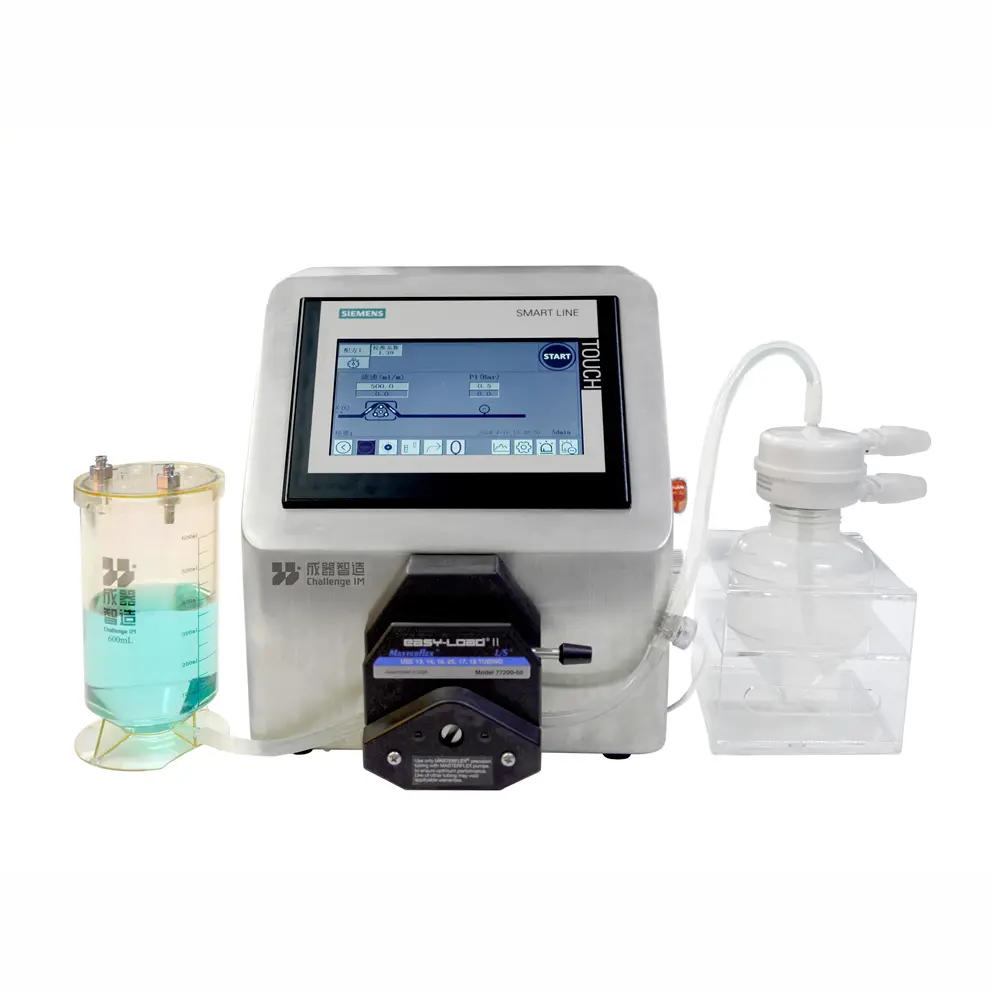 Jump Pump
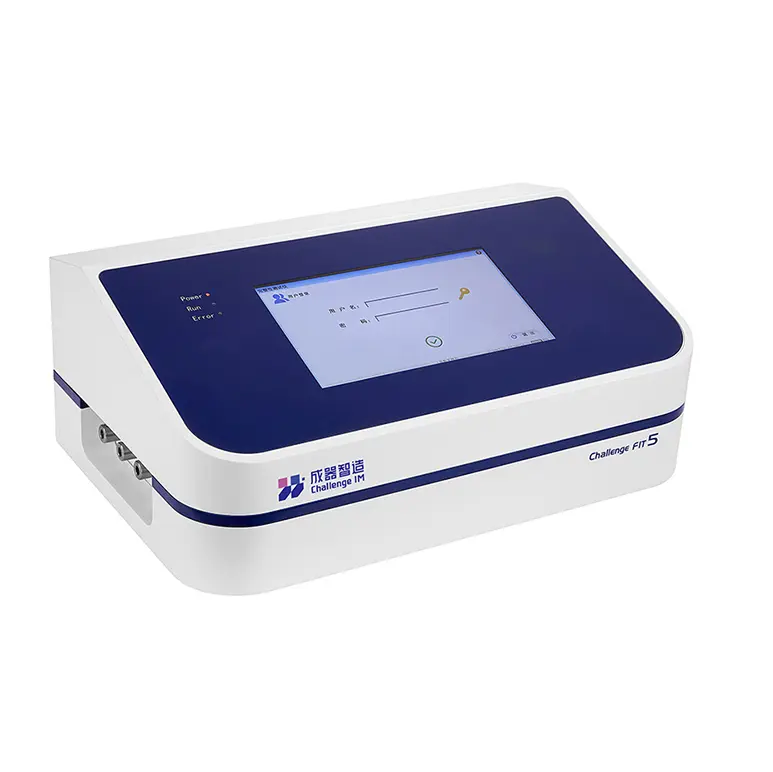 FIT Integrity Tester
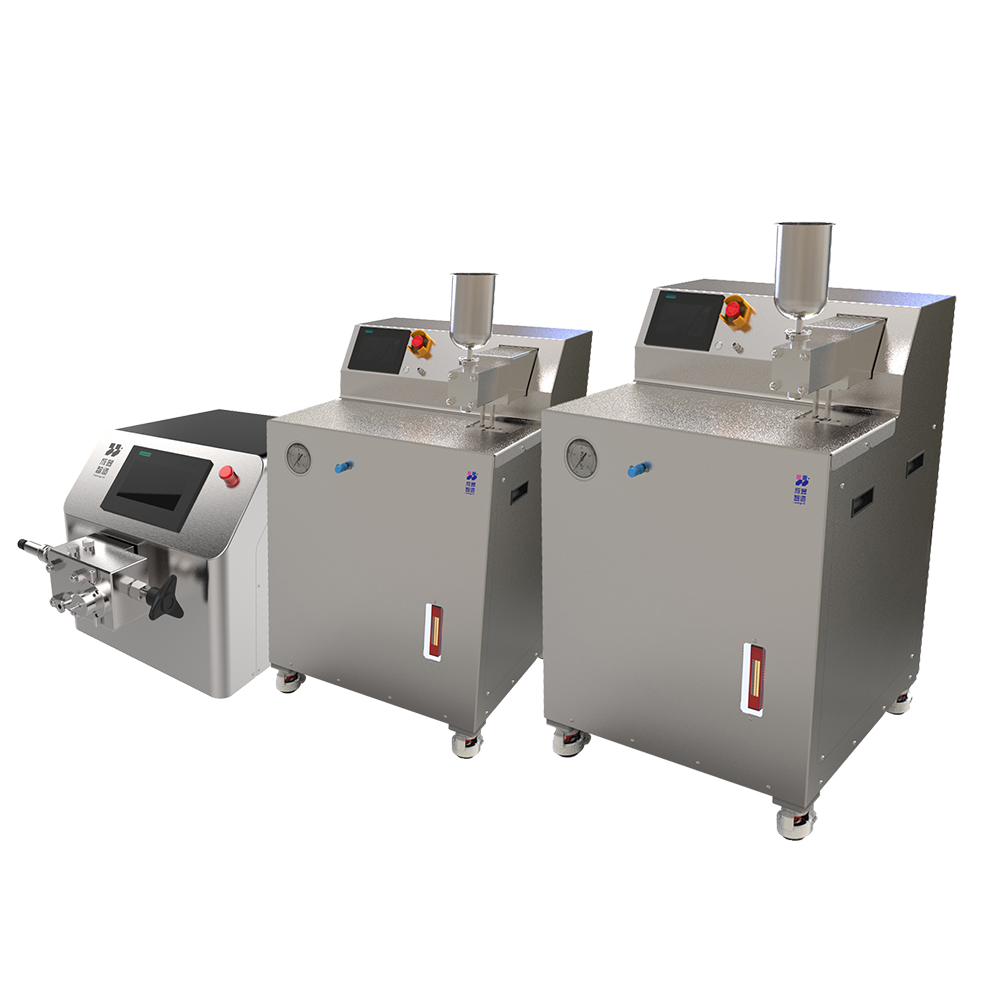 High Pressure Homogenizers
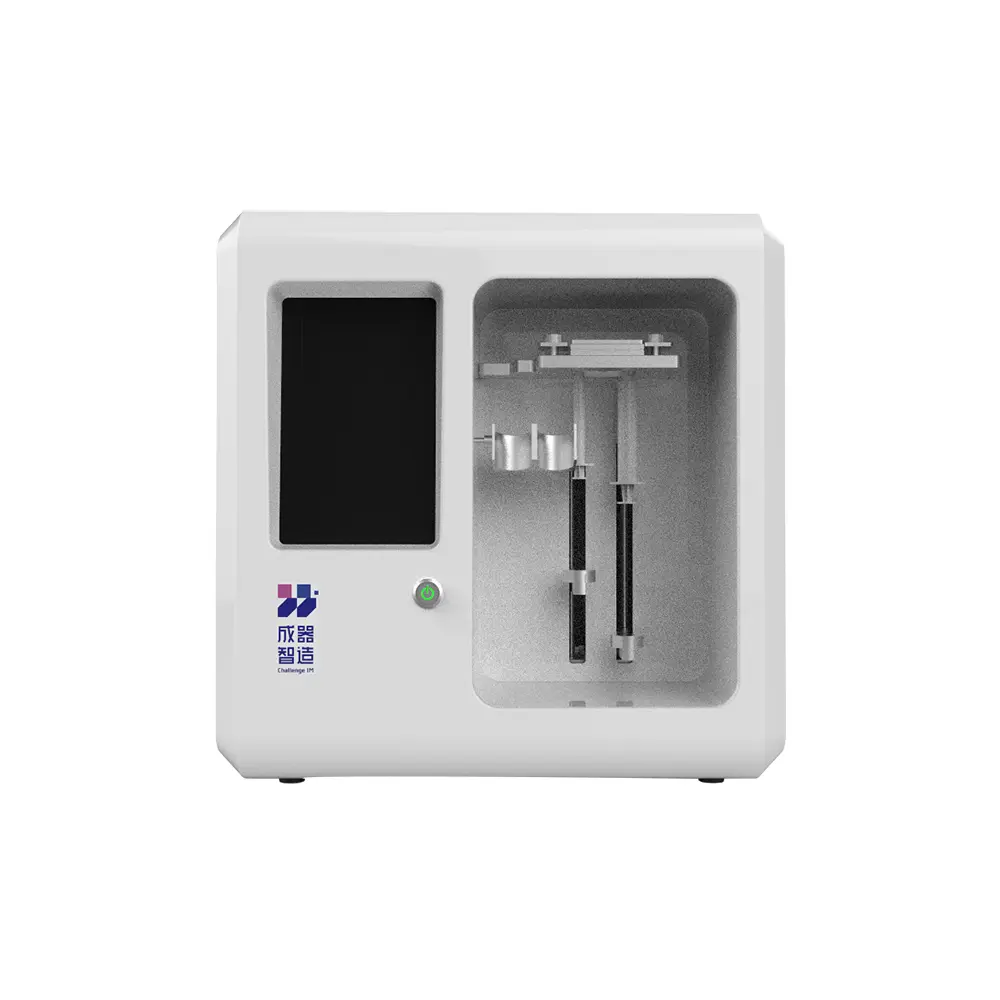 Microfluidics