Ultimate Tips for Understanding Ultra Filtration and Its Benefits
In today's rapidly evolving water treatment landscape, Ultra Filtration (UF) emerges as a pivotal technology, offering unmatched efficiency and efficacy in purifying water and liquids. According to a recent report by the Global Water Treatment Market Analysis, the UF market is projected to reach $6.5 billion by 2025, driven by increased demand for safe drinking water and stringent water quality regulations. This underscores the essential role that Ultra Filtration plays in not only meeting these standards but also in providing sustainable solutions for various industries, including food and beverage, pharmaceuticals, and municipal water systems.
“Ultra Filtration is essential for enhancing the quality of water, ensuring both safety and taste," states Dr. Emily Carter, a renowned expert in membrane technology. Her insights highlight the critical need for advanced filtration methods as global water scarcity becomes a pressing issue. With the ability to effectively remove particles as small as 0.01 microns, UF technology is distinguished by its capacity to eliminate a wide range of impurities, including bacteria and colloids, while retaining essential minerals. Understanding Ultra Filtration and its multifaceted benefits is crucial for stakeholders aiming to optimize water quality and resource management in an increasingly water-conscious world.
Understanding the Fundamentals of Ultra Filtration Technology
Ultra Filtration (UF) technology is an advanced separation process that removes particles, colloids, and microorganisms from liquids, utilizing membranes with pore sizes typically ranging from 1 to 0.01 microns. By effectively filtering out impurities, UF ensures high-quality water, crucial for various industries, including food and beverage, pharmaceuticals, and wastewater treatment. According to a report by MarketsandMarkets, the global ultra-filtration membrane market is projected to reach USD 4.23 billion by 2025, growing at a CAGR of 8.4% during the forecast period. This growth is driven by the increasing need for clean water resources and the rising demand for advanced filtration technologies.
Understanding the fundamentals of ultra-filtration involves recognizing its operating mechanisms, such as cross-flow filtration and dead-end filtration. Cross-flow filtration allows the feed water to flow parallel to the membrane surface, which minimizes fouling and prolongs membrane life. Dead-end filtration, on the other hand, uses a perpendicular flow, resulting in a more concentrated retention layer. Industrial applications of UF highlight its versatility; for instance, the treatment of wastewater is enhanced by the removal of suspended solids and pathogens, which improves overall water quality. According to a report from the National Association of Clean Water Agencies, implementing UF systems in municipal wastewater treatment can lead to a 60% reduction in pathogens, significantly improving public health safety.
Key Applications of Ultra Filtration in Water Purification Processes
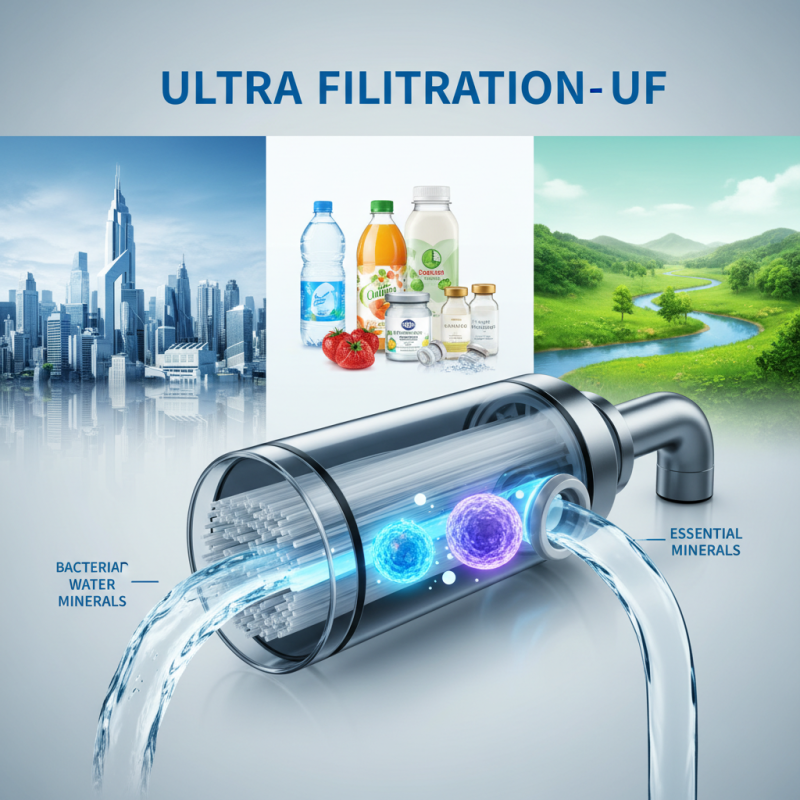
Ultra filtration (UF) is a crucial technology in the realm of water purification, effectively removing contaminants like bacteria, viruses, and organic compounds. According to a report by Global Market Insights, the ultra filtration market is anticipated to reach USD 6 billion by 2027, reflecting a growing emphasis on water quality and safety. This technology operates on a semi-permeable membrane principle, allowing water to pass while leaving larger impurities behind. Key applications of ultra filtration span various sectors, including municipal water treatment, industrial processes, and food and beverage production.
In municipal water purification, ultra filtration plays a vital role in ensuring safe drinking water. Studies have shown that UF can remove up to 99% of virus particles, making it a dependable option for water utilities striving to meet strict regulatory standards. Additionally, its ability to operate effectively in varying temperatures and turbidity levels makes it versatile for different environments. The food and beverage industry also benefits from ultra filtration, where it helps in concentrating juices, removing particulates, and ensuring product quality by maintaining microbial safety. The efficiency and versatility of ultra filtration are paving the way for enhanced water purification methods, reflecting a growing trend towards sustainability and health in water management practices.
Key Applications of Ultra Filtration in Water Purification Processes
Comparative Analysis: Ultra Filtration vs. Other Filtration Methods
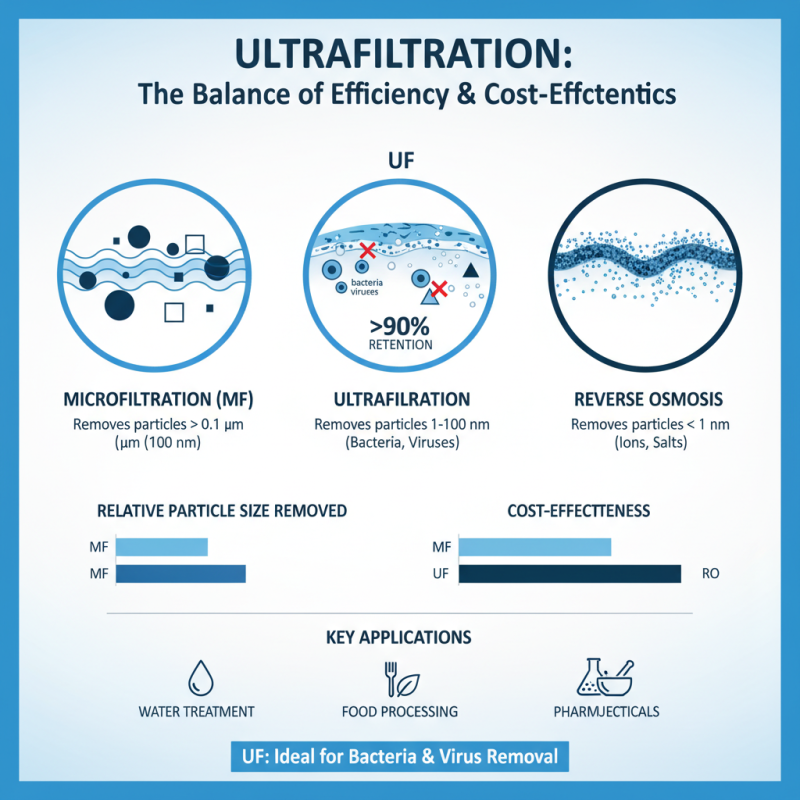
Ultra filtration (UF) is a pressure-driven membrane filtration process that effectively removes particles and solutes with a size ranging from 1 to 100 nanometers. Compared to other filtration methods such as microfiltration (MF) and reverse osmosis (RO), UF strikes a unique balance between efficiency and cost-effectiveness. While MF targets larger particles—typically above 0.1 microns—UF can address smaller contaminants, including bacteria and large viruses, with retention rates exceeding 90%. This capability makes UF exceptionally suitable for applications in water treatment, food processing, and pharmaceuticals.
In a comparative analysis of filtration methods, it's noteworthy that research from the International Water Association found that ultra filtration systems can reduce energy consumption by 30-50% when compared to reverse osmosis systems. This is primarily due to the lower pressure required for UF processes, which translates to longer membrane life and reduced operational costs. Furthermore, a study published in the Journal of Membrane Science highlights that UF membranes offer a higher flux rate than MF membranes, facilitating faster processing without compromising purity. This distinct advantage positions ultra filtration as a preferred choice for industries requiring high-quality filtrate while optimizing resource utilization.
Health Benefits of Ultra Filtration in Drinking Water Systems
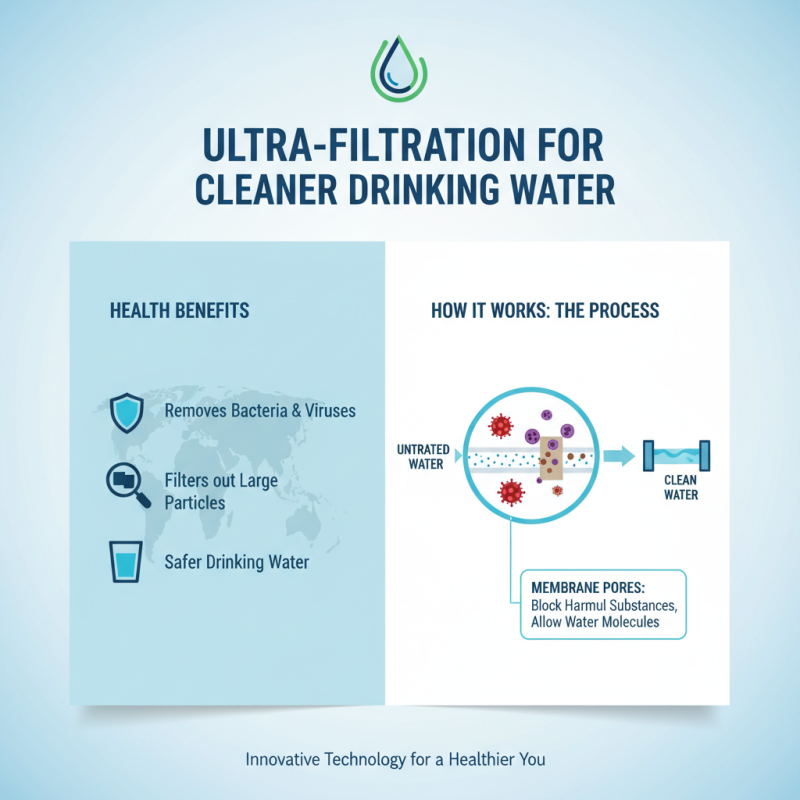
Ultra filtration is a cutting-edge technology that plays a crucial role in enhancing the quality of drinking water. One of the primary health benefits of ultra filtration is its ability to effectively remove contaminants, including bacteria, viruses, and larger particles, from water. This process utilizes a membrane with tiny pores that allows water molecules to pass through while filtering out harmful substances. Consequently, it provides a safer drinking option, especially in areas where water quality is compromised.
In addition to improving safety, ultra filtration also preserves essential minerals that contribute to the health of consumers. Unlike some other filtration methods that may strip away beneficial elements, ultra filtration ensures that vital nutrients are retained in the water. This balance not only promotes better hydration but also helps in maintaining overall well-being. Furthermore, with its efficient filtration capabilities, ultra filtration systems require less energy and maintenance, making them an eco-friendly choice for households seeking clean and healthy drinking water.
Industry Statistics: The Growing Demand for Ultra Filtration Solutions
The demand for ultra filtration solutions has been steadily increasing in various industries due to their effectiveness in separating particles and contaminants from liquids. Recent industry statistics indicate that the ultra filtration market is expected to grow significantly, driven by the rising need for clean water and safe drinking solutions. Industries such as food and beverage, pharmaceuticals, and wastewater treatment are utilizing ultra filtration technology not only to meet regulatory standards but also to enhance product quality and operational efficiency.
Moreover, as environmental awareness grows, the push for sustainable practices has propelled ultra filtration technologies to the forefront. The ability to minimize water wastage and reduce the environmental impact of production processes is attracting more industries to adopt these solutions. With innovations making ultra filtration more accessible and cost-effective, it is likely that adoption rates will continue to rise, reflecting a transformation in how industries approach filtration and resource management. This trend is indicative of a broader movement toward advanced filtration technologies that address both current needs and future challenges.
Ultimate Tips for Understanding Ultra Filtration and Its Benefits - Industry Statistics: The Growing Demand for Ultra Filtration Solutions
| Year |
Market Size (USD Billion) |
Growth Rate (%) |
Key Applications |
| 2018 |
3.2 |
5.5 |
Water Treatment, Food & Beverage |
| 2019 |
3.8 |
6.0 |
Pharmaceuticals, Electronics |
| 2020 |
4.5 |
7.2 |
Wastewater Treatment, Desalination |
| 2021 |
5.1 |
8.0 |
Industrial Processes, Healthcare |
| 2022 |
6.0 |
8.5 |
Aquaculture, Biotechnology |
| 2023 |
6.9 |
9.0 |
Chemical Processing, Dairy Industry |


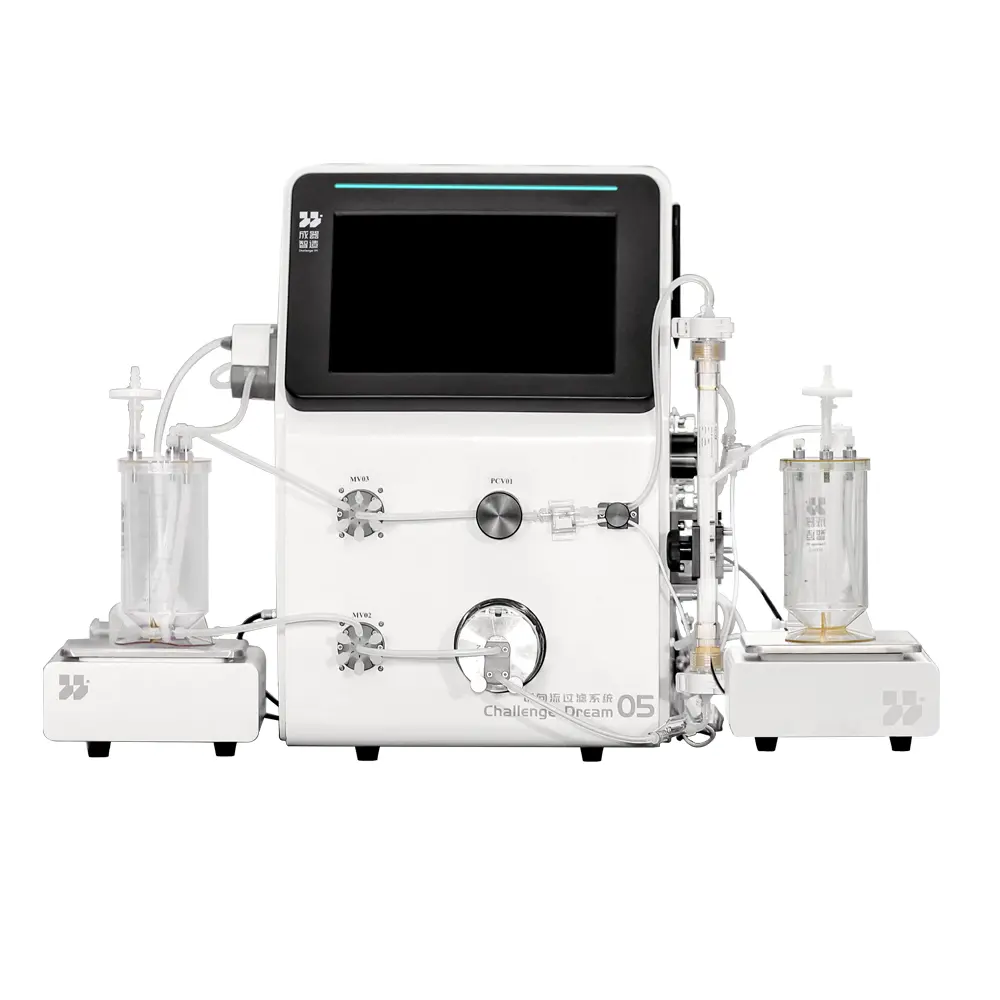 Tangential Flow Filtration(TFF) System
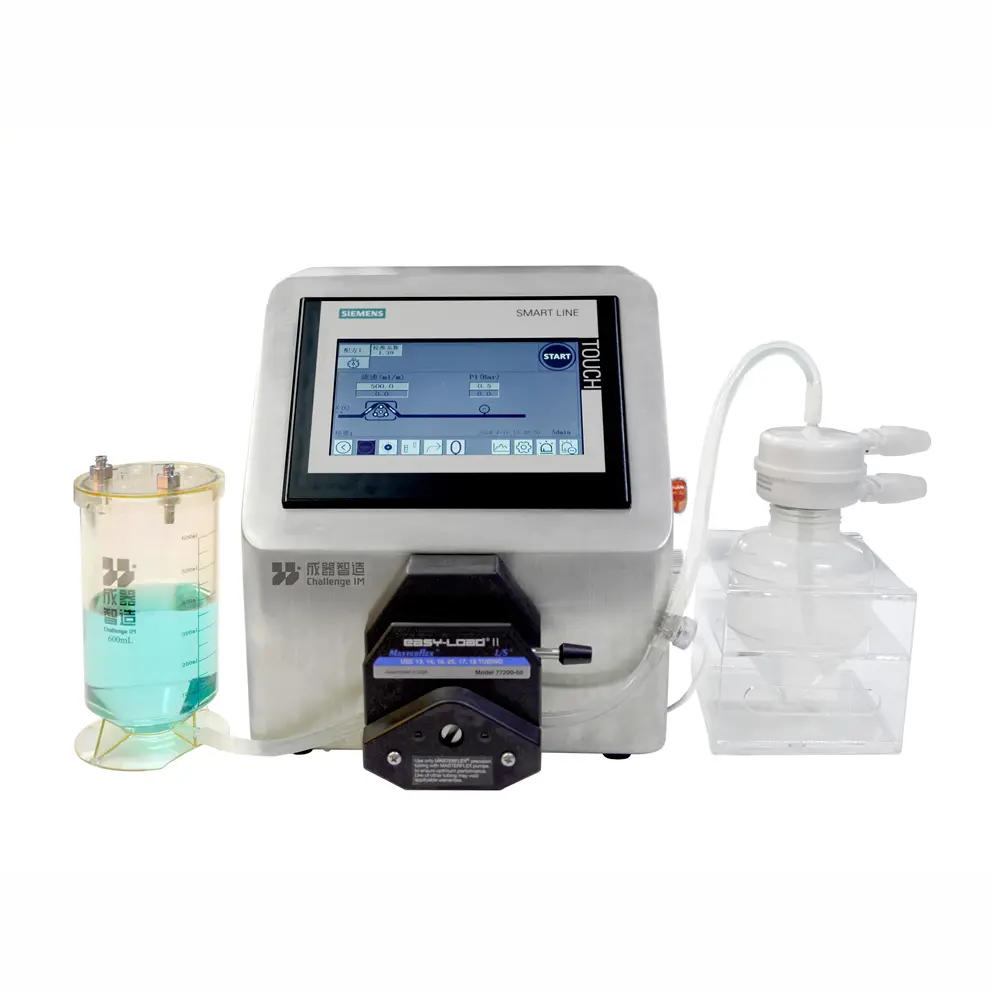 Jump Pump
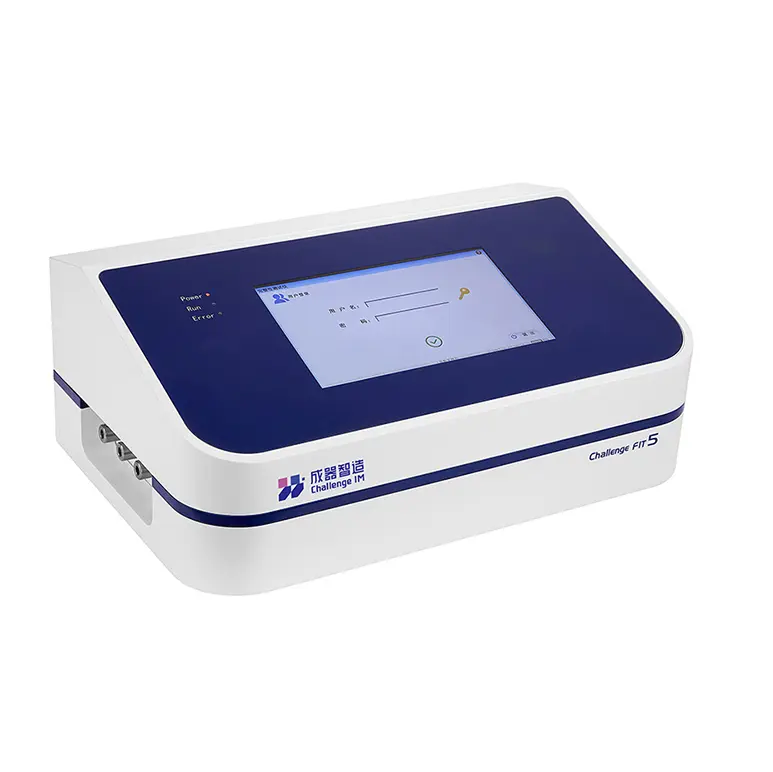 FIT Integrity Tester
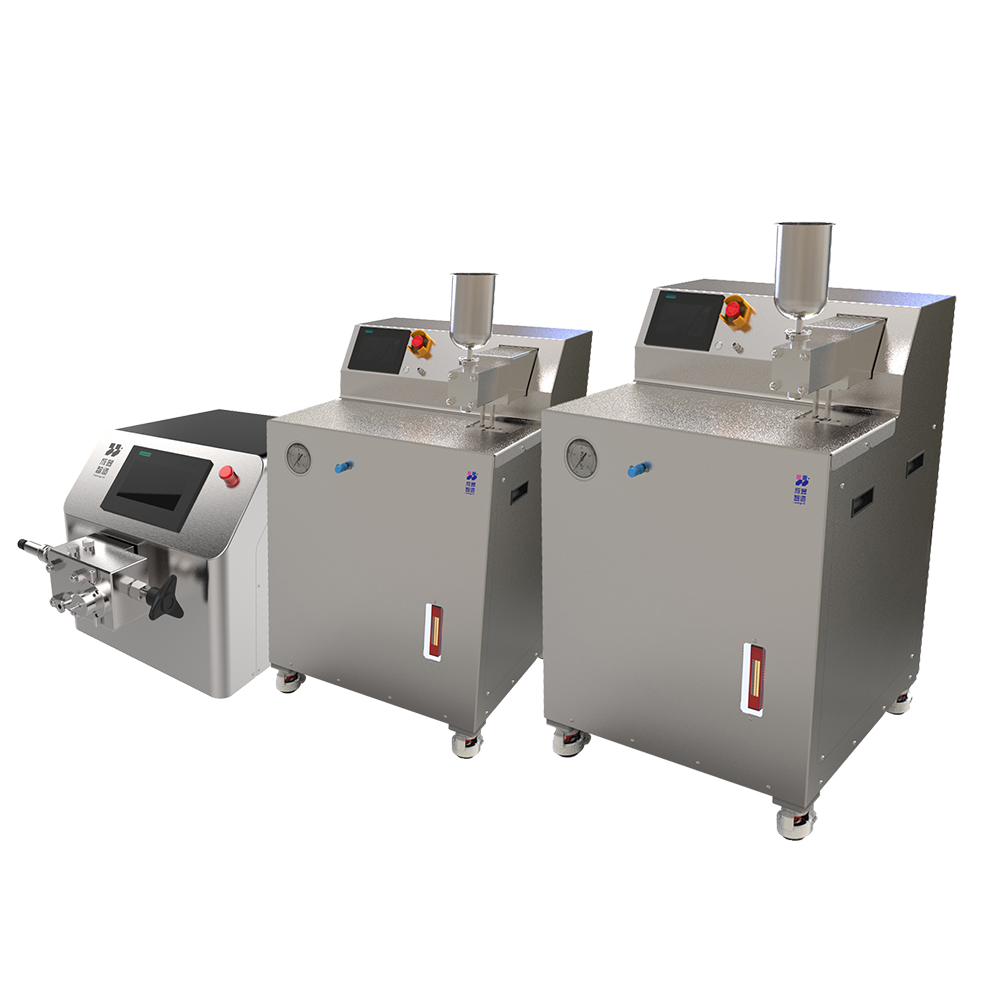 High Pressure Homogenizers
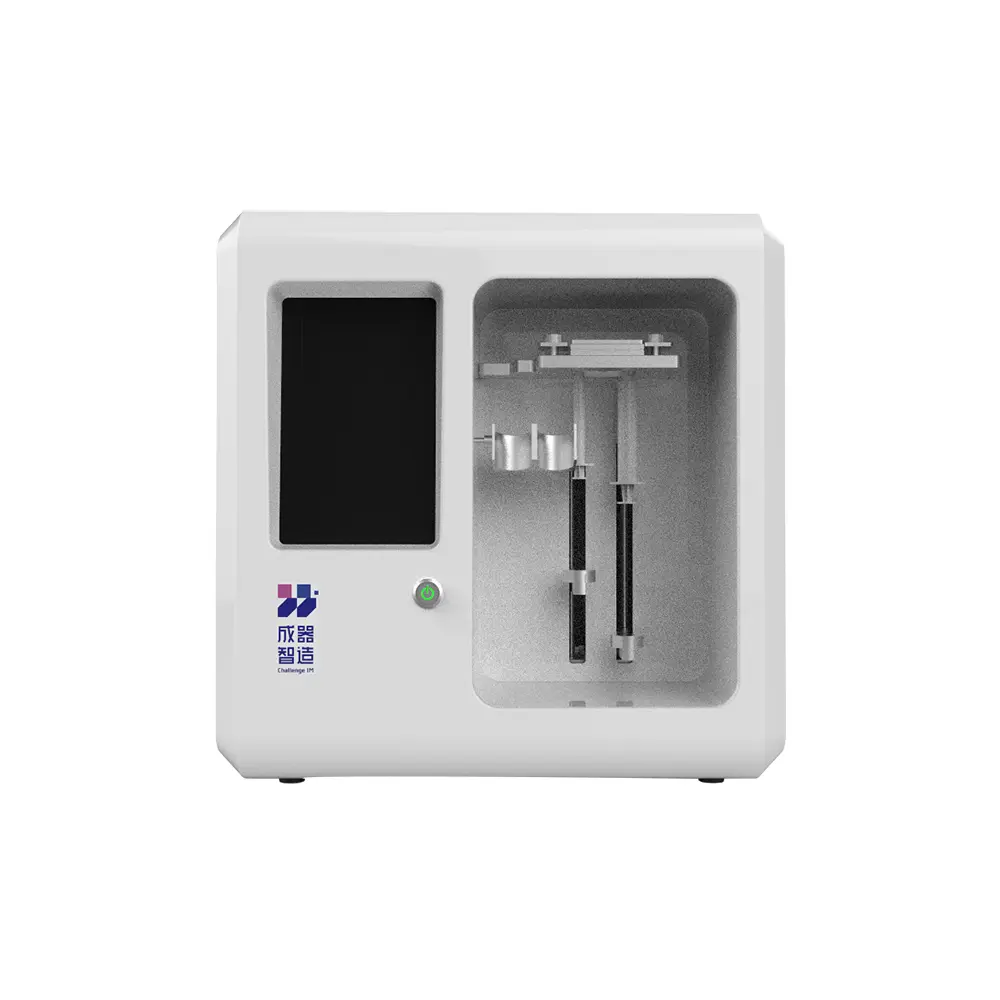 Microfluidics