What Is the Best Diaphragm Pump in 2026?
Choosing the best Diaphragm Pump in 2026 starts with the liquid, the duty cycle, and the cost of downtime. A pump that handles clean water may struggle with abrasive slurry or a viscous chemical. Think of the actual installation: a long suction line, a pulsing discharge hose, or a diaphragm that must run through frequent starts. These details matter more than a headline flow rate.
The U.S. Department of Energy’s Improving Pumping System Performance: A Sourcebook for Industry, prepared with the Hydraulic Institute and Europump, notes that pumping systems account for a substantial share of industrial electricity use. Its practical lesson is important: assess the whole system, not the pump alone. Compare flow and pressure at the required duty point, material compatibility, air consumption for pneumatic models, maintenance access, and the availability of replacement diaphragms and valves. Small choices can change operating costs.
There is one source limitation. No articles or verifiable expert quotation were included with the request, so I cannot responsibly attribute a direct statement to a named industry specialist. A fabricated quote would weaken this guide. The comparison should instead rely on manufacturer specifications, independent test evidence, recognized pump-industry guidance, and clearly stated operating assumptions. The “best” Diaphragm Pump is not one universal model. It is the model that reliably handles your fluid, fits your process, and remains serviceable over time.
What a Diaphragm Pump Is and How It Works
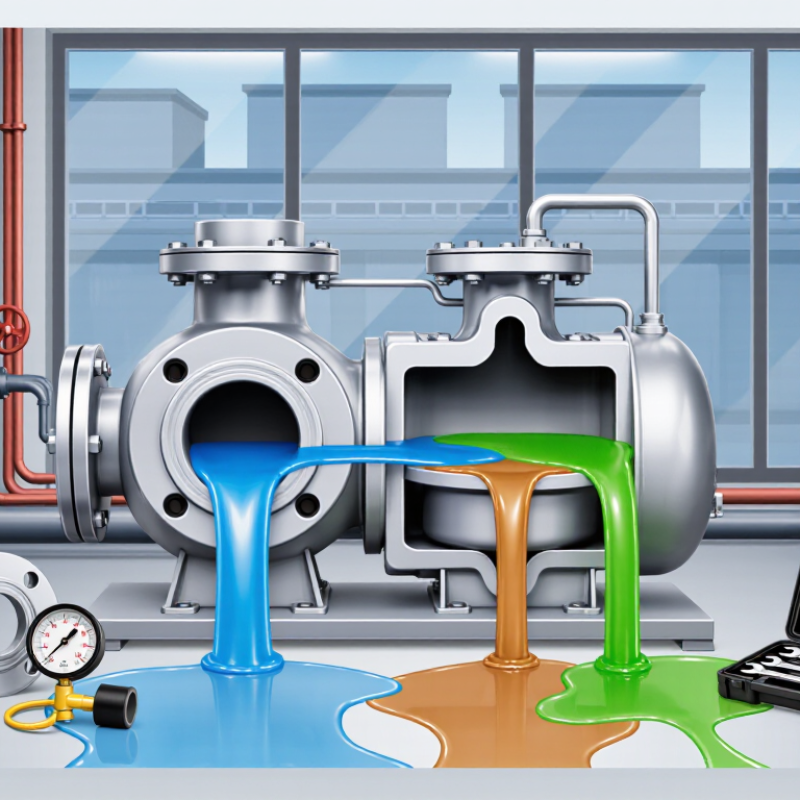
A diaphragm pump moves liquid by flexing a sealed, flexible membrane inside a chamber. In an air-operated model, compressed air shifts the diaphragm back and forth. As the chamber expands, an inlet check valve opens and draws fluid in. As it contracts, the inlet closes and the outlet valve opens, pushing fluid forward. That is the basic cycle. Simple, but effective.
Because the membrane separates the fluid from the drive mechanism, the pump can handle many liquids without a rotating shaft passing through the wetted chamber. The exact limits depend on diaphragm material, valve design, fluid temperature, and particle size. Check valves matter. A thick liquid or a stray solid can slow flow or prevent a valve from seating properly. Pulsation is also normal, so some installations use dampening equipment when a smoother discharge is needed.
When comparing diaphragm pumps in 2026, match the pump to the actual job, not just its advertised flow rate. Check the required pressure, suction lift, chemical compatibility, and available air supply. A practical check: observe whether the pump primes reliably with the real fluid and hose layout. The theory is tidy; site conditions rarely are. I would also leave room for maintenance access, since a quick diaphragm inspection can become awkward behind fixed pipework.
Key Types of Diaphragm Pumps and Their Uses
Air-operated double-diaphragm pumps use compressed air to move two flexible membranes in alternating strokes. They suit mobile transfer, drum emptying, and sites without nearby electrical power. Their ability to handle suspended solids can help with thick wastewater or slurry, though abrasive particles still wear valves and diaphragms. A small leak may also waste air unnoticed.
Mechanically actuated diaphragm pumps use a motor-driven linkage and are common in chemical dosing and steady, lower-flow transfer. Hydraulic designs use fluid pressure behind the diaphragm and can deliver higher pressures in demanding process duties. Solenoid-driven models provide compact, pulsed dosing for water treatment and laboratory systems.
The U.S. Department of Energy’s Improving Pumping System Performance: A Sourcebook for Industry reports that pumping systems use nearly 20% of global electricity demand. That figure covers pumping systems broadly, not diaphragm pumps alone, but it reinforces the value of matching capacity to actual duty.
For selection, check required flow and pressure, fluid viscosity, solids content, temperature, and wetted materials. For air-operated units, include compressor demand in the comparison. The cheapest pump can become expensive. Diaphragm life is often the overlooked variable.
How to Compare Diaphragm Pumps for Different Applications
A diaphragm pump is not “best” in isolation. The right choice depends on the fluid, required flow, pressure, and operating conditions. A pump moving clean water between tanks may not suit thick detergent or a fluid containing soft particles. Check wetted materials against the fluid, and confirm the pump’s rated pressure and flow at your actual operating point. Catalog maximums can be misleading.
Compare power source and duty cycle, too. Air-operated models can handle variable flow, while electric models may suit steady, controlled transfers. Consider suction lift, hose length, noise, and how easily operators can inspect or replace the diaphragm. Pulsation matters. It can shake a light workbench or disrupt a sensitive process. I have seen selection decisions focus on flow alone; that is an easy mistake, and a measured test may still reveal surprises.
Tips: Write down fluid temperature, viscosity, solids, and daily run time before comparing models. Ask for performance data at your required pressure, not just peak flow. Leave space for maintenance access. If details are uncertain, test with the real fluid when practical; estimates are useful, but not perfect.
What Makes a Diaphragm Pump the Best Choice in 2026
In 2026, the best diaphragm pump is the one that matches the fluid and duty cycle—not the one with the biggest flow rating. The U.S. Department of Energy’s Improving Pumping System Performance: A Sourcebook for Industry reports that pumping systems use nearly 20% of global electricity demand. In some industrial facilities, they account for 25–50% of energy use. Those figures cover pumping systems broadly, not diaphragm pumps alone, but they underline why operating costs matter.
Fit matters most. Check the fluid’s viscosity, temperature, solids, and chemical compatibility against the pump’s wetted materials. Then compare required flow and discharge pressure with the manufacturer’s performance curve. For air-operated models, include compressed-air consumption in the cost calculation; convenient installation does not always mean efficient operation. Look closely at diaphragm life, pulsation, noise, and access for routine maintenance. A pump that handles abrasive slurry may still need frequent diaphragm changes.
Not just flow. Trial the pump under real operating conditions when possible, and record flow, pressure, and air or power use. The data may challenge the initial choice. A less tidy truth: there is no universal winner, and one missed compatibility detail can shorten service life. DOE’s report offers useful system-level context, but selection still depends on measured duty, fluid properties, and maintenance needs.
How to Select and Maintain the Right Diaphragm Pump
What Is the Best Diaphragm Pump in 2026?
The best diaphragm pump is the one that matches your fluid, duty cycle, and installation—not simply the model with the highest flow rating. Check the fluid’s viscosity, temperature, and chemical compatibility against the pump’s wetted materials. Then compare required flow and discharge pressure with the manufacturer’s performance curve. For an air-operated pump, confirm that the air supply can deliver the needed volume and pressure. Fit matters.
Look closely at suction conditions, too. Long inlet lines, restrictive filters, or a lift above the liquid can reduce performance and increase wear. If pulsation could disturb a process or shake connected pipework, consider whether a pulsation dampener or different piping arrangement is appropriate. One detail is easy to miss: a pump that works during a brief test may struggle under continuous operation. Allow for real operating conditions.
Maintenance starts with regular observation. Check for leaks, unusual noise, loose connections, and changes in flow. Inspect diaphragms, check valves, and seals according to the service manual and the fluid being handled; there is no universal replacement interval. Use specified torque values when reassembling components, and keep a simple record of service dates and symptoms. Keep records. If a pump repeatedly loses prime or its performance shifts, investigate the cause rather than replacing parts at random. That takes patience, and the first diagnosis may be wrong.
What Is the Best Diaphragm Pump in 2026?
A practical guide to selecting and maintaining the right diaphragm pump
The chart ranks common selection factors on an illustrative 1–5 priority scale; it does not compare brands or represent measured pump performance. Check chemical compatibility, required flow and pressure, solids handling, and air or power supply against the specific pump’s documentation. For maintenance, inspect diaphragms, valves, seals, connections, and filters according to the manufacturer’s instructions and actual operating conditions.


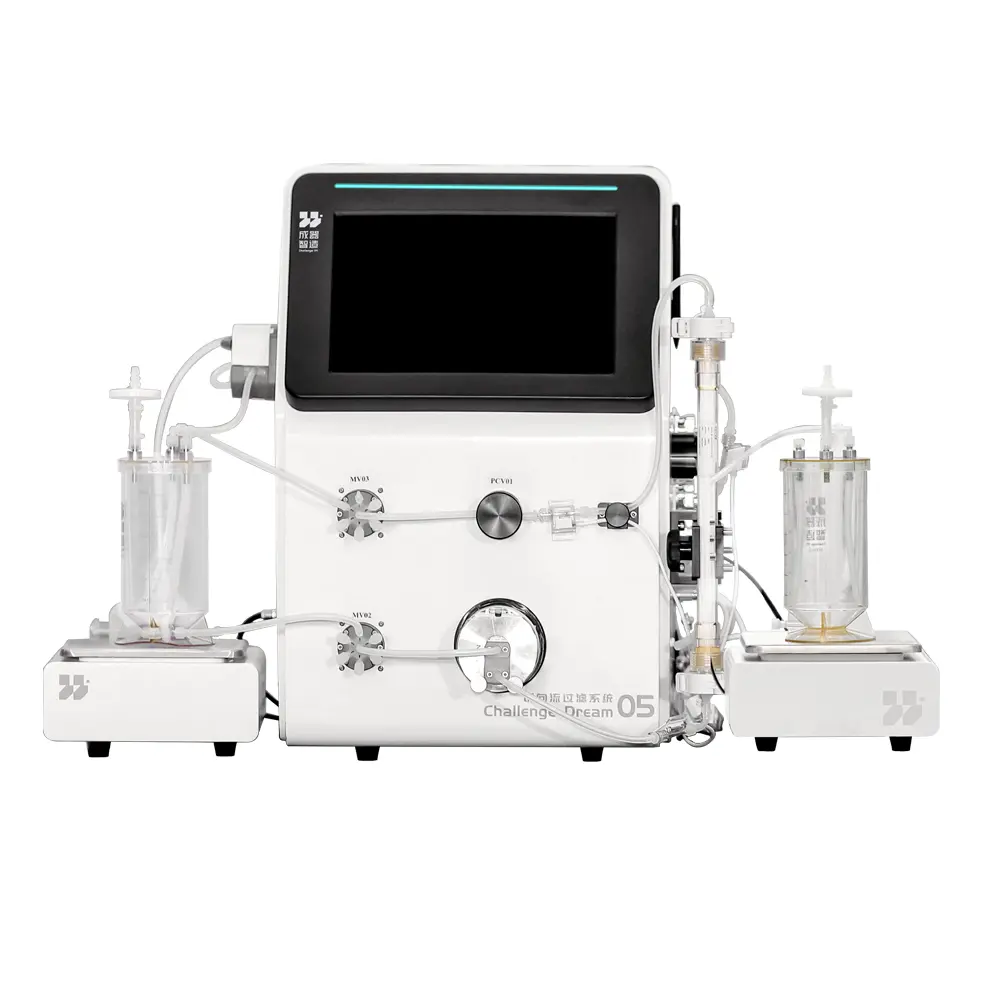 Tangential Flow Filtration(TFF) System
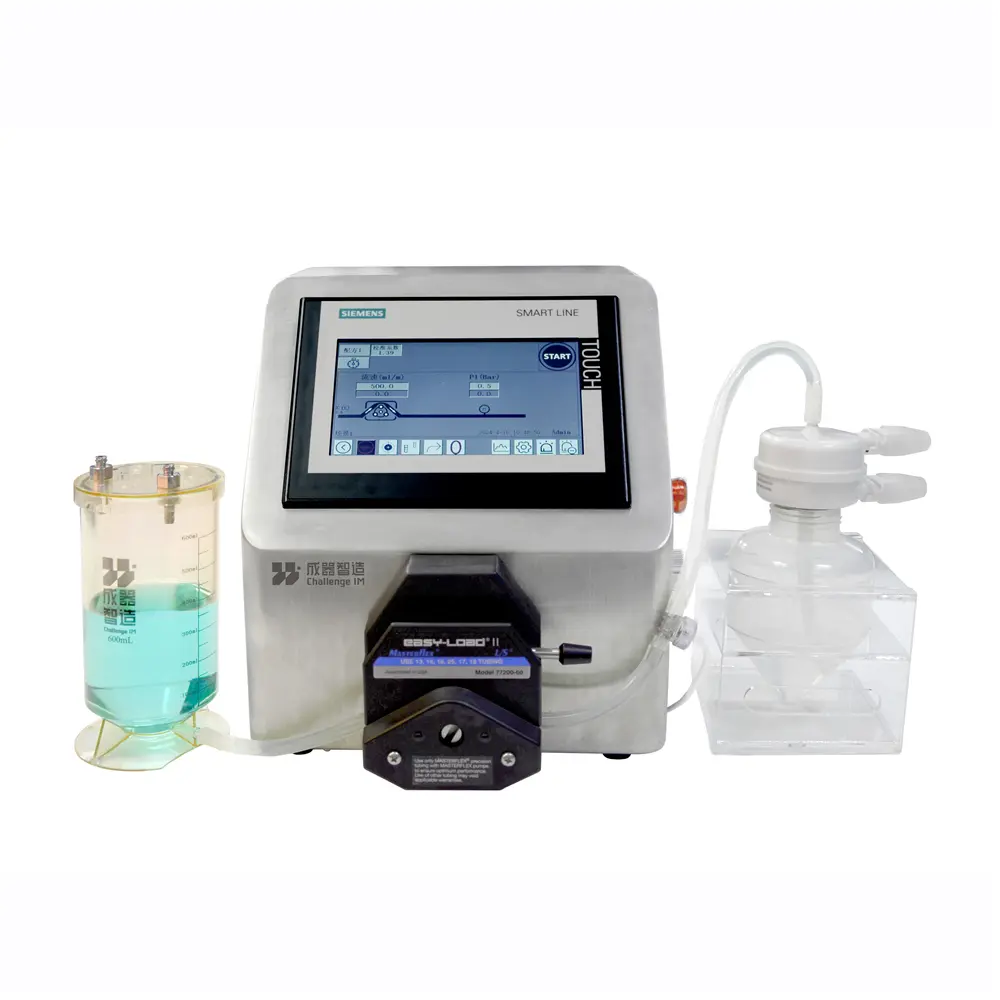 Jump Pump
 FIT Integrity Tester
 High Pressure Homogenizers
 Microfluidics