2026 Best Filter Bag Options for Global Buyers?
In the world of industrial filtration, selecting the right Filter Bag is crucial for optimal performance. As businesses expand globally, the demand for high-quality filter solutions continues to rise. A reliable filter bag ensures efficient contaminant capture and protects equipment from damaging particles. However, many buyers face challenges in choosing the best options for their specific needs.
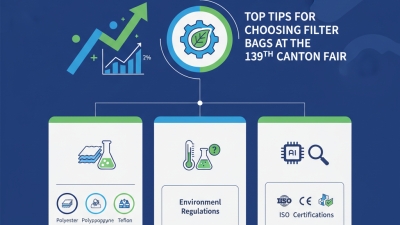
The right Filter Bag can significantly improve manufacturing efficiency. Several factors influence this choice, including material compatibility, durability, and environmental regulations. Each application may require unique specifications. It is essential to evaluate the various materials, such as polyester or polypropylene, to find an ideal match. Brands must openly share their expertise to help buyers make informed decisions.
Despite the increase in options, buyers often report confusion about the best choices. Misinformation can lead to poor selections, resulting in operational inefficiencies. To combat this issue, potential purchasers should conduct thorough research and seek advice from industry experts. Being informed about different Filter Bag options creates a path to more effective filtration solutions.
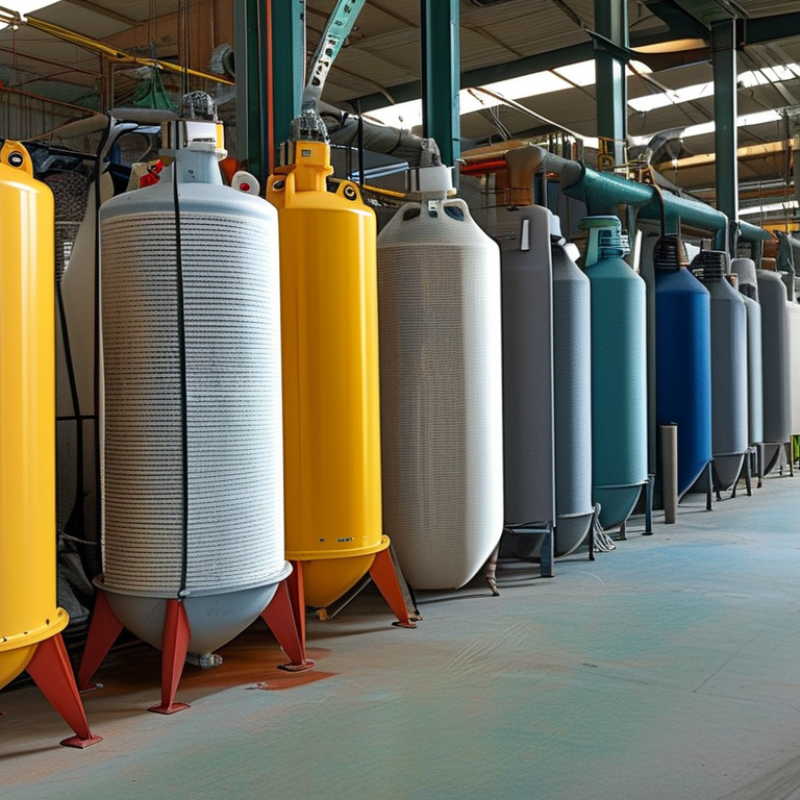
2026 Trends in Filter Bag Manufacturing and Materials
As the filter bag market evolves, 2026 is set to feature innovative trends in manufacturing and materials. Recent studies indicate that the global demand for filter bags is projected to reach $4.2 billion. This growth is fueled by increasing environmental regulations and the need for efficient filtration solutions. Industries such as food and beverage, pharmaceuticals, and wastewater treatment significantly influence this demand.
One of the key trends in filter bag manufacturing is the shift towards sustainable materials. Many manufacturers are exploring biodegradable options to reduce environmental impact. Recent reports show that biodegradable filter bags could account for 20% of the market by 2026. However, the challenge remains in balancing durability and performance with sustainability. Often, these new materials lack the strength of traditional polypropylene or polyester.
Moreover, smart filtration technology is gaining traction. Incorporating sensors into filter bags allows for real-time monitoring of performance. This innovation promises to enhance efficiency but raises concerns about affordability for smaller businesses. Overall, while the future of filter bags is promising, the industry must navigate challenges related to cost and effectiveness.
Key Factors Affecting Filter Bag Performance: A Data-Driven Analysis
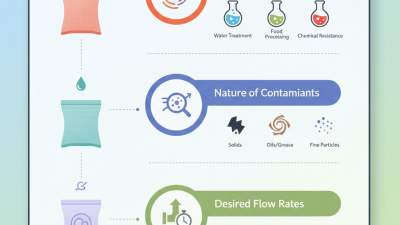
When analyzing filter bag performance, several key factors come into play. The material of the filter bag is crucial. Different materials offer varying levels of filtration efficiency and durability. For instance, synthetic fibers may perform better in high-temperature conditions, while natural fabrics can be more eco-friendly. Understanding the intended use and environment is essential for choosing the right material.
Another significant factor is the bag's design. Features like pleats and seams can influence airflow and capture efficiency. A well-designed filter bag maximizes surface area while maintaining strength. Buyers must consider how these design elements can affect the overall life span and effectiveness of the filter bags.
Moreover, it is crucial to think about maintenance requirements. Some filter bags require frequent changing, while others may need regular cleaning. Balancing maintenance time and cost with performance efficiency can be challenging. Many buyers overlook the long-term implications of their choices, leading to suboptimal results. Addressing these considerations will ensure a better outcome in filter bag performance.
Comparative Review of Leading Filter Bag Brands for Global Markets
In the ever-evolving world of filtration, selecting the right filter bag is essential for efficiency and performance. A recent industry report highlighted that the global demand for filtration solutions is projected to grow at a CAGR of 6% by 2026. This growth underscores the importance of understanding various filter bag options available in the market.
When evaluating leading filter bag brands, several factors come into play. The material, micron rating, and design specifics can significantly affect filtration efficiency. Polyester and polypropylene are prevalent choices, known for their durability and resistance. According to filtration studies, the proper selection can reduce operational costs by 20%, offering long-term savings for businesses.
Additionally, it is vital to consider the environmental impact of filter bags. Many buyers overlook the recyclability of materials. Investing in eco-friendly options not only contributes to sustainability but often results in comparable performance. Balancing efficiency with environmental responsibility is a growing trend.
Choosing the right filter bag can be complex. Buyers must weigh options carefully, as the wrong choice can lead to increased wear and tear on machinery. Companies often find themselves reverting to ineffective solutions when the newest products do not meet expectations. Keeping informed and seeking expert guidance can mitigate these risks.
Industrial Applications of Filter Bags: Insights from Recent Studies
In industrial settings, filter bags play a crucial role in maintaining air and liquid quality. Recent studies highlight their significance in various applications, such as chemical processing, food production, and waste treatment. Properly selected filter bags can enhance efficiency and reduce downtime in operations.
Choosing the right filter bag is vital. Evaluate factors like material compatibility and filtration efficiency. Using the correct media ensures optimal performance. Avoid common mistakes, such as overlooking the operating temperature and pressure requirements. Each application may necessitate different specifications.
Regular maintenance is essential for longevity. Inspect bags for wear and damage frequently. This can help in identifying issues before they escalate. Implement a scheduled replacement plan to avoid system failures. Remember, a proactive approach can save costs and improve productivity.
2026 Best Filter Bag Options for Global Buyers
Sustainability in Filter Bag Production: Challenges and Opportunities
Sustainability is a growing concern in the production of filter bags. Currently, the industry faces significant challenges in reducing waste and energy consumption. Reports indicate that around 25% of the raw materials used in filter bag manufacturing end up as leftover scrap. This is a substantial percentage that companies must address to improve their sustainability practices.
One opportunity lies in recycling and using eco-friendly materials. The global market for sustainable filter materials is expected to reach $6.5 billion by 2026. However, implementing these materials can be difficult. Many manufacturers lack access to reliable suppliers who provide recycled fabrics. Additionally, there can be performance trade-offs when switching to more sustainable options.
Another facet of sustainability is the energy used during production. It's estimated that filter bag manufacturing operations can generate up to 50% of their carbon footprint from energy consumption. Transitioning to renewable energy sources could lower this impact significantly. However, this transition may require significant upfront investment and technical expertise. The path to sustainable filter bag production is challenging, yet it presents opportunities for innovation and growth in the industry.


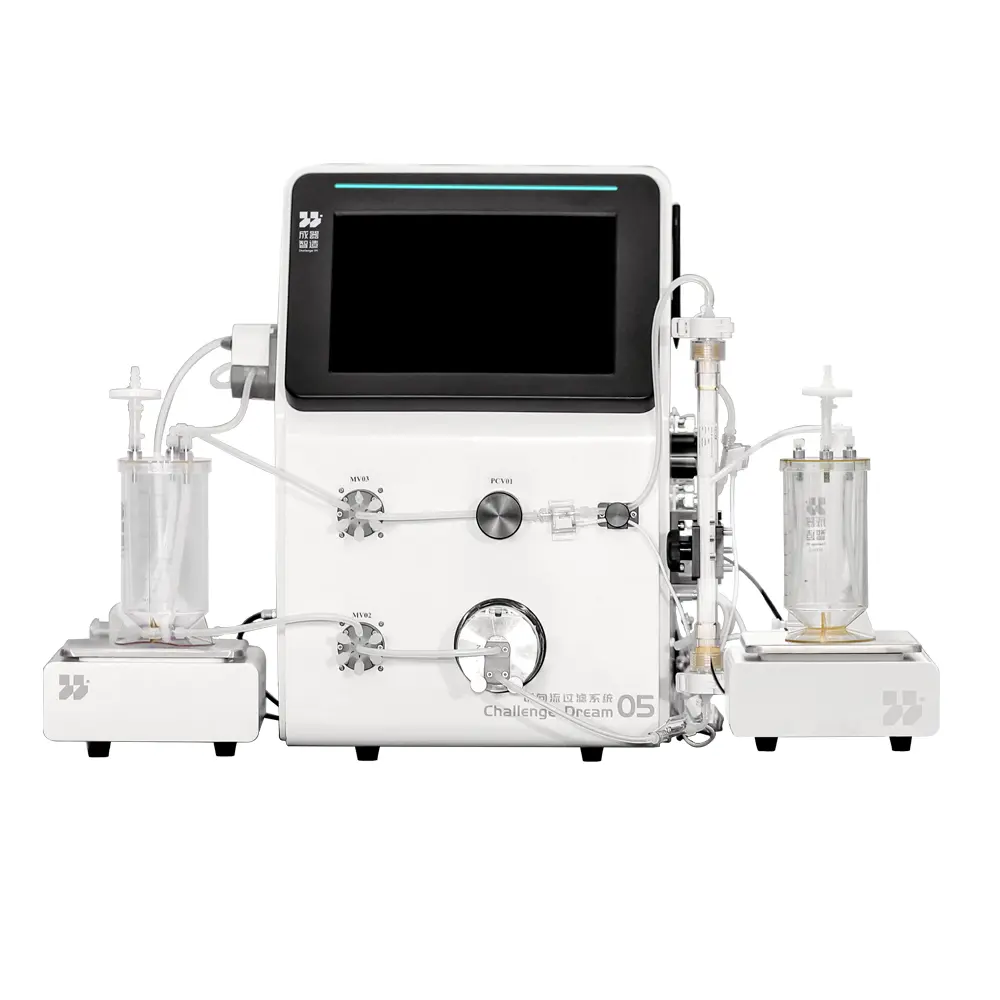 Tangential Flow Filtration(TFF) System
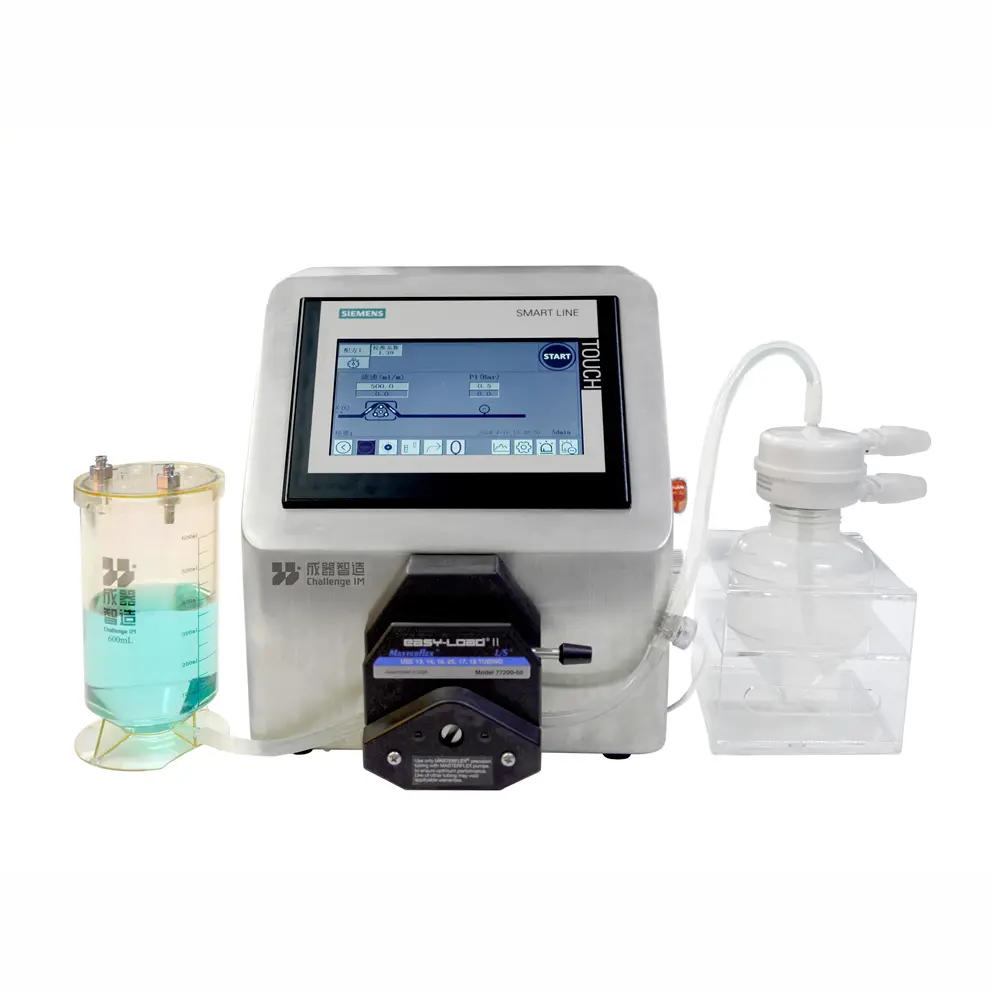 Jump Pump
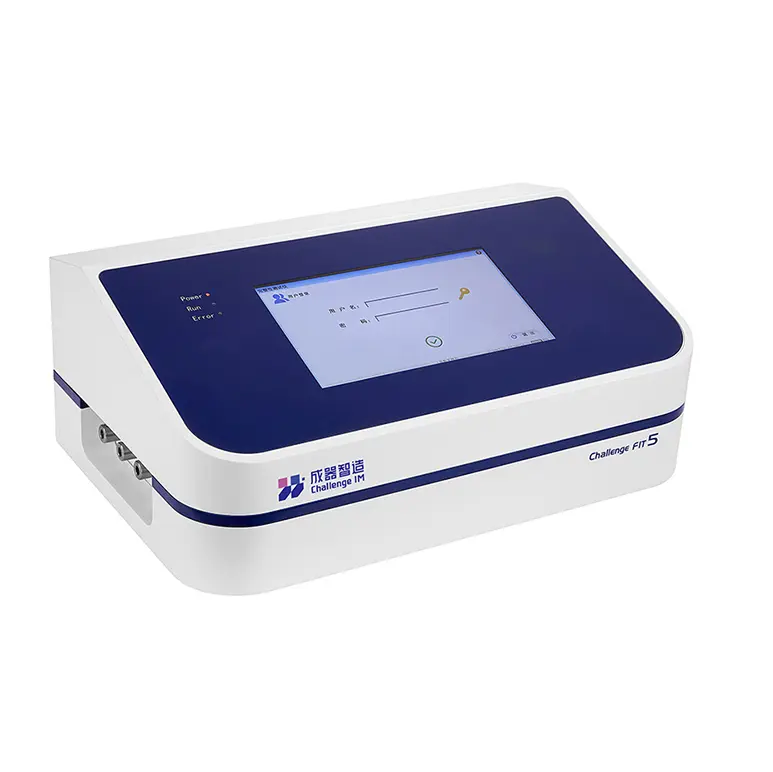 FIT Integrity Tester
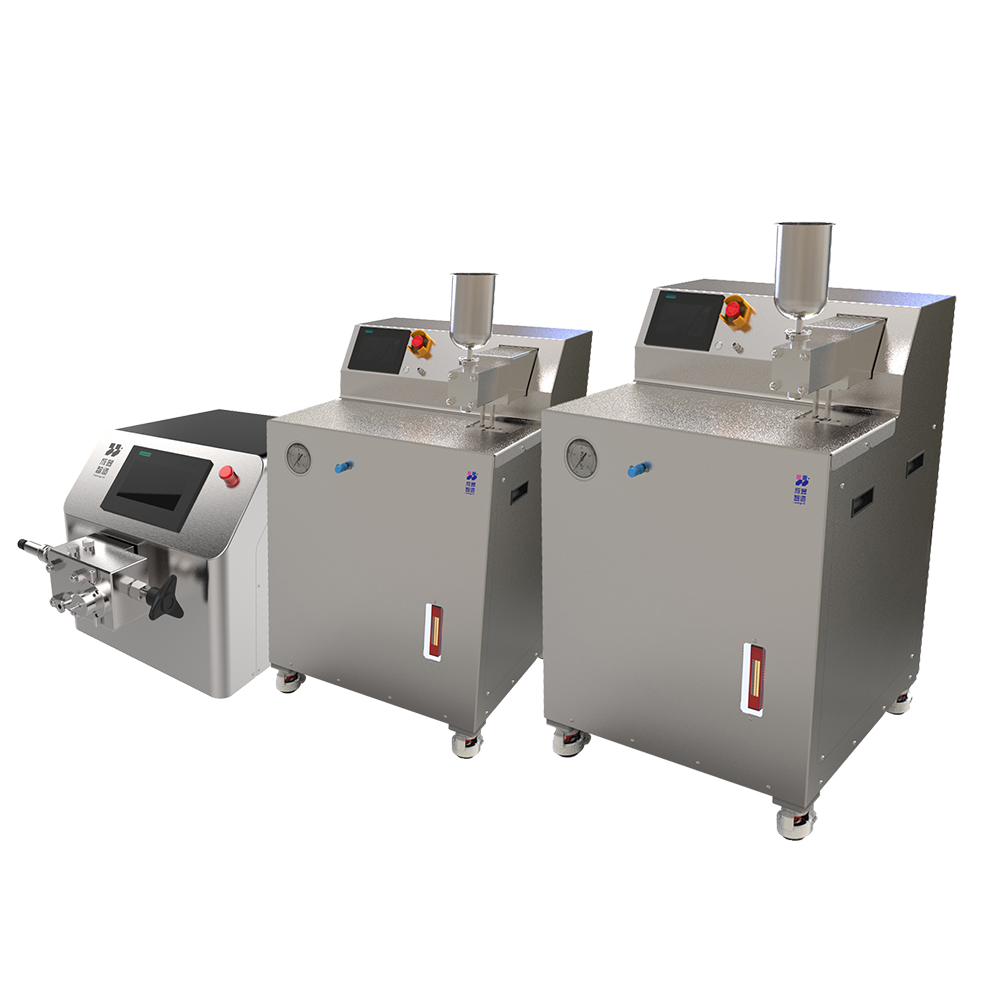 High Pressure Homogenizers
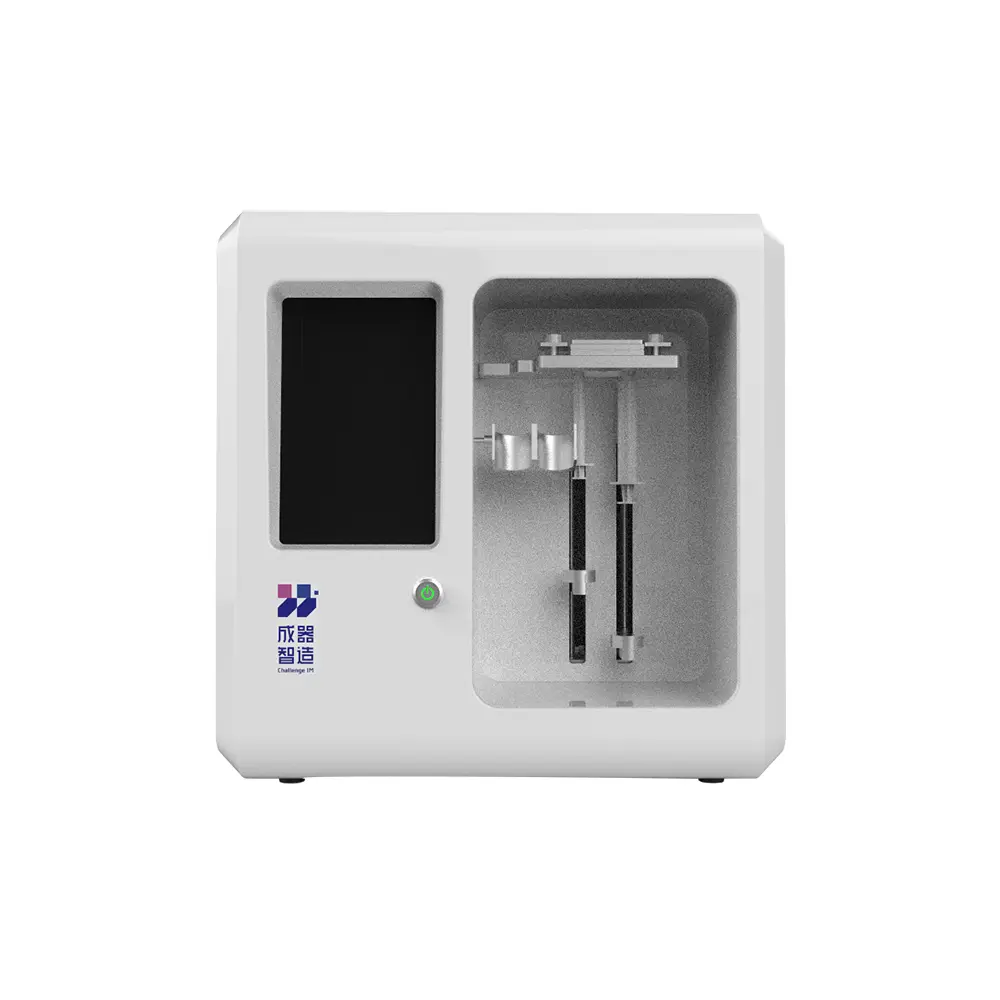 Microfluidics