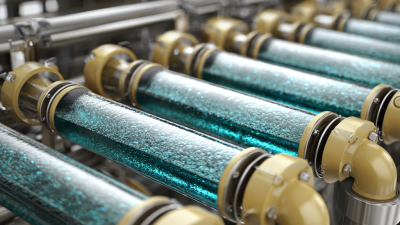
Top 5 Best Nanofiltration Systems for Pure Water Solutions?
In recent years, the demand for pure water solutions has surged. The global market for nanofiltration systems is expected to reach $8 billion by 2025 (Markets and Markets, 2020). This expansion highlights the critical role of nanofiltration in providing safe drinking water. According to Dr. Emily Thompson, a leading expert in membrane technology, "Nanofiltration systems are revolutionizing water treatment by balancing efficiency and cost."
These systems operate effectively in removing contaminants while allowing essential minerals to pass through. However, not all nanofiltration units perform equally. The choice of a system can significantly impact water quality and operational costs. Many consumers may overlook essential factors like maintenance and filtration capacity.
While exploring the best options, it's vital to consider not just efficiency but also the potential drawbacks. Understanding the long-term implications of nanofiltration choices can lead to more sustainable practices. As water scarcity continues to rise, the importance of these systems cannot be understated.
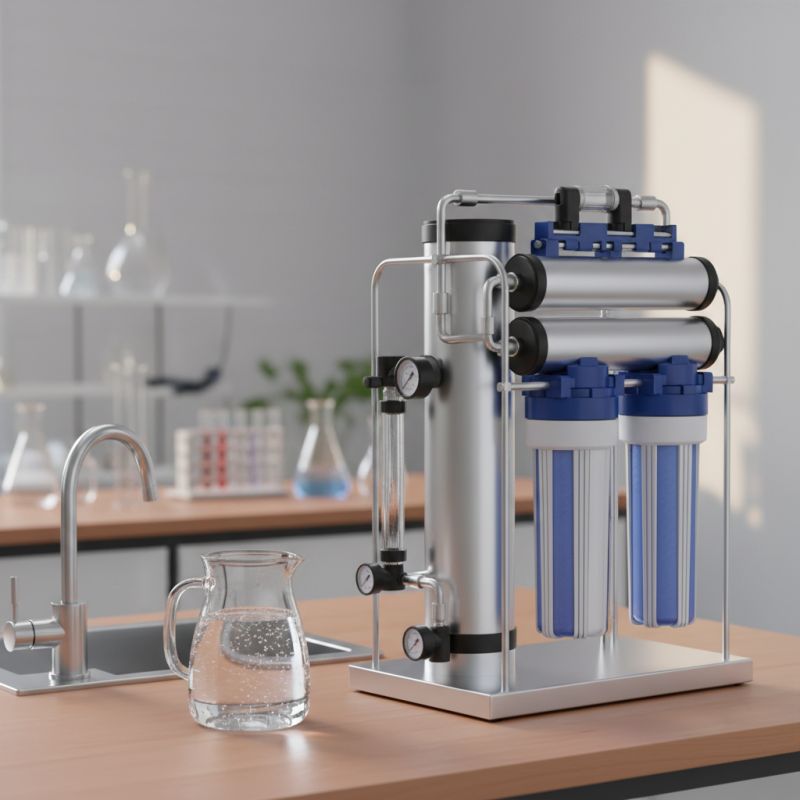
Overview of Nanofiltration Technology and Its Benefits
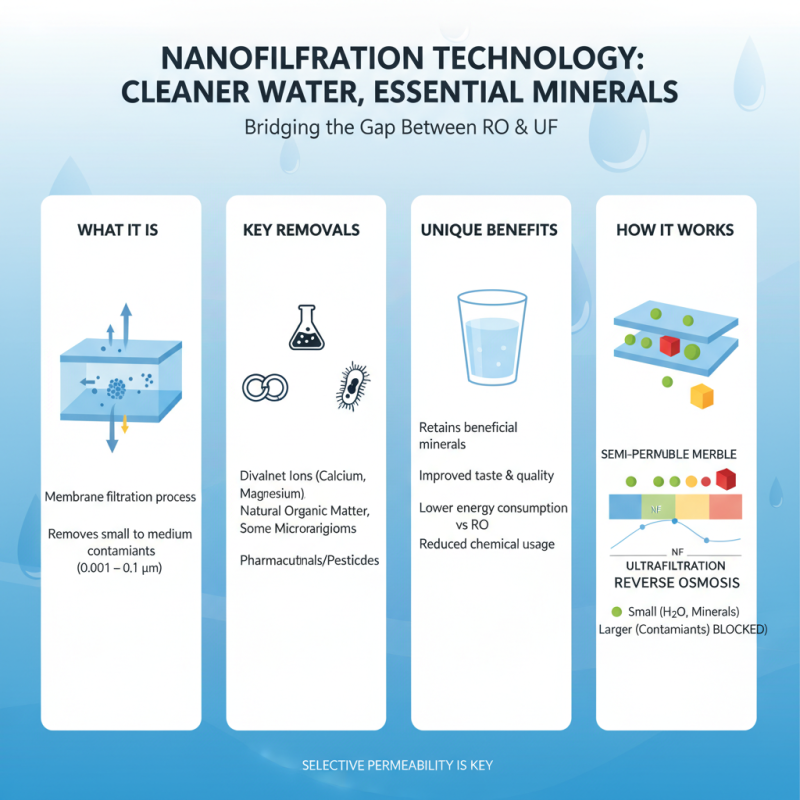
Nanofiltration (NF) technology operates between reverse osmosis and ultrafiltration. It effectively removes small to medium-sized contaminants from water. This includes divalent ions, organic compounds, and some microorganisms. NF systems maintain beneficial minerals while improving water quality. The selective permeability of NF membranes is critical to their function.
The key benefits of nanofiltration include cost-effectiveness and energy efficiency. NF processes consume less energy than reverse osmosis, making them more sustainable. They also have a lower operating pressure, reducing wear and tear on the system. However, improper maintenance can lead to fouling and reduced performance. Users must pay attention to regular cleaning and monitoring.
Another important aspect of nanofiltration is its versatility. It is used in various applications, from water treatment to food processing. However, selecting the right membrane and system design is vital. Not all nanofiltration systems are created equal, and their effectiveness can vary significantly. Users should always evaluate quality and compatibility to achieve the best results.
Key Features to Look for in a Nanofiltration System
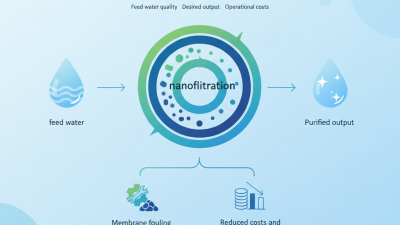
When choosing a nanofiltration system, consider the membrane material. High-quality membranes efficiently remove contaminants and enhance durability. Polyamide membranes are often recommended for their superior performance. However, keeping an eye on membrane fouling is essential. Regular maintenance can prevent costly replacements.
Another crucial feature to evaluate is the system’s flow rate. A higher flow rate ensures adequate water supply. Yet, some systems with high flow rates might sacrifice quality. Balancing these two factors requires careful consideration. Additionally, the ease of installation and replacement of filters is important. Systems that offer user-friendly designs can save time and effort.
Pay attention to the pressure requirements as well. Different applications may demand varying pressure levels. Systems that operate efficiently at lower pressures can save energy, but sometimes at the cost of filtration efficiency. Understanding your specific needs will guide your choice. It’s vital to research and compare different options thoroughly before deciding.
Top 5 Best Nanofiltration Systems for Pure Water Solutions
This chart represents the water purity removal percentages of the top 5 nanofiltration systems. Each system shows its effectiveness in removing impurities from water, essential for ensuring pure water solutions.
Review of the Top 5 Nanofiltration Systems on the Market
When selecting a nanofiltration system, it’s crucial to prioritize effectiveness and reliability. The right system should remove contaminants while preserving essential minerals. Many systems can achieve this, demonstrating their versatility. A key feature to consider is the membrane's pore size. Smaller pores enhance filtration quality, allowing for cleaner water.
Some models struggle with high-pressure conditions. This can lead to reduced efficiency and higher operating costs. It’s important to assess the system's energy consumption as well.
User reviews often highlight maintenance issues. Regular cleaning and part replacements can be a hassle. The complexity of installation varies across models. Users may feel overwhelmed by the technical requirements of certain systems. Each choice comes with benefits and drawbacks that require careful consideration. The perfect system might not exist, but understanding your needs can guide you to a suitable option.
Comparison of Efficiency and Performance of Selected Systems
In today's world, finding reliable water purification systems is crucial.
Nanofiltration systems stand out for effective contaminant removal, including minerals and larger organic substances.
The efficiency of these systems varies significantly. Some models excel in specific contaminants while offering average performance in others.
Understanding these differences helps to make an informed choice.
When evaluating performance, factors like water quality and flow rate play a role.
High-performance nanofiltration systems can handle diverse water types, while others may struggle under similar conditions.
Users might notice that not all systems provide equal efficiency in removing specific impurities. It's essential to check the specifications for each system to ensure it meets your water needs.
Tips:
Look for independent reviews when researching systems. They can provide insights into real-world performance.
Regular maintenance is key to ensuring long-term efficiency. This often goes overlooked; however, it can significantly impact system reliability and water quality.
Remember, sometimes a high price does not guarantee the best results. Always cross-check performance data with your local water conditions to avoid disappointment.
Maintenance Tips for Optimal Performance of Nanofiltration Systems
Nanofiltration systems provide efficient solutions for pure water needs. Maintaining these systems is crucial for their longevity and effectiveness. Regular maintenance can prevent costly repairs and ensure optimal performance.
Routine checks are vital. Inspect the membranes for fouling. Fouled membranes can reduce efficiency by up to 50%. Every six months, clean the membranes using appropriate cleaning agents. This can restore their functionality and prolong their lifespan.
Keep an eye on pressure gauges. Sudden drops in pressure indicate potential blockages. Addressing these issues promptly can prevent further damage. Additionally, check the feed water quality regularly. High levels of hardness or contaminants can impact system performance. Consider using pre-filters to address these challenges effectively. Regular maintenance checks ensure that your nanofiltration system operates at its best.
Top 5 Best Nanofiltration Systems for Pure Water Solutions
| System Model |
Filtration Capacity (GPD) |
Membrane Type |
Removal Rate (%) |
Maintenance Frequency |
| Model A |
300 |
Thin-Film Composite |
90 |
Every 6 months |
| Model B |
500 |
Polyamide |
85 |
Every 12 months |
| Model C |
400 |
Ceramic |
92 |
Every 9 months |
| Model D |
600 |
Polyethersulfone |
88 |
Every 6 months |
| Model E |
550 |
Composite |
90 |
Every 12 months |


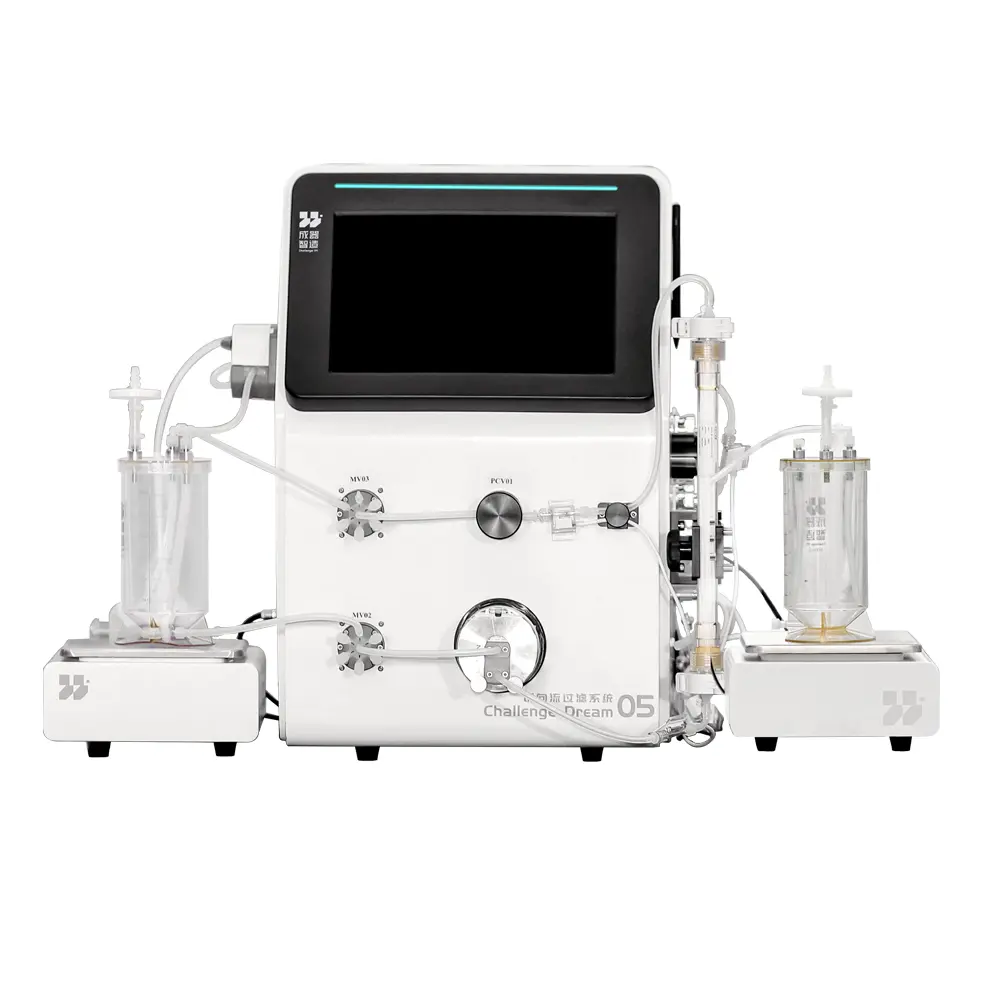 Tangential Flow Filtration(TFF) System
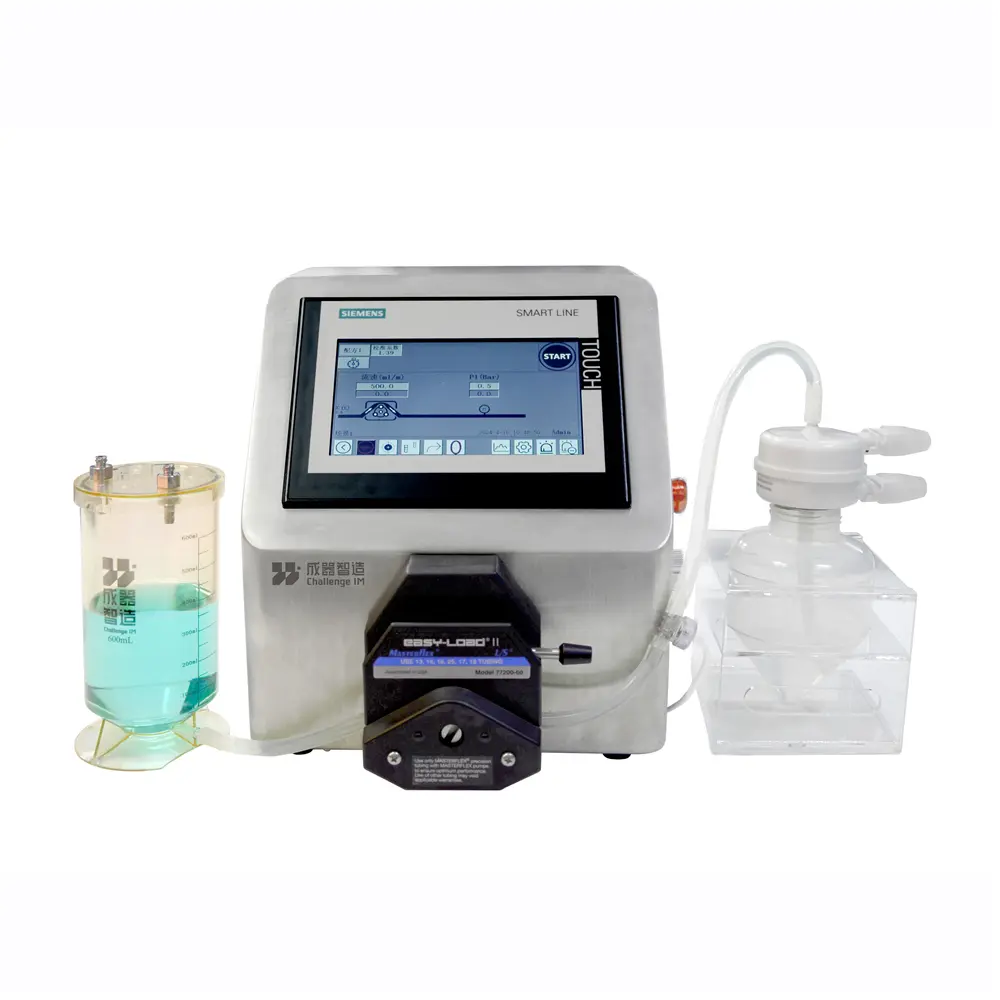 Jump Pump
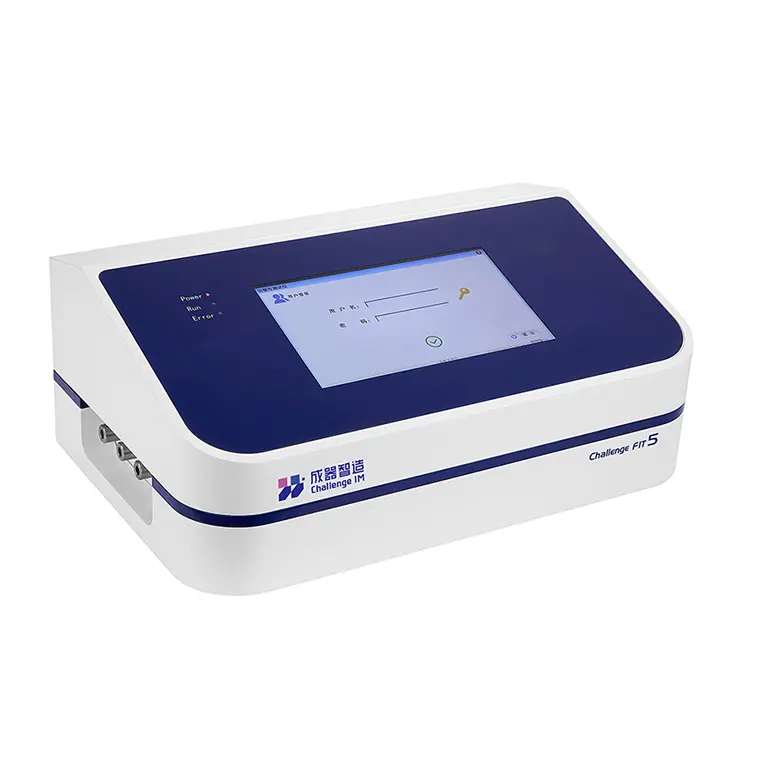 FIT Integrity Tester
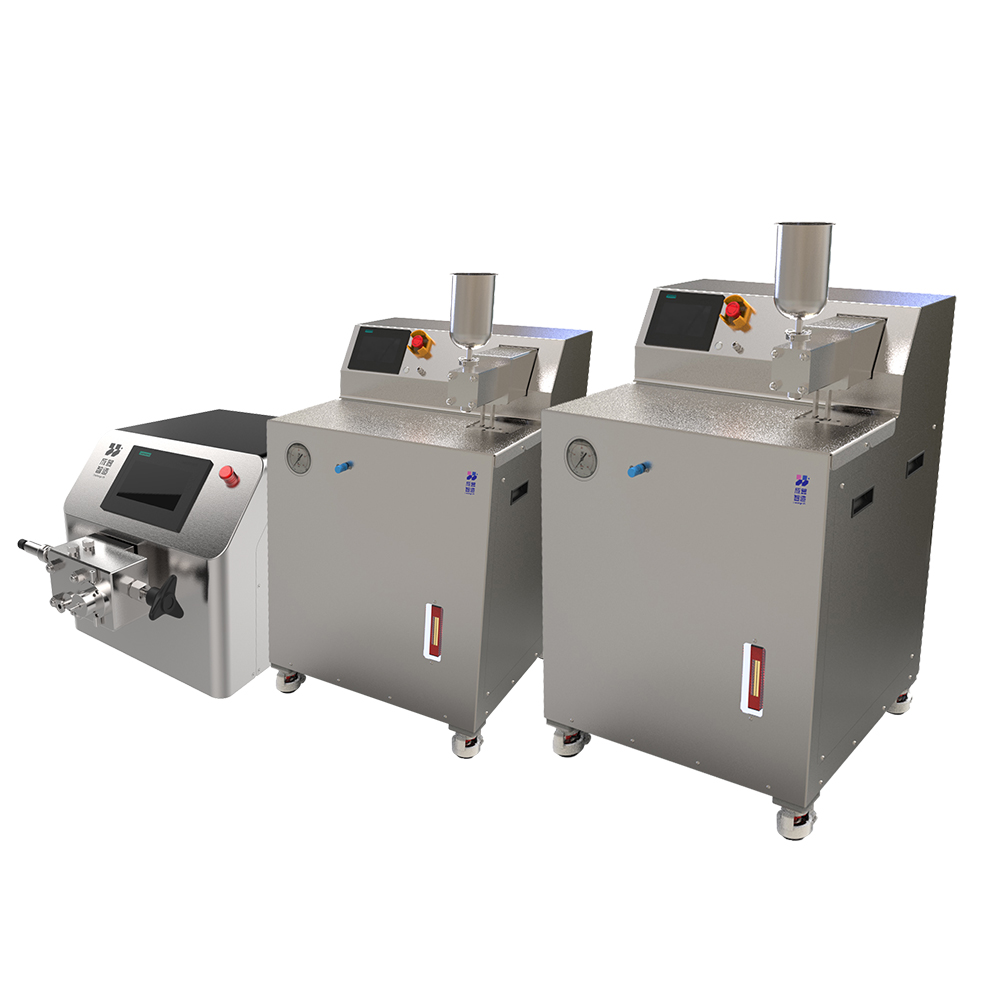 High Pressure Homogenizers
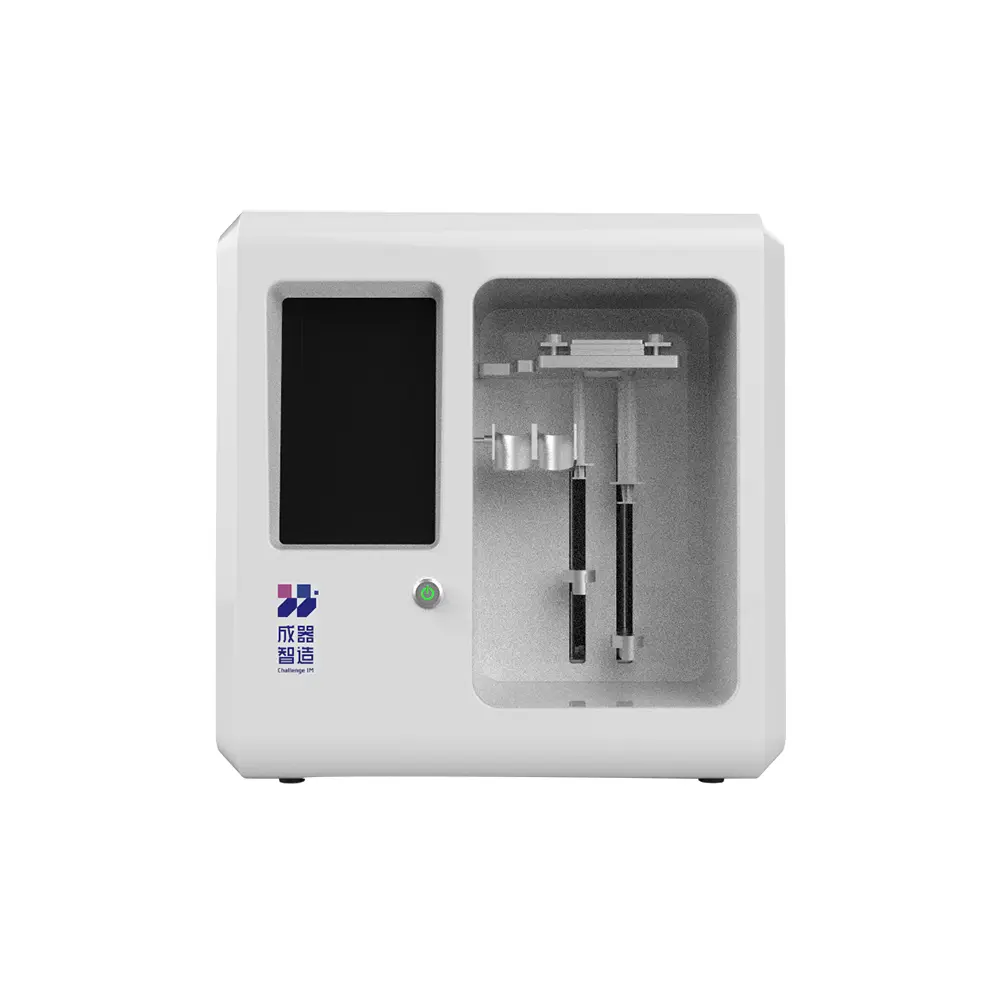 Microfluidics