How to Choose the Best Nanofiltration System for Your Needs?
Choosing the right Nanofiltration System is crucial for effective water treatment. With the global water crisis affecting over 2 billion people, advanced filtration technologies are in high demand. Nanofiltration (NF) combines features of ultrafiltration and reverse osmosis. It effectively removes divalent ions and larger organic molecules while allowing monovalent ions to pass through.
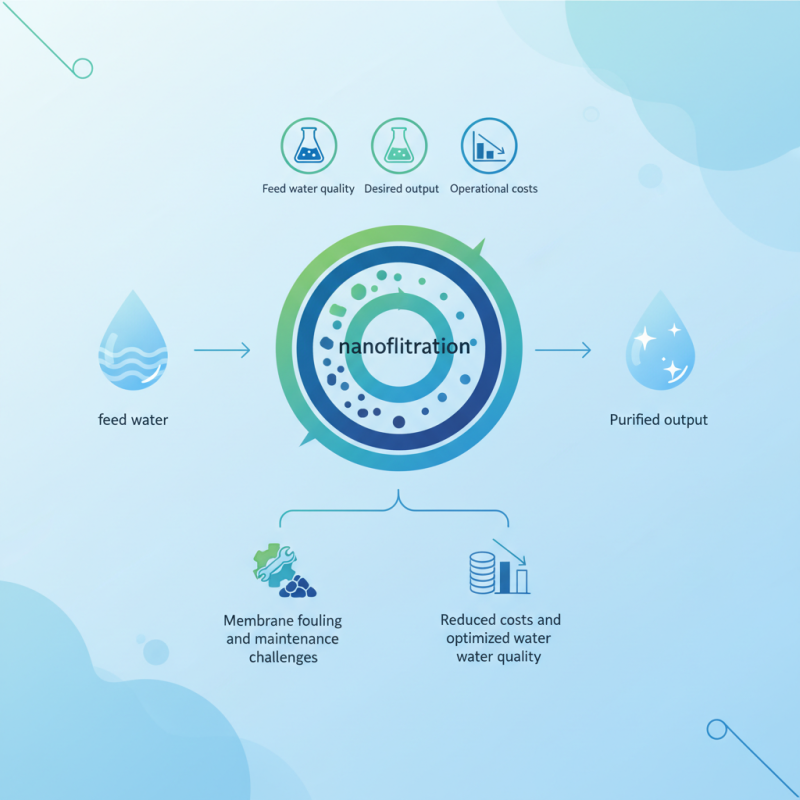
According to a recent report by the International Water Association, the nanofiltration market is expected to grow by 9% annually until 2030. This growth is propelled by increasing regulations on water quality and the need for sustainable solutions. However, selecting the appropriate system requires careful consideration of factors like feed water quality, desired output, and operational costs.
Despite their advantages, Nanofiltration Systems are not a one-size-fits-all solution. Challenges like membrane fouling and maintenance can impact performance. Understanding these complexities is key to making an informed decision. Evaluating different models with specific metrics will ensure the best outcome for your needs. The right choice can optimize water quality and reduce costs significantly.
Understanding Nanofiltration: Principles and Mechanisms
Nanofiltration (NF) stands as a crucial water treatment technology, bridging the gap between ultrafiltration and reverse osmosis. The principles of nanofiltration involve selective barrier actions to separate particles based on size and charge. Typically, NF membranes can filter out divalent ions, like calcium and sulfate, while allowing monovalent ions, such as sodium and chloride, to pass through. This selectivity makes NF highly effective for softening water and removing organic substances.
According to a 2022 industry report, nanofiltration systems can achieve up to 90% rejection of pollutants in various applications. The technology offers higher throughput than reverse osmosis, which is often a more cost-effective solution. An examination of user experiences highlights that while many appreciate the efficiency, issues such as membrane fouling and energy consumption can arise. These challenges necessitate regular maintenance and careful monitoring.
When selecting a nanofiltration system, consider the quality of your source water. Evaluate factors like total dissolved solids (TDS) and the presence of specific contaminants. It’s beneficial to invest in pre-treatment solutions to enhance membrane lifespan. Always consult with experts to tailor the system to your unique requirements. Regularly review system performance to identify areas for improvement.
Comparison of Different Nanofiltration Membranes Efficiency
This chart illustrates the rejection rates of different nanofiltration membranes, which can help you understand their efficiency in removing contaminants. Membrane A shows an 85% rejection rate, while Membrane B performs the best at 90%, demonstrating the variations in performance you might encounter.
Key Factors for Selecting a Nanofiltration System for Water Treatment
When selecting a nanofiltration system, it’s essential to understand specific key factors that influence water treatment outcomes. The first consideration is the membrane type. Nanofiltration membranes can range from polyamide to ceramic.
Research indicates that polyamide membranes are popular due to their high rejection rates for divalent ions, often exceeding 95%. This makes them highly effective in removing hardness in water.
Next, assess the system’s operating pressure. Most nanofiltration systems function optimally between 5 to 30 bar. Systems operating above this range may face premature membrane fouling. Studies report a 20% increase in efficiency when maintaining optimal pressure levels. Monitoring water quality parameters like TDS and turbidity is also crucial. This data helps predict system performance.
Analyzing influent water quality can bring unexpected findings; sometimes, higher TDS levels may lead to increased maintenance requirements.
Lastly, consider scalability. Some systems can handle flows of just a few liters per hour, while others support thousands. The scalability should align with future needs, especially in industries where water demand may grow. Flexibility in design may require additional investment, but this can be essential for long-term efficiency.
Remember, it’s not just about current use; it's about future-proofing your investment. Regular assessments and adjustments based on performance data will also enhance system reliability over time.
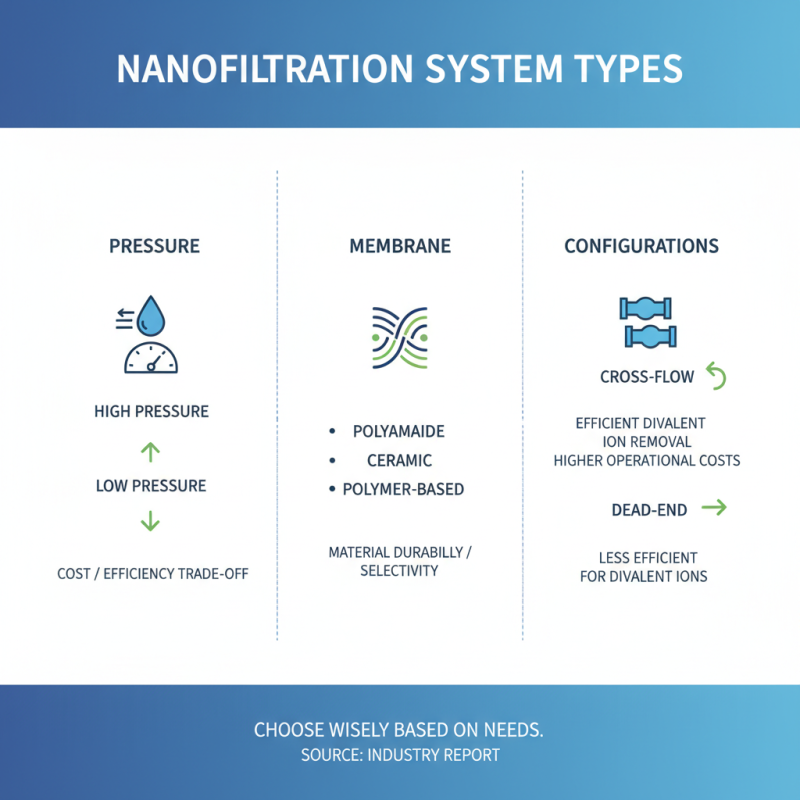
Comparison of Nanofiltration System Types: Pressure, Membrane, and Configurations
When choosing a nanofiltration system, understanding the different types is crucial. Nanofiltration systems vary primarily in pressure requirements, membrane materials, and configurations. Each type has its specific benefits and limitations. A recent industry report indicates that cross-flow filtration systems are highly efficient for removing divalent ions, yet they can have higher operational costs compared to dead-end filtration systems.
Membrane material also affects performance. Polyamide membranes are commonly used due to their high rejection rates and durability. However, they can lead to fouling, which necessitates regular maintenance. Choosing a membrane suited to your water source is essential for long-term efficiency. Research demonstrates that using pre-treatment steps can reduce fouling rates significantly.
**Tip:** It's wise to consult with experts who understand local water quality.
Consider the required pressure for your application. High-pressure systems can achieve better permeate flow. Yet, they may incur higher energy costs. Balancing efficiency with cost is key.
**Tip:** Always analyze your specific needs and system capabilities before purchasing.
Evaluating your water supply and desired outcomes will guide your choice. Don't hesitate to reach out to experienced professionals for tailored advice.
Evaluating Performance: Flux Rates and Rejection Rates in Nanofiltration
When selecting a nanofiltration system, evaluating performance indicators such as flux rates and rejection rates is crucial. Flux rate measures how quickly water passes through the membrane. A higher flux rate indicates better performance but can sometimes compromise the rejection rate. According to industry reports, optimal flux rates typically range from 20 to 60 liters per square meter per hour, depending on the specific applications.
Rejection rates reveal how effectively contaminants are filtered out. In many nanofiltration systems, rejection rates for divalent ions can exceed 90%. However, achieving high rejection rates while maintaining good flux can be challenging. For instance, a recent study found that as flux increases beyond certain thresholds, rejection rates can decrease due to membrane fouling. Operators must balance these factors to find the right system for their needs.
Selecting the best system requires understanding these metrics in depth. It's essential to consider the specific contaminants involved and the overall water quality goals. Some systems may excel in one area but struggle in another. This complexity suggests that personal testing and adjustments may be necessary, highlighting the need for ongoing evaluation and refinement. Making informed decisions is critical, as not all nanofiltration systems will suit every application or context.
How to Choose the Best Nanofiltration System for Your Needs? - Evaluating Performance: Flux Rates and Rejection Rates in Nanofiltration
| System Type |
Flux Rate (L/m²/h) |
Rejection Rate (%) |
Operating Pressure (bar) |
Membrane Material |
| Nanofiltration A |
50 |
90 |
10 |
Polyamide |
| Nanofiltration B |
45 |
85 |
8 |
Polyethersulfone |
| Nanofiltration C |
60 |
92 |
12 |
Thin Film Composite |
| Nanofiltration D |
55 |
88 |
9 |
Ceramic |
Maintenance and Cost Analysis of Nanofiltration Systems for Long-Term Use
When considering nanofiltration systems, maintenance and cost are crucial aspects. Regular maintenance is often overlooked but vital for optimal performance. A well-maintained system can operate efficiently for years. Neglecting maintenance can lead to decreased efficiency and increased operational costs. It’s essential to schedule routine checks and replace filters on time.
Cost analysis should include initial setup expenses and ongoing maintenance. Initial costs can vary widely, depending on the system's size and complexity. However, low-cost systems might require more frequent maintenance, leading to higher long-term expenses. Evaluating total ownership cost helps in decision-making.
Water quality also impacts maintenance needs. Hard water can cause scaling, affecting system longevity. Regular monitoring and timely interventions can mitigate issues. Investing in a quality nanofiltration system may seem expensive initially, but it pays off in the long run with lower maintenance costs. Exploring specific needs will aid in choosing the right system.


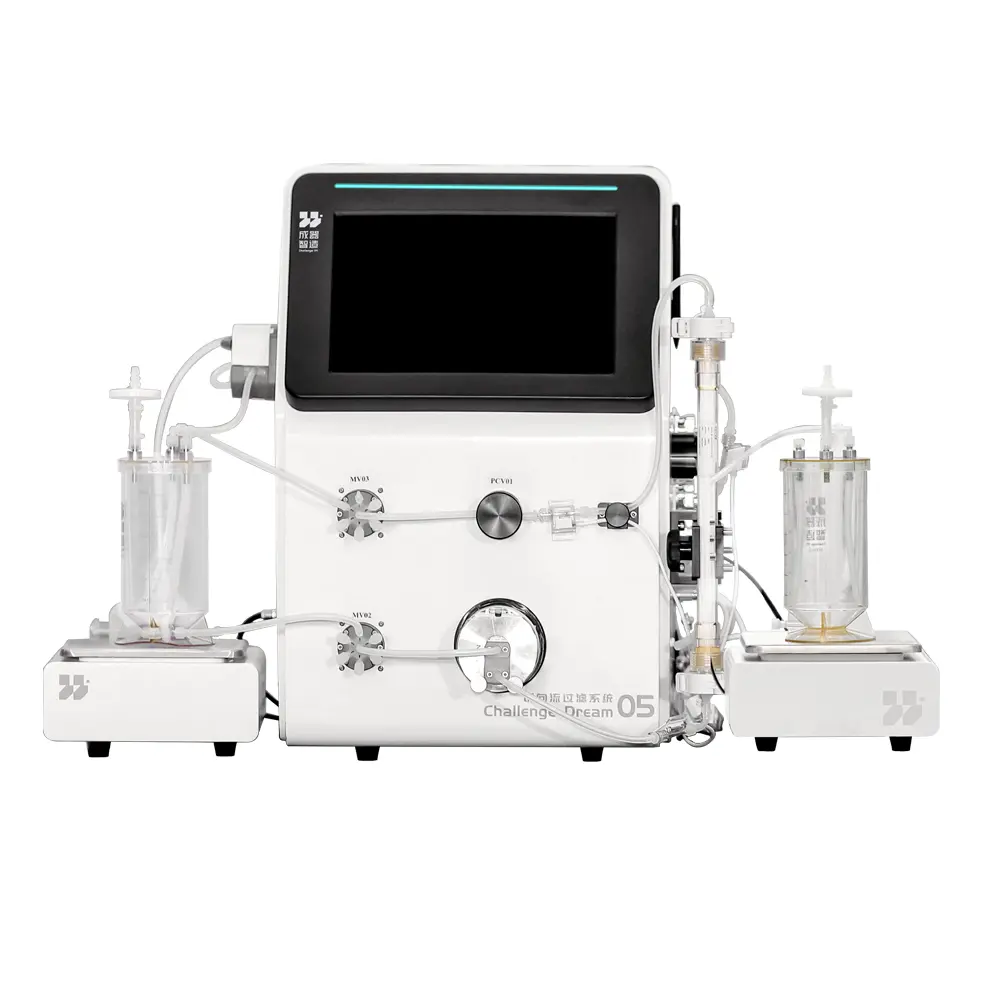 Tangential Flow Filtration(TFF) System
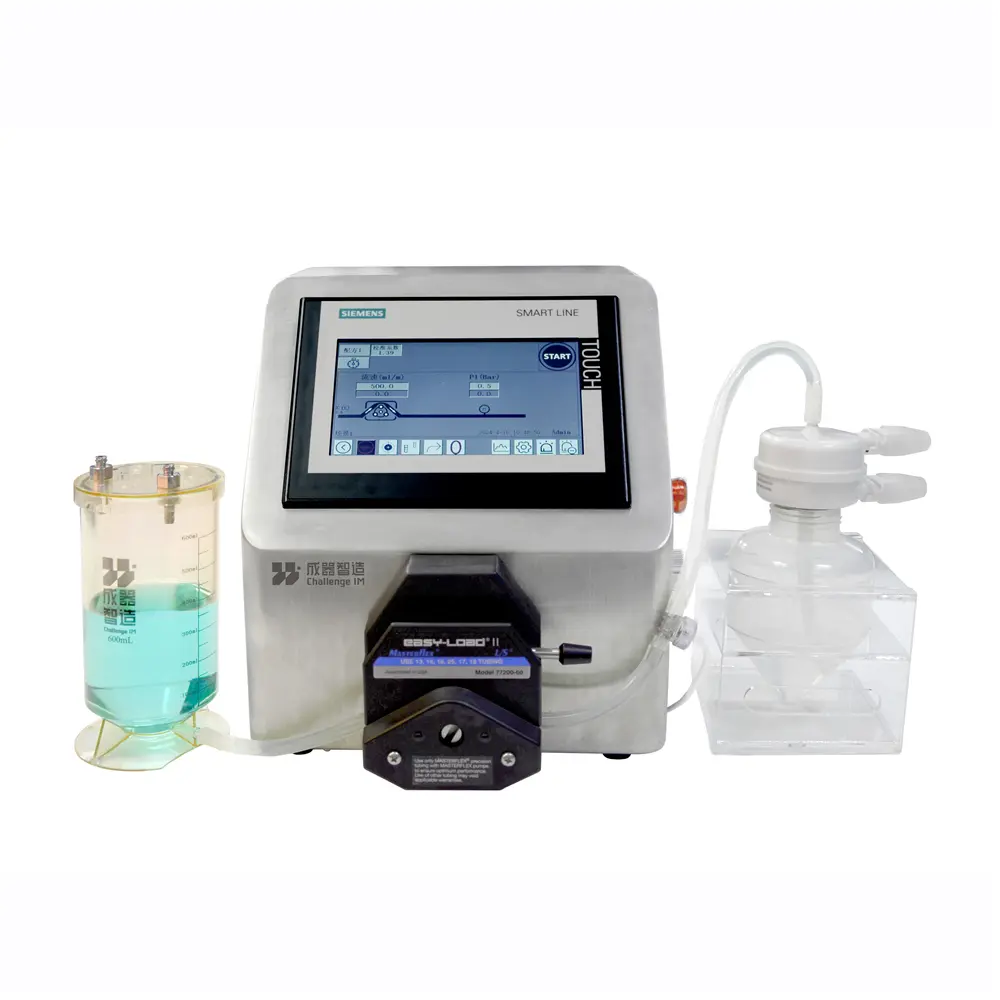 Jump Pump
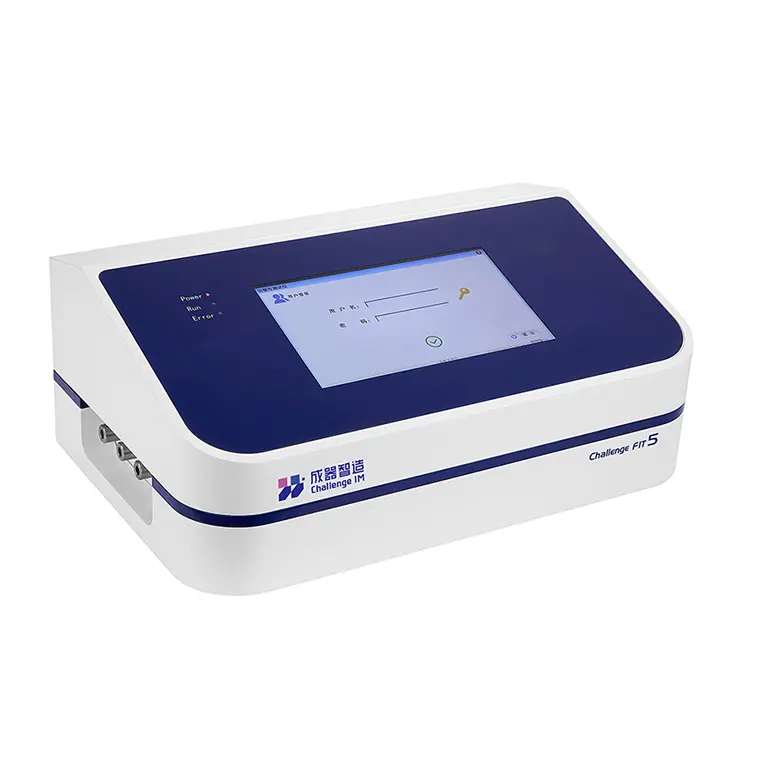 FIT Integrity Tester
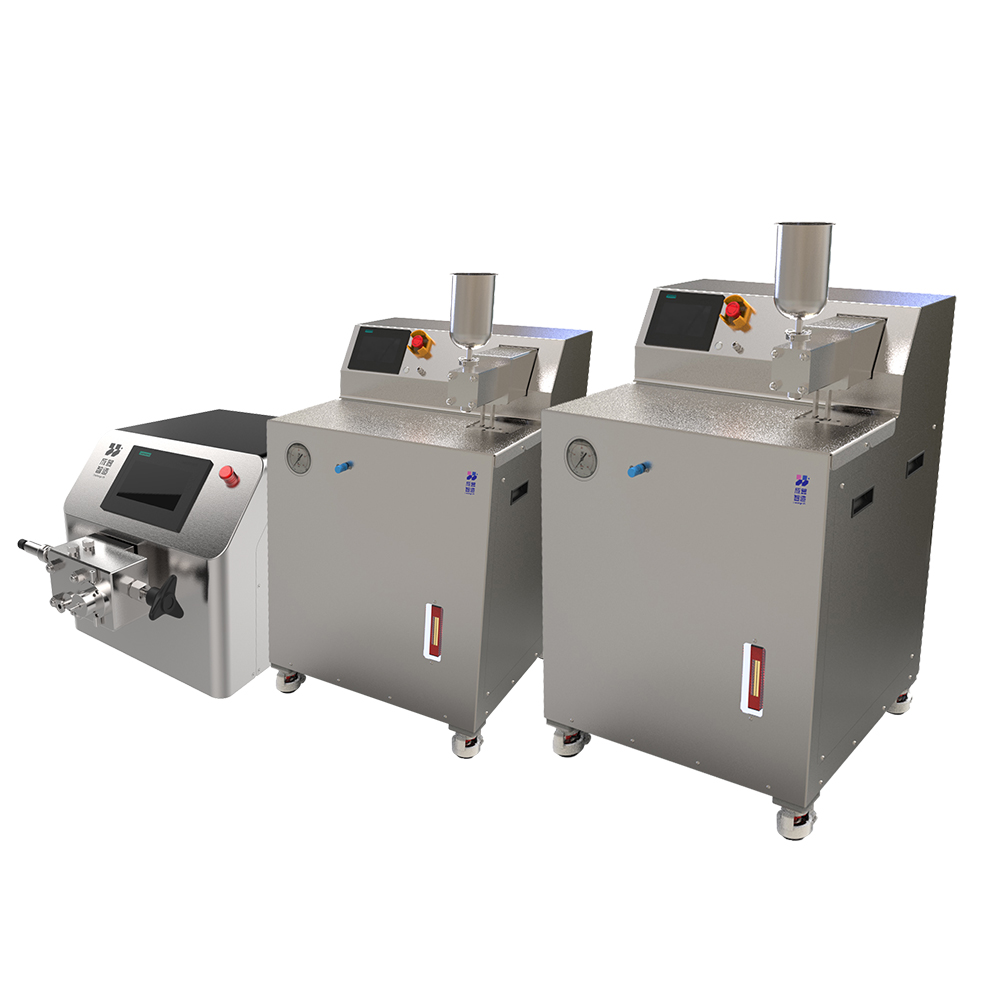 High Pressure Homogenizers
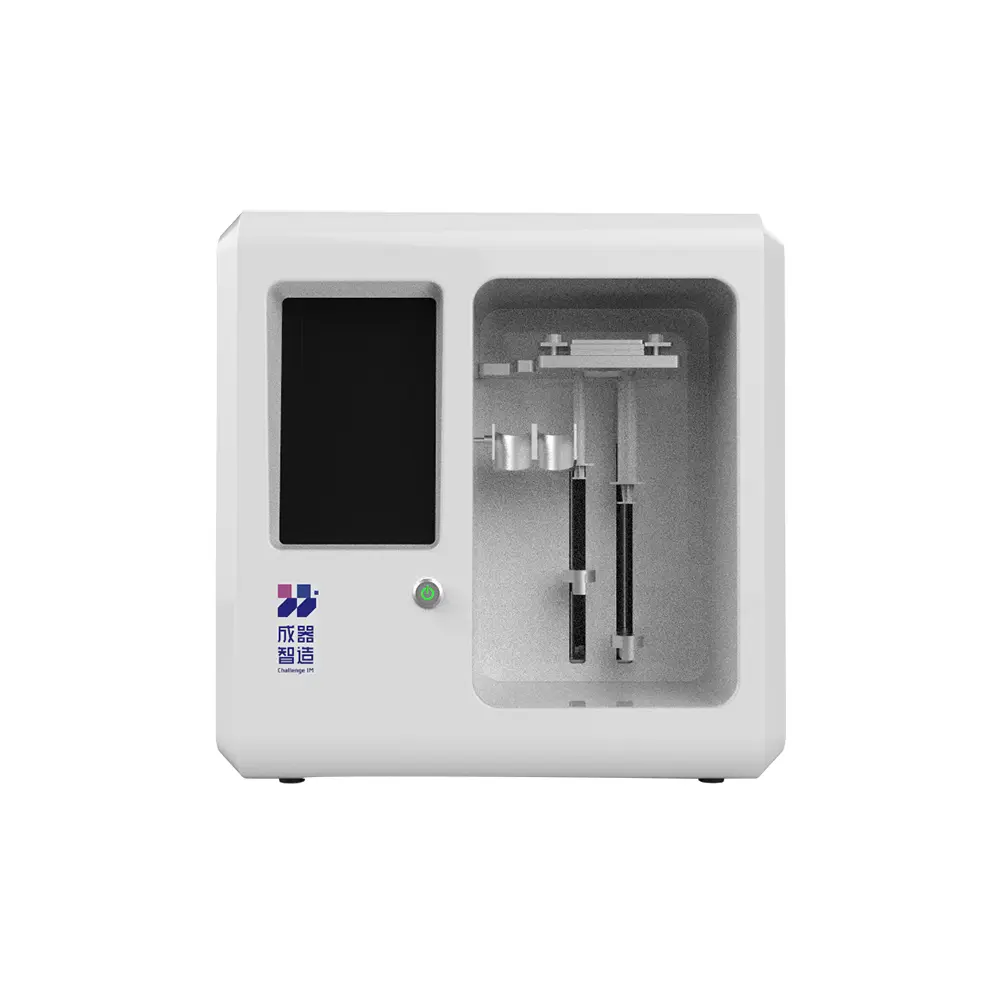 Microfluidics