How to Choose a Bag Filtration System in 2026?
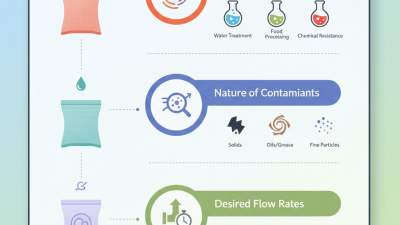
Choosing a Bag Filtration system in 2026 starts with the process, not the product catalogue. What liquid are you filtering? Which particles must be captured? How much flow must the system handle during a normal shift—and during a production surge? Clear answers narrow the options quickly. Guesswork does not.
A useful design principle, written here as an illustrative quotation rather than a verified statement by a named industry expert, is: “Match the bag, housing, and operating conditions to the process—not just the micron rating.” The distinction matters. A finer-rated bag may increase pressure drop or require more frequent changes if the application is poorly matched. Check the fluid’s temperature, viscosity, chemistry, solids load, and expected flow. Review the filter bag material, seam construction, sealing arrangement, and housing capacity. Ask suppliers for application-specific data, not broad promises.
Small details matter.
Also consider what happens after installation. Can operators change bags safely and cleanly? Is there room to lift the cover? How will differential pressure be monitored? A system that looks efficient on a specification sheet may be awkward beside a crowded process line. Real operating conditions can be messier than the design brief.
This guide explains how to compare these factors, assess lifecycle costs, and identify questions worth asking before purchase. It cannot replace testing with your actual fluid. That limitation is important. A well-chosen Bag Filtration system should meet documented process needs, support consistent operation, and remain practical to maintain—not simply appear impressive on paper.
Define the Filtration Goal and Process Requirements
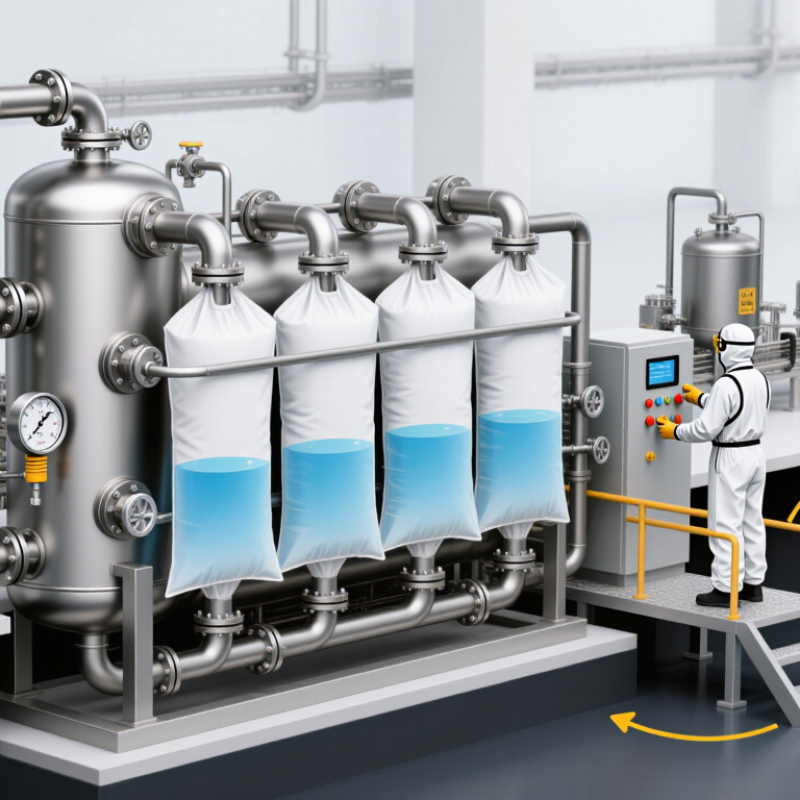
A bag filtration system should solve a defined process problem, not just meet a micron rating. Identify what must be removed: visible debris, fine particles, or both. Set the required outlet quality using a measurable limit, such as particle count or a downstream equipment specification. “Cleaner” is not precise enough.
Start with the fluid. Record its normal and peak flow, viscosity, temperature, and solids load. Note whether the process runs continuously or in batches, and how often operators can safely change bags. Measure it warm. A liquid’s viscosity can shift with temperature, affecting pressure drop and flow through the bag. Small details matter.
Describe the particles, too. Their size distribution, shape, and tendency to deform can change capture performance. A nominal micron rating alone may not predict the outlet result. Check the available pump pressure and the maximum differential pressure the housing can tolerate. Then compare expected bag life, changeout frequency, and waste handling needs. These estimates can be imperfect; real solids loads often fluctuate. When data is uncertain, test a representative fluid sample or run a controlled trial, recording flow and differential pressure over the operating cycle. That evidence gives system sizing a firmer basis.
Assess Contaminants, Flow Rate, and Operating Conditions
Start with the contaminant, not the catalog. Identify particle size, shape, stickiness, and abrasiveness. Is the stream liquid, vapor, or dry dust? A powder that cakes on a damp bag can quickly restrict flow; sharp particles may wear the media. For liquid service, measure viscosity and solids loading at actual process temperature. Choose a micron rating based on downstream protection needs, not the number alone. Start with the dirt. A small sample test can reveal what a clean datasheet misses.
Then size the system for normal and peak flow, not just the daily average. Check inlet pressure, temperature, humidity, and how often the process starts and stops. For dry particulate service, the U.S. EPA’s Air Pollution Control Cost Manual, 7th edition, describes fabric filters with collection efficiencies above 99% and typical pressure drops of roughly 5–20 inches of water. These figures do not apply to liquid bag filters. Don’t transfer them blindly. Leave room for flow surges and changing solids loads, and track pressure drop during operation. A tidy sizing sheet still cannot predict every upset; that uncertainty deserves a pilot test or a clear monitoring plan.
Compare Bag Materials, Micron Ratings, and System Designs
How to Choose a Bag Filtration System in 2026?
Material choice starts with the liquid, not the price tag. Polypropylene suits many water-based processes; polyester often handles warmer streams, while nylon can work well with certain oils and solvents. Check chemical compatibility and operating temperature against supplier test data. A bag that swells or sheds fibers can turn a simple changeout into a production problem.
Micron ratings need context. “Nominal” and “absolute” do not mean the same thing, and results depend on test conditions. ISO 16889:2022 defines a multipass test using beta ratios: a beta ratio of 200 corresponds to 99.5% capture at the specified particle size. It is a useful way to understand efficiency data, but it is not a universal bag-filter certification. Match the rating to the particle size that actually harms your process. A finer bag may protect downstream equipment, yet clog sooner. That trade-off is easy to underestimate.
Tips: Compare single-bag and multi-bag housings at your real flow rate. Check clean and dirty pressure-drop limits, available floor space, and how safely operators can replace a loaded bag. Keep a differential-pressure log for a few changeout cycles. The first sizing estimate may be wrong; operating data should correct it.
Check Compatibility, Compliance, and Total Operating Costs
Choosing a bag filtration system in 2026 starts with the material, not the catalog. Record actual airflow, peak temperature, humidity, particle size, and chemical exposure across a full production shift. A dusty morning sample can mislead. Check that bag media, seams, cages, and gaskets suit real process conditions, not just averages. The U.S. EPA’s Fabric Filter fact sheet (EPA-452/F-03-025, 2003) reports collection efficiencies commonly around 99–99.9%, depending on design and operating conditions. That range is not a guarantee for your installation. Validate performance against site permit limits and applicable workplace and environmental requirements.
Then compare total operating costs over a stated service life. Include replacement bags, labor, disposal, compressed-air cleaning, fan electricity, pressure-drop changes, and production lost during maintenance. The EPA fact sheet also identifies pressure drop and cleaning approach as key operating considerations. A higher purchase price may still cost less over time. Track both. Request pressure-drop curves at expected airflow and a bag-change schedule based on comparable dust conditions. Check service access: a cramped housing can turn a short changeout into a long shutdown. Cost estimates are rarely promises. Where dust behavior is uncertain, consider a monitored trial and revisit assumptions after the first months.
How to Choose a Bag Filtration System in 2026? — Check Compatibility, Compliance, and Total Operating Costs
Annual filter-bag replacements at different change intervals
Planning calculation: assumes a 52-week operating year and one bag replaced at each change. Actual change intervals depend on fluid and bag-media compatibility, contaminant loading, and differential pressure. Before choosing a system, verify material and temperature compatibility, confirm the filtration performance required by applicable regulations, and compare total operating costs—including bags, labor, disposal, energy, and downtime.
Replacement counts are calculated examples, not industry benchmarks.
Select, Install, and Validate the Bag Filtration System
How to Choose a Bag Filtration System in 2026?
Select, Install, and Validate the Bag Filtration System
Choose a system around the actual process, not just a catalog rating. Record the liquid’s temperature, viscosity, flow rate, and expected solids load. Check that housing materials, bag media, and seals suit the fluid. Compare the required particle rating with the process goal; nominal and absolute ratings are not interchangeable. Allow for pressure drop and room for bag changes. In practice, this choice is rarely perfect on the first pass. Small details matter.
Before installation, isolate and depressurize the line. Inspect the housing, basket, bag, and sealing surfaces for damage or debris. Seat the bag evenly, close the cover securely, and confirm the flow direction. Start slowly and vent trapped air where the equipment design allows. Then test. Record inlet and outlet pressures at a known flow rate, and check a downstream sample against the site’s cleanliness target. Rising differential pressure can indicate loading, but confirm the cause before changing the bag.
Tips: Keep a baseline log of flow, pressure, temperature, and bag-change dates. Use the same sampling point each time. If results vary, review installation and sampling technique before assuming the filter is at fault.


 Tangential Flow Filtration(TFF) System
 Jump Pump
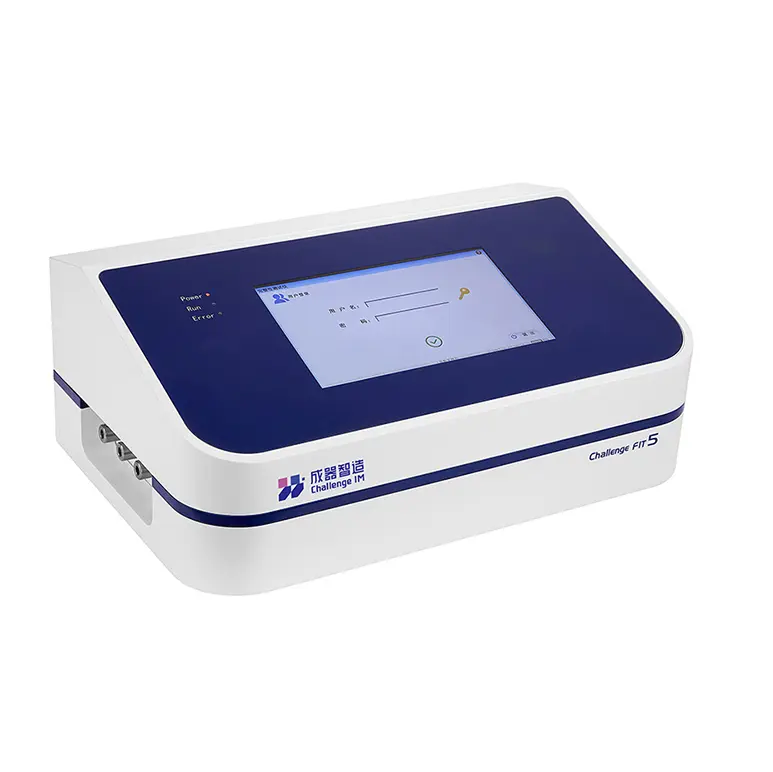 FIT Integrity Tester
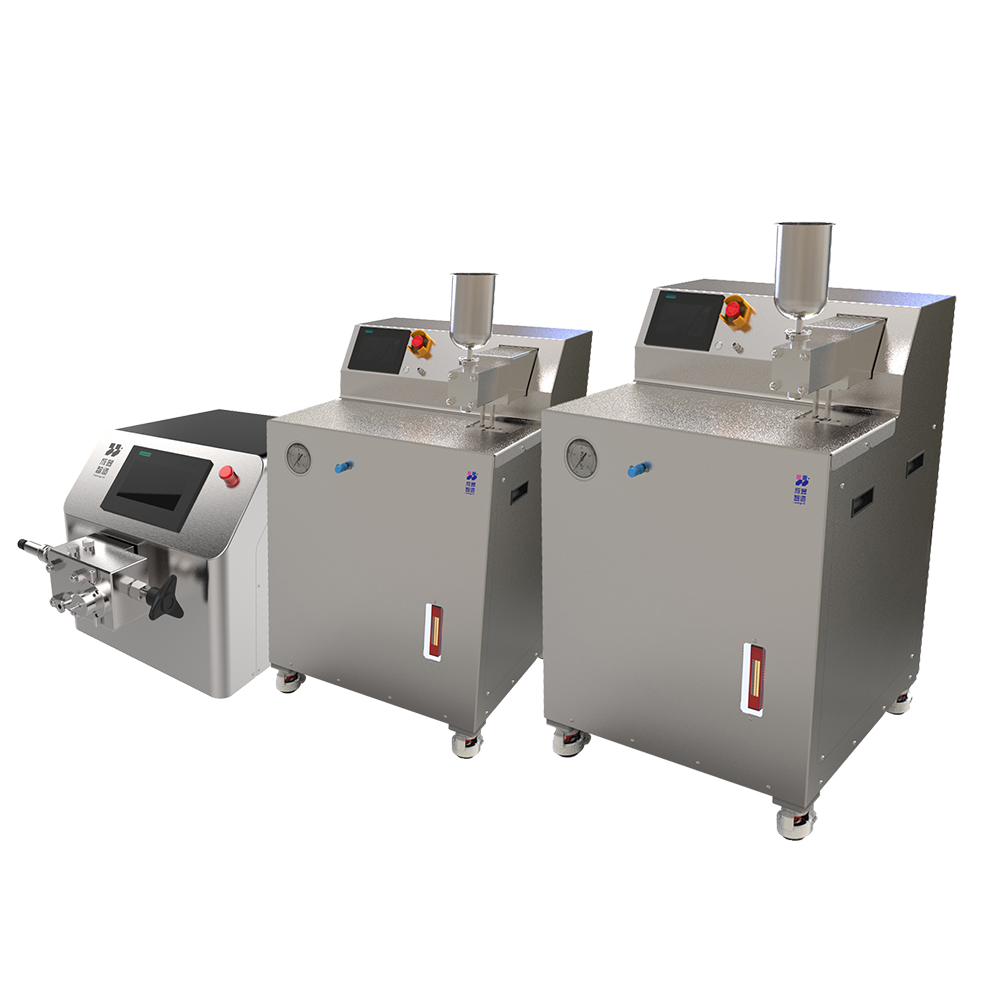 High Pressure Homogenizers
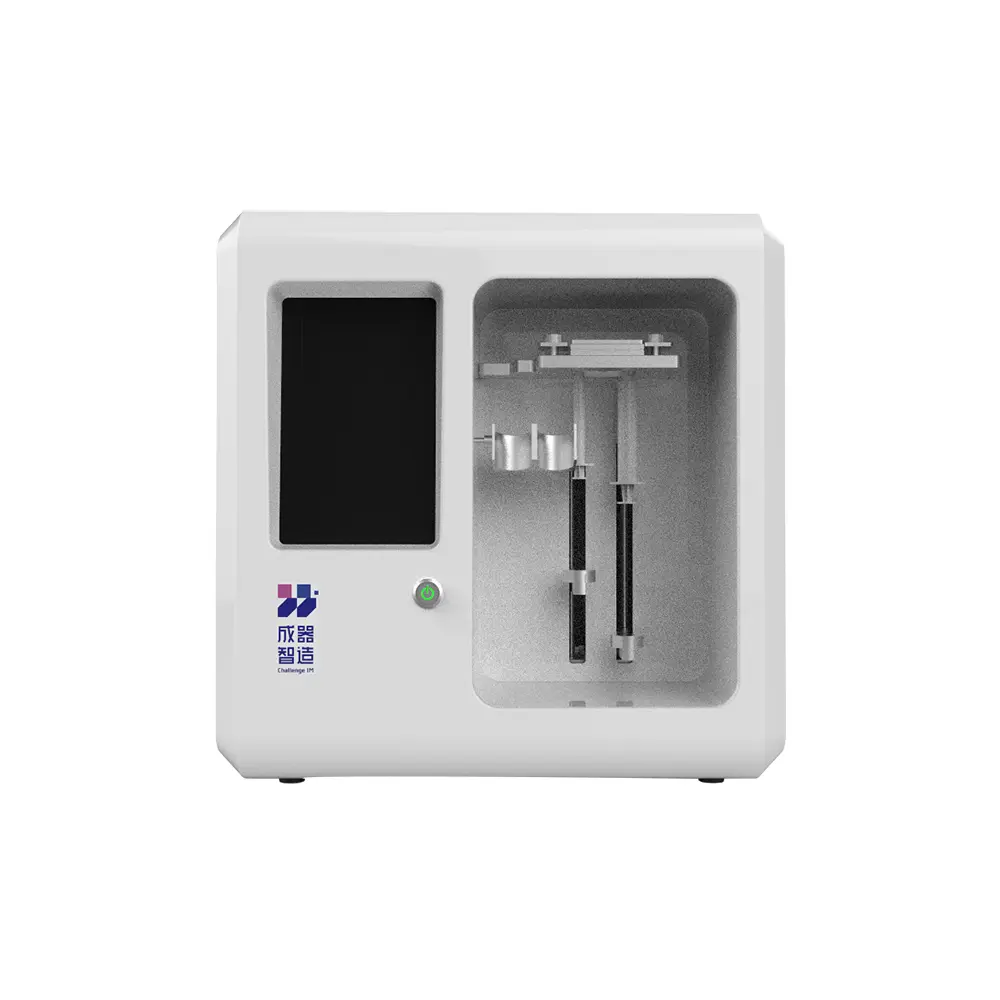 Microfluidics