Top Tips for Choosing the Right Diaphragm Pump for Your Needs?
Choosing the right diaphragm pump can significantly impact your operations. A diaphragm pump is essential in various industries for its reliability and efficiency. According to recent industry reports, the global diaphragm pump market is projected to reach USD 5 billion by 2026, reflecting a growing demand for these pumps in sectors like water treatment and pharmaceuticals.
When selecting a diaphragm pump, consider factors such as flow rate, materials, and pressure range. A breakdown in choosing the wrong specifications may lead to operational inefficiencies. Notably, many engineers overlook the importance of compatibility with the fluids being pumped. This mistake can lead to premature pump failure, resulting in costly downtime.
Experience in the field is crucial when evaluating different pump models. Research shows that 45% of pump failures stem from improper selection. Engaging with experienced professionals can provide insights that technology alone may not deliver. Prioritizing informed choices fosters reliability and efficiency in your pumping systems.
Understanding the Basics of Diaphragm Pumps and Their Applications
Diaphragm pumps are versatile tools widely used in various industries. They are essential for transferring fluids, particularly slurries and viscous liquids. According to a recent report by MarketsandMarkets, the diaphragm pump market is projected to grow at a CAGR of 5.6% between 2021 and 2026. This growth rate highlights their significance in applications ranging from wastewater treatment to the food and beverage sector.
Understanding the working mechanism of diaphragm pumps is critical. They employ a reciprocating diaphragm to create a vacuum, drawing in fluid. This method prevents contamination, making them suitable for sensitive environments. In a study by Research and Markets, it was noted that nearly 30% of diaphragm pump applications focus on the chemical industry. This statistic underscores the need for selecting the right material to ensure compatibility with various fluids.
Despite their advantages, diaphragm pumps have limitations. They can be prone to pulsation, requiring additional dampening equipment in some setups. Many users overlook this aspect, leading to increased maintenance costs and operational inefficiencies. Moreover, the selection process can sometimes be confusing, with various types and configurations available. By knowing the specific requirements, users can make better choices tailored to their unique applications.
Identifying Your Specific Needs for a Diaphragm Pump
Choosing the right diaphragm pump starts with understanding your specific needs. Consider the type of fluid you will be handling. Different fluids have varying viscosity and chemical properties. If you plan to pump abrasive liquids, you may need a special construction material. It’s crucial to match the pump’s materials with the fluid characteristics for optimal performance.
Another factor is the required flow rate. Estimate how much fluid you need to pump in a set time frame. For example, a small project may only require one gallon per minute, while larger applications demand higher capacities. Also, think about the pressure requirements. Some processes need high pressure to function effectively. It's important to determine the right pressure range to avoid operational issues.
Don't forget about maintenance and serviceability. A pump that is difficult to maintain can quickly become a hassle. Evaluate how easy it is to access components for repairs. Think about the availability of support from manufacturers. Always strive for reliability. If there's doubt about a pump’s performance, it’s worth exploring other options. Make informed decisions based on thorough research and reflection on your actual needs.
Key Features to Consider When Selecting a Diaphragm Pump
When selecting a diaphragm pump, several key features deserve careful consideration.
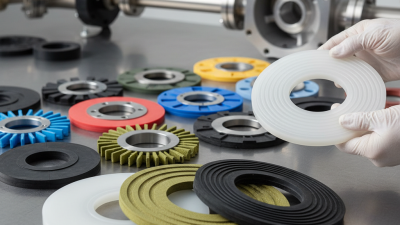
The material of the diaphragm is crucial. Common materials include rubber, PTFE, and various plastics. Each has its benefits and limitations depending on the fluid being pumped. A wrong choice may lead to premature wear or fluid contamination, which can disrupt operations.
Next, the pump's flow rate and pressure capabilities must align with your application’s needs. Assessing the viscosity of the fluid is also essential.
Thicker fluids may require pumps with higher power or specific designs. A mismatch here could result in inefficiency or pump failure.
It's also vital to consider maintenance needs. Some pumps might require regular servicing, while others are low-maintenance. Understanding the maintenance schedule and potential downtime is important for operation continuity.
Reflecting on these factors will lead to better long-term performance and reliability.
Comparing Different Types of Diaphragm Pumps on the Market
When selecting a diaphragm pump, understanding the variety available is crucial. The three main types include air-operated, electric, and hydraulic diaphragm pumps. Air-operated pumps are often lauded for their efficiency. They generally handle slurries and viscous fluids well, making them ideal for diverse applications. Meanwhile, electric diaphragm pumps excel in precision and control, especially in laboratory settings. Hydraulic diaphragm pumps, though less common, offer robust performance in high-pressure situations.
Data from the Fluid Power Journal indicates that diaphragm pump sales have increased by 15% over the past five years. This growth reflects the rising demand in industries like pharmaceuticals and food processing, where contamination-free operation is a must. Factors such as material compatibility and flow rate should guide your choice. For example, if you're working with abrasive materials, opting for pumps made from durable materials is wise.
Consider these aspects before making a decision. Ensure that the pump has the appropriate flow rate for your application. If you're unsure, consult industry standards or reach out to professionals. Reliability is key, and investing in a quality diaphragm pump can save you money in the long run. Ultimately, the right choice can enhance efficiency and operational safety.
Maintenance and Support Considerations for Diaphragm Pumps
Maintaining a diaphragm pump is crucial for optimal performance. Regular upkeep can extend the pump's lifespan significantly. Studies show that well-maintained pumps can last over 10 years, while neglected ones often fail within five. Pump operators should check for leaks and ensure proper alignment. A simple visual inspection can reveal potential issues before they escalate.
Support is equally important. Many manufacturers offer training sessions for staff. Proper training ensures that operators understand the pump's mechanics. Awareness of common issues and troubleshooting procedures can prevent costly downtimes. Research indicates that businesses that invest in employee training can reduce maintenance costs by up to 30%.
Documentation is essential in maintenance. Keeping detailed logs can help track performance trends. Data from annual maintenance reviews can provide insights into recurring problems. This practice not only aids in immediate repairs but also informs future purchasing decisions. While it may seem tedious, proper documentation pays off in the long run, ensuring reliability in operations.
Top Tips for Choosing the Right Diaphragm Pump for Your Needs
| Criteria |
Description |
Maintenance Tips |
Support Considerations |
| Material Compatibility |
Assess if the pump materials are suitable for the fluids being pumped. |
Regularly check for material degradation and replace seals as necessary. |
Choose a supplier with good material knowledge and a wide range of options. |
| Flow Rate |
Determine the required flow rate based on application needs. |
Confirm flow rate regularly to ensure optimal performance. |
Ask for flow testing services and performance guarantees. |
| Pressure Rating |
Ensure the pump can handle the necessary pressure without failure. |
Monitor pressure levels and perform routine checks on pump integrity. |
Select a provider that offers emergency support for pressure issues. |
| Size and Portability |
Evaluate space constraints and whether a portable design is needed. |
Clean and store in appropriate conditions to prolong life. |
Check for local service centers for maintenance on-the-go. |


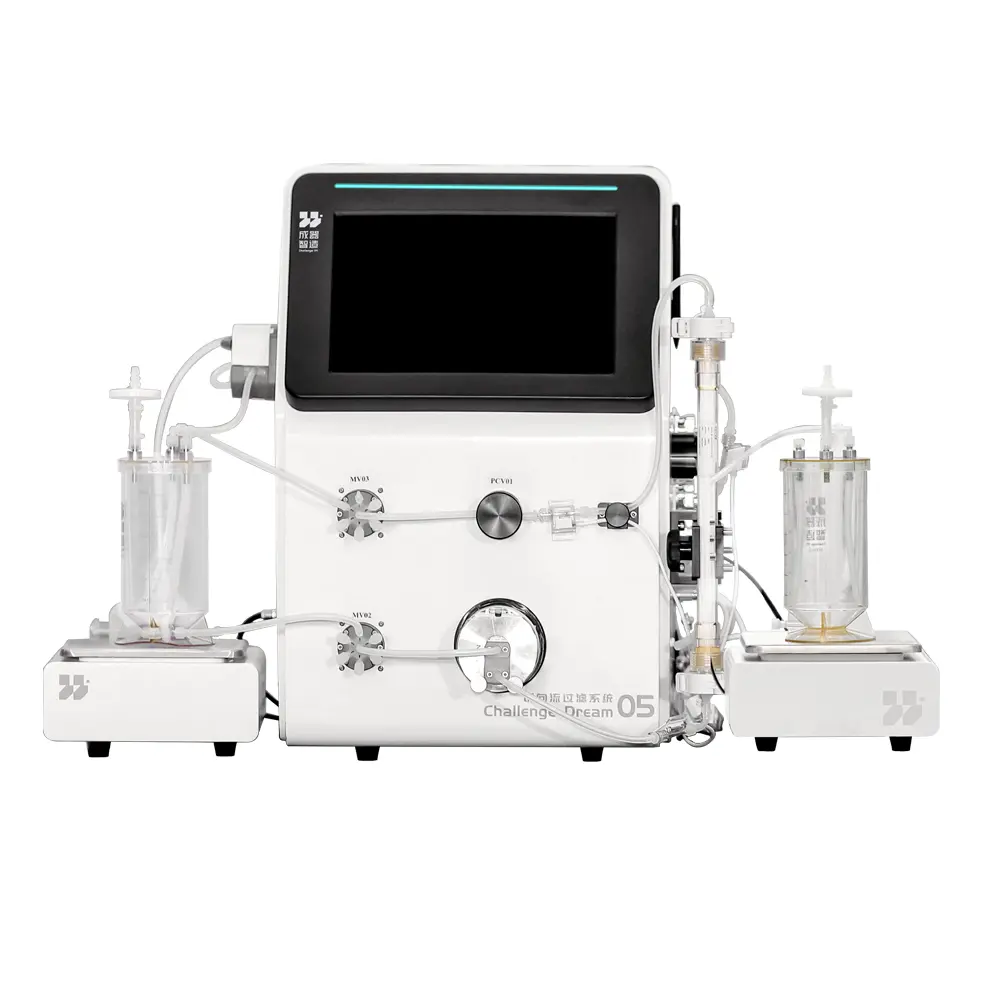 Tangential Flow Filtration(TFF) System
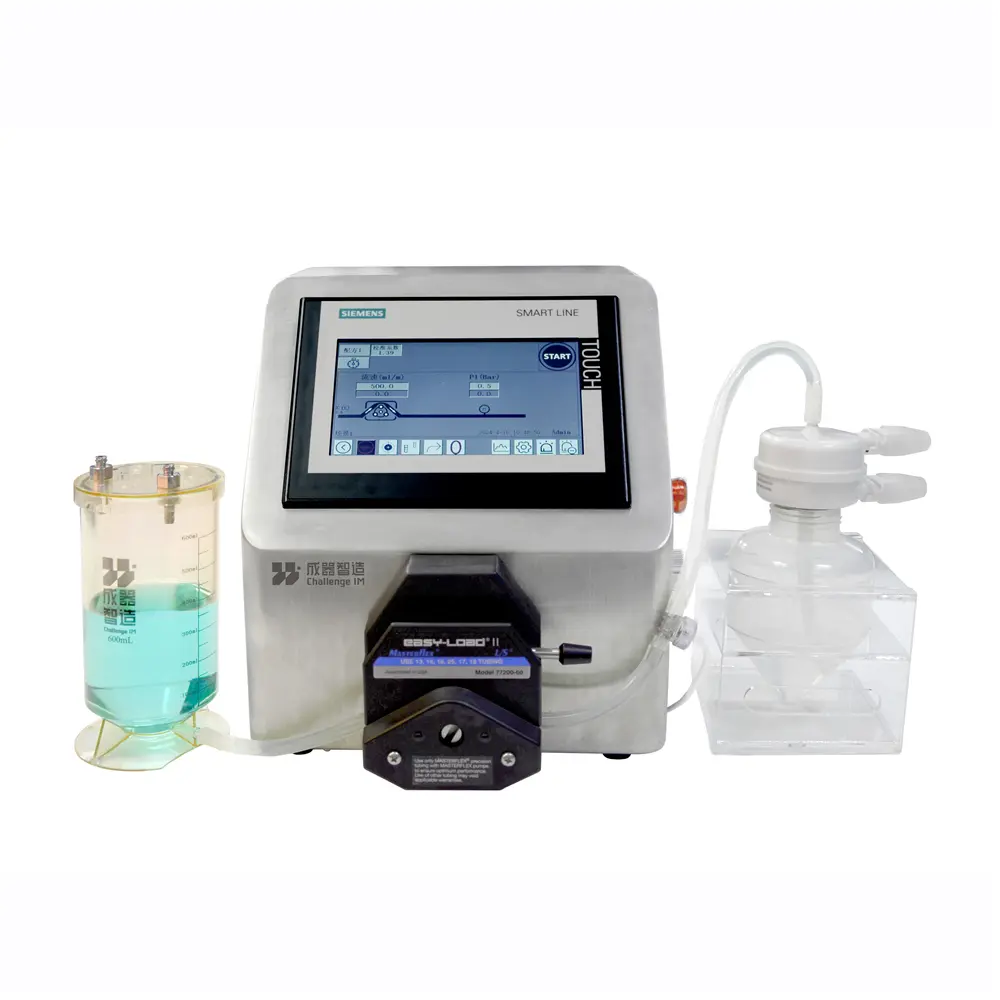 Jump Pump
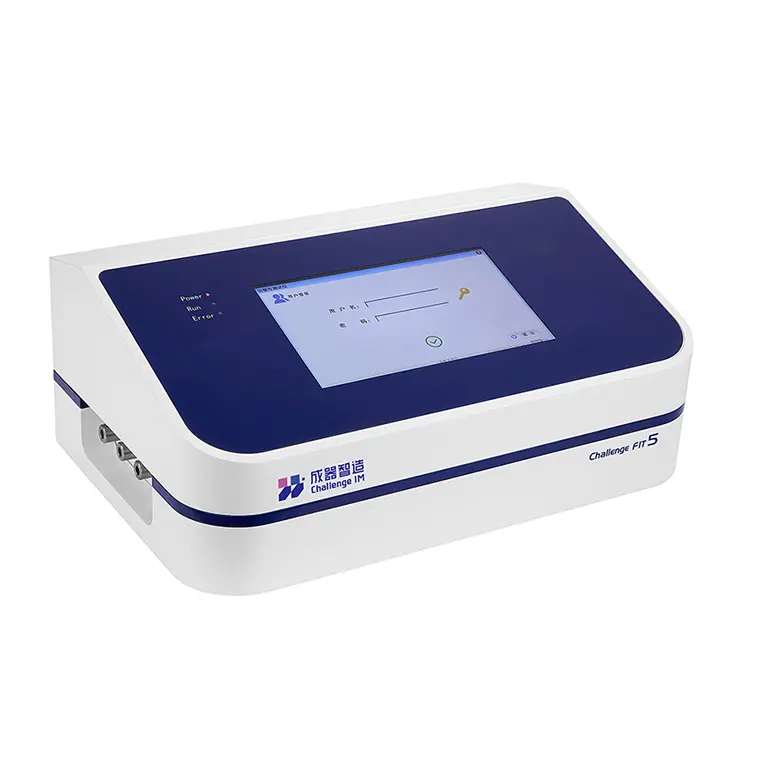 FIT Integrity Tester
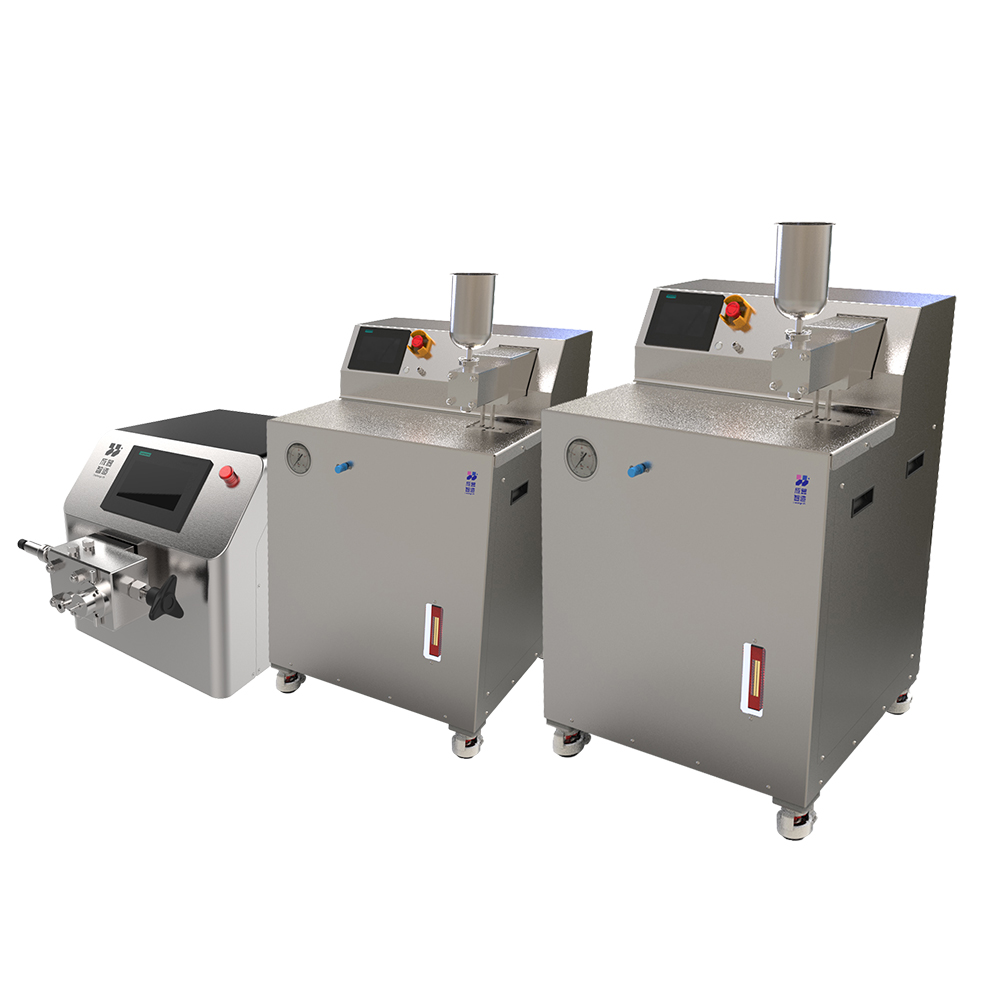 High Pressure Homogenizers
 Microfluidics