Top Tips for Choosing the Right Filtration Media for Your Needs?
Choosing the right filtration media is crucial for effective filtration solutions. According to a recent report by the Filtration Industry Analyst Group, the global filtration media market size reached $25 billion in 2022, with an expected CAGR of 5.4% through 2030. This growth highlights the increasing importance of efficient filtration in various industries.
Dr. Emily R. Carter, a leading expert in filtration technologies, emphasizes, "Selecting appropriate filtration media can significantly impact both performance and operational costs." Filtration media varies widely in types, including activated carbon, membrane filters, and synthetic fibers. Each type serves a specific purpose and offers unique benefits.
Understanding your specific needs is essential. Whether for air, water, or industrial processes, the right choice can lead to optimal efficiency. However, many users struggle with these decisions. They often overlook key factors such as particle size, fluid characteristics, and application requirements. These choices can be daunting and may lead to costly mistakes. Prioritizing thorough research and expert advice can enhance decision-making processes.

Understanding Filtration Media and Its Importance
Filtration media play a crucial role in various applications. They are essential for purifying air, water, and other fluids. Understanding different types of filtration media can greatly enhance their effectiveness. Each type of media has unique properties that cater to specific filtration needs. For example, some media may effectively remove larger particles, while others focus on finer contaminants.
Choosing the right filtration media requires knowledge and expertise. Not all media will suit every application. For instance, a filter designed for water may not work for air purification. It's vital to assess the specific requirements of your situation. Factors such as flow rate, particle size, and chemical compatibility need evaluation. Ignoring these details can lead to ineffective filtration and unintended consequences.
Making the right choice is often a trial-and-error process. Industry professionals recommend testing different media to find the best fit. Documenting performance can help refine selections over time. After all, what works for one may not work for another. Continuous improvement in filtration strategies is necessary for achieving optimal results.
Top Tips for Choosing the Right Filtration Media for Your Needs
| Filtration Media Type |
Best Uses |
Advantages |
Considerations |
| Activated Carbon |
Water and air purification |
Effective at removing pollutants |
Needs regular replacement |
| Sand Filters |
Swimming pools and wastewater treatment |
Low maintenance and durable |
Not effective for smaller particles |
| Ceramic Filters |
Drinking water filtration |
Long-lasting and reusable |
Can be expensive upfront |
| HEPA Filters |
Air purifiers and HVAC systems |
Excellent at capturing allergens |
May restrict airflow if not sized correctly |
| Polyester Filters |
Industrial applications and HVAC |
Reusable and washable |
May not provide fine filtration |
Different Types of Filtration Media Available
Choosing the right filtration media can be confusing. There are several types available, each suited for different purposes. Understanding these options can help narrow down your choices.
One common type is activated carbon. It's effective for removing odors and chemicals from water. However, it may not capture all pathogens. Another option is ceramic filters. They are durable and can eliminate bacteria but can be slower to process water.
Glass fiber filters are another choice. They have a high dirt-holding capacity and can handle higher flow rates. Yet, they might not filter out small contaminants effectively. Each type has its advantages and disadvantages. Evaluating your specific needs is essential for making an informed decision.
Top Tips for Choosing the Right Filtration Media for Your Needs
This bar chart represents different types of filtration media and their effectiveness in various applications. Consider these options when choosing the right filtration media for your needs.
Factors to Consider When Choosing Filtration Media
Choosing the right filtration media can be challenging. Various factors play crucial roles in creating effective filtration systems. One essential aspect is the type of particles you need to filter. Whether you're dealing with sediments, chemicals, or biological contaminants influences your choice. For instance, sediments require coarse media, while finer options are best for chemicals.
Another factor to consider is the flow rate. High flow rates can lead to insufficient filtration. Lower flow rates may offer better filtration but can slow down processes significantly. Keep in mind the balance between efficiency and performance. Temperature is also important; some media may not withstand high temperatures without degrading.
Lastly, consider the lifespan of the filtration media. Some options may require frequent replacement, leading to higher long-term costs. Others may offer durability but could come at a premium upfront. Evaluate your specific needs and budget. Reflecting on these factors helps ensure your choice aligns with practical requirements and expectations. Each decision requires careful consideration to achieve the best outcome.
Evaluating Performance and Efficiency of Filtration Media
When evaluating filtration media, understanding performance and efficiency is crucial. High-quality media can significantly impact the effectiveness of filtration systems. Different applications require different levels of filtration, so identifying your specific needs is essential.
Tip: Assess the particle size and type. Some media excel in trapping larger particles, while others are designed for finer filtration. Understand what contaminants you need to eliminate to choose the right type.
Efficiency is often measured in terms of flow rate and pressure drop. If the flow rate is too high, filtration can be less effective, leading to increased operational costs. On the other hand, a significant pressure drop can hinder system performance.
Tip: Consider longevity and maintenance needs. Some filtration media requires frequent replacements, impacting overall savings and convenience. Choosing a media with a longer lifespan may require a higher initial investment but offers better value over time. Remember, the best choice balances cost and performance.
Common Applications for Various Filtration Media Types
When choosing filtration media, understanding its applications is crucial. Different types serve unique purposes in various industries. For instance, activated carbon is prevalent in water treatment. According to the Water Quality Association, over 85% of water filtration systems utilize carbon to remove volatile organic compounds.
Another common type is membrane filtration, which excels in separating particles and bacteria. Industries like pharmaceuticals rely on this method to ensure product safety. A 2022 report by the International Journal of Membrane Science noted that membrane filtration can achieve over 99% efficiency in bacteria removal, underscoring its reliability in critical applications.
However, selecting the right media isn't always straightforward. Each application requires careful consideration of factors such as chemical compatibility and flow rate. A mismatch can lead to inefficiencies or compromised outcomes. Incorporating data from industry reports highlights the importance of a tailored approach in filtration media selection.


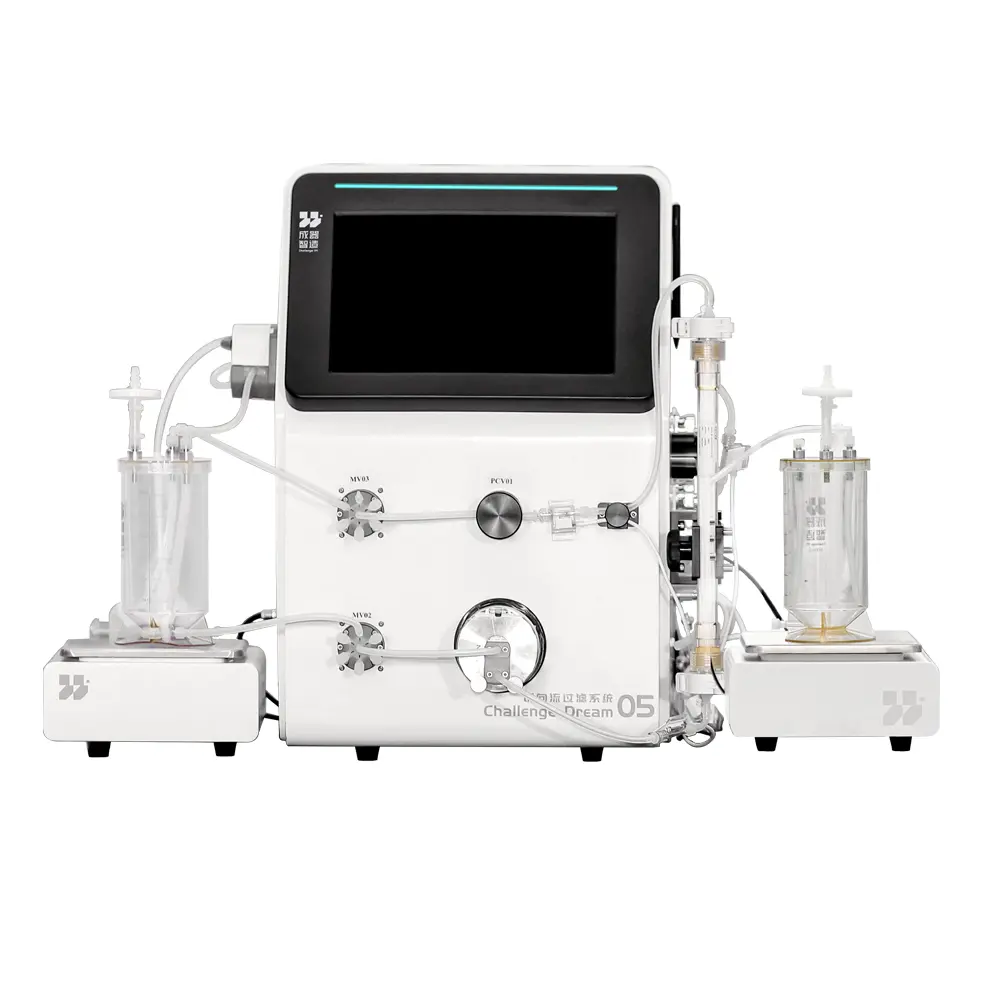 Tangential Flow Filtration(TFF) System
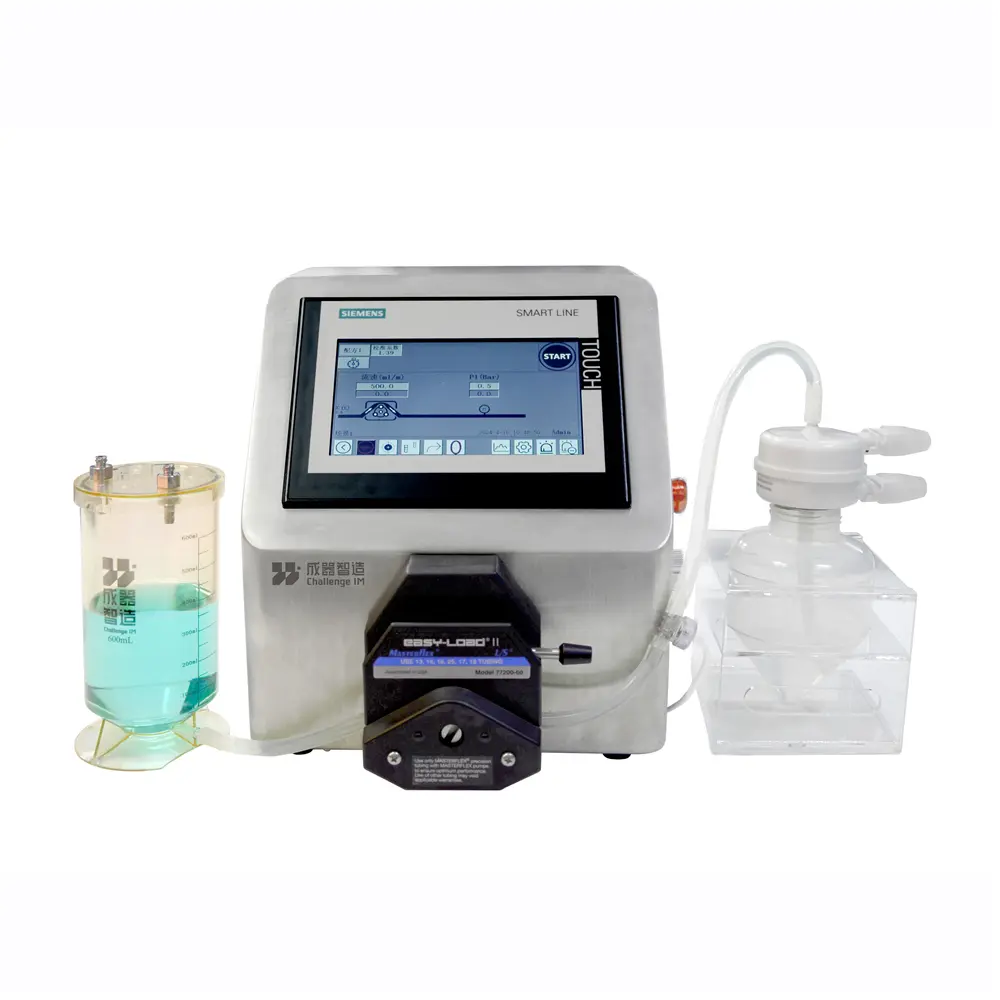 Jump Pump
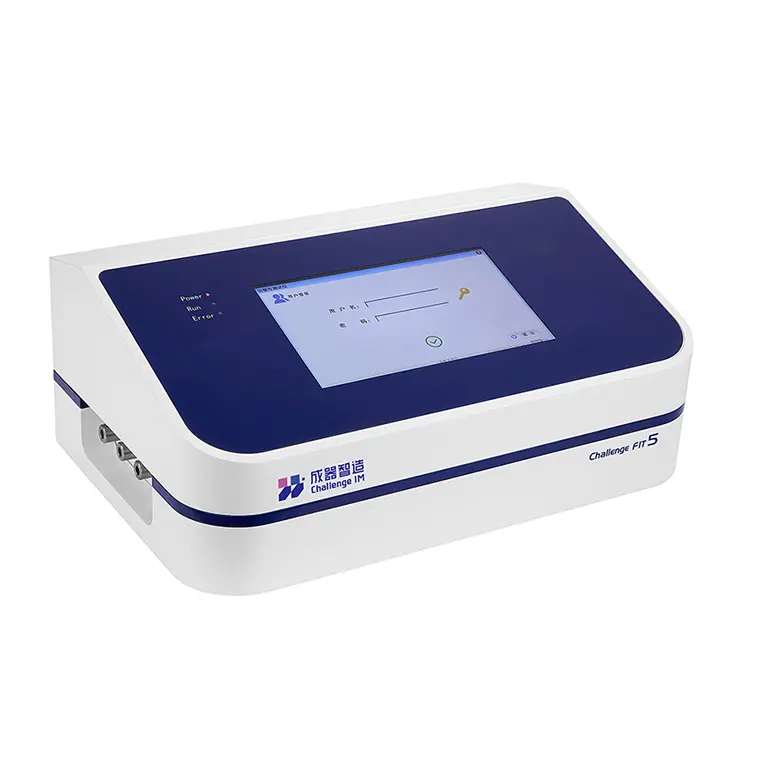 FIT Integrity Tester
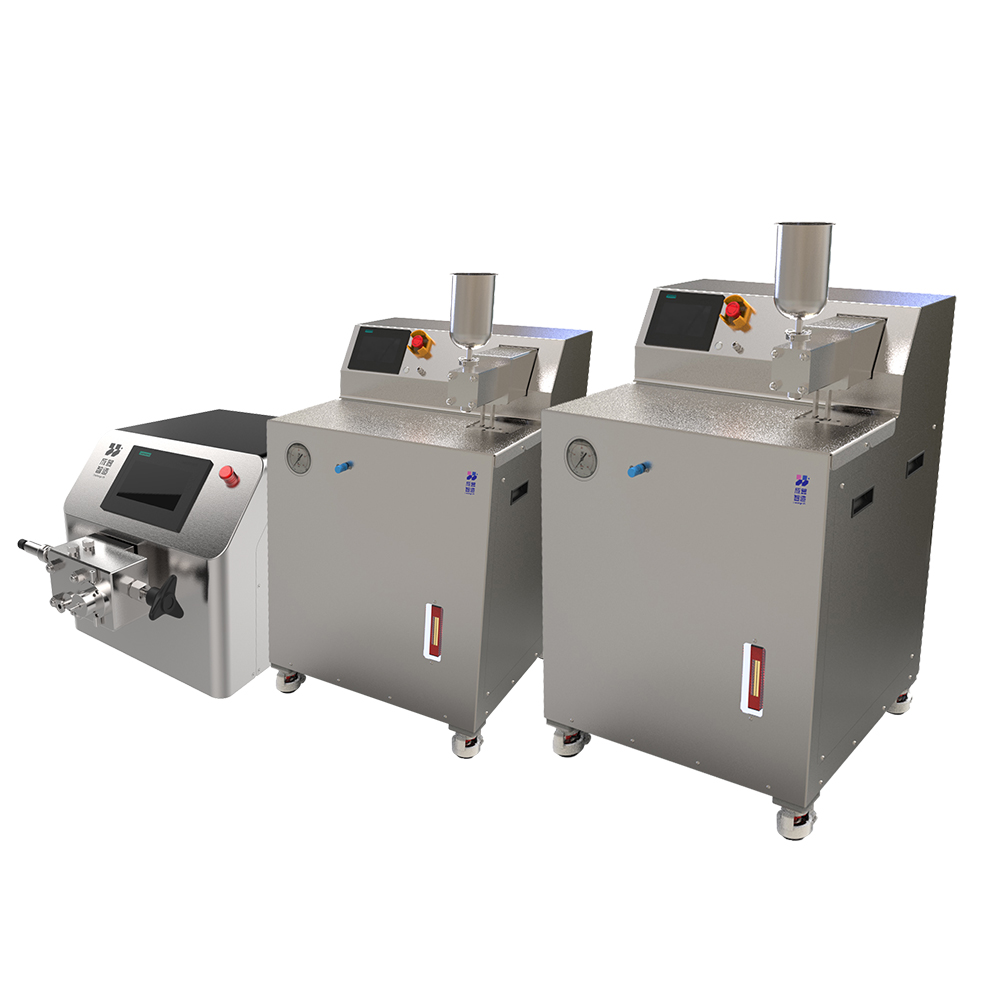 High Pressure Homogenizers
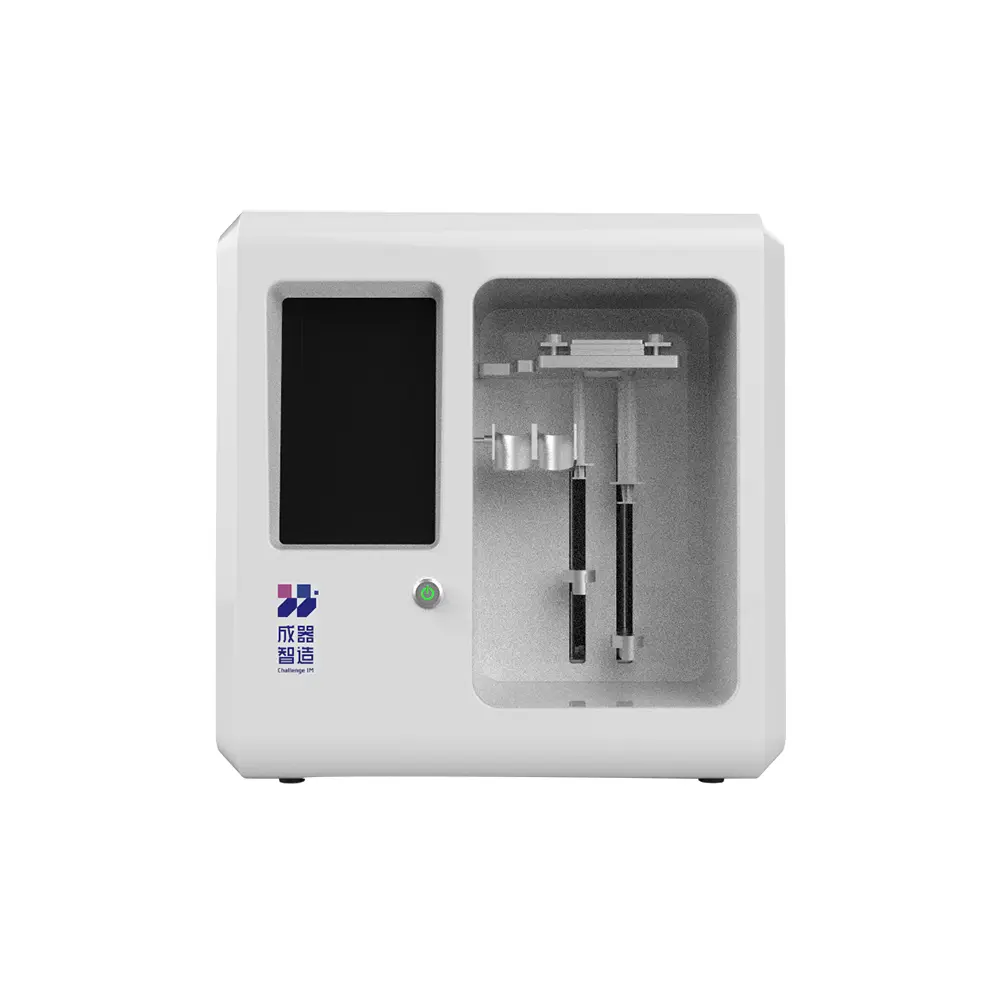 Microfluidics