How to Choose the Right Nanofiltration Filter for Your Needs?
Choosing the right Nanofiltration Filter can greatly impact your water quality and safety. With various options available, making the best choice requires careful consideration. Different filters serve different purposes, which can be overwhelming. Understanding your specific needs is crucial for effective filtration.
Nanofiltration Filters excel in removing certain contaminants without stripping essential minerals from water. They can target larger organic molecules and divalent ions, making them a popular choice for residential and industrial applications. However, not all filters are created equal. Each model varies in performance, maintenance, and price.
Assessing your water quality and needs is essential. Consider testing your water for specific contaminants. This insight will guide your decision-making process. Remember, the perfect Nanofiltration Filter for one situation may not be suitable for another. Aim for a filter that meets your unique requirements while fitting within your budget.
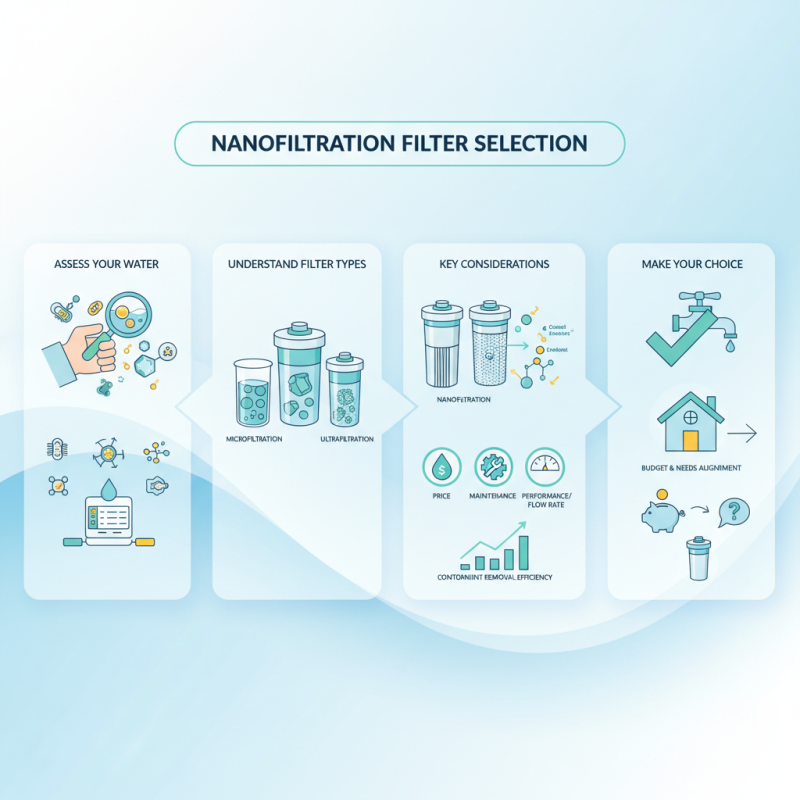
Understanding Nanofiltration: Definition and Key Features
Nanofiltration (NF) is an advanced separation technology that plays a crucial role in water treatment and various industrial processes. It operates between microfiltration and reverse osmosis, effectively removing divalent and larger monovalent ions, while allowing smaller monovalent ions to pass through. Studies reveal that NF can remove up to 90% of hardness ions, making it a preferred choice for water softening and improving water quality. Its ability to selectively retain contaminants ensures that crucial minerals remain in the water, which is vital for both health and taste.
Key features of nanofiltration include its low energy consumption compared to reverse osmosis, and it typically operates at lower pressures, which extends membrane lifespan. A report published by the American Water Works Association indicates that NF systems require about 50% less energy than traditional reverse osmosis systems. However, the choice of nanofiltration membranes can be challenging. Factors like pH, temperature, and feed water composition greatly influence performance. Users often underestimate the significance of pre-treatment in minimizing fouling and maintaining efficiency.
Maintaining system performance becomes an ongoing challenge. While NF can reduce operational costs, the need for regular monitoring and maintenance must not be overlooked. Proper cleaning protocols are essential to counteract membrane fouling, which can degrade filter performance over time. Users need to evaluate both initial investment and long-term operational aspects to ensure they select the right nanofiltration solution for their unique needs.
Comparison of Nanofiltration Filter Performance by Removal Rate
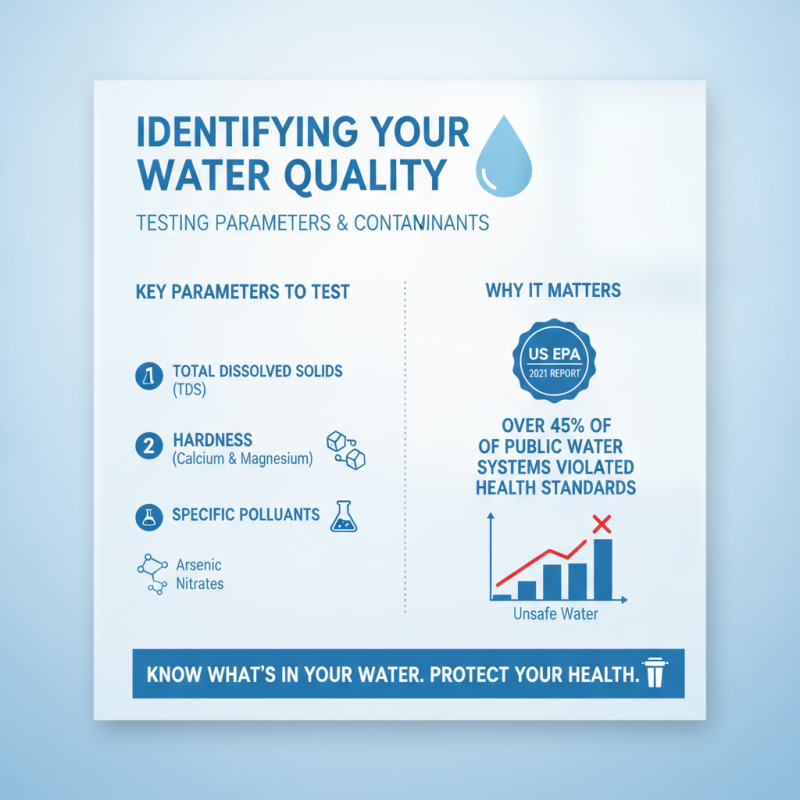
Identifying Your Water Quality: Testing Parameters and Contaminants
Understanding your water quality is crucial when selecting a nanofiltration filter. Start by testing for common contaminants, such as total dissolved solids (TDS), hardness, and specific pollutants like arsenic or nitrates. According to the U.S. Environmental Protection Agency (EPA), over 45% of public water systems reported violations of health-based drinking water standards in 2021. This highlights the importance of knowing what’s in your water.
Utilize professional testing kits or local water quality reports. A study from the American Water Works Association revealed that 18% of community water systems exceed the EPA's actionable level for lead. Such insights guide users to choose filters that effectively target these specific concerns. Understanding your unique water profile can greatly enhance the effectiveness of a filtration system.
Once identified, consider the nanofiltration filter’s specifications. Look for the rejection rates of the contaminants that matter most to you. Remember that all filtration technologies have limitations. Regular maintenance and periodic testing are essential to ensure your water stays safe and clean. Reflect on your water needs and make choices that align with your health priorities.
Evaluating Flow Rates: Sizing Nanofiltration Systems for Efficiency
Choosing the right nanofiltration system requires careful evaluation of flow rates. Flow rate directly influences efficiency. A system that is undersized may lead to constant pressure issues, while an oversized system can result in wasted energy and increased operational costs. According to a report by the American Water Works Association, a well-optimized system should provide an average flow rate of 50-100 gallons per minute per membrane unit.
When sizing a nanofiltration system, consider both the feed water quality and required output. High total dissolved solids (TDS) levels may require specialized membranes, impacting flow rate. In a study published in the Journal of Membrane Science, researchers found that membranes with a 200 Dalton cut-off were effective in treating diverse feed waters with varying flow rates. The trade-off between selectivity and permeability is crucial.
While high flow rates are ideal, they may not always translate to effectiveness. System performance can vary based on temperature and feed water composition. An optimal setup must periodically reassess these factors. Inconsistencies can prompt reevaluation. Ultimately, investing time upfront to understand your unique needs pays dividends in long-term efficiency and reliability.
Materials and Construction: Choosing Durable Filter Membranes
When selecting a nanofiltration filter, the choice of materials and construction is crucial. Membranes made from polyamide and polysulfonate are commonly used due to their balance between permeability and selectivity. According to the International Water Association, membranes with high mechanical strength can withstand pressure fluctuations better, which is essential in many industrial applications.
Durability is another key factor. A study published in the Journal of Membrane Science found that filters with reinforced structures exhibit a longer lifespan, reducing replacement costs. Additionally, choosing materials that resist microbial growth can prevent biofouling, a significant concern in water treatment sectors. Membrane fouling can decrease efficiency and lead to higher operational costs.
It’s important to reflect on your specific needs. For example, if high turbidity levels are expected in your source water, consider membranes designed with superior anti-fouling properties. Testing different materials under your operational conditions may be necessary, as performance can vary significantly based on usage scenarios. Don't hesitate to seek expert guidance to ensure you make an informed decision.
How to Choose the Right Nanofiltration Filter for Your Needs?
| Parameter |
Description |
Material |
Lifespan (Years) |
Cost ($) |
| Pore Size |
Size of membrane pores affecting filtration |
Polyamide |
5 |
500 |
| Operating Pressure |
Pressure for optimal performance |
Polyethersulfone |
3 |
400 |
| Chemical Resistance |
Ability to withstand various chemicals |
Polyvinylidene Fluoride |
7 |
600 |
| Permeate Flux |
Volume of filtrate produced per unit area |
Composite |
4 |
450 |
Cost-Effectiveness: Balancing Initial Investment and Long-Term Benefits
Choosing the right nanofiltration filter involves more than just upfront costs. It requires assessing the balance between your initial investment and the long-term benefits. A higher initial cost may seem daunting, but it can lead to significant savings over time. For instance, filters with advanced technologies may reduce energy consumption and maintenance needs. This can lower operational expenses and enhance efficiency.
Consider your specific water treatment needs. If your source water has varying quality, a robust nanofiltration system may be the best option. However, this might come with a larger price tag. Weigh the costs against the expected lifespan of the filter. Some filters last longer and perform better, resulting in fewer replacements. Remember, the cheapest option may not always be the best choice.
However, it’s essential to reflect on your unique situation. What works for one facility might not work for another. Maybe you have a tight budget but prioritize quality over time. Or perhaps operational flexibility is more crucial. Analyzing these factors can guide you toward a decision that meets both your financial and operational goals. Choosing wisely is not just about looking at prices, but evaluating true value over time.


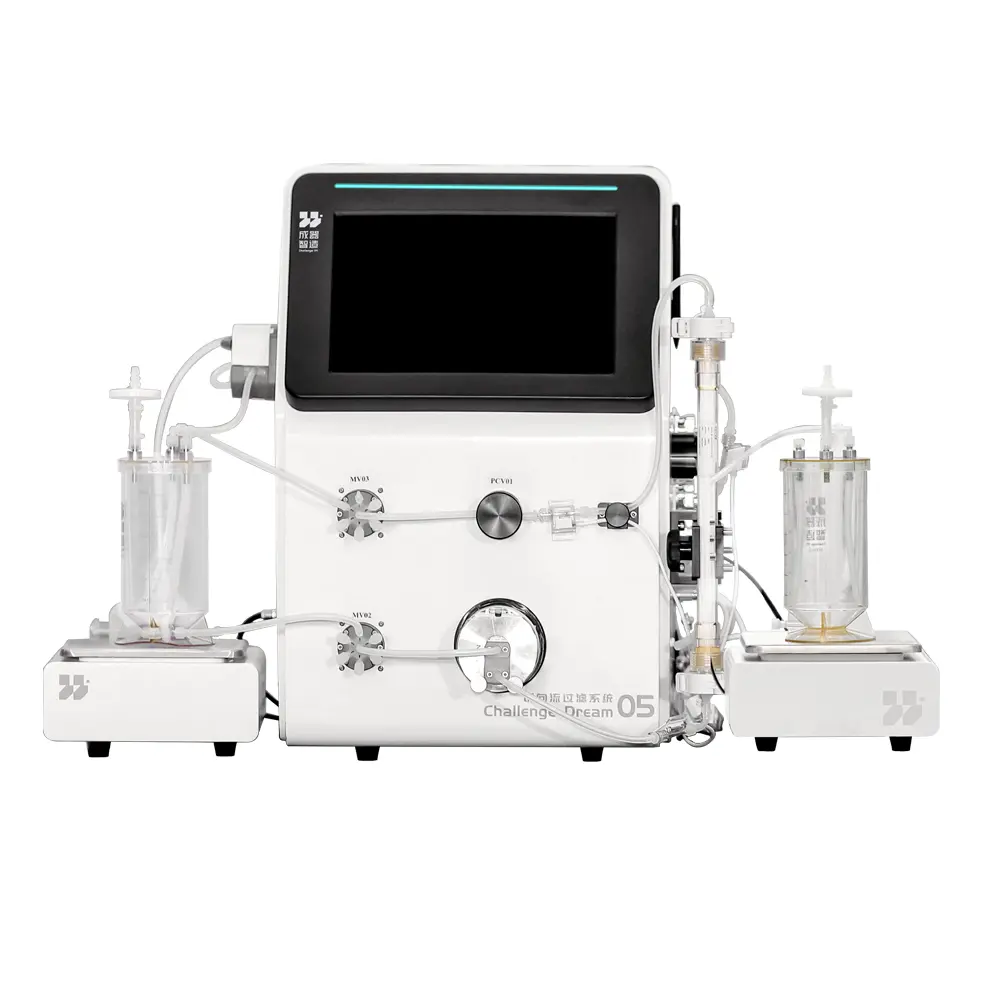 Tangential Flow Filtration(TFF) System
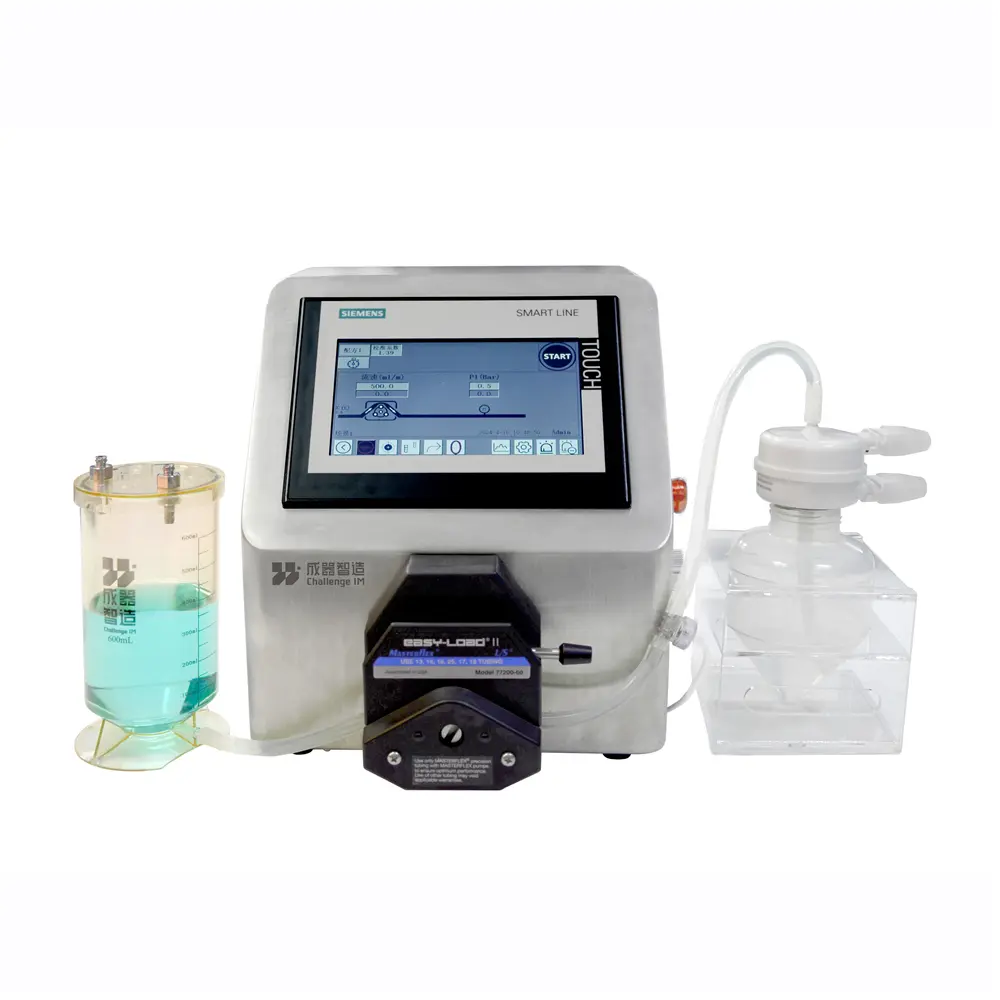 Jump Pump
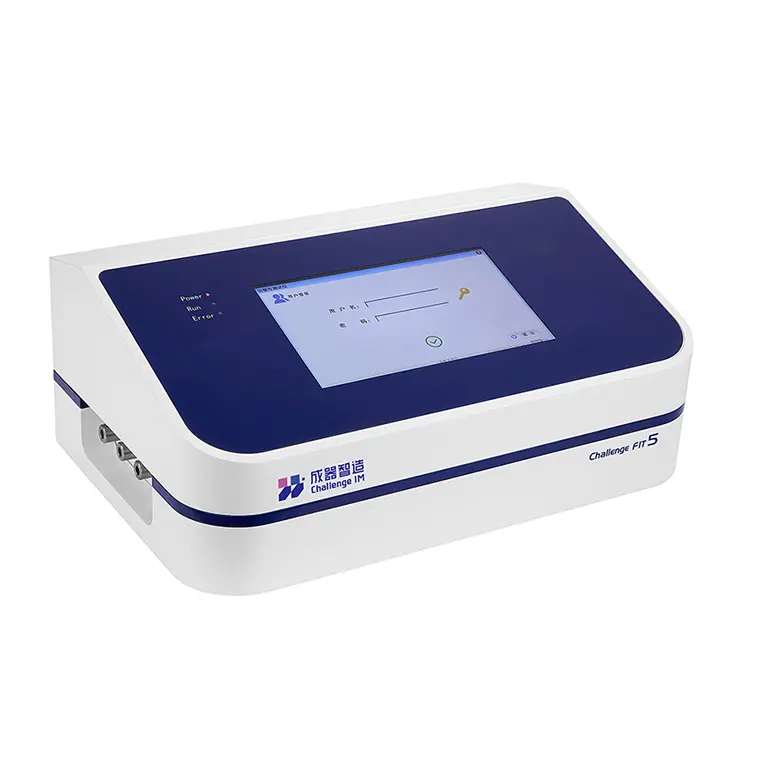 FIT Integrity Tester
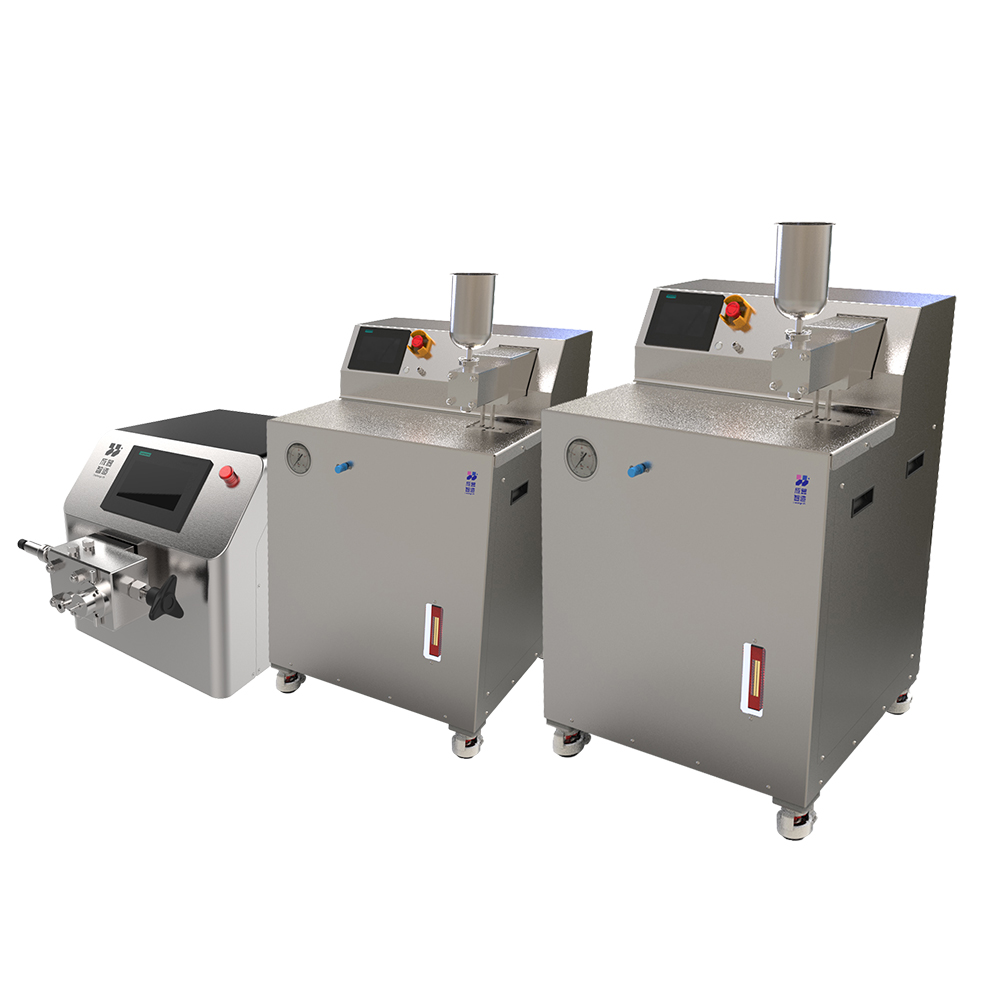 High Pressure Homogenizers
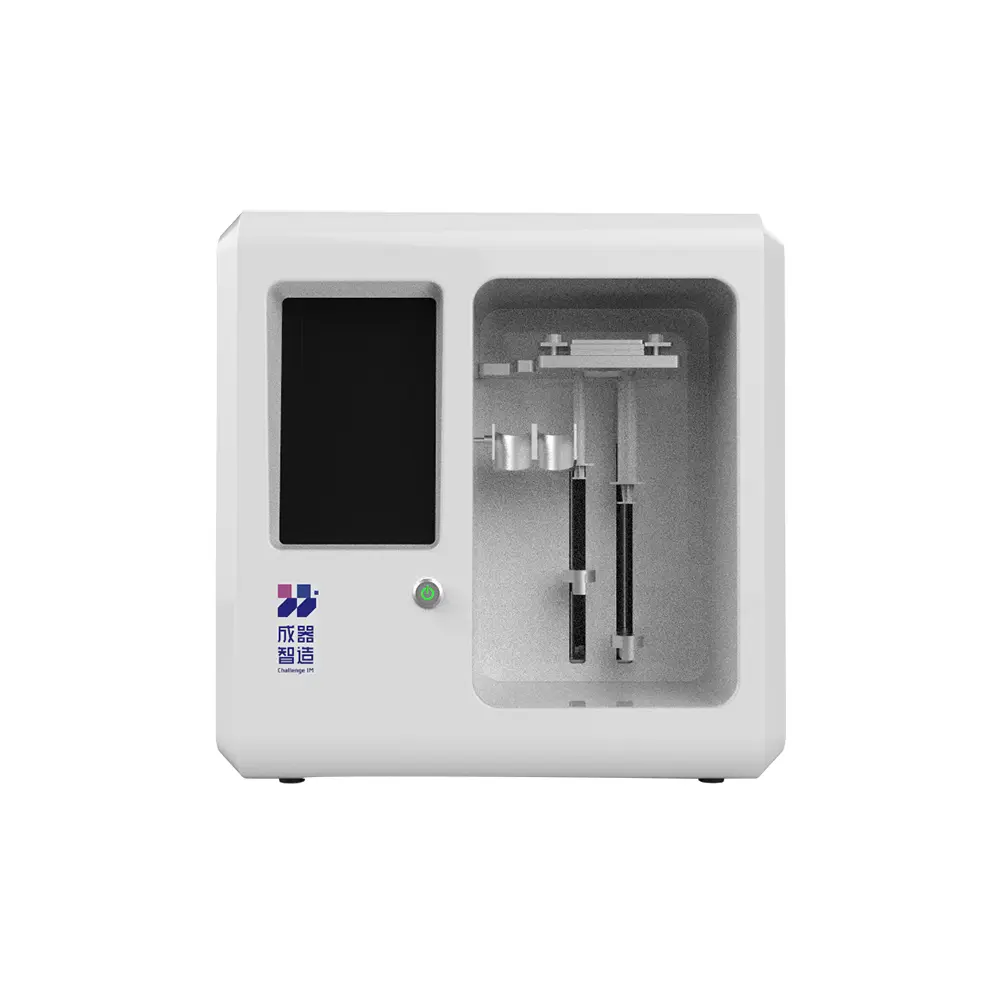 Microfluidics