How to Choose the Right Nanofiltration System for Your Needs?
Selecting the right Nanofiltration System can be a complex task. Experts like Dr. Emily Carter, a leading authority in water treatment technology, emphasize, "Choosing the right system is crucial for effective filtration." A well-designed nanofiltration system can remove specific contaminants while preserving essential minerals in water. This balance is vital for various industries, from food and beverage to pharmaceuticals.
One must consider specific needs before making a decision. Factors such as flow rate, pressure requirements, and the types of contaminants present are critical. A poorly chosen system may lead to inadequate filtration, resulting in potential health risks. It's essential to understand that no single system fits all scenarios.
Furthermore, the market is saturated with options. This abundance can lead to confusion. Not all vendors are equally reliable, and product claims can be misleading. Engaging with experienced professionals can help navigate these challenges. Making informed choices ensures the effectiveness of a nanofiltration system and, ultimately, the safety of the water used in various applications.
Understanding Nanofiltration: Basic Principles and Applications
Nanofiltration is a membrane filtration process that lies between reverse osmosis and ultrafiltration. It serves various applications, such as water softening, removing specific contaminants, and concentrating beverages. By selectively filtering out particles and ions, nanofiltration systems can improve water quality significantly. The membranes typically allow monovalent ions like sodium to pass while rejecting divalent ions such as calcium and magnesium.
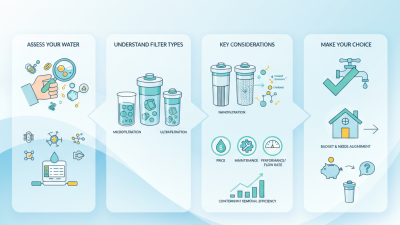
Choosing the right nanofiltration system requires an understanding of your specific needs. Factors such as the feed water quality, intended application, and desired output are crucial. Not all systems function the same way. Some might excel in water purification, while others are better suited for industrial applications. Testing water samples can help identify what contaminants are present. It’s important to consult with professionals to optimize the selection process.
Nanofiltration systems can be complex. Misunderstanding the technology can lead to poor choices. Professionals often notice system inefficiencies in operation that can cause frustration. Even minor adjustments in setup can yield better results. A hands-on approach is often needed to get the best performance from these systems. Regular maintenance and monitoring for fouling or scaling are necessary, too.
Evaluating Your Water Quality: Key Considerations for Filtration
When evaluating water quality for a nanofiltration system, understanding your water source is crucial. According to the Water Quality Association, approximately 85% of households face some form of water quality issue. You need to identify whether your water is hard, contains bacteria, or has heavy metals. Each concern determines the type of filtration system best suited for your needs.
Testing your water is the first step. A standard test can reveal pH levels, total dissolved solids (TDS), and contaminants. For instance, a TDS level above 500 mg/L often indicates the need for advanced filtration. In this case, nanofiltration systems can remove divalent and larger monovalent ions effectively. However, it's important to note that these systems may not eliminate all microorganisms. Some reports suggest that systems with membrane technology may only achieve 99% reduction rates in specific bacterial strains. This highlights the need for pre-treatment steps, particularly if your source water is highly contaminated.
Maintenance also plays a significant role in system efficacy. Regular monitoring and cleaning can prevent performance degradation. Data from industry studies show that poorly maintained systems can lose 20% efficiency over time. Thus, you should assess not only your initial water quality but also your commitment to ongoing care. Investing time in understanding these factors may significantly enhance the effectiveness of your chosen filtration system.
Water Quality Parameters for Nanofiltration System Evaluation
This chart illustrates the key water quality parameters to consider when choosing a nanofiltration system. The data represents different water contaminants and their typical concentration levels (in milligrams per liter) in various water sources.
Assessing System Requirements: Size, Capacity, and Efficiency
Choosing a nanofiltration system requires careful assessment of your specific needs. Start by determining the size of the system. Smaller units can serve individual households, while larger systems cater to industrial applications. It's essential to find a balance between space availability and desired output. Consider your setup before purchasing, as sizing errors can lead to inefficiencies.
Capacity is another crucial factor. Identify the volume of water you need to filter daily. A system that doesn’t meet this need may lead to downtime, impacting your productivity. Look at the flow rates and ensure the system can handle peak demands. Not all models are equipped for high capacity, which may lead to frustration if your requirements grow over time.
Efficiency is key for long-term operation. Evaluate the system's rejection rates for contaminants. Some systems may promise high performance but fail to deliver under specific conditions. Conduct thorough research and consult with experts to understand what efficiency means in practical terms. It’s okay to ask questions and seek clarity, as every system comes with trade-offs. Remember, the right choice can enhance performance, while a poor fit may lead to excessive maintenance and costs.
How to Choose the Right Nanofiltration System for Your Needs?
| Criteria |
Description |
Example Values |
| System Size |
Physical dimensions of the nanofiltration system |
1.5 m x 0.5 m x 1.2 m |
| Capacity |
The volume of water processed per hour |
500 L/h |
| Efficiency |
Percentage of contaminants removed from the feed water |
90% |
| Operating Pressure |
Pressure required for optimal performance |
6-10 bar |
| Maintenance Frequency |
How often the system needs to be serviced |
Every 6 months |
Comparing Nanofiltration Technologies: Membrane Types and Features
Choosing the right nanofiltration system can be daunting. Many technologies are available, and understanding membrane types is essential. Membranes differ in pore size, material, and operational capacity. Polymeric membranes are common for water treatment. They effectively remove organic compounds and divalent ions. Ceramic membranes, though more expensive, boast higher durability and resistance to fouling.
Tips: Consider the specific contaminants you need to address. Understanding the chemical nature of these contaminants can guide your choice.
Another factor is the operating pressure. Some membranes function well at lower pressures, while others require higher energy input. Be mindful of your energy budget. Sometimes, a membrane that works under lower pressure may not perform optimally for your needs.
Tips: Regular maintenance is key to prolonging membrane life. Cleaning protocols can vary, but a consistent approach is vital. Also, assess the long-term costs, not just the initial investment. Re-evaluating these aspects may help refine your decision-making process.
Installation and Maintenance: Ensuring Optimal Performance and Longevity
When choosing a nanofiltration system, installation and maintenance are critical for optimal performance. Proper installation ensures the system operates efficiently from the start.
It is essential to follow manufacturer guidelines closely. Hiring professionals with experience in installing these systems can save time and prevent future issues.
Regular maintenance is equally important. Routine checks on the membranes and cleaning protocols should be established. Neglecting maintenance can lead to a decline in performance and potentially costly repairs.
Monitoring flow rates and pressure can provide early warnings of issues.
Yet, many users might overlook these aspects. It’s easy to focus solely on the initial setup and forget about ongoing care. A lack of attention can affect water quality and system longevity.
Reflecting on your maintenance schedule can help ensure you meet your specific needs effectively.


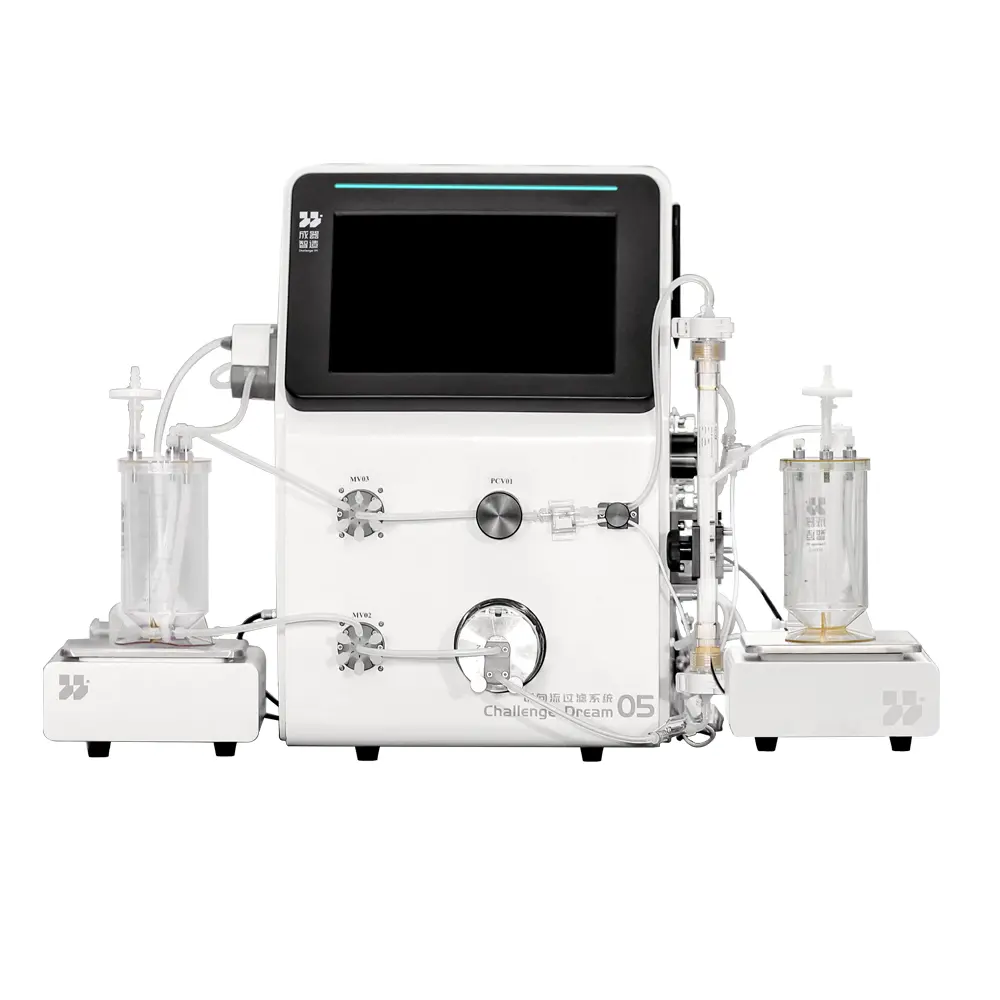 Tangential Flow Filtration(TFF) System
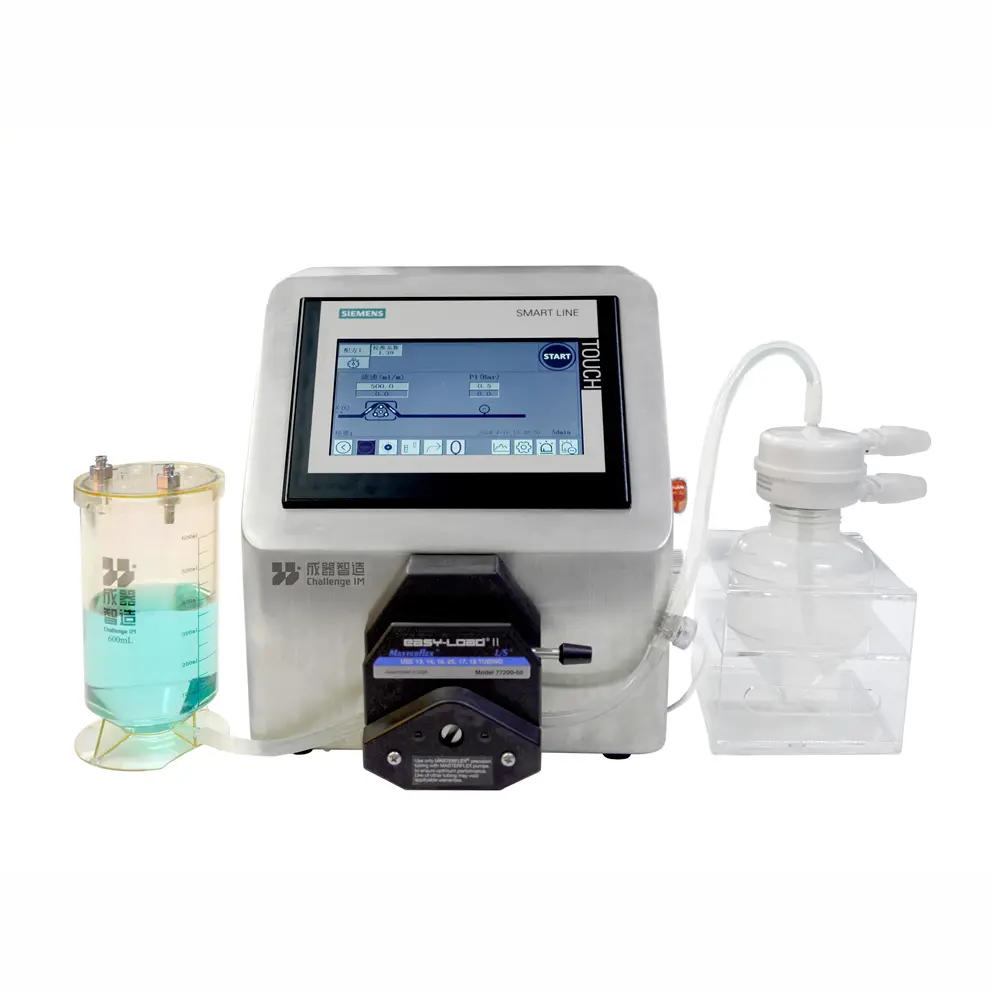 Jump Pump
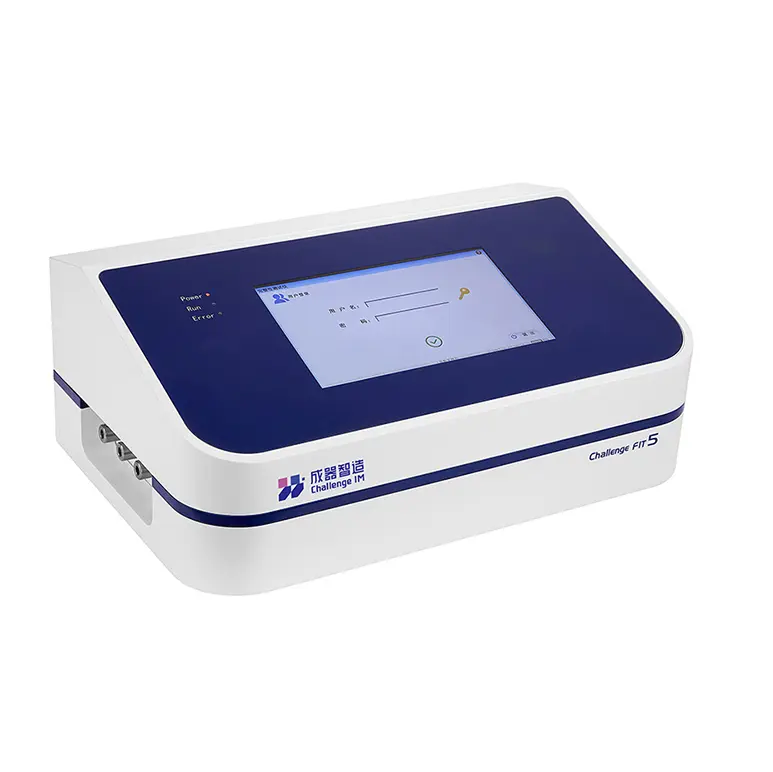 FIT Integrity Tester
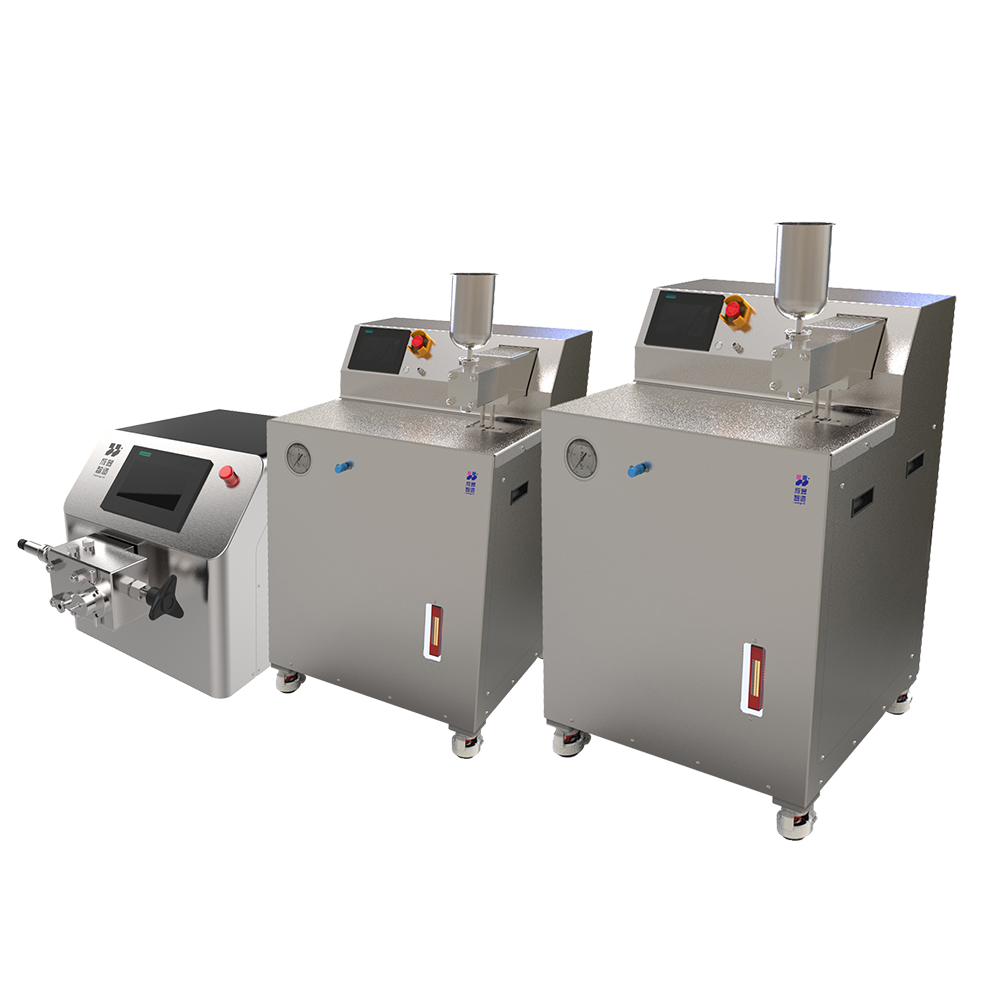 High Pressure Homogenizers
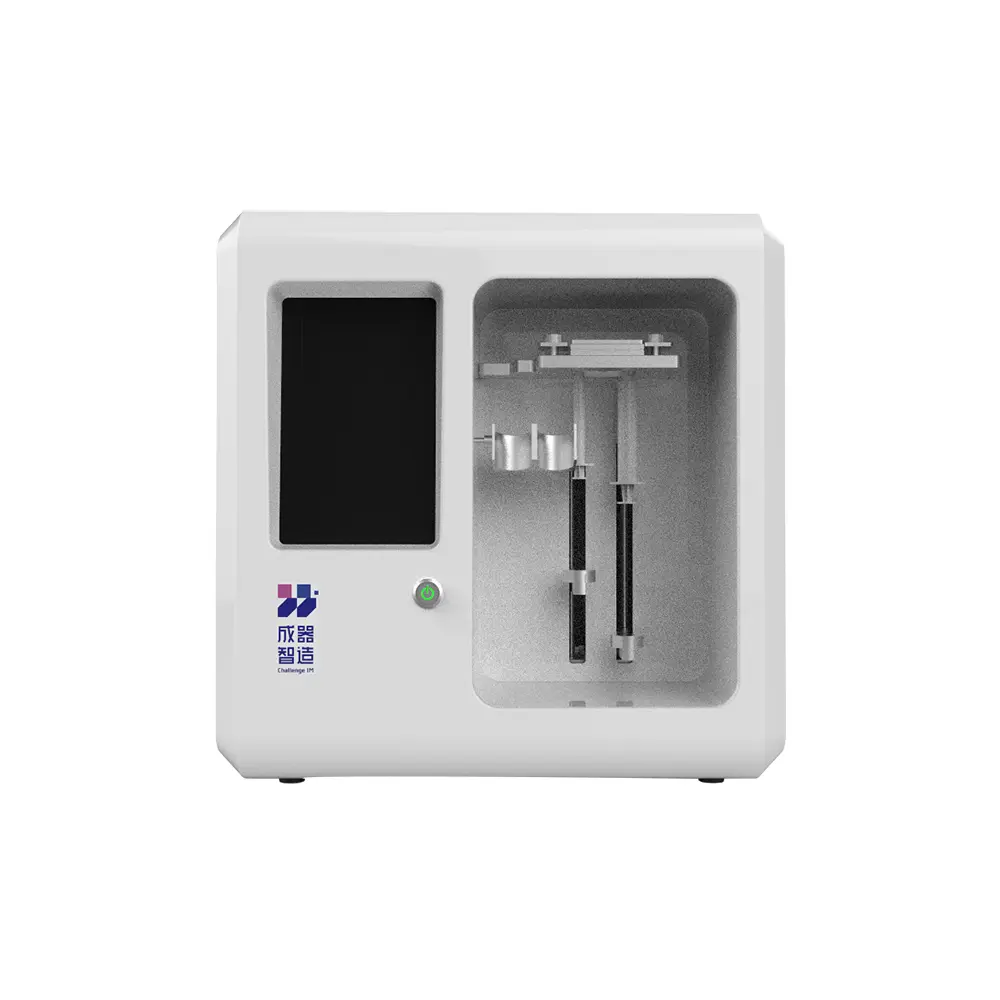 Microfluidics