Top Protein Purification Methods You Need to Know?
Protein purification is a crucial process in biotechnology and research. It involves isolating specific proteins from complex biological mixtures. This process helps scientists study protein functions and interactions. Understanding the best methods for protein purification can significantly enhance research outcomes.
Various techniques exist for protein purification. Some are widely recognized, while others may require deeper exploration. For instance, affinity chromatography is highly effective but can be time-consuming. On the other hand, techniques like ultrafiltration usually yield rapid results. However, they may compromise protein integrity. Each method has its strengths and weaknesses, making it essential to know when to use each.
In the world of protein purification, making the right choice is not always straightforward. Research can lead to unforeseen challenges. Many researchers may find themselves pondering the best approach. Balancing efficiency and protein quality is vital. A thoughtful selection process often reveals unique insights and fosters innovation in protein studies. Understanding these top protein purification methods is not just an academic exercise; it informs practical applications in various fields.
Overview of Protein Purification: Importance and Applications in Research
Protein purification is a crucial process in biological research, impacting studies in molecular biology, biochemistry, and pharmaceutical development. Purifying proteins can enhance understanding of their structure and functionality. According to a study published in "Nature Reviews", nearly 70% of proteins require purification for effective analysis. This highlights the essential role of purification techniques in unlocking biological insights.
Different methods of protein purification can serve various applications. Techniques like chromatography, precipitation, and centrifugation each have unique advantages and drawbacks. For example, affinity chromatography offers high specificity but can be limited by the availability of suitable ligands.
Additionally, some researchers report challenges in scalability when transitioning from small-scale to industrial applications. Addressing these issues is vital for improving reproducibility and efficiency in protein purification.
The implications of effective protein purification are extensive. In drug development, purified proteins can be used as therapeutic agents or as targets for drug discovery. A report from the International Society for Biopharmaceuticals estimates that over 50% of biopharmaceuticals are protein-based. Therefore, optimizing purification protocols remains a significant area for ongoing research and innovation, pushing the boundaries of science and technology in the field.
Common Protein Purification Techniques: An In-Depth Review of Methods
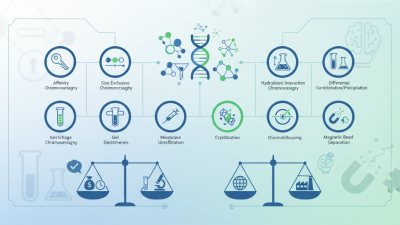
Protein purification is a critical step in biochemistry and molecular biology. Various techniques help researchers isolate proteins for study and application. Common methods include affinity chromatography, ion exchange, and size exclusion chromatography. Each method has its strengths and weaknesses, which can affect final results.
Affinity chromatography uses specific interactions between a protein and a ligand, offering high specificity. However, it can be time-consuming and sometimes leads to lower yield. Ion exchange chromatography separates proteins based on their charge. While effective, it requires careful optimization of buffer conditions. Size exclusion chromatography helps in determining protein size, but it may not efficiently concentrate samples.
Some techniques may lead to incomplete purification or loss of activity. Researchers need to evaluate their choices based on the protein of interest. Understanding these nuances is essential for successful protein isolation. Overall, navigating the complexities of protein purification requires practice and careful consideration.
Statistical Analysis of Purification Efficiency: Yield, Purity, and Cost
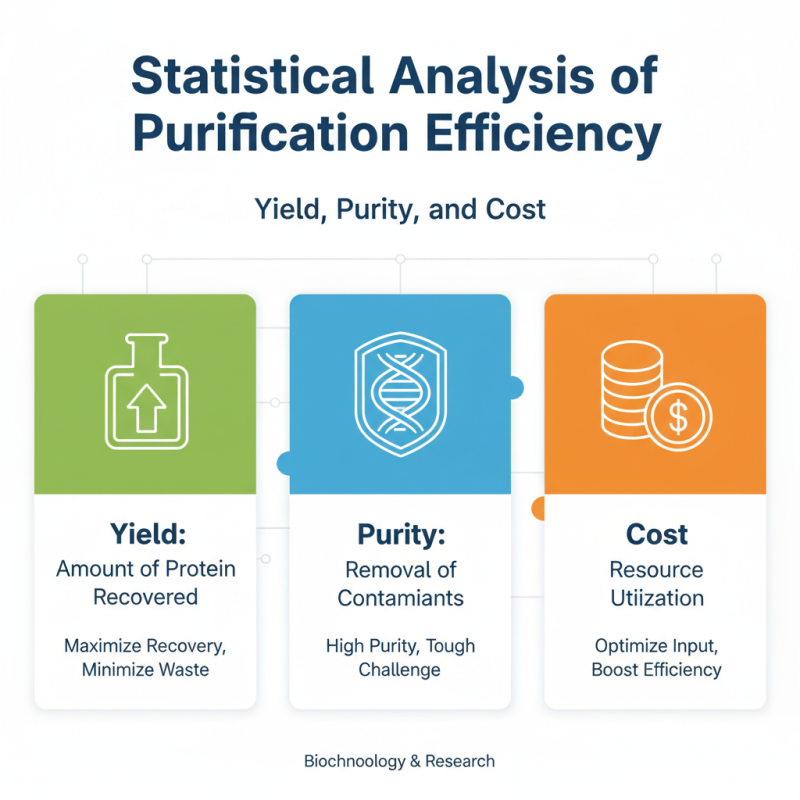
Protein purification is critical in biotechnology and research. Evaluating purification efficiency can be complex. Three key metrics matter: yield, purity, and cost. Yield represents the amount of protein recovered. Low yield often leads to wasted resources. Purity refers to how clean the protein is from contaminants. Achieving high purity can be challenging.
Cost is an essential factor in selecting a purification method. Some methods may be effective but expensive. Balancing efficiency and expense is crucial. Many researchers overlook the importance of cost analysis. They focus solely on yield and purity, which can lead to misguided decisions.
Investing time in statistical analysis can reveal insights. Researchers should regularly assess their methods. It is important to document outcomes. This practice fosters an understanding of what works best. With consistent evaluation, improvements can emerge. However, knowledge gaps often exist, and diversifying purification strategies is wise. Reflections on past methods can guide future endeavors.
Challenges in Protein Purification: Overcoming Obstacles to Achieve High Quality
Protein purification remains a complex challenge in biotechnology. Researchers often confront issues such as protein denaturation and aggregation. These obstacles not only complicate the purification process but also compromise the quality of the final product.
To achieve high-quality purified proteins, it is crucial to optimize conditions. Temperature control and proper buffer selection are vital. However, researchers sometimes overlook the importance of sample concentration, leading to low yields. These missteps can result in significant time and resource wastage.
Moreover, using techniques like affinity chromatography can simplify the process, yet they require careful handling. The choice of resin and proper elution conditions matters greatly. Inexperience can lead to unwanted contaminants. Balancing efficiency and purity is essential. Purification often requires trial and error, reflecting the intricacies of protein chemistry.


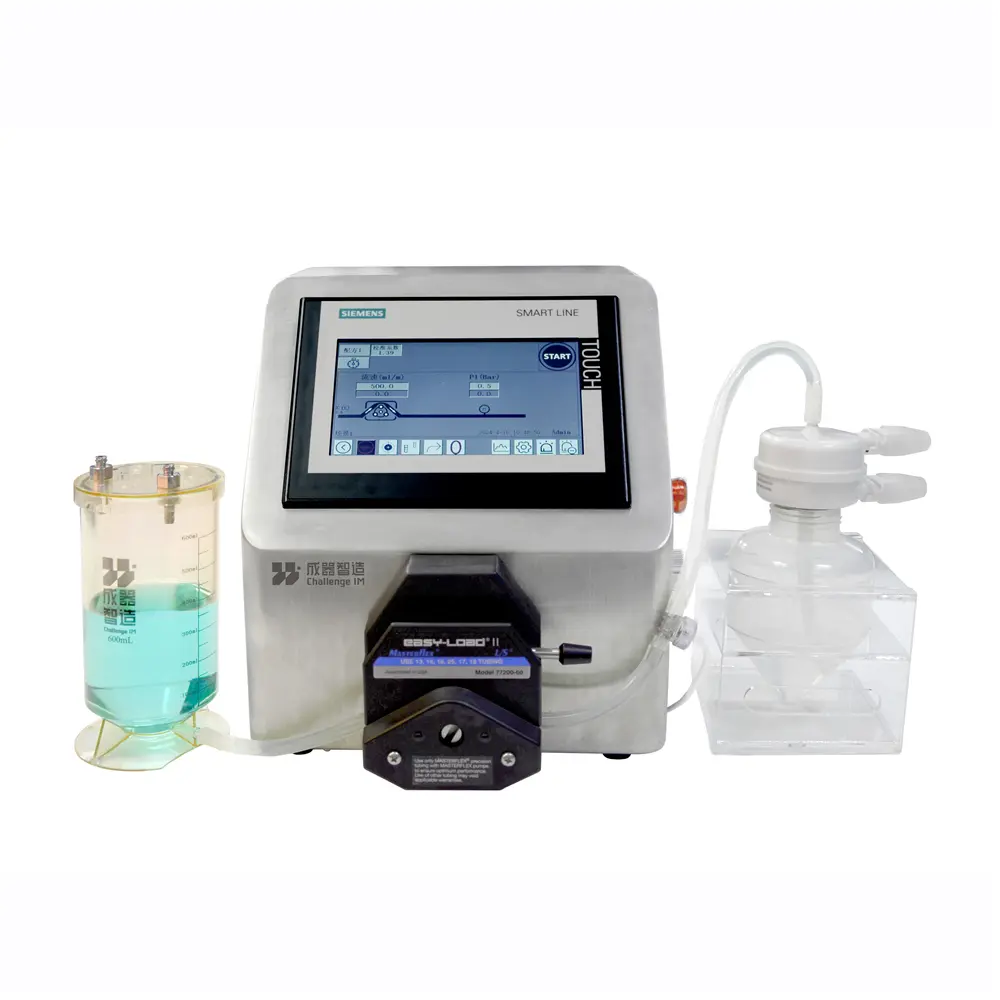
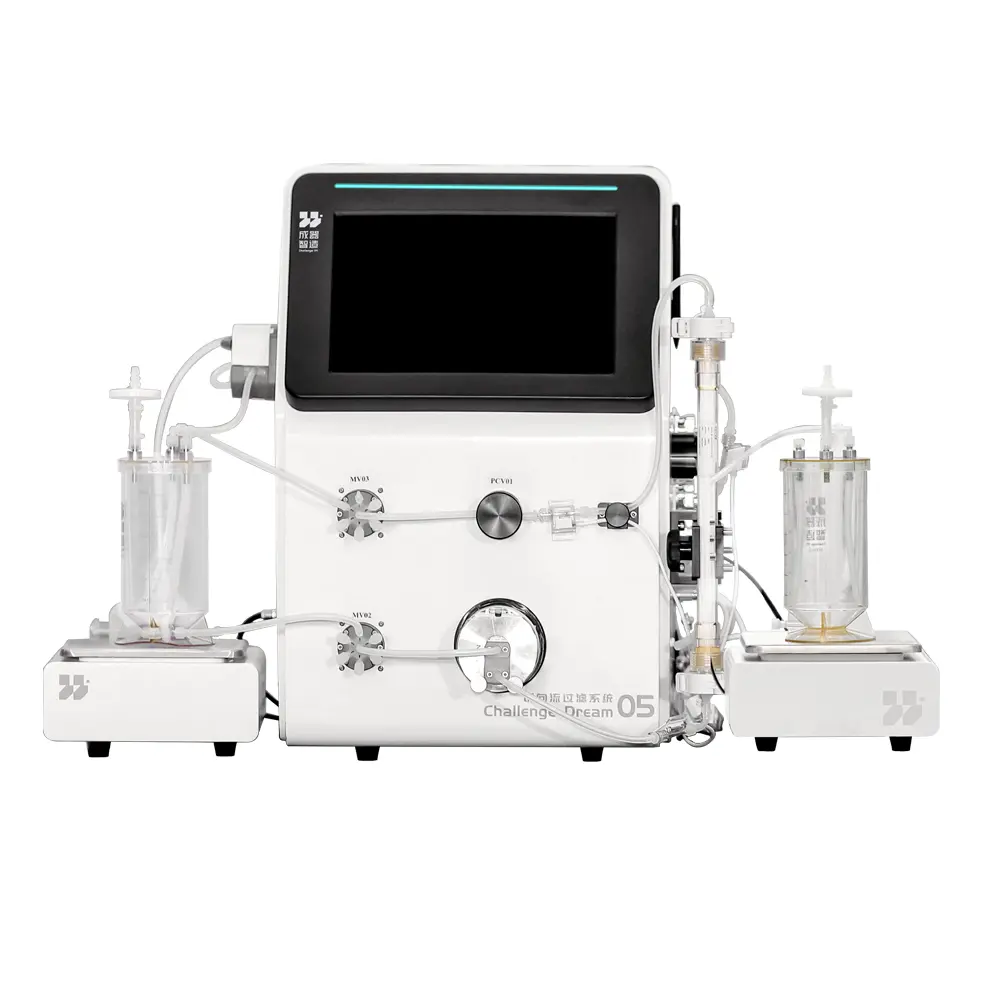 Tangential Flow Filtration(TFF) System
 Jump Pump
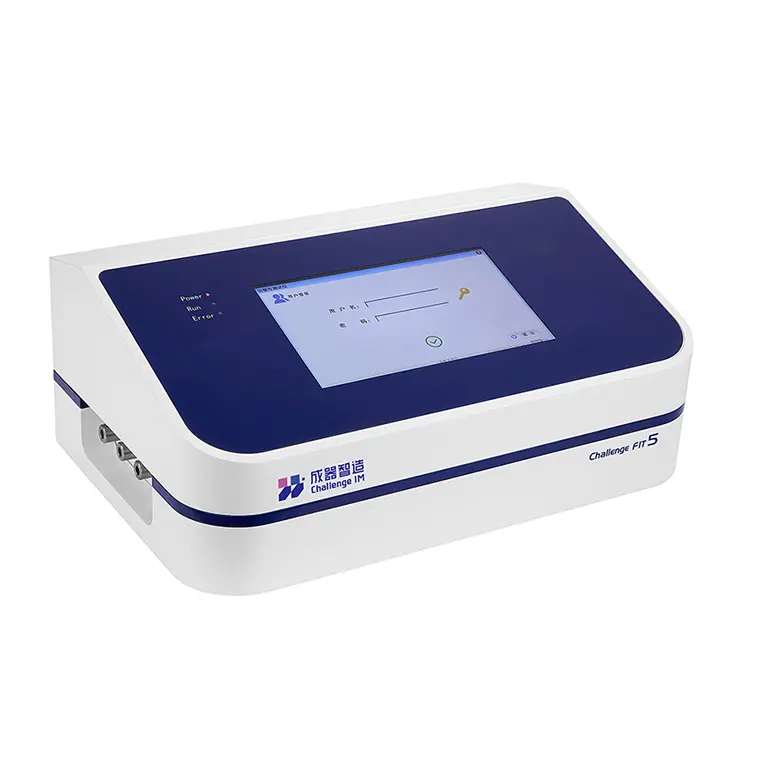 FIT Integrity Tester
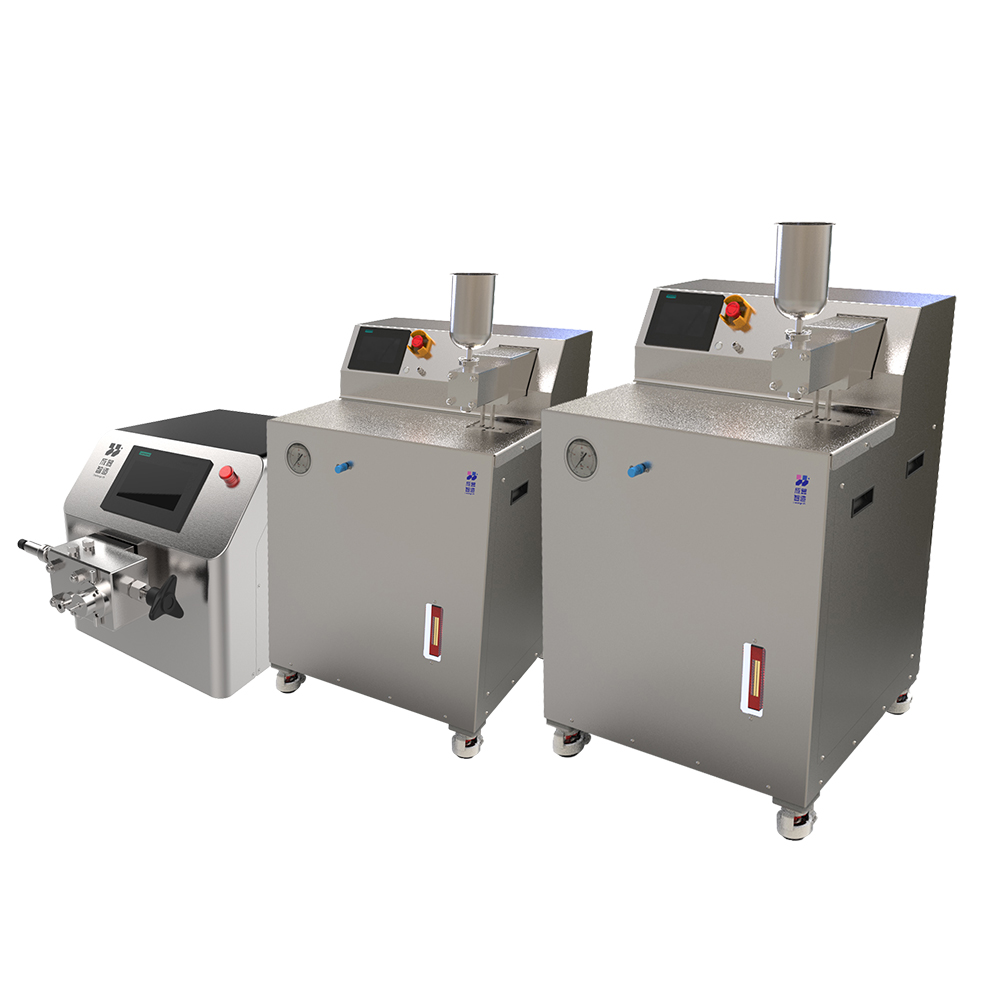 High Pressure Homogenizers
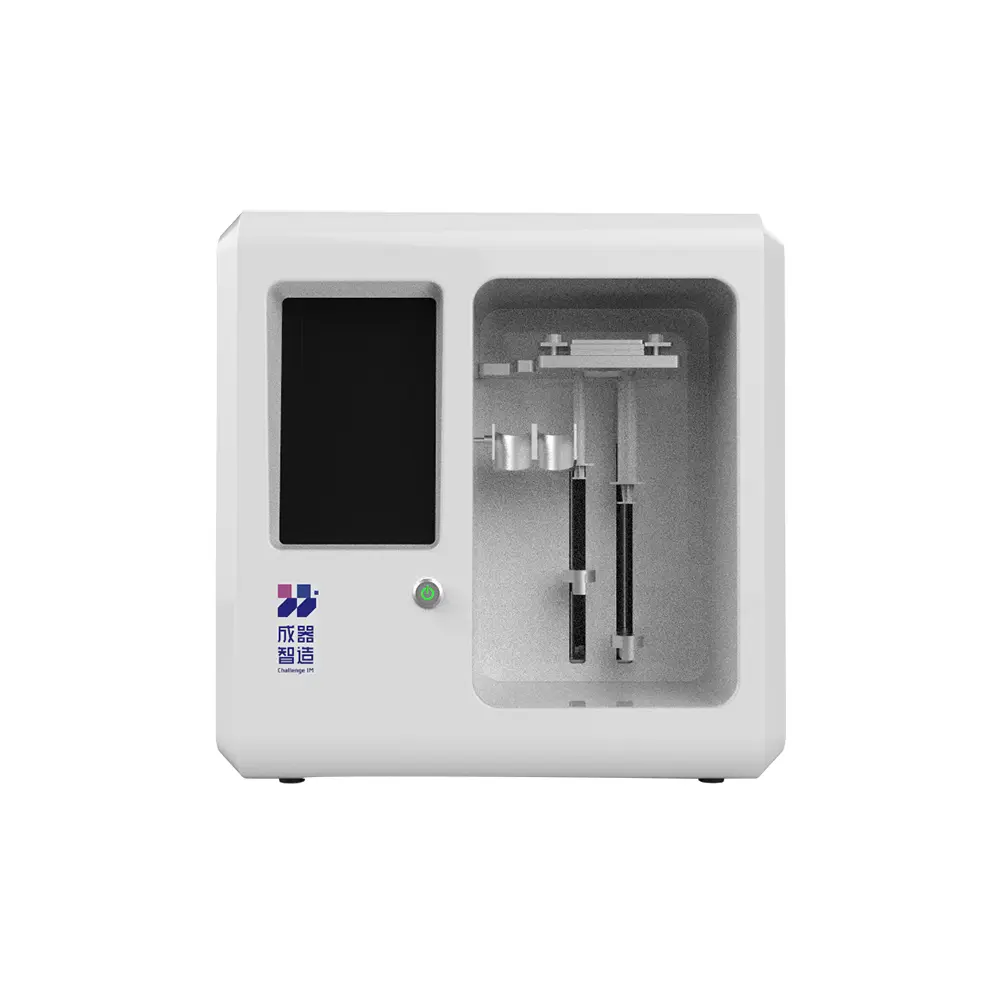 Microfluidics