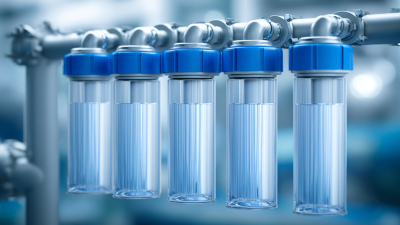
What is a Nanofiltration Filter and How Does It Work?
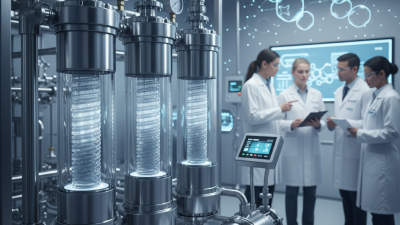
The demand for clean water is rising globally. Nanofiltration Filters play a crucial role in meeting this need. According to industry reports, the nanofiltration market was valued at $2.65 billion in 2021 and is projected to grow significantly. These filters specialize in removing contaminants while allowing essential minerals to pass through.
Dr. Alan Rosen, a renowned expert in water treatment, states, "Nanofiltration can effectively reduce hardness and organic matter." His insights emphasize the importance of this technology in water purification. The advanced membrane technology utilized by Nanofiltration Filters operates between microfiltration and reverse osmosis. This poses challenges, as not all systems achieve optimal removal rates.
While many facilities adopt nanofiltration, discrepancies still exist in performance. Some systems may struggle with specific contaminants, reflecting the need for continuous improvement and research. Understanding these filters is vital for anyone invested in water treatment solutions.

What is Nanofiltration and Its Applications in Water Treatment
Nanofiltration is a specialized water treatment process. It uses membranes with pore sizes between ultrafiltration and reverse osmosis. This technology effectively removes specific contaminants. These include divalent ions, organic compounds, and larger microorganisms. The result is cleaner water with reduced total dissolved solids.
Applications of nanofiltration are vast. It is commonly used in wastewater treatment. It helps recycle and purify water for reuse. In agriculture, nanofiltration improves irrigation water quality. It can also be applied in food processing to concentrate flavors and ingredients. Many industries benefit from this technology for safer production processes.
Tips: When considering nanofiltration, evaluate the specific needs of your application. Monitor water quality to determine the best membrane type. Regular maintenance is vital for optimal performance. Keep in mind that fouling can occur, so pre-treatment may be necessary. Regularly assess your system to ensure efficiency, as over time, membranes can lose effectiveness.
The Science Behind Nanofiltration: Membrane Technology Explained
Nanofiltration is a membrane technology that operates between microfiltration and reverse osmosis. It effectively removes divalent and larger monovalent ions while retaining small organic molecules. According to the Global Membrane Market Report, the nanofiltration market was valued at approximately $1.3 billion in 2021 and is projected to grow steadily.
This technology utilizes semi-permeable membranes made from materials like polyamide and polysulfone. When water passes through these membranes, smaller particles can travel freely, while larger contaminants are blocked. The result is cleaner water with minimized dissolved minerals. Notably, studies show that nanofiltration can reduce sulfate and phosphate levels by up to 90%.
Tips: Regularly monitor the pressure and flow rates of your nanofiltration system. A drop in performance signals potential membrane fouling or damage.
Despite its advantages, nanofiltration has limitations. It cannot remove all pathogens effectively, necessitating additional treatment methods. The membrane's lifespan can be affected by chemical exposure and operational conditions. This calls for careful management and routine maintenance to sustain effectiveness. It's essential to weigh the benefits and drawbacks when considering this technology for water treatment solutions.
Comparison of Nanofiltration with Other Filtration Methods
Nanofiltration (NF) is often compared to other filtration methods, such as reverse osmosis (RO) and ultrafiltration (UF). NF operates at pressures between 5 to 30 bar, functioning effectively in removing divalent ions and larger organic molecules while allowing monovalent ions to pass. In contrast, RO uses higher pressure and can eliminate nearly all solutes, including monovalent ions. This makes NF particularly useful in water treatment applications where some mineral content is desired.
While ultrafiltration separates particles based on size, typically for larger contaminants, nanofiltration excels in applications like softening water and removing specific organic compounds. A report by the International Desalination Association highlights that NF can efficiently reduce up to 90% of hardness, proving effective in various industrial processes. However, it cannot replace RO where demineralization is crucial, as it leaves some salts in the permeate water.
Tips: Keep in mind that not all water sources require the same filtration method. Evaluate your specific needs. Also, consider maintenance frequency. Regular checks can prolong filter life and enhance overall effectiveness. Failure to address fouling can lead to reduced performance. Always ensure your filtration setup aligns with your specific water quality goals.
How Nanofiltration Systems are Installed and Maintained
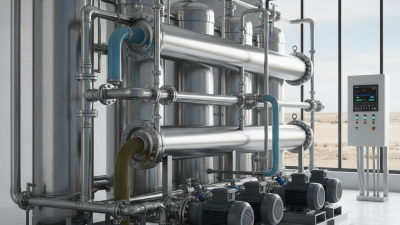
Nanofiltration systems play a crucial role in various water treatment processes. The installation begins with a detailed assessment of the location. It's essential to evaluate the water source and existing infrastructure. Accurate measurements help to determine the appropriate system size and configuration.
During installation, skilled technicians connect the nanofiltration unit to pipes and pumps. They ensure all components are securely fastened. Calibration of pressure settings is critical. Optimal pressure directly influences filter performance. Following installation, routine maintenance is vital. Regularly checking for leaks or blockages helps maintain efficiency.
The filter membranes should be cleaned periodically. This prevents fouling, enhancing the system's lifespan. Users might overlook some maintenance tasks. Neglecting small issues can lead to larger problems later. Keeping a maintenance log can aid in tracking any irregularities over time. This ensures the system operates effectively while minimizing downtime.
Future Trends in Nanofiltration Technology and Innovations
Nanofiltration technology is evolving rapidly. Experts predict significant advancements in efficiency and cost-effectiveness. According to a recent report from the International Desalination Association, the nanofiltration market is projected to grow by over 8% annually through 2025. This growth indicates a rising demand for sustainable water treatment solutions.
Innovations in membrane materials are driving this trend. New materials, such as advanced polymers, enhance filtration performance while reducing fouling. For instance, research shows that integrating nanomaterials into membranes can increase permeability by up to 50%. However, challenges remain. Many existing membranes struggle to maintain long-term stability and performance. Continuous research is crucial to address these limitations and ensure reliability.
Another trend is the hybridization of nanofiltration with other technologies. Combining processes like reverse osmosis and ultrafiltration can optimize water purification. Studies suggest that such combinations can lead to better contaminants removal, achieving over 90% rejection rates for specific pollutants. While these advancements are promising, there remains a need for ongoing evaluation and adaptation to address varying water quality challenges globally.
What is a Nanofiltration Filter and How Does It Work? - Future Trends in Nanofiltration Technology and Innovations
| Parameter |
Description |
Applications |
Future Trends |
| Separation Mechanism |
Membrane filtration separating substances based on size and charge. |
Water treatment, food and beverage processing. |
Advancements in membrane materials to enhance performance. |
| Typical Pore Size |
1 - 10 nanometers. |
Nutrient recovery, wastewater treatment. |
Integration with renewable energy for efficiency. |
| Efficiency |
Removes divalent ions and larger organic molecules. |
Desalination, heavy metal removal. |
Development of smart membranes with improved selectivity. |
| Advantages |
Lower energy costs compared to RO, high recovery rates. |
Water purification, pharmaceuticals. |
Focus on sustainability and reduced environmental impact. |


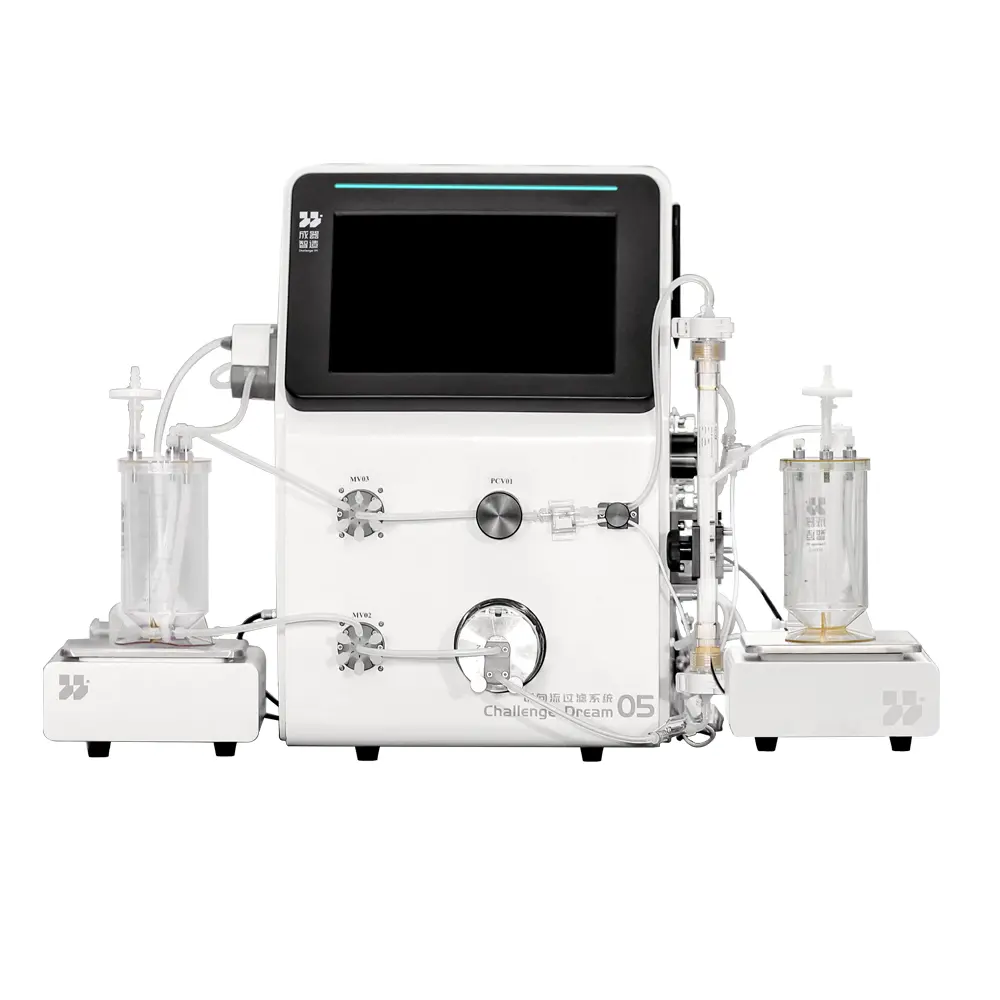 Tangential Flow Filtration(TFF) System
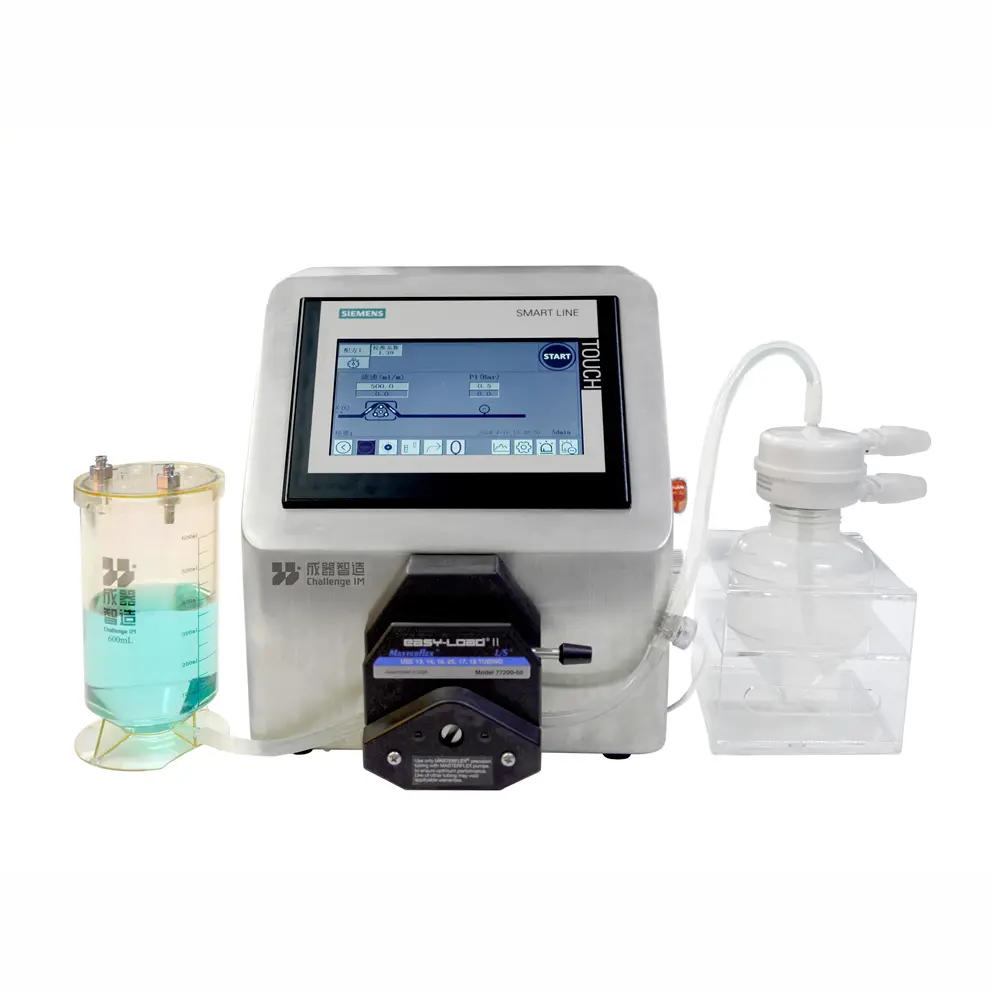 Jump Pump
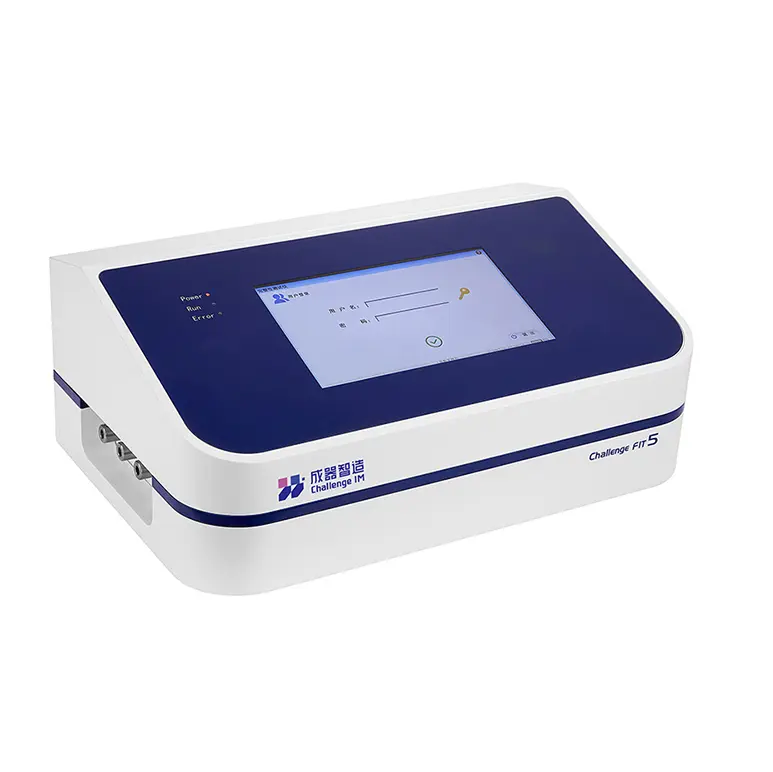 FIT Integrity Tester
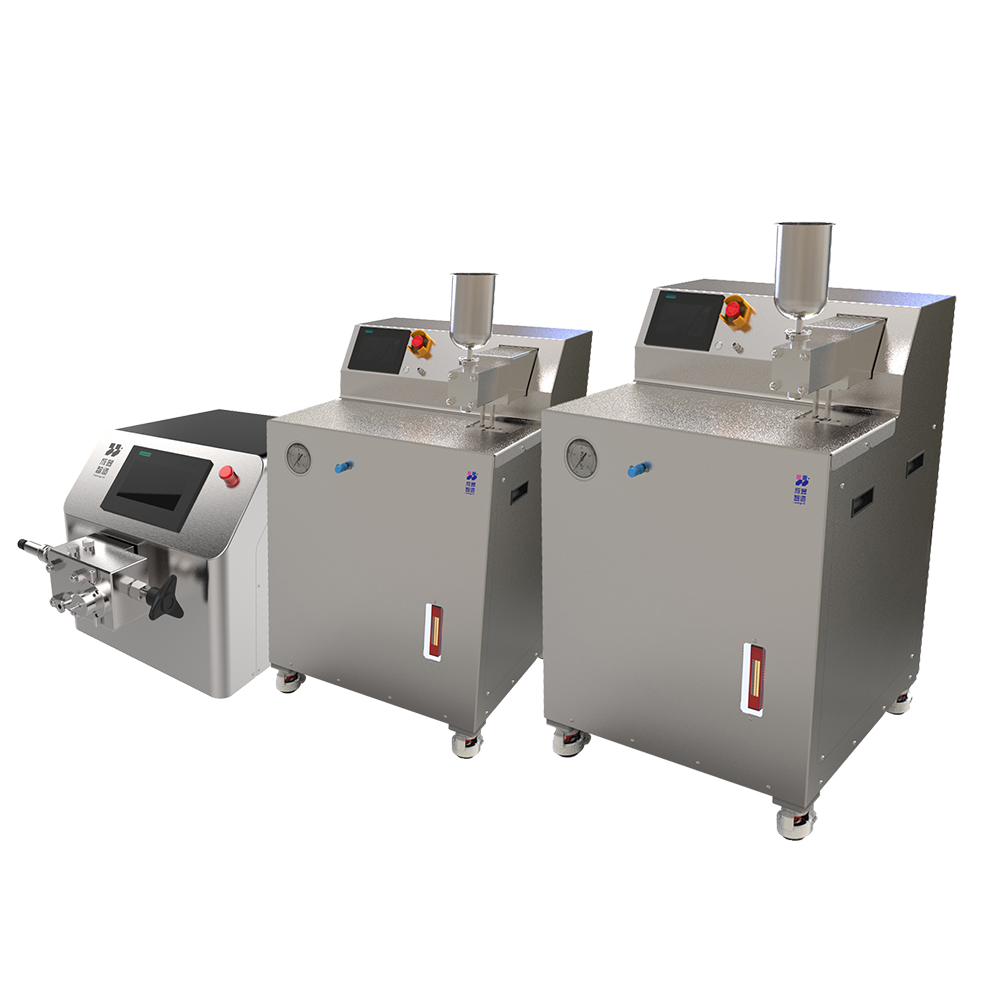 High Pressure Homogenizers
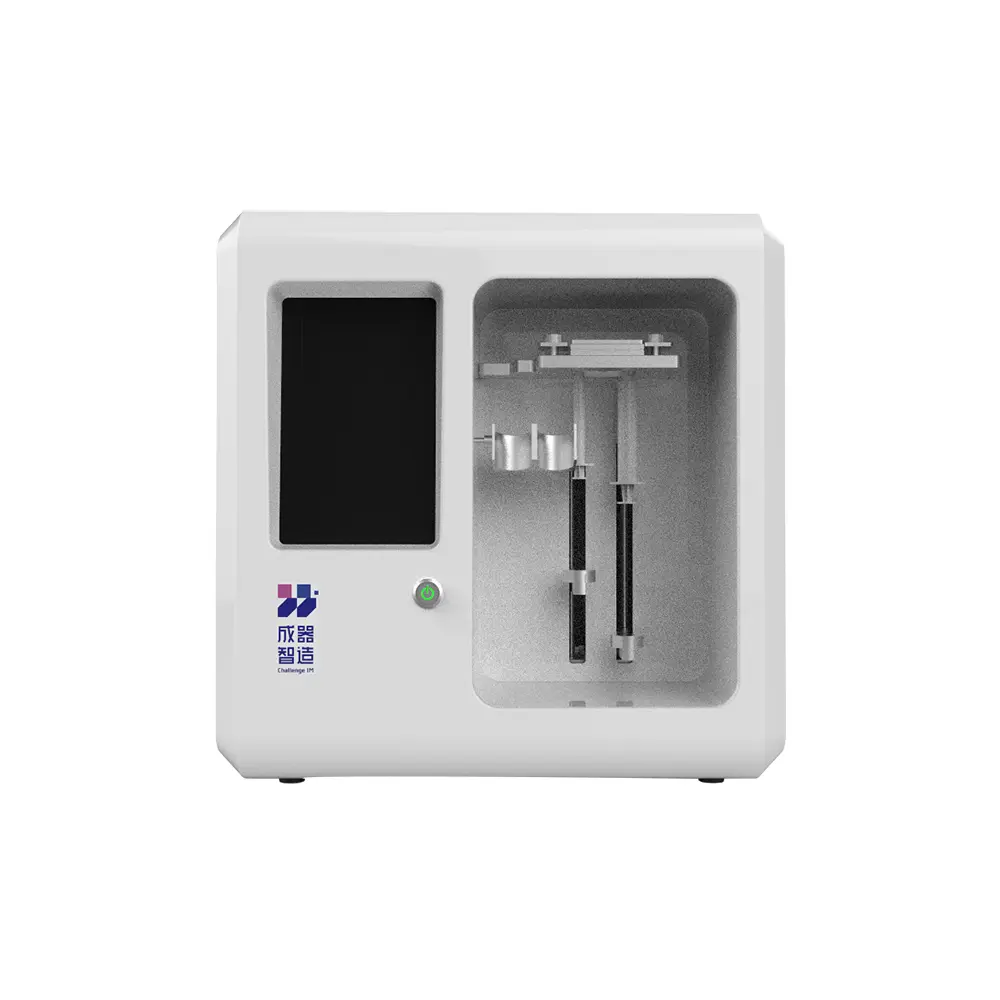 Microfluidics