China Top 10 Filtration Cartridge Manufacturers
Choosing a reliable Filtration Cartridge manufacturer can affect product quality, operating costs, and maintenance schedules. China has a broad industrial supply base, with manufacturers serving water treatment, food processing, pharmaceuticals, chemicals, and other demanding applications. This guide introduces ten companies for readers comparing production capability, product range, customization, and technical support. A cartridge may look simple on a shelf, yet its media, seals, dimensions, and micron rating shape real performance. Small differences matter. For example, flow rate and pressure limits can influence whether a cartridge fits an existing system without costly changes. A mismatch may shorten service life or affect filtration results. Details deserve attention.
The manufacturers in this overview should be assessed against documented specifications, quality controls, and application experience, not marketing language alone. Where information is available, compare materials, test methods, certifications, production capacity, and after-sales response. Ask for current technical datasheets and sample results. A supplier’s suitability can vary by fluid, temperature, contamination load, and installation conditions. There is no universal best choice. Some buyers prioritize stable bulk supply; others need custom dimensions or close engineering communication. This article offers a practical starting point, not a substitute for qualification tests or direct supplier checks. Company capabilities and product lines can change, so verify important claims before making purchasing decisions. That step is easy to overlook. Even a useful ranking has limits. It is worth checking.
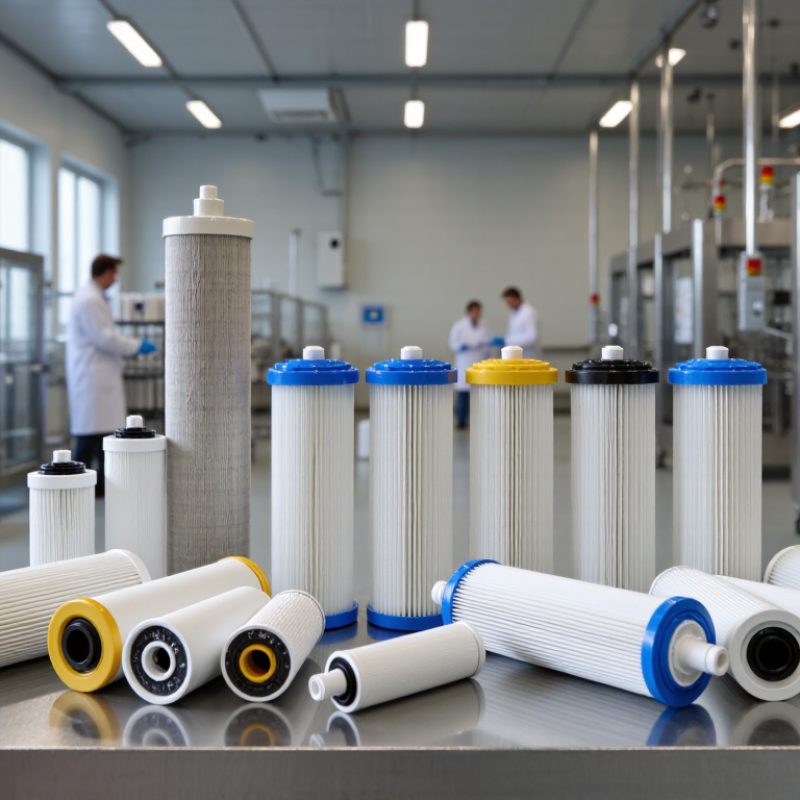
What Filtration Cartridges Are and How They Work
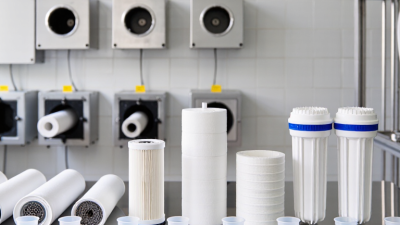
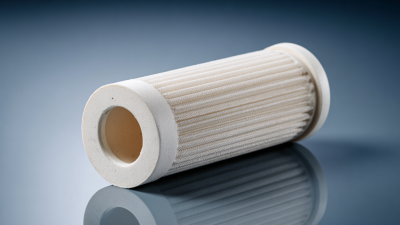
A filtration cartridge is a replaceable housing filled with porous media or a membrane. Water passes through under pressure, while particles are trapped on the surface or within the media. Some cartridges also use adsorption to capture dissolved compounds, such as chlorine-related tastes and odors. The mechanism depends on the cartridge design, not its appearance. A clear outlet does not prove every unwanted substance has been removed.
Pore size matters. The U.S. EPA’s Membrane Filtration Guidance Manual describes microfiltration pores broadly around 0.1–1 micrometer and ultrafiltration pores around 0.01–0.1 micrometer. These ranges help explain why different cartridges target different particles; they do not guarantee removal without validated performance data. WHO’s Guidelines for Drinking-water Quality note that turbidity should ideally remain below 1 NTU to support effective disinfection. A cartridge may help reduce suspended particles, but it is not a substitute for disinfection. Watch the pressure gauge. As trapped material builds up, flow can slow and pressure drop can rise. Replacement timing depends on water quality and usage, so a calendar alone can be misleading.
How to Evaluate Filtration Cartridge Manufacturers in China
When comparing China’s top filtration cartridge manufacturers, look beyond catalogue claims. Start with the fluid, operating temperature, and target particle size your process actually requires. Ask how the stated micron rating was tested; results can vary with test methods and conditions. A clear datasheet should also list flow rate, pressure drop, materials, and recommended replacement limits. Small details matter.
Check whether the manufacturer can trace materials and finished batches, and request relevant quality records. Certificates are useful, but they do not prove that every cartridge will perform consistently. Review sample results under conditions close to your own process. Examine end caps, seals, and pleat spacing for uneven bonding or damage. A factory visit or technical call can clarify who handles testing and complaints. I would not rank suppliers from price alone; it is a tempting shortcut, and sometimes a poor one.
Tips: Send the same written specification to each supplier. Compare test methods, not just numbers. Ask for a sample and record its initial flow and pressure drop. Keep notes on response time, too. A polished answer is reassuring, but evidence is better.
Profiles of China’s Top 10 Filtration Cartridge Manufacturers
Profiles of China’s top ten filtration cartridge manufacturers are most useful when they explain how each producer works, not merely what it sells. Compare cartridge formats, filter media, end-cap construction, and stated operating limits. A useful profile distinguishes documented specifications from details that still need confirmation. Small differences matter.
For practical evaluation, check micron ratings, flow-rate data, pressure-drop information, and material compatibility. Ask whether technical sheets and test records are available, and confirm how measurements were obtained. Manufacturing capacity and customization options may also affect lead times and consistency. Rankings can simplify a complex market; they should not replace direct technical checks. Some profiles may leave questions unanswered. That is worth noting.
Tips: Match the cartridge to the fluid, temperature, and housing before comparing prices. Request a sample when possible, then review fit, sealing, and performance under realistic conditions. Keep the comparison criteria consistent.
How to Compare Suppliers by Quality, Certification, and Service
When comparing China’s top filtration cartridge manufacturers, look beyond catalog specifications. Match the cartridge material, pore rating, and operating temperature to your actual process. Ask for test data that explains how performance was measured, not just a headline efficiency figure. Request sample cartridges and inspect the end caps, seals, and pleat consistency. Small details matter.
Certification can support confidence, but its scope matters. Check whether documents are current and apply to the specific product or facility you are evaluating. Ask for batch traceability and clear procedures for handling defects. A polished certificate may not answer every technical question. Ask for proof.
Service quality shows up after the first order. Compare response times, technical support, replacement lead times, and how suppliers investigate failures. Share your fluid, flow rate, and pressure conditions, then see whether the guidance is specific. Vague answers are a warning sign. It is easy to focus too much on price; I would also compare sample results and communication records. No supplier is perfect, and a small trial order may reveal gaps that a brochure cannot.
China Top 10 Filtration Cartridge Manufacturers: How to Compare Suppliers
Suggested evaluation weighting by quality, certification, and service
Use these suggested weights as a buyer-defined comparison framework, not as measured supplier rankings or market statistics. Assess product quality through documented specifications and testing; verify certifications against their scope and validity; and compare service using technical support, responsiveness, and after-sales provisions. Adjust the weights to fit your application.


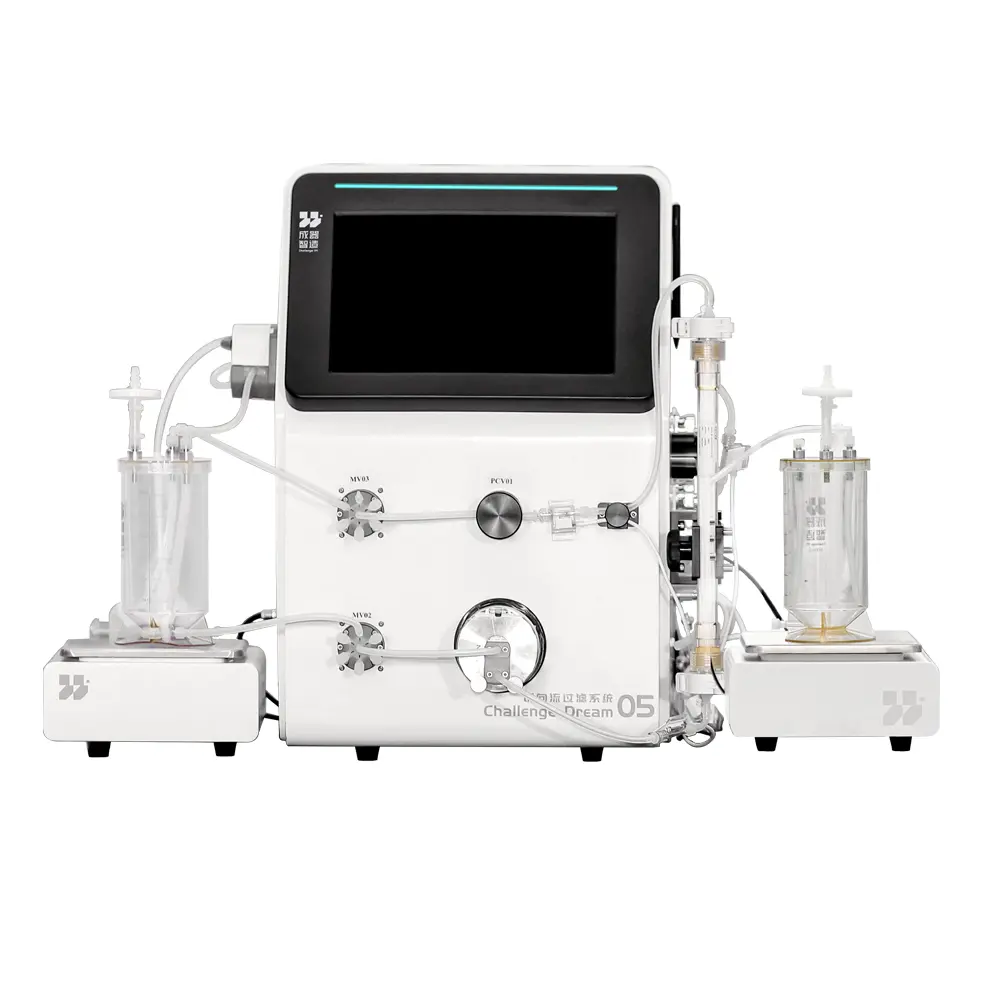 Tangential Flow Filtration(TFF) System
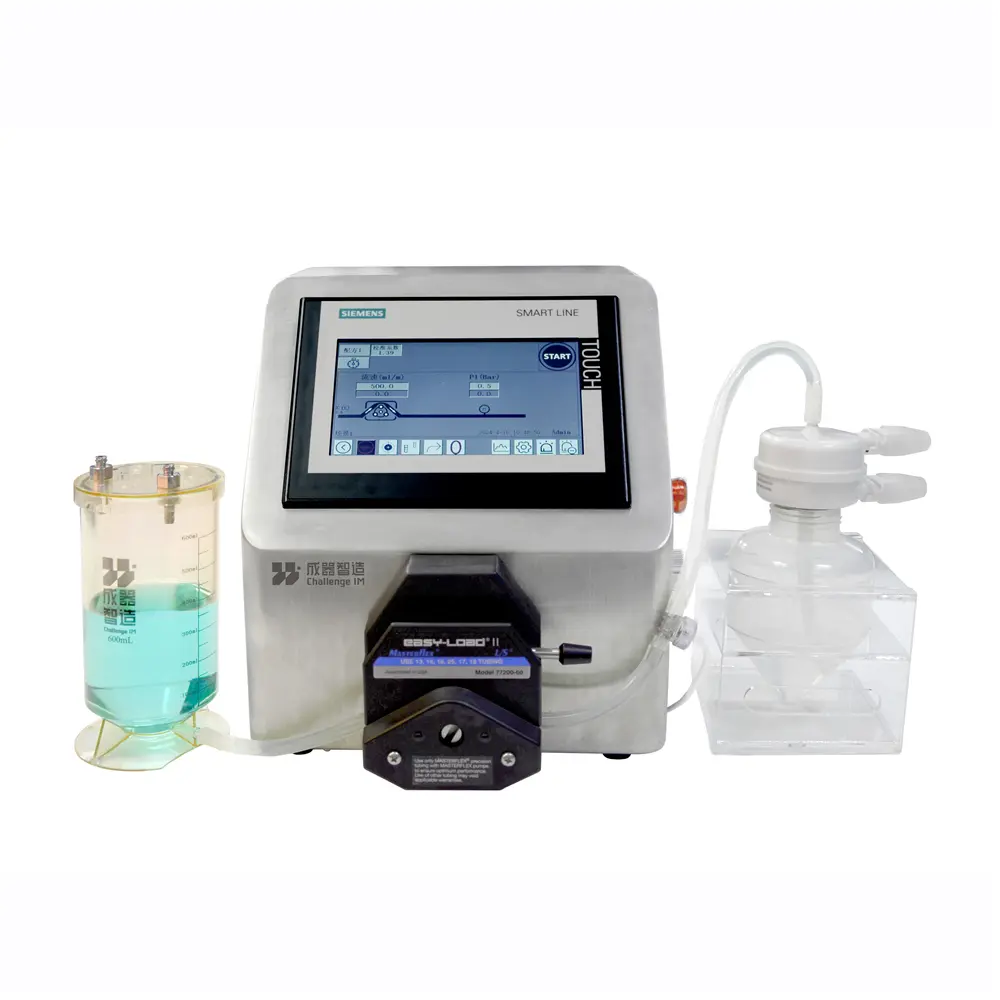 Jump Pump
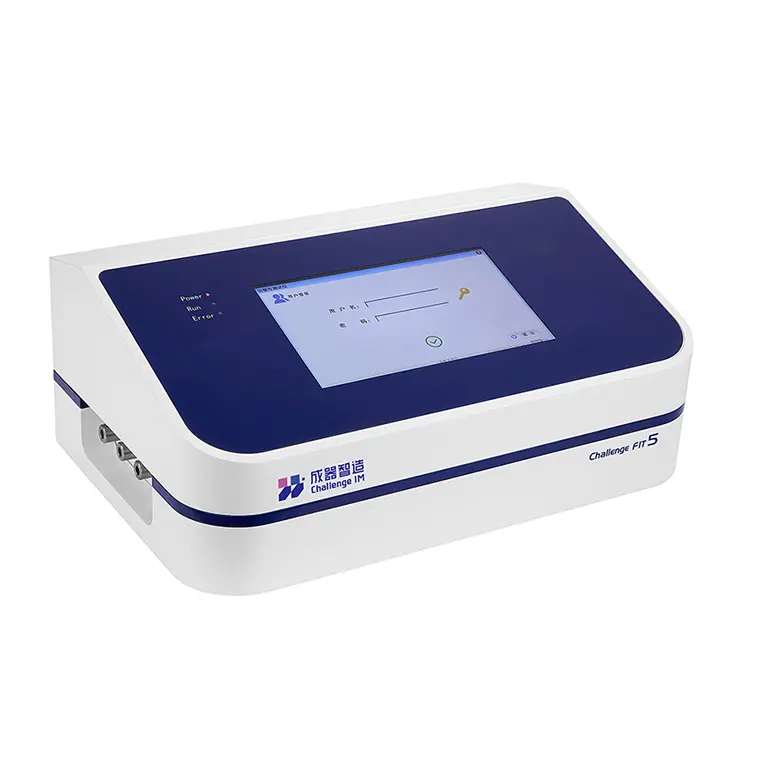 FIT Integrity Tester
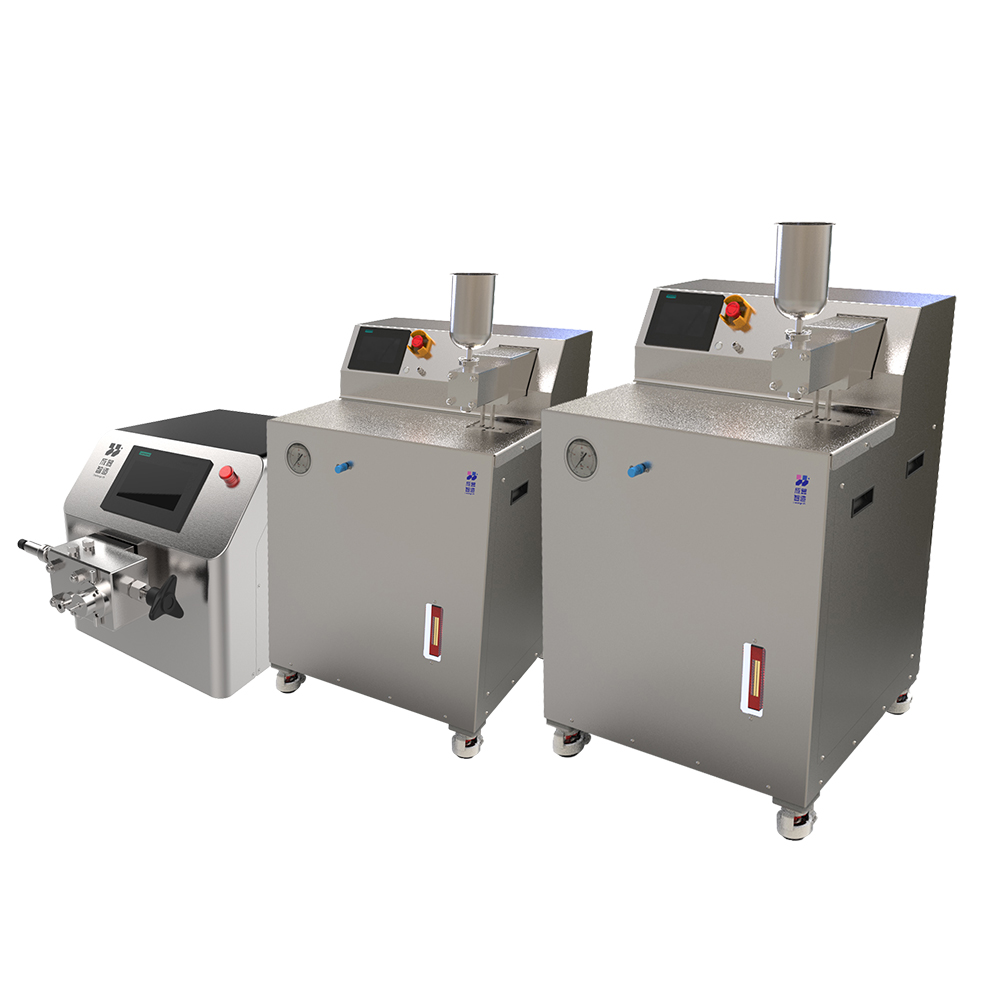 High Pressure Homogenizers
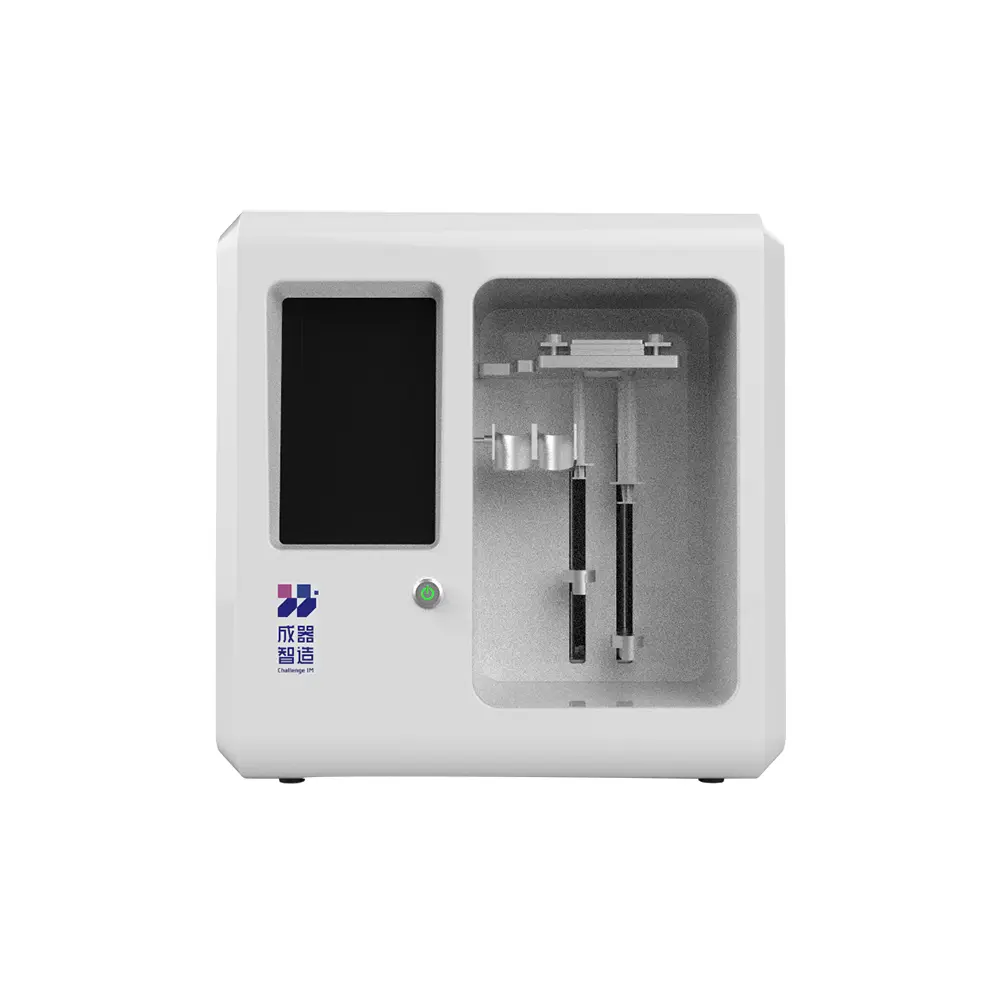 Microfluidics