The Ultimate Guide to Top Bag Filters for Efficient Air and Water Purification?
In the evolving landscape of air and water purification, the role of Bag Filters has garnered significant attention. Experts like Dr. Emily Carter, a renowned environmental engineer, emphasize their effectiveness. She stated, “Bag Filters stand as a cornerstone in achieving cleaner air and water.” This assertion highlights the importance of these filters in modern filtration systems.
Bag Filters operate on simple principles but deliver powerful results. They capture particles and contaminants, ensuring a higher quality of air and water. Many industries rely on these filters for optimal performance. However, not all Bag Filters are created equal. Some fail to meet the necessary standards, leading to inefficiencies. This inconsistency can result in system failures and increased costs.
Choosing the right Bag Filters requires careful consideration. Their efficiency can greatly influence overall system performance. Understanding the specifications and applications of each filter type is crucial. As we delve deeper into their characteristics, challenges will arise. Addressing these challenges will help in selecting the most suitable Bag Filters for any application.
Understanding Bag Filters: Types and Mechanisms for Filtration
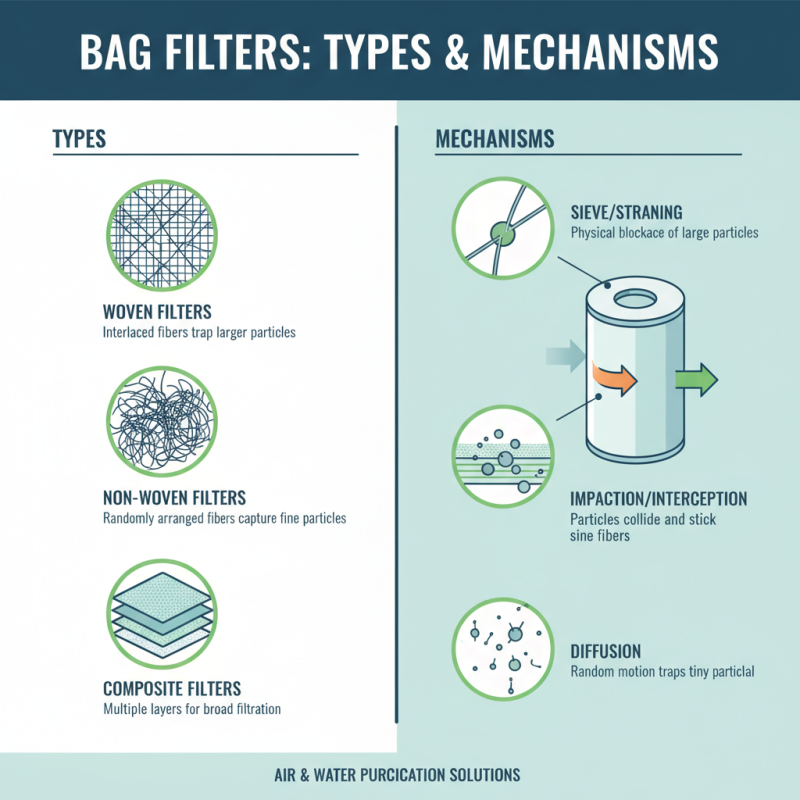
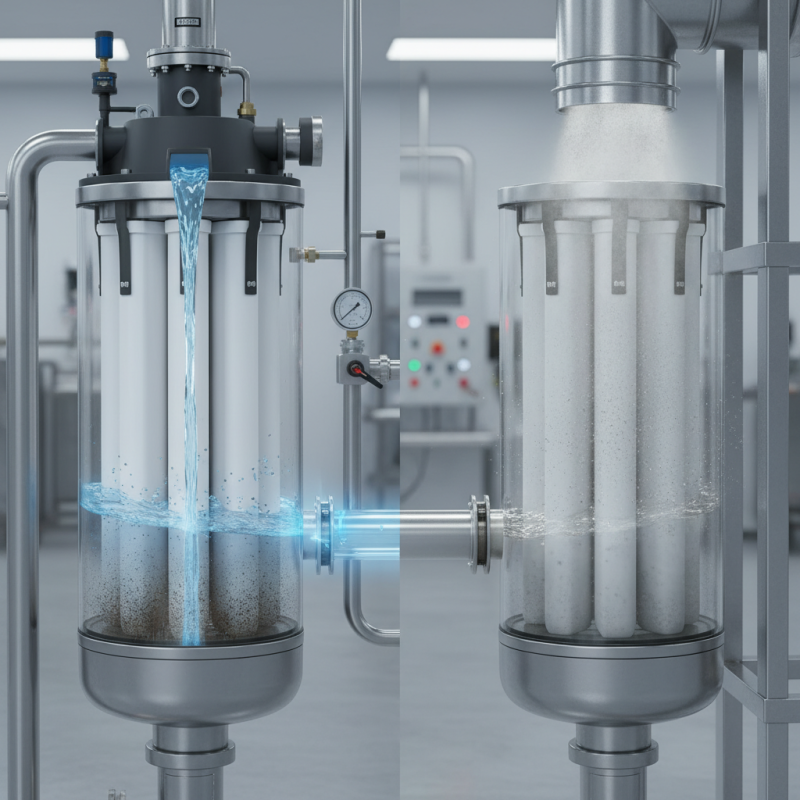
Bag filters play a crucial role in both air and water purification. They utilize various mechanisms to trap contaminants effectively. The most common types are woven, non-woven, and composite filters. Woven filters use interlaced fibers to create a porous medium. This design allows for larger particles to be captured while permitting air or water to flow freely.
Non-woven filters, on the other hand, are made from entangled fibers, offering a finer filtration capability. They often excel in capturing tiny particles, making them ideal for applications that require high purity levels. Composite filters combine materials to enhance performance. Their unique structures can provide both durability and efficiency.
Despite their effectiveness, bag filters require regular maintenance and replacement. Over time, they can become clogged, diminishing their filtering capacity. This is an area often overlooked. Users should monitor performance closely to avoid inefficiencies. Understanding the types and mechanisms of bag filters can aid in making informed choices for specific needs. Selecting the right filter involves assessing both the environment and purpose, ensuring optimal air and water quality.
Key Applications of Bag Filters in Air and Water Purification
Bag filters play a crucial role in both air and water purification. They are often used in industrial settings and municipal systems to capture pollutants. In air purification, bag filters can remove dust, pollen, and other particulates from the air. This ensures cleaner air in manufacturing plants and office buildings.
In water treatment, bag filters help eliminate sediment and contaminants from water sources. By trapping these particles, they improve water quality for drinking and industrial use. The efficiency of bag filters largely depends on their material and design. Each type of filter has its specific application, which can lead to confusion if not properly understood.
The performance of bag filters can vary. Some may need frequent replacement, leading to increased operational costs. It's also vital to assess the right filter for specific needs. By understanding the filtration requirements, businesses can enhance both air and water quality successfully. The learning curve can be steep, but the results often justify the effort.
This bar chart depicts the efficiency of bag filters used in various applications, including air and water purification. The data shows that bag filters are most effective in residential water purification, followed closely by air filters used in industrial settings.
Factors Influencing the Efficiency of Bag Filters
The efficiency of bag filters in air and water purification heavily depends on several key factors.
One crucial element is the filter material. Different materials, such as polypropylene and polyester, exhibit unique filtration capabilities and chemical resistances. According to research from filtration experts, a filter's material can affect its longevity and efficiency by up to 20%. This emphasizes the importance of selecting the right material for specific applications.
Another factor is the filter's design, particularly its surface area and thickness. A larger surface area enables more particles to be captured, improving overall efficiency. Studies indicate that increasing thickness can enhance filtration but may also slow down flow rates. It's essential to find a balance that meets specific operational needs without sacrificing effectiveness.
Tip: Regular maintenance of bag filters can extend their lifespan and enhance performance. Monitoring pressure drops helps identify when maintenance is necessary.
An often overlooked factor is the environmental conditions in which filters operate. Humidity and temperature can dramatically impact filter performance. Filters in harsh or variable environments may lose effectiveness sooner. Being aware of these variables can help in planning for replacements or adjustments.
Tip: Always evaluate the operational environment and adjust filter types accordingly. This consideration can prevent unnecessary costs and ensure optimal filtration efficiency.
Maintenance and Replacement Guidelines for Optimal Performance
Proper maintenance and timely replacement of bag filters play a crucial role in achieving optimal air and water purification. According to a 2023 report from the Filtration Industry Analyst Group, poorly maintained filters can reduce filtration efficiency by up to 35%. Regular inspection helps catch early signs of clogging or damage, which can otherwise lead to increased pressure drop and energy consumption. It is recommended to monitor differential pressure gauges weekly to track filter health accurately.
The lifespan of bag filters varies significantly depending on the application and contaminant load. In industrial water treatment, for example, filters lasting beyond three months often suffer from microbial growth or fiber degradation. Replacing bags on time not only maintains filtration performance but also prevents secondary pollution. Experts suggest documenting each replacement cycle, ensuring consistent adherence to maintenance schedules. However, some facilities struggle with this due to inadequate training or resource constraints, highlighting an area needing more attention.
Despite advancements, real-world conditions sometimes cause unexpected issues. Filters may tear prematurely or fail to seal properly, causing bypass and reduced effectiveness. Industry data shows that up to 15% of filter changes occur earlier than planned due to such problems. Therefore, operators should remain vigilant and adjust maintenance plans based on observed filter conditions, rather than relying solely on predetermined timelines. This adaptive approach, though challenging, ensures that purification systems run at peak performance.
The Ultimate Guide to Top Bag Filters for Efficient Air and Water Purification
| Filter Type |
Application |
Efficiency (%) |
Replacement Interval (Months) |
Maintenance Tips |
| PP Bag Filter |
Water Filtration |
90 |
6 |
Check monthly for clogging. |
| Activated Carbon Bag Filter |
Air Purification |
95 |
12 |
Replace when odors return. |
| Nylon Bag Filter |
Oil Separation |
85 |
8 |
Rinse and reuse if not damaged. |
| Glass Fiber Filter |
High Efficiency Particulate Air |
99.97 |
12 |
Monitor air quality regularly. |
| PTFE Filter |
Chemical Filtration |
99 |
9 |
Check for chemical compatibility. |
Comparative Analysis: Bag Filters vs. Other Filtration Methods
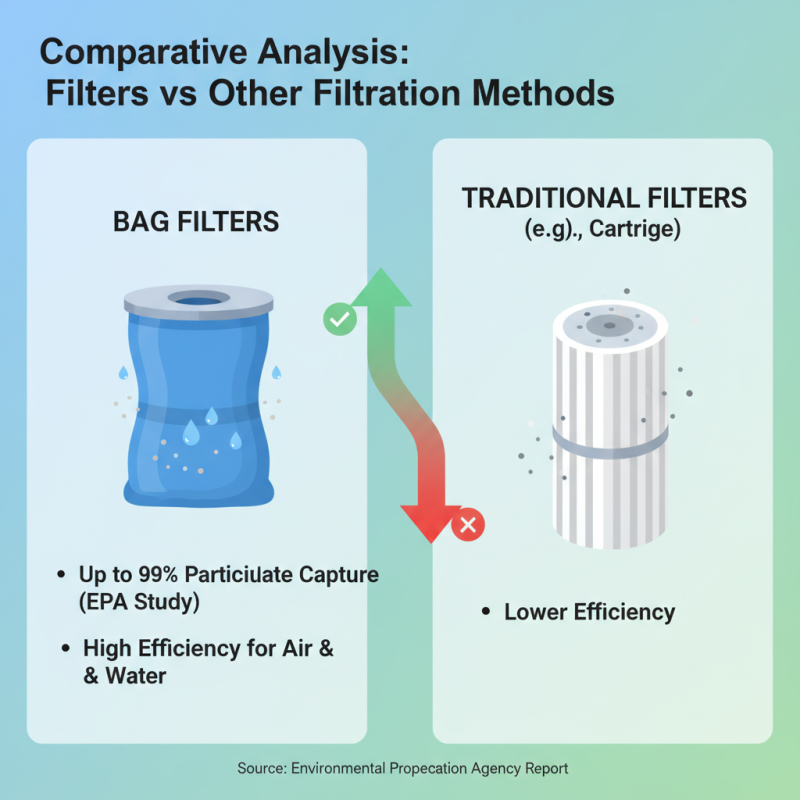
When comparing bag filters to alternative filtration methods, several industry reports underscore their effectiveness in air and water purification. A study from the Environmental Protection Agency indicates that bag filters can capture up to 99% of particulate matter. This high efficiency makes them a reliable option for various applications, from industrial settings to HVAC systems. In contrast, traditional filters, like cartridge filters, often struggle to maintain similar performance levels.
Despite their advantages, bag filters are not without limitations. They may require frequent replacement, leading to increased operational costs over time. The Institute of Clean Air Companies reported that while bag filters excel in removing fine particles, they can struggle with larger debris. This inconsistency forces operators to weigh the trade-offs between initial cost and long-term reliability. Additionally, the disposal of spent filters raises environmental concerns, as improper handling can lead to further pollution.
The choice between bag filters and other methods also depends on specific applications. For example, membrane filters offer higher precision for micro-purification tasks but may not handle large volumes efficiently. An industry report found that bag filters could serve well in high-flow scenarios, while membranes are better suited for high-purity environments. Such nuances are crucial for users to consider when designing effective filtration systems.


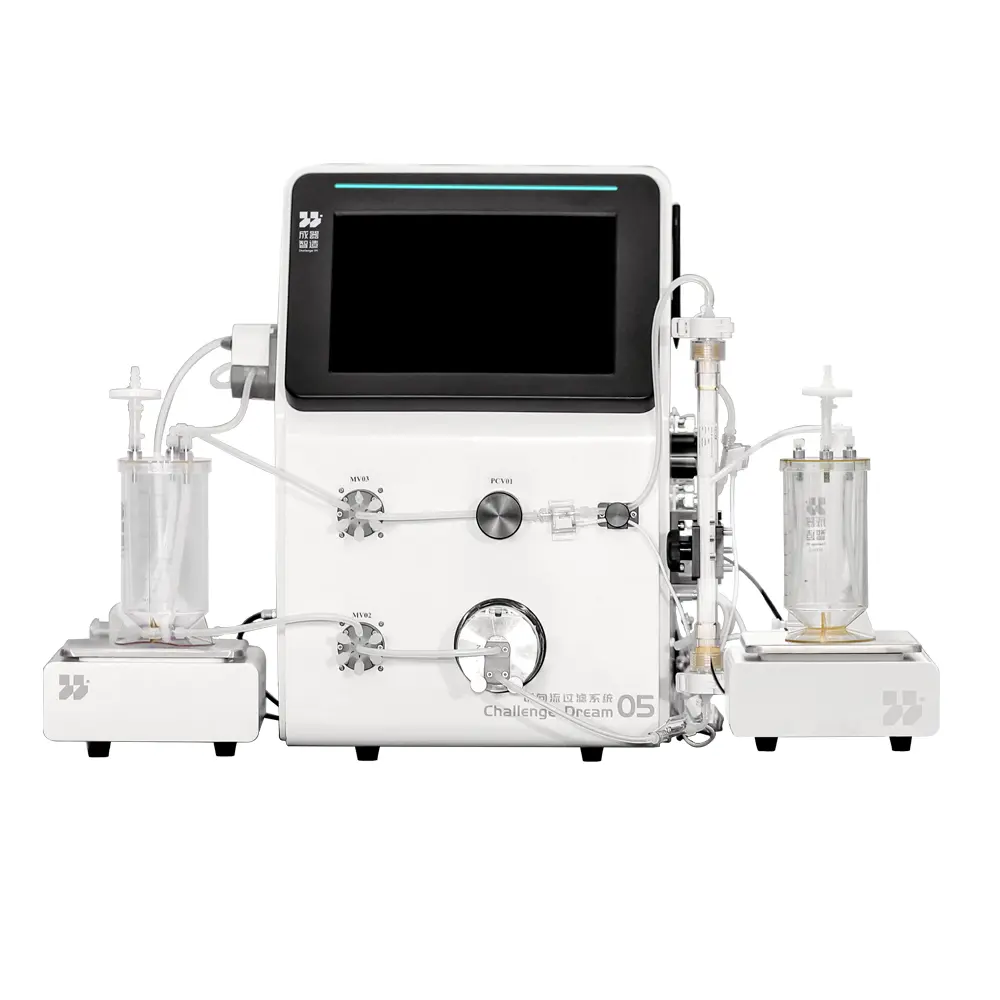 Tangential Flow Filtration(TFF) System
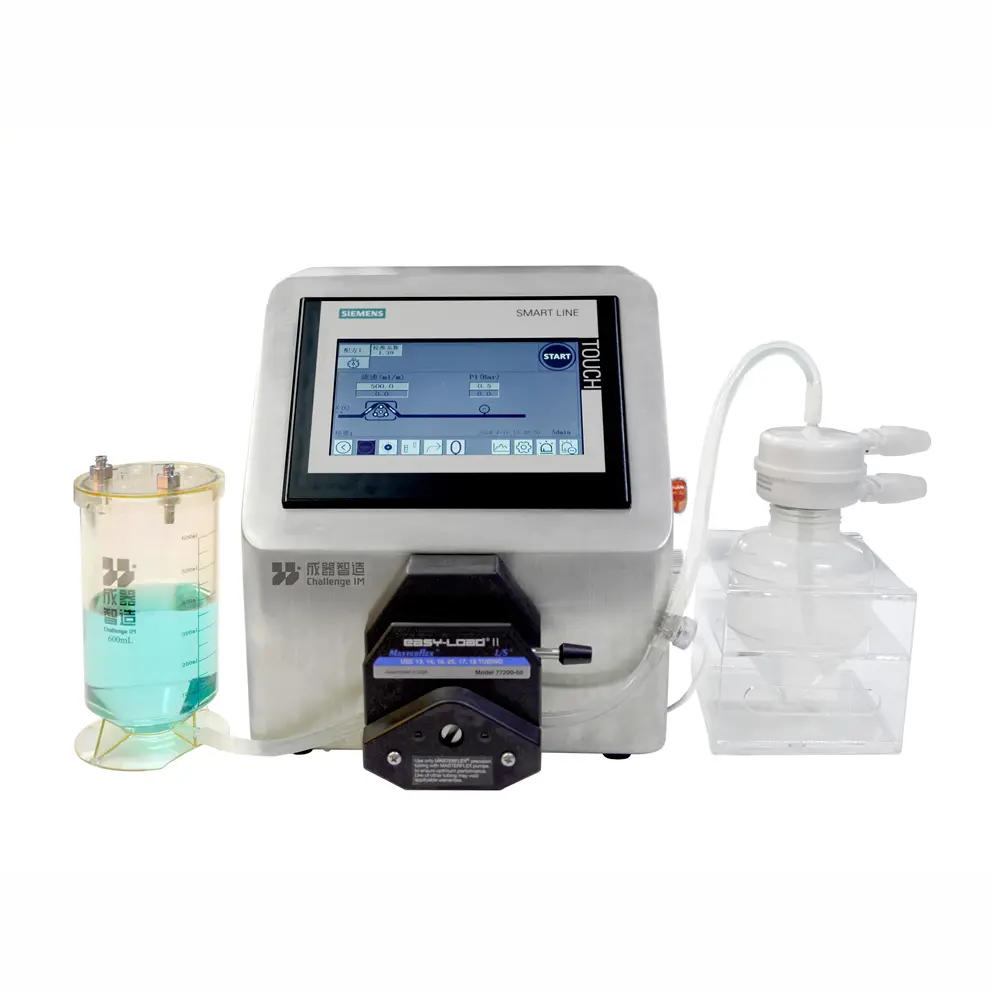 Jump Pump
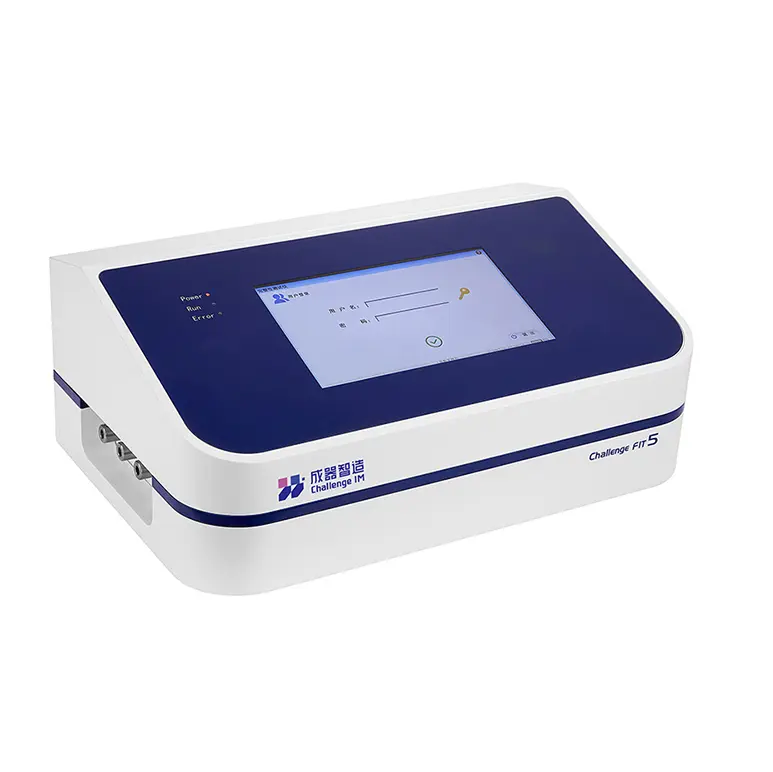 FIT Integrity Tester
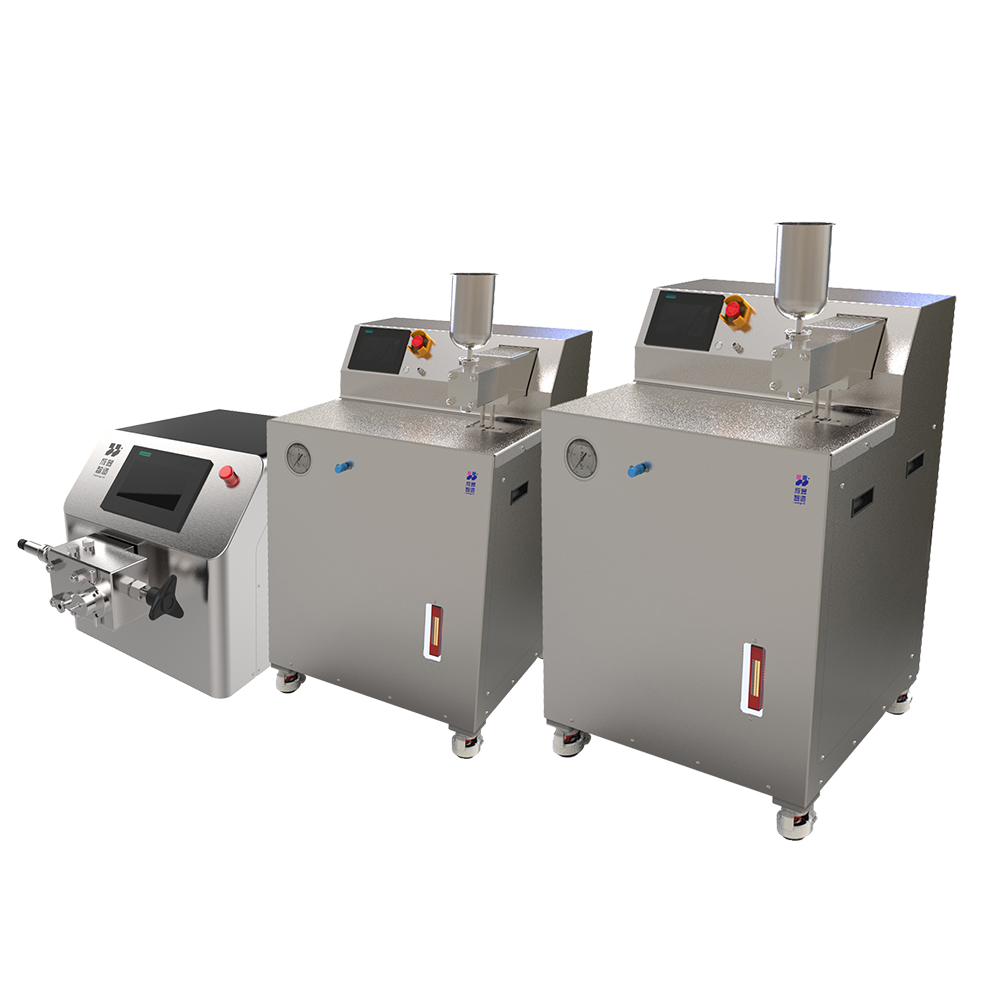 High Pressure Homogenizers
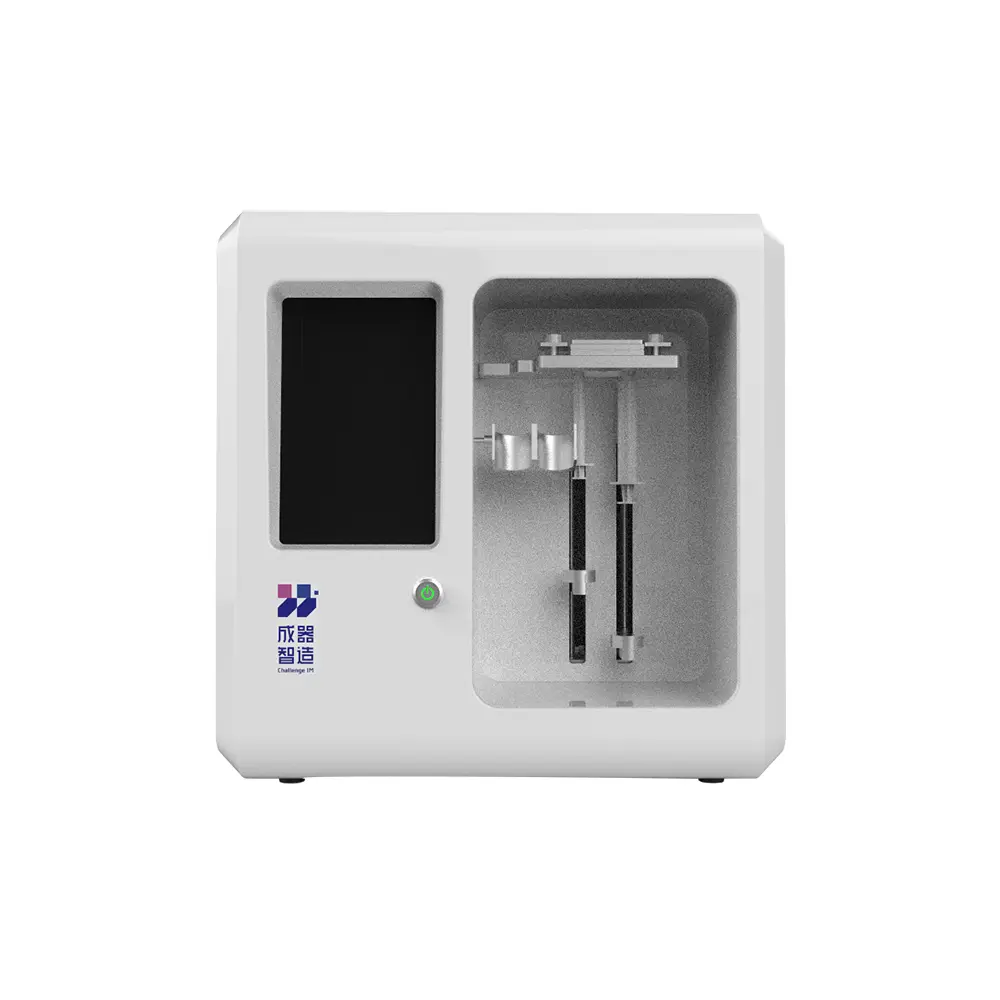 Microfluidics