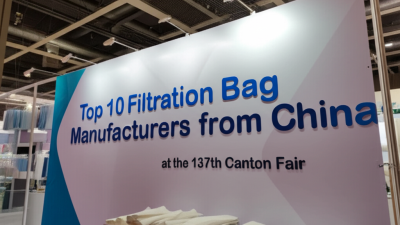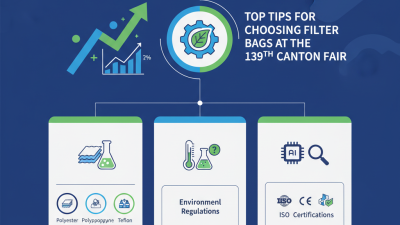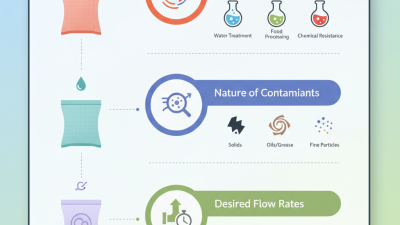
China has a large and varied market for industrial filtration products. Choosing a Filter Bag manufacturer, however, takes more than comparing catalogue prices. Buyers need to match the bag’s material, micron rating, dimensions, and finish to the dust, liquid, or operating conditions involved. Details matter.
This guide looks at how to assess leading manufacturers in China, rather than treating “top” as a fixed ranking. A supplier’s experience with similar applications, production capacity, quality checks, and ability to provide clear technical documentation can all inform a decision. For example, ask how the company verifies seam strength, dimensional consistency, and filtration performance. A polished catalogue can still leave gaps. Requesting samples and reviewing test records may reveal more than a sales claim, though neither guarantees performance in every plant.
The right choice depends on the application. A bag used in a food-processing line may require different materials and controls from one handling mineral dust or chemical liquids. Compare suppliers using the same specifications, and confirm details such as temperature limits, cleaning method, and replacement frequency before requesting a quotation. This overview is not a substitute for application-specific testing, and supplier information can change. That is worth remembering. Its aim is to give procurement teams a practical starting point for identifying capable Chinese manufacturers and asking better questions before committing to an order.
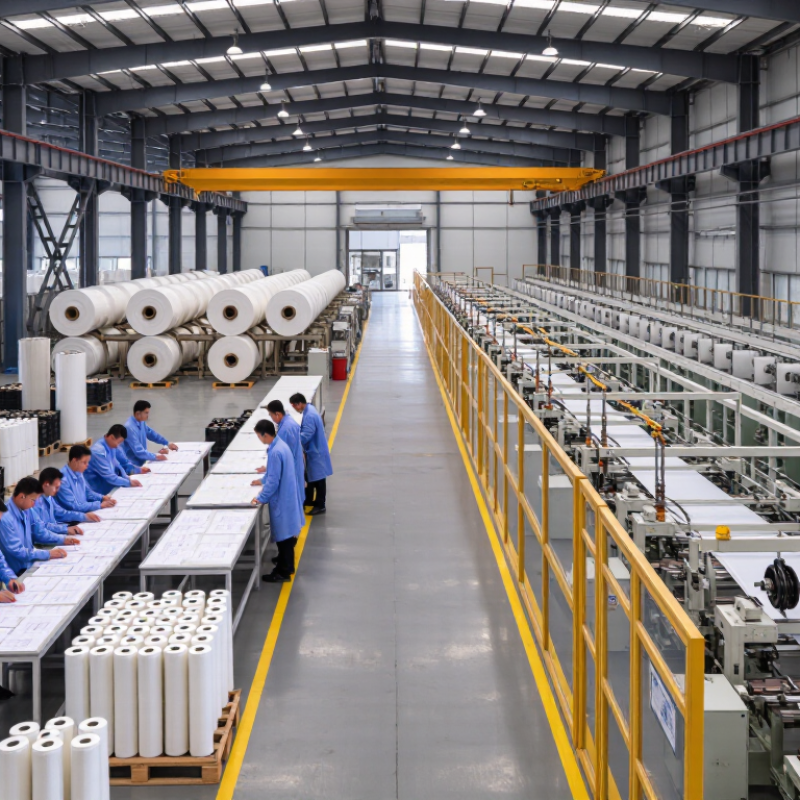
China’s filter-bag industry is often classified by filter media and end use. Media categories include woven fabrics, needle felt, and membrane-laminated felt. Common fibers include polyester, polypropylene, aramid, PPS, and fiberglass. Each responds differently to heat, moisture, abrasion, and chemical exposure. A fabric label alone does not prove a bag will suit a specific collector.
Application groups often include cement kilns, steelmaking, power generation, and chemical processing. Cement plants may need bags that tolerate hot dust and repeated cleaning. Steel facilities can face abrasive particles and changing gas conditions. Food processing has different cleanliness and material requirements. These categories guide comparisons, but actual operating temperature, dust characteristics, and cleaning method matter more. The split is useful, though not perfect; some suppliers serve several sectors, and product descriptions can hide important differences.
Tips: Ask for the media composition, operating-temperature range, and compatibility details for your process. Check whether figures describe continuous use or short-term exposure. Small details count. A sample inspection and clear technical records can reveal gaps before a full replacement order.
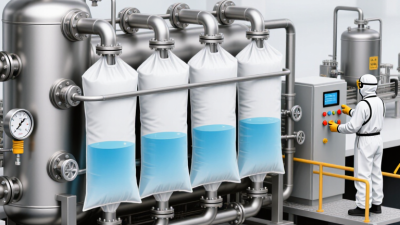
Chinese filter-bag manufacturers serve different needs, even when their catalogs look similar. Polyester bags are widely used for dry dust collection at moderate temperatures. They can suit cement handling, woodworking, and general industrial filtration. Ask whether the fabric is singed, calendared, or treated for water and oil resistance. These finishes affect dust release and service life.
PPS bags are often selected for hot gas streams containing sulfur compounds, but operating conditions matter. Moisture, oxygen levels, temperature peaks, and cleaning cycles can all change performance. PTFE fiber and PTFE membrane options serve demanding applications where chemical resistance and fine particle capture are important. They are not interchangeable. A membrane-coated bag may filter differently from a bag made entirely of PTFE.
Details matter. Ask manufacturers for media specifications, test data, seam construction, and recommended operating limits. Compare those figures with actual inlet temperature and dust characteristics, not just a catalog headline. Requesting a sample can reveal fabric feel and finish, though it cannot prove long-term durability. That distinction is easy to miss. Some suppliers have stronger experience with one material than another, so ask for relevant installation references and clarify how replacement bags will fit existing cages.
Polyester filter bags are typically used up to about 130°C, PPS up to about 190°C, and PTFE up to about 240°C. Actual limits depend on bag construction and operating conditions; check the material supplier’s specifications for a specific application.
GB/T 6719-2009 provides a technical framework for bag filters, covering requirements that help buyers and manufacturers assess equipment on a consistent basis. It addresses areas such as product classification, technical performance, testing, inspection, and marking. The standard is useful, but it is not a substitute for checking whether a filter suits a particular process.
Look closely at the dust properties, operating temperature, airflow, and cleaning method. Ask for test records and compare stated pressure drop and filtration performance with the project conditions. Check that the filter media, support cages, and sealing details match the intended service. Small gaps around a bag can undermine an otherwise sound system. Details matter.
A compliant design does not automatically guarantee reliable operation in every plant. Installation, maintenance, and changing process conditions still matter. This is easy to overlook. When evaluating manufacturers, use GB/T 6719-2009 as a shared technical reference, then confirm the edition and any additional project specifications with qualified engineers. Some requirements may need closer interpretation for unusual operating conditions. That deserves a second look.
This comparison framework contains no company or brand rankings. It outlines technical factors buyers can use to assess bag-filter manufacturers and identifies how GB/T 6719-2009 relates to equipment requirements. Project-specific values should be confirmed in the standard, the manufacturer’s documents, and the purchase contract.
| Evaluation dimension | What to check | Connection to GB/T 6719-2009 | Evidence to request |
|---|---|---|---|
| Standard identification | Confirm that the technical specification cites GB/T 6719-2009, Technical requirements for bag filter. | The standard provides technical requirements for bag filters; citing it does not, by itself, establish a manufacturer ranking or product certification. | Applicable-standard list, product specification, and the edition agreed for the project. |
| Process and operating conditions | Check that the proposed design reflects gas flow, dust characteristics, operating temperature, moisture, and process conditions supplied by the purchaser. | Use the standard as the equipment technical-requirements reference, while confirming application-specific design conditions separately. | Design-basis document, process-condition schedule, and a list of stated assumptions. |
| Filter bags and materials | Verify bag material, construction, dimensions, and suitability for the specified gas temperature and chemical environment. | Material selection and product requirements should be checked against the applicable technical specification and the actual service conditions. | Bag data sheets, material identification, and supplier or batch documentation where applicable. |
| Filter elements and cleaning system | Review the bag-and-cage arrangement, cleaning method, controls, and access for inspection and maintenance. | Confirm equipment design and construction against the standard and the agreed project specification; do not assume one configuration suits every application. | General arrangement drawing, component list, cleaning-system description, and maintenance instructions. |
| Housing and fabrication quality | Inspect the housing layout, connections, access points, finish, and fabrication controls relevant to the specified operating environment. | Assess equipment manufacture and assembly against the standard’s applicable requirements and the contract drawings. | Approved drawings, inspection records, material records, and manufacturing quality documents. |
| Performance guarantees | Compare the offered gas flow, pressure-drop conditions, outlet-emission guarantee, and operating limits with the purchaser’s requirements. | Set acceptance values in the project documents and verify them using the agreed test method; avoid treating unverified catalogue figures as guaranteed performance. | Signed guarantee schedule, test conditions, measurement method, and acceptance criteria. |
| Inspection and acceptance | Establish inspection stages, required records, and commissioning or performance-test responsibilities before purchase. | Use the applicable standard and contract to define inspection and acceptance; specific test scope and limits should be stated in the project documents. | Inspection and test plan, test reports, commissioning records, and signed acceptance documents. |
| Service and lifecycle support | Compare spare-parts availability, maintenance guidance, technical support, and warranty terms. | These purchasing considerations complement technical compliance and should be assessed separately from conformity with the standard. | Warranty statement, spare-parts list, service response terms, and operating manual. |
Note: This table is a buyer’s evaluation guide, not a substitute for the full text of GB/T 6719-2009. It intentionally gives no universal numerical limits because appropriate values depend on the applicable requirements and project conditions.
For filter bag selection, temperature rating is a practical starting point, not a complete specification. Typical limits are about 130°C for polyester, 190°C for PPS, and 260°C for PTFE. These figures usually describe continuous service under defined conditions. Check the actual fabric construction and finish. Moisture, chemical exposure, and short temperature spikes can change performance. Real process temperatures rarely stay perfectly steady.
Polyester is commonly used in moderate-temperature dust streams, but hot, damp conditions can shorten its service life. PPS may suit hotter applications where chemical exposure also matters, though oxygen levels and operating cycles need careful review. PTFE tolerates higher temperatures and many aggressive chemicals, but its cost and mechanical requirements may affect the choice. Heat resistance alone is not enough. A bag can meet its temperature rating and still fail early if the dust cake, cleaning method, or gas chemistry is poorly matched.
When comparing Chinese manufacturers, ask for test data tied to your operating conditions, not only a headline temperature figure. Share temperature peaks, humidity, and cleaning frequency. Request details on seams, fabric weight, and dimensional tolerances. A sample trial can reveal issues that a data sheet misses. Even then, results may not transfer perfectly between production runs; that deserves attention.
When comparing filter bag manufacturers in China, look beyond quoted efficiency. The U.S. EPA’s Fabric Filter—Pulse-Jet Cleaned Type fact sheet (EPA-452/F-03-025, 2003) reports typical particulate collection efficiencies of 99–99.9%. Treat this as a technology benchmark, not a supplier guarantee. Ask for test reports showing inlet and outlet dust concentrations, pressure drop, airflow, and test conditions. Request results for dust resembling your process, not just a convenient laboratory sample. Ask for raw data. A high capture figure can hide excessive pressure loss or rapid bag wear.
Testing should also cover seam strength, dimensional tolerances, and cleaning performance. Check whether the manufacturer can explain its sampling method and repeat tests when results vary. Even a careful test has limits: moisture, particle size, and operating temperature change performance in real plants. After-sales support matters just as much. Ask about replacement-bag lead times, installation guidance, troubleshooting, and how failed bags are examined. Request a written service scope, with response channels and spare-parts arrangements. I would not choose on promises alone; unclear test conditions are easy to overlook, and sometimes the buyer’s own dust data is incomplete. A capable supplier should flag those gaps rather than present a polished number as a complete answer.