Top 10 Filtration Media Options for Effective Water Purification?
Water purification is essential in ensuring safe drinking water. The quality of filtration media plays a significant role in this process. According to the World Health Organization, nearly 2 billion people lack access to safely managed drinking water. Effective filtration media can help alleviate this crisis and provide cleaner water.
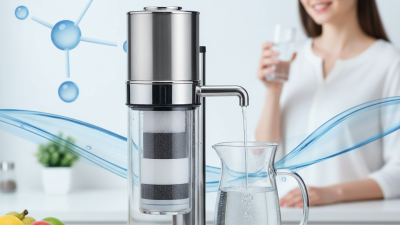
A variety of filtration media options exist, each with unique benefits. Activated carbon, for instance, removes impurities through adsorption. It has been shown to remove up to 99% of certain contaminants. Ceramic filters are another option, renowned for their durability and effectiveness in pathogen removal. However, not all methods are completely efficient. Some filtration media may miss specific pollutants or require regular maintenance.
Consumers must evaluate the available options carefully. Selecting the right filtration media often depends on local water quality and needs. Inadequate choices can lead to recurring problems. Understanding the characteristics and limitations of different filtration media can vastly improve water safety. This knowledge empowers individuals and communities to make informed decisions in their pursuit of clean water.
Overview of Water Purification and the Importance of Filtration Media
Water purification is crucial for health and safety. It removes harmful contaminants from drinking water. Effective filtration media play a vital role in this process. They tackle various pollutants, ensuring clean water. Different filtration methods have unique strengths. Understanding these options helps consumers make informed choices.
Filtration media include activated carbon, sand, and membrane filters. Each type has its advantages. Activated carbon excels at removing chemical impurities. Sand filters work well for physical particles. Membrane filters can eliminate bacteria and viruses. Users must consider their specific needs. Not every media type suits all situations.
Some individuals may face challenges in selecting the right media. Limited knowledge can lead to poor choices. It’s essential to research thoroughly. Water quality varies significantly based on location. What works in one area may not be effective elsewhere. Regular testing and adjustments can enhance purification systems. This process requires dedication and constant improvement.
Types of Filtration Media and Their Specific Purification Functions
When it comes to water purification, various filtration media play crucial roles.
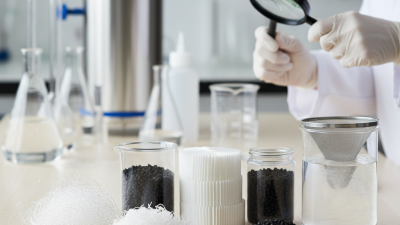
Sand filters, for example, are commonly used in residential systems. They effectively remove particulate matter through a layered structure.
Activated carbon is another popular choice. This media excels in removing chlorine and other contaminants, enhancing water taste and odor.
Ceramic filtration provides a reliable option, as it removes bacteria and larger pathogens. Its porous structure traps impurities effectively.
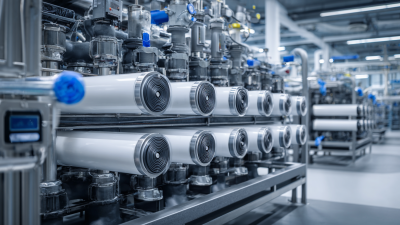
Another noteworthy media is reverse osmosis membranes, often employed in advanced systems. They can eliminate a wide range of dissolved solids and harmful substances from water.
Unfortunately, not all filtration methods are foolproof. Some systems might fail to remove certain contaminants, leading to potential health risks.
It’s essential to choose appropriate filtration media based on specific water quality needs. This choice should reflect the unique characteristics of your water source and your particular purification goals.
Comparative Analysis of Natural vs. Synthetic Filtration Media
When considering water purification, both natural and synthetic filtration media offer unique benefits.
Natural materials, like sand and activated charcoal, excel in removing impurities while being eco-friendly. They can provide a softer water taste and maintain essential minerals.
However, they may not filter out all contaminants effectively.
Synthetic media, such as membranes and specialized resins, are engineered for precision. They can remove bacteria, viruses, and chemicals with high efficiency.
Yet, they sometimes exhibit a higher cost and require careful maintenance.
These materials can still be effective but may not provide the same level of sustainability as natural options.
Tips: Always check the local water quality report. This helps identify contaminants and choose the best filtration option.
Regular maintenance of filtration systems is crucial. Neglect can lead to reduced effectiveness over time.
Experiment with different media types to gauge which method best fits your needs.
Factors to Consider When Choosing Filtration Media for Water Purification
When selecting filtration media for water purification, several critical factors must be evaluated. The effectiveness of the chosen media is paramount. Studies indicate that different materials, such as activated carbon, sand, and ceramic, each address specific contaminant types. For instance, activated carbon excels in removing chlorine and volatile organic compounds (VOCs), while ceramic filters are excellent at trapping bacteria. Understanding the particular contaminants in your water source guides this selection process.
Another important aspect is flow rate. According to industry research, a slower flow rate can improve contaminant removal efficiency. However, it may not be practical for larger families or combatting high turbidity levels. Balancing the flow rate with purification effectiveness is essential. Furthermore, the longevity and maintenance requirements of the filtration media play a crucial role. Regular replacement of media is necessary to maintain a high standard of purification. Consideration of these aspects helps ensure you choose the right filtration media for your water needs.
Ultimately, various environmental conditions also influence filtration performance. Factors like water temperature and pH level can affect how well filtration media function. Inconsistent performance can lead to dissatisfaction and potential health risks. Monitoring these variables and adjusting filtration methods enhances overall water quality. Engaging with experts in water purification can provide insights tailored to your unique circumstances.
Top 10 Filtration Media Options for Effective Water Purification
Future Trends in Filtration Media Technology for Enhanced Water Purification
Advancements in filtration media technology are shaping the future of water purification. Researchers are focusing on developing materials that enhance efficiency while reducing environmental impact. For instance, nanomaterials show great promise. They can trap contaminants at microscopic levels, which traditional methods may miss.
Innovations such as bio-based filtration media are emerging. These materials not only filter but also biodegrade over time. This aligns well with growing concerns about plastic waste in the environment. However, the effectiveness of these new materials is still under investigation. We need continuous research to confirm their reliability in varying conditions.
AI is also playing a role in optimizing filtration systems. Machine learning algorithms analyze water quality data to suggest the most efficient filtration method. This can lead to smarter, adaptive systems that adjust based on real-time needs. Still, scaling these solutions to a global level poses challenges. It requires investment and collaboration across sectors.
Top 10 Filtration Media Options for Effective Water Purification
| Filtration Media |
Type |
Efficiency (%) |
Application |
Future Trends |
| Activated Carbon |
Absorption |
90 |
Residential & Industrial |
Advanced Treatment Techniques |
| Reverse Osmosis Membranes |
Membrane Filtration |
95 |
Desalination |
Nanotechnology Developments |
| Ceramic Filters |
Mechanical Filtration |
99 |
Household Use |
Self-Cleaning Technology |
| Sand Filtration |
Physical Filtration |
85 |
Community Systems |
Layered Media Innovations |
| UV Light Systems |
Disinfection |
99.9 |
Point-of-Use |
Advanced Sensor Integration |
| Biofilters |
Biological Filtration |
92 |
Wastewater Treatment |
Microbial Innovations |
| Glass Filtration |
Physical Filtration |
88 |
Swimming Pools |
Sustainability Improvements |
| Carbon Block Filters |
Absorption |
90 |
Drinkable Water Systems |
Improved pore structure |
| Paper Filters |
Depth Filtration |
80 |
Laboratory Use |
New Fiber Technology |
| Activated Alumina |
Absorption |
94 |
Fluoride Removal |
Composite Material Research |


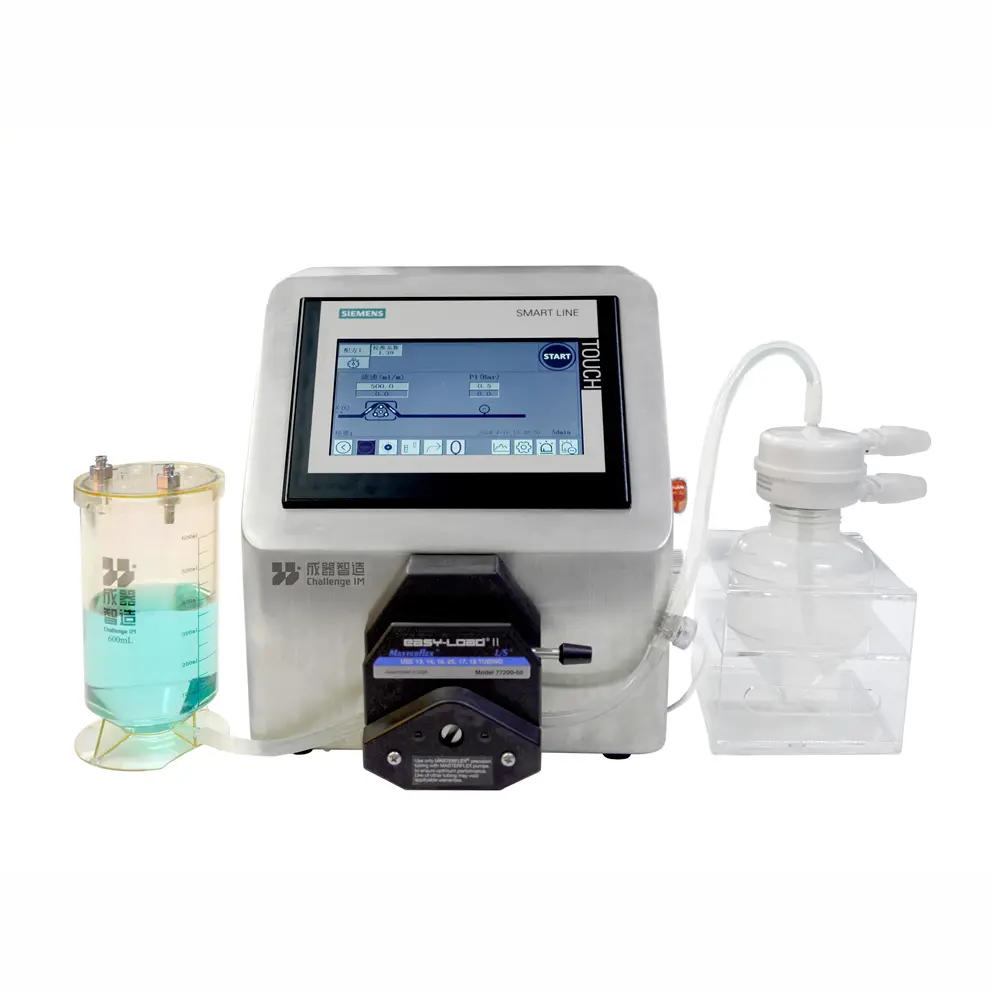
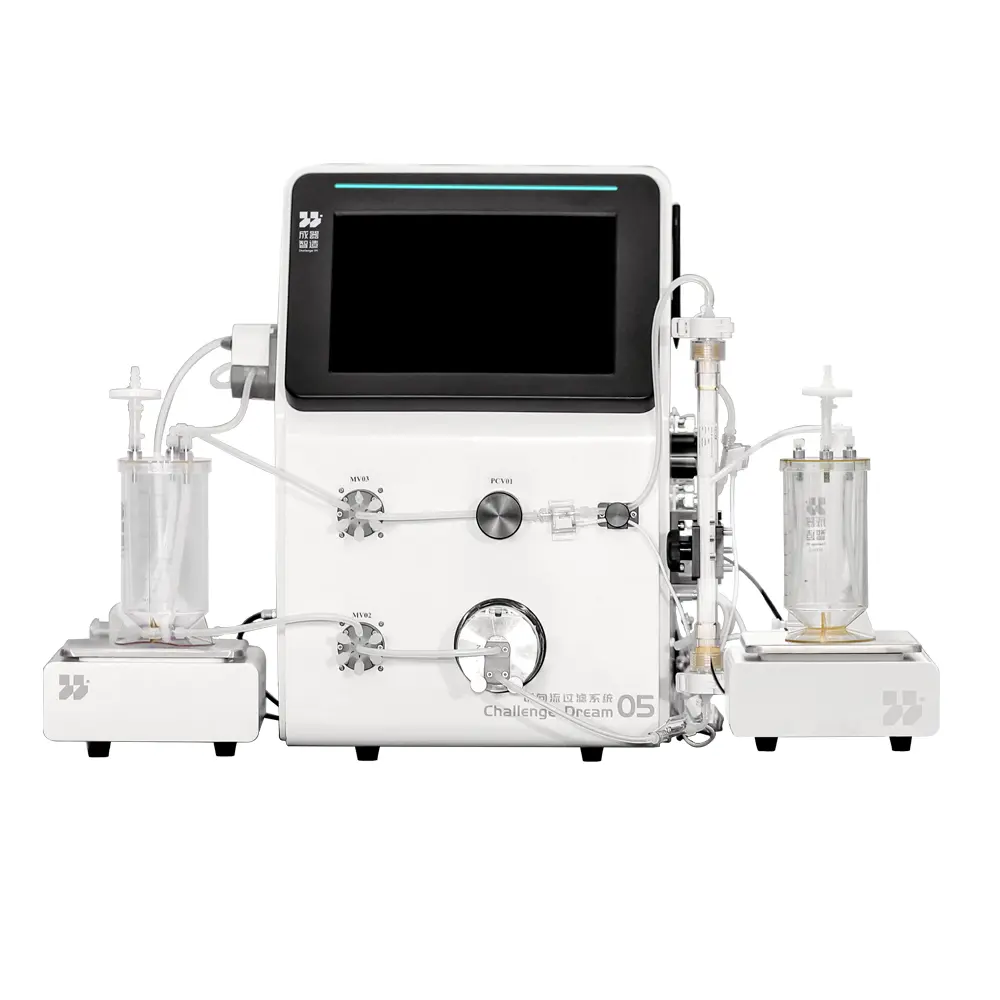 Tangential Flow Filtration(TFF) System
 Jump Pump
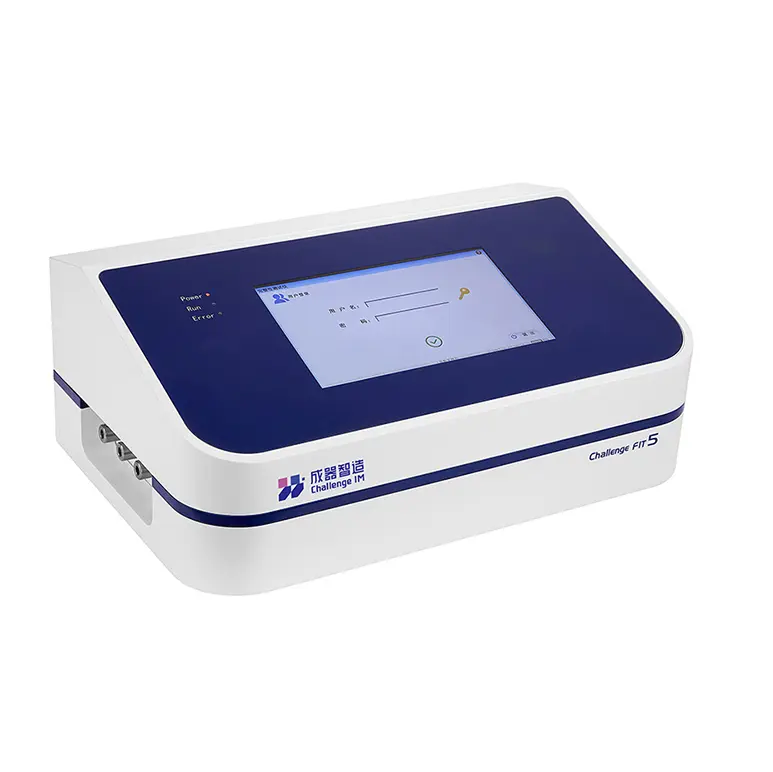 FIT Integrity Tester
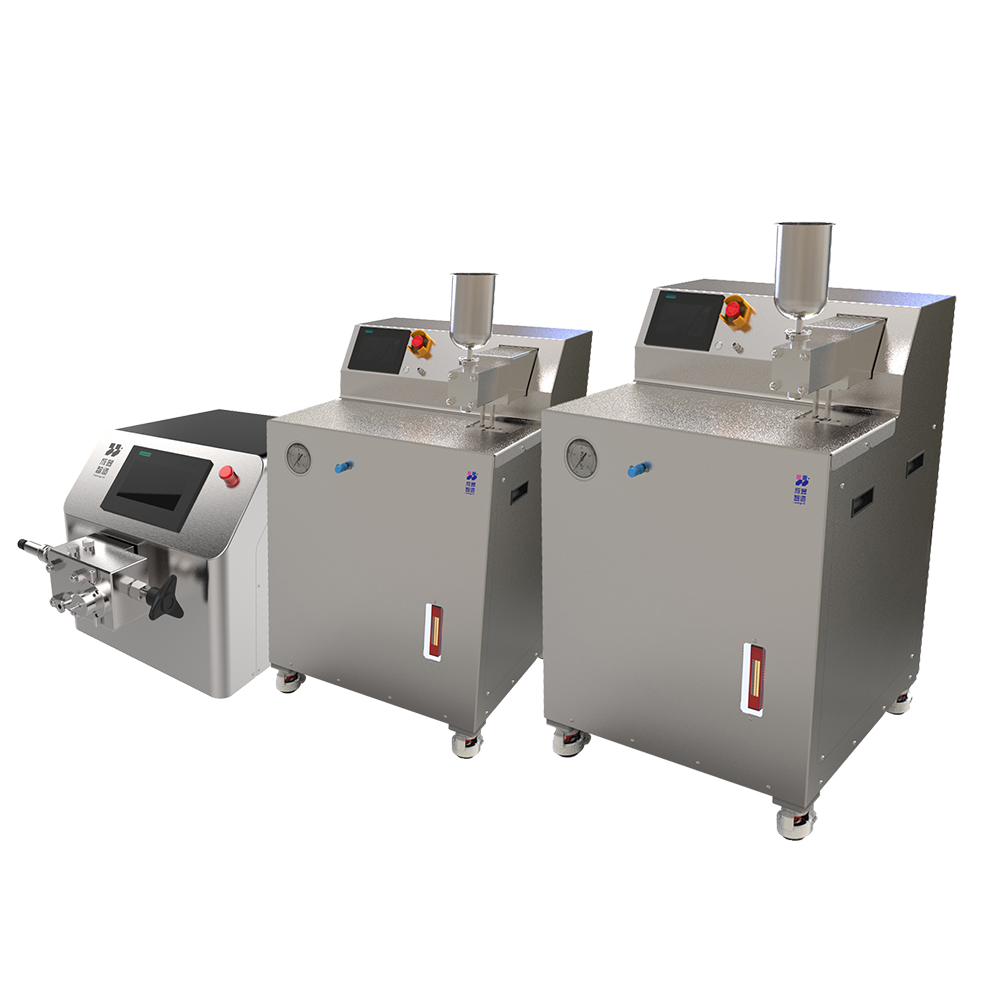 High Pressure Homogenizers
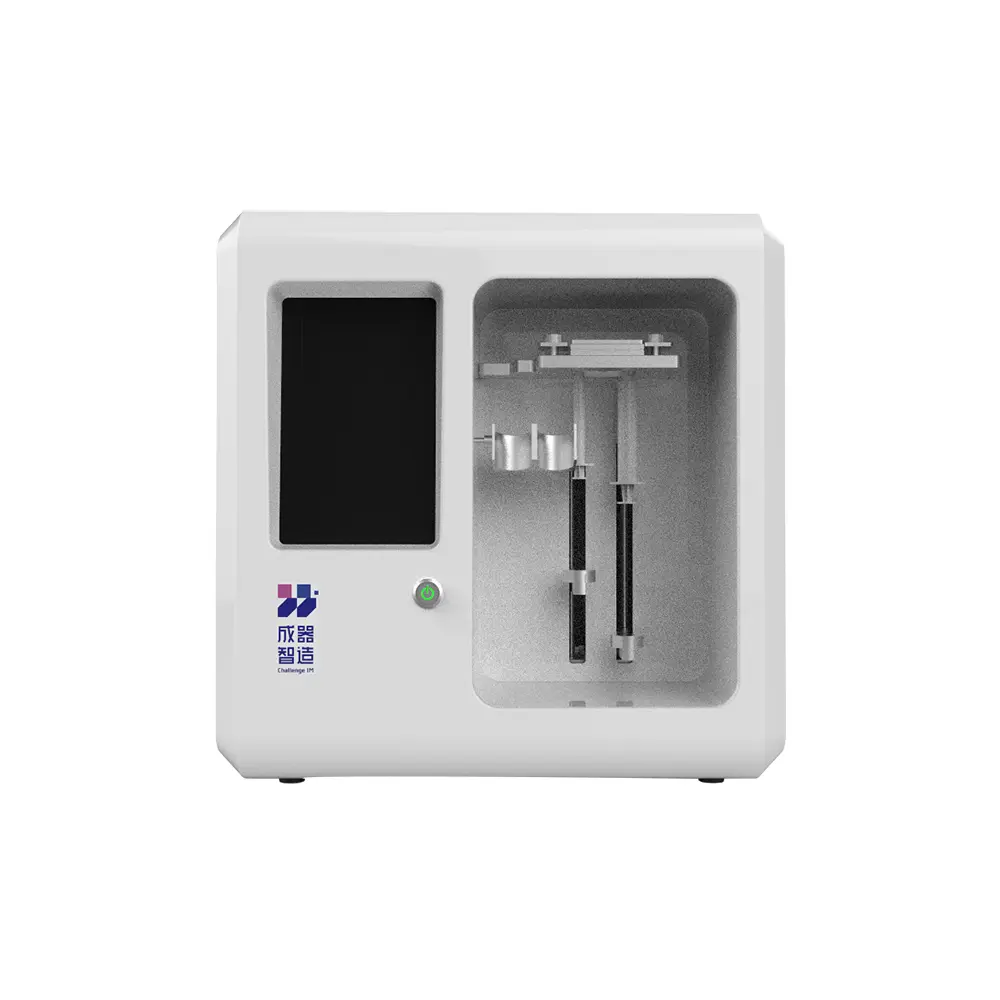 Microfluidics