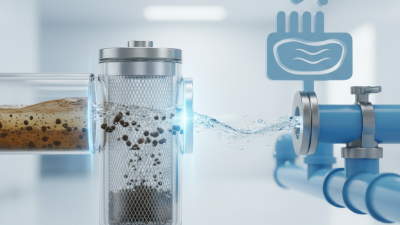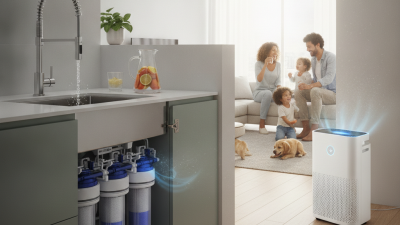
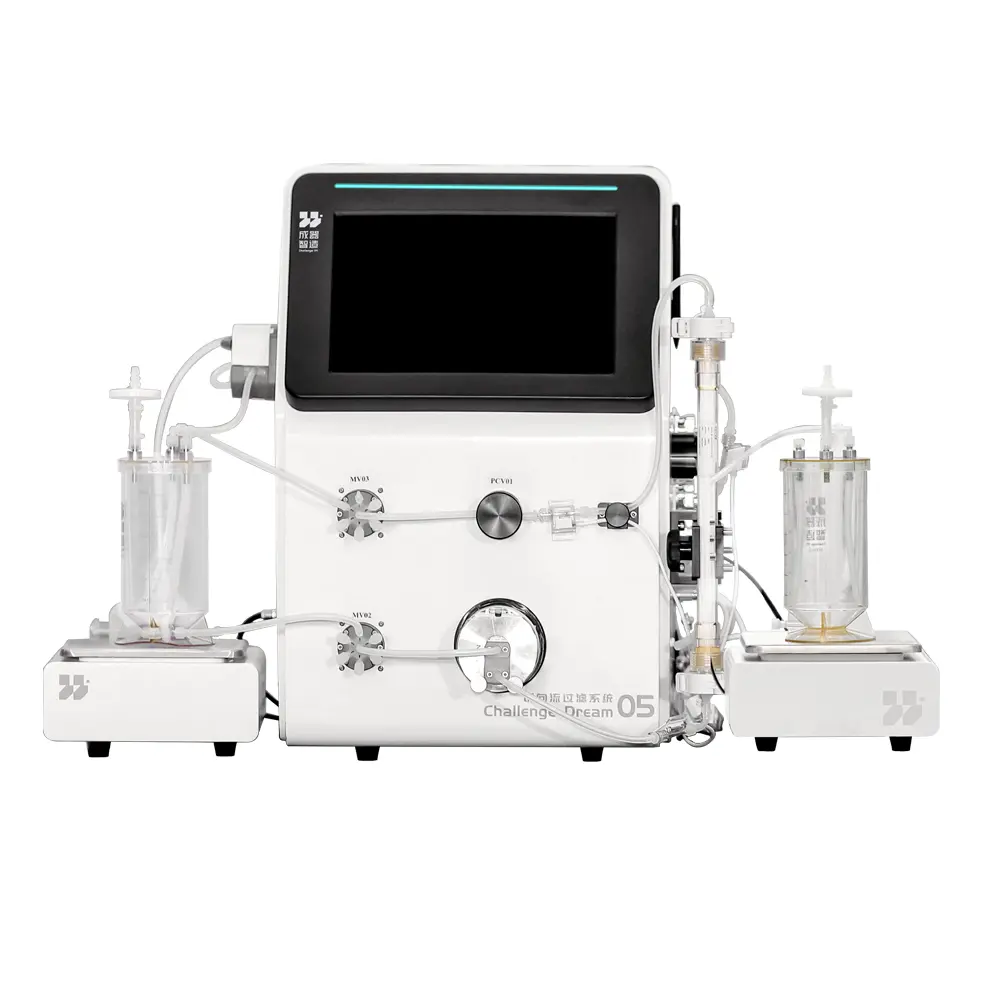
Clean water rarely comes from appearance alone. A clear glass may still contain bacteria, suspended particles, or dissolved contaminants. This is why many treatment systems use a Membrane Filter as a controlled separation barrier. Its extremely fine pores can retain selected particles while allowing water to pass through. The result is measurable filtration, not just visual improvement.
In practical settings, membrane systems support drinking water treatment, laboratory work, food production, and industrial processes. Operators can monitor pressure, flow rate, turbidity, and microbial performance during use. These details matter. A clogged membrane may reduce output and increase energy consumption. A poorly selected pore size may also fail to remove the target contaminant. Good filtration depends on matching membrane material, pore structure, water chemistry, and operating conditions.
The technology is powerful, but it is not effortless. Pretreatment can reduce fouling from sand, oils, and organic matter. Regular cleaning and timely replacement help maintain dependable performance. Yet cleaning methods must follow the manufacturer’s instructions, because harsh chemicals can damage certain membranes. Independent laboratory testing and recognized water-quality standards provide stronger evidence than advertising claims. Membrane filtration also cannot solve every water problem; dissolved gases and some chemicals may require additional treatment. That limitation deserves attention. Choosing the right Membrane Filter means examining the source water, intended use, maintenance capacity, and verified performance data. This article explains those factors clearly, helping readers make a safer and more informed filtration decision.
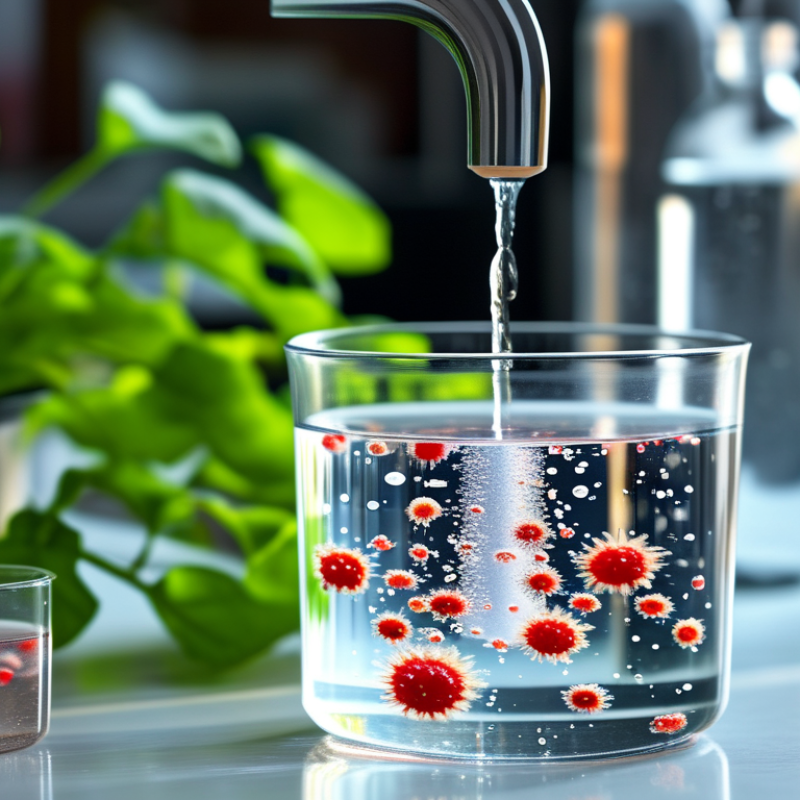
Membrane filters are thin barriers that separate unwanted substances from water. They contain microscopic pores or dense selective layers. Water passes through, while particles, microorganisms, salts, or organic compounds remain behind.
The separation method depends on the membrane type. Microfiltration removes visible particles and many bacteria. Ultrafiltration targets smaller particles, colloids, and some microorganisms.
Nanofiltration can reduce certain dissolved compounds, while reverse osmosis removes a broad range of dissolved salts. In practical testing, pressure, temperature, and water quality strongly affect performance.
A membrane that works well in a laboratory may perform differently in a busy household system.
Tips: Check the filter’s pore rating and intended contaminants. Measure water pressure before installation. Replace or clean the membrane when flow drops noticeably. Sediment prefilters can reduce surface fouling and extend service life. Still, no membrane is perfect. Poor maintenance can allow buildup, lower flow, and unreliable results. Testing treated water remains a sensible step, especially when the source quality changes.
Membrane filtration works by pushing water through a thin, selective barrier. The pressure matters. Water molecules pass through, while many suspended solids, microorganisms, and dissolved substances remain behind. This separated water is called permeate. The concentrated stream is known as retentate.
Different membranes remove different contaminants. Microfiltration can trap larger particles and some bacteria. Ultrafiltration uses smaller openings to retain colloids, proteins, and many viruses. Nanofiltration can reduce hardness and selected dissolved compounds. Reverse osmosis uses stronger pressure and a dense membrane, allowing water to cross while rejecting much of the salt and other dissolved minerals.
In practical systems, operators often add sediment filters before the membrane. This protects the surface from sand, rust, and sudden clogging. Flow, pressure, conductivity, and microbial results should be checked regularly. A rising pressure difference may signal fouling. Cleaning can restore performance, but it cannot repair every damaged membrane.
No membrane works perfectly forever. Feed water changes with seasons, pipes, and local geology. That variation can make a fixed maintenance schedule unreliable. A careful operator compares current readings with earlier records and adjusts treatment when needed. This approach helps preserve stable water quality without assuming that one membrane type fits every application.
Membrane filtration separates unwanted materials through a thin, selective barrier. In practice, operators choose a membrane by particle size, water chemistry, and treatment goals. A clear glass of water can still contain microorganisms, dissolved salts, or trace chemicals. Appearance alone proves little. Membrane systems offer controlled separation, but they require correct pressure, cleaning, and monitoring.
Microfiltration, or MF removes suspended solids, algae, and many bacteria. Its larger pores usually support strong flow rates.
Ultrafiltration, or UF has smaller pores and can reduce viruses, colloids, and larger organic molecules. It often serves as a reliable pretreatment step.
Nanofiltration, or NF removes smaller organic compounds and some dissolved ions. It may improve hardness and color.
Reverse osmosis, or RO uses the tightest barrier and removes most dissolved salts. It is useful for desalination and high-purity water.
MF and UF may not remove dissolved salts. RO can produce concentrated wastewater and needs more energy. NF performance can shift when feed water contains oil, iron, or heavy fouling particles. From field experience, a simple prefilter often protects the main membrane better than aggressive cleaning. Still, operators should verify results through pressure readings, flow checks, and laboratory testing. Membrane selection should match actual water data, not only equipment brochures. Even a well-designed system can underperform when maintenance records are incomplete.
Membrane filters provide a precise barrier for water treatment. Their pores can be smaller than many bacteria, suspended solids, and some parasites. This helps produce clearer water with more consistent quality. Operators can monitor pressure, flow rate, and turbidity during daily inspections. These measurements reveal performance changes before water quality declines.
The main benefit is physical separation without adding a large chemical dose. Depending on the membrane type, treatment can target particles, microorganisms, or dissolved substances. This flexibility supports drinking water systems, industrial reuse, and sensitive process water. Membrane filtration can also reduce the workload on later treatment stages. Less sediment may reach storage tanks and distribution pipes.
Maintenance still matters. A membrane is not a magic shield. Fouling can reduce flow and increase energy use. Organic matter, hardness, and poor pretreatment often cause trouble. A careful operator checks pressure differences and cleans the system at suitable intervals. Cleaning too often wastes water and chemicals. Cleaning too late may cause permanent damage. Pore size selection also requires testing, not guesswork. A filter that removes particles may not remove dissolved salts. That detail is easy to overlook. Reliable treatment depends on validated performance, regular sampling, and honest records.
| Membrane Type | Typical Nominal Separation Range | Primary Contaminants Reduced | Typical Operating Pressure | Main Benefits | Common Water-Treatment Uses |
|---|---|---|---|---|---|
| Microfiltration (MF) | Approximately 0.1–10 micrometres | Suspended solids, algae, protozoa, and many bacteria | Usually about 0.1–2 bar transmembrane pressure | Low energy demand, effective particle removal, and reliable pretreatment for finer membranes | Drinking-water pretreatment, surface-water clarification, wastewater polishing, and process-water filtration |
| Ultrafiltration (UF) | Approximately 0.01–0.1 micrometres; often described by a molecular-weight cut-off of about 1–300 kilodaltons | Colloids, suspended solids, bacteria, protozoa, and many viruses | Usually about 0.5–5 bar transmembrane pressure | Produces low-turbidity water, operates at relatively low pressure, and can provide a physical barrier to microorganisms | Drinking-water treatment, surface-water treatment, membrane bioreactors, and industrial water reuse |
| Nanofiltration (NF) | Approximately 0.001–0.01 micrometres; commonly around 150–1,000 daltons molecular-weight cut-off | Divalent ions, hardness, colour-causing organic matter, pesticides, and some dissolved organic compounds | Usually about 5–20 bar | Partial softening and organic-matter removal with lower pressure than reverse osmosis | Water softening, colour reduction, micropollutant control, and selected industrial applications |
| Reverse Osmosis (RO) | Dense, non-porous barrier; rejects most dissolved salts and many small dissolved contaminants | Dissolved salts, heavy metals, nitrate, fluoride, many organic compounds, bacteria, and viruses | Typically about 10–60 bar, depending on feed-water salinity and system design | High dissolved-contaminant removal and production of low-total-dissolved-solids water | Desalination, drinking-water production, boiler feedwater, and high-purity process water |
| Evaluation Dimension | Practical Benefit | Important Consideration |
|---|---|---|
| Physical separation | Removes contaminants through size exclusion and, for RO, solution-diffusion mechanisms rather than requiring a chemical reaction. | Removal performance depends on membrane type, feed-water quality, operating conditions, and membrane integrity. |
| Consistent water quality | Can provide stable turbidity, microbial, and dissolved-solids control when properly operated and monitored. | Regular integrity testing, pressure monitoring, and water-quality verification are necessary. |
| Compact footprint | Membrane systems can achieve high treatment capacity in a relatively compact area compared with some conventional clarification processes. | Pumping, pretreatment, cleaning equipment, and concentrate handling must be included in the overall design. |
| Reduced chemical dependence | Many membrane processes reduce the need for coagulants or disinfectants for the primary separation step. | Cleaning chemicals may still be required, and disinfection may remain necessary to protect treated water throughout the distribution system. |
| Water reuse potential | MF, UF, NF, and RO can be combined to produce water suitable for a range of non-potable and potable reuse applications. | A complete reuse system requires risk assessment, appropriate pretreatment, concentrate management, and regulatory compliance. |
| Operational challenges | Automated controls and routine cleaning can help maintain permeate flow and treatment performance. | Fouling, scaling, energy consumption, membrane replacement, and reject-stream disposal must be managed. |
Note: Values are representative engineering ranges. Actual membrane performance varies with membrane material, module configuration, temperature, feed-water composition, recovery rate, and system design.
Why Choose Membrane Filters for Water Filtration?
Choosing a membrane filter starts with the water, not the equipment catalogue. The WHO/UNICEF Joint Monitoring Programme reported that 2.2 billion people lacked safely managed drinking water in 2022. Local testing remains essential because wells, rivers, and municipal supplies contain different contaminants.
Start with the target.
The U.S. Environmental Protection Agency classifies microfiltration near 0.1–10 micrometres and ultrafiltration near 0.01–0.1 micrometres. Nanofiltration and reverse osmosis use tighter barriers. They can reduce dissolved salts, but usually require higher pressure and energy. A filter that removes bacteria may not control dissolved metals or salts. Check the contaminant list before selecting pore size, membrane material, and operating pressure.
Feed-water quality also matters. Turbidity, hardness, oils, and organic matter can foul the surface quickly. In field installations, a simple sediment prefilter often protects the membrane and stabilises flow. Review recovery rate, reject-water volume, cleaning frequency, replacement cost, and verified performance data. Look for testing against recognized standards, not vague claims. The NSF International Water Treatment Device Certification Program and relevant national standards can support this review.
Membranes are not maintenance-free.
Real systems lose performance when operators ignore pressure changes or cleaning records. That is an uncomfortable limitation. A smaller pore size can improve separation, yet increase energy use and fouling risk. Choose the lightest treatment that matches the measured risk, then confirm results through routine water testing.
Membrane selection depends on the contaminant size, required water quality, operating pressure, fouling risk, and energy demand. The chart compares typical separation scales for commonly used membrane processes.
How to read the chart: Microfiltration and ultrafiltration are commonly used for suspended solids, bacteria, and larger particles. Nanofiltration provides finer separation for many dissolved organic compounds and hardness ions, while reverse osmosis operates at the smallest separation scale and is widely used for dissolved salts. Actual performance varies with membrane material, water chemistry, pressure, temperature, and pretreatment.