How to Choose the Best Filtration System for Your Home?
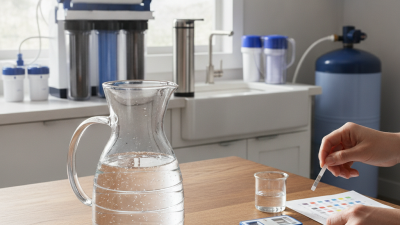
Choosing the right Filtration System for your home is crucial for ensuring clean water. Recent studies indicate that over 85% of households may be exposed to contaminants in their tap water. This alarming statistic highlights the need for effective filtration solutions.
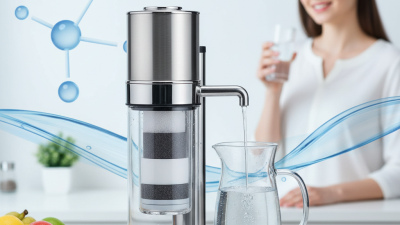
Experts in the industry, like Dr. Sarah Mitchell, emphasize the importance of selecting a system that aligns with your specific water quality needs. “A good filtration system not only improves taste but also removes harmful substances,” she states. This reflects the growing awareness of health risks associated with poor water quality.
When considering a Filtration System, evaluate factors such as contaminant removal efficiency, maintenance requirements, and overall cost. While many products claim to be effective, not all meet rigorous safety standards. This inconsistency can lead homeowners to make uninformed decisions that may compromise their health. Take the time to research and consult professionals to find the best option for your family.
Understanding Different Types of Filtration Systems for Home Use
When selecting a filtration system for your home, it's important to understand the available options.
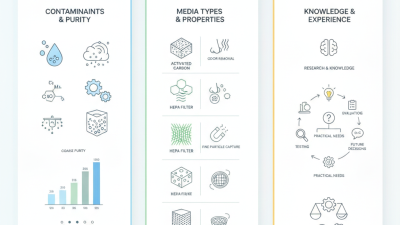
There are several types of filtration systems, each designed for specific needs.
Activated carbon filters are common.
They effectively remove odors and some chemicals from the water.
However, they may not eliminate all contaminants,
so it's essential to know their limitations.
Reverse osmosis systems offer another solution.
They can remove a wide range of impurities, including heavy metals and minerals.
This multi-stage process can improve water taste significantly.
But reverse osmosis systems may waste water during filtration, raising concerns about sustainability.
UV filtration systems target bacteria and viruses.
This technology is reliable and effective in ensuring water safety.
Yet, it does not address sediment or chemical contaminants.
Therefore, homes in areas with specific water quality issues may need a combination of these systems to achieve optimal results.
Understanding these details will help in making an informed decision for your household filtration needs.
Evaluating Water Quality: Key Metrics and Testing Methods
When evaluating water quality, several key metrics stand out.
Total dissolved solids (TDS) reveal the amount of organic and inorganic substances in the water.
According to the World Health Organization, TDS levels below 300 mg/L are considered excellent for drinking water.
Regular testing can help you monitor these levels effectively.
Another critical metric is pH.
Most drinking water should fall within a pH range of 6.5 to 8.5.
Water outside this range may taste bad or lead to pipe corrosion. It is essential to utilize reliable testing methods, such as home kits or laboratory analyses, to ensure accuracy and peace of mind.
Contaminants like lead, chlorine, and bacteria also pose significant risks.
The Environmental Protection Agency indicates that lead levels as low as 15 parts per billion can cause health problems.
Engaging in regular testing helps identify these concerns before they worsen.
Often, community resources provide free or subsidized testing, increasing accessibility for homeowners.
Factors to Consider When Choosing a Filtration System
Choosing the right filtration system for your home requires careful consideration of several factors.
Water quality is an essential starting point. Test your water to identify
contaminants like chlorine, lead, or bacteria. These elements can cause
health issues and affect the taste of your water. Understanding your specific needs helps in selecting the most
suitable system.
Space and installation requirements also play a crucial role. Some filtration systems are compact and easy to
install, while others may require professional setup. Consider your kitchen layout
and available space before making a decision. Maintenance and filter replacement frequency are vital aspects too.
A high-maintenance system might seem appealing at first but can become burdensome over time.
Budget constraints are inevitable. Higher costs often correlate
with better filtration technology and longevity. However, balancing quality with affordability is paramount.
Reflect on how much you can invest without compromising on clean water. Mistakes in choosing a filtration system are common.
Always ask for advice, and don’t rush the process.
Prioritize your family’s health and comfort in your decision.
Cost Analysis: Initial Investment vs. Long-Term Savings on Filtration
When selecting a filtration system for your home, cost analysis is vital. The initial investment can vary significantly. Basic systems may cost around $200, whereas advanced options can reach $2,500. According to a 2020 report by the Water Quality Association, over 50% of homeowners underestimate these upfront costs, which can lead to regret.
Long-term savings on filtration can be substantial. A study conducted by the Environmental Protection Agency revealed that households using filtration systems reduce bottled water expenditures by up to 30%. Given that a family of four can spend nearly $600 annually on bottled water, the savings add up over time. It's important to note that installation and maintenance also influence overall costs.
Regular maintenance can add $100 to $300 yearly. Homeowners must weigh this against health benefits. Contaminated water can lead to health issues, increasing medical bills. Some may initially choose cheaper options but later find them ineffective. This reveals the importance of making an informed decision. The best filtration system should ensure purity and longevity, even if the upfront cost seems daunting.
Maintenance Requirements and Lifespan of Filtration Systems
When selecting a filtration system, understanding the maintenance requirements is crucial. Regular upkeep ensures optimal performance and longevity. Most systems require filter replacements every few months. Some filters need cleaning, while others should be discarded entirely. Ignoring these tasks can diminish effectiveness. You may notice a decline in water quality if you procrastinate maintenance.
Lifespan varies among systems. Some can last for years with proper care. Others may show signs of wear sooner, especially in high-demand households. Consider the water quality in your area; hard water might lead to quicker wear and tear. Another aspect to reflect on is the initial cost versus maintenance expenses. Cheaper systems might cost more over time due to frequent replacements.
Evaluate your personal capacity for maintenance. Some people are diligent, while others may struggle. If you can commit to regular checks and changes, you might opt for a more complex system. However, if you prefer simplicity, choose a system that demands less attention. Balancing effort and effectiveness is key.
How to Choose the Best Filtration System for Your Home? - Maintenance Requirements and Lifespan of Filtration Systems
| Filter Type |
Maintenance Requirements |
Lifespan (Years) |
Cost Range ($) |
| Activated Carbon Filter |
Replace every 6-12 months |
2-5 |
50-150 |
| Reverse Osmosis System |
Replace filters every 2-3 years |
10-15 |
200-600 |
| UV Filter |
Replace bulb every 1 year |
5-10 |
100-300 |
| Whole House Filter |
Replace cartridges every 6-12 months |
5-10 |
200-800 |
| Sediment Filter |
Replace every 6-12 months |
3-5 |
30-100 |


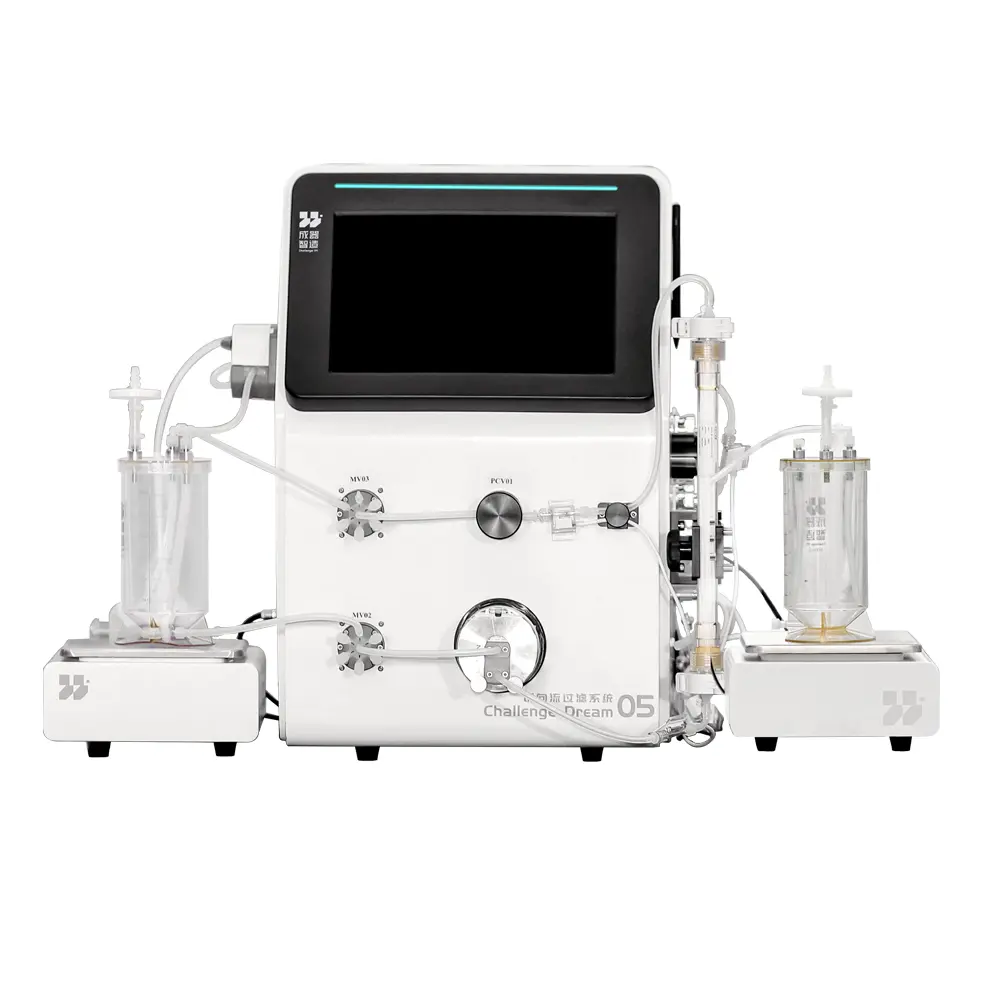 Tangential Flow Filtration(TFF) System
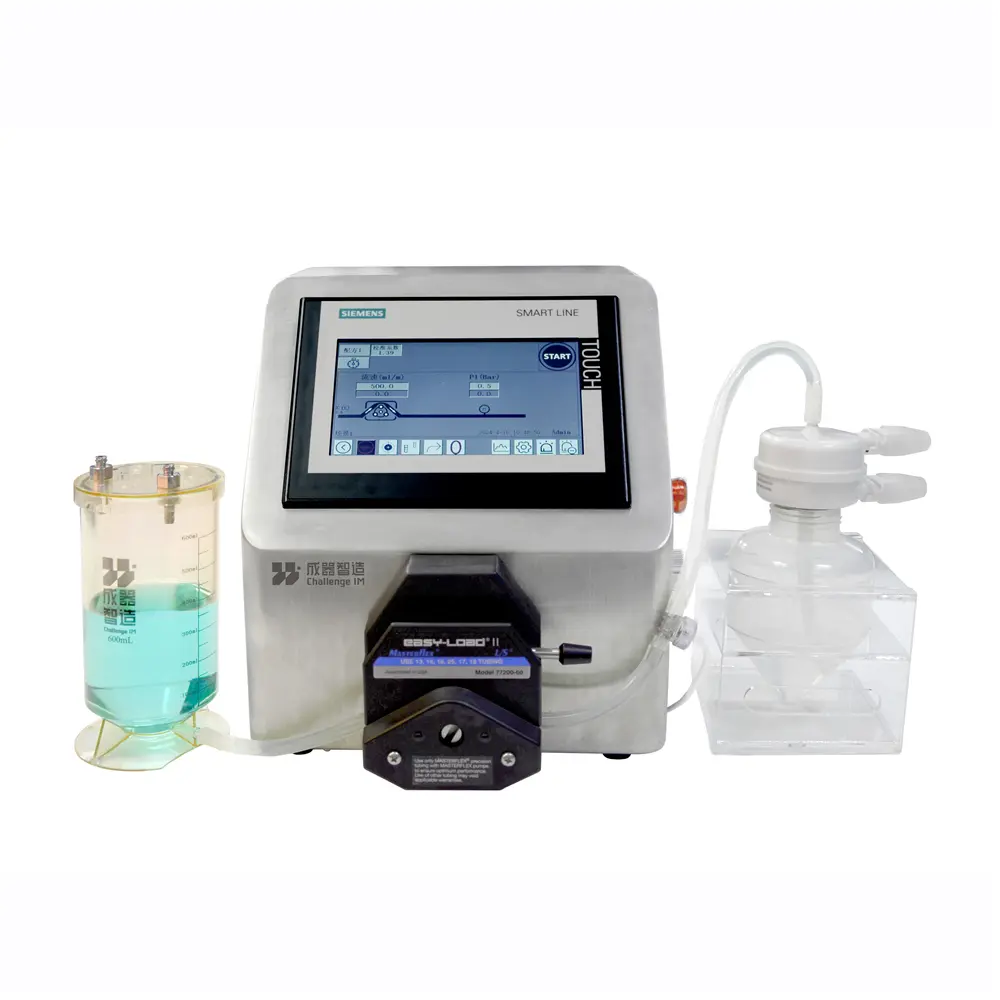 Jump Pump
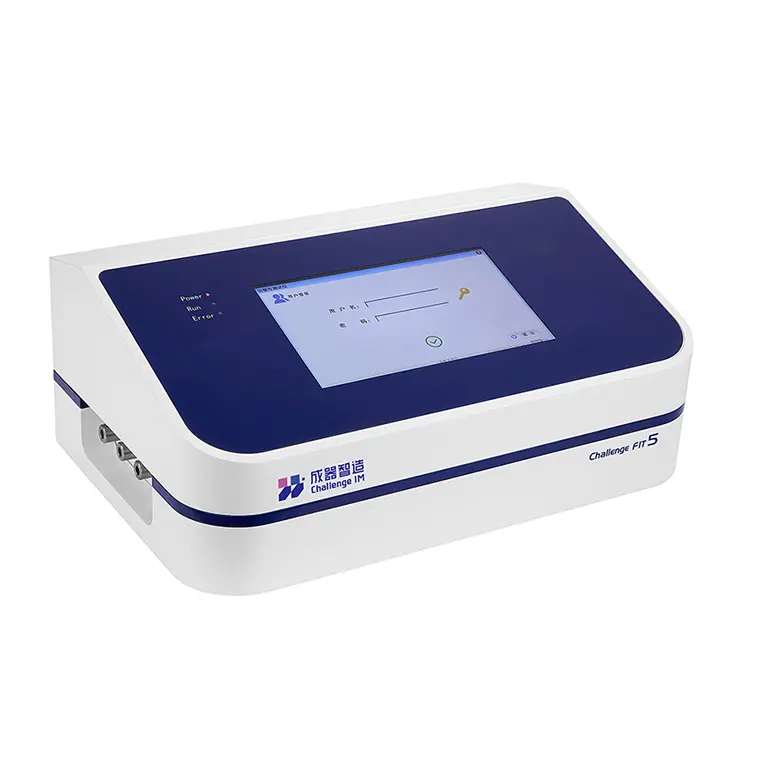 FIT Integrity Tester
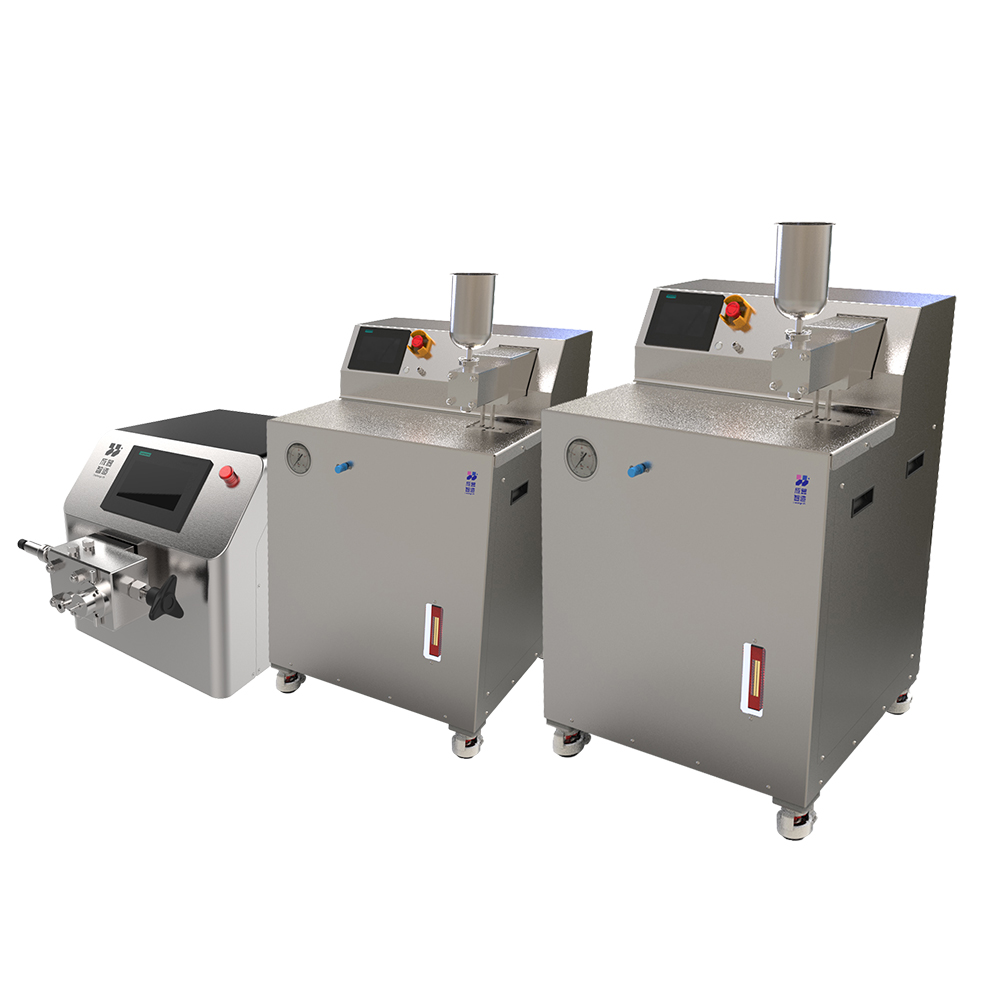 High Pressure Homogenizers
 Microfluidics